2027 Best Online Career Training Programs for Career Growth

Co-Founder and Chief Data Scientist
Choosing online career training means balancing speed, cost, employer recognition, and any hands-on or licensing requirements. The U.S. Bureau of Labor Statistics projects healthcare support occupations to grow 15% from 2023 to 2033, much faster than average, illustrating why targeted training can be valuable.
This guide is for career changers, recent graduates, and working adults comparing certificates, associate degrees, and noncredit programs. Use it to identify realistic online options, verify quality, estimate total costs, and select training that fits your target job.
Key Things You Should Know
- Online career training can be a short noncredit program, a credit-bearing certificate, or an associate degree; only some lead directly to a required certification or state license.
- Programs with clinical, laboratory, shop, fieldwork, or supervised practicum requirements are usually hybrid, even when lectures and assignments are online.
- BLS projects healthcare support occupations to grow 15% from 2023 to 2033; demand is promising, but job eligibility still depends on employer, certification, and state requirements.
Top 10 Best Online Career Training Programs for Career Growth
Popular Trade School Programs
Online trade training commonly covers HVAC fundamentals, electrical theory, welding concepts, automotive service, construction estimating, and industrial maintenance. A noncredit certificate can build entry-level knowledge quickly, while a credit-bearing certificate or associate degree may include general education and more lab time. Choose hybrid instruction when employers or licensing rules expect hands-on competencies. Apprenticeship is often the stronger route for electricians and many construction trades because paid supervised experience matters. Confirm whether the program prepares you for an industry exam, such as EPA Section 608 for refrigerant work, rather than assuming completion alone qualifies you to work independently.
Healthcare Programs
Common online or hybrid healthcare options include medical billing and coding, medical assisting, pharmacy technician, health information technology, and practical nursing prerequisites. Coding programs may be substantially online, but medical assisting, nursing, phlebotomy, and similar patient-care pathways require supervised clinical experiences. A school certificate is educational training; certification, such as a coding credential earned through an exam, is separate. Before enrolling, verify clinical placement policies, state approval where applicable, exam eligibility, background-check rules, and whether local employers recognize the credential. Healthcare training suits detail-oriented learners who can meet privacy, documentation, and patient-safety expectations.
Criminal Justice / Law Programs
Online programs in criminal justice, legal studies, paralegal studies, corrections, and cybersecurity-related law can lead to certificates or associate degrees. A paralegal certificate may fit people who already hold a degree, while an associate degree can provide a broader entry point. However, program completion does not authorize someone to practice law, become a police officer, or obtain a security clearance. Hiring agencies may impose physical, background, residency, or academy requirements. Favor programs that clearly distinguish legal support training from attorney preparation and explain whether coursework aligns with voluntary paralegal certification examinations.
Arts & Design Programs
Online arts and design training includes graphic design, digital marketing design, UX design, photography, animation, interior design fundamentals, and web content production. Short certificates can help learners build software skills and a portfolio, while associate degrees typically provide deeper design theory, critique, and broader coursework. Portfolio quality often carries more weight than the credential alone in creative hiring. Check whether you will receive instructor feedback, real project briefs, software access, and ownership of finished work. Learners seeking regulated interior-design roles should separately confirm state-specific education and examination expectations.
What are the best online career training programs?
The best online career training program is the one that matches a specific job target, provides the required practical experience, and is recognized by the employer, certifying body, or licensing board that governs that role. "Best" does not automatically mean shortest or cheapest.
Use this comparison to match the training format to the outcome you need.
| Program type | Best for | Typical outcome | Key limitation |
| Noncredit career training | Fast skill-building or career exploration | School-issued completion credential | May not transfer for college credit |
| Credit-bearing certificate | Entry-level technical preparation | Academic certificate, sometimes stackable | May still require an external exam or license |
| Associate degree | Careers needing broader coursework or clinical preparation | College degree and possible transfer pathway | Usually takes longer than a short certificate |
| Industry certification preparation | Roles with a recognized credential exam | Training toward exam readiness | Training provider does not award the certification |
For professionals who already have a bachelor's degree and need a graduate-level route, a fastest online master's degree may be a better fit than entry-level career training. Compare curriculum, required experience, and employer demand before choosing an accelerated option.
How do online career training programs compare with campus programs?
Online programs are strongest when the job relies on knowledge, software, documentation, analysis, or digital portfolios. Campus and hybrid programs are often better when students need equipment, instructor observation, clinical supervision, or immediate access to labs. A quality online program should have scheduled support, clear assessment standards, accessible instructors, and a documented process for practical requirements.
This comparison highlights the trade-off between convenience and direct practice.
| Factor | Online format | Campus or hybrid format |
| Scheduling | Often flexible for working adults | Usually fixed meeting times |
| Hands-on training | May require local placements or intensives | More direct access to labs and equipment |
| Networking | Requires intentional virtual engagement | Often easier through classmates and local employers |
| Best fit | Digital, administrative, and theory-heavy roles | Clinical, skilled-trade, and equipment-based roles |
If self-paced learning appeals to you, understand what is a competency based masters degree before assuming competency-based formats work the same way as clock-hour career training. Programs vary in pacing, assessment, credit, and employer relevance.
How do you choose an accredited online career training program?
Accreditation matters most when you need federal aid, transferable college credit, licensure eligibility, or a credential recognized by a regulated profession. Institutional accreditation applies to colleges as a whole; programmatic accreditation applies to specific fields. Noncredit providers may not be accredited institutions, so evaluate their industry alignment, instructor experience, assessment model, refund policy, and stated outcomes instead.
Complete these checks before paying an enrollment deposit.
- Identify the exact job, state, and employer type you want to pursue.
- Ask the relevant licensing board or certifying organization which education and clinical requirements apply.
- Verify the school's institutional accreditation through an official accreditor or government database when academic credit or aid matters.
- Confirm whether online students receive required labs, clinical placements, externships, or supervised practice.
- Request total charges, withdrawal terms, credential wording, and completion requirements in writing.
Do not confuse easy admission with quality. For learners considering a lower-cost college pathway, this overview of Barbados community college alternatives can help clarify how associate-level study differs from a short training program.
What career fields offer the strongest job prospects after training?
Fields with strong prospects generally combine persistent service needs with skills that cannot be fully automated or easily outsourced. Healthcare support, information security, skilled maintenance, logistics, and technology-enabled business operations are examples, but local hiring conditions and credential rules remain decisive.
BLS projections can help prioritize fields, not guarantee employment. The following occupations show why program-to-job alignment matters.
| Career field | Relevant training example | Outlook consideration |
| Healthcare support | Medical assisting or pharmacy technician training | Often requires clinical work, registration, or employer-specific credentials |
| Health information | Medical billing, coding, or health information certificate | Accuracy, privacy knowledge, and certification can strengthen candidacy |
| Skilled trades | HVAC, electrical, or industrial maintenance training | Apprenticeship and field experience may be essential |
| Technology support | IT support or cybersecurity fundamentals | Portfolios, projects, and vendor certifications may matter |
Advanced academic goals are different from entry-level career preparation. If your long-term plan includes research or university teaching, review 1 year PhD programs online no dissertation carefully and verify institutional recognition, dissertation expectations, and career fit.
What admission requirements do online career training programs usually require?
Admission requirements depend on the provider and credential type. Many noncredit online programs require only a registration form, payment arrangement, and basic technology access. College certificates and associate degrees may require an application, high school completion or equivalent, placement information, transcripts, and prerequisite coursework. Health programs may add immunizations, drug screening, criminal-background checks, CPR training, and clinical eligibility requirements.
Ask whether requirements apply at admission or before the practicum begins. A program can admit you online but still be unable to place you in required clinical training if you cannot satisfy site requirements.
How long do online career training programs take to complete?
Completion time ranges from a few weeks for focused noncredit training to roughly two years for a full-time associate degree. Self-paced programs can be faster for experienced learners, but they are not automatically easier: students still need time for assessments, projects, labs, and exam preparation. Hybrid healthcare and trade programs may follow fixed clinical or lab schedules regardless of online lecture flexibility.
Compare the published instructional hours, weekly workload, required externship hours, and maximum completion window. Choose an accelerated path only when you can consistently meet the workload without sacrificing portfolio quality, exam preparation, or supervised practice.
How much do online career training programs cost?
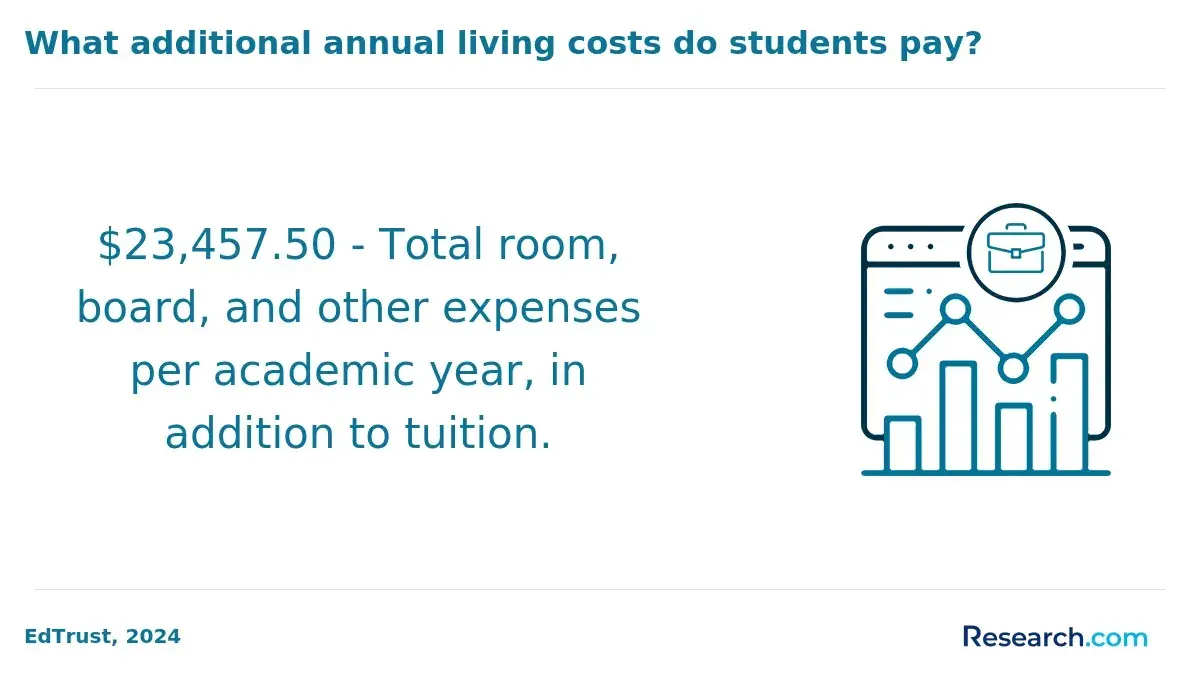
Total cost includes more than advertised tuition. Noncredit providers may charge separately for exam vouchers, software, textbooks, equipment, background checks, uniforms, lab kits, and optional career services. Credit-bearing college programs can also include fees and may have different aid eligibility than noncredit training. The National Center for Education Statistics reported that average tuition and fees at public two-year institutions were $3,800 in the 2023-24 academic year; this national figure excludes many living and program-specific costs.
Request an itemized estimate that separates required from optional expenses. Compare the cost against local job postings, entry requirements, likely time away from work, and whether the credential can stack into a degree or recognized certification.
What jobs can you get after completing online career training?
Online career training can support entry-level and career-transition roles, but the credential must match the job's real hiring requirements. Examples include medical billing specialist, pharmacy technician trainee, IT support specialist, administrative legal assistant, digital content designer, HVAC helper, and customer support representative. Some jobs are accessible after training and employer onboarding; others require an exam, supervised experience, apprenticeship, or state license first.
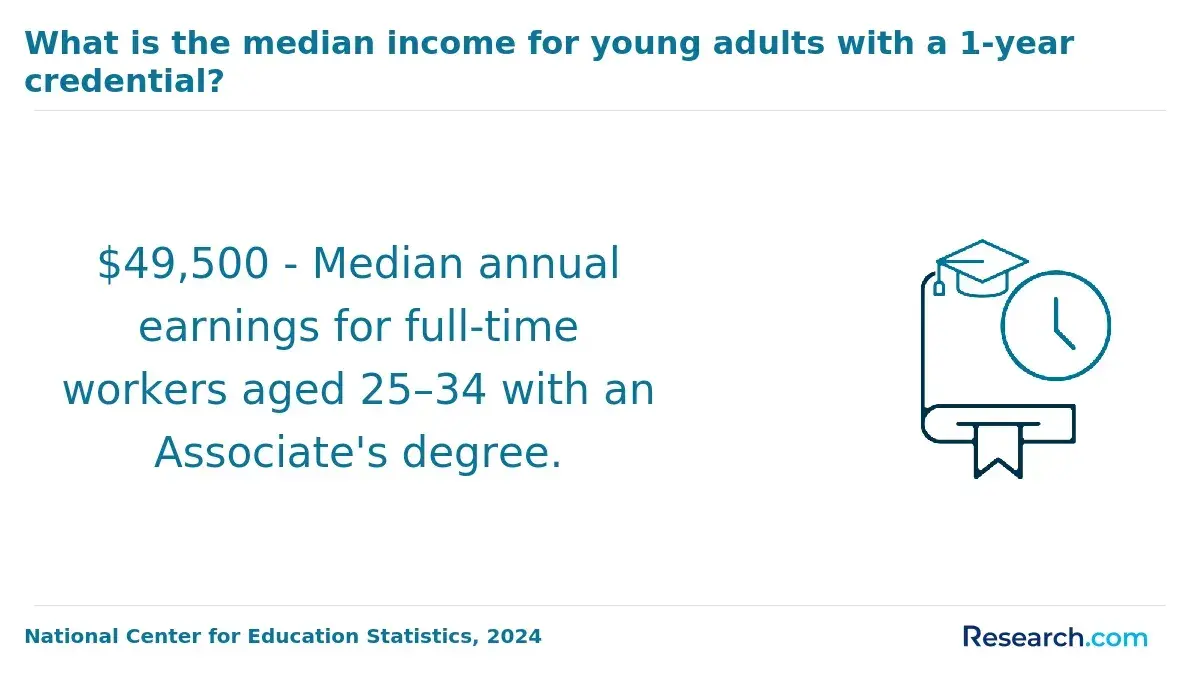
Occupational salary data should be treated as information about the job, not a promise tied to a particular program. Review local postings and identify the repeated requirements before enrolling. If postings request an associate degree, certification, or experience beyond your planned training, budget for the next step rather than assuming a short certificate will be sufficient.
What certifications or licenses may be needed after training?
A certificate of completion and a professional certification are different credentials. A school issues a certificate after you complete its curriculum. A professional association, vendor, or government-recognized body may issue a certification after you meet eligibility standards and pass an examination. Licenses are typically issued by state authorities and may require approved education, testing, background checks, and ongoing renewal.
Common examples include EPA Section 608 certification for technicians who handle regulated refrigerants, pharmacy technician registration or certification requirements that vary by state, and coding certifications offered by professional organizations. Verify requirements directly with the relevant state board or credentialing body before selecting a program. Do not rely on marketing language such as "certification included" without confirming who awards it and what eligibility rules apply.
Other Things You Should Know About
They can be legitimate, but quality varies. Confirm the provider's identity, instructor qualifications, curriculum, refund policy, practical-training arrangements, and whether employers, certifying bodies, or licensing boards recognize the training for your goal.
Possibly, especially in administrative, digital, customer-support, and entry-level technical roles. For regulated or hands-on careers, an online certificate may be only one step; you may also need clinical hours, an exam, an apprenticeship, or a license.
A certificate is usually better when you need a focused skill quickly and the target job accepts it. An associate degree is often better when employers expect broader education, you need clinical preparation, or you want a pathway to a bachelor's degree.
Eligibility depends on the school and program. Credit-bearing programs at eligible institutions may qualify for federal aid, while many noncredit programs do not. Ask the provider about aid, payment plans, employer tuition assistance, scholarships, and all out-of-pocket costs.
References
- 10 Companies With Exceptional Employee Development Programs | Together Mentoring Software https://www.togetherplatform.com/blog/best-training-and-development-programs
- Training Evaluation: A Guide to Measuring Program Success https://www.ispring.com/knowledge-hub/how-to-evaluate-a-training-program
- Best Online Colleges with Job Placement Programs for Career Success https://lakewood.edu/best-online-colleges-with-job-placement-programs-for-career-success/
- Evaluating Your Online Courses https://theelearningcoach.com/elearning_design/evaluating-your-online-courses/
- Course Completion Rate Benchmarks: Improve Yours (2026) | Ruzuku https://www.ruzuku.com/learn/articles/course-completion-rates
- A Better Metric for the Value of a Worker Training Program | Generation https://www.generation.org/news/a-better-metric-for-the-value-of-a-worker-training-program/
- CourseCareers https://coursecareers.com/blog-posts/college-vs-online-career-training
- Online Career Training | Certificate Programs | CareerStep https://www.careerstep.com/
- Getting Financial Assistance for Career Training https://ccitraining.edu/blog/getting-financial-assistance-for-career-training/
- Online Certificates for Job-Ready Skills | Grow with Google https://grow.google/certificates