2027 Are There Any One-Year Online Web Development Degree Programs Worth Considering?

Co-Founder and Chief Data Scientist
Choosing a one-year online Web Development program is really a question about speed, credibility, and job readiness. A short program can help you build practical coding skills faster, but not every “one-year” option is a full degree, and not every accelerated pathway carries the same academic or employer value.
This guide explains what is realistic if you want to study Web Development online on an accelerated timeline. You will learn when a one-year path is feasible, how these programs compare with traditional degrees and bootcamps, what admissions requirements to expect, how to evaluate program quality, what costs may look like, and how financial aid can work for online students.
The goal is to help you decide whether an accelerated Web Development program fits your schedule, budget, prior credits, technical background, and career plans.
Key Points About One-Year Online Web Development Degree Programs
- One-year online Web Development degrees focus intensely on practical skills and current coding languages, differing from traditional programs that often emphasize broader theoretical foundations.
- Students should anticipate accelerated coursework, strong portfolios development, and exposure to full-stack projects to meet industry demand for job-ready graduates.
- These programs appeal to career changers and tech professionals seeking swift upskilling in a field projected to grow 15% by 2030, according to the U.S. Bureau of Labor Statistics.
Is It Feasible to Finish a Web Development Degree in One Year?
Finishing a Web Development degree online in one year is possible in limited situations, but it is not realistic for most first-time college students pursuing a bachelor's degree from the beginning. The timeline depends mainly on degree level, transfer credits, course load, and whether the school uses an accelerated or competency-based format.
A bachelor's program typically requires around 120 credits. Completing that amount of coursework in one year would be unusually demanding unless you already have substantial earned credits, an associate degree, or approved prior learning. A one-year timeline is more plausible for degree-completion programs, certificate-style programs, coding boot camps, or associate-level pathways with transfer credit.
Students should also account for capstone projects, portfolio work, group assignments, and any practicum-style requirements. These experiences can improve job readiness, but they add time and workload. Web Development careers usually do not require licensing, so the bigger issue is whether you graduate with a strong portfolio, current technical skills, and enough practice to perform in entry-level roles.
In practical terms, a one-year online Web Development pathway is most feasible if you meet several conditions:
- You already have college credit: Transfer credits can reduce the number of courses you need to complete.
- You can study intensively: Accelerated programs often require more weekly hours than standard online programs.
- You have some technical foundation: Prior exposure to HTML, CSS, JavaScript, or programming logic can make the pace more manageable.
- You choose the right credential: A bachelor's degree, associate degree, certificate, and bootcamp can all lead to different outcomes.
- You build a portfolio while studying: Employers typically want proof that you can create, debug, and deploy functional projects.
Are There Available One-year Online Web Development Degree Programs?
Accredited one-year online Web Development bachelor's degree programs in the US are essentially nonexistent within the traditional bachelor's degree structure. Most Web Development bachelor's degrees require around 120 credits and typically take three to four years, even when offered in accelerated formats.
However, students may find fast-track options that shorten the timeline. These usually fall into three categories: bachelor's degree-completion programs for students with transfer credits, competency-based programs that let students move faster when they can prove mastery, and intensive associate, certificate, or bootcamp-style programs that are not equivalent to a full bachelor's degree.
Several online options illustrate how acceleration can work, even if a full bachelor's degree in one year remains unlikely for most students:
- Bellevue University: Bellevue University offers an accelerated cohort model for its Bachelor of Science in Web Development. Students move through courses together in smaller, structured loads. The curriculum includes JavaScript, Angular, TypeScript, API development, and DevOps, and ends with a capstone boot camp focused on portfolio building.
- Purdue Global: Purdue Global offers a competency-based program with self-paced progress at $11,130 annual tuition. This model may help highly motivated learners move faster than a traditional schedule, although completing a full bachelor's degree in one year remains unlikely without significant prior credit.
- ECPI University: ECPI University advertises completion of its 100% online Web Design & Development Bachelor's degree in as few as 2.5 years through year-round enrollment and intensive scheduling.
If your main goal is speed, compare degree programs with nondegree credentials carefully. A bootcamp may be faster and more skills-focused, while a bachelor's degree may carry broader academic value, transferability, and long-term career flexibility. Students comparing accelerated pathways may also find useful planning context in resources on one year masters programs online, especially when evaluating how fast-track academic programs are structured.
Why Consider Taking Up One-year Online Web Development Programs?
A one-year online Web Development program can make sense if you need a faster, more practical route into technical work and understand the trade-offs. These programs are designed to compress learning into a shorter period, often emphasizing coding practice, project development, responsive design, user experience basics, and front-end or full-stack workflows.
The strongest reason to choose this path is efficiency. Instead of spending several years on a traditional schedule, students can focus on skills that are directly connected to entry-level Web Development tasks, such as building websites, writing JavaScript, using version control, testing layouts, and presenting completed projects to employers.
- Career changers: Accelerated programs can help adults move into web development without committing to several years of campus-based study. The best fit is usually someone who can devote consistent weekly time to coding practice.
- Working professionals: Online delivery can make it easier to upskill while keeping a job. Students should still expect a demanding schedule, especially when projects and deadlines overlap with work responsibilities.
- Recent high school graduates: A shorter, skills-oriented pathway may appeal to students who want a more direct route to technical employment than a broad traditional degree plan.
- Students seeking accessibility: Online options can remove geographic barriers and may reduce relocation or commuting costs. Affordability still varies widely by institution and credential type.
The main career advantage is the opportunity to build a portfolio quickly. In Web Development, a credential alone is rarely enough. Employers often look for working examples of your ability to design, code, troubleshoot, and improve web projects. A strong accelerated program should therefore include hands-on assignments, a capstone, and feedback that helps students create employer-ready work.
Students who want flexible admissions or multiple start dates can also research open enrollment colleges online while comparing accelerated Web Development pathways.
The biggest drawback of a one-year online Web Development program is that speed can reduce depth. Web Development requires repeated practice, debugging experience, design judgment, and familiarity with tools that change over time. A compressed schedule can be effective, but it leaves less room to struggle through concepts at a normal pace.
Before enrolling, consider these limitations:
- Heavy workload: Students may need to learn programming languages, frameworks, accessibility practices, databases, testing habits, and deployment workflows in a short period. This can lead to burnout if you are also working or managing family responsibilities.
- Less time for mastery: Accelerated programs can introduce important tools quickly, but students may need additional practice after graduation to become confident in production-level work.
- Limited networking: Online formats can make it harder to build relationships with classmates, instructors, alumni, and local employers unless the program intentionally supports interaction.
- Portfolio pressure: A short timeline may leave less time for internships, freelance work, open-source contributions, or polished personal projects.
- Credential confusion: Some programs marketed as “one-year” options may be certificates, bootcamps, or degree-completion tracks rather than full degrees. Students should verify exactly what credential they will earn.
- Technology changes: Web tools evolve quickly. Even a good accelerated program cannot cover every current framework or platform in depth, so graduates must keep learning independently.
A one-year format is best for disciplined learners who can handle intensive work and who are comfortable asking questions, practicing outside class, and building projects beyond minimum requirements.
Eligibility requirements vary by school, credential, and degree level. Most one-year online Web Development pathways require at least a high school diploma or equivalency certificate. Some programs may also require a minimum GPA, often around 2.75 to 3.0.
For accelerated bachelor's degree-completion programs, the most important requirement is often transfer credit. Some programs may expect applicants to bring a significant number of transferable college credits, sometimes up to 90 credits for a bachelor's degree, so the remaining coursework can be completed on an accelerated schedule.
Common eligibility requirements include:
- High school diploma or equivalency: This is the baseline requirement for most undergraduate online programs.
- Minimum GPA: Some institutions ask for a GPA around 2.75 to 3.0 to evaluate academic readiness.
- Transferable college credits: Bachelor's completion tracks may require substantial prior credit, sometimes up to 90 credits, before students can enter the accelerated portion of the program.
- Prerequisite coursework: Intermediate and advanced programs may require prior study in programming, computer science, mathematics, or related areas. Foundational skills in HTML, CSS, and JavaScript may also be mandatory.
- Professional experience: Some programs may consider relevant technology experience, especially for adult learners and career changers.
- Placement exams: Schools may use placement assessments to determine readiness in math, programming, or writing.
- Background checks: These may be required if the program includes internships or projects involving sensitive data.
- Interviews: Competitive or cohort-based programs may interview applicants to assess motivation, time management, and program fit.
- Technical readiness: Students typically need reliable computer access, internet service, a webcam, and a microphone for online participation.
Before applying, confirm whether the program is a full degree, a degree-completion pathway, a certificate, or a bootcamp. Also review accreditation, transfer-credit rules, course prerequisites, and whether the program’s credential matches your career goals. Students comparing long-term earning potential across fields can review which major makes the most money for broader context.
The best one-year online Web Development program is not simply the fastest one. It should be accredited when it is a degree program, transparent about costs and timelines, current in its technical curriculum, and strong enough to help you produce a professional portfolio.
Use the criteria below to compare programs:
- Accreditation: Verify institutional accreditation from a recognized accreditor. Accreditation affects financial aid eligibility, transfer credit, graduate study options, and employer confidence. Some programs may also reference specialized bodies such as ABET or the Higher Learning Commission; confirm what type of accreditation applies to the school and program.
- Credential type: Make sure you know whether you are earning a bachelor's degree, associate degree, certificate, or bootcamp credential. These are not interchangeable.
- Curriculum relevance: Look for coverage of HTML, CSS, JavaScript, responsive design, accessibility, version control, databases, APIs, and modern frameworks. The curriculum should include both fundamentals and current development practices.
- Hands-on projects: A quality program should require students to build real websites or applications, not just complete quizzes. Portfolio-ready work is especially important for entry-level job searches.
- Faculty expertise: Instructors should understand current web technologies and development workflows. Industry experience can be valuable when courses involve practical coding decisions.
- Course delivery format: Review whether courses are asynchronous, live, cohort-based, self-paced, or competency-based. The right format depends on your schedule and learning style.
- Student support: Academic advising, tutoring, technical support, library access, and career services can make a major difference in an accelerated program.
- Credit transfer policies: If you already have credits, ask how many will transfer and whether they apply to major requirements or only electives.
- Career preparation: Look for resume support, portfolio reviews, interview practice, employer connections, internship guidance, or capstone projects.
- Tuition and financial aid: Compare total cost, fees, payment schedule, and aid eligibility. Low tuition is helpful, but only if the program quality and credential value are strong enough for your goals.
When researching options, be cautious with programs that make broad job guarantees, hide total costs, lack clear accreditation information, or do not show what students actually build. You can also compare institutions through lists of the top accredited non profit online universities to identify schools with established online education models.
One-year online degree programs in Web Development generally range from $10,000 to $20,000 in total tuition, depending on the institution and residency status. Accelerated programs typically require between 30 and 40 credit hours, with in-state public university students paying around $337 per credit hour and private institution students paying about $516 per credit hour.
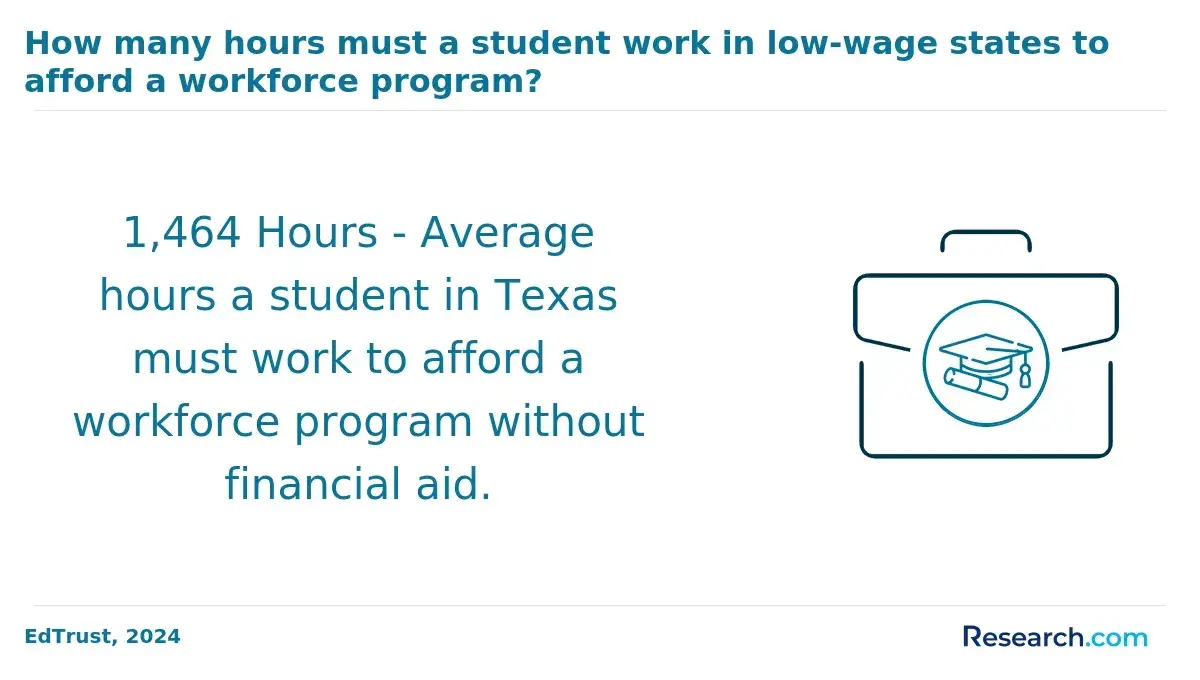
Costs vary based on school type, program length, residency rules, course fees, technology fees, and whether the program is a degree, certificate, or bootcamp-style pathway. Public universities are often more affordable, with some options as low as approximately $5,220 per year. Roughly 16% of colleges differentiate tuition fees between online and on-campus learning formats, which can also affect total cost.
Compared with traditional four-year online bachelor's degrees, which can cost above $40,000 for in-state students at public universities, a shorter pathway may reduce tuition and help students enter the workforce sooner. However, the lowest-cost option is not always the best value. Students should compare total tuition with accreditation, transferability, career support, portfolio development, and expected time commitment.
| Cost factor | Why it matters |
| Tuition per credit | Determines the core program cost, especially when the program requires between 30 and 40 credit hours. |
| Residency status | In-state students at public institutions may pay less than out-of-state students. |
| Institution type | Private institutions often charge more per credit than public institutions. |
| Fees and materials | Technology fees, software access, books, and equipment can increase the total cost. |
| Transfer credits | Accepted credits can reduce the number of courses you need to pay for. |
Students in one-year online Web Development programs should expect a fast, project-heavy learning experience. These programs often compress material that would normally be spread across a longer academic plan, so the pace can be demanding from the first course.
Typical coursework may cover HTML, CSS, JavaScript, databases, responsive design, user experience principles, accessibility, troubleshooting, and performance optimization. Depending on the program, students may also work with APIs, frameworks, version control, deployment tools, and back-end concepts.
The student experience usually includes:
- Frequent coding assignments: You should expect regular practice, debugging, and revisions.
- Project-based learning: Many courses require websites, interactive applications, or design prototypes.
- Remote collaboration: Students may use discussion boards, group projects, video meetings, or shared repositories.
- Portfolio development: A capstone or final project can help demonstrate skills to employers.
- Independent study: Because web technologies change quickly, students often need to practice beyond assigned coursework.
Learning outcomes typically focus on front-end development, basic back-end awareness, web standards, problem solving, and the ability to create usable and responsive websites. Students with prior coding experience may adjust more easily to the pace. Beginners can succeed, but they should plan for extra practice time and should not underestimate the learning curve.
Because accredited one-year options are scarce, evaluate program quality, faculty support, curriculum currency, and graduate outcomes before enrolling. Students who want shorter credentials or supplemental training may also compare certificates that pay well alongside Web Development programs.
Financial aid may be available for one-year online Web Development degree programs, but eligibility depends on the school, credential type, accreditation status, enrollment level, and program structure. Students at accredited institutions can typically apply for federal aid by completing the FAFSA, but aid timing may differ in accelerated programs because terms are shorter or scheduled differently.
Common financial aid options include:
- Federal Aid: Eligible students may qualify for Pell Grants, federal loans, and work-study opportunities. Eligibility depends on factors such as financial need, citizenship, enrollment status, and whether the program is offered by an accredited institution. Disbursements may be adjusted for shorter program terms.
- State Grants and Scholarships: Some states provide aid to residents attending approved online schools. Requirements often include residency, financial need, and enrollment in an eligible program.
- Institutional Scholarships: Colleges may offer scholarships based on academic merit, need, background, or program of study. Availability varies widely.
- Private Scholarships and Grants: Technology-focused organizations may offer funding for students pursuing coding or web development. Applications may require essays, portfolios, or career goals.
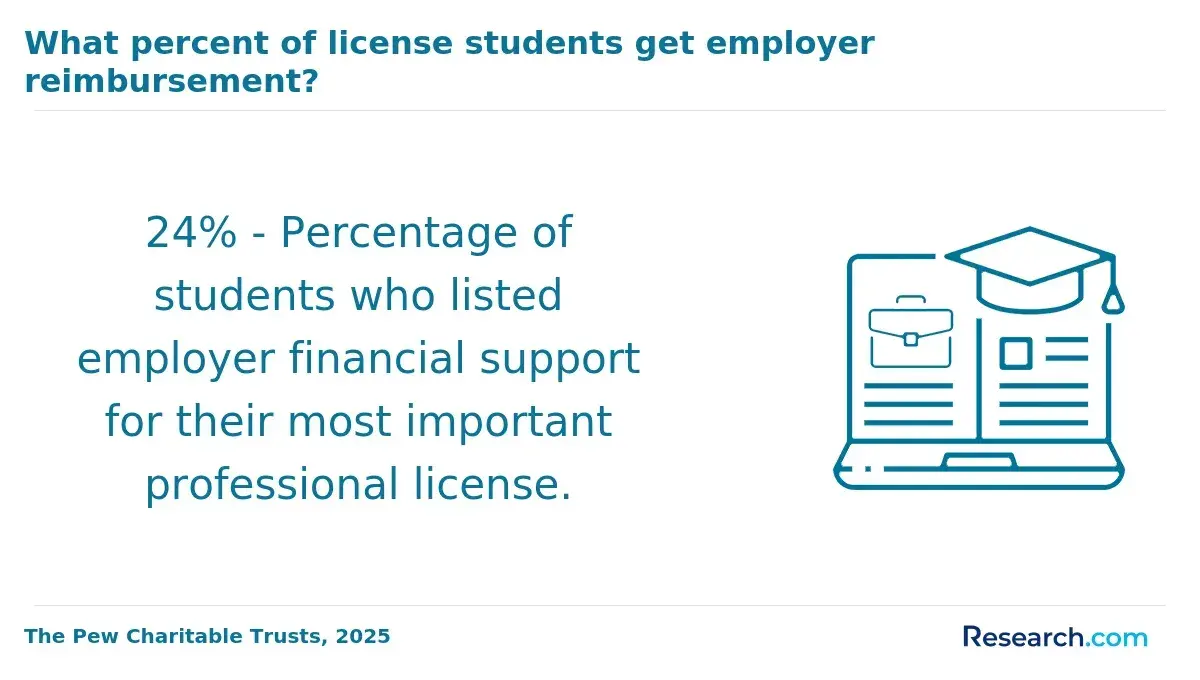
- Employer Assistance: Some employers offer tuition reimbursement or professional development support when the program aligns with the employee’s role or career path.
Before enrolling, ask the financial aid office whether the program qualifies for federal aid, how tuition is billed, when aid is disbursed, and what happens if you accelerate or pause coursework. This is especially important for competency-based or nontraditional academic calendars.
What Web Development Graduates Say About Their Online Degree
- Esteban: "The one-year online Web Development degree gave me a structured way to change careers without stepping away from work for several years. The pace was intense, but the practical projects helped me build a portfolio I could actually discuss in interviews."
- Alexis: "The competency-based design worked well for me because I could move faster through topics I already understood and spend more time on the areas where I needed practice. Finishing in just a year helped me stay focused and control my education costs."
- Eli: "I chose the online format because I needed flexibility, but I still wanted a program with clear expectations and hands-on assignments. The portfolio work was the most valuable part because it gave me concrete examples of what I could build."
Other Things You Should Know About Pursuing One-Yeas Web Development Degrees
In 2027, one-year online Web Development programs often incorporate hands-on projects, virtual labs, and interactive coding platforms to ensure practical coding experience. These programs may also utilize video tutorials and offer mentorship from industry professionals to enhance learning.
Many one-year online web development programs cap transfer credit at 60 to 90 semester hours, and some require at least 30 upper-division credits earned in residence. Schools also commonly require official transcripts and a minimum 2.0 to 2.5 GPA before approving transfer work.
Yes, many one-year programs cover foundational topics that align with industry certifications like those from Microsoft, Adobe, or AWS. They can also serve as a stepping stone for more advanced degrees in computer science or software engineering. The focused curriculum often helps students gain skills that meet certification requirements or qualify them for graduate-level studies.
- How to Choose an Online Degree Program: 5 Helpful Tips | University of Cincinnati https://online.uc.edu/blog/5-tips-for-choosing-an-online-degree-program/
- How To Kill It In Your First Year As A Web Developer | WBS CODING SCHOOL https://www.wbscodingschool.com/blog/first-year-as-web-developer/
- Online Student's Guide to Financial Aid https://online.maryville.edu/admissions/financial-aid-guide/
- 5 Pros and Cons for Studying a Distance Learning Degree in 2025 | Distancelearningportal https://www.distancelearningportal.com/articles/174/why-study-distance-learning-degree.html
- Types of Financial Aid for Online Colleges https://www.umassglobal.edu/blog-news/types-financial-aid-online-colleges
- Web Design and Development https://mediaarts.humber.ca/programs/web-design-and-development.html
- 8 Reasons To Pursue a Career as a Web Developer https://www.csinow.edu/blog/8-reasons-to-pursue-a-career-as-a-web-developer/
- Information Technology in Business - Web Applications Developer https://www.merito.pl/english/torun/our-offer/bachelors-degree/programs/information-technology-in-business-web-applications-developer/tuition-fees
- Online Web Development Degree | Bachelor's in IT | Liberty University https://www.liberty.edu/online/business/bachelors/information-technology/web-mobile-programming/
- 8 Reasons Why You Should Enroll in a Complete Web Development Course - CodeQuotient https://codequotient.com/blog/reasons-enroll-complete-web-development-course/