2027 Different Types of Web Development Degrees and Their Salaries

Co-Founder and Chief Data Scientist
The demand for skilled professionals in web development continues to surge as businesses increasingly rely on digital platforms to engage customers and operate efficiently. Experts anticipate the web development sector to expand significantly over the next decade, reflecting not only growth in job opportunities but also rising salary potential. Choosing the right educational path is crucial for positioning oneself competitively in this dynamic field.
This article offers a detailed overview of the various types of web development degrees available and provides insight into the salary expectations for graduates from each program, helping prospective students make informed decisions about their careers.
Key Points About Different Types of Web Development Degrees and Their Salaries
- Associate degrees in web development typically lead to entry-level positions such as junior web developer or front-end developer, with an average starting salary of around $50,000 per year in the U.S., making them a cost-effective option for quick entry into the field.
- Bachelor's degrees in web development or related fields open up broader career opportunities including full-stack development and web application design, with mid-career salaries ranging from $70,000 to $90,000 annually, supported by stronger job growth projections in the technology sector.
- Master's degrees in web development or computer science often lead to specialized roles like web architect or project manager, commanding salaries exceeding $100,000 per year and offering better long-term growth and leadership opportunities in competitive tech markets.
What Are the Different Types of Web Development Degrees Available?
Understanding the different types and levels of web development degrees before choosing a program is crucial for students to align their education with their career goals and existing knowledge. Each degree option offers a unique blend of skills and knowledge tailored to varied professional ambitions and educational backgrounds.
Here is an outline of the main types of web development degrees and what distinguishes each option:
- Certificate in Web Development: Focuses on fundamental web development skills such as HTML, CSS, JavaScript, and basic backend programming. The coursework is highly practical and designed for beginners or those seeking a quick skill enhancement for entry-level roles or career shifts.
- Associate Degree in Web Development: Provides a balanced introduction to front-end and back-end technologies along with some general education. Typical classes include web programming, database basics, and foundational design, offering more comprehensive technical exposure than a certificate.
- Bachelor's Degree in Web Development or Web Design: Covers advanced programming, database management, security, user experience (UX), and multimedia design. Courses combine theoretical knowledge with hands-on projects and often require portfolio development to showcase skills.
- Bachelor's Degree in Computer Science: Emphasizes theoretical computing foundations, algorithms, and software engineering while incorporating web technologies. The curriculum includes programming languages, operating systems, and systems analysis, providing a broad technical background.
- Bachelor's Degree in Information Technology or Information Systems: Focuses on technology's business applications, including networking, database management, and IT project implementation. Web development is part of a larger curriculum that includes security and systems analysis for a comprehensive tech perspective.
Salary data reflects that web developers and digital designers earned a median annual wage of $78,580 in 2022. For students seeking accelerated options, exploring one year degree programs can provide targeted education that supports rapid career advancement.
What Specializations Are Available in Web Development Degrees?
Specialization is a crucial factor when choosing a web development degree because it allows students to focus on specific areas that align with their career goals and industry demands. By selecting a suitable specialization, students gain targeted skills that enhance their employability and salary potential in a competitive technology job market.
Below are some common web development specializations, each offering unique coursework and career paths tailored to distinct interests and professional objectives:
- Front-End Web Development: Focuses on designing and implementing the user interface and experience using HTML, CSS, JavaScript, and frameworks like React. Graduates often become front-end developers or UI/UX designers responsible for creating interactive and visually appealing websites.
- Back-End Web Development: Emphasizes server-side programming, database management, and security with languages such as PHP, Python, Java, or Ruby. Career outcomes include back-end developer or database administrator roles, specializing in the functionality and data processing behind websites.
- Full-Stack Web Development: Combines front-end and back-end development skills to prepare students for managing entire web application projects. Full-stack developers are versatile professionals who often earn higher wages due to their broad expertise.
- Mobile Application Development: Centers on creating responsive and native mobile apps using technologies like Swift and Kotlin. Graduates typically pursue roles as mobile app developers or mobile UX designers in a rapidly growing market sector.
- Web Design and Interactive Media: Integrates graphic design, multimedia, and web technologies to craft engaging digital experiences. Students become web designers or digital media specialists focused on visual content and interactive elements.
- Web Development and Administration: Covers site architecture, server management, and website performance optimization. Graduates often work as web administrators or e-commerce managers ensuring reliable and scalable web services.
Choosing the right specialization supports your educational journey and career planning, making it easier to find rewarding roles in the evolving tech landscape. For those exploring advanced academic options, some institutions offer easy PhD programs that may complement your professional development in web technologies.
How Long Does It Take to Complete Each Type of Web Development Degree?
Understanding the typical duration of web development programs is crucial for students planning their education and career paths. Knowing how long each type of degree takes helps in setting realistic timelines and making informed decisions about their future. Below is an overview of the main web development degree types and their common completion times.
- Associate Degree in Web Development: This program usually takes about two years to complete when attending full-time. Part-time enrollment or taking fewer courses per semester can extend this timeline, while transfer credits from prior coursework may shorten it. Many community colleges offer accelerated options and online classes to provide greater flexibility.
- Bachelor's Degree in Web Development: Typically requiring four years of full-time study, a bachelor's degree is the most comprehensive undergraduate option. Some students finish faster by taking summer courses or entering with transfer credits, whereas part-time attendance can stretch the program to five years or more. Online and hybrid formats are widely available for convenience.
- Master's Degree in Web Development: A master's program generally takes between one and two years to complete after earning a bachelor's degree. Factors like part-time study, thesis requirements, or program intensity influence the duration. Accelerated and online master's degrees are increasingly common, helping students balance work and study.
Accelerated web development degree programs do exist and are specifically designed to help students complete their studies faster than traditional formats. These programs typically shorten completion time by utilizing condensed courses, year-round scheduling, and the transfer of prior credits or professional experience. For example, some online bachelor's degrees in web development allow students to graduate in as little as 2.5 years instead of the standard four-year timeline.
Common formats include accelerated cohort models, where students progress together as a group, fostering a collaborative and streamlined learning experience. Many programs also leverage flexible schedules and pre-set course sequences to maximize efficiency, enabling students to finish more quickly without sacrificing educational quality.
Key considerations for prospective students include the increased workload intensity and eligibility requirements. Since accelerated programs compress the curriculum into shorter time frames, the academic demands are often heavier, requiring strong time management skills and a high level of commitment. Eligibility may depend on prior coursework, transfer credits, or professional experience, with some institutions evaluating applicants' readiness for such a rigorous pace.
Financially, accelerated programs may charge tuition per term rather than by credit hour, potentially making the overall cost competitive for those who graduate early. Given that web developers earned a median salary of $80,730 in 2022 according to the U.S. Bureau of Labor Statistics, accelerated programs can help students enter these rewarding careers sooner. However, students should carefully consider whether the intensified pace suits their academic and personal circumstances before enrolling.
Online and traditional web development degree programs both uphold rigorous academic standards, though their approaches differ. Traditional programs emphasize in-person instruction, direct feedback, and access to physical resources like labs and workshops, fostering hands-on learning in a supervised environment. Conversely, online degrees utilize digital platforms, AI-driven personalized content, and virtual labs to replicate this practical experience.
Many accredited online programs from reputable universities now offer structured curricula, clear graduation criteria, and access to digital libraries and tutoring services, closely matching the academic quality of traditional formats. Both types of programs must comply with accreditation standards set by agencies recognized by the U.S. Department of Education, ensuring consistent rigor and educational outcomes.
Recent trends reveal growing employer acceptance of online credentials, particularly in technology fields such as web development. A 2025 report found that over 80% of employers consider accredited online degrees acceptable, and 61% of human resource leaders rate online learning as equal or superior in quality compared to traditional methods. The U.S. Department of Education has also observed that online students frequently perform as well or better than their in-person counterparts.
However, employer perception varies with the institution's reputation: 92% of employers view online degrees from established brick-and-mortar schools favorably, whereas only 42% accept degrees from exclusively online institutions. Ultimately, the credibility of a web development degree depends more on the school's accreditation and reputation than on whether the instruction was delivered online or in-person.
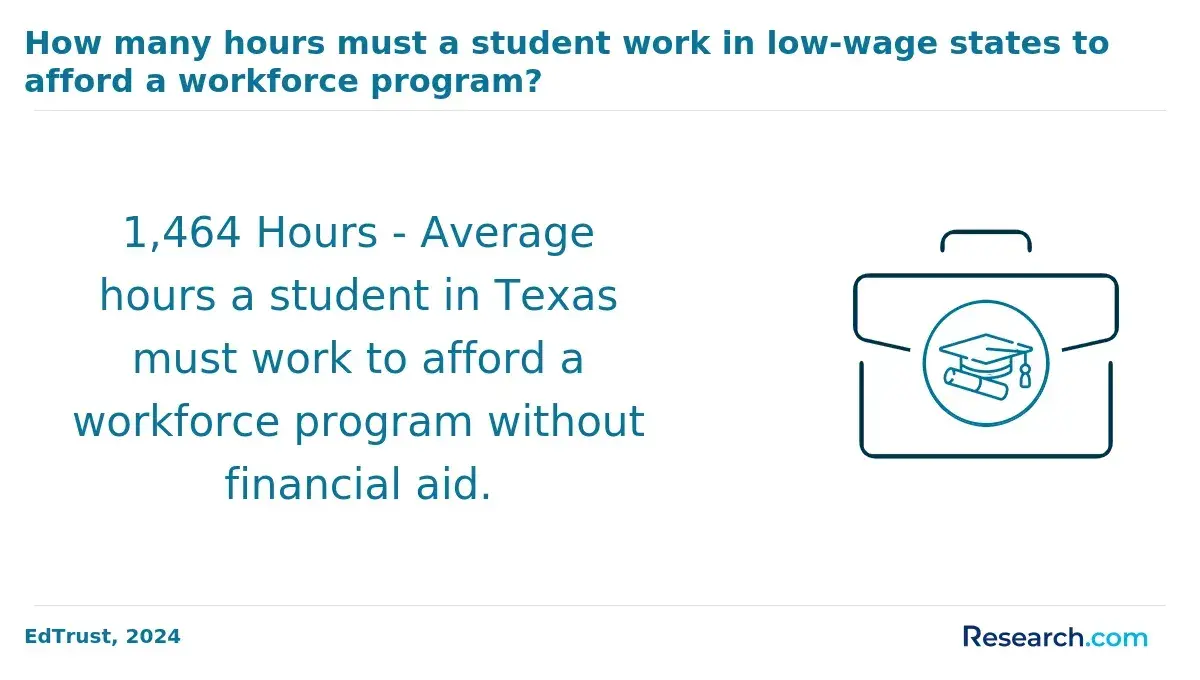
Understanding the tuition cost differences across various web development degree levels is essential for effective budgeting and long-term financial planning. These costs vary widely based on factors like institution type, program format, and degree length, making careful comparison crucial for prospective students. The following list outlines the typical tuition ranges for each type of web development degree to help inform your decision.
- Associate Degree in Web Development: This two-year program is commonly offered at community colleges and some online schools with annual tuition costs ranging roughly from $3,000 to $10,000 at public institutions. Private schools tend to charge more, but students often have access to federal and state financial aid options such as Pell Grants and scholarships to ease the financial burden.
- Bachelor's Degree in Web Development: Tuition costs here vary notably, averaging between $320 and $500 per credit hour, which typically totals $38,400 to $60,000 for a full four-year program. Public universities usually cost around $15,200 annually, while private nonprofit colleges may exceed $29,700 per year. Many online programs, like those from Bellevue or Liberty University, offer competitive per-credit pricing along with financial aid and credit transfer opportunities.
- Master's in Web Development: These degrees are less common but generally cost between $500 and $1,200 per credit, resulting in total expenses between $20,000 and $40,000. Tuition varies with residency and institutional policies, and students can often apply for graduate assistantships, scholarships, and federal loans to mitigate costs.
- Web Development Bootcamps: As intensive short-term programs designed to build job-ready skills, bootcamps range from $7,000 to $20,000 depending on curriculum depth and provider reputation. Many bootcamps also offer flexible payment plans, income-sharing agreements, or scholarships to improve affordability.
The level of your web development degree significantly impacts the range of career opportunities available and the types of roles you can pursue. Different degree levels qualify graduates for specific job titles and responsibilities within various workplace environments. Below is a list outlining common jobs associated with each type of web development degree to help you understand potential career paths.
- Associate Degree in Web Development: Graduates typically qualify for entry-level roles such as web developer, web designer, and webmaster. These positions involve updating websites, fixing errors, and handling basic front-end or back-end development tasks. Jobs are often found in small businesses, agencies, or as freelance contractors.
- Bachelor's Degree in Web Development: This widely recognized degree opens doors to more advanced roles like front-end developer, back-end developer, full-stack developer, UX/UI designer, and web content manager. Graduates handle designing user interfaces, managing databases, optimizing website performance, and leading web projects, mostly working in large corporations, tech companies, and media firms.
- Master's Degree in Web Development or Related Fields: Advanced degrees prepare graduates for leadership and specialized roles such as information systems manager, solutions architect, or DevOps engineer. These roles often involve strategic planning, team leadership, system architecture, and cloud services management, typically within enterprise IT departments, consultancy firms, and technology startups.
As you explore career options, it's worthwhile to consider programs like PhD programs that do not require a dissertation for those interested in advancing their education beyond a master's degree in related technical fields. Degree level not only shapes your job opportunities but also influences earning potential and prospects for professional growth in the web development sector.
Degree level often influences earning potential for web development professionals, making it a critical factor for students to consider when planning their education and career pathways. Understanding how salaries vary by degree type can help students make more informed decisions about their future. Below is an overview of typical salary ranges for each web development degree type that highlights these differences.
- Associate Degree in Web Development: Entry-level web developers with an associate degree typically earn starting salaries around $47,000 to $60,000 per year. These positions often involve junior or support roles, with pay varying based on employer, location, and technical skills. While this degree can offer quick entry into the workforce, advancement usually requires gaining experience, certifications, or further education.
- Bachelor's Degree in Web Development or Related Field: A bachelor's degree is commonly required for many web developer roles and is linked to a higher median annual salary of $90,930 to $98,090. Graduates gain access to mid-level and specialized positions, with salaries influenced by industry, geographic location, and technical expertise. Metropolitan areas and the tech sector tend to offer the highest pay, making it worthwhile to research top schools for college opportunities.
- Master's Degree in Web Development or Computer Science: Professionals holding a master's degree often qualify for senior or specialized roles, with salaries exceeding $109,000 annually. Advanced degrees may open doors to leadership, architect, or research positions and can accelerate salary growth. Industry demand and project complexity are additional factors that contribute to higher earning potential at this level.
There is currently high demand for web development degree holders in the U.S. job market, driven by several important factors. Emerging technologies like artificial intelligence (AI), machine learning (ML), augmented reality (AR), and virtual reality (VR) are creating new opportunities for developers who can integrate these advanced capabilities into websites and applications.
Additionally, the explosive growth of e-commerce-with global B2C revenue expected to reach $5.5 trillion by 2027-requires skilled developers to build secure, user-friendly, and responsive platforms. Businesses in diverse sectors such as healthcare, media, education, and finance also rely heavily on having strong digital presences, further increasing workforce needs. The growing use of mobile devices emphasizes the demand for specialists focused on responsive design and accessibility to ensure optimal user experiences across devices.
While regional differences exist, the demand for web development professionals remains strong both within the U.S. and internationally, including in Europe and Asia, as digital transformation continues worldwide. Salary prospects reflect this robust demand: senior roles in the U.S. commonly offer six-figure salaries, while entry-level positions provide competitive pay based on specialization and location.
For students exploring educational options, selecting the best online school for trade skills can be a strategic step toward entering this promising field. Overall, the outlook for web development degree holders entering the workforce is very promising, supported by sustained technological advances and the ongoing importance of digital presence across industries.
Choosing the right degree level in web development is a critical decision that shapes both your education and future career path. Aligning your degree choice with your professional goals and personal circumstances ensures you invest time and resources wisely. Here are key factors to consider when selecting a web development degree:
- Career Goals: The degree you pursue should align with the roles you want to fill in the web development field. For example, a bachelor's degree is commonly required for mid-level and specialized positions, while certificates or associate degrees may suffice for entry-level jobs. If you aspire to management or advanced technical roles, a master's degree might be necessary.
- Specialization Interests: Determine whether you prefer front-end, back-end, or full-stack development. Computer science degrees provide broad technical skills and flexibility, while web development or design-focused programs target specific tools and technologies like JavaScript and UX design.
- Time Commitment: Degree lengths vary significantly. Certificates and associate degrees typically take 1-2 years, whereas bachelor's programs usually require about four years. Accelerated online options may shorten the timeline but consider if you can dedicate the needed effort.
- Cost and Return on Investment: Tuition and fees differ by program and institution. Balance upfront costs against potential earnings; for instance, the median salary for web developers in the US was $80,730 in 2023, with higher degrees often leading to greater income.
- Program Reputation and Accreditation: Choose accredited programs with strong industry connections and alumni networks to improve your job prospects and access to internships.
- Flexibility and Learning Style: Online, part-time, or hybrid programs can accommodate work or personal commitments. Assess which format best suits your lifestyle and learning preferences.
What Web Development Graduates Say About Their Degree and Salary
- Shenna: "Completing my associate degree in web development was a game changer for me. The curriculum was hands-on, and I quickly built the skills that employers value most. It gave me the confidence to land my first job as a junior web developer within months of graduating. What I love most is how accessible the program was, allowing me to balance school with my family responsibilities. This degree truly opened doors I didn't think were possible. "
- Ximena: "Reflecting on my bachelor's degree in web development, I realize it offered more than just technical know-how; it deepened my problem-solving abilities and creativity. Collaborating on diverse projects taught me how to think critically and adapt in a fast-paced industry. I've since advanced into a leadership role, mentoring others while continuing to innovate in the field. This degree not only shaped my career but also empowered me to contribute meaningfully to my tech community."
- Andrew: "As someone who earned a certificate in web development, I found the focused, intensive training perfect for a career switch. It was incredibly motivating to immediately apply what I learned in freelance projects and build a strong portfolio. The program's emphasis on current industry standards helped me stay competitive and confident despite entering a new field. This experience rekindled my passion for technology and gave me a fresh start professionally. "
Other Things You Should Know About Web Development Degree Programs & Salaries
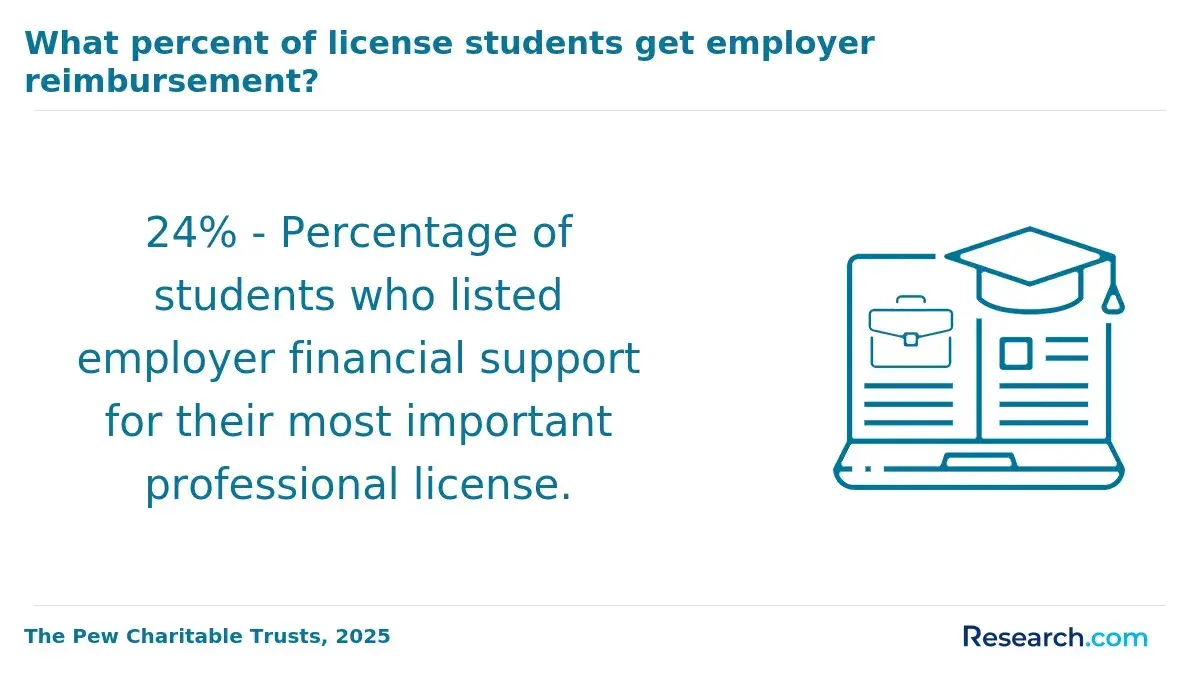
Yes. Many employers in 2027 offer tuition assistance of up to $5,250 per year under IRS rules, which can cover part of an associate’s, bachelor’s, or master’s web development program. Some companies also require a minimum grade and a post-reimbursement work commitment.
In 2027, entry-level salaries for web development graduates generally start around $55,000 annually for a web development associate degree, $65,000 for a bachelor's degree, and can be higher for specialized or advanced degree holders. Demand for skilled developers remains strong, contributing to these competitive starting rates.
Front-end and back-end web developers often receive different pay scales based on their skills. Back-end developers usually earn higher salaries due to the complexity of server-side programming and database management, while front-end developers' salaries vary with design and framework proficiency.
- Web Development Courses | Codecademy https://www.codecademy.com/catalog/subject/web-development
- Become a Web Developer: create and maintain dynamic websites https://openclassrooms.com/en/paths/932-web-developer
- Breaking into web development in 2025 https://blog.lewagon.com/skills/breaking-into-web-development-in-2025/
- Top Web Development Degree Programs | ComputerScience.org https://www.computerscience.org/degrees/web-development/
- Best Degree for Web Development: Your Path to Becoming a Web Developer in 2024 | Jessup University https://jessup.edu/blog/engineering-technology/best-degree-for-web-development/
- 11 Types of Web Development Career Paths To Consider https://www.csinow.edu/blog/11-types-of-web-development-career-paths-to-consider/
- Top Web Developer Skills for 2025 [DevSkiller Skills Report] https://careerfoundry.com/en/blog/web-development/in-demand-web-developer-skills/
- Types of Web Development for Beginners https://online.maryville.edu/online-bachelors-degrees/computer-science/careers/types-of-web-development/