2027 Online vs On-Campus Web Development Degree Programs: Pros & Cons

Co-Founder and Chief Data Scientist
Online web development degrees have surged in popularity, reflecting a broader shift toward digital learning environments. According to the National Center for Education Statistics, over 40% of undergraduate students enrolled in distance education courses in recent years.
This article examines the pros and cons of online versus on-campus web development degree programs, focusing on flexibility, cost, learning experience, and career outcomes.
Understanding these factors is essential for students aiming to make informed decisions that align with their personal circumstances and professional goals. This analysis provides a clear, expert perspective to guide prospective learners toward the best educational path.
Key Benefits of Online vs On-Campus Web Development Degrees
- Online web development degree programs offer flexible scheduling, enabling students to balance work and study, with over 60% of online learners employed full-time during their coursework.
- The average tuition for online web development degrees is generally 30% lower than on-campus programs, making education more affordable for many students.
- On-campus web development degrees provide hands-on access to labs and direct interaction with faculty, improving practical coding skills and networking opportunities, which 75% of employers value highly.
Are Online vs. On-Campus Web Development Programs Structured the Same Way?
The structure of online and on-campus web development degree programs differs notably in how courses are delivered, how schedules are managed, and how students engage with material and peers. These differences create unique learning experiences tailored to diverse student needs and preferences.
To clarify these distinctions, here is a comparison of key structural elements in each format:
- Course Delivery: Online programs utilize virtual classrooms, pre-recorded lectures, and interactive platforms that allow students to access content from anywhere, often at their own pace. On-campus programs require attendance at scheduled in-person classes, providing direct, hands-on instruction and immediate engagement with instructors.
- Class Schedules: Students in online programs benefit from flexible scheduling, enabling them to complete coursework asynchronously-helpful for those juggling work or family commitments. In contrast, on-campus classes follow fixed schedules with set times, which may offer more routine but require physical presence.
- Interaction and Collaboration: Online learners mainly interact through discussion boards, group projects, and virtual meetings, fostering collaboration but sometimes lacking immediacy. On-campus students enjoy spontaneous in-class collaboration, real-time feedback, and face-to-face access to instructors, enhancing engagement and teamwork.
- Hands-On Experience: On-campus programs frequently provide lab-based activities and live coding sessions with instructor guidance for real-time skill development. Online formats replicate hands-on learning through coding challenges and collaborative projects, though the experience differs without physical presence.
- Accessibility: Online web development programs offer greater accessibility for those who live far from campus, have mobility challenges, or need a flexible study schedule. On-campus programs, while less flexible, provide an immersive environment that many find motivating and supportive for learning.
Are Admission Requirements the Same for Online vs On-Campus Web Development Degree Programs?
Colleges and universities generally maintain consistent academic standards for both online and on-campus web development degree programs, ensuring that graduates achieve the same educational outcomes.
However, they may differ in how they assess an applicant's readiness for online learning, with format-specific requirements aimed at evaluating self-directed study skills.
The following list highlights key similarities and differences in admission requirements for online vs on-campus web development program admissions, outlining what prospective students can expect when applying to either format.
- Academic Qualifications: Both formats typically require a high school diploma or GED and a minimum GPA, often between 2.0 and 2.5 for bachelor's programs. Online programs may offer more flexibility, especially for adult learners, occasionally allowing relevant work experience to complement academic records.
- Standardized Test Scores: Many schools request SAT or ACT scores, with common minimums like an ACT composite of 21 or SAT 1080. Some online programs, particularly those geared toward working adults, may waive these requirements or accept professional experience as an alternative.
- Application Materials: Applicants for both formats usually submit a formal application, official transcripts, and pay an application fee. Online platforms such as the Common App are often used, streamlining the application process regardless of delivery method.
- Letters of Recommendation: Most programs ask for 2-3 letters from educators or professionals familiar with the applicant's abilities. Online programs might be more open to recommendations from employers or non-traditional sources due to flexibility in applicant backgrounds.
- Essays/Personal Statements: Both options generally require a personal essay, with online programs often emphasizing motivation for remote learning and self-direction, reflecting the unique challenges of online study.
- Work Experience: While not always mandatory, online web development programs are more likely to consider or require résumés and relevant work experience, valuing practical skills and technical exposure in applicants.
- English Language Proficiency: International applicants to either program typically need to submit TOEFL or IELTS scores to demonstrate English proficiency.
In summary, the admission requirements for online web development degree programs generally align with those for on-campus programs, but online formats tend to allow greater flexibility, especially in standardized testing and work experience considerations.
Both programs maintain rigorous standards and can lead to successful career outcomes, as highlighted by data on job placement and salaries. For students exploring options, understanding these differences is key, and learning about what are good college majors can further guide educational decisions.
Do Online Web Development Students Receive the Same Academic Support as On-Campus Students?
Universities have significantly expanded their academic support systems to ensure that online web development students receive resources and assistance comparable to those available to on-campus peers.
This expansion aims to provide equal opportunities for guidance, feedback, and professional growth regardless of the learning format.
Here is a direct comparison of the main academic support services available to both online and on-campus web development students.
- Tutoring Services: Both online and on-campus students have access to tutoring, with online learners supported through virtual platforms like video calls, chat, or discussion forums. On-campus students often meet tutors in person, but online options offer real-time or on-demand help, ensuring similar academic assistance.
- Career Counseling: Career services are available in both formats; online students use portals and video conferencing for coaching, resume workshops, and job boards. Meanwhile, on-campus students attend career fairs and in-person counseling, though virtual events now provide equivalent access for online students.
- Library Access: Online students typically benefit from full digital library services, including e-books, databases, and live librarian support. On-campus students use physical libraries but also have remote access to many digital resources, promoting equal research opportunities.
- Faculty Interaction: Online students communicate with faculty via email, video calls, and discussion boards, while on-campus students interact face-to-face. Institutions often require faculty to offer virtual office hours and timely responses for all students, maintaining mentorship regardless of format.
The length of time required to complete a web development degree varies based on program delivery format, student study pace, and scheduling flexibility. These factors can significantly influence how quickly a student finishes their coursework and earns their credential.
Below is a comparison of the average completion time for online and on-campus programs, highlighting key differences that impact student progress.
- Online Web Development Degree: Most online bachelor's programs in web development typically take about four years of full-time study, mirroring traditional timelines. However, the flexible structure often enables students to study at their own pace, with some motivated individuals finishing in as little as two to three years.
- On-Campus Web Development Degree: On-campus bachelor's degrees generally require four years of full-time attendance with fixed semester schedules. While this provides a structured academic environment, it can limit acceleration options, and part-time enrollment or breaks can extend completion time to six or eight years.
- Flexibility and Scheduling: Online programs usually offer greater scheduling freedom, allowing students to balance studies with work or personal commitments. Conversely, on-campus courses follow a strict timetable, which may benefit those who prefer set class times but can be less accommodating for working professionals.
Reflecting on these timelines, a professional who pursued an online web development degree shared that balancing work and family life was challenging yet manageable due to the program's flexibility.
He noted, "I appreciated being able to take extra courses during less busy times at my job and slow down when work was demanding." Though initially planning to graduate in three years, unexpected workload spikes extended his studies to nearly four years.
Despite this, he valued the control over his schedule, saying it made the journey "stressful at times but ultimately rewarding." This personal experience underscores how online programs adapt to varying student needs, influencing the actual time to degree completion beyond typical estimates.
Comparing the cost of online web development degree vs traditional on-campus programs reveals a complex picture where tuition, fees, and additional expenses vary significantly. While some institutions offer more affordable online options, others may charge equal or even higher rates than their in-person counterparts.
Understanding the total cost requires considering multiple factors; here are the main elements influencing whether affordable online web development programs are truly less expensive than on-campus ones:
- Tuition and Fees: Public colleges generally charge similar rates for online and in-state on-campus web development courses, averaging around $337 per credit hour. Private colleges, however, often have lower online tuition (around $516) compared to on-campus rates ($1,170).
- Living Expenses: Online students usually save significantly on housing, transportation, and meals by studying from home rather than relocating or commuting, which can greatly reduce the overall cost of earning a web development degree.
- Technology Costs: Despite savings elsewhere, online learners may incur higher upfront expenses for reliable computers, internet access, and specialized software. Additionally, some institutions factor in platform fees and technical support into tuition, occasionally making online learning more costly.
- Financial Aid Availability: Both online and on-campus students can access federal aid, but on-campus programs often provide more substantial scholarships and grants. Online students might benefit from flexible credit transfers, recognition of prior work experience, and accelerated formats that can reduce the total credits-and pricing-needed.
- Program Flexibility and Schedule: The ability to study part-time or accelerate completion online can reduce opportunity costs as students work while learning. However, this flexibility sometimes comes with less comprehensive academic or career support compared to traditional campus settings.
For those wondering what is the easiest degree to get online? considering, affordability is just one factor among many when choosing between online and on-campus web development programs.
Both online and on-campus Web Development students may qualify for financial aid, but eligibility and accessibility can vary depending on the format of the program and institutional policies. Understanding these differences is important for prospective students to maximize their funding opportunities.
Below is an outline comparing the main financial aid options available for online versus on-campus Web Development students, highlighting key distinctions in accessibility and eligibility for each type.
- Federal Aid: Federal financial aid, such as Pell Grants, Stafford Loans, and federal work-study, is generally available to both online and on-campus students attending accredited institutions. However, online students often must be enrolled at least half-time to qualify.
- State Aid: Many states provide grants, scholarships, or loan programs to residents attending in-state schools, including some online students enrolled at eligible institutions. Still, eligibility can differ since certain state aid programs may only support those attending on-campus or hybrid programs.
- Scholarships and Grants: Scholarships and grants for web development students are available to both online and on-campus learners through institutional, private, and merit-based sources.
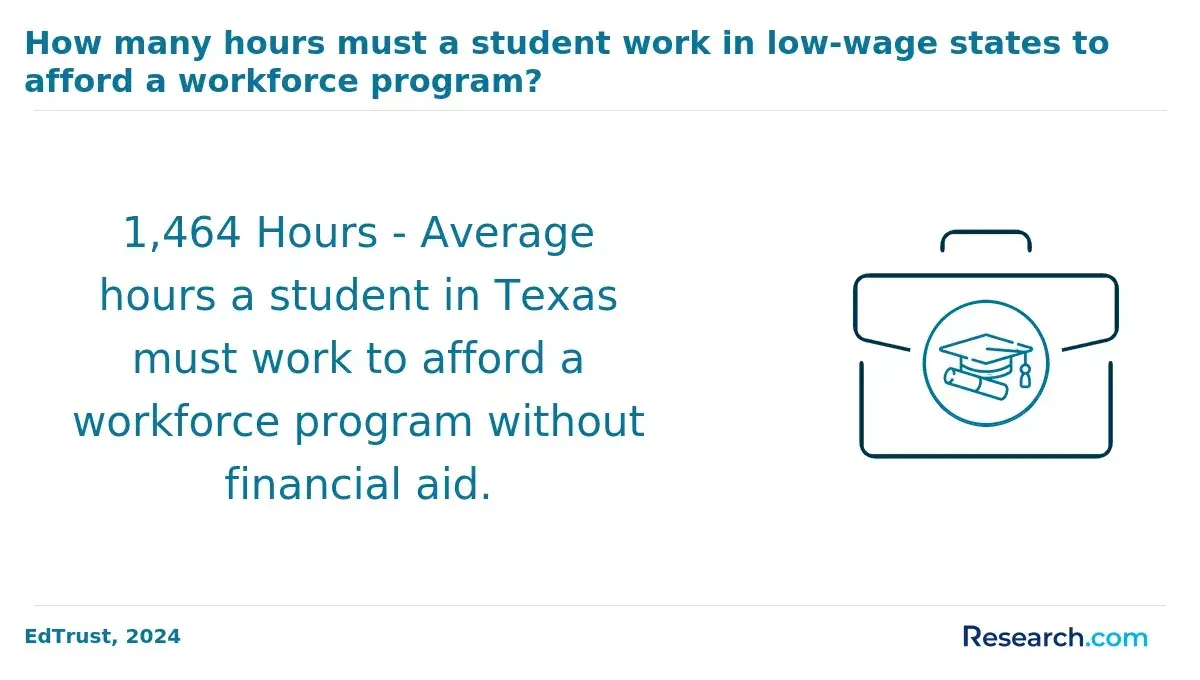
- Employer Tuition Reimbursement: Many employers reimburse tuition costs for employees pursuing relevant education, regardless of whether the program is online or on-campus. Online Web Development programs often appeal to working professionals seeking flexibility.
- Private Student Loans: Private loans from banks or credit unions can support both online and on-campus students but often require credit checks and may need cosigners. Eligibility and loan terms usually depend on enrollment status, school accreditation, and whether the program is full-time or part-time.
Online programs frequently offer cost savings like lower fees, no housing expenses, and reduced commuting costs, which can reduce overall borrowing needs. For prospective students seeking faster advancement, exploring shortest master degree programs can also offer financial and time efficiencies in continuing education.
Accreditation, faculty qualifications, and curriculum standards are fundamental factors establishing the credibility of both online and on-campus web development programs.
Accredited institutions-regardless of delivery format-undergo rigorous evaluations by independent agencies to ensure they meet high academic standards, making their credentials widely respected.
Often, online programs employ faculty with qualifications comparable to those teaching on campus, and many schools use the same curriculum for both modalities to maintain consistency and quality.
While shorter non-degree options like bootcamps may lack formal regulation, full degrees from accredited schools carry equal academic legitimacy whether earned online or in person. This parity in standards provides a solid foundation for prospective students evaluating their educational options.
Employer and academic perceptions of online web development degrees have evolved significantly. A recent Northeastern University survey found that 83% of business leaders view an online degree from a reputable school as equivalent to a traditional on-campus credential.
Licensing bodies and educational institutions increasingly acknowledge the validity of online credentials from accredited programs. Additionally, advancements in virtual learning technology-featuring interactive platforms, project-based coursework, and real-time mentorship-offer rich student support and practical experience.
Partnerships between online programs and tech companies further enhance career pathways, strengthening the relevance and acceptance of online web development education in today's competitive job market.
Most U.S. employers today generally regard online web development degrees from accredited and well-established universities as comparable to traditional on-campus degrees, particularly in technology-related fields.
Employers place significant importance on the university's reputation and program accreditation, showing a preference for degrees from institutions that offer both online and on-campus options.
Surveys from Northeastern University and the Society for Human Resource Management reveal that 61% of HR leaders consider online learning equal or superior in quality to on-campus education, while 83% of business leaders value online degrees from reputable schools just as highly as traditional ones.
Despite this growing acceptance, employers maintain a strong focus on demonstrated skills such as coding proficiency, project portfolios, and relevant work experience when making hiring decisions. This practical skill set often outweighs the distinction between online and on-campus credentials in the eyes of recruiters.
Evolving workplace norms, especially the prevalence of remote and hybrid work environments, have further increased employer acceptance of online education.
The flexibility and self-discipline cultivated through online programs are seen as assets that align well with modern work settings, while these formats also offer greater accessibility and affordability for students balancing education with employment.
Research from the U.S. Department of Education suggests online students may even outperform their on-campus counterparts, reinforcing confidence in online credentials within the tech sector.
Additionally, 96% of graduates from online programs report positive returns on investment, often translating into strong salary and career advancement opportunities. These shifting attitudes reflect a broader recognition that quality education and relevant competencies are attainable regardless of academic delivery method.
When I spoke with a professional who completed her web development degree online, she shared that employers focused more on her coding projects and internship experience than on the online format of her education.
She noted, "My portfolio and hands-on skills opened doors, not just the degree itself." Though initially concerned about employer perceptions, she found that her degree from a well-accredited program combined with demonstrable capabilities led to multiple job offers.
The flexibility she enjoyed during her studies allowed her to gain valuable work experience simultaneously, which she believes made her a stronger candidate.
Her story underscores that while the mode of study may raise questions, concrete skills and practical experience remain paramount in securing employment in web development.
Salary comparisons between online and on-campus web development graduates are increasingly shaped by various factors beyond the format of study itself. Employers and industry trends now focus more on skills, experience, and credentials than on how the education was completed.
To better understand these influences, here are the main factors that determine salary outcomes for online vs on-campus web development graduates.
- Employer Perception and Degree Credibility: Most hiring managers treat accredited online degrees as equivalent to traditional on-campus credentials, especially in technical fields like web development. This minimizes salary differences, as employers prioritize demonstrated skills and portfolios over the degree format.
- Location and Cost of Living: Geographic region heavily impacts web developer salary online degree vs on-campus graduates achieve. Salaries are notably higher in tech hubs, while remote work opportunities enabled by online programs allow graduates to earn competitive pay living in lower-cost areas.
- Experience and Skill Set: Regardless of program type, years of experience and technical specialization correlate most strongly with salary. Entry-level developers start between $76,000 and $130,000, with senior roles earning significantly more.
- Industry and Role: Salaries vary by sector, with computer systems design paying well above educational services. Both types of graduates access these roles with similar compensation, reflecting that the industry carries more weight than study format.
- Program Cost and Flexibility: Online degrees often come with lower tuition-sometimes as affordable as $7,869 per year at public institutions-and flexible schedules that reduce student debt and enable earlier workforce entry.
Choosing between online and on-campus web development programs depends largely on your personal learning preferences, lifestyle, and professional goals. Both options offer unique benefits and challenges that can significantly impact your educational experience and outcomes.
Below are key factors to consider before deciding which format fits you best, helping you compare on-campus and online web development programs effectively.
- Learning Style: On-campus programs often provide structured schedules and immediate feedback, which benefit students who thrive in traditional classroom environments. Online programs suit self-motivated learners who prefer flexibility and can manage deadlines independently.
- Flexibility Needs: For working professionals or those with family commitments, the ability to study anytime and anywhere makes online programs particularly attractive. On-campus courses require fixed attendance and travel, which may not align with everyone's availability or lifestyle.
- Budget: Online degrees tend to be more affordable, often costing less than $10,000 for complete programs, and reduce expenses related to commuting, housing, and campus fees. In contrast, on-campus programs may involve higher total costs but sometimes offer additional financial aid opportunities.
- Networking Opportunities: Students attending on-campus programs usually benefit from direct interactions with peers, instructors, and on-site events that foster professional relationships. While online students can access virtual networking, many find these connections less impactful compared to face-to-face experiences.
- Access to Campus Resources: Physical presence on campus grants access to libraries, labs, and career services that can enhance hands-on learning and extracurricular involvement. Online learners may have limited access to such facilities, relying mostly on digital resources and remote support.
Finding the trade school careers list can also guide you in selecting the best online web development degree for working adults focused on advancing their career prospects.
Here's What Graduates of Online vs On-Campus Web Development Programs Have to Say About Their Degree
- Amir: "Completing my web development degree entirely online gave me the incredible flexibility to balance my studies with a full-time job and family responsibilities. The program's interactive virtual labs and real-time collaboration tools made me feel connected despite the distance, which greatly boosted my confidence and technical skills. Landing a developer role right after graduation showed me that employers value the rigor and discipline required for online learning as much as traditional routes. This experience has empowered me to mentor aspiring coders in my community, demonstrating that quality education can happen anywhere."
- Jasmine: "Attending the on-campus web development program was transformative not only because of the hands-on learning but also due to the vibrant campus community. The face-to-face interactions with professors and peers fostered a collaborative environment that sharpened my problem-solving abilities and exposed me to industry networking events. Starting my career felt seamless because I had built strong relationships and gained access to internship opportunities through the university's career center. Reflecting back, the immersive campus experience truly prepared me for the dynamic pace of tech roles."
- Carlos: "The hybrid format of my web development degree perfectly suited my learning style, blending in-person sessions with online coursework that accommodated my schedule. This flexibility allowed me to engage deeply with complex projects during on-campus workshops while benefiting from asynchronous materials when I needed more time to review concepts. Professionally, the hybrid experience broadened my adaptability and communication skills, which have been crucial in remote work environments. It also gave me a unique perspective on how technology can bridge gaps within diverse teams and communities, inspiring me to develop solutions that promote inclusion."
Other Things You Should Know About Online & On-Campus Web Development Degree Programs
Yes. On-campus programs often arrange local internships or co-ops through career offices, while online programs usually require students to secure placements near their own location. Many schools still expect the same minimum hours, often 120 to 240, and may require employer verification or faculty approval.
On-campus programs provide face-to-face interaction, immediate feedback, and hands-on lab experiences which can enhance practical skills. Online programs rely on virtual communication and self-discipline, often using recorded lectures and discussion forums. This can impact the level of engagement and peer collaboration differently for each student.
Online programs typically offer asynchronous communication through forums and video calls, allowing for flexible interaction at the students’ convenience. In contrast, on-campus programs facilitate real-time, face-to-face discussions that can enhance immediate feedback and collaborative learning experiences among peers and instructors.
- Web Development Certificate Program vs. College Degree https://www.nobledesktop.com/blog/web-development-certificate-program-vs-college-degree
- The Pros & Cons of Studying Information Technology (IT) Online https://lumifylearn.com/blog/the-pros-and-cons-of-studying-it-courses-online/
- Should You Pursue an Online Web Design Degree? https://www.flux-academy.com/blog/should-you-pursue-an-online-web-design-degree
- Online Remote Learning vs On-Campus Courses: Fremont University | Cerritos, California https://fremont.edu/online-college-vs-on-campus-pros-and-cons/
- Online Degree vs On-Campus Degrees https://www.online.drexel.edu/news/online-degree-vs-traditional-degree.aspx
- Web Development and Internet Applications (Co-op and Non Co-op Version) - School of Advanced Technology https://www.algonquincollege.com/sat/program/web-development-internet-applications/
- Web Design & Development https://online.champlain.edu/degrees-certificates/associate-web-design-development
- Cost of Online Education vs. Traditional Education [2025]: Comparison https://educationdata.org/cost-of-online-education-vs-traditional-education
- Web Developer Salaries After Coding Bootcamps https://www.coursereport.com/blog/web-developer-salaries-after-coding-bootcamps