2027 Web Development Degree Programs for Career Changers

Co-Founder and Chief Data Scientist
Many working adults face uncertainty when considering a shift from their current professions to tech-focused roles without prior experience. The challenge often lies in balancing education with existing responsibilities while acquiring practical web development skills. Over 40% of web developers in the U. S. are career changers, highlighting the field's accessibility and growth potential.
However, finding degree programs tailored to adult learners can be difficult, leading to prolonged transitions or stagnant career paths. This article explores various web development degree options designed specifically for career changers, offering guidance to make an efficient and confident move into the tech industry.
Key Things to Know About Web Development Degree Programs for Career Changers
- Many programs offer flexible scheduling and online or hybrid formats, enabling working adults to balance studies with careers and personal commitments effectively.
- Accelerated pacing allows career changers to complete degrees in as little as 12-18 months, reducing downtime and speeding workforce entry.
- Curricula often align with employer needs, incorporating current coding languages and tools to enhance job readiness and improve employment outcomes.
What Web Development Programs Accept Career Changers?
Many web development programs designed for career changers offer flexible admissions and practical curricula tailored to adults transitioning into technology fields. This approach enables working professionals to balance their education with existing commitments.
Notably, over 40% of graduate students are adult learners aged 25 and older, highlighting a significant trend of career changers pursuing advanced education in tech.
- Bootcamp-Style Programs: These intensive, short-term courses focus on hands-on skills without requiring a technical background, allowing career changers to quickly acquire employable abilities.
- Associate Degree Programs: Often available through community colleges, these programs combine foundational computer science with project-based learning and provide flexible admissions for nontraditional students.
- Bachelor's Degree Programs: These offer part-time schedules and may grant credit for prior experience, deepening technical knowledge and emphasizing problem-solving applicable across industries.
- Graduate Certificate Programs: Designed for professionals seeking to enhance specialized skills without committing to a full degree, these shorter programs focus on current technologies, making them practical for skill upgrades or career transitions.
For those interested in related fields, exploring options such as online SLP degrees can also be a valuable consideration when planning advanced education paths.
What Web Development Specializations Are Best for Career Changers?
Selecting the right web development specialization is essential for career changers seeking to leverage their existing skills and enter the tech industry efficiently. The U.S. Bureau of Labor Statistics projects that employment of web developers will grow 13% through 2032, faster than average, highlighting the strong demand for skilled professionals across various specializations.
Below are four top web development career change specializations to consider:
- Front-End Development: Well suited for individuals with backgrounds in design or user experience. This specialization focuses on creating the user-facing parts of websites and requires skills in HTML, CSS, and JavaScript. Its accessibility allows career changers to quickly demonstrate value through visual and interactive projects.
- Back-End Development: Ideal for those with logical thinking or programming experience. It involves managing servers and databases that power websites, providing a solid foundation for those comfortable with coding and problem-solving. Career changers benefit from strong career mobility and opportunities in data management and security.
- Full-Stack Development: Combines front-end and back-end skills to offer versatility and broad job prospects. This track appeals to career changers interested in mastering both sides of web applications and presents many pathways to advance in tech roles with a more holistic understanding.
- Mobile Web Development: Targets professionals interested in mobile interfaces and app-like web experiences. It usually involves responsive design and progressive web apps, making it an excellent choice for those seeking to work on the growing mobile web sector.
For adults seeking a career change, selecting one of these best web development tracks can provide a practical and confidence-building pathway. Those interested in broadening their credentials may also explore programs like CACREP accredited online counseling programs as complementary options to support career transitions in related fields.
What Are the Admission Requirements for Career Changers Applying to a Web Development Program?
Career changers benefit from clearly understanding admission requirements, as this knowledge helps align prior experience with program expectations and reduces uncertainty during the transition. Over 40% of postsecondary students are aged 25 or older, reflecting a significant presence of adult learners pursuing new fields.
Below are common admission criteria valued in web development programs designed for nontraditional students.
- Educational Background: A high school diploma or equivalent, like a GED, is typically required. This foundational credential ensures applicants meet basic academic standards.
- Skill Proficiency: Basic math and English proficiency, often verified through placement tests, supports success in coursework. Some programs recommend prior exposure to coding, but many are beginner-friendly.
- Application Materials: A completed application and personal statement highlight motivation for career change, helping admissions understand candidates' goals and commitment.
- Transferable Experience: Documentation of skills such as project management or technical expertise can strengthen an application by demonstrating relevant capabilities from previous careers.
- Alternative Pathways: Many programs accept coding bootcamp certificates or portfolio submissions instead of traditional prerequisites, enhancing accessibility for working professionals.
Flexibility is critical for adult learners balancing work and study, so many programs offer part-time, evening, or online classes. Those researching options may also benefit from exploring resources on EMBA online programs, as these demonstrate how nontraditional admissions pathways can support career advancement.
For those switching careers, knowing the coursework helps determine if a web development degree fits their schedule, learning preferences, and goals. This understanding sets clear expectations for the commitment required and how the program supports adult learners. Key elements often include:
- Programming Fundamentals: Covers essential languages such as HTML, CSS, and JavaScript, introducing the basics needed to create interactive and well-structured websites. The courses emphasize step-by-step learning tailored to various experience levels.
- Backend Development: Focuses on server-side programming and database integration, enabling the construction of websites that manage and display dynamic content through practical assignments.
- Web Design and User Experience (UX): Examines design principles centered on usability and visual appeal, teaching students how to craft websites that are intuitive and engaging for users.
- Project-Based Learning: Involves hands-on projects and capstone tasks that mimic workplace scenarios to enhance applied problem-solving skills and prepare students for real-world challenges.
- Career Support Modules: Offers resources on building portfolios, mastering interviews, and navigating tech job markets specifically designed for adults making a professional transition.
Many programs offer flexible formats, including online and part-time options, making it easier for working adults to manage their studies alongside existing commitments.
When I asked a professional who completed an online web development program about his experience, he shared, "Starting from scratch was intimidating, especially balancing work and family. The coding assignments felt overwhelming at times, but the stepwise approach kept me motivated."
He also appreciated the career support, noting, "Having guidance on preparing my portfolio and job applications boosted my confidence immensely." His journey highlights how coursework designed with adult learners in mind can ease the transition into a new career field.
With over 40% of postsecondary students in the U.S. aged 25 or older, flexible program formats are crucial for career changers balancing education, work, and family life. Selecting the right format helps learners efficiently gain tech skills on their own schedules. Below are common web development program types designed for adult learners.
- Online Degree Programs: Fully internet-based, these programs enable students to study anytime and anywhere. They often include asynchronous classes that accommodate busy professionals by letting them access coursework on their own time.
- Part-Time Programs: By extending the duration of study, part-time formats reduce course load intensity. This structure helps those working full-time manage education without overwhelming their schedules.
- Evening and Weekend Classes: Scheduled outside usual business hours, these sessions-offered either on-campus or virtually-allow full-time employees to attend without job conflicts.
- Hybrid Programs: Combining online and in-person learning, hybrids provide face-to-face interaction and networking along with the convenience of remote study. This format balances flexibility with community engagement.
For adults shifting careers, building a versatile skill set is essential to succeed in the fast-evolving tech landscape. With projections showing a 15% increase in web development roles by 2031, many professionals are acquiring new technical and soft skills to stay competitive.
The following list highlights five crucial abilities gained through a web development program that empower learners to adapt and thrive in their new careers.
- Programming Languages: Grasping core languages like HTML, CSS, and JavaScript equips career changers to design interactive, user-friendly websites. This foundation opens pathways to deeper specialization and opportunities across tech sectors.
- Problem-Solving: Developing a logical mindset for debugging and optimizing code enables learners to tackle challenges efficiently, a vital attribute when working with evolving technologies and complex projects.
- Version Control: Learning tools such as Git fosters collaboration and maintains organized project workflows, which are highly valued skills in team-based development environments.
- User Experience (UX) Design: Understanding how to create intuitive interfaces helps professionals align their work with end-user needs, increasing the impact and usability of websites they build.
- Project Management: Acquiring planning and time-management skills helps learners complete tasks within deadlines and navigate real-world development cycles, building reliability and professionalism.
A career changer who completed a web development program shared that the transition was both daunting and rewarding. She emphasized how learning to debug code often felt frustrating at first, but gradually taught her patience and persistence. Working with version control systems introduced her to collaborative dynamics she hadn't experienced before. "The biggest shift was realizing how important user experience is-not just writing code that works, but crafting something people enjoy using," she reflected.
Her tailored projects and deadline-driven assignments simulating workplace scenarios helped build confidence and prepared her for the demands of tech roles. She described the journey as a challenging yet fulfilling process that broadened her problem-solving outlook and opened new career possibilities.
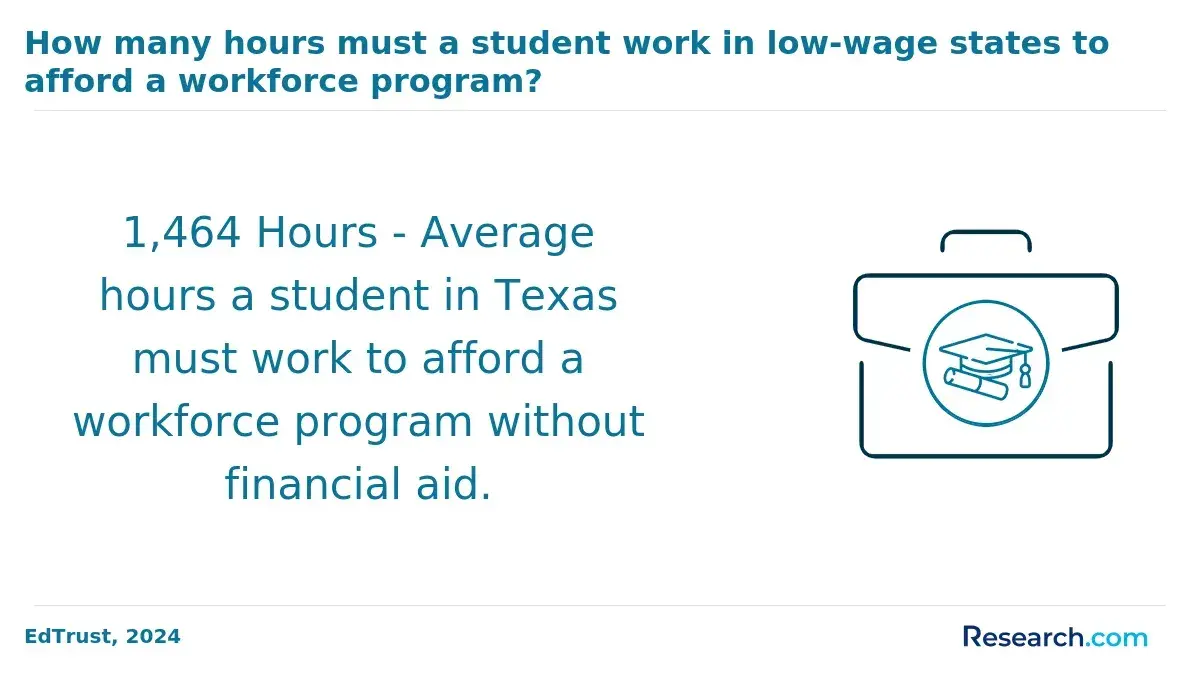
Career changers often need to carefully assess the total cost of a web development degree since balancing education expenses with existing financial responsibilities can be challenging. For perspective, the average student loan debt for bachelor's degree recipients was $30,100 in 2020, underscoring the importance of financial planning for adult learners.
Here are the main cost components to consider when evaluating average tuition fees for web development programs for career changers:
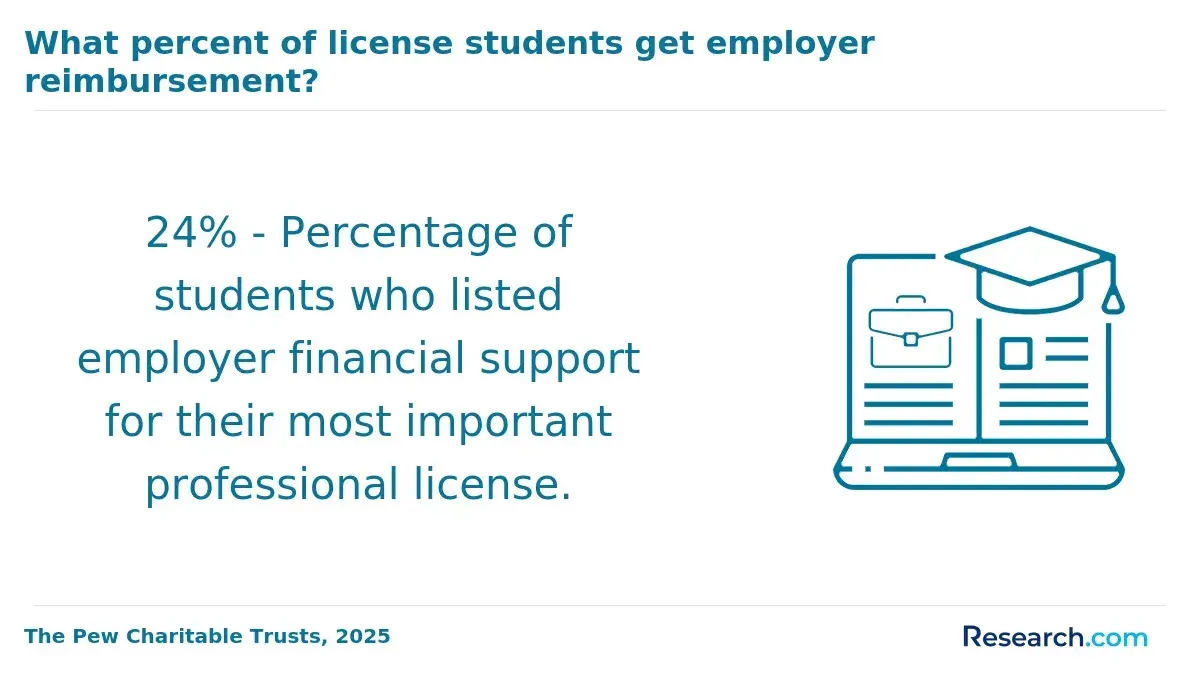
- Tuition and Fees: This is typically the largest expense and can vary widely based on institution type and program length. Public institutions usually charge between $10,000 and $40,000 per year, while private colleges often exceed $30,000 annually. Working professionals should explore flexible payment options like installment plans and employer tuition reimbursement to manage these costs effectively.
- Textbooks and Materials: Required books and supplies can add several hundred to a few thousand dollars over the course of the program. Many programs also require access to specific software or hardware, but costs may be reduced through student discounts or open-source alternatives.
- Technology Requirements: Reliable computers and internet access are necessary for both in-person and online courses. Some specialized tools for web development could require additional investment, though online learners might find cost-saving opportunities.
- Cost-Saving Strategies: Career changers can consider online and accelerated programs that reduce overall tuition costs and minimize lost income by shortening completion time. Additionally, scholarships targeted at adult learners may offer crucial financial support.
Career changers also benefit from exploring affordable online bachelor degree programs that can provide greater flexibility and potentially lower tuition fees without sacrificing education quality.
Curriculum design is especially important for career changers entering the technology sector because it must accommodate diverse backgrounds and varying levels of prior knowledge. A focused web development curriculum addresses these differences while equipping learners with immediately applicable skills.
The following key features illustrate how such a curriculum supports career transitions effectively.
- Applied Learning: Coding exercises and real-world applications reinforce practical understanding, helping learners build confidence through hands-on experience in relevant languages and frameworks.
- Transferable Skills: Development of analytical thinking, problem-solving, and teamwork nurtures attributes that career changers bring from previous industries, facilitating smoother adaptation to tech roles.
- Flexible Pacing: Schedules designed to accommodate work and family commitments make education more accessible for adult learners balancing multiple responsibilities.
- Real-World Projects: Completing portfolio-worthy projects provides credible evidence of capability that appeals to potential employers during the job search process.
- Structured Mentorship: Continuous guidance and feedback support learners in adapting to new technical environments and mindsets, easing their transition into tech careers.
Many students exploring web development curriculum for career changers also benefit from programs that emphasize skills gained through web development programs. To explore educational paths tailored to adult learners, consider reviewing reputable online college programs that align with career goals and life circumstances.
Career changers benefit from knowing which roles align with their new web development skills and previous experience, especially given that employment for web developers is expected to grow 15% from 2022 to 2032, outpacing the average job growth rate. Here are five common career paths suitable for individuals transitioning into this field.
- Front-End Developer: Focused on creating engaging user interfaces through HTML, CSS, and JavaScript, this role leverages transferable skills like design and project management, making it accessible for those with creative or coordination backgrounds.
- Back-End Developer: Responsible for server, application, and database management, this position suits career changers with analytical thinking and problem-solving abilities gained from prior professions.
- Full-Stack Developer: Combining front-end and back-end duties, this role appeals to multitaskers who enjoy handling diverse technical tasks and integrating multiple aspects of website development.
- UI/UX Designer: Enhancing user experiences through research and design, this path benefits those with previous customer-facing or creative roles, capitalizing on insight into user needs and interface aesthetics.
- Quality Assurance Tester: Tasked with testing websites for functionality and performance, this role fits detail-oriented individuals who excel at methodical work and ensuring high-quality results.
Salary expectations play a vital role for those switching careers, as they help gauge the return on investment for education and training. In 2023, the U.S. Bureau of Labor Statistics noted that the median annual wage for web developers was about $78,300, highlighting solid earning potential in this expanding field. Below are common earnings insights for professionals with a web development degree.
- Entry-Level Developers: Typically earn between $50,000 and $65,000 annually, with variations depending on location and employer size.
- Mid-Level Developers: Professionals with three to five years' experience generally make $70,000 to $90,000, influenced by industry demands and technical skill sets.
- Senior Developers and Specialists: Experienced individuals earn from $90,000 up to $120,000 or more, reflecting advanced expertise and leadership roles.
- High-Demand Locations: Jobs in major metropolitan areas or fast-growing sectors often offer higher salaries due to competitive talent markets.
- Prior Experience Benefits: Backgrounds in IT, design, or project management can raise starting salaries and long-term compensation by leveraging transferable skills.
What Graduates Say About Their Web Development Degrees for Career Changers
- Kaya: "Deciding to switch careers was daunting, but enrolling in a web development degree program made all the difference. Although the average cost hovered around $12,000, it felt like a worthwhile investment given the hands-on experience and job-ready skills I gained. Today, I confidently work as a front-end developer, and this program truly accelerated my transition. "
- Selena: "I spent a lot of time reflecting on my career path before choosing a web development program, mainly because the cost, usually between $10,000 and $15,000, was a significant consideration for me. Still, completing the program gave me not only the technical skills but also the confidence to enter a new industry. It's been a transformative journey that I'm glad I pursued. "
- Chelsea: "A From a professional standpoint, investing roughly $13,000 in a web development degree was a strategic move to change careers effectively. The curriculum was intensive and perfectly aligned with industry standards, which helped me transition smoothly into a role as a full-stack developer. The program's impact on my career trajectory has been profound and rewarding. "
Other Things You Should Know About Web Development Degrees
Prior coding experience is not essential for career changers entering 2027 web development degree programs. Most programs offer introductory courses that teach foundational coding skills, enabling students to start from scratch. This beginner-friendly approach ensures comprehensive learning tailored to diverse background needs.
Career changers should ideally start researching and applying to 2026 web development programs in the fall of the previous year. Most programs begin enrollment windows in early spring, and deadlines can close by summer. Early application can maximize opportunities for financial aid and program selection.
Most bachelor’s programs require about 120 semester credits, including general education, programming, database, user interface, and web security courses. Career changers with transfer credit or prior learning assessment may reduce that total, but schools usually require at least 30 credits completed in residence.
In 2027, career changers can access general financial aid options like federal student loans, grants, and scholarships. Additionally, some institutions offer specific scholarships or grants targeting students shifting careers. Federal aid eligibility requires filling out the FAFSA form, and institution-specific options often require separate applications.
- Top 5 Tech Upskilling Courses for Career Changers in 2025 https://toriloacademy.com/top-5-tech-upskilling-courses-for-career-changers-in-2025/
- 11 Types of Web Development Career Paths To Consider https://www.csinow.edu/blog/11-types-of-web-development-career-paths-to-consider/
- Web Developer Salary 2025, Why It’s Not Always Worth It https://rtowntech.com/web-developer-salary-guide-2025-career-worth-it/
- Converting to a web developer: training, skills - ECE https://www.ece.fr/en/faq-all-the-answers-to-your-questions/why-go-into-web-development/
- The 12 best web development courses in Germany in 2026 | neue fische https://www.neuefische.de/en/community/career/the-12-best-web-development-courses-in-germany-in-2026
- 4 Work https://survey.stackoverflow.co/2025/work
- How to Start a Career in Web Application Development https://www.turingcollege.com/blog/career-in-web-application-development
- Start Your New IT Career - IT Career Switch https://itcareerswitch.co.uk/
- The Career Changer’s Guide to Becoming a Software Developer https://www.thoughtworks.com/insights/blog/career-changer-s-guide-becoming-software-developer
- Entry-level Developer Career Switchers and Returners 2026 - Softwire https://www.softwire.com/vacancy/entry-level-developer-career-switchers-and-returners/