2027 Online Web Development Degree Programs Costs: Tuition & Fees

Co-Founder and Chief Data Scientist
The cost of pursuing an online Web Development degree can vary significantly, impacting students' financial planning and decision-making. Tuition and associated fees are often the largest expenses, with additional costs like technology requirements and learning materials adding to the total. Understanding these expenses is crucial for budget management and long-term financial health.
Online programs can differ in price depending on the institution type and residency status, with some offering more affordable options than traditional on-campus degrees. This article will detail typical tuition ranges, break down fee structures, compare affordability, and explore available financial aid opportunities for prospective students.
Key Points About Online Web Development Degree Costs
- Average tuition for online Web Development degrees in 2024 ranges from $10,000 to $40,000, varying by institution type and program length.
- Cost factors include accreditation, course format, technology fees, and availability of financial aid or scholarships.
- Investing in these programs often leads to strong job prospects and skills valued in tech industries, justifying the expense for many students.
What Is the Average Cost of an Online Web Development Degree?
The average tuition for an online Web Development degree in the United States typically falls between $320 and $500 per credit hour. This results in a total cost of approximately $38,400 to $60,000 for a bachelor's degree program, though exact amounts may differ.
Tuition rates vary depending on the degree level and the type of educational institution. For bachelor's degrees, public universities usually charge lower fees, with in-state students paying around $38,496 in total. Out-of-state students and those attending private universities often face higher costs, ranging between $54,183 and $60,593. Associate degrees tend to be more affordable, with complete programs costing anywhere from $3,000 to $50,000 depending on the institution's public or private status.
When compared to alternative training options, web development bootcamps and certificate courses offer shorter, less costly paths. Bootcamps average about $11,874 and are intensive courses designed for quick entry into the workforce, though they typically do not provide a degree. Training center courses vary between $2,500 and $20,000. Financial aid, scholarships, and transfer credits can help reduce these expenses.
What Is Typically Included in the Tuition for an Online Web Development Degree?
Tuition fees for online Web Development degrees generally cover a wide range of academic and technical resources necessary for effective learning. These programs are designed to support students by providing access to essential tools and services remotely.
The cost typically includes various components that help facilitate coursework, communication, and skill development throughout the duration of the degree.
- Technology infrastructure: Access to learning management systems, coding and design software, and online collaboration platforms that enable interactive coursework and project submissions.
- Academic support services: Virtual tutoring, technical assistance, and digital career resources tailored to web development studies to help students stay on track and overcome challenges.
- Instructional materials: Digital textbooks, coding guides, and sometimes software licenses are often part of tuition, though some programs may require separate purchases for specialized resources.
Costs typically excluded from tuition can include personal computers or hardware upgrades, reliable high-speed internet service, fees for proctored exams or graduation, and optional certifications or bootcamps beyond the core curriculum. Students should carefully review each program's fee structure to anticipate any extra expenses outside of tuition.
What Factors Influence the Cost of Pursuing an Online Web Development Degree?
The cost of earning an online web development degree varies widely depending on several critical factors. Understanding these can help prospective students budget effectively and explore options that fit their financial situation.
Here are five key factors that influence the average tuition for online web development degree programs.
- Type of school: Public universities typically offer lower tuition compared to private institutions. For example, Middle Georgia State University charges about $5,220 annually, while private colleges like Champlain College may exceed $10,050 per year.
- Residency status: Many online programs now offer a flat tuition rate regardless of whether students reside in-state or out-of-state, reducing variability in online web development program costs by state.
- Credit-hour requirements and program length: Most bachelor's degrees require around 120 credits, with per-credit tuition usually between $250 and $500. Accelerated programs or those accepting transfer credits can reduce overall expenses by shortening time to completion.
- Technology and course fees: Specialized software, online platforms, and virtual labs often incur additional fees, which may be included in tuition or billed separately, impacting total program cost.
- Accreditation and student support services: Accredited programs qualify for federal financial aid, easing financial burden. Additionally, schools with strong career counseling, technical support, and reputable faculty might charge higher tuition but provide better long-term value.
Students interested in exploring cost-effective options should also consider programs aligned with top college majors that combine affordability and strong career prospects in web development.
Online Web Development degree programs offer a more affordable alternative for many U.S. students in 2025. The average cost of online Web Development degree vs traditional four-year on-campus programs shows a significant difference in expenses, with online tuition generally being lower.
The average tuition and required fees for a year of online undergraduate classes are about $12,216, compared to $18,981 for on-campus programs at four-year institutions. This difference illustrates the online web development tuition savings compared to on-campus options, as online students typically pay around 64% of the cost their in-person peers incur. Savings also stem from avoiding expenses tied to campus housing, meal plans, and transportation.
Cost differences arise primarily due to lower overhead costs, fewer ancillary fees, and flexible learning structures that many online Web Development degree programs offer. These programs may accelerate completion time or grant credit for prior experience, further reducing overall tuition. Some public schools may charge slightly higher per-credit online tuition, but overall costs remain lower. For those interested, you can explore more about degree programs for seniors online that take advantage of these financial benefits.
Tuition costs for online Web Development degrees often depend on a student's residency, but policies can vary significantly among institutions. Many public schools still charge different rates for in-state versus out-of-state online learners. For instance, the University of Maryland Global Campus bills Maryland residents $318 per credit hour, while non-residents pay $499 per credit hour for its online web and digital design bachelor's program.
That said, some colleges, particularly private or certain state universities, apply a uniform tuition rate for online students regardless of where they live. Bellevue University, for example, offers a flat per-credit rate for its online Web Development courses, eliminating residency-based differences. This flat-rate model is becoming more common as schools seek to attract students nationally.
Additionally, a limited number of public institutions participate in regional tuition agreements, enabling students from nearby states to access discounted rates. While community colleges often favor in-state pricing, many online programs adopt a single tuition fee for all remote students. Overall, residency can influence tuition costs, but exceptions like uniform pricing and regional discounts are increasingly prevalent.
Many students seek the most affordable online web development degree programs to balance quality education with cost. Online formats enable working professionals across the US to access flexible learning while minimizing expenses. The cheapest online web development degrees in the US offer practical curricula aligned with industry needs and regional accreditation.
Several accredited institutions provide budget-friendly options. Below are three examples that combine affordability with strong academic offerings in web development:
- Brigham Young University-Idaho: Offers an online BS in Web Design and Development priced at approximately $4,018 per year, making it one of the most affordable online web development degree programs available.
- Fort Hays State University: Provides a BS or BA in Information Networking and Telecommunications with a web development emphasis, costing about $5,430 annually.
- American Public University: Features a Bachelor of Science in Computer Technology with a web development concentration at $285 per credit hour, accepting up to 90 transfer credits and supplying textbooks at no additional cost.
Other cost-conscious choices include Arkansas State University's online BS in Web Design at $276 per credit hour and Middle Georgia State University's degree at around $5,220 per year. These programs benefit from flat-rate tuition, reduced online fees, and generous transfer credit policies. Many also offer scholarships, grants, and discounts for military or working students.
Students completing these programs gain valuable skills in programming, UI design, and digital media tailored to current industry standards. For those exploring career prospects, understanding the most rewarding majors can further enhance post-graduate opportunities.
Pursuing one of the most expensive online web development degrees in the US often means gaining access to prestigious programs known for their advanced curriculum and strong industry connections. These programs typically offer specialized support and resources that justify their higher tuition costs. For students aiming to identify the highest tuition web development programs in America, several notable schools stand out.
Below are examples of some of the most costly online Web Development degree options available, reflecting the varied approaches of universities and coding bootcamps that lead in this space.
- Full Sail University: Known for its industry-focused curriculum and cutting-edge technology, Full Sail charges approximately $26,417 per year for its online bachelor's program in web development.
- Arizona State University (ASU) Online: This well-regarded institution offers web development-related degrees at a cost of about $24,780 per year, emphasizing extensive student support and access to experienced faculty.
- BloomTech (formerly Lambda School): A coding bootcamp option with tuition ranging from $21,950 to $42,950, BloomTech delivers live instruction and a job-focused curriculum that appeals to professionals looking for intensive online programs.
These programs represent the premium end of online education for web development, balancing cost with prestige and comprehensive learning experiences. For students searching for alternative options, several affordable degrees online are also available, providing broader access to quality education across the country.
Choosing an online Web Development degree involves considering the financial benefits alongside the costs. Understanding the timeline for recovering tuition expenses is crucial for making an informed decision.
Typically, graduates of online Web Development programs see a return on investment within two to three years after starting work. This depends largely on initial salary levels and overall tuition fees. Entry-level web developer salaries generally range from $65,000 to $92,750 annually, providing a benchmark to estimate how quickly one might recoup educational expenses. With the median annual wage around $83,240 and job growth expected to be 16% through 2032, demand in the field supports relatively fast ROI.
Factors influencing the payoff period include starting salary, industry demand, and opportunities for advancement. Moving into specialized roles or leadership positions can accelerate earnings growth, reducing the time to recover costs. On the other hand, larger student loan balances may extend this period due to interest accrual and repayment terms.
Additionally, pursuing further education can increase upfront costs but often leads to higher salaries in the long term. Individual elements like location, prior experience, and financial aid availability also play significant roles in overall ROI timing.
Students pursuing an online Web Development degree in the United States are generally eligible for various financial aid programs, similar to their on-campus counterparts. The main entry point for federal aid is the Free Application for Federal Student Aid (FAFSA), which many accredited online web development programs encourage students to complete. Completing the FAFSA for accredited online web development programs helps determine eligibility for federal and state aid, making it a crucial step in the process.
Financial aid eligibility for online web development degree students depends on several factors, including enrollment in an accredited institution, satisfactory academic progress, and at least half-time student status for most federal loans. Aside from federal aid, students may also access state grants, scholarships, and employer tuition assistance. These resources can significantly ease the cost burden of earning an online Web Development degree compared to paying fully out of pocket.
- Pell Grants: Federal grants that do not require repayment, covering up to several thousand dollars per academic year. Eligibility mainly depends on financial need and enrollment status.
- Direct Subsidized and Unsubsidized Loans: Federal student loans available to most students enrolled at least half-time, covering tuition and related costs. Subsidized loans do not accrue interest while in school, while unsubsidized loans do.
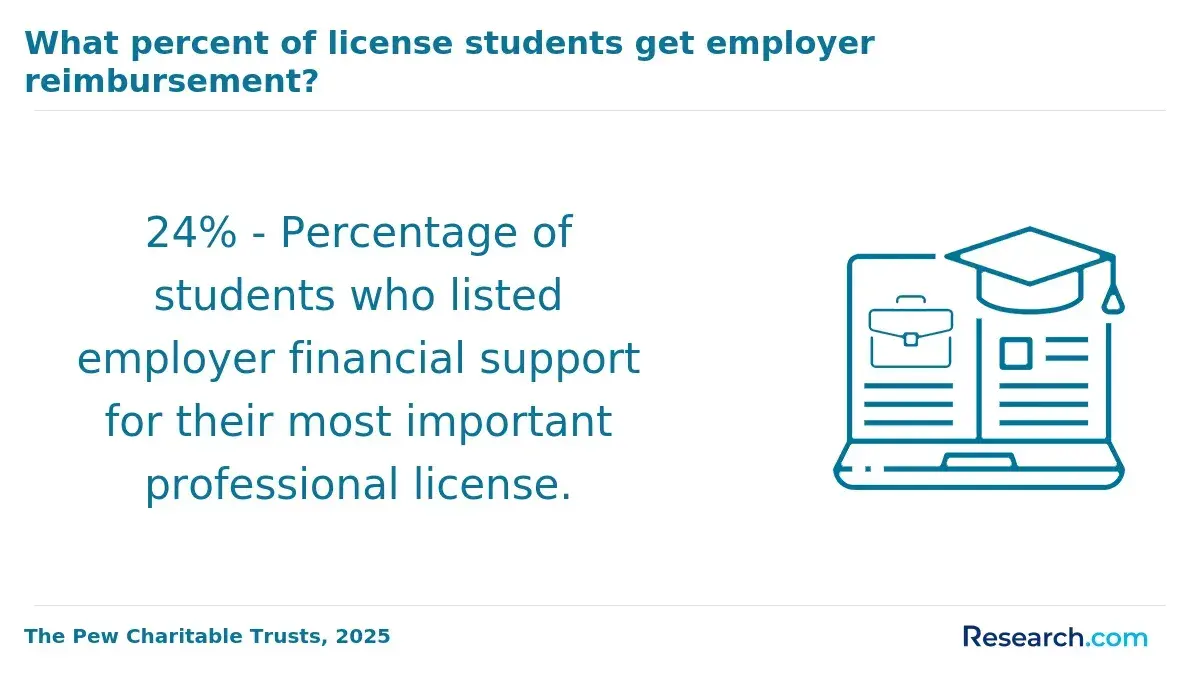
- Employer Tuition Assistance Programs: Many employers offer partial or full tuition reimbursement for employees studying web development degrees if the skills align with job requirements, helping reduce out-of-pocket expenses.
Online students may also find private scholarships or institutional aid specifically targeted at technology majors. Some schools provide payment plans or tuition deferment options. For students wanting insight into earning potential after completing their degree, checking the trade school salary data can be useful for financial planning.
Online Web Development degrees have become increasingly popular among students seeking flexible and affordable education. Understanding the costs involved is essential for planning and making informed decisions.
Tuition for online Web Development programs can vary significantly depending on the school, program length, and degree level. Generally, community colleges offer the most affordable options, with per-credit costs ranging from $100 to $300. Bachelor's programs at universities may range from $300 to over $700 per credit, resulting in total costs that can exceed $20,000 to $40,000 or more. Certificate and diploma programs tend to be less expensive but may not carry the same recognition as full degree tracks.
Recent trends show tuition rates rising steadily, influenced by increased demand and the expanding range of online offerings. However, some institutions are working to stabilize prices or offer fixed-rate tuition plans to reduce financial uncertainty. Prospective students should also consider financial aid, scholarships, and payment plans that can significantly offset expenses, making quality online education more accessible than ever before.
What Students Say About The Cost of Pursuing Online Web Development Programs
- Esteban: "Choosing an online Web Development degree was one of the best investments I made for my future. Despite concerns about cost, the program was surprisingly affordable compared to traditional colleges, and the skills I gained have already opened doors to new career opportunities. I truly believe the return on investment is worth every penny."
- Alexis: "The cost of pursuing an online Web Development degree felt steep at first, but reflecting on my progress, it's clear the education was invaluable. Balancing personal life and studies was challenging, but knowing that the degree enhances my job prospects makes it worthwhile. It's a financial commitment that pays off in confidence and skill."
- Eli: "From a professional standpoint, the relatively low cost of my online Web Development program allowed me to upgrade my skills efficiently without disrupting my career. Completing the degree has already led to better projects and a salary increase, confirming that this investment directly correlates with career growth."
Other Things You Should Know About Web Development Degree Program Costs
Most online web development degree programs use per-credit tuition, often with a flat rate for full-time students taking 12 or more credits. Public universities may charge about $300 to $500 per credit for in-state students, while private schools often set one tuition rate for all online learners.
Yes, students should budget for technology fees, software licenses, and course materials specific to Web Development, such as coding tools or design software subscriptions. Some programs may also charge proctoring fees for online exams and charges related to accessing virtual labs. These costs vary by institution and can add several hundred dollars annually.
Yes, many institutions offer grants and scholarships specifically for online Web Development degree programs in 2027. These financial aids can significantly lower tuition costs, making education more accessible. It's essential to research each program's offerings or consult with financial aid offices to find suitable options.
- Web Development vs Software Development: Which Delivers Better ROI for Startups? https://www.midastouchinfotech.com/web-development-vs-software-development/
- 8 factors that affect the cost of web app development | DECODE https://decode.agency/article/web-app-development-cost-factors/
- The ROI of Investing in Professional Website Development https://arabinfotechllc.com/blogs/the-roi-of-investing-in-professional-website-development/
- Top 10 Colleges for an Online Associate in Web Development https://www.greatvaluecolleges.net/affordable/online-associates-web-development/
- 10 Factors That Affect Web Design Cost - SPARK Business Works https://sparkbusinessworks.com/blog/web-design-cost
- How Much Do Live Online Web Development Bootcamps Cost? https://www.nobledesktop.com/blog/how-much-do-live-online-web-development-bootcamps-cost
- Tuition and Fees Estimator for Full-time Programs - Registrar's Office https://www.algonquincollege.com/ro/pay/fee-estimator/
- How Much Can I Pay To Learn Web Development? https://h-sets.com/how-much-can-i-pay-to-learn-web-development/
- The Top 5 Ways to Pay For Your Online Education https://online.champlain.edu/blog/top-ways-to-pay-for-online-education
- Online Healthcare Certifications in Medical coding & billing - AAPC https://www.aapc.com/certifications