2027 TA Meaning School: Guide for Parents, Teachers, and Students

Co-Founder and Chief Data Scientist
If your child's classroom has a "TA," it helps to know exactly what that person can and cannot do. Teaching assistants support instruction, behavior, accessibility, and daily classroom routines, and BLS data shows more than 1.3 million teaching assistants working in U.S. schools as of May 2024.
This guide is for parents, teachers, students, and career changers who want a clear explanation of TA meaning in school, typical duties, qualifications, pay, demand, and smart next steps.
Key Things You Should Know
- In K-12 schools, TA usually means teaching assistant, a school employee who supports a licensed teacher but is not usually the teacher of record.
- The BLS reported a $35,240 median annual wage for teacher assistants in May 2024, but actual pay varies widely by district, union contract, hours, and school-year schedule.
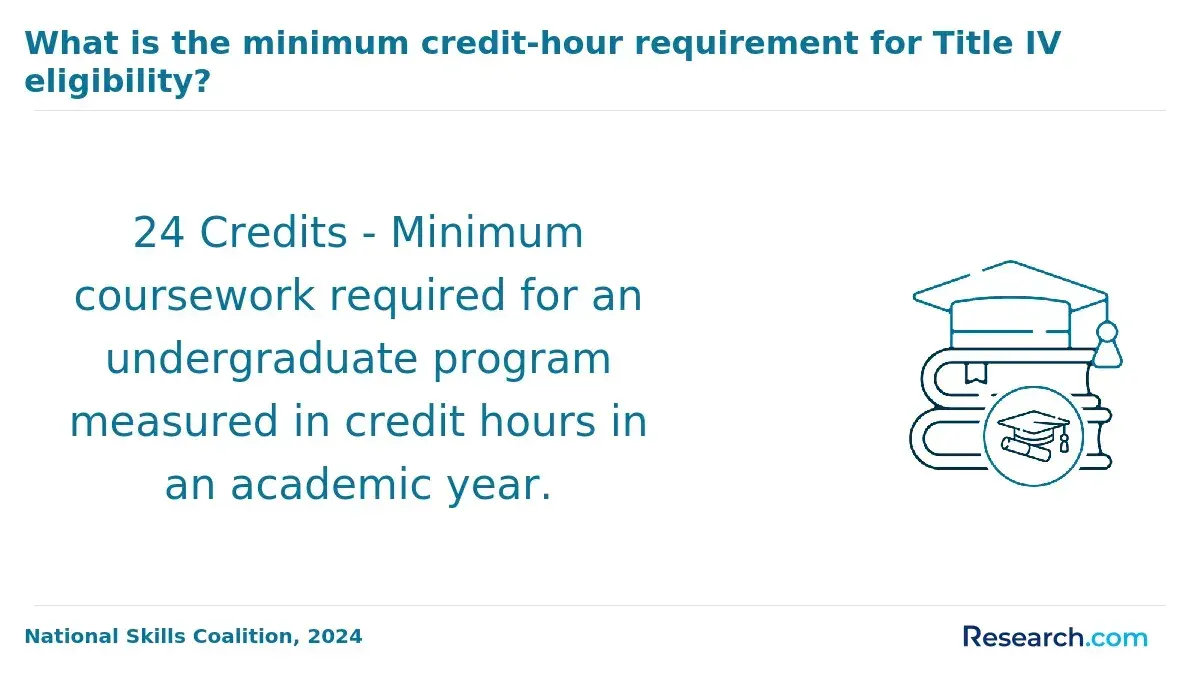
- TA requirements vary by state and district; Title I instructional paraprofessional roles commonly require college coursework, an associate degree, or a qualifying assessment.
What does TA mean in school settings for students, parents, and teachers?
In most K-12 school settings, TA means teaching assistant. A TA works alongside a licensed classroom teacher to help students participate, understand lessons, complete work, manage routines, and access services. The role is especially common in elementary classrooms, special education programs, intervention groups, English learner support, and career and technical education labs.
For parents, the most important distinction is that a TA supports instruction but usually does not replace the certified teacher. The teacher is typically responsible for lesson planning, grading policy, curriculum decisions, IEP implementation oversight, and formal communication about academic progress. A TA may reinforce a lesson, help a student practice a skill, observe behavior, prepare materials, or supervise a small group under teacher direction.
The term can mean slightly different things depending on the school. The comparison below helps readers avoid confusion when they hear "TA," "aide," or "paraprofessional" used interchangeably.
| School term | Common meaning | Who usually supervises the role | What to ask if you are unsure |
| Teaching assistant | Instructional support staff member who helps students and teachers during lessons and routines | Classroom teacher, special education teacher, or building administrator | Does the TA provide instructional support, behavioral support, or both? |
| Paraprofessional | Often used for instructional support, special education support, or Title I-funded roles | Teacher or special education case manager | Is this position tied to an IEP, a classroom, or a schoolwide program? |
| Teacher aide | May include classroom support, supervision, clerical work, or non-instructional assistance | Teacher, office staff, or administrator | Is the aide allowed to help with instruction or only with supervision and logistics? |
| Graduate TA | College or university teaching assistant, usually a graduate student | Professor or academic department | Is this a higher education role rather than a K-12 school role? |
For students, a TA can be a daily source of support, but students should still understand that major academic decisions usually come from the teacher. For aspiring employees, the best first step is to read the exact district job posting because local titles often matter more than the abbreviation itself.
What are the main roles and responsibilities of a teaching assistant in K-12 schools?
A teaching assistant's responsibilities depend on grade level, student needs, staffing model, and state rules. In general, TAs make classrooms more manageable by helping teachers give students more attention than one adult can provide alone.
The table below summarizes common TA duties and explains why each one matters for classroom quality and student support.
| Responsibility | What it may look like in school | Why it matters |
| Small-group support | Helping a reading group, math station, lab team, or intervention group practice a skill | Students get more guided practice without requiring the teacher to stop whole-class instruction |
| One-on-one assistance | Prompting a student, rereading directions, helping with organization, or supporting communication | Students with learning, language, medical, or behavioral needs can participate more fully |
| Classroom routines | Managing transitions, distributing materials, checking homework completion, or preparing centers | The teacher can spend more time teaching and less time handling logistics |
| Behavior support | Using approved behavior plans, documenting incidents, reinforcing expectations, or helping students reset | Consistent adult support can reduce disruption and improve safety |
| Assessment support | Administering practice activities, recording observations, or helping with accommodations under direction | Teachers receive useful information while maintaining required testing rules |
| Accessibility support | Helping students use assistive technology, adapted materials, mobility supports, or communication tools | Students can access instruction in ways that match their documented needs |
However, there are important boundaries. TAs generally should not be expected to independently design curriculum, make final grading decisions, diagnose learning disabilities, change an IEP, or serve as a substitute for legally required special education services. Those responsibilities typically belong to licensed educators and specialists.
Parents and teachers can prevent misunderstandings by clarifying the TA's role early. A useful question is: "What support will the TA provide, and which decisions still come from the teacher or case manager?"
How does a TA support classroom instruction, special education, and student learning?
A strong TA does more than "help out." The best TAs extend the teacher's reach while keeping instruction consistent, inclusive, and aligned with school expectations. This support can be especially valuable as classrooms serve students with wider ranges of academic levels, language backgrounds, disabilities, and social-emotional needs.
In classroom instruction, a TA may reinforce directions, circulate during independent work, ask prompting questions, or monitor whether students understand a concept.
In special education, a TA may help implement accommodations, collect behavior data, support communication systems, or assist with transitions. In student learning support, a TA may help students build executive functioning skills such as organizing materials, staying on task, and breaking assignments into manageable steps.
Technology is also changing the role. Many schools now use learning platforms, adaptive practice tools, speech-to-text, text-to-speech, translation tools, and behavior documentation systems. A TA does not need to be a software expert, but comfort with school technology is increasingly useful because students may need help accessing digital assignments and assistive tools correctly.
Teachers can make TA support more effective by giving clear instructions before the lesson starts. The following steps help TAs support students without accidentally changing the teacher's instructional intent:
- Share the objective of the lesson in plain language so the TA knows what students are expected to learn.
- Identify which students or groups need support and what kind of help is appropriate.
- Explain which prompts are allowed, especially during assessments or graded work.
- Set a quick check-in time after the lesson to discuss what the TA observed.
- Document concerns through the school's approved system rather than relying on informal hallway conversations.
For parents, the practical takeaway is simple: a TA can be an important part of the support system, but the teacher remains the best contact for academic planning, curriculum questions, and formal progress updates.
What education, training, and certifications are typically required to become a TA?
Teaching assistant requirements vary across the United States because schools hire under state rules, district policies, funding sources, and job duties. A general education classroom aide may have different requirements from a Title I instructional paraprofessional or a special education one-on-one aide.
For many entry-level TA roles, districts ask for a high school diploma or equivalent, background checks, and experience working with children. Instructional roles, especially those funded by Title I, may require additional proof of qualification such as college credits, an associate degree, or passing a state-approved paraprofessional assessment.
Special education positions may also require training in confidentiality, behavior support, de-escalation, student safety, lifting or mobility procedures, and mandated reporting.
The table below outlines common preparation paths so career changers can compare the fastest entry route with longer-term options.
| Preparation path | Best fit | Typical value | Limitation to check |
| High school diploma plus district training | Entry-level aides, supervision roles, and some classroom support positions | Fastest way to enter the school workforce | May not qualify for instructional Title I or higher-paid roles |
| Paraprofessional assessment | Candidates without enough college credits | Can meet district or state qualification rules for some instructional roles | Accepted tests and passing scores vary by state or district |
| Associate degree or college credits | Candidates who want broader eligibility and future teacher-preparation options | Can strengthen applications and support advancement | Costs and transferability differ by institution |
| Specialized training | Special education, behavior support, English learner, or health-related support roles | Can improve readiness for higher-need classrooms | Training may not be portable across districts |
If you are exploring short, job-focused training, compare legitimate online certification programs carefully. Certificates in child development, behavior support, educational technology, first aid, or special education support can be useful, but they do not automatically replace state or district paraprofessional requirements.
Before paying for any program, ask the district where you want to work whether it recognizes the credential. A common mistake is completing a generic certificate only to learn that the district requires a specific assessment, approved training vendor, or college-credit pathway.
How do teaching assistant jobs differ between elementary, middle, and high schools?
Teaching assistant work changes noticeably by grade level. Elementary schools often need broad support with routines and foundational skills, while middle and high schools may use TAs more often for subject support, special education inclusion, labs, or behavior and transition support.
The table below shows how TA jobs can differ by school level. This is useful for applicants deciding where they fit best and for parents trying to understand what a TA may do in their child's classroom.
| School level | Common TA focus | Best fit for candidates who enjoy | Common challenge |
| Elementary school | Reading groups, math centers, classroom routines, recess or lunch transitions, early intervention | Working closely with younger children and supporting many subjects in one day | High need for patience, flexibility, and routine management |
| Middle school | Organization, behavior support, inclusion classrooms, small groups, study skills | Helping students build independence during a major developmental transition | Balancing structure with students' desire for autonomy |
| High school | Subject-area support, lab assistance, special education inclusion, career and technical education support, credit recovery | Supporting older students, career readiness, and subject-specific learning | Students may need support without feeling singled out |
Applicants should choose a level based on temperament as much as content knowledge. A person who loves early literacy and classroom routines may thrive in elementary school. Someone with strong math, science, technology, automotive, health science, or career-training experience may be a better fit in a high school lab or career and technical education setting.
Parents should also remember that older students may receive TA support in less visible ways. In high school, a TA might circulate during class, support accommodations discreetly, or help students use organizational tools rather than sitting next to one student all day.
What is the typical salary range and benefits for school teaching assistants?
Teaching assistant pay is highly local. The BLS reported a $35,240 median annual wage for teacher assistants in May 2024, which gives families and job seekers a useful national benchmark. The number should not be read as a guaranteed salary because many TA roles are part-time, hourly, or paid only during the school year.
For career decision-making, the most important question is not just "What is the hourly rate?" It is "How many paid hours, paid days, benefits, and advancement options come with the job?"
The table below highlights the pay and benefits factors that most often change the real value of a TA position.
| Compensation factor | Why it matters | What to verify before accepting a job |
| Hourly versus salaried pay | Hourly roles may not pay during school breaks, snow days, or unpaid training periods | Ask whether the posted amount is annualized or based only on scheduled workdays |
| Full-time versus part-time schedule | Benefits eligibility often depends on weekly hours | Confirm the number of guaranteed hours per week |
| School-year calendar | Many TA positions do not include summer pay | Ask whether summer school work is available or separate |
| Union or district contract | Step increases, longevity pay, and benefits may be defined by contract | Review the salary schedule rather than relying only on the job posting |
| Specialized assignments | Special education, behavior, bilingual, or health-related roles may have different pay structures | Ask whether extra credentials or duties change the pay grade |
Benefits may include health insurance, retirement contributions, paid leave, tuition assistance, professional development, or access to district training, but eligibility varies. Some districts offer strong benefits for full-time paraprofessionals, while others hire TAs on limited-hour schedules that reduce benefit access.
If your long-term goal is to move from TA to licensed teacher, counselor, instructional coach, or administrator, compare education costs early. A low cost masters degree online may make sense later for licensed educators seeking advancement, but it is usually not the first credential needed for an entry-level TA job.
What is the job outlook and demand for teaching assistants in U.S. schools?
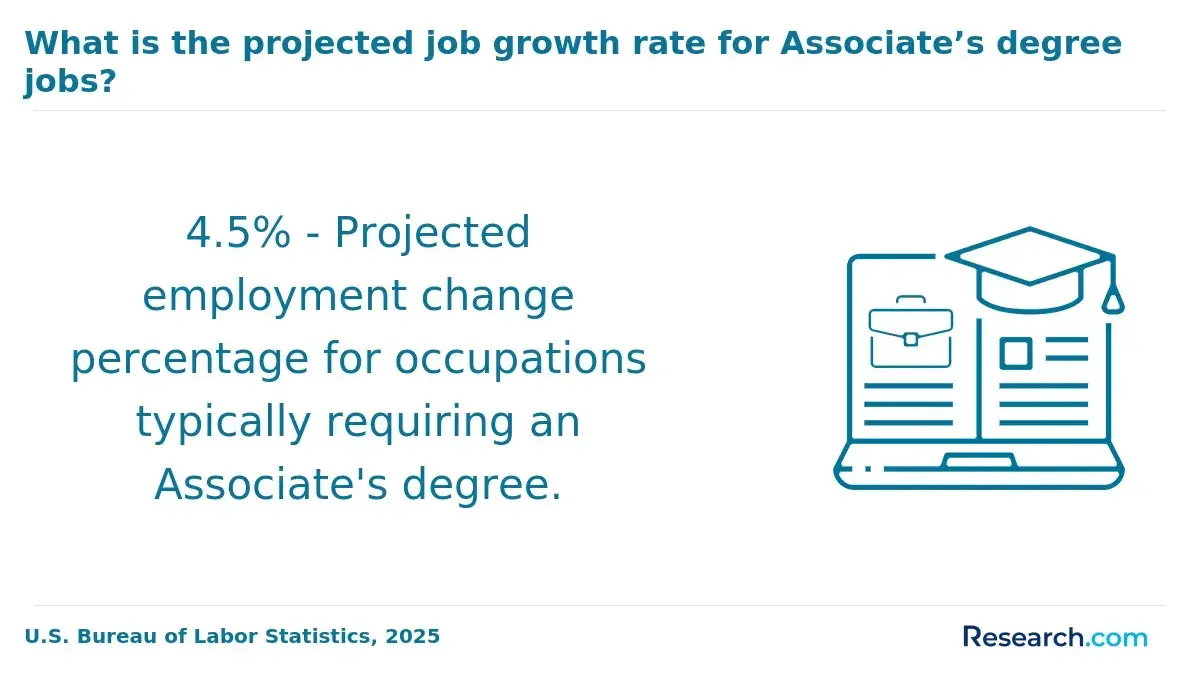
The job outlook for teaching assistants is mixed: schools continue to need adult support in classrooms, but district budgets, enrollment patterns, and staffing models affect hiring. BLS projections for 2024 to 2034 indicate a slight decline for teacher assistant employment rather than rapid growth. That means job seekers should think locally instead of assuming every district has the same demand.
Even when national growth is limited, openings can still appear because of retirements, turnover, promotions, and workers moving into teacher-preparation programs or other careers. Demand may be stronger in districts with large special education programs, bilingual education needs, early literacy initiatives, behavior support needs, or hard-to-staff schools.
Several current trends are shaping TA hiring in U.S. schools:
- Special education service needs: Schools often need trained support staff to help students access inclusion classrooms and individualized supports.
- Student behavior and attendance concerns: Districts may use TAs to support routines, supervision, and targeted interventions.
- Technology-heavy classrooms: Learning platforms and assistive technology make basic digital confidence more important for support staff.
- Budget pressure: TA hiring may depend on state funding, local tax revenue, federal program funds, and collective bargaining agreements.
Applicants should check district job boards repeatedly, not just large job sites. Many school systems post openings under "paraprofessional," "instructional assistant," "special education aide," "classroom assistant," or "student support assistant," so using only the keyword "TA" can cause you to miss relevant jobs.
How can parents and teachers effectively collaborate with TAs to support students?
Parents, teachers, and TAs work best as a team when responsibilities are clear and communication is respectful. A TA may know a student's daily routines extremely well, while the teacher or case manager is usually responsible for formal instructional decisions and official updates.
For parents, the best approach is to include the TA as part of the support picture without bypassing the teacher. If a parent has a question about grades, curriculum, placement, an IEP, or a behavior plan, the teacher or case manager should usually be the first formal contact. If the question is about daily routines or what helps the child stay organized, the TA may have valuable observations that the teacher can include in a response.
Teachers can strengthen collaboration by giving TAs predictable guidance. The following practices reduce confusion and help students receive consistent support:
- Explain the lesson goal and the TA's role before students begin independent or group work.
- Share approved prompts, accommodations, and behavior strategies so the TA does not have to guess.
- Create a simple system for the TA to record patterns, concerns, or student successes.
- Include the TA in relevant planning conversations while respecting confidentiality rules.
- Recognize the TA's observations as useful evidence, not as a replacement for teacher judgment or specialist evaluation.
Families can also support learning at home by building their own confidence with school technology, reading support, or digital tools. For older family caregivers and grandparents, resources such as open university free courses for over 60s can be a low-pressure way to strengthen learning habits and digital comfort.
A common red flag is unclear communication about who is responsible for what. If parents receive conflicting information from a TA and a teacher, they should ask for a joint clarification rather than assuming one person is wrong.
How do teaching assistant positions compare to paraprofessional and aide roles?
Teaching assistant, paraprofessional, and aide roles often overlap, but they are not always identical. The difference usually comes down to whether the employee provides instructional support, personal care, behavior support, supervision, clerical help, or specialized services under a teacher's direction.
The table below compares common school support roles. Titles vary by district, so readers should use it as a decision guide rather than a legal definition.
| Role | Typical focus | Instructional involvement | Best fit |
| Teaching assistant | Classroom instruction, small groups, routines, and student learning support | Often moderate to high under teacher direction | People who want classroom experience and may consider teaching later |
| Paraprofessional | Instructional support, special education support, Title I intervention, or one-on-one assistance | Often high, especially in academic or IEP-related roles | People comfortable supporting documented student needs and structured plans |
| Teacher aide | Classroom logistics, supervision, materials, clerical tasks, or student support | Varies from low to moderate | People seeking school experience with broader support duties |
| Special education aide | Accessibility, behavior plans, personal care, mobility, communication, and inclusion support | Varies depending on assignment | People with patience, consistency, and interest in disability support |
| Instructional aide | Academic practice, interventions, tutoring-style support, and classroom learning tasks | Usually moderate to high | People who enjoy helping students practice specific skills |
When comparing roles, do not rely on the title alone. Read the job description for required qualifications, physical demands, toileting or medical support duties, behavior responsibilities, paid hours, and whether the position is attached to one student, one classroom, or the entire school.
Candidates who want to strengthen their resume without committing to a degree can explore easy certifications to get online, but they should focus on credentials that match school needs, such as child development, special education support, behavior basics, educational technology, or first aid. The safest strategy is to ask target districts which credentials they value before enrolling.
What are common career paths for TAs, including becoming licensed teachers?
TA jobs can be long-term support careers, stepping stones into licensed teaching, or entry points into broader education, counseling, behavior, or school leadership roles. The smartest path depends on whether the person wants stable school employment, higher pay, licensure, or a different education career.
The following career paths are common for TAs who want to advance:
- Experienced TA or lead paraprofessional: Some districts offer higher pay steps, specialized assignments, or mentor roles for experienced support staff.
- Licensed teacher: Many TAs pursue an associate or bachelor's degree, complete a teacher-preparation program, pass required exams, and apply for state licensure.
- Special education teacher: TAs with strong experience supporting students with disabilities may choose a special education licensure pathway.
- Behavior technician or intervention support: Some TAs move toward applied behavior, intervention, or student support roles after additional training.
- School counselor, reading specialist, or administrator: These paths usually require graduate education and state-specific credentials after earning a bachelor's degree.
For a TA who wants to become a teacher, a practical sequence is to confirm state licensure rules, choose an accredited teacher-preparation program, ask about transfer credit for prior coursework, compare total cost, and keep working in schools to build experience. Some districts also offer grow-your-own teacher pipelines, tuition support, or paid residency options for paraprofessionals.
Advanced academic routes should match the actual career goal. Doctoral programs are not needed for most TA or classroom teaching roles, but educators interested in research, higher education leadership, or senior administrative work may later compare options such as the shortest PhD programs with caution, making sure speed does not come at the expense of accreditation, faculty quality, or career fit.
Common mistakes include assuming TA experience automatically leads to licensure, choosing a degree that is not approved for the intended state license, ignoring unpaid student-teaching requirements, and underestimating the cost of tests, background checks, and application fees. The better approach is to map the end goal first and work backward.
Other Things You Should Know About TA Meaning
In K-12 schools, TA most often stands for teaching assistant. A TA supports a licensed teacher by helping with instruction, classroom routines, student support, and supervision.
No. A TA usually works under a teacher's direction and is not the teacher of record. Teachers typically make final decisions about lessons, grades, curriculum, and formal student progress updates.
Not always. Some roles require only a high school diploma plus district training, while instructional or Title I paraprofessional jobs may require college credits, an associate degree, or a qualifying assessment.
Yes, TA experience can help you understand classroom management, student needs, and school routines. However, you still need to meet your state's teacher licensure requirements, which usually include an approved preparation program and required exams.
References
- How Teaching Assistants Help Children with Learning Difficulties https://www.ncchomelearning.co.uk/blog/teaching-assistants-important-children-learning-difficulties/
- Qualifications and Life Experience: The Roadmap to Becoming a Successful Teaching Assistant https://teachingtomorrow.co.uk/news/qualifications-and-life-experience-the-roadmap-to-becoming-a-successful-teaching-assistant/
- Teaching Assistant Job Description: Top Qualities https://ctccourses.org/help-advice/teaching-assistant-job-description-top-qualities-and-responsibilities/
- What makes a great Teaching Assistant (TA)? https://www.zeneducate.com/resources/teaching-hub/what-makes-a-great-teaching-assistant-ta
- What is the Job Outlook for Teachers? | University of Bridgeport https://www.bridgeport.edu/news/job-outlook-for-teachers