2027 Importance of Arts Education: Guide for Parents, Teachers, and Students

Co-Founder and Chief Data Scientist
Families often have to choose between arts courses, test-prep electives, career programs, and college requirements. Arts education matters because it supports learning, creativity, belonging, and future career options.
The Bureau of Labor Statistics reported a 2024 median pay of $64,580 for high school teachers, showing that arts teaching also connects to a stable professional pathway. This guide is for parents, teachers, and students who want to understand program choices, costs, credentials, careers, and how to make a smart decision.
Key Things You Should Know
- Arts education includes visual art, music, dance, theater, media arts, design, and integrated creative learning; the strongest programs combine technique, history, performance or production, critique, and portfolio development.
- College Board's 2024 pricing data lists average 2024-25 published tuition and fees at $11,610 for in-state public four-year colleges and $43,350 for private nonprofit four-year colleges, before aid.
- Career outcomes depend on licensure, location, specialization, and experience; BLS 2024 data places the median pay for high school teachers at $64,580, while art director roles have a higher median but usually require substantial professional experience.
What is arts education and why does it matter for students, schools, and communities?
Arts education is the planned teaching of creative disciplines such as visual arts, music, dance, theater, media arts, design, creative writing, and interdisciplinary arts. In a school setting, it can mean a dedicated choir class, a ceramics studio, a theater production, a digital animation course, or an elementary classroom lesson that uses drawing and rhythm to teach observation, pattern, or storytelling.
It matters because the arts are not just enrichment. They teach students how to interpret evidence, revise work, communicate ideas, collaborate, and handle feedback. Those skills are useful in college, technical training, creative industries, education, health communication, marketing, game design, community programs, and many non-arts careers.
The broader economic context is also important. The Bureau of Economic Analysis reported in its recent arts and cultural production data that arts and cultural industries contributed more than $1 trillion to the U.S. economy. For families, this does not mean every arts student should pursue a creative career, but it does show that creative work is part of a real labor market rather than a purely extracurricular interest.
The table below separates common parts of arts education so readers can see what a complete program should include, whether it is offered in an elementary school, high school, community organization, or college.
| Program component | What it means | Why it matters |
| Technique and skill-building | Instruction in tools, materials, voice, movement, instruments, software, or production methods | Students need structured practice, not only open-ended projects |
| Creative process | Brainstorming, drafting, rehearsing, editing, revising, and presenting | Students learn persistence and how to improve work over time |
| Critique and reflection | Teacher, peer, and self-evaluation of artistic choices | Students learn to give and receive feedback constructively |
| Culture and history | Study of artistic traditions, communities, movements, and context | Students understand art as communication, identity, and civic expression |
| Performance, exhibition, or portfolio | Public sharing of work through concerts, shows, galleries, screenings, or digital portfolios | Students build confidence and evidence of learning |
For schools and communities, arts education can strengthen school culture by giving students more ways to participate. A student who is quiet in a traditional classroom may become a leader in stage management, ensemble music, digital design, or mural planning. That wider definition of achievement is one reason many educators see arts access as an equity issue.
How does arts education benefit child and adolescent development, learning, and mental health?
Arts education benefits students because it connects thinking, emotion, movement, identity, and social interaction. A strong arts class asks students to observe closely, make choices, test ideas, revise, and explain what they created. That process can support academic habits without turning art into a test-prep tool.
Student well-being is a major reason the topic matters now. The CDC's 2024 release of Youth Risk Behavior Survey findings reported that 40% of U.S. high school students experienced persistent feelings of sadness or hopelessness.
Arts education is not a replacement for counseling or clinical care, but it can provide expression, belonging, routine, and adult mentorship, all of which matter in a school climate where many adolescents are struggling.
Parents and teachers should look for programs that support development in several ways. The following features are especially important because they connect arts participation to learning, confidence, and student support.
- Developmentally appropriate instruction: Young children need exploration and play, while older students need deeper technique, critique, and independent projects.
- Regular feedback: Students should receive guidance on process and improvement, not only a final grade after a performance or project.
- Inclusive participation: Strong programs avoid limiting meaningful roles to already-advanced students and create pathways for beginners.
- Safe creative risk-taking: Students should be encouraged to try, revise, and learn from mistakes without embarrassment or public shaming.
- Connection to culture and identity: Students benefit when curriculum includes diverse artists, traditions, communities, and forms of expression.
The biggest mistake is assuming that arts education is valuable only for students who plan to become artists. Many students use arts classes to build communication, problem-solving, teamwork, presentation, and project management skills. Others discover that the arts help them stay engaged in school during periods when they feel disconnected from other subjects.
What types of arts education programs do U.S. schools and colleges offer today?
U.S. schools and colleges offer arts education in many formats, and the right option depends on the student's age, goals, schedule, and level of commitment. A third grader, a high school student preparing a portfolio, and a future music teacher need different types of instruction.
The table below compares common arts education options so families and students can match program type to purpose rather than choosing based only on convenience or reputation.
| Program type | Typical setting | Best fit | Important limitation |
| General elementary arts | Public, private, charter, or magnet elementary schools | Students building exposure, creativity, motor skills, listening, and expression | Quality depends heavily on staffing, time, and materials |
| Middle and high school electives | School-based courses in music, visual art, theater, dance, media, or design | Students exploring interests or preparing for advanced study | Course availability can vary by district budget and scheduling |
| Arts magnet or performing arts schools | Specialized public or private schools | Students who want intensive training alongside academics | Admissions may require auditions, portfolios, or academic review |
| Career and technical education arts pathways | High schools, regional centers, or community colleges | Students interested in production, design, digital media, audio, animation, or technical theater | Programs may focus more on workforce skills than broad arts study |
| Community arts programs | Nonprofits, museums, studios, theaters, youth organizations, or local arts councils | Students seeking access outside school or deeper practice in a specific art form | Costs, transportation, and instructor qualifications vary |
| College arts education programs | Community colleges, universities, conservatories, and schools of education | Students preparing for teaching, arts administration, studio practice, therapy-adjacent work, or graduate study | Licensure and accreditation requirements differ by state and career goal |
A current trend is the growth of media arts and digital production. Schools increasingly offer animation, digital photography, audio production, game design, film editing, and design software courses. These programs can be valuable, but families should ask whether students also learn artistic foundations such as composition, storytelling, critique, and ethics rather than only software buttons.
What degrees, majors, and teacher preparation pathways exist in arts education?
Arts education pathways range from certificates and associate degrees to bachelor's, master's, and doctoral programs. The right credential depends on whether the student wants to teach in K-12 schools, work in community arts, pursue studio practice, teach at a college, or move into arts leadership.
Teacher preparation is the key distinction. A student who wants to become a licensed public school art, music, theater, or dance teacher usually needs a state-approved educator preparation program, student teaching or supervised clinical practice, and passing scores on required state exams. A studio art degree alone may not meet teacher licensure requirements.
The table below summarizes common education pathways and the decisions attached to each one.
| Pathway | Typical credential | Best fit | Decision point |
| Community college arts pathway | Associate degree or transfer program | Students reducing cost before transferring to a four-year program | Confirm that studio, general education, and education courses transfer cleanly |
| K-12 arts teacher preparation | Bachelor's degree with teacher certification track | Students who want to teach in public elementary, middle, or high schools | Verify state approval for the exact art form and grade level |
| Studio or performance major | BFA, BA, BM, or related bachelor's degree | Students pursuing artistic practice, performance, design, or graduate study | May require an added teacher-prep program for K-12 licensure |
| Arts education graduate program | MA, MAT, MEd, or MFA-related pathway | Career changers, licensed teachers seeking advancement, or educators specializing in curriculum | Check whether the program leads to initial licensure, advanced licensure, or neither |
| Arts administration or community arts | Bachelor's, master's, or certificate | Students interested in museums, nonprofits, theaters, galleries, or public arts programs | Internships and nonprofit management experience may matter as much as the degree title |
Graduate study can make sense for teachers seeking leadership roles, salary-lane movement, curriculum design, or specialized arts integration. Students comparing flexible options can review online master's programs, but they should confirm that any education program matches their state's licensure rules before enrolling.
A practical way to choose is to start with the end role and work backward. If the goal is public school teaching, prioritize state-approved teacher preparation. If the goal is museum education, prioritize internships, program design, youth development, and community partnerships. If the goal is college teaching, expect graduate study and a strong portfolio or performance record.
How do online arts education programs compare with campus-based options for quality and outcomes?
Online arts education programs can be high-quality when they are designed for the medium rather than treated as recorded versions of studio classes. They tend to work best for theory, curriculum design, arts administration, art history, digital media, teacher professional development, and some graduate education courses.
Campus-based programs are often stronger for ceramics, sculpture, ensemble performance, dance, theater production, and other areas requiring specialized facilities or real-time physical coaching.
Quality depends less on format and more on instructional design, faculty feedback, access to materials, field experiences, and accreditation. Students comparing schools should also look at institutional mission and oversight; for example, some learners prefer accredited non profit schools because they want institutions with public-service or mission-driven governance, though nonprofit status alone does not guarantee stronger outcomes.
The table below compares online and campus-based arts education options in areas that directly affect learning quality and career preparation.
| Factor | Online option | Campus-based option | Best choice when |
| Studio access | May rely on home materials, local studios, mailed kits, or digital tools | Provides dedicated labs, studios, theaters, shops, instruments, and equipment | Campus is usually better for facility-heavy disciplines |
| Feedback | Can include recorded critiques, portfolio reviews, live video sessions, and annotated submissions | Allows immediate in-person correction and peer observation | Online can work well if feedback is frequent and specific |
| Field experience | May place students in local schools or community sites | Often has established regional partnerships | Either can work if placements meet state requirements |
| Flexibility | Stronger for working adults, caregivers, and rural students | Stronger for students who need structure and daily access to faculty | Online is better when schedule flexibility is essential |
| Networking | Depends on virtual cohorts, residencies, and local placements | Often stronger through productions, ensembles, exhibitions, and campus events | Campus may be better for performance-based networking |
AI and digital tools are also changing arts education. Students may now use AI-assisted image generation, composition software, editing tools, adaptive practice platforms, and digital portfolio systems. A reputable program should teach ethical use, authorship, copyright awareness, process documentation, and critique, not simply ban or celebrate new tools without context.
What should parents and students look for when choosing a reputable arts education program?
Choosing a reputable arts education program starts with alignment: the program should match the student's goal, budget, learning style, and credential needs. A beautiful studio or famous visiting artist is not enough if the program does not support transfer, licensure, portfolio growth, or career preparation.
Families and students should use a structured review process before enrolling. The following steps help prevent common mistakes such as choosing a program without accreditation, assuming all credits transfer, or overlooking the cost of materials and travel:
- Define the goal first: Decide whether the priority is school teaching, artistic development, college admission, career exploration, community arts, or personal enrichment.
- Check accreditation and approval: Verify institutional accreditation and, for teacher preparation, state approval for the specific license area.
- Review faculty qualifications: Look for teaching experience, professional practice, youth development experience, and evidence of effective mentoring.
- Ask about student work: Request examples of portfolios, exhibitions, performances, capstones, lesson plans, or graduate outcomes.
- Confirm field experiences: For teacher pathways, ask where student teaching happens and whether placements satisfy state rules.
- Calculate total cost: Include tuition, fees, supplies, software, instruments, travel, audition fees, portfolio preparation, and lost work time.
- Compare support services: Check advising, tutoring, disability services, career coaching, mental health resources, and technology support.
Cost should be part of the decision, especially for students pursuing a bachelor's degree. Learners seeking lower-cost routes can compare options such as the cheapest bachelor degree online, but affordability should be weighed against accreditation, transferability, licensure fit, and access to meaningful arts instruction.
Red flags include vague accreditation claims, pressure to enroll immediately, no clear licensure explanation, weak portfolio review processes, limited access to faculty, unclear supply costs, and programs that promise specific jobs or salaries. A trustworthy program should be able to explain what it can support, what it cannot guarantee, and what students must do to succeed.
Employer Confidence in Online vs. In-Person Degree Skills, Global 2024

How is arts education funded in U.S. K-12 and higher education, and what does it cost families?
Arts education funding differs sharply between K-12 and higher education. In K-12 schools, arts courses are usually funded through district budgets, state and local tax revenue, federal education funds, grants, parent organizations, fundraising, and community partnerships. In higher education, families usually face tuition, fees, supplies, housing, transportation, and opportunity costs, offset by financial aid when available.
College pricing is one of the most important decision points. College Board's 2024 Trends in College Pricing data lists these average published tuition and fee figures for 2024-25, before grant aid or scholarships:
- $4,050 for public two-year in-district students
- $11,610 for public four-year in-state students
- $30,780 for public four-year out-of-state students
- $43,350 for private nonprofit four-year students
Those numbers are not arts-specific, but they help families compare routes. A student who starts at a community college and transfers may reduce tuition exposure, while a student in a conservatory-style program may pay more but receive intensive facilities, performance opportunities, and faculty access. The better question is not "Which school is cheapest?" but "Which affordable option still meets the student's goal?"
Families should also plan for arts-specific expenses. These can include instruments, reeds, strings, sheet music, dancewear, headshots, portfolio photography, audition travel, studio supplies, software subscriptions, external hard drives, microphones, camera equipment, costumes, safety gear, and exhibition fees. Some schools include materials in course fees, while others expect students to purchase supplies separately.
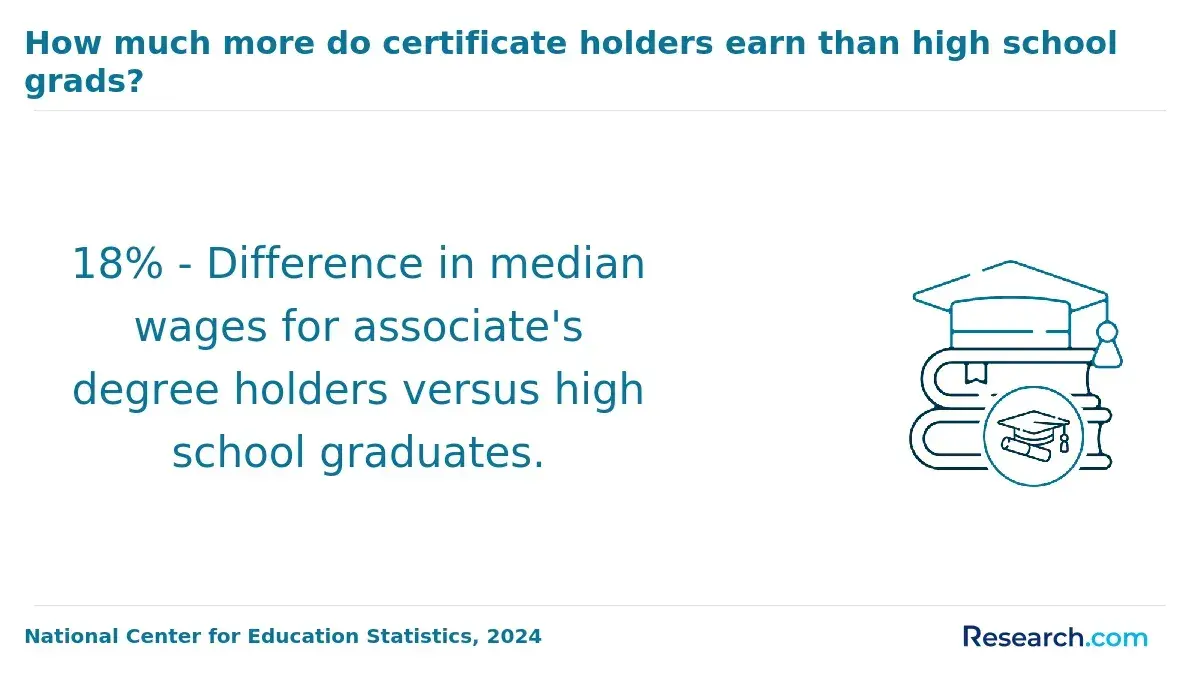
Students who want shorter, career-focused training may also compare certificates in areas such as digital media, audio production, UX design, arts administration, or software-based creative work.
Resources on online certifications that pay well can help students think about credential value, but certificates should be evaluated by employer relevance, portfolio output, and whether the credential fits the student's intended role.
What careers can arts education majors pursue, and what roles exist beyond classroom teaching?
Arts education majors can pursue classroom teaching, but that is only one route. Many graduates combine creative training, instructional skill, curriculum design, youth development, and communication in schools, museums, nonprofits, media companies, camps, community centers, galleries, theaters, and public arts organizations.
The table below outlines career directions that commonly connect to arts education training. It focuses on role fit rather than implying that one degree automatically qualifies a person for every position.
| Career direction | Typical responsibilities | Common preparation | Important note |
| K-12 arts teacher | Teach visual art, music, theater, dance, or media arts; assess student work; manage performances or exhibitions | Bachelor's degree, state-approved teacher preparation, student teaching, licensure exams | Requirements vary by state and license area |
| Museum or gallery educator | Design tours, workshops, school visits, family programs, and interpretive materials | Arts, art history, museum studies, education, or community programming experience | Internships and public-facing experience are highly valuable |
| Community arts coordinator | Run youth programs, public art projects, workshops, grants, and partnerships | Arts education, nonprofit management, community development, or arts administration | Grant writing and relationship-building often matter |
| Teaching artist | Teach workshops or residencies while maintaining a creative practice | Artistic portfolio, teaching experience, classroom management skills | Work may be contract-based or seasonal |
| Curriculum or instructional designer | Create arts lessons, digital learning materials, teacher resources, or assessment tools | Teaching experience, curriculum training, technology skills | Digital portfolio evidence can be important |
| Arts administrator | Manage programs, events, budgets, fundraising, marketing, or operations | Arts administration, business, nonprofit management, communications, or related experience | Leadership roles may require experience more than a specific major |
Students should also think about background checks and licensure rules. Public school teaching and youth-serving roles often require fingerprinting or criminal background review, and rules vary by state and employer. Learners researching second-chance education routes can review information on online degrees for felons, but they should also contact the relevant state education agency before choosing a teaching pathway.
A smart career plan includes both a credential and evidence of skill. For arts education students, that evidence may include lesson plans, student-teaching evaluations, classroom videos where allowed, portfolios, exhibitions, performances, curriculum samples, grant proposals, community projects, and letters from supervisors.
What are the salary ranges and job outlook for arts educators and related careers?
Salary and job outlook in arts education depend on role, location, school district salary schedules, union contracts, degree level, years of experience, and whether the job is full-time, part-time, contract-based, or seasonal. No degree guarantees a salary, but federal labor data can help students set realistic expectations.
The table below uses recent BLS data to show median pay and general outlook context for selected roles connected to arts education. Readers should use these figures as benchmarks, then compare local job postings and state salary schedules.
| Role | Recent U.S. median pay or outlook context | How to interpret it |
| High school teacher | BLS reported 2024 median pay of $64,580 | Arts teachers in public schools are often paid on district teacher salary schedules rather than by subject alone |
| Middle school teacher | BLS reported 2024 median pay of $64,290 | Actual pay varies by district, degree level, and years of service |
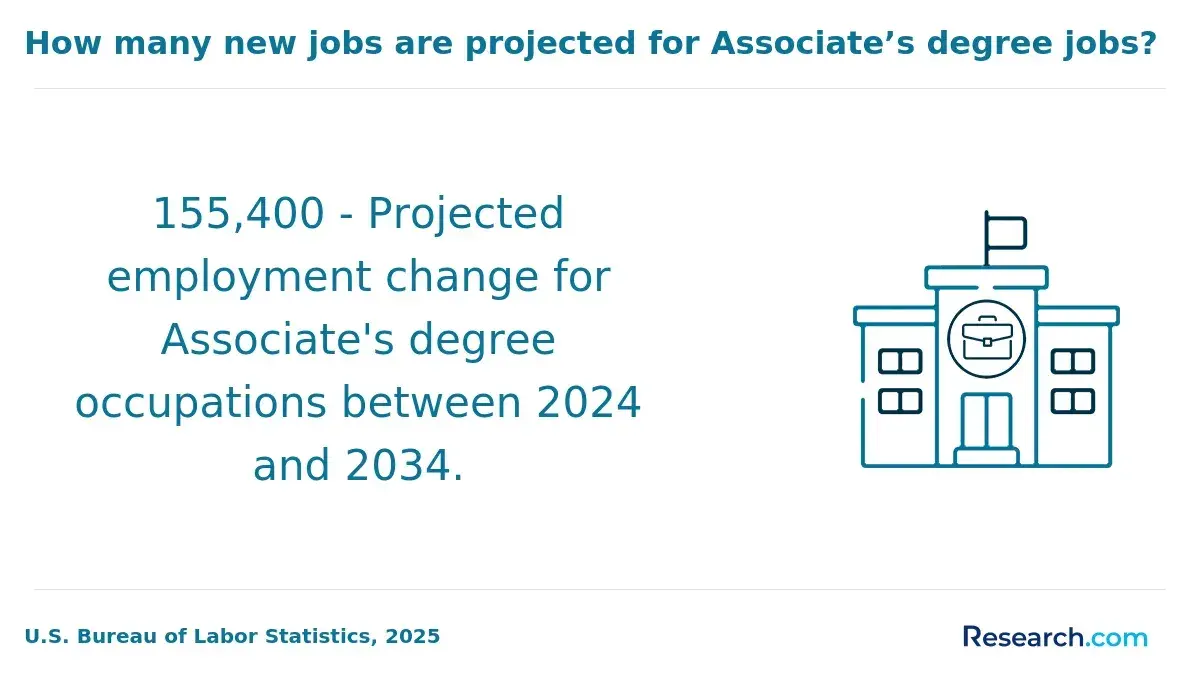
| Postsecondary teacher | BLS projected 7% employment growth for postsecondary teachers overall from 2024 to 2034 | College arts teaching can be competitive and may require graduate credentials plus a strong portfolio or professional record |
| Art director | BLS reported 2024 median pay above typical K-12 teaching medians | This is usually an experienced creative leadership role, not an entry-level arts education outcome |
| Special effects artist or animator | BLS reported 2024 median pay above many education roles | Portfolio, software skill, industry specialization, and project experience are central to hiring |
| Museum technician or conservator-related roles | Pay varies by institution, specialization, and graduate preparation | Museum careers may require internships, specialized study, or relocation to larger cultural markets |
Job outlook should be read carefully. K-12 arts positions are shaped by district budgets, enrollment, state graduation requirements, and local priorities. A district that values music ensembles, theater productions, or visual arts pathways may hire more arts educators, while another district may combine positions or rely on part-time staff.
Students who want stronger income flexibility should build transferable skills alongside arts teaching skills. Useful combinations include arts plus instructional technology, arts plus special education strategies, arts plus bilingual education, arts plus digital media, arts plus grant writing, and arts plus community program evaluation.
What certification, licensure, and accreditation requirements apply to arts teachers and programs?
Certification, licensure, and accreditation are critical for arts education because a program that is inspiring but not properly aligned may fail to qualify a graduate for the intended role. Requirements vary by state, school type, grade level, and art form, so students should verify details before enrolling.
For K-12 public school teaching, most states require completion of a state-approved educator preparation program, supervised clinical practice or student teaching, required exams, background checks, and an application to the state licensing agency. Some states offer alternative routes for career changers or artists with professional experience, but these routes still have formal requirements.
Program accreditation and approval can appear in several forms. The following items help students understand what to check and why it matters:
- Institutional accreditation: Confirms that the college or university meets recognized academic and administrative standards and is generally important for federal financial aid and credit transfer.
- State educator preparation approval: Confirms that a teacher-preparation program is authorized to prepare candidates for licensure in that state.
- Specialized arts accreditation: Organizations such as NASAD, NASM, NASD, and NAST review art and design, music, dance, and theater programs, respectively, where applicable.
- Education accreditation: Some educator-preparation programs may hold accreditation from bodies such as CAEP, though state approval remains essential for licensure.
- Local employer requirements: Private schools, charter schools, museums, and nonprofits may set their own hiring standards in addition to or instead of state teacher licensure.
Before enrolling, students should contact the state education department and ask the school for written confirmation that the program leads to the intended license. This is especially important for online students, out-of-state students, transfer students, and career changers.
Common mistakes include assuming a "teaching" concentration equals licensure, assuming a master's degree automatically leads to certification, enrolling in an out-of-state online program without checking reciprocity, and ignoring background check rules. The safest approach is to verify licensure fit before paying application fees or committing to a program.
Other Things You Should Know About Importance of Arts Education
No. Arts education can support communication, creativity, collaboration, confidence, and problem-solving. Those skills are useful in many fields, including education, business, technology, healthcare communication, media, and community work.
Some can, but not all. Students must confirm that the program is state-approved for the exact license area and that field placements, exams, and background checks meet the requirements of the state where they plan to teach.
The best choice is usually a bachelor's degree in art education, music education, theater education, dance education, or a related approved teacher-preparation program. Career changers may consider a master's or alternative certification route if it is approved by their state.
Families can compare community college transfer pathways, public in-state options, scholarships, school instrument rentals, used supplies, local arts nonprofits, dual enrollment, and programs with clear financial aid. They should compare total cost, not tuition alone.
References
- Educating Ourselves about Childhood Arts Experiences—and Why They Matter https://www.arts.gov/stories/blog/2025/educating-ourselves-about-childhood-arts-experiences-and-why-they-matter
- From the Art Room to What's Next: 7 Career Paths Built for Art Teachers https://theartofeducation.edu/2026/05/from-the-art-room-to-whats-next-7-career-paths-built-for-art-teachers/
- 6 Tips for Selecting a School for Art Majors https://thecollegesolution.com/6-tips-for-selecting-a-school-for-art-majors/
- The Arts and Public Education https://www.amacad.org/publication/case-for-arts-education/section/2
- How to Choose the Right Performing Arts Boarding School: A Checklist for Parents and Students - BoardingSchoolReview.com https://www.boardingschoolreview.com/blog/how-to-choose-the-right-performing-arts-boarding-school-a-checklist-for-parents-and-students
- The 3 Types Of Arts Education In Schools — KID smART Education Through Imagination https://www.kidsmart.org/the-joy-journal-2/three-types-of-art-education-in-schools
- Top 5 Things to Look for When Choosing a School for Your Child — Hundred Hills School https://www.hundredhillsschool.org/blog/top-5-things-to-look-for-when-choosing-a-school-for-your-child