2027 High School English Tutor: Guide for Parents, Teachers, and Students

Co-Founder and Chief Data Scientist
Choosing a high school English tutor is often about more than raising a grade; it can affect writing confidence, college readiness, and how students handle demanding texts. The 2024 NAEP reading results show that only about 30% of eighth graders performed at or above Proficient, a warning sign for students entering high school coursework.
This guide is for parents, teachers, and students who need practical help comparing tutoring options, checking credentials, understanding costs, and deciding whether online, in-person, AP-focused, or college-prep support is the right fit.
Key Things You Should Know
- High school English tutoring is most useful when it starts with a diagnostic review of writing samples, reading habits, grades, and teacher feedback rather than a generic worksheet plan.
- U.S. labor data from May 2024 places the national median tutor wage at about $21 per hour, but family-facing rates are often higher because tutoring prices include prep time, platform fees, travel, specialization, and local demand.
- Online tutoring works well for essay revision, grammar, AP analysis, and college application writing, while in-person tutoring may be better for students who need stronger accountability, executive-function support, or reduced screen fatigue.
What does a high school English tutor do for students, parents, and teachers?
A high school English tutor helps students build the reading, writing, analysis, communication, and study skills needed for English classes and related exams. Unlike a classroom teacher, a tutor can slow down, diagnose individual gaps, and practice skills repeatedly with immediate feedback.
For students, the tutor's job is to turn vague struggles such as "I'm bad at essays" into specific, fixable skills. For parents, the tutor provides structure and clearer progress signals. For teachers, a good tutor reinforces classroom goals instead of replacing or contradicting instruction.
The table below separates the tutor's role by audience so families and schools can set realistic expectations before sessions begin:
| Audience | What the tutor typically supports | What the tutor should not replace |
| Students | Essay planning, close reading, vocabulary, grammar, revision habits, annotation, discussion preparation, and test strategies. | Student effort, classroom participation, assigned reading, or teacher feedback. |
| Parents | Progress updates, study routines, workload planning, realistic goals, and guidance on when extra help is or is not needed. | School grading decisions, special education evaluations, or guaranteed grade outcomes. |
| Teachers | Reinforcement of class skills, alignment with rubrics, and support for struggling or advanced learners. | Curriculum design, grading authority, classroom management, or formal accommodations. |
Families should also understand that tutoring is a service, not a shortcut. The strongest results usually come when the student brings current assignments, rubrics, teacher comments, and questions to each session.
How can a high school English tutor improve grades, test scores, and confidence?
A high school English tutor can improve grades, test scores, and confidence by identifying the exact point where a student's process breaks down. Some students understand novels but cannot organize essays. Others have strong ideas but weak grammar, limited vocabulary, poor time management, or anxiety about writing.
Improvement usually comes from consistent, skill-specific practice rather than last-minute homework rescue. A tutor may help a student learn how to read a prompt, build a thesis, select evidence, explain quotations, revise for clarity, and proofread using a repeatable checklist.
Parents and students should look for measurable progress signals that go beyond a single grade. Useful indicators include the following:
- Shorter time needed to plan and draft an essay without losing quality.
- More specific teacher comments, such as stronger evidence or clearer organization.
- Improved ability to explain a reading passage in the student's own words.
- Fewer repeated grammar, citation, or structure errors across assignments.
- Greater willingness to revise instead of treating the first draft as the final draft.
Confidence matters because English performance often depends on participation, revision, and persistence. When students see that writing is a process they can control, they are more likely to ask questions, read closely, and engage with challenging texts.
AI writing tools have also changed the tutoring conversation. A responsible tutor should help students use AI for brainstorming, outlining, and self-checking when school policy allows it, while making clear that outsourcing essays can violate academic integrity rules and weaken long-term skills.
What qualifications and credentials should families look for in an English tutor?
Families should look for a tutor whose qualifications match the student's goal. A student who needs help with ninth-grade essay structure may not need the same tutor as a senior preparing for AP Literature or college application essays.
Strong credentials can include a teaching license, classroom English experience, a degree in English or education, writing center experience, test-prep specialization, or a track record with similar students.
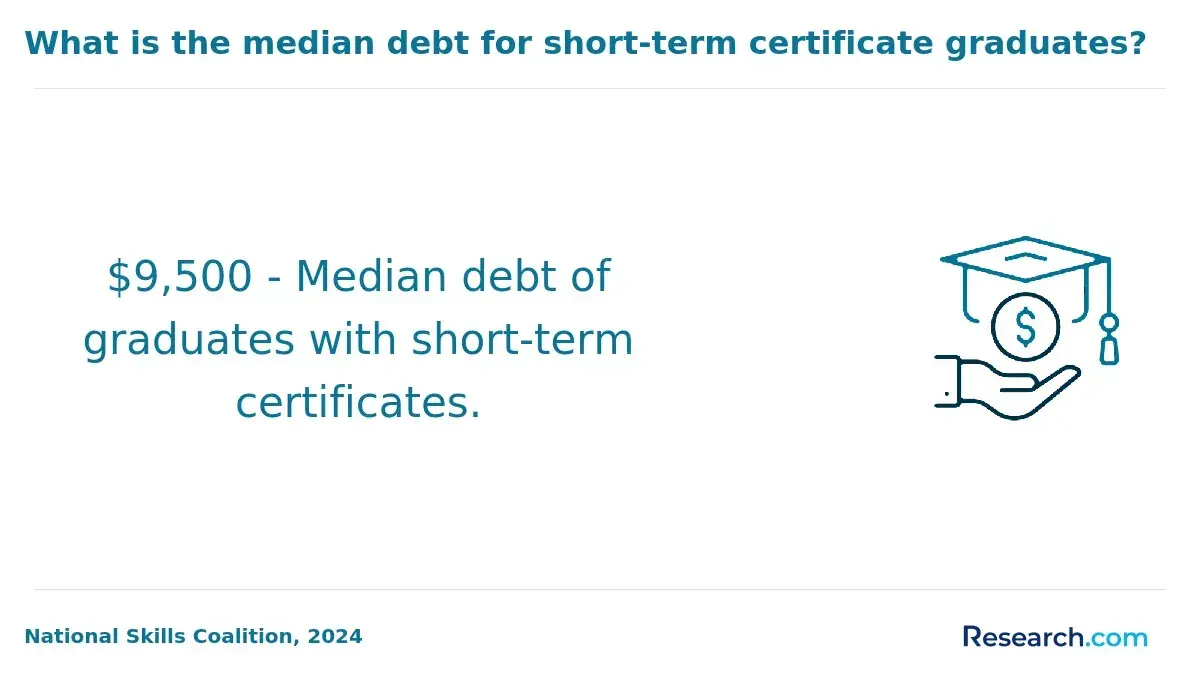
Advanced academic credentials can be valuable, but they are not automatically proof of teaching ability; even a PhD online or traditional doctorate should be evaluated alongside communication style, lesson planning, and student fit.
The table below helps families match credentials to common tutoring needs without overpaying for qualifications that may not be necessary:
| Student need | Helpful tutor background | Why it matters |
| General English grade support | English teacher, education major, experienced writing tutor, or literacy specialist. | The tutor needs to explain class concepts clearly and reinforce school expectations. |
| Essay writing and revision | Writing center tutor, English major, humanities teacher, editor, or composition instructor. | The student needs feedback on thesis, organization, evidence, style, and revision. |
| AP English Language or Literature | AP teacher, AP exam reader experience, or tutor with documented AP English specialization. | AP courses require rhetorical analysis, literary interpretation, timed writing, and rubric familiarity. |
| Reading comprehension difficulties | Literacy specialist, special education experience, or tutor trained in evidence-based reading strategies. | The tutor may need to address decoding, fluency, vocabulary, or comprehension gaps. |
| College application essays | College essay coach, English teacher, admissions writing specialist, or counselor collaboration experience. | The student needs authentic personal writing, structure, revision, and ethical guidance. |
Parents should verify claims. Ask for references, sample lesson plans, experience with the student's grade level, and an explanation of how progress will be measured. Be cautious if a tutor promises a specific grade, guarantees admission results, or rewrites assignments instead of coaching the student.
How do online high school English tutoring options compare with in-person services?
Online and in-person tutoring can both work well, but they solve different problems. The best choice depends on the student's learning style, schedule, motivation, technology access, and the type of English help needed.
Online tutoring is especially effective for writing because students and tutors can share drafts, comment in real time, use digital rubrics, and track revisions. Students who need targeted grammar or test-prep practice may also benefit from structured online courses that supplement, but do not replace, individual feedback.
The comparison below shows when each format tends to make more sense:
| Format | Best fit | Potential drawback |
| Online one-on-one tutoring | Essay revision, AP writing, college essays, flexible scheduling, rural access, and students comfortable with shared documents. | May be less effective for students who struggle to focus on screens or need hands-on accountability. |
| In-person one-on-one tutoring | Students who need structure, fewer distractions, relationship-building, or help managing printed books and notebooks. | Usually requires travel time and may offer fewer specialist options nearby. |
| Small-group tutoring | Students working on similar skills, such as grammar review, SAT-style reading, or AP timed writing practice. | Less individualized feedback and less time for personal writing issues. |
| Asynchronous essay feedback | Students who only need comments on drafts and can revise independently. | Not ideal for students who need live explanation, motivation, or guided practice. |
A practical rule is to choose online tutoring for specialized expertise and writing workflow, and in-person tutoring when the student needs stronger behavioral support, routine, or face-to-face encouragement.
What topics and skills are typically covered in high school English tutoring sessions?
High school English tutoring usually covers a mix of reading, writing, grammar, vocabulary, speaking, and study habits. The exact plan should follow the student's course level, teacher expectations, and upcoming assignments.
A strong tutor will not treat English as one broad subject. Instead, the tutor should break it into teachable skills and sequence those skills so the student can apply them in class.
Common tutoring topics include the following areas:
- Reading comprehension: Identifying main ideas, tone, theme, author's purpose, inference, and evidence.
- Literary analysis: Interpreting character, conflict, symbolism, structure, imagery, point of view, and theme.
- Rhetorical analysis: Evaluating argument, appeals, style, diction, syntax, audience, and purpose.
- Essay structure: Building thesis statements, topic sentences, paragraph logic, transitions, introductions, and conclusions.
- Evidence use: Selecting quotations, integrating citations, explaining analysis, and avoiding plot summary.
- Grammar and mechanics: Sentence boundaries, punctuation, verb tense, pronoun agreement, clarity, and concision.
- Research writing: Source evaluation, outlining, paraphrasing, citation style, plagiarism prevention, and revision.
- Test preparation: Timed reading, short responses, multiple-choice strategy, AP free-response practice, and SAT or ACT reading and writing skills.
Parents should ask whether the tutor has reviewed the student's actual assignments. A tutor who never asks for rubrics, teacher comments, class texts, or prior essays may be working from a generic plan that does not match the student's needs.
How much does high school English tutoring cost, and what affects the price?
High school English tutoring costs vary widely by location, tutor experience, specialization, session length, and whether the service is independent, platform-based, agency-based, online, or in person. U.S. Bureau of Labor Statistics wage estimates from May 2024 place the national median wage for tutors at about $21 per hour, but parent-paid rates are often higher because consumer prices may include preparation, travel, administrative overhead, materials, and marketplace fees.
Families should treat tutoring as a targeted academic investment and compare the price with the student's actual need. A student who needs four sessions to revise an essay process may not need the same budget as a student preparing weekly for AP English, SAT reading, or college essays.
Typical market-facing price ranges often fall into broad bands like these, although actual quotes can differ by region and tutor profile:
- Independent high school English tutor: About $25 to $80 per hour.
- Certified teacher or experienced writing specialist: About $50 to $120 per hour.
- Agency or premium tutoring service: About $60 to $150 or more per hour.
- AP English, SAT or ACT reading, or college essay specialist: About $75 to $200 per hour in higher-cost markets.
The table below explains the main cost drivers so families can decide where paying more is justified and where a lower-cost option may be enough:
| Cost factor | Why it affects price | When paying more may make sense |
| Experience and credentials | Certified teachers, AP specialists, and experienced writing coaches often charge more. | When the student has advanced coursework, persistent writing gaps, or high-stakes deadlines. |
| Format | In-person tutoring may include travel time; online tutoring may reduce logistics costs. | When the format directly improves attendance, focus, or access to the right specialist. |
| Specialization | AP, honors, college essays, and test prep require narrower expertise. | When the student needs rubric-specific feedback or exam-specific strategy. |
| Frequency | Weekly support costs more overall than occasional essay reviews. | When the student needs habit-building, accountability, or ongoing course support. |
| Service model | Agencies may charge more for tutor screening, matching, and customer support. | When parents want replacement tutors, progress systems, or administrative convenience. |
Families planning for college should also keep tutoring costs in perspective with future education expenses; reviewing most affordable online colleges can help parents and students think more broadly about academic budgeting and return on investment.
How should parents choose a reputable English tutoring service or individual tutor?
Choosing a reputable English tutor starts with clarity. Parents should define the problem first: low grades, weak essays, reading avoidance, AP preparation, executive-function struggles, college applications, or test anxiety. The right tutor depends on that diagnosis.
Before hiring, families should follow a structured vetting process rather than choosing only by price, star rating, or a polished profile. Some tutors may list short trainings or easy certifications to get, but those should not outweigh demonstrated experience, references, and a clear teaching method.
Use the following steps to compare tutors or services in a consistent way:
- Collect evidence of the student's needs, including recent essays, grades, rubrics, teacher comments, reading lists, and test score reports if relevant.
- Ask each tutor how they would diagnose the student in the first two sessions and what information they need from school.
- Request experience details for the exact need, such as AP Literature, ninth-grade writing, research papers, dyslexia-informed reading support, or college essays.
- Discuss session structure, homework expectations, cancellation policies, communication frequency, and how progress will be documented.
- Start with a short trial period and review whether the student is becoming more independent, not simply more dependent on the tutor.
Common red flags include guaranteed grade increases, promises to complete essays for the student, pressure to buy large packages immediately, vague credentials, no intake process, and unwillingness to coordinate with teacher expectations. A reputable tutor should be transparent about limits and should support academic integrity.
How can teachers effectively collaborate with tutors to support high school students?
Teacher-tutor collaboration works best when everyone understands boundaries. Teachers control curriculum, grading, accommodations, and classroom expectations. Tutors can reinforce skills, help students practice, and translate feedback into action.
Collaboration does not require long meetings. Often, the most useful information is a rubric, assignment sheet, sample teacher comments, and a brief note about the student's recurring challenges. Teachers should avoid sharing confidential information without appropriate permission, and tutors should avoid asking teachers to pre-grade work.
A simple collaboration routine can reduce confusion and help the student hear consistent messages:
- Parents obtain permission before sharing school materials or teacher comments with the tutor.
- The tutor asks the student to explain the assignment first, then checks the prompt and rubric for accuracy.
- The tutor focuses on transferable skills, such as thesis clarity, evidence, analysis, and revision, instead of editing every sentence.
- The teacher's feedback becomes the primary reference point for the next tutoring goal.
- Progress updates focus on skill growth, effort, and next steps rather than pressure on the teacher to change grades.
Teachers who want deeper training in literacy, curriculum, or educational leadership may explore graduate pathways over time, but tutoring collaboration itself should remain practical, student-centered, and respectful of school policies.
How does specialized English tutoring help with AP, honors, and college prep?
Specialized English tutoring can be especially helpful for AP, honors, and college-prep students because advanced English courses require more than correct grammar. Students must analyze complex texts, write under time pressure, build original arguments, and revise with precision.
For AP English Language, tutoring often focuses on rhetorical analysis, argument essays, synthesis writing, source evaluation, and multiple-choice reading. For AP English Literature, tutoring typically emphasizes close reading, literary interpretation, poetry analysis, theme development, and evidence-based commentary.
The table below shows how specialized tutoring goals differ by advanced pathway:
| Pathway | Primary tutoring focus | Best progress evidence |
| Honors English | Managing heavier reading loads, writing more analytical essays, and moving beyond summary. | Stronger class essays, better seminar preparation, and more independent annotation. |
| AP English Language | Rhetorical analysis, argument structure, synthesis, timing, and evidence-based commentary. | Improved practice essays, clearer claims, and more strategic multiple-choice reasoning. |
| AP English Literature | Close reading, poetry, prose analysis, literary devices, theme, and complexity. | More precise textual analysis and stronger timed free-response practice. |
| College application essays | Authentic voice, story selection, structure, revision, and ethical feedback. | Essays that sound like the student and answer the prompt clearly. |
| SAT or ACT reading and writing | Passage strategy, grammar rules, pacing, and question-type recognition. | More consistent practice performance and fewer repeated error patterns. |
Specialized tutoring is most valuable when the student has a defined target and enough time to practice. It is less effective when families wait until the final week before an AP exam or application deadline and expect a quick transformation.
What should students expect in terms of scheduling, workload, and progress tracking?
Students should expect tutoring to be structured, active, and accountable. A productive session usually includes a quick review of goals, work on a current assignment or targeted skill, guided practice, feedback, and a short plan for what to do before the next meeting.
Scheduling should match the student's workload. Weekly sessions are common for ongoing English support, while short-term blocks may work for essay deadlines, finals, AP review, or college applications. More frequent sessions can help during high-pressure periods, but too much tutoring can crowd out independent reading and writing time.
Students and parents can use the following progress-tracking approach to keep tutoring focused:
- Set one primary goal for the first month, such as stronger thesis statements, fewer sentence errors, or better reading notes.
- Keep a folder of drafts, rubrics, teacher feedback, and revised work so improvement is visible over time.
- Ask the tutor for brief session notes that identify the skill practiced and the next independent task.
- Review progress every four to six weeks and decide whether to continue, adjust frequency, change goals, or pause tutoring.
- Watch for independence: the student should gradually need fewer reminders, not more.
Families with multiple learners at home may also coordinate tutoring around broader education plans. For example, adults returning to school can compare best degrees for older adults while building a household routine that protects study time for both parents and teens.
Other Things You Should Know About
Many students show early changes in organization, confidence, or revision habits within a few sessions, but grade improvement usually takes longer because it depends on assignments, teacher grading cycles, and consistent practice.
Yes, if the student is preparing for honors, AP English, college essays, competitive scholarships, or stronger analytical writing. For students with stable grades and no specific goal, occasional feedback may be enough.
A tutor should coach the student through brainstorming, structure, revision, and proofreading strategies. The student should make the decisions and write the final language to preserve academic integrity.
Review the goal, attendance, student effort, tutor fit, and whether the tutor is using school materials. If there is no clear progress after a reasonable trial period, consider changing the approach, frequency, or tutor.
References
- AP® English Language Homework Help https://www.princetonreview.com/academic-tutoring/subjects/ap-english-language
- What Qualifications Should a Tutor Have? — Tayberry Tuition & Consultancy https://www.tayberry.org.uk/blog/what-qualifications-should-a-tutor-have
- How to choose the right tutor for your child https://www.sbs.com.au/language/english/en/podcast-episode/how-to-choose-the-right-tutor-for-your-child/9riv9jcb8
- Average Tutoring Rates USA: How Much Do Tutors Charge Per Hour? https://tutorcruncher.com/blog/average-tutoring-rates
- What Parents Should Know About High School Tutoring Costs | K12 Tutoring https://tutoring.k12.com/resources/parent-guides/costs-and-funding/tutoring-cost-by-subject-grade/what-parents-should-know-about-high-school-tutoring-costs/
- AP English Language Tutoring | AP English Language Test Prep | LA Tutors 123 https://www.latutors123.com/academic-support/college-ap/ap-english-language/
- How to track student progress effectively - Academy21 https://academy21.co.uk/resource/blog/how-to-track-student-progress-effectively/
- How to Become a Tutor in the UK: Qualifications, Skills & Routes Into Tutor Jobs https://www.prosperoteaching.com/blog/2026/05/how-to-become-a-tutor-in-the-uk
- 9 English Tutor Qualities to Look for When Hiring for Your Child https://www.dragonknightleague.org/english-tutor-what-to-look-for/
- Online vs In-Person Tutoring: Which One to Prefer? https://mixtacademy.com/blogs/online-vs-in-person-tutoring/