
2027 Fastest Online Colleges Programs Ranking in Wisconsin

Co-Founder and Chief Data Scientist
Choosing the right online degree program can feel overwhelming, especially when balancing life's many demands. This article introduces the 2027 Fastest Online Colleges Programs Ranking in Wisconsin, created by the Research.com team of data scientists to help students like you make informed decisions.
Discover which programs offer the quickest path to your goal without sacrificing quality. Earning a degree can open doors to new opportunities and personal growth, making your efforts truly worth it. We're here to guide you on a positive, attainable educational journey.
Key benefits of getting online degrees in Wisconsin
- In Wisconsin, graduates with a bachelor's degree earn an average of $60,000 annually, while those with a master's degree can earn around $75,000, showing clear salary growth with higher education levels.
- A University of Wisconsin online business graduate reported starting a management role within six months, highlighting strong career opportunities linked to online degrees from well-known local universities.
- Graduates from online programs at institutions like Marquette University value the flexibility and balance online degrees offer, helping them gain experience while earning, making it a smart alternative to traditional degrees.
- 2027 Fastest Online Colleges Programs Ranking in Wisconsin
- What can I expect from online degrees in Wisconsin?
- How much can I make with online degrees in Wisconsin?
What can I expect from online degrees in Wisconsin?
When pursuing an online degree in Wisconsin, expect flexibility tailored for real life. Graduates from UW-Madison often share how balancing family responsibilities alongside coursework became manageable because the programs allowed them to study late at night or early mornings. The University of Wisconsin System's robust online platform means interactive video lectures, discussion boards, and virtual classrooms replace rigid schedules with adaptability that feels empowering.
Students at schools like UW-Milwaukee report feeling deeply supported despite the distance-access to career advising and online tutoring creates a sense of community that defies traditional isolation in remote learning. Tuition options reflecting Wisconsin's commitment to affordability help many graduates overcome financial hesitation, especially with in-state rates hovering around $9,000 to $11,000 a year for undergraduates.
Many graduates note their online degrees carry weight equal to on-campus credentials, opening doors to diverse careers statewide. The rigorous standards blend convenience with quality, challenging the notion that online learning is lesser, showing instead how Wisconsin's programs marry academic excellence with real-world accessibility.
How much can I make with online degrees in Wisconsin?
Graduates holding an online bachelor's degree from Wisconsin universities often report earning between $65,000 and $75,000 annually, a clear advantage over the roughly $48,000 median income for those with only a high school diploma. This shift isn't just a number; it's a transformative boost to financial independence that many online learners from institutions like the University of Wisconsin system experience firsthand.
Consider nursing graduates who completed an online BSN-they frequently start with salaries in the $60,000 to $70,000 range, reflecting strong local demand. IT grads from online programs also illustrate this trend, stepping into roles with wages between $70,000 and $90,000, proving that flexible education pathways can lead to thriving tech careers in Wisconsin.
Those advancing to online master's degrees from colleges known statewide share stories of earning between $75,000 and $95,000, especially in fields such as education and healthcare administration. These examples highlight how online degrees from popular Wisconsin schools open real doors to rewarding careers, challenging any doubts about the value of distance learning in this state.
- The average in-state tuition and fees for public universities in Wisconsin are about $10,600 per year for the 2023-2024 academic year, with online programs offering similar rates.
- Wisconsin's unemployment rate ranges from 3.0% to 3.5%, reflecting a stable job market in sectors like healthcare, manufacturing, education, and technology.
- Recent graduates earn an average starting salary of $45,000 to $50,000 annually, with mid-career salaries near $75,000 per year.
- Online programs in Wisconsin are typically regionally accredited, ensuring credits transfer well and degrees are respected by employers statewide.
- Residents may qualify for state financial aid programs, including grants and scholarships from the Wisconsin Higher Educational Aids Board (HEAB).
- Public universities, including the University of Wisconsin system, offer flexible online schedules to accommodate work and family commitments.
Completing an online degree in Wisconsin often defies the typical four-year expectation. Graduates from the University of Wisconsin system frequently share how the flexibility of compressed eight-week terms or year-round courses empowered them to accelerate their bachelor's programs, finishing in as little as two and a half years instead of four.
Consider a working parent attending UW-Milwaukee who balanced full-time employment with study by enrolling part-time. Though their master's degree stretched to nearly two years, the ability to tailor pacing around family obligations brought a sense of control and accomplishment. Contrast that with an associate degree student at Madison College who leveraged credit transfers and prior professional experience to wrap up in under two years-an outcome hardly achievable with traditional schedules.
These experiences highlight how Wisconsin's public universities don't just deliver education-they adapt to individual lives. While many settle around 120 credits or 60 for associate degrees, the real story is how pacing can be personalized, transforming education from a rigid timeline to an empowering journey.
Evaluating the return on investment (ROI) is essential when considering an online degree in Wisconsin, as it balances tuition costs against potential earnings and debt repayment timelines. On average, Wisconsin students graduate with $28,000 in student loan debt from online bachelor’s programs-about 10% less than the national average-while securing starting salaries near $60,000. Key factors influencing ROI include:
- Tuition Savings: Online programs in Wisconsin average $32,025 in total tuition, compared to $36,500 for comparable on-campus degrees. Savings on housing and commuting can add an additional $8,000–$12,000 annually.
- Debt-to-Earnings Ratio: With a median graduate salary of $60,000, Wisconsin online degree holders typically recoup tuition investment within 5–6 years post-graduation.
- Payback Period by Degree Level: • Associate Degree ($20,000 avg. cost): Payback in under 3 years • Bachelor’s Degree ($32,025 avg. cost): Payback in 5–6 years • Master’s Degree ($18,000 avg. cost for accelerated tracks): Payback in 2–3 years
- Career Growth: Online graduates report 15% higher promotions within 3 years, particularly in healthcare administration, IT, and business management.
- Hidden Savings: Many institutions waive application fees and offer digital textbooks, reducing overall program costs by up to 15%. For prospective students seeking alternatives beyond Wisconsin, our Inexpensive Online Colleges Programs Ranking in Montgomery, AL offers comparative insights into cost-effective online education options across different regions.
Choosing between online and on-campus degrees in Wisconsin is less about which is better and more about what fits your unique life. For example, a working graduate from the University of Wisconsin-Madison appreciates the freedom of attending lectures after work hours, a flexibility impossible with rigid on-campus schedules. This convenience lets students balance family and career without losing momentum.
On the other hand, graduates from Milwaukee School of Engineering often recall the energizing impact of face-to-face interactions and campus resources-something online programs occasionally lack despite virtual advising and digital libraries. The reality in Wisconsin is that online learning demands strong self-motivation and tech-savviness, while on-campus learners thrive with the immediate community and hands-on networking.
In Wisconsin, both paths maintain rigorous academic standards, especially in fields tied to local industries like healthcare and business. Still, some professions require in-person components, meaning even online students may need occasional campus visits.
- Online degrees cut costs by eliminating housing and transport expenses, easing financial stress felt by many Wisconsin students.
- On-campus experiences foster strong connections that often lead to lasting mentorships and career opportunities.
- Understanding your personal learning style and life circumstances remains key to choosing the right format.
Graduates earning an online degree in Wisconsin enter a dynamic job market ripe with opportunities across multiple industries. Whether you aspire to work in technology, healthcare, finance, or government sectors, online programs have equipped you with practical skills and flexible learning strategies that employers value. Many universities actively foster partnerships with local businesses and community organizations, ensuring that students benefit from career fairs, internship programs, and dedicated career services even before graduation. For instance, professionals who earn degrees from institutions like the University of Wisconsin-Milwaukee often secure roles in rapidly growing tech firms or well-established healthcare organizations. Exploring career placement services and alumni networks can also reveal exclusive opportunities, as several schools provide personalized resources to connect graduates with industry leaders. Additionally, if you are beginning your educational journey and seeking cost-effective options, consider checking out an affordable online general school in wisconsin that not only offers competitive tuition rates but also delivers strong career support. This comprehensive approach to education ensures that whether you’re starting in an entry-level position or aiming for upper management, the skills and guidance received during your online studies will pave the way to a successful and sustainable career.
The average cost of an online degree in Wisconsin often surprises many prospective students who assume education is prohibitively expensive. In reality, obtaining an online bachelor's degree typically falls within a reasonable range of about $27,261 in total, reflecting an accessible option for residents looking to balance affordability and quality. Graduates from well-known Wisconsin universities often share stories of managing tuition alongside personal commitments, appreciating how online study formats enable them to stay employed and reduce commuting costs, a factor that significantly lowers their overall educational expense.
Wisconsin online college tuition and fees for many programs remain competitive when compared nationally, especially noting that public institutions like the University of Wisconsin system provide consistent value. This means students can choose from a spectrum of offerings, from cost-effective associate degrees at technical colleges to more specialized graduate programs that may reach higher tuition brackets. One graduate recalled how choosing an online program allowed a smoother transition back into higher education without overwhelming financial strain, a sentiment echoed by many in the state.
For those seeking an affordable option, exploring the affordable online general school in Wisconsin rankings is vital. It reveals institutions that combine cost efficiency with solid academic reputation. Such informed choices challenge the assumption that quality online education demands an enormous financial burden, making a degree attainable even for working adults striving for career growth.
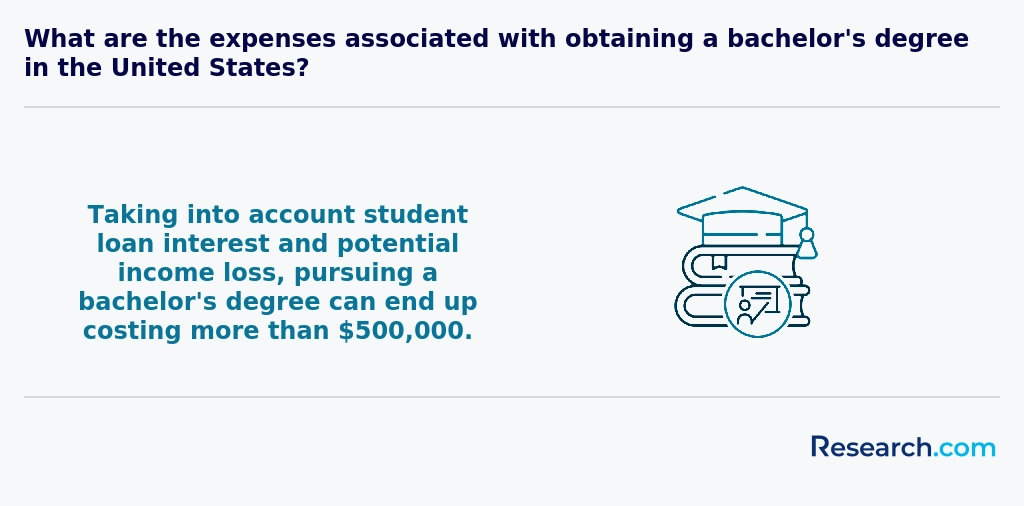
Finishing your degree sooner can save time and money. Consider these strategies:
- Transfer previously earned credits from accredited institutions to reduce required coursework.
- Enroll in accelerated or summer terms to maintain momentum and complete more credits per year.
- Use CLEP or DSST exams to demonstrate knowledge and earn credits quickly.
- Choose competency-based programs that let you progress at your own pace.
- Plan a heavier course load each term, balancing intensity with personal commitments.
- Balance affordability and speed by exploring most affordable online colleges in Wisconsin.
Federal aid remains the backbone for many Wisconsin online learners, but it's the FAFSA that truly unlocks these opportunities. Graduates from the University of Wisconsin's online programs often recall how the Pell Grant, which can provide up to $7,395 annually, made pursuing their degree feel within reach despite financial hurdles. This grant, designed around financial need, challenges the myth that online education is out of reach for many.
State-specific aid also plays a pivotal role. The Wisconsin Higher Education Grant (WHEG) gave several students at popular institutions like UW-Milwaukee a welcome boost, averaging about $2,800 in assistance. It's not just about dollars; it's about creating belief that they can succeed without crippling debt. Meanwhile, programs like the Wisconsin Tuition Promise offer tangible incentives for students who've demonstrated perseverance through high school and into college.
Institutional scholarships tailored for online learners show how colleges in Wisconsin value distant students equally. Graduates remember the encouragement from these awards, which validated their hard work and commitment. Plus, for working adults balancing jobs and studies, employer tuition reimbursement transforms financial aid into a practical pathway to career advancement, blending ambition with reality.
Graduates holding an online degree in Wisconsin unlock diverse career opportunities across key industries, leveraging flexible credentials to secure roles that match their skills and interests. In healthcare, for example, an online Bachelor of Science in Nursing from the University of Wisconsin-Milwaukee can lead to positions as registered nurses in major health systems like Froedtert & the Medical College of Wisconsin or as case managers in community clinics. Those with an online Master’s in Healthcare Administration often advance to administrative roles at hospitals, public health departments, and insurance providers. The business sector is equally welcoming: alumni of online MBAs from UW-Madison or UW-Whitewater frequently step into management, financial analysis, or marketing positions at Fortune 500 firms headquartered in Wisconsin, such as Johnson Controls and Kohl’s. Tech graduates with online degrees in Information Technology or Computer Science find software development, cybersecurity, and data analysis roles at leading companies including Epic Systems and Rockwell Automation. Education and social services also present strong prospects. Online teaching licenses and Master’s in Education programs prepare graduates for K–12 roles in districts like Milwaukee Public Schools or curriculum development positions for non-profits and educational publishers. Social work and counseling degree holders can join state agencies or community organizations, addressing mental health and family services needs. For professionals aiming to broaden their expertise, pursuing certifications you can get online that pay well-such as project management (PMP), data analytics, or human resources credentials-can elevate a candidate’s profile and open doors to specialized roles in government, finance, and nonprofit sectors. Whether you’re targeting executive suites, technical teams, or community initiatives, Wisconsin’s robust online degree pathways ensure you’re well-equipped to thrive in today’s dynamic job market.
Enrolling in an online degree program in Wisconsin is not just about ticking boxes; it's about meeting meaningful prerequisites that reflect your readiness to succeed. Most undergraduate students from well-known institutions like the University of Wisconsin system found that having a high school diploma or GED was a fundamental step, often accompanied by submitting official transcripts. This mirrors their real experience of presenting tangible proof of past achievements, a process that made their admission feel earned rather than arbitrary.
Contrary to popular belief, standardized tests such as the SAT or ACT are increasingly becoming optional at many Wisconsin colleges. Graduates from competitive programs recall the relief of not having to stress over these tests, highlighting a shift towards evaluating potential through application essays and recommendation letters instead.
Technical readiness is just as critical. Students from technical colleges often share how mastering platforms like Canvas transformed their remote learning experience from daunting to empowering. Reliable internet and digital literacy aren't mere checklists here-they're lifelines that enable full participation and growth in Wisconsin's evolving educational landscape.

Wisconsin’s online degree programs consistently outperform national averages in program completion speed and student satisfaction. On average, accelerated bachelor’s programs in Wisconsin take 3.5 years to complete, compared to the national average of 3.8 years, thanks to streamlined credit-transfer policies and robust academic support services. Graduate programs in the Badger State also boast a median completion time of 14 months for master’s degrees, versus 16 months nationally. Tuition rates in Wisconsin remain competitive: in-state students pay an average of $32,025 per program, approximately 5% below the U.S. average cost for similar online offerings. These savings, paired with flexible course delivery, position Wisconsin as a cost-effective choice. Moreover, Wisconsin institutions report a 72% job placement rate within six months of graduation-higher than the 68% national benchmark-underscoring strong industry connections and targeted career services. Academic rigor and transferability further distinguish Wisconsin online programs. Nearly 85% of credits completed at a Wisconsin public university are accepted by other accredited institutions nationwide, significantly above the 78% national transfer rate. This flexibility benefits students exploring alternative pathways, including those seeking the easiest masters degrees programs to accelerate career advancement. In summary, Wisconsin’s blend of accelerated timelines, cost savings, transfer-friendly policies, and high graduate outcomes positions the state’s online colleges as leaders in the U.S. landscape of virtual higher education.
When exploring online degree courses in Wisconsin, students quickly realize that foundational knowledge forms the backbone of their studies. Graduates from notable institutions in the state often recall beginning with general education classes-courses that sharpen communication, critical thinking, and analytical skills. These include English composition, math, and social sciences, essential tools before branching into specialized disciplines. This structure, common in Wisconsin online college program curriculum, nurtures adaptability and prepares learners to meet the challenges of modern careers.
Consider a healthcare student in Milwaukee who found early anatomy and healthcare policy courses essential in bridging theory with practical patient care scenarios. Similarly, business students at Madison's online programs vividly describe how ethics and marketing courses molded their professional viewpoints, making academic lessons immediately relevant in Wisconsin's dynamic workforce.
Students often embrace the flexibility of asynchronous classes, appreciating the blend of rigor and autonomy. Those seeking career transitions might explore easiest masters degrees that still maintain this strong curriculum foundation. Such experiences demonstrate how Wisconsin's online programs thoughtfully balance core knowledge with real-world readiness.
Choosing the best online college programs in Wisconsin means looking beyond the obvious. Graduates from University of Wisconsin campuses often reflect on how accreditation from the Higher Learning Commission made a tangible difference when transferring credits or applying for jobs. They advise verifying this early-because flexibility alone doesn't guarantee quality.
Imagine juggling work, family, and classes at a school like Marquette University. Graduates recommend programs that allow asynchronous learning, helping them study at midnight after their kids are asleep. This freedom turns courses into manageable challenges, not overwhelming burdens.
Cost can also surprise you. In-state tuition at many Wisconsin schools averages around $10,700 annually, but don't overlook financial aid and employer tuition reimbursement. One student shared how leveraging these options opened doors that once seemed financially closed.
Finally, exploring majors aligned with your passion and market needs-like healthcare or IT-makes a real difference. Some programs even encourage exploring certifications you can get online that pay well, boosting both skills and confidence in a competitive job market.
Support services, from career counseling to tech help, transform the candidate experience. Wisconsin graduates often echo how these resources provided the encouragement needed to persist and graduate.
Online degree career options in Wisconsin stretch across healthcare, technology, education, business, and social services, reflecting the dynamic economy of the state. Graduates from universities like the University of Wisconsin system often share stories of balancing work and study while advancing into roles like registered nurses or software developers, proving that online learning can truly open doors.
Consider a healthcare graduate who, after earning an online degree, steps into a nursing role within Milwaukee's bustling medical centers, bringing critical skills and confidence. Similarly, a data analytics graduate from a Wisconsin college might find themselves solving real-world problems for businesses, evidencing the state's growing IT sector that job seekers should not overlook.
For those exploring education or finance, online degrees provide the credentials to become licensed teachers or financial analysts, making a tangible impact on Wisconsin's communities and economy. The personal empowerment graduates feel parallels the flexibility afforded by programs like those listed in the Inexpensive Online Colleges Programs Ranking in Montgomery, AL, inspiring students to pursue diverse careers.
In reflecting on the best jobs for online graduates Wisconsin offers, it's clear that these pathways are not just academic exercises-they create meaningful opportunities for personal growth and community contribution.
The job market for graduates holding an online general degree in Wisconsin defies old stereotypes about remote learning and employment prospects. Employers across Milwaukee and Madison increasingly recognize the value of online credentials, especially from accredited programs offered by public universities like the University of Wisconsin system. Graduates often share stories of landing roles in healthcare administration or IT departments, sectors booming due to Wisconsin's demographic shifts and technological growth.
Those who pursued an online degree feel empowered by flexible schedules that allowed them to balance work and study, gaining practical experience while completing their education. The Wisconsin online college graduate employment landscape is particularly promising in fields like nursing and cybersecurity, where employers report a growing acceptance of online qualifications. One graduate recalls how their online degree helped them move into a business services role faster than anticipated.
Considering these realities, students exploring options can find reassurance that a bachelor's degree online fast is not just convenient but a robust pathway into Wisconsin's evolving job market.
2027 Fastest Online Colleges Programs Ranking in Wisconsin
Investing in your education is a significant decision that can shape your future, and the Research.com team understands the importance of making informed choices. To assist prospective students in Wisconsin, we have meticulously crafted the "2027 Fastest Online Colleges Programs Ranking in Wisconsin." Our commitment to quality, credibility, and accuracy is demonstrated through thorough research and rigorous analysis in compiling this ranking.
We utilized the following reputable data sources to ensure a comprehensive evaluation of online college programs:
By exploring this ranking, readers will gain valuable insights into the fastest online college programs in Wisconsin, enabling them to make well-informed decisions about their education and career path. For more information on our approach, please visit our Research.com methodology page.
# 1 position
University of Wisconsin-Madison
Master of Cartography and Geographic Information Systems


# 7 position
Concordia University Wisconsin
Master of Literacy--Reading Teacher or Reading Specialist Licensures (DPI #1316 & DPI #5017)


# 15 position
University of Wisconsin-Madison
Master of Educational Psychology: Professional Educators
# 17 position
University of Wisconsin-Madison
Master of Electrical & Computer Engineering: Power Engineering

Frequently Asked Questions
Students in Wisconsin can maximize their online learning experience by actively engaging with their course materials and utilizing university resources. Research from the Wisconsin Department of Public Instruction highlights that students who participate in virtual discussion forums and regularly communicate with instructors see higher retention and success rates.
Time management is essential. Creating a consistent study schedule helps balance work, family, and school responsibilities, which is critical, given that nearly 60% of online learners in Wisconsin juggle multiple commitments.
Utilizing campus services such as tutoring, career advising, and technical support can further enhance learning outcomes. Many Wisconsin universities offer these resources virtually, ensuring accessibility.
Finally, joining online student groups can improve peer interaction, which studies show leads to increased motivation and satisfaction in digital programs.
Preparing for the job market after earning an online degree in Wisconsin involves strategic steps. First, take advantage of career services offered by your institution, such as resume reviews and interview preparation. Many Wisconsin universities provide virtual career fairs, connecting students with local employers in fields like healthcare, technology, and manufacturing.
Networking is crucial; engaging with professional groups on LinkedIn or Wisconsin-specific job boards can enhance opportunities. According to the Wisconsin Department of Workforce Development, sectors like IT and healthcare expect above-average job growth through 2028. Gaining relevant certifications alongside your degree can also increase your marketability.
Employers in Wisconsin highly value a blend of technical and soft skills in graduates. According to recent reports from the Wisconsin Department of Workforce Development, critical thinking and problem-solving are among the top skills sought. Over 70% of employers emphasize communication abilities, both written and verbal, as essential in the modern workplace.
Additionally, digital literacy is increasingly important, with many job openings requiring proficiency in software tools and basic data analysis. Teamwork and adaptability also feature prominently, especially as industries such as manufacturing, healthcare, and technology evolve rapidly.
The Wisconsin Economic Development Corporation highlights that leadership potential and work ethic remain key differentiators for new graduates entering the job market.
Finding internships in Wisconsin requires a strategic approach, especially for online degree students. Start by exploring university career centers, which often offer virtual internship listings and guidance tailored to Wisconsin employers. According to the Wisconsin Department of Workforce Development, industries like manufacturing, healthcare, and technology provide many internship opportunities statewide.
Networking is crucial. Use platforms like LinkedIn to connect with local professionals and alumni from Wisconsin institutions. Additionally, organizations such as the Wisconsin Association of Internship Programs offer resources to help match students with internships.
Consider checking state government internship programs and regional chambers of commerce, which often post openings relevant to residents across Wisconsin.
In Wisconsin, earning an online degree can significantly impact career mobility and advancement. According to the Wisconsin Department of Workforce Development, individuals with a bachelor's degree or higher tend to experience lower unemployment rates and higher median wages compared to those with only a high school diploma. Employers across various sectors increasingly recognize online degrees, especially from accredited Wisconsin institutions, as valid credentials.
The flexibility of online programs also allows working professionals to upskill without interrupting their careers. This can lead to faster promotions and greater access to leadership roles. Additionally, many Wisconsin companies value continuous learning, often supporting employees pursuing online education to meet evolving industry demands.
Data shows that Wisconsin workers with bachelor's degrees report 15-20% higher lifetime earnings than those with less education, a critical factor in long-term career growth (Source: U.S. Bureau of Labor Statistics, 2023). As local industries such as manufacturing and healthcare embrace technology, having an online degree aligned with those fields can also enhance job security and progression opportunities.
Choosing between a thesis and a non-thesis degree program in Wisconsin primarily depends on your career goals and learning preferences. Thesis programs often suit students interested in research, academia, or pursuing a doctoral degree. They require completing an original research project and a formal thesis paper. Non-thesis programs typically focus more on coursework and practical skills, appealing to professionals aiming for immediate application in the workforce.
According to the Wisconsin Educational Communications Board, over 60% of graduate students in the state opt for non-thesis options, reflecting demand for flexible, career-oriented education. Consider your time availability and long-term plans when selecting a program.
Students in Wisconsin pursuing online degrees have several options to engage in study abroad experiences despite the virtual format. Many colleges in the state collaborate with international universities, offering exchange programs or short-term residencies that complement online coursework.
The University of Wisconsin System, which serves over 170,000 students, provides access to global learning through partnerships in Europe, Asia, and Latin America. According to the Institute of International Education, about 1.5% of Wisconsin students participate in study abroad programs, often during summer breaks or special sessions.
Online degree students can also benefit from virtual international internships and global research projects, increasingly popular as flexible alternatives to traditional travel-based study abroad.
Wisconsin offers a variety of part-time jobs that can complement an online degree. For students pursuing healthcare-related fields, part-time work as medical assistants or patient schedulers is common, with Wisconsin's healthcare sector growing by 18% since 2019 (Wisconsin Department of Workforce Development).
For those studying business or information technology, roles like administrative assistants or IT helpdesk support are widely available in cities such as Milwaukee and Madison. These positions provide practical experience while accommodating flexible hours.
Education majors can benefit from part-time tutoring or teacher aide jobs, especially as the state emphasizes improving educational outcomes.
Retail and customer service jobs remain options as well, offering opportunities to build soft skills valuable across industries.
Online students pursuing degrees in Wisconsin have access to various networking opportunities despite the remote format. Many universities, such as the University of Wisconsin System schools, offer virtual career fairs and alumni networking events tailored to online learners.
Additionally, Wisconsin's robust professional organizations, including chapters of the Wisconsin Technology Council and local business chambers, often host webinars and meetups that online students can join. According to the Wisconsin Department of Workforce Development, these connections can enhance job placement and internships.
Some schools provide student clubs and discussion forums, which encourage interaction among online peers. These platforms help build professional relationships crucial for career growth within the state's industries.
Alumni networks provide important support for online degree students in Wisconsin by creating valuable connections beyond the classroom. These networks often host virtual and in-person events, allowing graduates and current students to exchange job leads and career advice. According to the Wisconsin Economic Development Corporation, nearly 60% of jobs are filled through networking, highlighting the importance of strong alumni ties.
Many Wisconsin schools, including the University of Wisconsin system, maintain active alumni groups that help students access internships and mentorships tailored to the state's job market. This can be especially beneficial for distance learners seeking localized career opportunities.
Through these networks, students gain access to job boards, professional development workshops, and referrals, increasing their chances of employment post-graduation. Alumni connections often serve as a bridge into industries prevalent in Wisconsin, such as manufacturing, healthcare, and technology.
In Wisconsin, many online degree programs offer flexible options to tailor your studies to fit your career goals. Students can often choose from various specializations or elective courses within their major to develop specific skills relevant to their profession. For example, a business degree might include concentrations in management, marketing, or finance.
Additionally, some institutions provide opportunities for credit transfer from prior coursework or professional certifications. This allows you to accelerate your path based on your experience. According to the Wisconsin Educational Approval Board, nearly 60% of online learners opt for programs that align closely with their career ambitions.
Advisors and career services at Wisconsin colleges often assist students in creating personalized learning plans that fit workforce demands in the region. This ensures the education you receive supports local employment opportunities.
Online students in Wisconsin face several common challenges that can impact their academic success. One significant issue is limited access to reliable high-speed internet, especially in rural areas. According to the Public Service Commission of Wisconsin, about 12% of households in rural counties lack broadband access, making participation in video lectures difficult.
Another challenge relates to self-discipline and time management. Many students balance work, family, and studies, which can lead to stress and lower course completion rates. Data from the Wisconsin Educational Communications Board highlights increased dropout rates among online learners compared to traditional students.
Furthermore, some students struggle with limited interaction and support from instructors and peers, which can affect motivation and understanding of material.
Writing a winning application for an online college program in Wisconsin starts with understanding the specific requirements of each institution. Most Wisconsin colleges require a completed application form, official transcripts, standardized test scores (if applicable), and a personal statement. According to the Wisconsin Educational Communications Board, personal statements should clearly explain your goals and how the program fits your career plans.
Highlight any relevant experience or skills, especially if applying for accelerated or fast-track online programs. Maintaining a GPA of 3.0 or above improves chances; Wisconsin's Department of Public Instruction reports that competitive applicants often exceed this.
Request strong letters of recommendation and proofread all materials carefully. Finally, meet all deadlines, as Wisconsin schools are strict on application timelines.
Gaining practical experience while studying online in Wisconsin is possible through various opportunities. Many universities in the state offer internships and cooperative education (co-op) programs that can be completed remotely or locally. These programs allow students to work with businesses relevant to their field, gaining real-world skills.
Wisconsin's strong industries like manufacturing, healthcare, and technology provide ample possibilities for students to engage in hands-on projects. According to the Wisconsin Department of Workforce Development, internships increase employment chances after graduation by up to 20%.
Additionally, students can participate in virtual labs and simulations, often integrated within their online coursework. Community partnerships and alumni networks also help online learners access volunteer roles or remote part-time jobs to enhance experience.
Choosing the right concentration within an online degree program in Wisconsin requires careful consideration of your career goals and local job market demands. According to the Wisconsin Department of Workforce Development, industries like healthcare, information technology, and manufacturing show strong growth, which may guide your specialization choice.
Review the curriculum offered by Wisconsin universities, ensuring it aligns with your interests and skills. Many institutions provide detailed course descriptions online, letting you compare concentrations before enrolling.
Consider seeking guidance from academic advisors who understand Wisconsin's employment trends and can help match concentrations with market needs.
Additionally, check if the concentration has opportunities for internships or practical experience, which enhance employability in Wisconsin's competitive sectors.
- 2027 Fastest Online Colleges Programs Ranking in Minnesota
- 2027 Fastest Online Colleges Programs Ranking in Iowa
- 2027 Fastest Online Colleges Programs Ranking in Michigan
- 2027 Fastest Online Colleges Programs Ranking in Missouri
- 2027 Fastest Online Colleges Programs Ranking in Ohio
- 2027 Fastest Online Colleges Programs Ranking in South Dakota
- 2027 Fastest Online Colleges Programs Ranking in Nebraska
- 2027 Fastest Online Colleges Programs Ranking in Kentucky
- 2027 Fastest Online Colleges Programs Ranking in North Dakota
- 2027 Fastest Online Colleges Programs Ranking in Tennessee
- The eight graduate skills employers want https://www.unitemps.com/career-advice/the-eight-graduate-skills-employers-want/
- 9 Madison Networking Groups to Check Out | BRAVA Magazine https://bravamagazine.com/madison-networking-groups/
- In-Demand Jobs https://www.wisconsinjobcenter.org/lookforjobs/in-demand.htm
- Wisconsin Alumni Association https://www.supportuw.org/share-your-story/profiles/waa/
- Career Goals: 17 Inspirational Examples for you in 2026 https://www.imd.org/blog/learning-and-development/career-goals/
- New Research: Wisconsin School Choice Students Make Greater Academic Gains Over Time https://will-law.org/new-research-wisconsin-school-choice-students-make-greater-academic-gains-over-time/
- 10 Tips for Getting Your First Job After University https://euroguidance.eu/10-tips-for-getting-your-first-job-after-university
- Remote Services - Workforce Development System, American Job Center https://www.wfdc.org/remote-services
- Networking Events https://www.wisconsinrapidschamber.com/networking-events/
- Online Colleges in Wisconsin https://www.onlineschools.org/guides/wisconsin/


