
Most Affordable Trade School & Training Programs - Leading Certification Courses in Iowa Falls for 2026

Co-Founder and Chief Data Scientist
Choosing the right trade school in Iowa Falls can shape your future in exciting ways. This article introduces a carefully crafted trade school programs ranking developed by the Research.com team of data scientists to support your decision-making.
By exploring affordable and reputable options, you can find the perfect program to fit your goals and budget. Earning a trade school diploma or certification opens doors to rewarding careers and new opportunities.
Read on to discover valuable insights that make your educational journey easier and more confident.
Key benefits of finishing trade school programs trade school in Iowa Falls
- Trade school graduates in Iowa Falls can expect strong salaries, with averages around $63,071 annually and many earning between $47,400 and $76,600, depending on the trade.
- Popular career paths include welders, licensed practical nurses, HVAC technicians, electricians, and automotive service technicians, all offering steady demand and solid pay as skills grow.
- Online trade school programs offer flexible learning options, allowing students to balance work and study while gaining valuable certifications-making it easier to start a rewarding career without the commute.
- Most Affordable Trade School & Training Programs - Leading Certification Courses in Iowa Falls for 2026
- What can I expect from trade school programs trade schools in Iowa Falls?
- Where can I work after finishing trade school programs trade schools in Iowa Falls?
What can I expect from trade school programs trade schools in Iowa Falls?
The average cost of a trade school program in Iowa Falls varies depending on the length and type of credential but generally ranges between $4,000 and $20,000. For example, graduates from Ellsworth Community College's welding program report total expenses near the lower end, around $5,000, due to their focused, short-term certificate path. In contrast, students pursuing an associate of applied science (AAS) degree, like Aviation & Airport Management at Iowa Lakes Community College, typically encounter costs closer to $18,000 for the full two-year experience.
Students can expect tuition fees to cover access to modern equipment and hands-on labs, essential for skill mastery. Graduates often highlight the value of small class sizes and experienced instructors, which foster mentorship and build confidence for real-world careers. These programs emphasize applied learning over theory, making expenses feel like investments in tangible career skills.
Many students find financial aid and scholarships available locally, which can significantly reduce out-of-pocket costs. This accessibility allows learners from diverse backgrounds to enter high-demand fields with credentials respected by employers in Iowa's thriving healthcare, manufacturing, and agriculture sectors.
Where can I work after finishing trade school programs trade schools in Iowa Falls?
Graduates from trade schools in Iowa Falls frequently secure employment in manufacturing firms and automotive shops, where roles such as diesel mechanic, CNC machinist, or automotive technician are in strong demand. Many find rewarding positions quickly, supported by partnerships between local manufacturers and educational institutions like Ellsworth Community College that provide hands-on job training.
Those completing healthcare support programs often join hospitals, nursing homes, or clinics as certified nursing assistants or medical assistants. Alumni share how these roles allow them to make tangible differences in patients' lives while enjoying stable work hours and benefits.
Building trades students typically work for area contractors or utility companies in HVAC, electrical, or general construction roles. Workforce agencies in Iowa Falls offer targeted assistance, increasing graduates' chances of immediate placement in skilled trades that are vital to the community.
Additionally, education support positions in the Iowa Falls-Alden Community School District offer steady employment for graduates willing to contribute as custodians or food service workers, further strengthening community ties.
Graduates who complete trade school programs in Iowa Falls can expect competitive earnings that reflect both the statewide and local job markets. The average annual salary for trade school alumni in Iowa is approximately $63,071, or about $30.32 per hour. Entry-level positions typically start around $47,400 yearly, giving new graduates a solid financial footing early in their careers.
Many graduates from Iowa Falls trade schools celebrate how quickly their wages grow as they gain experience and specialized certifications. For example, roles in industrial production see median salaries rising to $112,530, while transportation and distribution management jobs offer about $100,840 annually. Computer support careers similarly provide strong earning potential, with median wages near $93,550.
Locally, trade school graduates often secure jobs paying around $75,000 per year, according to Iowa Workforce Development data. This means that staying in Iowa Falls after graduation can lead to earnings consistent with-or even above-the state average, making trade school a smart investment in the area's growing skilled labor market.
- Applying to trade schools in Iowa Falls usually involves completing a free online application and submitting a high school transcript or High School Equivalency Diploma.
- Students often need to provide placement test scores such as the ACT or Accuplacer to determine course placement, with some programs requiring additional prerequisites.
- Tuition and fees for in-state students typically range from $4,500 to $6,500 per year, with two-year associate programs costing $9,000 to $13,000 in total.
- Textbooks, supplies, and living expenses are extra and can add several thousand dollars to the total cost.
- Starting salaries for trade school graduates in Iowa Falls range from $35,000 to $45,000 annually, with experienced workers earning $50,000 or more.
Trade school programs in Iowa Falls typically range from a few months to two years, depending on the credential and field of study. Graduates from Hawkeye Community College often highlight the efficiency of certificate programs, such as the Accounting Technician Diploma, which takes about one year to complete. Others pursuing certificates like Administrative Assistant or Advanced Emergency Medical Technician finish in roughly nine months, making it appealing for those eager to enter the workforce quickly.
Associate degree programs in fields like Automotive Technology or Construction Trades usually require two full years, offering a solid blend of hands-on training and classroom learning. Specialized programs, such as the Powerline training at Northwest Iowa Community College, complete in about one academic year, balancing intensive instruction with fieldwork.
Students appreciate the flexibility of accelerated or evening courses, allowing them to work while studying. Apprenticeship models extending from one to four years provide valuable paid experience, helping students feel confident and prepared. Overall, the varied program lengths in Iowa Falls meet diverse goals-from fast track certificates to comprehensive two-year associate degrees.
The primary difference between online and on-campus trade school programs in Iowa Falls centers on how students access their education and engage with instructors. Graduates from Iowa Western Community College's online programs often describe the flexibility of studying from home or work as a game-changer, fitting courses around busy schedules without sacrificing academic rigor. These programs use asynchronous formats, allowing students to complete lectures and assignments at convenient times, while providing robust support such as academic advising and tutoring virtually.
Conversely, students at Ellsworth Community College value the in-person, hands-on experience that on-campus programs deliver. Attending classes and labs on-site enables direct interaction with instructors and immediate access to specialized equipment, which is essential for mastering trade skills like automotive repair. The structured schedule of fixed class times helps keep learners on track and fosters community connections.
Both pathways maintain strong standards, but online courses excel in flexibility and accessibility, while on-campus offerings emphasize immersive, real-time engagement and practical training.
The average trade school tuition in Iowa Falls generally ranges between $15,467 and $15,815 annually for both in-state and out-of-state students, reflecting a variety of programs statewide. However, students attending Ellsworth Community College, the leading trade school in Iowa Falls, benefit from much lower costs, with tuition and fees totaling about $5,304 per academic year. Graduates from Ellsworth often share that the affordability of Iowa Falls trade school costs including books and fees allows them to focus more on their training and less on financial stress, making their educational journey both rewarding and manageable.
Books and supplies add roughly $1,300 to the total expense, while on-campus housing costs around $9,000 annually, so budgeting for these essentials is crucial. Many students find value in completing their trade programs within one year or less, significantly reducing overall expenditures versus traditional four-year degrees. Graduates frequently report feeling confident about their investments because trade programs often lead to quick employment outcomes.
Financial aid options, scholarships, and work-study programs are frequently utilized by students to offset costs further, making programs even more accessible. For those interested in specific technical fields, considering options such as trade schools for automotive in Iowa Falls can offer competitive tuition alongside hands-on training, helping students launch successful careers while maintaining affordable costs.

Trade school students in Iowa Falls benefit greatly from multiple financial aid programs that significantly ease the burden of education expenses. By completing the FAFSA, many students gain access to federal aid like the Pell Grant, which provides need-based funding covering tuition and books. Graduates from popular institutions such as the Iowa Central Community College have shared how Pell Grants combined with federal student loans made their hands-on training affordable and stress-free.
State aid adds another layer of support. The Kibbie Grant offers between $900 and $3,000 annually for qualifying full-time students enrolled in career-focused programs lasting at least 15 weeks. This grant often makes a noticeable difference for those balancing work and school. Meanwhile, the Iowa Vocational Technical Tuition Grant provides up to $1,200 for students demonstrating financial need, perfectly supplementing other awards.
Many students also benefit from the Future Ready Iowa Last-Dollar Scholarship, which can reduce remaining tuition costs, sometimes making programs completely tuition-free. Additionally, institutional scholarships at local trade schools further ease financial concerns, allowing students to focus on skill-building and career readiness with confidence.
To enroll in a trade school program in Iowa Falls, students must typically have a high school diploma or GED equivalent. Graduates from Indian Hills Community College recall submitting official transcripts from their high schools, confirming their readiness for hands-on technical training. This foundational step ensures programs maintain academic standards suited for practical learning.
For those transferring credits, multiple past transcripts must be provided. Some graduates shared how their previous college coursework was evaluated to align with Iowa Falls trade school requirements, sometimes involving transcript review fees if credits are from foreign institutions.
Non-native English speakers face additional prerequisites to confirm they can thrive in English-language coursework. At Des Moines Area Community College, applicants pass the ESL ACCUPLACER exam or provide TOEFL scores (minimum 61 iBT) to demonstrate competence, a process that many international students find encouraging as it sets a clear pathway to success.
Specific programs may request extra requirements, such as biology or math coursework, background checks, or placement tests. Graduates from healthcare fields often note how these added steps prepared them well for their careers.
- High school diploma or GED
- Official transcripts from all schools attended
- English proficiency proof for non-native speakers
- Additional course or background checks for specialized programs
Trade school programs in Iowa Falls typically include courses designed to rapidly equip students with practical skills for in-demand careers. Popular fields include welding, healthcare, construction, electrical technology, business, and technology. For example, welding students at Ellsworth Community College frequently describe hands-on training with MIG and STICK welding that builds confidence as they prepare for certification exams recognized by the American Welding Society.
Healthcare courses focus on nursing and medical assisting, often combining classroom learning with real clinical experience, which graduates consistently praise for enhancing their job readiness and easing the transition into local healthcare facilities.
Construction and electrical programs emphasize skills like blueprint reading, carpentry, and residential wiring. Many students value the chance to complete apprenticeships with local employers, which provide both real-world exposure and networking opportunities.
Business and technology courses cater to evolving workplace demands, teaching everything from accounting basics to IT support. Graduates report feeling well-prepared to enter fields where technical and business knowledge intersect.
- Welding: MIG, STICK, TIG techniques, certifications
- Healthcare: nursing, medical assisting, clinical practice
- Construction/Electrical: carpentry, wiring, apprenticeships
- Business/Technology: accounting, graphic design, IT support
Trade school programs in Iowa Falls offer specialized training tailored to meet local industry demands, focusing on areas that deliver real, hands-on experience. Graduates from Ellsworth Community College highlight welding as a standout specialization. Their training includes practical skill-building such as joining and repairing metal parts, which opens doors to careers in manufacturing and construction sectors. These programs provide a confidence boost as students apply their skills in fabrication shops or automotive repair settings.
Healthcare programs at nearby Iowa Lakes Community College equip students for essential roles like nursing and EMT, blending classroom lessons with valuable clinical rotations. This enables graduates to step directly into high-demand healthcare environments with assurance.
Skilled trades dominate the offerings, featuring specializations in construction technology, electrical technology, and HVAC apprenticeships. Students appreciate the immersive nature of apprenticeship hours combined with classroom theory, resulting in recognized industry credentials and ready employment.
Other popular paths include business and technology fields such as accounting, graphic design, and IT. These encourage immediate workforce entry or further study, benefiting those targeting flexible career options.
For more details on what schools have the best trade programs in the region, consider exploring what schools have the best trade programs to find best-fit options in Iowa Falls.
When selecting the best trade school programs in Iowa Falls, prioritize accreditation and program relevance to your career goals. Graduates from popular local colleges frequently highlight how accredited programs in welding or healthcare gave them a clear competitive edge during job searches. Choosing schools with strong graduate outcomes, such as high job placement rates, ensures your investment leads to real employment opportunities, as several recent alumni attest to securing rewarding roles within months.
Flexibility also matters; students balancing family or work often appreciate trade schools offering online or hybrid formats, which are increasingly common in Iowa Falls. For example, prospective HVAC technicians might explore online hvac certification options that suit a busy schedule without compromising hands-on training quality.
Understanding how to compare Iowa Falls trade schools means examining factors like program length, cost, and available financial aid. Affordability combined with scholarships can significantly reduce expenses, a frequent concern among local enrollees. Visiting campuses or virtual tours can clarify the curriculum details and industry certifications, helping you connect with instructors and gauge program fit before committing.

Trade school graduates in Iowa Falls have access to diverse career opportunities for trade school graduates in Iowa Falls, particularly in sectors aligned with local industry demand. Many graduates from Iowa Lakes Community College report securing roles in healthcare, such as nursing and medical assisting, which are seeing substantial growth due to statewide healthcare expansions. Manufacturing careers, including welders, CNC operators, machinists, and industrial mechanics, remain core to the region's economy, reflecting high-demand skilled trades in Iowa Falls.
Electrical technology, HVAC, and carpentry also offer promising pathways, with graduates often working on essential community infrastructure projects. Business administration, accounting, and graphic design programs meet the needs of the local market's evolving economy. Technology-oriented fields-such as information technology and aviation management-provide additional avenues for advancement. Many graduates from local trade schools express satisfaction with their hands-on training that prepares them to enter the workforce swiftly.
Strong prospects for career advancement and competitive wages exist, supported by apprenticeships and certifications in trades like welding and industrial safety. For a deeper look into trading school jobs nationwide and how these roles relate to local trends, visit trading school jobs.
The job opportunities for trade school graduates in Iowa Falls are robust, fueled by strong local demand in skilled trades like construction, welding, electrical work, HVAC, and commercial truck driving. Graduates from popular technical programs near Iowa Falls report quick employment, often benefiting from connections to employers through community colleges and initiatives like the Iowa Industrial New Jobs Training Program (260E). This program offers employers incentives such as reimbursement for up to 50% of training payroll costs, making employers eager to hire technically trained workers.
Examples of local graduates reveal positive outcomes:
- Construction program completers quickly securing jobs on ongoing infrastructure projects
- Welding graduates finding positions amid a nationwide shortage of 400,000 skilled welders
- HVAC and electrical trainees benefiting from steady demand in maintenance and installation roles
Such trends highlight a favorable Iowa Falls skilled trades employment outlook. With healthcare support and manufacturing also driving middle-skill job growth, students see ample opportunity to turn their education into stable careers. For those seeking affordable pathways, cheap flooring installer training courses are one example of accessible options that align with current market needs.
Most Affordable Trade School & Training Programs - Leading Certification Courses in Iowa Falls for 2026
# 1 position
Ellsworth Community College - Criminal Justice/Safety Studies.
associateEllsworth Community College offers a fully online Criminal Justice/Safety Studies program that covers the criminal justice system, its organizational components, and legal and public policy contexts. The curriculum includes criminal law and policy, police and correctional systems, the administration of justice, the judiciary, and public attitudes toward criminal justice issues. The program is accredited by the Higher Learning Commission. Annual in-state tuition is $5,304.
# 2 position
Ellsworth Community College - Criminal Justice/Police Science.
associateEllsworth Community College offers a fully online Criminal Justice/Police Science program designed to prepare individuals for roles in police and public security. The curriculum covers patrol and investigative work, traffic and crowd control, public relations, evidence management, crime prevention, and law enforcement duties. Annual in-state tuition is $5,304. The program is accredited by the Higher Learning Commission, ensuring recognized educational standards.
# 3 position
Ellsworth Community College - Business Administration and Management, General.
associateEllsworth Community College offers a hybrid Business Administration and Management, General program designed to prepare students to plan, organize, direct, and control business functions. The curriculum covers management theory, human resources, accounting, purchasing, logistics, marketing, and decision-making. The program is accredited by the Higher Learning Commission, with an annual in-state tuition of $5,304. Some courses are available through distance education options.
# 4 position
Ellsworth Community College - Accounting.
associateEllsworth Community College offers a hybrid Accounting program designed to prepare students for the accounting profession and related business roles. The curriculum covers principles such as financial, managerial, cost, and tax accounting, auditing, reporting, and business information systems. Students learn professional standards, ethics, and practical applications for various organizations. The program's in-state tuition is $5,304 annually, and it is accredited by the Higher Learning Commission.
Frequently Asked Questions about trade school programs
After completing trade school in Iowa Falls, effective preparation for the job market is essential to secure gainful employment. Graduates should begin by developing a strong resume that highlights their technical skills and hands-on experience gained during training. Networking plays a critical role; connecting with local employers through job fairs or industry associations increases job prospects. Additionally, obtaining relevant certifications can boost employability, as employers in Iowa Falls often prefer candidates with recognized credentials.
Many trade schools in Iowa Falls offer career services, such as interview coaching and job placement assistance, which can be valuable resources. According to the Iowa Workforce Development, sectors like manufacturing and skilled trades have shown steady employment growth, emphasizing the need for practical job search strategies in these fields.
Employers in Iowa Falls highly value trade school graduates who demonstrate strong technical skills relevant to their field, such as proficiency in equipment operation, electrical systems, and welding. According to the Iowa Workforce Development reports, 67% of local employers prioritize hands-on experience and certifications that verify practical knowledge.
Soft skills like problem-solving, communication, and teamwork are also essential. Many employers report that graduates with a good work ethic and the ability to adapt quickly to workplace changes are more successful. The National Apprenticeship Act emphasizes these traits as critical for career longevity in skilled trades.
Overall, a combination of certified technical expertise and reliable interpersonal skills forms the foundation of what Iowa Falls employers seek in trade school graduates.
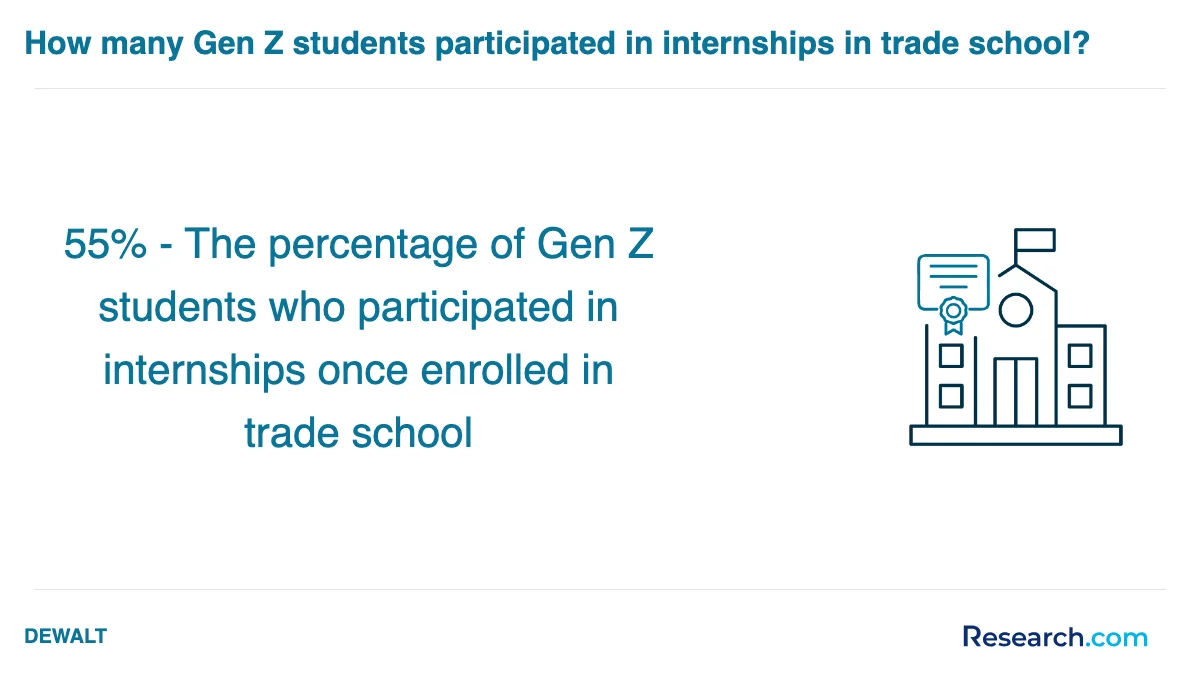
Finding internships in Iowa Falls that align with your trade school program requires targeted effort and knowledge of local opportunities. Start by contacting your trade school's career services office, which often maintains partnerships with regional employers and can guide you toward available internships.
Many trade programs in Iowa Falls focus on industries like manufacturing, agriculture, and healthcare, where local businesses offer hands-on internship positions. You can also explore job boards specific to Iowa, such as IowaWORKS, which lists internships and training programs in the area.
Networking is crucial. Attend local job fairs and industry events, and consider connecting with the Iowa Falls Chamber of Commerce for access to insider information on upcoming internships. According to the Iowa Workforce Development, approximately 65% of internships in the state lead to further employment opportunities.
Finally, online platforms and social media groups dedicated to Iowa Falls careers can provide real-time updates on internship openings relevant to trade skills.
In Iowa Falls, earning a trade school diploma can significantly enhance career mobility and advancement. According to the Iowa Workforce Development, individuals with technical credentials in skilled trades often experience faster employment rates compared to those with only a high school diploma. Many local employers in industries such as manufacturing, construction, and healthcare prioritize candidates with certified trade skills.
Trade school diplomas provide specialized knowledge that meets the needs of Iowa Falls' evolving job market. Graduates often qualify for higher starting salaries and have greater opportunities for promotions.
Additionally, the U.S. Bureau of Labor Statistics notes that careers requiring trade diplomas typically grow faster than average, supporting long-term job security and upward mobility within the region.
Students attending trade schools in Iowa Falls have multiple part-time job opportunities that align well with their education. Local industries such as manufacturing, construction, and healthcare frequently hire part-time workers seeking practical experience. For example, job openings in manufacturing plants often involve machine operation or assembly tasks, providing hands-on skills that complement coursework.
Retail positions in hardware stores or automotive parts suppliers also relate to trade programs, offering flexible hours and relevant knowledge. According to the Iowa Workforce Development agency, part-time employment in trade-related fields has grown by 4% over recent years, reflecting regional demand.
Additionally, healthcare assistance roles, like certified nursing aide positions, offer valuable clinical experience for students in medical trades.
To choose the most affordable degree program near Iowa Falls, IA, start by researching local universities and colleges that offer programs matching your interests and budget constraints. Utilize resources like Research.com to compare the costs, financial aid opportunities, and program quality of institutions near me to make an informed decision. Additionally, visiting campuses and speaking with admissions advisors can provide insights into program affordability and suitability for your career goals.
- Career and Technical Programs - Iowa Lakes Community College https://iowalakes.edu/academics/career-technical-programs/
- Iowa Falls Workforce Development - Job & Skill Development https://www.iowafallsdevelopment.com/workforce/workforce-training
- Trades & Manufacturing - Iowa Western Community College https://www.iwcc.edu/ce/trades-amp-manufacturing/
- Trade & Industry Continuing Education Classes | Hawkeye Community College Waterloo, IA https://www.hawkeyecollege.edu/business-community/continuing-education/trade-industry
- Iowa Career Pathways | Department of Education https://educate.iowa.gov/higher-ed/iowa-career-pathways
- Skilled Trades | Ellsworth Community College https://ecc.iavalley.edu/academics/skilled-trades/
- Forging a New Career Path: Becoming an Apprentice in Iowa | Iowa Workforce Development https://workforce.iowa.gov/apprenticeship/apprentice
- Career-Connected Learning • Central Rivers AEA https://www.centralriversaea.org/educators/work-based-learning/
- Southeast Technical College - Sioux Falls - South Dakota https://www.southeasttech.edu/


