Most Affordable Certificate Programs - Leading Certification Courses in Harrison for 2026

Co-Founder and Chief Data Scientist
Choosing the right trade school certificate program in Harrison can feel overwhelming, but we're here to help simplify that decision. This article introduces a carefully crafted trade school certificate programs ranking developed by the Research.com team of data scientists to guide you toward the best options available for 2026.
Trade certifications open doors to new career paths and skill sets, often with less time and financial commitment than traditional degrees. By exploring these affordable programs, you’re taking a smart step toward a brighter future with practical, in-demand skills.
Let’s help you find the right fit for your goals and dreams.
Key benefits of getting trade school certificate in Harrison
- Trade school graduates in Harrison can expect competitive salaries: Forestry Technicians earn about $49,981 annually, Training Specialists make around $54,711, and skilled trades roles offer $20 to $30 per hour, which means good potential earnings soon after certification.
- Popular career paths for trade school graduates in Harrison include forestry, skilled trades like cabinet finishing, and technical training roles, giving you a variety of exciting and practical options to choose from.
- Online trade school certification offers flexible learning that fits your schedule, helping you balance work or family, and still gain essential skills recognized by local employers in Harrison.
- Most Affordable Certificate Programs - Leading Certification Courses in Harrison for 2026
- What can I expect from trade school certification programs in Harrison?
- Where can I work with trade school certification in Harrison?
What can I expect from trade school certification programs in Harrison?
The average cost of a trade school certification program in Harrison typically ranges between $5,000 and $15,000 for the full two-year curriculum. Graduates often mention that while the investment feels significant upfront, the practical, hands-on training they receive-whether in automotive service shops or HVAC labs-makes every dollar worthwhile. Imagine walking into a fully equipped workshop where you're guided by seasoned professionals; that experience is invaluable and directly boosts your confidence and job readiness.
Many students appreciate that tuition covers not only classroom instruction but access to industry certifications like ASE or EPA, which employers highly value. This means your costs include testing and preparation materials, helping you graduate fully qualified to start working immediately. Some also highlight the value of participating in student organizations like SkillsUSA or FBLA, which often come with low fees but offer leadership experiences that enrich your education without adding much to the price.
Financial aid and payment plans may also be available through local schools, making these programs more accessible. Just remember, the true return on your investment is measured in the career opportunities you'll unlock, not just the tuition bill.
Where can I work with trade school certification in Harrison?
After finishing a trade school certification program in Harrison, you'll find a wide range of rewarding job opportunities close to home. Graduates from Northark Technical Center often share how their hands-on training helped them step confidently into entry-level roles. For example, those with healthcare certifications like CNA or EMT quickly find positions at local clinics and hospitals, where they feel proud making a real difference in people's lives every day.
Others who complete programs in Automotive Service Technology or Welding Technology report that dealerships, repair shops, and manufacturing plants welcome their skills. Imagine starting your day fixing cars or welding components, knowing your expertise is in steady demand across Harrison and beyond.
Construction Technology and HVAC/R graduates find rewarding work with local contractors and building maintenance teams. Many students appreciate how their certificates lead directly to stable jobs, offering both solid income and future advancement options. This hands-on career path really makes a tangible impact in our community, offering both satisfaction and growth.
After finishing a trade school certification program in Harrison, many graduates find themselves stepping into jobs that offer competitive starting salaries. For example, HVAC apprentices in Arkansas often start around $42,100 annually, with the potential to earn over $50,000 after a few years of experience, and some seasoned technicians make upwards of $76,000. Graduates from popular trade schools here share stories about how quickly their incomes grew, making it possible to support families and gain financial independence without the weight of student debt.
Others pursuing healthcare-related certifications, like becoming Certified Registered Central Service Technicians, typically start at about $35,779 per year. Those who advanced to roles in training and education can expect even higher wages, close to $57,800. Many graduates speak highly of how these careers provide stability and benefits like health insurance, which makes their decision to attend local trade schools feel rewarding and practical.
The key takeaway is that trade school graduates in Harrison often find themselves earning well above minimum wage, with real opportunities for growth as they build experience in their fields.
- Jamal: The welding certification program in Harrison completely transformed my career path. The hands-on training and expert instructors gave me the confidence to excel. Within months of graduating, I secured a well-paying job at a local manufacturing plant, and I truly feel proud of my skills.
- Monica: Choosing the HVAC certification program was the best decision I made. The classes were engaging and practical, focusing on real-world problems. Thanks to Harrison's network, I landed an apprenticeship with a top company, and now I love the independence and problem-solving my job brings every day.
- Leo: The electrician trade school in Harrison exceeded my expectations. The small class sizes meant personalized attention, and the course content was thorough. After certification, I quickly found work installing systems across the city, and it feels amazing to build something lasting and reliable for the community.
- Trade school certification programs in Harrison have an open admission policy and are accessible to high school juniors, seniors, and adult learners.
- Northark Technical Center offers these programs at no cost to students, covering tuition, books, and fees through local school districts and the Arkansas Department of Career Education.
- Program options include Robotics & Manufacturing, Automotive Service Technology, Welding, HVAC/R Technology, Health Professions, and more.
- High school students can earn up to 30 college credit hours while completing a certification program.
- Trade graduates typically earn between $38,000 and $55,000 annually soon after graduation, with strong local job demand in fields like welding and HVAC.
- Flexible class schedules are available with morning, afternoon, and evening classes to accommodate work or family commitments.
Most students completing trade school certification programs in Harrison finish within 9 to 12 months when attending full-time. This timeframe fits well with schools like Northark Technical Center, where certificate programs typically align with two traditional semesters-just one academic year. Graduates often share how this duration felt just right, allowing them to gain hands-on skills without dragging on and delaying their entry into the workforce.
Some students in shorter programs-such as HVAC or welding-have completed their certifications in as little as seven to nine months by attending full-time and focusing intensely. Others balancing part-time classes with work might take slightly longer, but these schools design programs to be flexible and practical for various schedules.
Many Harrison students appreciate that they can start certification programs early, even during high school, giving them a strong head start. This blend of focused training and timely completion helps graduates feel confident and ready for their careers before they even finish high school or right after.
If you're weighing your options in Harrison, here's the key difference: on-campus trade school programs, like those at Northark Technical Center, immerse you directly in hands-on learning. Graduates often share how working with real tools and machines on campus made their training tangible and boosted their confidence. Attending sessions at North or South Campus means face-to-face time with instructors who provide immediate feedback, which many find invaluable when mastering skills like welding or automotive repair.
Online programs, such as those offered through North Arkansas College's partnership with ed2go, provide the freedom to study on your own schedule from anywhere with internet access. This flexibility is a lifesaver for students balancing work or family. However, some graduates mention missing the in-person practice that really cements technical skills, though many online programs now require local labs or externships to fill that gap.
Hybrid programs blend the best of both worlds in Harrison, combining online coursework with vital hands-on training, giving you flexibility without losing essential practical experience.
The average trade school cost in Harrison generally falls between $10,000 and $14,000 per year, which aligns with the experiences of many graduates from local institutions. Those enrolled in programs like HVAC, healthcare certifications, or cosmetology have often found that their tuition fits comfortably within this range, making these trades accessible and worth the investment. Graduates recount how even with additional expenses such as materials and licensing fees, the financial commitment felt manageable compared to the rewarding career paths they pursued.
Many who consider Harrison trade school certification program expenses find that public community colleges or technical centers offer a more affordable option. For example, high school students attending Northark Technical Center can benefit from tuition-free programs, which eases early career training costs significantly. Adult learners, meanwhile, report that while their tuition is an out-of-pocket expense, it often remains lower than private for-profit schools elsewhere, which can exceed $15,000 annually.
Tuition costs also depend on the length and complexity of the program. Shorter healthcare certifications often cost less-closer to the lower end of the spectrum-while longer or equipment-intensive programs, like automotive or electrical technology, tend to approach the higher tuition bracket. Many graduates emphasize the importance of exploring cheap online construction training programs and financial aid options to reduce expenses and stay within budget when selecting their trade path in Harrison.

Students in Harrison pursuing trade school certification programs can access a variety of financial aid that truly makes education attainable. Many graduates recall how Pell Grants, which provide up to $7,395 annually without repayment, helped ease their financial stress while attending schools like Pulaski Tech. These federal grants are often the first stepping stone toward affording certification.
State aid also plays a critical role, especially for younger students. For example, high school juniors and seniors at Northark Technical Center can attend tuition-free through programs funded by local districts and the state, allowing them to graduate with certifications without debt. This opportunity has brought relief and excitement to many local families.
Institutional scholarships are another lifeline. Trade schools like Northwest Technical Institute offer merit- and need-based scholarships, giving students personalized support that directly reflects their dedication and potential. Graduates often speak warmly about how these resources made their journey feel personally valued.
Private scholarships from community groups or local businesses supplement this aid, rewarding students for community involvement and career ambitions. Together, these options create a supportive financial ecosystem for Harrison's aspiring trade professionals.
To enroll in a trade school certification program in Harrison, you'll need to meet some basic prerequisites that ensure you're fully prepared to succeed. First and foremost, nearly all programs require a high school diploma or GED equivalent. This foundation helps graduates confidently tackle technical coursework, whether it's in healthcare, culinary arts, or IT.
For instance, graduates from Harrison's popular culinary programs often share how completing an introductory safety and sanitation course-sometimes including ServeSafe certification-made them feel ready and confident for advanced cooking classes and catering opportunities. Similarly, future IT specialists benefit by having basic computer skills verified before jumping into CompTIA A+ prep classes.
Adult learners aiming for workforce development programs usually need to demonstrate core academic skills like math and English. Many find that earning credentials like the ACT WorkKeys National Career Readiness Certificate, recognized by employers throughout Harrison County, helps validate those skills.
- Minimum age requirements, typically 16 or 18 years old, may apply
- Some programs ask for interviews or career interest assessments
- Hands-on experience or foundational courses might be required for more advanced certificates
Graduates often credit these clear prerequisites for their smooth transition into the workforce, making their certification journey not only achievable but fulfilling.
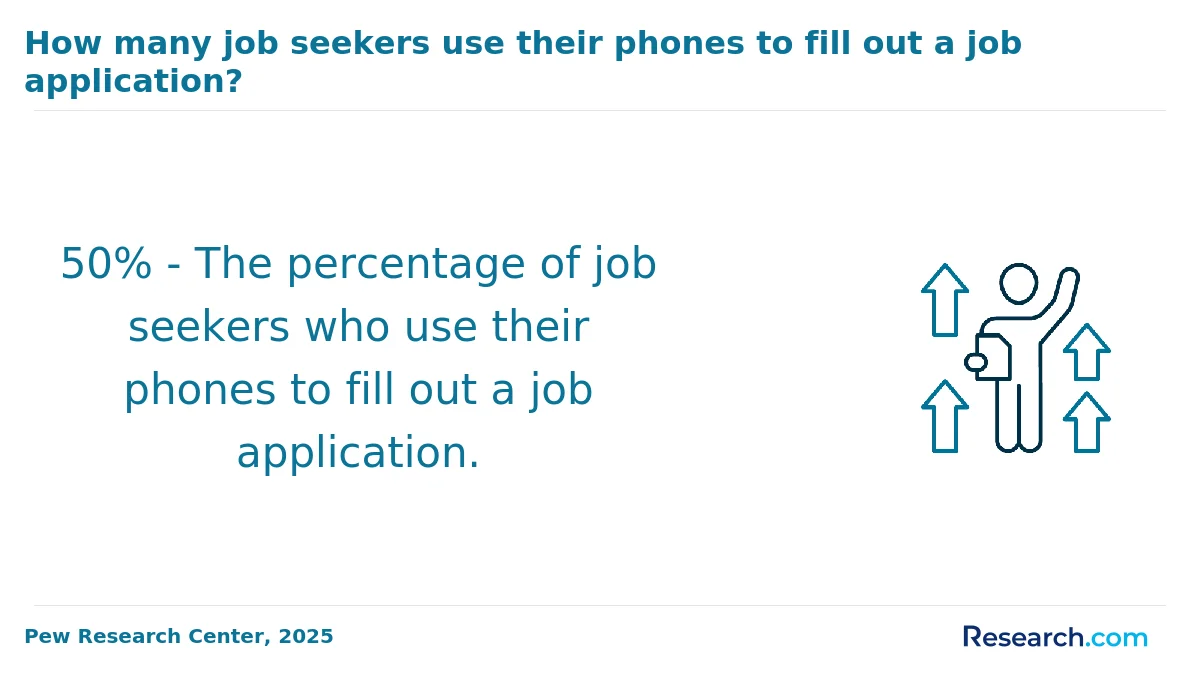
Certificate programs offered in Harrison trade schools cover a variety of practical, career-focused courses designed to get you job-ready quickly. Graduates from local programs often praise their hands-on learning in areas like Business and Marketing, where courses include Introduction to Business and Principles of Marketing. These classes dive into real-world business principles and strategies that feel relevant whether you're launching a startup or joining a company.
Construction trades are a staple in the Harrison trade school course list, with core classes such as Principles of Construction and Construction Technology. Picture yourself mastering blueprint reading and construction math-skills that help you confidently step onto job sites right after certification.
Other popular pathways include Health Sciences with courses like Allied Health and Pharmacy Technician, as well as Automotive Technology, Information Technology, and Welding. Many students cherish the mix of classroom instruction and practical experiences, including internships and participation in organizations like SkillsUSA. This balance builds skills employers highly value.
For anyone curious about earnings and career outlooks in these fields, checking out trades salary insights on research.com can provide motivating perspective as you consider your future in Harrison's thriving trade industries.
Choosing the best trade school programs in Harrison starts with pinpointing your passion-whether it's health sciences, automotive technology, or cosmetology. Graduates from local programs like Harrison High School often emphasize how hands-on labs and internships helped them confidently step into the workforce. Accreditation matters a lot here; programs recognized by industry standards ensure your certification holds weight with employers and may open doors for further education or licensure. For example, several students at regional technical centers found that accredited courses made applying for jobs or apprenticeships much easier.
To make wise decisions, learn how to compare Harrison trade school costs by looking beyond just tuition. Some, like the cosmetology certificate at West Harrison County Center, are grant-funded, reducing financial stress. Don't hesitate to explore scholarships and aid options offered locally. Many students found valuable guidance through career counseling services that helped match their skills with job opportunities.
For up-to-date info on program offerings and affordability, check resources such as community college online lists which include popular schools in Harrison and the surrounding region.
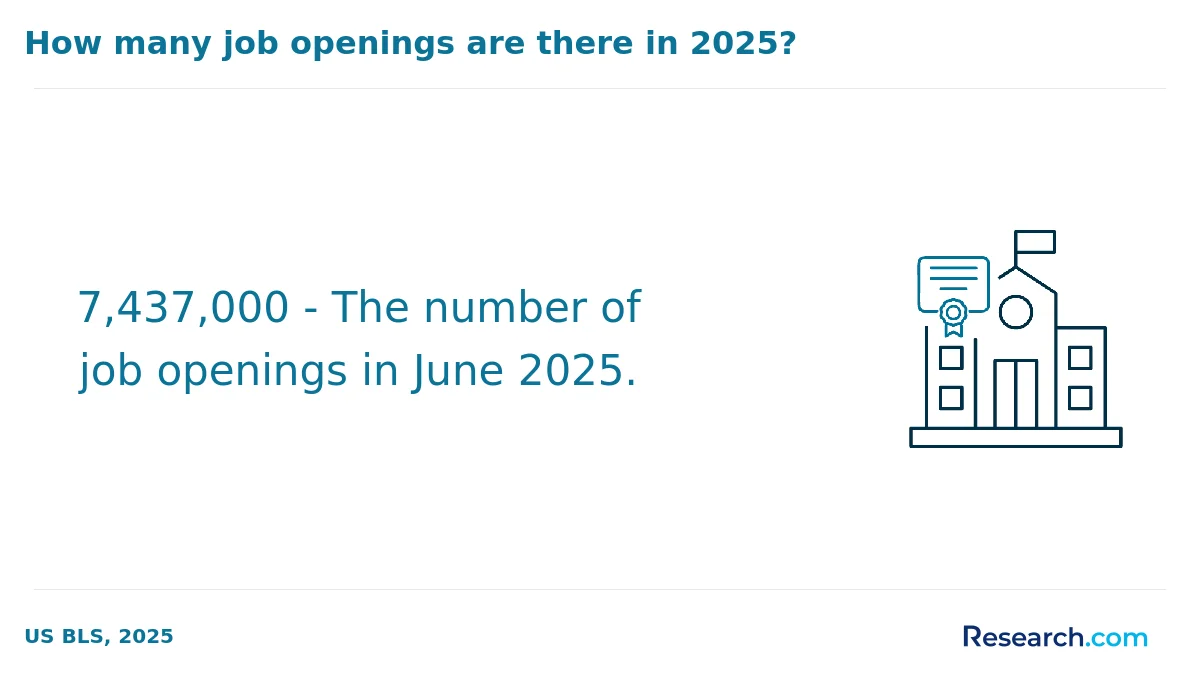
Graduates of trade school certification programs in Harrison find a variety of fulfilling career paths tailored to local industry needs. Many former students from Northark Technical Center quickly move into construction technology roles, working as construction technicians or energy auditors. These positions often lead to sitting for the Arkansas General Contractors licensing exam, opening doors to both residential and commercial building projects.
Healthcare remains another robust field. Graduates become EMTs, licensed practical nurses, or surgical technologists, landing jobs in hospitals and clinics where their skills make a daily difference. Some enjoy the rewarding challenge of working as paramedics or nursing assistants in rural communities.
Other popular career paths include:
- Manufacturing and robotics technicians in local factories
- Automotive service and collision repair specialists in garages and dealerships
- Business and office management roles, from accounting to data analytics
These options highlight the broad career opportunities for trade school graduates in Harrison and the flexibility to start working immediately or pursue further education. If you're exploring your options, check out what is a vocational program to better understand your path forward.
The job outlook for trade school graduates in Harrison is very promising, especially for those completing certification programs at institutions like North Arkansas College and Northark Technical Center. Graduates often secure positions quickly in fields such as automotive service technology, HVAC, welding, and practical nursing. Many of these programs are designed with strong local industry input, ensuring that the skills taught match real workforce needs.
Graduates frequently benefit from direct connections to employers via internships, equipment donations, and scholarships, making Harrison MS trade certification employment opportunities both accessible and rewarding. For example, many students finish their training and step straight into roles at area dealerships, repair shops, or healthcare facilities.
Key advantages for students here include:
- Professional certifications earned even before high school graduation
- Recognition by local employers across multiple skilled trades
- Up to 30 college credit hours providing flexibility to continue education
- Lower student debt compared to four-year degree paths
For those seeking easy trades to learn that pay well online, Harrison's trade schools offer hands-on training and practical experience that employers value highly. This makes completing a program here a smart step toward a stable and fulfilling career.
Most Affordable Certificate Programs - Leading Certification Courses in Harrison for 2026
# 1 position
North Arkansas College - Heating, Air Conditioning, Ventilation and Refrigeration Maintenance Technology/Technician.
certificate or diplomaNorth Arkansas College offers a hybrid Heating, Air Conditioning, Ventilation and Refrigeration Maintenance Technology/Technician program. It prepares students to repair, install, service, and maintain HVAC and refrigeration systems. Instruction covers diagnostic techniques, testing equipment, and the principles of mechanics, electricity, and electronics related to these systems. The program’s annual in-state tuition is $3,168 and it is accredited by the Higher Learning Commission.
# 2 position
North Arkansas College - Automobile/Automotive Mechanics Technology/Technician.
certificate or diplomaNorth Arkansas College offers a hybrid program in Automobile/Automotive Mechanics Technology/Technician that prepares students to repair, service, and maintain various automobile systems. Coursework covers brake systems, electrical systems, engine performance and repair, suspension, steering, transmissions, and heating and air conditioning. The program is accredited by the Higher Learning Commission. Annual in-state tuition is $3,168, and some distance-education options are available.
# 3 position
North Arkansas College - Welding Technology/Welder.
certificate or diplomaNorth Arkansas College offers a Welding Technology/Welder program with a hybrid format, including some distance-education options. The program prepares students to apply technical skills in various welding methods such as arc welding, resistance welding, brazing, soldering, and high-energy beam welding. It covers welding metallurgy, safety, structural design, and applicable codes and standards. Annual in-state tuition is $3,168. The program is accredited by the Higher Learning Commission.
# 4 position
North Arkansas College - Clinical/Medical Laboratory Assistant.
certificate or diplomaNorth Arkansas College offers a Clinical/Medical Laboratory Assistant program in a hybrid format, combining distance education with in-person learning. The program trains students to perform waived testing procedures, phlebotomy, and support laboratory teams under supervision. Instruction covers clinical procedures, laboratory tests, mathematics, equipment operation, sterilization, and communication skills. Annual in-state tuition is $3,168. The program is accredited by the Higher Learning Commission.
# 5 position
North Arkansas College - Phlebotomy Technician/Phlebotomist.
certificate or diplomaThe Phlebotomy Technician/Phlebotomist program at North Arkansas College is a hybrid program preparing students to draw blood samples under medical supervision. It covers vascular anatomy, blood physiology, skin puncture, venipuncture, specimen handling, safety, and regulations. The program is accredited by the Higher Learning Commission. Annual in-state tuition is $3,168.
# 6 position
North Arkansas College - Nursing Assistant/Aide and Patient Care Assistant/Aide.
certificate or diplomaNorth Arkansas College offers a hybrid Nursing Assistant/Aide and Patient Care Assistant/Aide program that prepares students to provide routine nursing-related services under supervision. The program's annual in-state tuition is $3,168. Graduates have median earnings of $38,783 one year after completion. The program is accredited by the Higher Learning Commission and includes some distance education options for flexible learning.
Frequently Asked Questions about trade school certificates
Preparing for the job market after completing trade school certification programs in Harrison involves several strategic steps. Graduates should begin by updating their resumes to highlight specific skills and hands-on experiences gained during training. According to the Bureau of Labor Statistics, trade certifications can increase employability by up to 20% in skilled trades nationwide, and Harrison local employers often prioritize certified candidates.
Networking is crucial; attending local job fairs and joining trade associations in Harrison helps establish connections with potential employers. Additionally, seeking internships or apprenticeships can provide valuable work experience. Utilizing Harrison's workforce development offices can offer guidance on job placement and access to employer partnerships.
Staying informed about industry trends and continuing education opportunities also improves job prospects, ensuring that skills remain relevant in a changing market.
Employers in Harrison prioritize specific skills when hiring graduates from trade school certification programs. According to recent data from the U.S. Bureau of Labor Statistics and local workforce reports, technical proficiency in fields such as HVAC, electrical work, and welding is essential. Candidates who demonstrate hands-on experience with industry-standard tools and technology tend to have better job prospects.
Besides technical abilities, employers highly value soft skills like communication, problem-solving, and teamwork. A 2023 survey by the National Skills Coalition indicates that 68% of employers in Harrison seek strong interpersonal skills alongside certified trade expertise.
Additionally, punctuality, adaptability, and a commitment to workplace safety are frequently mentioned traits. These attributes enhance a graduate's readiness to meet the demands of Harrison's evolving job market.
Finding internships relevant to your trade school certification program in Harrison begins with utilizing local resources. Many city-based trade schools maintain partnerships with nearby businesses to offer internships aligned with specific certifications. Check with your school's career services office to access established connections.
The Harrison Chamber of Commerce is also a valuable source for internship listings, as many local employers post opportunities through this organization. According to the National Association of Colleges and Employers (NACE), approximately 57% of internships lead to job offers, making these experiences crucial.
Online platforms like Handshake and Indeed allow you to filter internships by location and field, which is helpful in Harrison's diverse job market. Networking through local trade unions or industry groups often uncovers hidden internship opportunities not widely advertised.
Trade school certification programs in Harrison significantly impact career mobility and advancement by providing practical skills aligned with local industry demands. According to the Harrison Workforce Development Council, holders of trade certificates typically see a 15% higher chance of job placement within six months after graduation compared to non-certified peers. These certificates often qualify graduates for specialized roles in sectors like manufacturing, construction, and healthcare, where skilled labor shortages are common.
Employers in Harrison value certification as proof of competency, which can lead to faster promotions and wage increases. Data from the Harrison Department of Labor shows certified workers earn on average 20% more than uncertified counterparts in similar positions.
Part-time job opportunities in Harrison that complement trade school certification programs often align with the skills students acquire. For instance, certified automotive technicians can find work at local auto repair shops or dealerships, which are abundant in the region according to the Harrison Chamber of Commerce. Jobs such as electrician apprentices or HVAC assistants also provide practical experience while earning a wage.
Many retail and warehouse positions in Harrison offer flexible hours, allowing students to balance work and study effectively. Hospitality-related jobs, such as kitchen assistants or maintenance workers, are also common for those in culinary or facility management programs. U.S. Department of Labor data confirms these roles frequently support trade students' schedules.
To find the most affordable degree program near me in Harrison, AR, consider starting by exploring local community colleges and public universities, as these institutions often offer lower tuition rates for residents. Programs at North Arkansas College, located near Harrison, AR, might be among the options worth researching for affordable education. Additionally, using resources like Research.com can help identify and compare degree programs and their costs to make an informed decision.
- Research - Trade School Or Vocational Program https://research.com/degrees/trade-school-or-vocational-program
- Harrison Training Group | Why be good when you can be great! https://harrisontraininggroup.com.au/
- Trade School Careers: Why Trade Schools Result In High Demand Jobs https://intercoast.edu/articles/trade-school-careers-why-trade-schools-result-in-high-demand-job-opportunities-for-its-graduates/
- Jobs - Harrison County Lifelong Learning Center https://www.harrisonlifelonglearning.com/jobs/
- Employment Opportunities | SEMO https://semo.edu/hr/employment.html
- What Skills Will Future Business Graduates Need? | AACSB https://www.aacsb.edu/insights/articles/2025/08/what-skills-will-future-business-graduates-need
- Skilled Trades | Mid Michigan College - Harrison, MI - Mt. Pleasant, MI - Online https://midmich.edu/degrees-programs/areas-of-interest/trades.php
- College Graduate Skills for Employers | Entering the Job Market https://global.nmsu.edu/blog/general/skills-employers-look-for-in-college-grads/
- Collegescorecard https://collegescorecard.ed.gov/
- 6 Of The Best Trades That Pay Well and are in High-Demand https://www.trade-schools.net/articles/trade-school-jobs