Most Affordable Associate Degree Programs - Leading Certification Courses in Reading for 2026

Co-Founder and Chief Data Scientist
Thinking about starting an associate degree in Reading? This article is here to guide you through some of the most affordable options available in 2026. Choosing the right program can feel overwhelming, but we’re making it easier for you.
The associate degree programs ranking, created by the Research.com team of data scientists, helps highlight quality trade schools worth your consideration. You’ll find valuable insights to make informed decisions that align with your goals.
Getting an associate degree opens new doors and offers exciting opportunities for your future. Let’s explore the best options together!
Key benefits of associate degrees in Reading
- Expected salary: Associate degree graduates in Reading can earn between $15.49 per hour for general roles and up to $96,663 annually for specialized or supervisory positions like QA Analyst or Manufacturing Associate Supervisor.
- Career paths: Popular options include technical fields such as Certified Occupational Therapy Assistant or CAD Designer, with graduates from schools like Thomas Jefferson University starting at around $46,768 per year.
- Online degrees: Earning an associate degree online offers flexibility and convenience, allowing students in Reading to balance work and study while accessing respected programs and career opportunities.
- Most Affordable Associate Degree Programs - Leading Certification Courses in Reading for 2026
- What can I expect from associate degree programs in Reading?
- Where can I work after finishing associate degree programs in Reading?
What can I expect from associate degree programs in Reading?
If you're eyeing an associate degree program in Reading, expect the cost to be quite manageable, especially compared to four-year universities. For instance, at Reading Area Community College (RACC), tuition runs about $189 per credit hour for Berks County residents and $325 per credit hour for other Pennsylvania residents. Many graduates recall balancing work and study, appreciating how affordable these rates made earning their degree without drowning in debt.
The flexibility of part-time and evening classes helps accommodate busy schedules. Imagine attending a respiratory care class after a day at work or logging into an early childhood education course online-all while keeping an eye on costs.
Beyond tuition, some programs have specific requirements like background checks-particularly for healthcare fields-which students smoothly navigate with support from their schools. Scholarships like T.E.A.C.H. also ease the financial journey, offering new opportunities for many hopeful learners.
Ultimately, students treasure how these affordable programs open doors to rewarding careers and easier transfers to four-year schools without breaking the bank.
Where can I work after finishing associate degree programs in Reading?
Graduates from associate degree programs in Reading step into a vibrant job market bursting with opportunity. Imagine finishing your studies at a well-known local school and soon after receiving calls for positions ranging from dental hygienist in a bustling clinic to registered nurse roles at nearby hospitals. Many grads recall their excitement landing stable jobs that offer both a paycheck and pride in helping their community.
Healthcare dominates the scene here, with demand for medical laboratory technicians and emergency room staff often topping local job boards. The practical experiences gained during studies at Reading's colleges make these roles feel perfectly within reach.
But it's not only healthcare lighting the way. Administrative assistants, IT support specialists, and skilled trade workers find steady work in Reading's manufacturing and business sectors. Graduates often share how they started in entry-level roles paying $13 to $45 per hour, quickly gaining skills and confidence to move forward.
For many students in Reading, an associate degree opens doors to rewarding careers just around the corner, blending local knowledge with real-world skills for lasting success.
After finishing an associate degree program in Reading, many graduates discover they can earn starting wages around $15.49 an hour, which is about $32,000 annually in full-time roles. Imagine a recent graduate from a popular local college stepping into an entry-level healthcare support or administrative position, feeling proud to start a solid career path while gaining valuable experience.
Others who dive deeper into specialized or supervisory roles often find themselves earning significantly more. For example, Administrative Supervisors in Pennsylvania can bring home up to $70,925 a year. Graduates from Reading's well-known associate degree programs often share stories of quick advancement-moving from assistant roles into corporate or accounting positions pulling in salaries near $44,000 to $46,000 annually.
This reflects both the local economy and the broader Pennsylvania market, where hard work, certifications, and skill development can lead to financial growth within a few years. For many, these earnings make the time and effort at Reading's colleges feel truly rewarding, opening doors to exciting new possibilities.
- Jenna: Earning my Associate Degree in Nursing from Reading Trade School was a game-changer. The hands-on training prepared me thoroughly, and the supportive instructors made learning enjoyable. Now, working as a registered nurse feels rewarding every day. This path gave me both confidence and a stable career.
- Marcus: The Associate Degree in Automotive Technology I completed in Reading opened doors I never expected. The realistic workshops and focused curriculum at the trade school were invaluable. I landed a job as a vehicle technician quickly, and the practical skills I gained made all the difference in this competitive field.
- Elena: Studying Early Childhood Education for my associate degree in Reading was inspiring. The trade school's community atmosphere and real classroom practice helped me grow personally and professionally. Now, as a preschool teacher, I love nurturing young minds and feel proud that my education made this fulfilling career possible.
- In-state tuition at Reading Area Community College (RACC) is about $3,240 per year for Berks County residents.
- Out-of-state students pay around $6,255 per year, with most programs taking about 24 months to complete.
- Admissions are usually open access, requiring only a high school diploma or GED without standardized tests.
- Financial aid options include FAFSA, scholarships, and work-study programs to help with affordability.
- Associate degree holders in Pennsylvania earn between $35,000 and $50,000 per year in entry-level jobs, with growth potential in various fields.
- RACC awarded 452 associate degrees in 2023, offering programs in business, healthcare, technology, education, and STEM fields.
Most associate degree programs in Reading take about two years of full-time study to complete. Imagine a dedicated student at a local community college diving into 15 credits each semester, steadily ticking off courses outlined in a carefully designed two-year curriculum. This pace lets them graduate in just four semesters, feeling confident and accomplished after finishing around 60 to 61 credits.
Some graduates share how sticking to the recommended course path made their journey smooth and rewarding. On the flip side, others who enrolled part-time or needed to catch up with remedial classes found their timeline stretching beyond two years-a reminder that life's twists can add a bit more adventure to the academic quest.
Popular associate degree schools in Reading understand these challenges and offer support to keep students motivated. Whether pursuing an Associate in Arts or a trade-focused Associate in Applied Science, students often discover that staying engaged and planning carefully transforms their studies into a fulfilling and achievable experience.
Imagine juggling work, family, and classes all at once-this is where online associate degree programs in Reading truly shine. Schools like Reading Area Community College (RACC) provide students the freedom to learn from anywhere using platforms like Canvas, turning any comfy chair into your classroom. Graduates often share how this flexibility helped them balance busy lives without sacrificing their education.
On the flip side, on-campus programs at RACC bring the buzz of real-time interactions: face-to-face chats with professors, lively group projects, and the energy of campus events. Many graduates recall the hands-on labs and spontaneous study sessions that online classes just can't replicate. Being physically present on campus often creates a strong sense of community and immediate access to resources.
Both paths share perks like accredited degrees, financial aid, and similar tuition-around $3,240 annually for Berks County residents. Yet, online learners save on commuting and housing, while on-campus students enjoy the immersive college vibe. Your choice depends on whether you crave flexible convenience or dynamic campus life.
When exploring the average associate degree cost in Reading PA, Reading Area Community College (RACC) emerges as the go-to option for many local students seeking quality education without breaking the bank. For Berks County residents, the tuition is remarkably affordable, averaging just $3,240 per year or $6,480 for the entire two-year associate degree program. Graduates often recall how this accessible pricing allowed them to focus more on their studies and less on financial stress, especially with RACC's flexibility offering online and part-time classes perfect for working adults.
For those outside Berks County but still in Pennsylvania, the yearly tuition rises to about $5,655, which totals $11,310 over two years. Out-of-state students encounter a slightly higher fee of $6,255 annually. However, many students find relief in the fact that nearly all attendees at RACC benefit from financial aid, with an average grant amount of $3,524. These financial supports have been life-changing for students balancing school and family commitments.
Students comparing Reading Area Community College tuition and fees with nearby schools discover a generally competitive environment, with other community colleges charging between $3,750 and $7,500 a year. This affordability, coupled with financial aid, encourages many to choose RACC. Some graduates even highlight how exploring options like 6 month online certificate programs high paying jobs helped them fast-track their careers while enjoying the cost benefits of local schooling.
Imagine beginning your associate degree journey at Reading Area Community College, knowing a world of financial aid options is ready to support you. Many students have found relief through federal programs like the Pell Grant, which can offer up to $7,395 annually, easing the burden of tuition. By simply completing the FAFSA, you tap into not only federal grants but also loans tailored to your needs, a tried-and-true route for countless associates in Reading.
State support shines brightly here too. Pennsylvania residents benefit from the PHEAA State Grant Program and unique opportunities like the PA Targeted Industry Program, which rewards students pursuing in-demand fields-perfect for those aiming at technical or health-related associate degrees.
On campus, RACC's Foundation scholarships have helped many achievers and those with financial need, while work-study programs offer hands-on experience plus income, blending learning with earning. Veterans also find dedicated financial paths to honor their service, making education in Reading truly accessible and empowering.
Ready to take the leap into an associate degree program in Reading? First, you'll need that essential high school diploma or GED to open the door. Graduates from Reading Area Community College often recall the excitement of submitting their application, gathering transcripts, and feeling the thrill of officially starting their journey.
But what's next? Placement tests in English, math, and reading are the norm at schools like RACC. These tests help determine if you jump straight into college courses or take a few extra steps with remedial classes. Think of it like training wheels that get removed as you gain confidence.
- Submit your application and documents
- Pass placement tests to identify your starting point
- Complete remedial courses if needed before full enrollment
Maintaining a minimum 2.0 GPA is also key at Penn State Berks, reminding you to stay motivated throughout your studies. Plus, the 60-credit goal means your coursework will feel like a well-paced adventure, balancing general education, electives, and major-specific classes tailored for transfer students or those diving deep into their chosen field.
Associate degree courses in Reading PA offer an exciting blend of foundational skills and specialized knowledge. At popular associate degree schools like Reading Area Community College, students dive into a typical curriculum for Reading associate degree programs that balances general education with major-specific classes. Imagine mastering English composition and mathematics during your first year, building critical thinking and communication skills essential for any career or further college study.
Beyond the basics, graduates share how they engaged deeply with courses tailored to their fields, such as:
- Introduction to Business and Marketing principles for those pursuing business degrees
- Anatomy and Physiology in health sciences programs with hands-on lab experiences
- Core computer classes like Programming and Networking Fundamentals for tech enthusiasts
Many students appreciate the practical components, such as internships and capstone projects, that bring classroom learning to life and boost confidence before entering the workforce. Electives like psychology or foreign languages also allow learners to personalize their journeys.
If you're exploring paths in Reading, consider looking into easy online certifications that pay well, which can complement your associate degree for career growth.
Picking the best associate degree program in Reading starts with knowing your endgame. Graduates from Reading Area Community College often share how choosing between an Associate in Arts for transferring to a four-year university or an Associate in Applied Science for jumping straight into the workforce shaped their path. Imagine balancing your schedule around a curriculum designed for you, like those at Penn State Berks, where electives can tailor your focus in Information Sciences or Multidisciplinary Studies.
Many students feel the excitement of planning semesters while considering placement tests and developmental courses that influence their timeline. Affordable associate degree programs in Reading are abundant, but comparing tuition and costs for associate degrees in Reading can uncover community colleges that offer both value and flexibility. Knowing your program's transferability or internship opportunities can make all the difference, turning your academic journey into a practical adventure filled with new connections and hands-on learning.
For those wanting to explore further, reading about non dissertation phd options can inspire future academic goals beyond associate degrees.
Exploring associate degree career opportunities in Reading PA opens doors to vibrant fields where graduates often find rewarding roles right after school. Many graduates from local favorites like Reading Area Community College dive into healthcare, landing jobs as registered nurses, dental hygienists, or certified occupational therapy assistants. Imagine waking up each day knowing you're making a real difference at nearby hospitals and clinics-an exciting journey many past students cherish.
IT enthusiasts find a dynamic path too, with possibilities such as application programming or network management thrilling tech-savvy grads from Penn State Berks. These best jobs for associate degree graduates Reading include roles in education, manufacturing, and more, painting a broad and adventurous career landscape.
Business-minded graduates often thrive as administrative specialists or junior managers, growing skills in real offices around town. Other fields like criminal justice, engineering technology, and culinary arts also invite hands-on learners to jump into careers fast.
- Healthcare roles including nurse and lab technician
- Information technology careers from programming to support
- Business administration and accounting positions
- Technical trades like mechatronics and construction
For those dreaming big, Reading's associate programs can serve as a springboard to further education-perhaps even a short phd-amplifying career possibilities down the road.
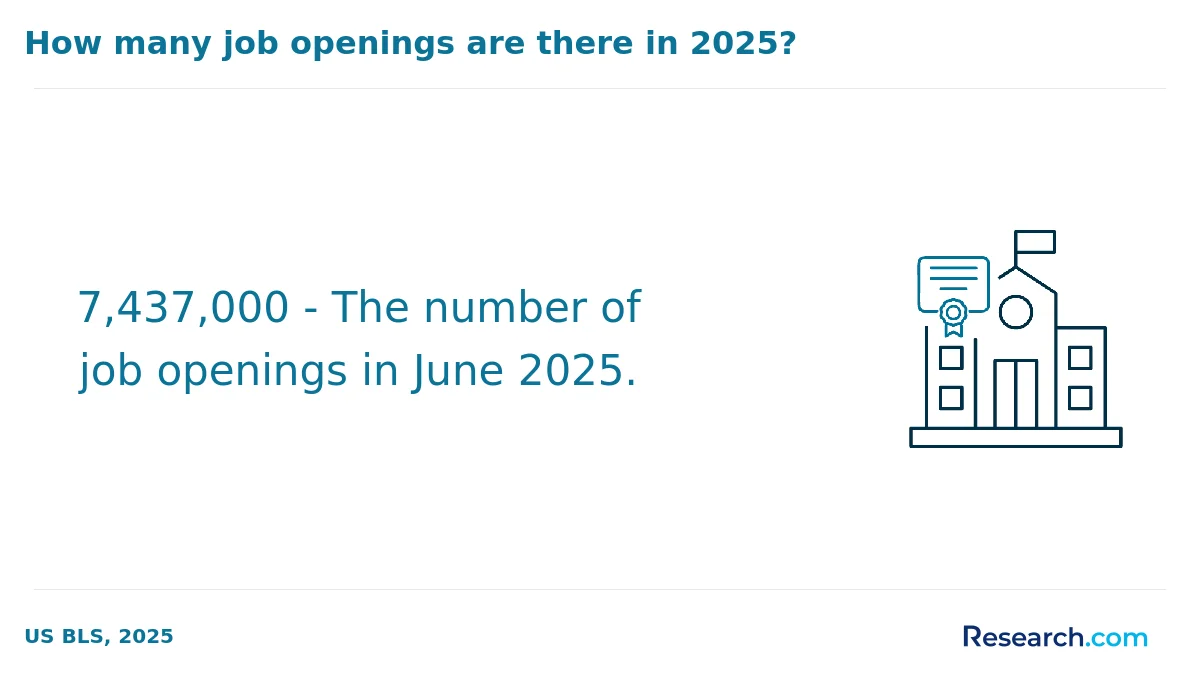
The employment outlook for associate degree graduates Reading offers an exciting and diverse landscape, especially in Reading, Pennsylvania. Graduates from local schools like Reading Area Community College often find themselves stepping into vibrant roles in healthcare, technology, and skilled trades. For example, many have secured positions as registered nurses or dental hygienists, professions thriving with projected growth. This dynamic scene is reflected in the fact that over 2,800 jobs in Reading seek candidates with an associate degree, revealing a broad spectrum of possibilities.
Associate degree jobs in Reading PA come with attractive starting wages, particularly in technical fields where early-career earnings typically range between $20 and $32 per hour. Graduates have shared how employers value their practical skills, often providing on-the-job training, which makes entering the workforce more accessible and less daunting. Schools in the area align their programs closely with these employer needs, creating a seamless bridge from classroom to career.
Some graduates also explore options to find what online schools are accredited nationally, allowing them to balance study with work or life commitments while enhancing their career prospects.
Most Affordable Associate Degree Programs - Leading Certification Courses in Reading for 2026
# 1 position
Reading Area Community College - Electrical and Power Transmission Installation/Installer, General.
associateReading Area Community College offers a hybrid Electrical and Power Transmission Installation/Installer, General program that prepares students to install residential, commercial, and industrial electrical systems and power transmission lines. The curriculum covers electricity, safety, wiring, insulation, grounding, blueprint reading, equipment operation, and relevant codes. The program’s annual in-state tuition is $6,270, and graduates earn a median salary of $96,911 one year after completion. It is accredited by the Middle States Commission on Higher Education.
# 2 position
Reading Area Community College - Computer and Information Sciences, General.
associateReading Area Community College offers a program in Computer and Information Sciences, General, accredited by the Middle States Commission on Higher Education. This program focuses on computing, computer science, and information science and systems, providing a broad foundation without specialization. The annual in-state tuition is $6,270. The program is designed to prepare students with general skills in these fields, emphasizing a wide understanding rather than specific sub-disciplines.
# 3 position
Reading Area Community College - Criminal Justice/Police Science.
associateReading Area Community College offers a Criminal Justice/Police Science program with a hybrid format that includes some distance education options. The program prepares students for police and public security duties such as patrol, investigation, traffic and crowd control, evidence management, and crime prevention. Annual in-state tuition is $6,270. The program is accredited by the Middle States Commission on Higher Education.
# 4 position
Reading Area Community College - Industrial Mechanics and Maintenance Technology/Technician.
associateReading Area Community College offers a hybrid program in Industrial Mechanics and Maintenance Technology/Technician that prepares students to repair and maintain industrial machinery and equipment, including cranes, pumps, engines, and conveyor systems. The program's annual in-state tuition is $6,270. It is accredited by the Middle States Commission on Higher Education and includes some distance-education options to accommodate different learning needs.
# 5 position
Reading Area Community College - Medical Insurance Coding Specialist/Coder.
associateReading Area Community College offers a Medical Insurance Coding Specialist/Coder program designed to prepare students for specialized data entry, classification, and record-keeping in medical diagnostic, billing, and insurance documentation. The hybrid program includes courses in medical records software, anatomy, medical terminology, and Medicare regulations. Annual in-state tuition is $6,270. The program is accredited by the Middle States Commission on Higher Education.
# 6 position
Reading Area Community College - Accounting.
associateThe Accounting program at Reading Area Community College offers a hybrid format with some distance-education options. It prepares students to practice accounting and perform business-related functions, covering topics such as financial, managerial, cost, and tax accounting, auditing, and professional ethics. The program is accredited by the Middle States Commission on Higher Education. Annual in-state tuition costs $6,270.
# 7 position
Reading Area Community College - Business Administration and Management, General.
associateReading Area Community College offers a fully online program in Business Administration and Management, General. The program prepares students to plan, organize, direct, and control various business functions, including management theory, human resources, accounting, marketing, and decision-making. Annual in-state tuition is $6,270. Graduates earn a median salary of $44,544 one year after completing the program. The college is accredited by the Middle States Commission on Higher Education.
# 8 position
Pennsylvania State University-Penn State Berks - Criminal Justice/Safety Studies.
associatePennsylvania State University-Penn State Berks offers a Criminal Justice/Safety Studies program focusing on the criminal justice system, its components, and legal and public policy contexts. The curriculum covers criminal law and policy, police and correctional systems, justice administration, the judiciary, and public attitudes toward criminal justice. Annual in-state tuition is $15,944. The program is accredited by the Middle States Commission on Higher Education.
# 9 position
Alvernia University - Diagnostic Medical Sonography/Sonographer and Ultrasound Technician.
associateAlvernia University offers a Diagnostic Medical Sonography/Sonographer and Ultrasound Technician program in a hybrid format, including some distance-education options. The program trains students to use medical ultrasound techniques to collect sonographic data for diagnosing various conditions. Instruction covers patient care, data recording, sonography equipment operation, and professional ethics. The annual in-state tuition is $42,810. The program is accredited by the Middle States Commission on Higher Education.
Frequently Asked Questions about associate degree programs
After completing an associate degree in Reading, preparing for the job market involves several focused steps. Graduates should begin by updating their resumes to highlight relevant skills and coursework. Many community colleges in the Reading area offer career services, including job placement assistance and resume workshops, which can significantly improve employment prospects.
Networking is crucial in the local job market. Attending job fairs and connecting with Reading employers in your field can open doors. According to the U.S. Bureau of Labor Statistics, associate degree holders earn a median weekly wage of approximately $877 nationally, so emphasizing your educational achievements is beneficial.
Consider pursuing internships or part-time roles to gain practical experience. Additionally, researching local industry trends in Reading can help identify growing sectors where associate degree holders are in demand, such as healthcare or business administration. Utilizing resources at local workforce centers and staying informed about job openings is recommended to enhance your employment readiness.
Employers in Reading highly value associate degree graduates who demonstrate strong communication skills. According to the National Association of Colleges and Employers (NACE), 82% of employers prioritize verbal and written communication when hiring graduates.
Additionally, critical thinking and problem-solving abilities are essential. Graduates who can analyze information and develop practical solutions tend to perform better in workplace settings.
Technical skills related to specific industries are also important. In Reading, sectors like healthcare and manufacturing often seek graduates proficient in computer literacy and relevant software tools.
Teamwork and adaptability rank among the top soft skills, with 75% of local employers expecting graduates to collaborate effectively in diverse groups.
Finding internships in Reading relevant to your associate degree program involves several strategic steps. Start by exploring resources at local community colleges such as Reading Area Community College, which often partner with local employers to offer internship opportunities. The Pennsylvania Department of Labor & Industry's Apprenticeship and Training Office is also a valuable source for internships and work-based learning programs in the region.
Online platforms like Handshake and Indeed list internships available in the Reading area, which you can filter by your field of study. Networking at career fairs hosted by educational institutions or local chambers of commerce can uncover hidden opportunities.
According to data from the National Association of Colleges and Employers (NACE), about 62% of internships in Pennsylvania lead to offer letters post-completion, highlighting the importance of securing relevant experience early in your studies.
In Reading, obtaining an associate degree significantly enhances career mobility and advancement opportunities. According to the U.S. Bureau of Labor Statistics, workers with associate degrees earn about 20% more on average than those with only a high school diploma. Local labor market data from the Pennsylvania Department of Labor & Industry indicates a growing demand for skilled workers in healthcare, technology, and manufacturing-fields often requiring an associate degree.
Many employers in Reading recognize these degrees as valuable credentials that demonstrate both specialized knowledge and practical skills. This recognition often leads to higher starting salaries and eligibility for promotions. Community colleges in the Reading area also offer programs designed to connect students with internships and local employers, further boosting career prospects.
In Reading, part-time job opportunities that complement associate degree education are diverse, offering practical experience alongside academic learning. Many students find roles in healthcare support, such as medical assistants or pharmacy technicians, which align well with allied health programs. These positions not only provide valuable hands-on skills but also often pay $14 to $18 per hour, according to the U.S. Bureau of Labor Statistics data for the area.
Retail and customer service jobs are abundant and flexible, helping students develop communication and management skills relevant to business or marketing degrees. Local libraries and educational centers frequently hire part-time assistants, providing experience in administrative and information services fields.
Additionally, Reading's growing logistics and manufacturing sectors offer part-time roles in warehouse operations or quality control, beneficial for technical or engineering-related associate degrees. These opportunities help students apply classroom knowledge in real-world settings, making job experience a significant asset for future career advancement.
To find the most affordable degree program near Reading, PA, start by identifying accredited universities offering the major you're interested in and compare their tuition rates, financial aid opportunities, and additional fees. Consider nearby community colleges or online programs, as they often provide lower-cost alternatives without compromising education quality. Utilizing resources like Research.com can offer insights into affordable options, helping you choose the best program near me based on your academic and financial needs.
- 10 Highest-Paying Associate Degrees of 2025 | BestColleges https://www.bestcolleges.com/blog/highest-paying-associate-degrees/
- Find Remote Internships For College Students https://www.accreditedschoolsonline.org/resources/college-internships-and-employment/
- Advancement Potential of Different Degrees and Majors - Resource Center Article https://nextmile.instride.com/resource/upward-mobility-degree-major
- International students https://www.reading.ac.uk/ready-to-study/international-and-eu
- Graduate and Online Programs – Albright College https://www.albright.edu/school-professional-studies/
- Explore the Different types of Credentials. | GEAR UP https://gearup.wa.gov/student-credentials
- Is an Online Degree the Same as a Traditional College Degree? | Bryan University Online© https://bryanuniversity.edu/faq/is-an-online-degree-the-same-as-a-traditional-college-degree/
- Reading and Literacy Instruction Graduate Program Curriculum | Bay Path University https://www.baypath.edu/academics/graduate-programs/reading-literacy-instruction-msed-eds/curriculum/
- 30 jobs in Reading | Page 1 | Find a job https://findajob.dwp.gov.uk/search
- Associate Degree Jobs: An Overlooked Opportunity | SkillPointe https://skillpointe.com/news-and-advice/associate-degree-jobs-are-overlooked-opportunity