
Best Associate Degree Programs - Leading Certification Courses in Vermont for 2026

Co-Founder and Chief Data Scientist
Choosing the right associate degree program in Vermont can shape your future in meaningful ways. Whether you’re seeking new career opportunities or building skills, this article offers valuable insights to guide your decision.
The Research.com team of data scientists developed an associate degree programs ranking featured here to help you identify the best trade school options available in 2026.
By exploring this guide, you’ll gain confidence in selecting a program that fits your goals and opens doors to success. Embrace the possibilities an associate degree offers for your personal and professional growth.
Key benefits of associate degrees in Vermont
- Associate degree graduates in Vermont can earn competitive salaries, such as $64,935 annually from Vermont Technical College graduates and $29,597 from Community College of Vermont liberal arts graduates, with a program associate role averaging $47,809 per year.
- Popular career paths include technical, healthcare, and business roles, which generally offer higher earnings, reflecting strong local demand and promising job opportunities for graduates.
- Online associate degrees offer flexible learning options, allowing students to balance work and study easily, making education more accessible without sacrificing quality compared to traditional campus programs.
- Best Associate Degree Programs - Leading Certification Courses in Vermont for 2026
- What can I expect from associate degree programs in Vermont?
- Where can I work after finishing associate degree programs in Vermont?
What can I expect from associate degree programs in Vermont?
Students pursuing an associate degree in Vermont typically face tuition costs that make this path financially manageable. Public institutions like Vermont State University and the Community College of Vermont offer in-state tuition that averages around $6,000 to $8,000 per year. Graduates often recall balancing part-time jobs while benefiting from affordable tuition, scholarships, and financial aid options that ease the burden.
Many students appreciate the value they receive, especially compared to four-year degrees. One graduate shared how the hands-on training in a technical program at the Community College of Vermont not only kept costs low but also led swiftly to employment, highlighting the practical nature of these affordable programs.
Overall, Vermont's approach blends cost-effectiveness with quality education, allowing students to invest in their futures without overwhelming debt. The emphasis on flexible schedules and smaller class sizes creates an encouraging environment where learners feel supported both academically and financially throughout their studies.
Where can I work after finishing associate degree programs in Vermont?
Graduates of Vermont's associate degree programs often step directly into roles that local employers urgently need filled. For example, students finishing healthcare programs at schools like Vermont Technical College frequently become dental hygienists or radiologic technologists at community hospitals, enjoying steady job offers and competitive wages. Many alumni share how they quickly secured positions as RN clinical coders or licensed opticians within months of graduating.
In the skilled trades, graduates from programs in automotive or construction technology find work as technicians or site supervisors, especially with firms investing in Vermont's green infrastructure. Those studying electrical or civil engineering technology regularly join public agencies or private companies focused on sustainability projects, feeling confident their skills are valued.
Information technology degree holders often land jobs as IT support specialists or provider data specialists for regional healthcare networks and distribution centers. Many appreciate how their Vermont education made them marketable to diverse employers, turning classroom knowledge into solid career steps.
Programs in human services and education prepare graduates for roles like family services worker or early childhood educator, with many alumni praising affordable tuition combined with strong job prospects across Vermont's public and nonprofit sectors.
After finishing an associate degree program in Vermont, you can expect to earn between $29,597 and $64,935 annually, depending on your field and the institution you attend. For example, graduates from Vermont Technical College often see early career salaries averaging $64,935, reflecting strong returns on their technical training.
On the other hand, those with degrees in Liberal Arts or General Studies from schools like Community College of Vermont typically start with median salaries around $29,597. A common career path for many is becoming a Program Associate, which currently pays about $47,809 per year in Vermont.
Working full-time, the hourly wage for associate degree holders averages around $25.16, translating to approximately $52,000 annually. This is notably higher than high school graduates, who generally earn about 11% less.
Choosing an associate degree program in Vermont often means better employment opportunities and boosted wages, especially in healthcare and technical fields. Graduates frequently feel confident that with their degree, they're stepping into a financial and career advantage in the state's job market.
- Emma: Earning my Associate Degree in Culinary Arts from Vermont Technical College was a game-changer. The hands-on training gave me confidence in the kitchen, and now I run my own bakery in Burlington. The trade school environment made learning exciting and practical, leading directly to rewarding local employment.
- Jason: Completing an Associate Degree in Automotive Technology opened doors I never imagined. Vermont's focus on skilled trades prepared me for a career at a top dealership near Montpelier. The supportive instructors emphasized real-world skills, which boosted my confidence and employability instantly.
- Madeline: With an Associate Degree in Early Childhood Education from a Vermont community college, I found my passion. The balance of theory and practical experience helped me land a teaching assistant role in a local preschool. The trade-school approach made the journey manageable and deeply fulfilling.
- Associate degree programs in Vermont require at least 60 college-level credits, usually including general education and a specific field concentration.
- Most programs accept students without standardized test scores and offer support such as financial aid counseling and academic advising.
- The VT Free Degree Promise allows eligible Vermont high school graduates to earn an associate degree tuition-free and offers additional benefits like living stipends.
- In-state tuition and fees at the Community College of Vermont are generally lower than the national average, making it a cost-effective option.
- Entry-level salaries for graduates in fields like nursing or allied health range from $40,000 to $55,000 per year, with opportunities for advancement.
- Key skills developed include writing, quantitative reasoning, information literacy, and oral communication, with flexible learning formats available statewide.
Completing an associate degree program in Vermont typically takes about two years of full-time study at schools like the Community College of Vermont (CCV). Most graduates finish after earning 60 college-level credits, usually spread over four semesters. For a full-time student balancing around 12 to 15 credits each semester, this timeline feels manageable and keeps momentum steady.
Many students find that careful academic advising at Vermont colleges helps them stay on track, making the two-year goal realistic and exciting. However, part-time students often stretch their studies over three years or more, especially if juggling work or family commitments. Some technical programs with hands-on training might require additional time due to course availability or specific prerequisites.
Flexible options, including summer courses or accelerated pathways at CCV, can speed up completion to as little as five semesters. Graduates who capitalize on transfer credits or prior learning often feel confident finishing ahead of schedule, appreciating the personalized pace that Vermont's institutions encourage.
The main difference between online and on-campus associate degree programs in Vermont lies in how and where you study. Online programs, offered by schools like Vermont State University (VTSU) and the Community College of Vermont (CCV), give you the freedom to access lectures and assignments from anywhere. Imagine finishing coursework after your kids are asleep or during a lunch break at work-this flexibility suits busy adults juggling family and jobs.
On-campus programs require attending classes in person, providing a structured routine and face-to-face connections. Graduates often recall the strong sense of community and direct interaction with instructors as uplifting parts of their experience. However, this means commuting or relocating, which isn't always feasible for everyone.
Cost differences also play a role. Online tuition at Vermont's public two-year colleges is usually about $268 per credit-similar or sometimes less than on-campus rates. Some private schools even charge up to 75% less for online credits. Plus, institutions like CCV and VTSU offer income-based programs that cover full tuition, making online learning even more affordable.
Both options lead to the same respected degree, so your choice depends on how you want to balance flexibility, community, and finances.
The average associate degree cost in Vermont is largely shaped by tuition rates at local institutions, with the Community College of Vermont (CCV) offering some of the most affordable options. Graduates often recall budgeting around $290 per credit as in-state students, totaling approximately $17,400 in tuition for the full 60-credit program. This figure represents just the direct tuition and fees; students also face additional costs like a $100 administrative fee and expenses for textbooks or special course fees. Many Vermont residents appreciate that this keeps their Vermont community college tuition and fees manageable compared to private or out-of-state options.
Beyond tuition, practical life costs such as housing, food, and transportation significantly contribute to the total investment. CCV estimates the full cost of attendance-including indirect expenses-at about $21,547 per year, meaning two years can approach a $43,000 total. Graduates often highlight how careful planning around these costs made completing their degree possible without overwhelming debt. Out-of-state students, however, should expect roughly double the tuition rate per credit, which is $580.
Many students find encouragement in Vermont's financial aid options, such as the 802 Opportunity Grant, which can cover most tuition and fees for eligible in-state applicants. Completing the Free Application for Federal Student Aid (FAFSA) and the Vermont Grant Application is strongly recommended to maximize grant and scholarship opportunities.
Those considering accelerated pathways might explore the fastest bachelors degree options, which can sometimes reduce the overall timeframe and cost of achieving a degree.
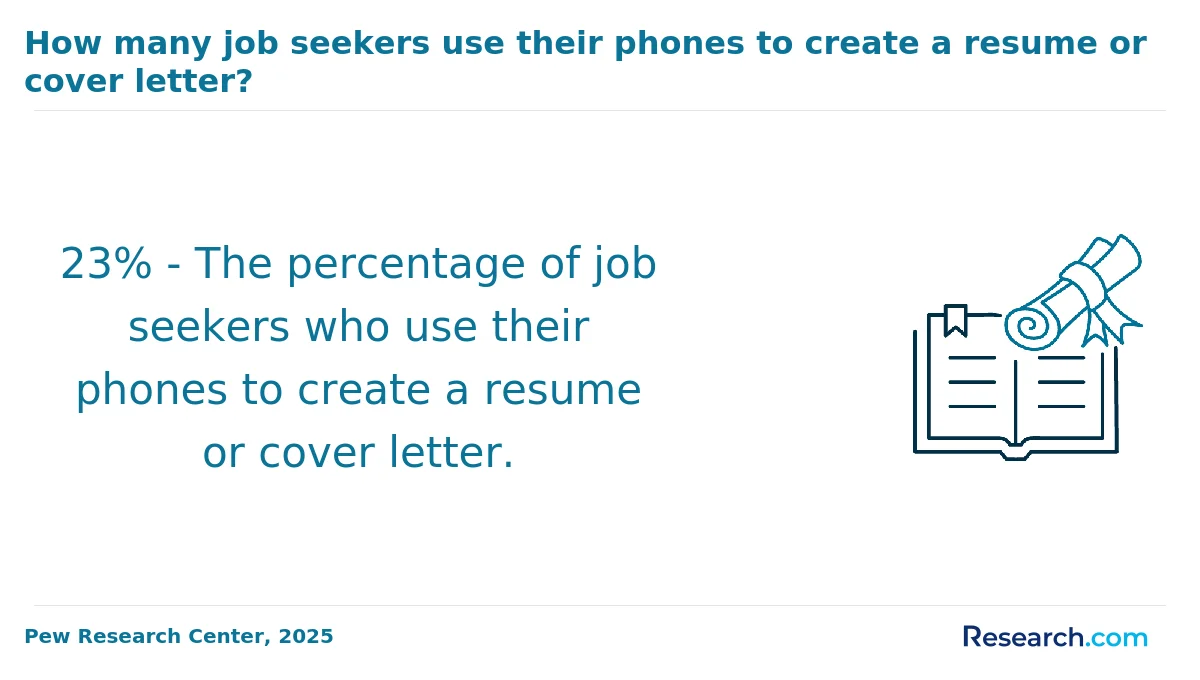
Associate degree students in Vermont can count on a wide range of financial aid options tailored to their needs. Completing the FAFSA is the essential first step, opening doors to federal Pell Grants, loans, and work-study programs. A graduate from Vermont State University recalled how the Pell Grant relieved much of the stress, covering a significant part of tuition without any repayment worries.
Beyond federal aid, many Vermont residents benefit from the Vermont Student Assistance Corporation's (VSAC) state grants and scholarships. The 802Opportunity Grant, for example, covers full tuition for eligible students from families earning less than $100,000, making it possible for many to pursue their degrees debt-free. Another former nursing student highlighted how VSAC's forgivable loans helped cover tuition entirely, provided they work in high-need areas after graduation.
Institutional aid at schools like Vermont State University often combines federal, state, and college funds, rewarding both need and academic achievement. Additionally, private scholarships and grants, including the Bernice Murray Scholarship for single parents, provide critical support that makes education affordable and accessible.
To enroll in an associate degree program in Vermont, the starting point is having a high school diploma or a recognized equivalent, such as a GED. This baseline requirement applies across all accredited Vermont institutions like the Community College of Vermont (CCV). Graduates often recall how submitting official high school transcripts was straightforward and fundamental to their applications.
Many find it encouraging that standardized test scores, such as the SAT or ACT, are usually optional or can be replaced with placement tests like the Accuplacer at community colleges. This flexibility feels especially welcoming for adult learners or those returning to education after some time.
For Vermont residents, programs like CCV's Free Degree Promise offer a tangible benefit: tuition-free associate degrees if you completed the Early College program and earned at least 20 college credits in your senior year. Requirements for this include submitting FAFSA and Vermont Grant applications.
- Proof of high school completion (diploma or GED)
- Official transcripts and possibly placement test scores
- Completion of FAFSA and Vermont Grant forms for financial aid
- For Early College participants, a minimum of 20 college credits earned before graduation
Transfer students share positive experiences reporting how providing prior college transcripts and meeting GPA requirements enabled smooth admissions at Vermont colleges. The system is designed to be accessible, reflecting Vermont's focus on expanding educational opportunities for all types of learners.
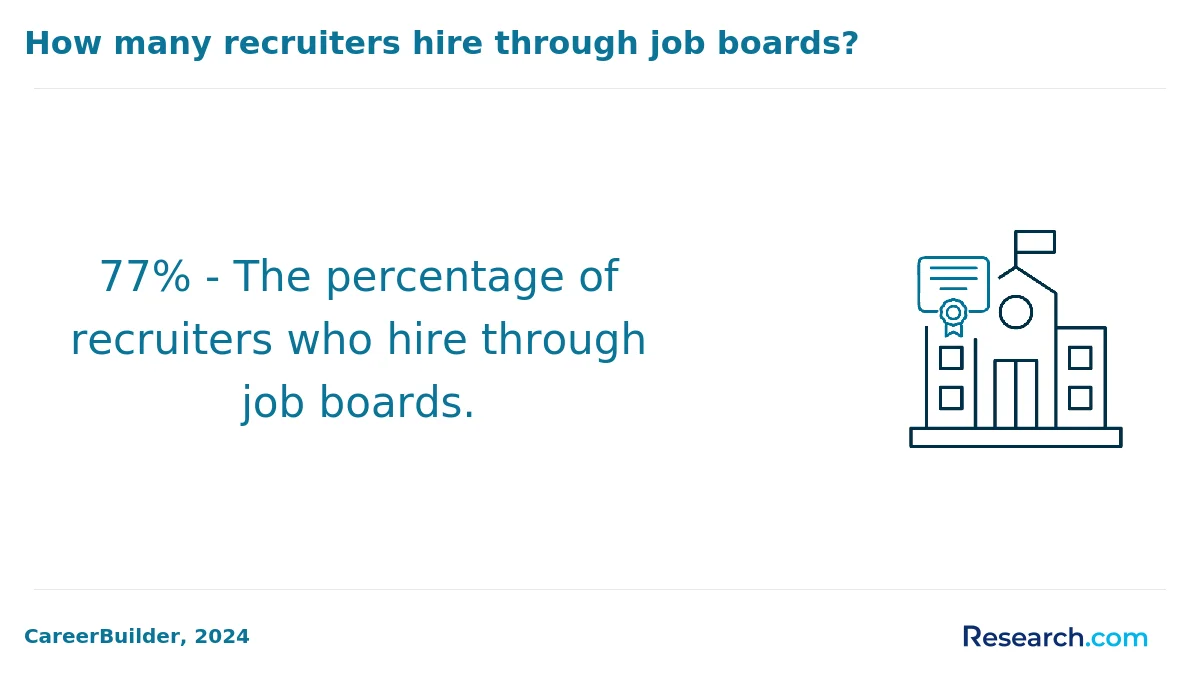
Associate degree course requirements Vermont students face typically blend a solid core of general education courses with specific program-related classes. At popular schools like the Community College of Vermont (CCV), graduates often mention how the general education courses sharpen essential skills such as critical thinking and communication through subjects like Mathematics, Natural Science, and Social Science. These foundational classes usually make up 33 to 39 credits in the curriculum.
Typical classes in Vermont associate programs also include a range of program concentration courses, which differ by field but span 21 to 30 credits. For instance, a student pursuing business might take accounting and management, while those in technology fields encounter specialized courses in architectural engineering or aviation maintenance at Vermont State University. This mix creates graduates who feel confident, prepared, and focused on their careers.
Elective courses, usually 0-9 credits, allow flexibility to explore interests or complement career paths. Many students appreciate the balance the programs offer, especially with options like online or hybrid classes. Vermont learners aiming for growth could consider exploring the best online college degrees for seniors to expand their education conveniently.
Choosing from the best associate degree programs in Vermont starts with looking at the program offerings that align with your career goals. Graduates from Vermont State University often praise the variety available-from nursing to business administration-which helped them find a focus that truly fits their aspirations. Flexibility is another key factor; many students at Vermont Technical College appreciate the hybrid and online options that let them juggle work, family, and studies smoothly.
When you compare Vermont associate degrees, affordability should be a priority. For example, Vermont Technical College graduates report manageable student debt averaging around $8,000 with strong early-career salaries near $65,000, demonstrating a solid return on investment. Scholarships and grants can further reduce costs, so researching financial aid is crucial. Some students have found additional insight by exploring resources on the cheapest phd online to understand affordability in higher education broadly.
Location and campus support impact your experience too. Many choose Vermont State University campuses for their accessible facilities and helpful career centers, which aid graduates in building networks and landing jobs. Paying attention to student outcomes like job placement can guide you toward a program that not only educates but actively supports your career launch.
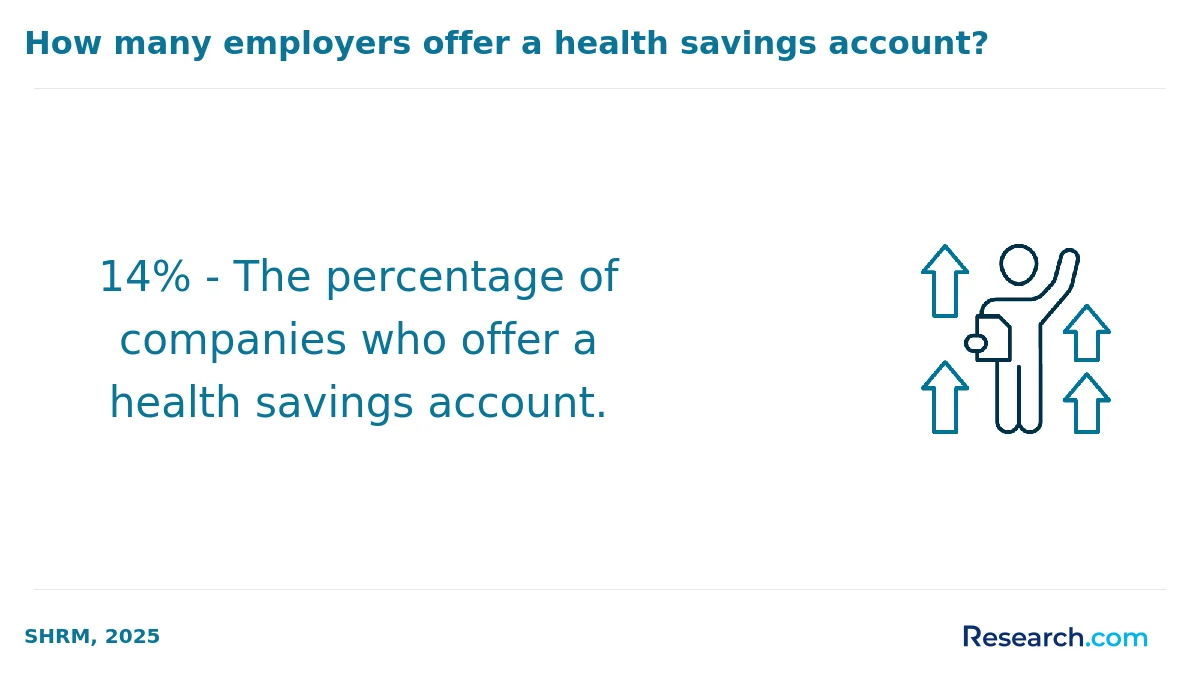
Associate degree graduates in Vermont can pursue diverse career opportunities tailored to local labor demands. Community colleges like the Community College of Vermont (CCV) design associate programs that lead directly to jobs in thriving sectors. Popular associate degree jobs in Vermont include healthcare roles such as medical assistants and clinical support staff, where graduates frequently find positions in hospitals and clinics. For example, a CCV graduate with a health science associate degree secured immediate employment at Northern Vermont Regional Hospital as a part-time medical assistant, demonstrating the practical impact of these programs.
Business and accounting degrees open doors to roles like bookkeepers, payroll clerks, and junior accountants, with Vermont expecting over 7,000 accounting jobs in the coming decade. Meanwhile, information technology graduates benefit from internships and hands-on experience, qualifying for positions in technical support and network administration.
- Healthcare: medical assistants, clinical staff, entry-level providers
- Business and Accounting: bookkeepers, payroll clerks, junior accountants
- Information Technology: IT support specialists, cybersecurity technicians
Vermont's "2+2" transfer pathways allow graduates to complete bachelor's degrees while working. This flexibility supports long-term career growth and income stability. For those seeking to explore further options, consider checking out the best non profit accredited colleges to plan a future that fits your goals.
Graduates holding associate degrees in Vermont find a job market marked by steady demand and solid wages across healthcare, business, and technology sectors. Many who studied at well-regarded local schools report landing roles as registered nurses, medical assistants, or emergency physician assistants, benefiting from Vermont's aging population and growing healthcare needs. These jobs typically offer median wages above $30 per hour, reflecting the competitive job outlook for associate degree graduates in Vermont.
Business graduates from Vermont programs often secure positions like accounting associates or business analysts in both public and private sectors, with salaries ranging from $30,920 to $61,000 annually. Technology-focused associate degree holders enjoy promising prospects too, landing roles such as software engineers or network analysts with starting salaries near $65,000.
Students navigating their career paths appreciate the tangible benefits of their degrees, often noting that strong technical skills gained in-state position them for success. Exploring the top accredited online trade schools can further enhance these opportunities for those balancing work and study.
Best Associate Degree Programs - Leading Certification Courses in Vermont for 2026
# 1 position
Landmark College - Computer Science.
associateLandmark College offers a Computer Science program with a hybrid format, including some distance-education options. The curriculum emphasizes computer theory, problem-solving, and system design from a scientific perspective. Students learn computational science principles, programming, and practical applications. The annual in-state tuition is $64,290. The program is accredited by the New England Commission on Higher Education.
# 2 position
Landmark College - Business Administration and Management, General.
associateLandmark College offers a Business Administration and Management, General program with a hybrid format that includes some distance education options. The program prepares students to manage and control organizational functions, covering topics like management theory, human resources, accounting, logistics, marketing, and business decision-making. Annual in-state tuition is $64,290. The program is accredited by the New England Commission on Higher Education.
# 3 position
Vermont State University - Veterinary/Animal Health Technology/Technician and Veterinary Assistant.
associateVermont State University offers a program in Veterinary/Animal Health Technology/Technician and Veterinary Assistant designed to prepare students for roles assisting veterinarians and animal health professionals. The curriculum covers animal nursing care, clinical procedures, radiology, anesthesiology, surgical assisting, and office administration. The program is accredited by the New England Commission on Higher Education. Annual in-state tuition is $11,400.
# 4 position
Vermont State University - Information Technology.
associateVermont State University offers a hybrid Information Technology program with some distance-education options. The curriculum covers the design of technological information systems, including computer hardware and software, algorithms, databases, telecommunications, application testing, and human interface design. Annual in-state tuition is $11,400. The program is accredited by the New England Commission on Higher Education.
# 5 position
Vermont State University - Automobile/Automotive Mechanics Technology/Technician.
associateVermont State University offers a hybrid program in Automobile/Automotive Mechanics Technology/Technician, providing technical skills to repair and maintain various automobile systems. The curriculum covers brake systems, electrical systems, engine performance and repair, suspension and steering, transmissions, and heating and air conditioning. The program’s annual in-state tuition is $11,400. Graduates have a median earning of $48,817 one year after completion. It is accredited by the New England Commission on Higher Education.
# 6 position
Vermont State University - Business Administration and Management, General.
associateVermont State University offers a hybrid program in Business Administration and Management, General, designed to prepare students to plan, organize, direct, and control business functions. The curriculum includes management theory, human resources, accounting, purchasing, logistics, marketing, and decision-making. The program's annual in-state tuition is $11,400. It is accredited by the New England Commission on Higher Education.
# 7 position
Vermont State University - Office Management and Supervision.
associateVermont State University offers a hybrid program in Office Management and Supervision designed to prepare individuals for supervisory and management roles in business offices. The curriculum includes employee supervision, labor relations, budgeting, scheduling, office systems, records management, and public relations. The program is accredited by the New England Commission on Higher Education. Annual in-state tuition is $11,400.
# 8 position
Community College of Vermont - Computer and Information Sciences, General.
associateThe Computer and Information Sciences, General program at Community College of Vermont offers a hybrid learning format, including some distance-education options. The program focuses broadly on computing, computer science, and information science and systems without specializing in any particular area. Annual in-state tuition is $3,560. It is accredited by the New England Commission on Higher Education.
# 9 position
Community College of Vermont - Computer Systems Networking and Telecommunications.
associateThe Computer Systems Networking and Telecommunications program at Community College of Vermont offers hybrid learning options. It trains students in designing, implementing, and managing computer networks, covering operating systems, networking theory, security, and troubleshooting. The program prepares students for roles as network specialists and managers. Annual in-state tuition is $3,560. This program is accredited by the New England Commission on Higher Education.
# 10 position
Community College of Vermont - Criminal Justice/Safety Studies.
associateThe Criminal Justice/Safety Studies program at Community College of Vermont focuses on the criminal justice system, its organizational components, and legal and public policy contexts. The curriculum includes instruction in criminal law, police and correctional systems organization, administration of justice, and public attitudes toward criminal justice issues. The program is accredited by the New England Commission on Higher Education. Annual in-state tuition is $3,560.
Frequently Asked Questions about associate degree programs
After earning an associate degree in Vermont, preparing for the job market requires a strategic approach. Many employers value hands-on experience alongside academic credentials. Students should seek internships or part-time roles in their field during or immediately after their studies to build practical skills and professional networks.
Vermont's Department of Labor reports that associate degree holders often find opportunities in healthcare, manufacturing, and information technology sectors, with an average wage increase of 15% compared to high school graduates. Utilizing campus career services and local job fairs can further enhance employment prospects.
Additionally, certificate programs and continuing education can help graduates remain competitive as the job market evolves.
Employers in Vermont highly value technical skills and practical knowledge in associate degree graduates. Fields like healthcare, information technology, and advanced manufacturing are prominent, with a strong demand for competencies in data analysis, electronic health records, and machine operation. According to the Vermont Department of Labor, nearly 65% of job openings for associate degree holders require proficiency in computer software relevant to their industry.
Soft skills are equally important. Communication, problem-solving, and teamwork rank among the top qualities employers seek. A statewide survey by the Vermont Chamber of Commerce highlighted that 78% of employers consider strong interpersonal abilities essential for workplace success.
Adaptability and time management also stand out, especially in fast-paced work environments. Graduates with these skills tend to have better employment outcomes across various sectors in Vermont.
Finding internships in Vermont that align with your associate degree program involves leveraging both college resources and local employer networks. Many Vermont community colleges, such as Vermont Technical College and Community College of Vermont, offer dedicated career services to help students connect with relevant internship opportunities.
Additionally, exploring state-specific job boards like the Vermont Department of Labor's internship listings can be valuable. According to recent data, Vermont hosts over 500 internship positions annually across sectors such as healthcare, technology, and environmental sciences.
Networking through local chambers of commerce and professional organizations in Vermont also enhances your chances. Starting early and maintaining communication with your college's internship office increases access to exclusive placements tailored to your field.
In Vermont, an associate degree plays a significant role in enhancing career mobility and advancement opportunities. Data from the Vermont Department of Labor shows that individuals with an associate degree earn on average 20% more than those with only a high school diploma. This credential often qualifies graduates for middle-skill jobs in growing sectors such as healthcare, technology, and manufacturing.
Moreover, many employers in Vermont recognize associate degrees as benchmarks for specialized skills needed in the workforce. This can lead to faster promotions and greater job stability compared to entry-level positions.
On a broader scale, earning an associate degree can serve as a stepping stone toward a bachelor's degree, providing a pathway for further career advancement.
In Vermont, part-time job opportunities that complement associate degree education often align with the student's field of study. For example, healthcare students may find positions as certified nursing assistants or medical assistants, roles that are in demand according to Vermont's Department of Labor.
Retail and customer service positions are common for business and communication majors, offering flexible hours and practical experience. Additionally, technical programs can benefit from part-time roles in IT support or computer repair, with employers seeking candidates who have foundational skills.
Data from the U.S. Bureau of Labor Statistics shows Vermont's part-time workforce steadily growing, especially in educational support and social services. Engaging in these roles enhances practical skills while allowing students to maintain their academic schedules.
To choose the best degree program near me or near Vermont, consider programs at local institutions that align with your career goals and interests, evaluating factors like faculty expertise, curriculum, and campus facilities. Research.com can be a valuable resource to compare program rankings and reviews for universities near Vermont. It's also helpful to visit campuses, talk to current students, and attend open houses to get a feel for the environment and opportunities each program offers.
- Best Associate Degree Programs - Leading Certification Courses in New Hampshire for 2026
- Best Associate Degree Programs - Leading Certification Courses in Delaware for 2026
- Best Associate Degree Programs - Leading Certification Courses in Maryland for 2026
- Best Associate Degree Programs - Leading Certification Courses in Tennessee for 2026
- Best Associate Degree Programs - Leading Certification Courses in Indiana for 2026
- Best Associate Degree Programs - Leading Certification Courses in Illinois for 2026
- Best Associate Degree Programs - Leading Certification Courses in Alabama for 2026
- Best Associate Degree Programs - Leading Certification Courses in Missouri for 2026
- Best Associate Degree Programs - Leading Certification Courses in Arkansas for 2026
- Best Associate Degree Programs - Leading Certification Courses in Iowa for 2026
- Online Associate Degree Programs | SNHU https://www.snhu.edu/online-degrees/associate
- Online Associate Degree Programs https://www.ashworthcollege.edu/associate-degrees/
- Is Getting an Associate Degree Worth It? And for What Fields? | NSHSS | National Society of High School Scholars https://www.nshss.org/resources/blog/blog-posts/is-getting-an-associate-degree-worth-it-and-for-what-fields/
- Careers at Vermont State - Vermont State University https://vermontstate.edu/about/careers/
- Top Career Skills for Two-Year College Grads in 2025 https://www.hanoverresearch.com/reports-and-briefs/higher-education/top-career-skills-for-two-year-college-grads-in-2025/
- Online vs Traditional Degrees: Similarities and Differences https://www.aiu.edu/blog/online-vs-traditional-degrees/
- 802Opportunity is a “lifesaver” for Vermont students of all ages | VSAC https://www.vsac.org/blog/802opportunity-lifesaver-vermont-students-all-ages
- State of Vermont Careers https://careers.vermont.gov/
- Scholarships - Community College of Vermont - Pay for College https://ccv.edu/financial/financial-aid/types-of-financial-aid/scholarships/
- Free Degree Promise https://mcclurevt.org/freedegree/


