Most Affordable Associate Degree Programs - Leading Certification Courses in Quincy for 2026

Co-Founder and Chief Data Scientist
Choosing the right associate degree program in Quincy can feel overwhelming, but this article is here to help. We present a carefully crafted associate degree programs ranking created by the Research.com team of data scientists to guide you in making an informed decision.
Whether you aim to boost your career or explore new skills, earning an associate degree can open doors to exciting opportunities. This article highlights affordable programs worth considering, helping you find quality education without breaking the bank.
Take the first step toward your future with confidence and clarity.
Key benefits of associate degrees in Quincy
- Associate degree graduates in Quincy can expect varying salaries, from entry-level associate roles at around $15.00 per hour to specialized positions like program associates earning up to $63,727 annually, offering strong financial potential.
- Popular career paths include medical assistant, paralegal, information technology support specialist, and administrative supervisor-roles that provide valuable skills and opportunities for growth within the local job market.
- Online associate degrees offer flexibility and convenience, allowing students to balance work and study effectively, as shown by many Quincy graduates who successfully advanced their careers without attending traditional campus classes.
- Most Affordable Associate Degree Programs - Leading Certification Courses in Quincy for 2026
- What can I expect from associate degree programs in Quincy?
- Where can I work after finishing associate degree programs in Quincy?
What can I expect from associate degree programs in Quincy?
The average annual cost of pursuing an associate degree in Quincy typically centers around $7,536 in tuition at well-known institutions like Quincy College. Graduates often mention that, beyond tuition, they had to budget roughly $2,000 for books and supplies each year, making the overall yearly expense affordable compared to many four-year universities in Massachusetts.
Many students appreciate that local community colleges maintain some of the most economical rates in the area, which eases financial strain while delivering quality education. Financial aid and grants are commonly available, helping a diverse student population-including working adults and those balancing family commitments-manage expenses more comfortably.
Students describe enjoying smaller class sizes that foster meaningful connections with instructors and peers, which makes learning more engaging and personalized. Flexible course options, such as part-time and online classes, empower students to tailor their schedules, providing the freedom needed to pursue career advancement while studying.
Where can I work after finishing associate degree programs in Quincy?
After completing an associate degree program in Quincy, graduates find vibrant career opportunities in healthcare, technology, business, and public service. Many graduates from popular Quincy schools quickly secure roles in nearby hospitals or clinics as registered nurses, medical assistants, or radiologic technologists, experiencing the satisfaction of meaningful patient care and steady job growth.
Others, especially those from cybersecurity and IT-focused programs, join local companies or government offices as IT support specialists or cybersecurity analysts, benefiting from Quincy's proximity to Boston's booming tech scene. These roles offer engaging problem-solving challenges and the chance to help protect vital information.
Business administration and accounting graduates step into positions such as office managers or junior accountants at Quincy-area firms, enjoying career stability and professional growth. Meanwhile, graduates of criminal justice or fire science programs find rewarding public service work with local law enforcement or emergency services, proudly contributing to community safety.
Graduates of associate degree programs in Quincy can expect varied earnings that reflect their chosen fields and skills. For general associate roles, the average starting wage is around $15.00 per hour, roughly $31,200 annually. While this is modest compared to the national average, many Quincy graduates from local popular schools find this a solid stepping stone.
Specialized roles offer much higher potential. For example, program associates in Quincy earn an average salary exceeding $63,000 per year, with some reaching over $76,000. Human resources associates typically make about $68,783 annually, while associate operations professionals in the area report salaries near $81,679. Graduates from well-regarded Quincy institutions often share excitement about securing these rewarding positions soon after finishing their studies.
Statewide comparisons show Massachusetts associate degree holders generally earn around $45,134 per year, often ranging $20-$23 hourly in Quincy and surrounding cities. These figures highlight the advantage of focused training and technical skills when pursuing associate degrees in the region.
- Maria: Earning my Associate Degree in Nursing from Quincy Technical College opened doors I never thought possible. The hands-on training was outstanding, preparing me for a rewarding career at Quincy Medical Center. The supportive environment and real-world experience made every challenge worthwhile.
- James: Pursuing an Associate Degree in Automotive Technology at Quincy Trade Institute was a game-changer. The practical skills I gained allowed me to land a job at a local repair shop quickly. The focused curriculum and expert instructors truly gave me confidence in my craft.
- Elena: Completing my Associate Degree in Business Administration in Quincy was both exciting and empowering. The balance of theory and applied learning prepared me for a management role at a Quincy-based company. Studying at a trade school proved to be an efficient pathway to career success.
- Most local colleges in Quincy have an open admissions policy, allowing anyone with a high school diploma or GED to apply without standardized test scores or minimum GPA requirements.
- Quincy College offers 35 associate degree programs in areas like business, computer science, criminal justice, early childhood education, and nursing.
- Programs typically require about 60-62 credits, which can be completed in two years of full-time study.
- Annual in-state tuition and fees at Quincy College and nearby public community colleges range from $6,000 to $8,000, totaling approximately $12,000 to $16,000 for an associate degree.
- Starting salaries for graduates entering fields such as business administration and healthcare range from $38,000 to $50,000, with experienced workers earning over $60,000.
Completing an associate degree program in Quincy typically requires about two years of full-time study, equating to 60 credits across four academic semesters. This timeline is common at popular institutions like Quincy College, where full-time students usually take around 15 credits per semester to stay on track. Many graduates recall managing a balanced schedule, feeling accomplished as they progressed steadily through their coursework.
Part-time students, often juggling work or family commitments, may find themselves completing the program in a longer timeframe, sometimes extending beyond two years. However, flexible options such as evening, weekend, or online classes offered by local schools help these students maintain momentum and stay motivated despite their busy lives.
Many Quincy students benefit from transferring previous college credits, which shortens their path to graduation and reduces stress. With federal financial aid covering up to 150% of the program length, students have up to three years to complete their degree, which adds a helpful cushion for those managing personal or professional challenges.
Online and on-campus associate degree programs in Quincy differ primarily in delivery and flexibility. Graduates of online programs at Quincy College appreciate the freedom to study from home or work, managing coursework around busy schedules. These programs use Canvas and meet rigorous Quality Matters standards, ensuring clear, accessible content that fits into diverse lifestyles.
On-campus students often value face-to-face interaction, benefiting from real-time discussions and immediate feedback during classes held physically in Quincy. They enjoy the vibrant campus atmosphere and easier access to facilities, fostering a strong sense of community and support beyond the classroom.
Both formats offer support services, with online learners receiving advising and tutoring digitally while on-campus students benefit from spontaneous, in-person guidance. Additionally, Quincy's online program offers varied course lengths-7, 10, or 15 weeks-allowing students to progress at their own pace, a flexibility less common in the traditional semester-based on-campus schedule.
The average cost of associate degree in Quincy is notably affordable, especially when compared to other Massachusetts institutions. At Quincy College, which serves as the principal associate degree provider in the area, in-state and out-of-state tuition both stand at $4,846 per year. This accessible tuition rate reflects a recent 23% reduction, making it a smart choice for budget-conscious students pursuing a degree locally. Graduates often express relief and satisfaction knowing that Quincy associate degree tuition and fees are manageable, allowing them to focus more on their studies than financial stress.
The true cost of obtaining an associate degree in Quincy extends beyond tuition. Many graduates recall balancing necessary expenses like fees, supplies, and off-campus living costs, which bring the yearly investment closer to $15,758 for those receiving financial aid. This amount encompasses a realistic picture of college life without campus housing, demonstrating how students successfully navigate the financial demands while advancing their careers. Those seeking the right balance of cost and quality often consider how Quincy fits with other institutions offering associate degrees.
Students also recognize the advantage of Quincy College's two-year total tuition, which is approximately $7,536. This cumulative figure enables aspiring professionals to strategize their finances clearly from the outset. For those interested in alternative options, exploring colleges with fast track programs offers additional pathways to reduce the time and expense required to earn similar credentials.
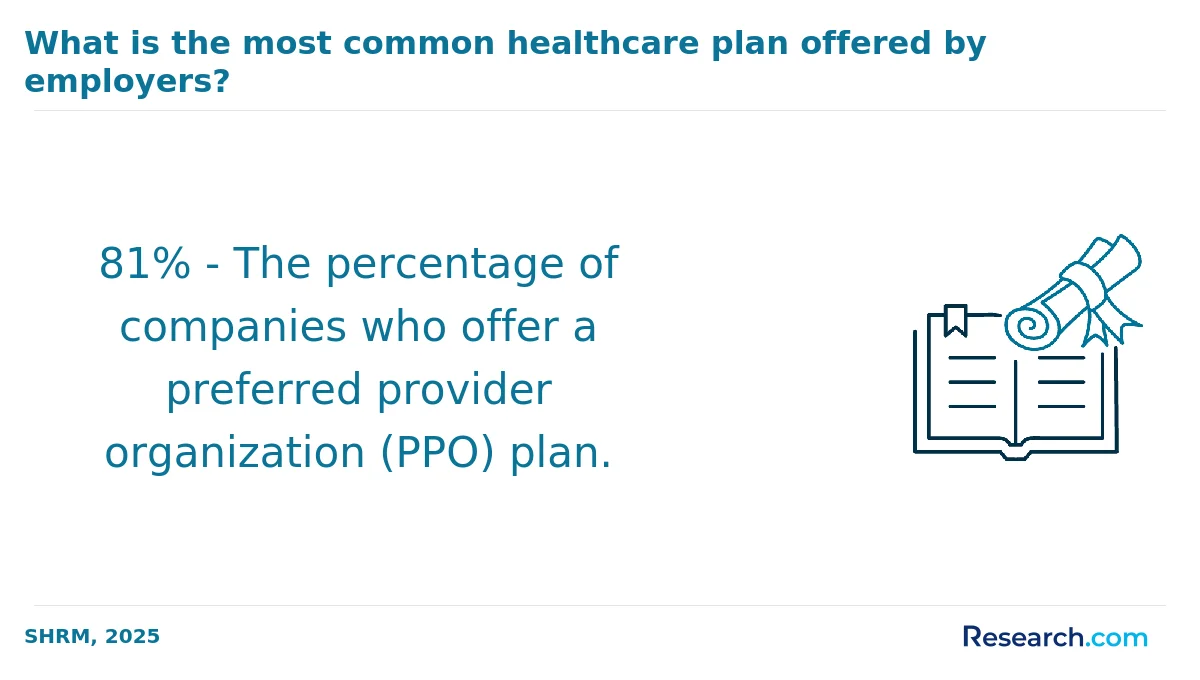
Associate degree students in Quincy benefit from multiple financial aid options that make college more affordable. At Quincy College and Quincy University, graduates often recall how a combination of federal Pell Grants, Massachusetts state grants, and institutional scholarships lifted the burden of tuition costs. Completing the Free Application for Federal Student Aid (FAFSA) early-preferably before the May 1st deadline-was a shared recommendation by many, unlocking access to need-based aid.
A standout opportunity for residents aged 25 and older is the Massachusetts "Free College" initiative. This program covers tuition, fees, and even expenses like books for eligible associate degree students at Quincy College. Graduates express relief at how this initiative allowed them to focus on studies instead of finances, provided they maintained a 2.0 GPA and enrolled in at least 6 credits per semester.
Additional support includes scholarships that don't require repayment, manageable student loans for post-graduation repayment, and work-study jobs offering campus employment. Quincy's Financial Aid Offices are praised for their hands-on guidance, helping students navigate paperwork and stay on track academically to maintain aid eligibility.
To enroll in an associate degree program in Quincy, the fundamental prerequisite is proof of high school graduation or an equivalent qualification, such as a GED. Graduates from Quincy's community colleges often emphasize how this baseline ensures everyone starts with essential academic skills, forming a strong foundation for college coursework.
For specific programs, especially in health sciences or nursing, graduates recall the necessity of completing particular college-level courses with minimum grades-commonly a C (73% or higher). These courses usually include English Composition, College Algebra or Statistics, and science classes like General Biology and Anatomy & Physiology with labs. For example, Quincy College requires these courses to be recent, generally within the last five years, to maintain current knowledge.
Students also report the challenge and reward of passing standardized entrance exams like the HESI A2, mandatory for nursing tracks, and attending program-specific information sessions that clarify expectations early on.
- High school diploma or GED
- Completion of designated college-level prerequisite courses with adequate grades
- Passing standardized exams (e.g., HESI A2 for nursing)
- Attendance at mandatory program orientation or info sessions
- Official transcripts from prior colleges if transferring credits
Many find these structured prerequisites motivating, as they build both confidence and readiness to succeed in Quincy's associate programs and future careers.
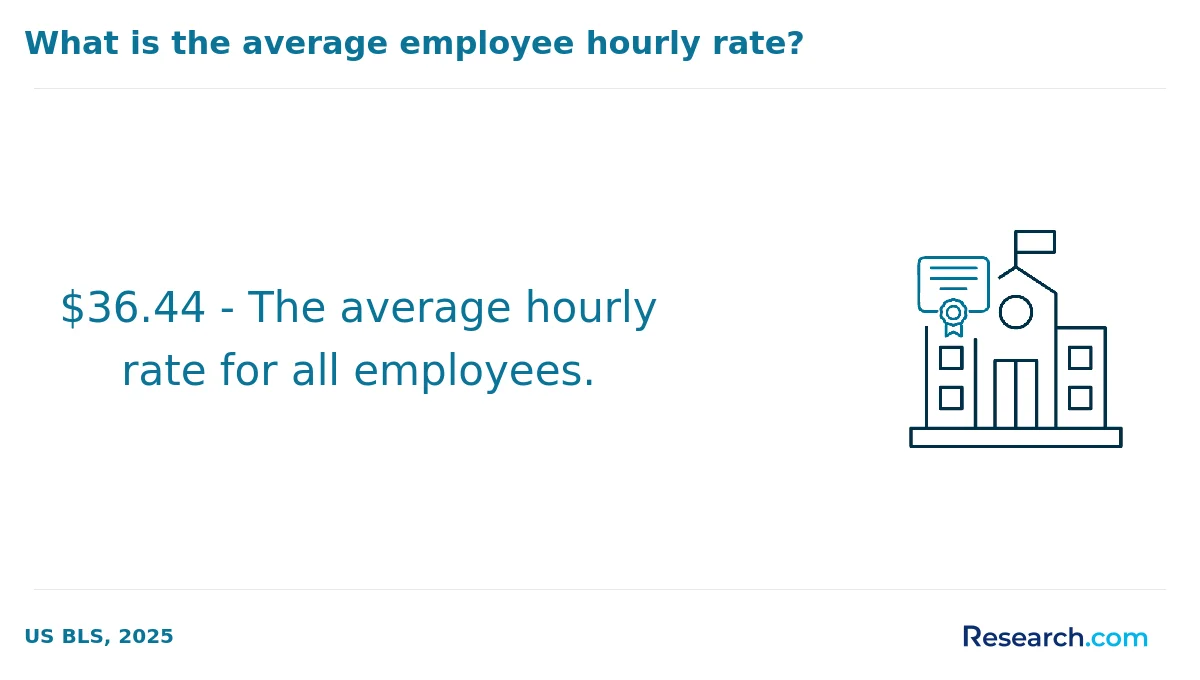
Associate degree programs in Quincy offer a well-rounded mix of general education and specialized courses tailored to various career paths. The typical associate degree course list in Quincy includes foundational subjects like English composition, mathematics, and social sciences, which build essential communication and critical thinking skills. Graduates frequently share how these courses helped them confidently engage in professional environments. For example, students pursuing a business administration associate degree often take classes in principles of management, accounting, marketing, and business law, gaining a strong grasp of organizational operations and essential business principles.
Many students appreciate the Quincy MA associate degree curriculum's diversity across fields such as:
- Sciences: biology, biotechnology, chemistry, health sciences
- Healthcare: nursing, radiologic technology, medical laboratory technician
- Computer science: programming, networking, cybersecurity
- Criminal justice: law enforcement, criminology, corrections
- Arts and liberal arts: psychology, history, music, theater
Hands-on learning is a highlight at popular Quincy associate degree schools, especially in programs like physical therapist assistant and surgical technology, where classroom knowledge is closely integrated with clinical experience.
Many prospective students in Quincy also explore options like college courses for older adults online to complement their studies, reflecting how Quincy's curriculum adapts to various learners' lifestyles and goals.
Choosing the best associate degree programs in Quincy starts with verifying accreditation, such as Quincy College's recognition by NECHE, which ensures quality and smooth credit transfers. Graduates often praise the practical teaching style offered by instructors who balance academic knowledge with real-world healthcare or business experience, enhancing student confidence and readiness.
Considering how to compare Quincy associate degree costs is crucial. Quincy College's low tuition combined with Massachusetts state initiatives makes higher education more accessible, especially for those balancing work and family. Many students appreciate flexible scheduling options including evening, weekend, and online classes that accommodate busy lives without sacrificing quality.
Program variety matters too. Quincy institutions provide degrees in business, nursing, early childhood education, and more, allowing students to find a path that genuinely excites them. Support services like tutoring and career counseling available locally also help students thrive both during and after their studies.
For those seeking further education, exploring an affordable online master program can be a strategic next step without relocating or interrupting your career.
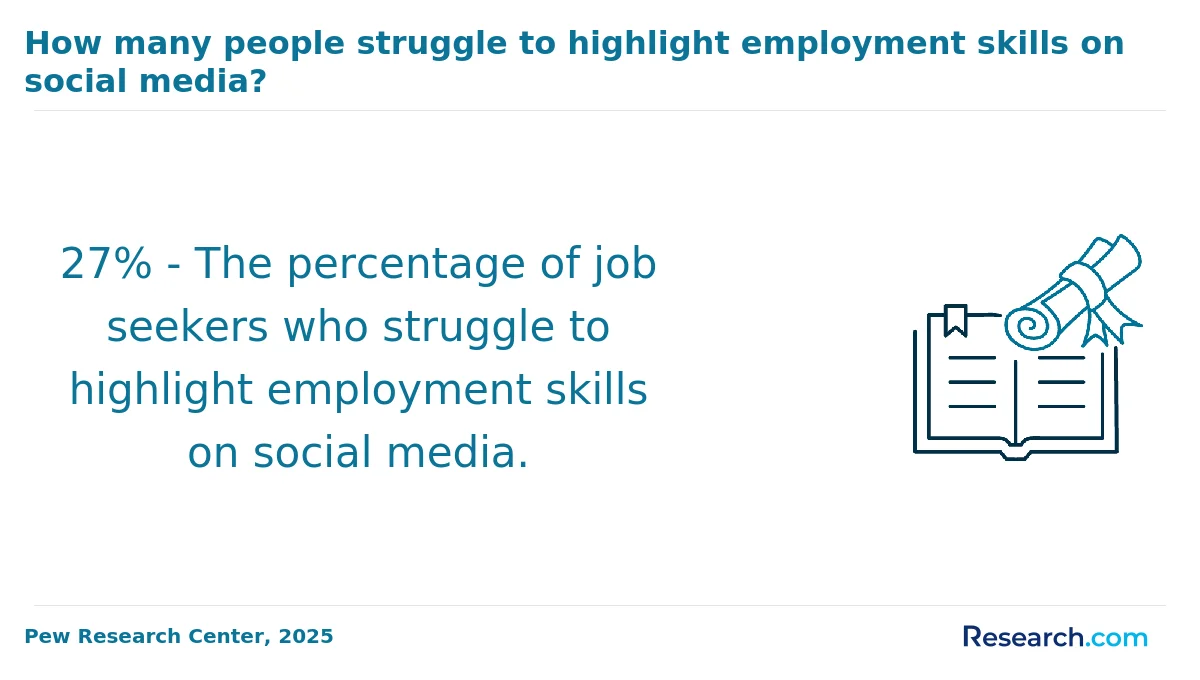
Associate degree graduates in Quincy enjoy diverse career opportunities across thriving sectors. Healthcare remains a leading field, with graduates quickly finding roles in nursing, medical laboratory technology, radiologic technology, and healthcare administration at local hospitals and clinics. Many graduates from popular Quincy associate degree schools share how hands-on training prepared them to confidently enter these high-demand healthcare positions.
STEM careers also attract strong interest, especially in cybersecurity, programming, and networking. Employers in Quincy frequently seek candidates with associate degrees for roles like cybersecurity specialists and IT support, reflecting the growing demand for technical skills. Graduates often describe how their programs combined theory with practical projects, giving them a competitive edge.
Additional career paths include business, finance, administration, and customer service. Quincy-based positions such as administrative associates and entry-level financial analysts provide accessible entry points with clear advancement potential. Typical roles for Quincy graduates in community outreach, HR, market research, and sales further highlight the broad scope of opportunities available locally.
For students exploring practical training options, Quincy's programs also support careers in biotechnology, exercise science, personal training, and surgical technology, aligning with the city's expanding technical workforce.
Thanks to such variety, the accredited colleges online that waive application fees offer a practical gateway into these rewarding career paths, making Quincy an ideal place to earn an associate degree and launch your future.
The job market for associate degree graduates in Quincy is robust, especially within healthcare, finance, and administrative sectors. Many graduates from popular local schools such as John Wood Community College find rewarding roles that not only pay competitive wages but also offer room for advancement. For instance, graduates entering healthcare jobs like dental hygienists enjoy hourly rates between $35.40 and $41.10, reflecting strong demand and valuable skills. Other common roles include medical office specialists and insurance associates, with salaries ranging from $18.70 to $39,000 annually.
Employment opportunities also extend into financial institutions and educational settings. Employers like First Bankers Trust Company hire credit analysts and customer service representatives offering $16 to $30 per hour, perfect for associate degree holders seeking stable careers. At Quincy University, administrative and library assistant positions provide practical experience with hourly wages from $15 to $17.
These examples highlight how the Quincy associate degree job opportunities combine attractive wages with positive work environments. Graduates often report satisfaction from entering the job market quickly while building valuable professional experience. Many positions also include benefits such as health insurance and tuition reimbursement, contributing to job stability and career growth.
Students pursuing further education can explore affordable online bachelor degree programs that complement their associate degrees, enhancing their long-term employment outlook for associate degree graduates in Quincy.
Most Affordable Associate Degree Programs - Leading Certification Courses in Quincy for 2026
# 1 position
John Wood Community College - Criminal Justice/Police Science.
associateJohn Wood Community College offers a Criminal Justice/Police Science program with a hybrid format that includes some distance education. The program trains students in police and public security duties such as patrol, investigations, crowd control, evidence management, and crime prevention. Annual in-state tuition is $5,700. The program is accredited by the Higher Learning Commission.
# 2 position
John Wood Community College - Electrician.
associateJohn Wood Community College offers a hybrid Electrician program that prepares students to install, operate, maintain, and repair electrical systems in residential, commercial, and industrial settings. The curriculum includes electronics, wiring, power transmission, safety, job estimation, and applicable codes. Annual in-state tuition is $5,700. The program is accredited by the Higher Learning Commission and features some distance-education options for flexibility.
# 3 position
John Wood Community College - Industrial Mechanics and Maintenance Technology/Technician.
associateJohn Wood Community College offers a hybrid Industrial Mechanics and Maintenance Technology/Technician program that prepares students to repair and maintain industrial machinery and equipment, including cranes, pumps, engines, and conveyor systems. The program is accredited by the Higher Learning Commission. Annual in-state tuition is $5,700, providing a cost-effective option for those seeking technical skills in industrial maintenance with some distance-education flexibility.
# 4 position
John Wood Community College - Welding Technology/Welder.
associateJohn Wood Community College offers a Welding Technology/Welder program with a hybrid format that includes some distance education. The program prepares students to apply technical skills in various welding methods such as arc welding, resistance welding, brazing, and soldering. It covers materials, metallurgy, safety, and industry standards. Annual in-state tuition is $5,700. The program is accredited by the Higher Learning Commission.
# 5 position
John Wood Community College - Business Administration and Management, General.
associateJohn Wood Community College offers a Business Administration and Management, General program designed to prepare students to plan, organize, direct, and control business functions. The hybrid program includes instruction in management theory, human resources, accounting, purchasing, logistics, marketing, and decision-making. The annual in-state tuition is $5,700. The program is accredited by the Higher Learning Commission and features some distance-education options.
# 6 position
John Wood Community College - Accounting.
associateJohn Wood Community College offers a hybrid Accounting program designed to prepare students for professional practice and related business functions. The curriculum covers accounting principles, financial and managerial accounting, auditing, tax accounting, and ethical standards. The program includes instruction on budget control, business information systems, and accounting research methods. Annual in-state tuition is $5,700. The program is accredited by the Higher Learning Commission.
Frequently Asked Questions about associate degree programs
Preparing for the job market after earning an associate degree in Quincy involves targeted steps to enhance your employment chances. First, gaining relevant work experience through internships or part-time jobs related to your field can significantly improve your resume. According to data from the National Center for Education Statistics, approximately 60% of associate degree holders find employment within a year after graduation.
Networking locally in Quincy by attending job fairs and industry events helps connect you with potential employers. Additionally, utilizing career services offered by Quincy colleges can provide guidance on resume writing and interview skills. Obtaining certifications relevant to your associate degree can further increase employability.
Employers in Quincy increasingly value associate degree graduates who demonstrate strong technical skills relevant to their industries. According to the National Skills Coalition, technical proficiency in software applications, equipment operation, and basic data analysis ranks highly for local healthcare, manufacturing, and IT jobs.
Beyond technical abilities, employers seek graduates with effective communication and teamwork skills. The Quincy Chamber of Commerce reports that about 70% of local employers prefer candidates who can collaborate and solve problems in diverse workplace settings.
Additionally, critical thinking and adaptability are crucial. The Workforce Innovation and Opportunity Act highlights these skills as essential for retention and advancement in Quincy's evolving job market.
Finding internships in Quincy that match your associate degree program involves several strategic steps. Start by consulting the career services office at your college, as many local schools maintain partnerships with businesses offering relevant internships. Quincy's economic sectors, including healthcare, manufacturing, and education, often provide opportunities suited for associate degree students. According to the Illinois Department of Employment Security, internships in the Quincy region have grown by approximately 5% annually, reflecting a positive trend.
Exploring online platforms such as Handshake, Indeed, and local job boards can also be valuable. Networking through local chambers of commerce or professional organizations helps connect students with employers actively seeking interns. Additionally, many internships may be found by directly contacting companies within Quincy's key industries to inquire about openings.
In Quincy, earning an associate degree significantly enhances career mobility and advancement opportunities. According to the U.S. Census Bureau, residents with associate degrees in the region earn on average 20% more than those with only a high school diploma. Many local employers prioritize candidates holding these degrees due to their specialized skills and practical training.
Additionally, Quincy's growing industries, like healthcare and technology, often require credentials that associate degrees provide. The Massachusetts Department of Higher Education highlights that about 60% of jobs in Quincy demand postsecondary education beyond high school. Thus, an associate degree can open doors to higher-paying roles and create pathways to bachelor's programs, further boosting career prospects.
Students pursuing associate degrees in Quincy often consider part-time jobs that align with their field of study. Healthcare-related roles, such as medical assistants or pharmacy technicians, are common for those in health sciences programs. According to the Massachusetts Executive Office of Labor and Workforce Development, Quincy's healthcare sector is projected to grow by 7% through 2030, increasing opportunities.
Retail and customer service positions, especially in Quincy's expanding commercial areas, can also complement business or communications associate degrees. Jobs in administrative support or data entry fit well with office technology programs.
Additionally, Quincy's proximity to Boston offers remote freelance work or internships in IT and design fields, benefiting tech students. Local libraries and community centers regularly post part-time openings, providing practical experience alongside academic goals.
Yes, there are affordable degree programs available near Quincy, IL, at local colleges and universities that offer a variety of academic disciplines and flexible learning options. Institutions near Quincy, IL, such as community colleges and state universities, often provide competitive tuition rates and scholarship opportunities to help students manage costs. It's beneficial to utilize resources like Research.com to compare programs and find one that suits your needs near me.
- Most Affordable Trade School & Training Programs - Leading Certification Courses in Overland Park for 2026
- Most Affordable Trade School & Training Programs - Leading Certification Courses in Olathe for 2026
- Most Affordable Trade School & Training Programs - Leading Certification Courses in Topeka for 2026
- Most Affordable Trade School & Training Programs - Leading Certification Courses in Tulsa for 2026
- Most Affordable Trade School & Training Programs - Leading Certification Courses in Dearborn for 2026
- Quincy College and Quincy Public... - Quincy Public Schools | Facebook https://www.facebook.com/quincypublicschools/posts/quincy-college-and-quincy-public-schools-launched-the-accelerated-associates-deg/1098621308725350/
- Online Degree vs. Traditional | University of Arkansas Grantham https://www.uagrantham.edu/blog/pros-cons-online-degree-vs-traditional-university/
- Employment | Quincy, WA https://quincywashington.us/178/Employment
- Undergraduate Admissions - Quincy University - Modern Campus Catalog™ https://catalog.quincy.edu/content.php
- QPS and Quincy College Accelerated Associate Degree Pathway Signing (January 9, 2025) https://www.youtube.com/watch
- Scale the Challenges of Higher Education | Quincy College https://quincycollege.edu/scale-the-challenges-of-higher-education/
- Find Remote Internships For College Students https://www.accreditedschoolsonline.org/resources/college-internships-and-employment/
- Tuition and Costs | Quincy University Located in Quincy Illinois https://www.quincy.edu/admissions/tuition-and-costs/
- Is Getting an Associate Degree Worth It? And for What Fields? | NSHSS | National Society of High School Scholars https://www.nshss.org/resources/blog/blog-posts/is-getting-an-associate-degree-worth-it-and-for-what-fields/
- Quincy College | Educatly https://www.educatly.com/university/60474/quincy-college