Most Affordable Associate Degree Programs - Leading Certification Courses in Manchester for 2026

Co-Founder and Chief Data Scientist
Choosing the right associate degree program can shape your future, especially in a vibrant city like Manchester. This article introduces a carefully crafted ranking of the most affordable associate degree programs for 2026, developed by the Research.com team of data scientists.
Designed to help you make informed decisions, the ranking highlights trade school programs that offer great value and strong outcomes.
Whether you’re starting fresh or advancing your career, pursuing an associate degree is a smart step toward new opportunities and personal growth.
Explore your options with confidence and optimism.
Key benefits of associate degrees in Manchester
• Associate degree graduates in Manchester can earn strong salaries, with radiologic technologists making around $82,860, respiratory therapists about $83,560, and surgical assistants approximately $79,720 annually. These competitive wages show great financial benefits.
• Popular career paths include healthcare fields like medical assisting and respiratory therapy, as well as technical trades and business administration. These areas offer diverse opportunities for stable and rewarding jobs.
• Completing an online associate degree allows flexibility for working students or those with busy schedules. Many graduates from local schools praise the convenience and ability to balance education with personal life, making this a smart option.
- Most Affordable Associate Degree Programs - Leading Certification Courses in Manchester for 2026
- What can I expect from associate degree programs in Manchester?
- Where can I work after finishing associate degree programs in Manchester?
What can I expect from associate degree programs in Manchester?
The average cost of an associate degree program in Manchester typically ranges based on the institution but tends to be affordable compared to four-year degrees. Graduates from Manchester Community College often mention that tuition and fees for completing the required 60 credits can range from several thousand to around $10,000 total, especially when factoring in financial aid and scholarships available through the college. Many students balance work and study thanks to flexible on-campus and online courses, which helps manage expenses without sacrificing progress.
Students highlight the value of completing at least 15 credits on-site, as Manchester Community College requires, to benefit from direct access to faculty and campus resources. Southern New Hampshire University graduates appreciate the ease of transferring credits from their associate degree toward a bachelor's, minimizing additional costs.
Financial aid via FAFSA often covers a significant portion of tuition, and merit scholarships at these schools help reduce out-of-pocket costs further. For many in Manchester, this makes pursuing an associate degree a practical, cost-effective step toward career advancement or higher education.
Where can I work after finishing associate degree programs in Manchester?
Graduates from associate degree programs in Manchester often find rewarding careers thanks to strong local demand. Many start in healthcare roles such as clinical nurses or dental hygienists, directly applying hands-on skills gained at well-known Manchester community colleges. These jobs provide a real sense of fulfillment by helping patients every day.
Others pursue business administration positions like customer service representatives or document administrators, thriving in both local government offices and private companies. The clear organizational and communication skills emphasized in Manchester programs prepare these graduates to confidently handle workplace challenges.
Technology careers are also common, with graduates stepping into roles as computer support specialists or network technicians at area schools and hospitals. Knowing they can solve technical issues that keep businesses running smoothly brings excitement and pride.
Finally, skilled trades offer practical, well-paying paths. Graduates have reported quickly finding jobs with companies like EVERSOURCE, where associate operators earn competitive salaries. The hands-on training in Manchester's technical schools gives them a head start in these roles.
Graduates from associate degree programs in Manchester typically enjoy a meaningful boost in earnings compared to just a high school diploma. For example, many who completed programs at popular local schools report starting salaries around $49,500 per year. This paycheck reflects an average increase of about 18%, giving graduates a tangible advantage in the job market right after finishing their studies.
Some graduates in healthcare and technical fields share stories of landing high-paying roles quickly. Radiologic technologists and respiratory therapists often earn upwards of $82,000 annually, a level that creates real financial stability. Surgical assistants and maintenance machinery workers also report salaries near the $80,000 mark, making Manchester a promising city for these skills.
Hourly wages typically range between $14 to $28, translating to steady, reliable income from the outset. Graduates appreciate the lower cost and shorter time commitment of associate degree programs while stepping into rewarding careers that outpace many with only a high school diploma.
- Claire: Earning my Associate Degree in Nursing from a Manchester trade school was life-changing. The hands-on learning prepared me for real-world challenges, and now I'm thriving as a registered nurse locally. The supportive environment boosted my confidence and skills, making job hunting smooth and rewarding.
- Omar: Studying Automotive Technology at a Manchester institution gave me practical expertise that employers value. The small class sizes and expert instructors made every lesson engaging. After graduating, I landed a mechanic role at a top local garage, feeling proud and equipped for success.
- Priya: The Associate Degree in Graphic Design I earned in Manchester opened creative doors I didn't imagine. The blend of technical skill development and personal mentorship in my trade school helped me build a strong portfolio. Now, I'm employed by a vibrant Manchester marketing agency and loving the creative freedom.
- Manchester Community College offers associate degrees in popular fields like General Studies, Accounting Technology, and General Business, with 121 General Studies degrees awarded in 2022.
- Admission requires a high school diploma or equivalent, with programs available full-time or part-time and options for on-campus, hybrid, or online study.
- The median tuition was $4,176 per year in 2022, which is about half the national average for associate colleges.
- Graduate borrowers had a 0% default rate in 2021, indicating good debt management among students.
- Early career salaries for graduates range from $32,000 to $45,000, with potential to exceed $50,000 with experience or further education.
- Manchester Community College and its programs are accredited by recognized organizations, supporting high academic standards and job opportunities.
Completing an associate degree program in Manchester typically takes about two years of full-time study. Most students at popular institutions in the city finish 60 credit hours-usually 20 courses-over four semesters. Graduates often recall balancing a steady course load of 15 credits per semester, which keeps them on track to graduate on time and feel confident about their progress.
For those juggling work or family, part-time options extend the timeline to three years or more, allowing students to manage their busy lives without sacrificing education. Many Manchester schools offer flexible online or hybrid classes, giving students the freedom to learn at their own pace. Graduates often appreciate this approach, as it lets them tailor studying around their personal schedules.
Transfers matter too-students with prior credits or relevant experience can sometimes reduce completion time significantly by applying up to 45 transfer credits or earning credit through internships and CLEP exams. This practical flexibility makes achieving a degree feel entirely attainable in Manchester's supportive learning environment.
Online associate degree programs in Manchester offer flexibility that suits busy lives. Graduates from popular schools often share how asynchronous courses allowed them to study after work or care for family, completing assignments on their own time. This is ideal for those juggling jobs or personal commitments.
In contrast, on-campus programs require attending scheduled classes at Manchester institutions, creating a steady routine. Many graduates appreciate this structure, finding motivation in face-to-face interaction with professors and peers, plus access to campus facilities like libraries and labs.
Both options connect students with valuable resources, but online learners rely on virtual tools such as video calls and discussion boards. Graduates highlight the convenience of learning from home while still receiving strong support.
Cost differences matter too. Online programs in Manchester tend to be more affordable by reducing commuting and housing expenses, making them a practical choice for many students. Ultimately, the best fit depends on your lifestyle and learning preferences.
The average cost of associate degree programs in Manchester varies depending on residency status. For New Hampshire residents attending Manchester Community College, tuition and mandatory fees average around $7,090 per year. Out-of-state students face higher costs, typically about $15,340 annually. Graduates often share how these affordable in-state rates make it possible to invest in their education without overwhelming debt, which is an encouraging factor for many local students.
When considering Manchester associate degree tuition and fees, it's essential to remember that living expenses significantly impact the total cost. Off-campus living costs are estimated at $19,376 per year, so combining tuition and living expenses, a resident student might expect total yearly spending near $28,216. This real-life budgeting insight helps students plan effectively for both school and daily life, leading to a smoother college experience.
Other nearby community colleges, such as NHTI-Concord's Community College and Great Bay Community College, offer similar pricing with in-state tuition close to $7,200 and out-of-state near $15,450. Graduates from these schools often appreciate the consistency across institutions, making transfer or comparison decisions easier. For those exploring options, finding accelerated programs college can be a great way to reduce overall time and cost.
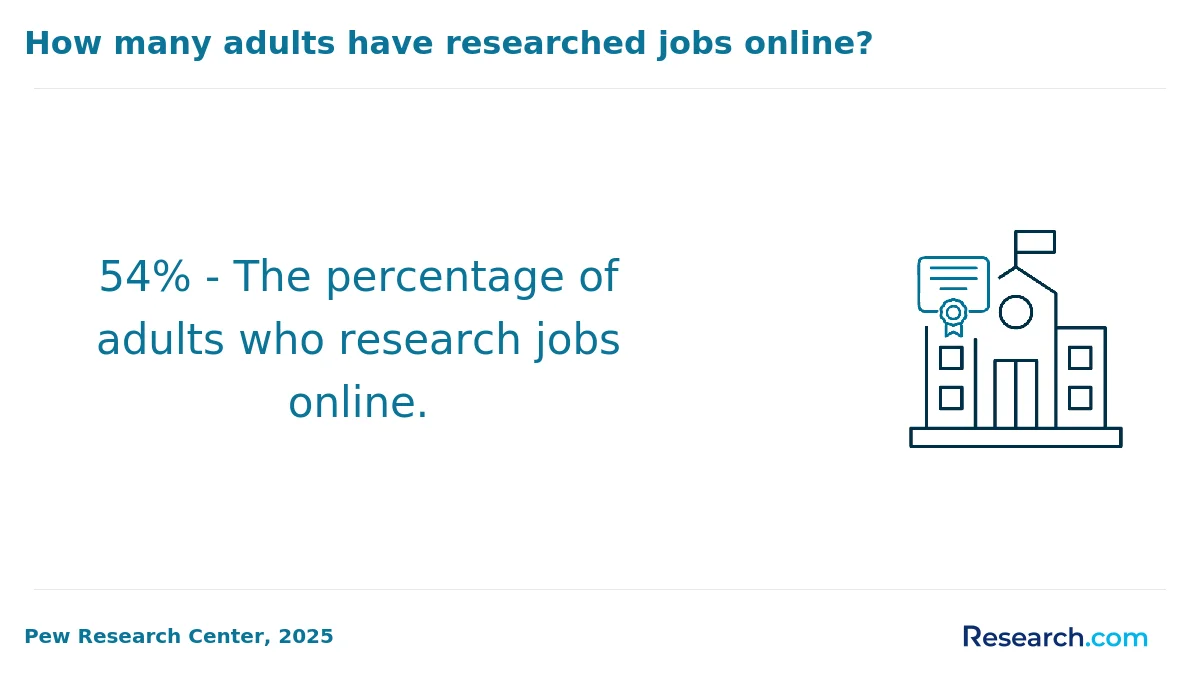
Students pursuing associate degrees in Manchester benefit from a range of financial aid options that make education more affordable and less stressful. Many graduates from Manchester Community College share how federal aid like Pell Grants, which can cover up to $7,395 annually, significantly eased their financial burden without the need for repayment.
State-funded scholarships, such as those offered through the New Hampshire Incentive Program, provide extra support for local residents, helping students stay focused on their studies rather than worrying about tuition. At institutions like Manchester University, students often mention how merit- and need-based scholarships slashed their costs, paying only around 37% of the advertised tuition after aid.
Work-study programs also give students a practical way to earn money on campus, balancing education and living expenses without adding debt. Many students appreciate how flexible campus jobs fit their class schedules and create a sense of community.
By applying early through FAFSA and consulting financial aid offices, students in Manchester find these resources accessible and empowering throughout their academic journey.
To enroll in an associate degree program in Manchester, you must first hold a high school diploma or an equivalent qualification like a GED. Graduates from popular local associate degree schools often emphasize the ease of submitting official transcripts and standardized test scores-such as the SAT, ACT, or AP-which community colleges typically require mainly for placement purposes.
Selective programs like nursing or dental assisting have additional prerequisites, including:
- Completion of specific college-level courses with at least a C grade, such as English Composition, Statistics, and foundational sciences like Anatomy & Physiology.
- A minimum GPA, often 2.5 or above, with some programs like nursing requiring around 2.7.
- Attendance at program-specific info sessions, which students find helpful for clarifying application details.
- A qualifying TEAS exam score for nursing applicants.
Many Manchester students share how these steps, while demanding, prepared them well and boosted their confidence entering the program.
For non-selective fields, requirements are simpler; most programs accept completed applications with proof of high school completion. Some may require placement tests to help determine the right English or math classes to take initially.
The application process itself is straightforward but requires timely submission of official documents, which graduates note is key to avoiding delays.
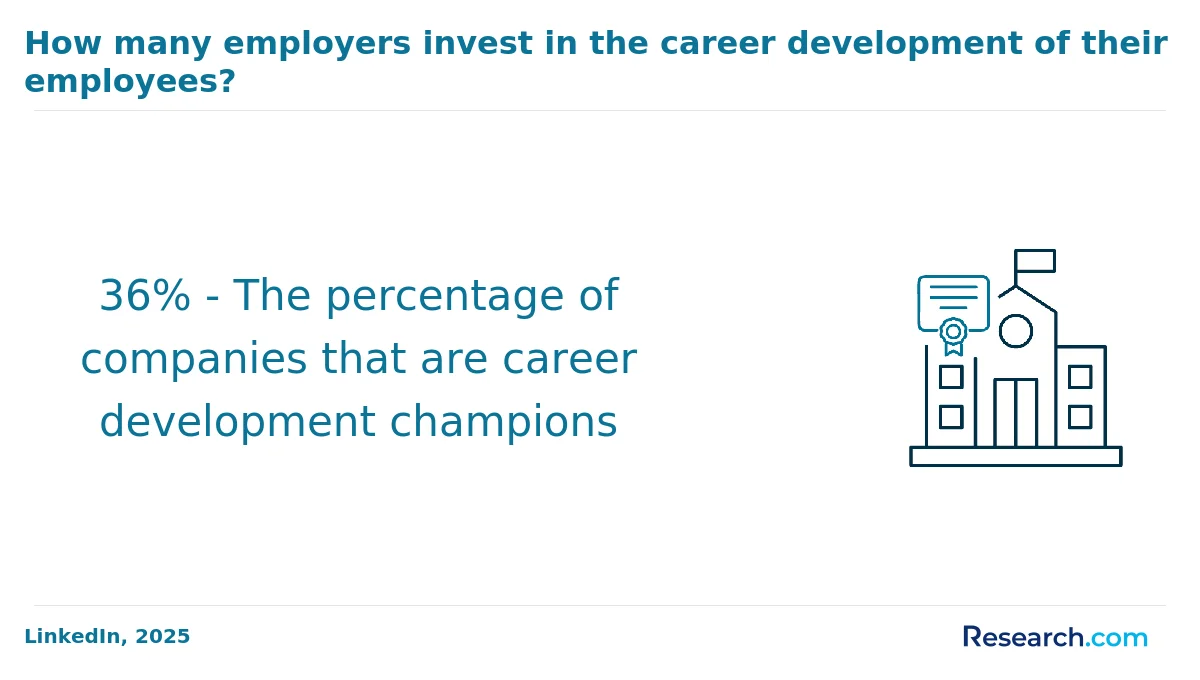
Associate degree courses in Manchester offer a balanced mix of general education and specialized subjects tailored to diverse career paths. Graduates from Manchester community colleges often highlight how the curriculum enhances their critical thinking and practical skills. Core courses typically include English composition, mathematics, humanities, and social sciences, which provide a strong academic foundation.
Students pursuing a Manchester associate degree program curriculum in fields like Liberal Arts engage with classes such as history, psychology, and natural sciences. Electives allow personalization, for instance, selecting pre-law or foreign language options. More technical programs include accounting courses covering financial and managerial accounting, business communication, and spreadsheet applications. Similarly, healthcare degrees combine classroom learning with clinical practice to prepare for certified roles.
The hands-on experience gained through science and technology courses like Engineering Technology or Computer Networking is a highlight for many students. Those eager to study at local colleges appreciate how these courses open doors to immediate employment or smooth transfer to four-year programs. To explore options suited to mature learners, consider the best online programs for seniors.
Start by checking accreditation to ensure your degree is respected by employers and other colleges in Manchester. Regionally accredited schools like Manchester Community College and Southern New Hampshire University (SNHU) come highly recommended by graduates who praise their curriculum and support services. To find the best affordable associate degree Manchester, compare program offerings and costs closely, as tuition rates and financial aid availability differ. Many students find that SNHU's online options and Manchester Community College's affordable tuition around $14,500 create a perfect balance between quality and price.
Flexibility is vital for balancing study with work or family, so consider programs offering online or hybrid learning formats. Graduates often highlight the value of academic advising and career counseling available in Manchester schools, which helps keep motivation high. If you plan to transfer to a bachelor's degree, choose programs designed for seamless credit transfer.
Lastly, research fields linked to most money making majors when you compare Manchester associate degree costs to maximize your return on investment.
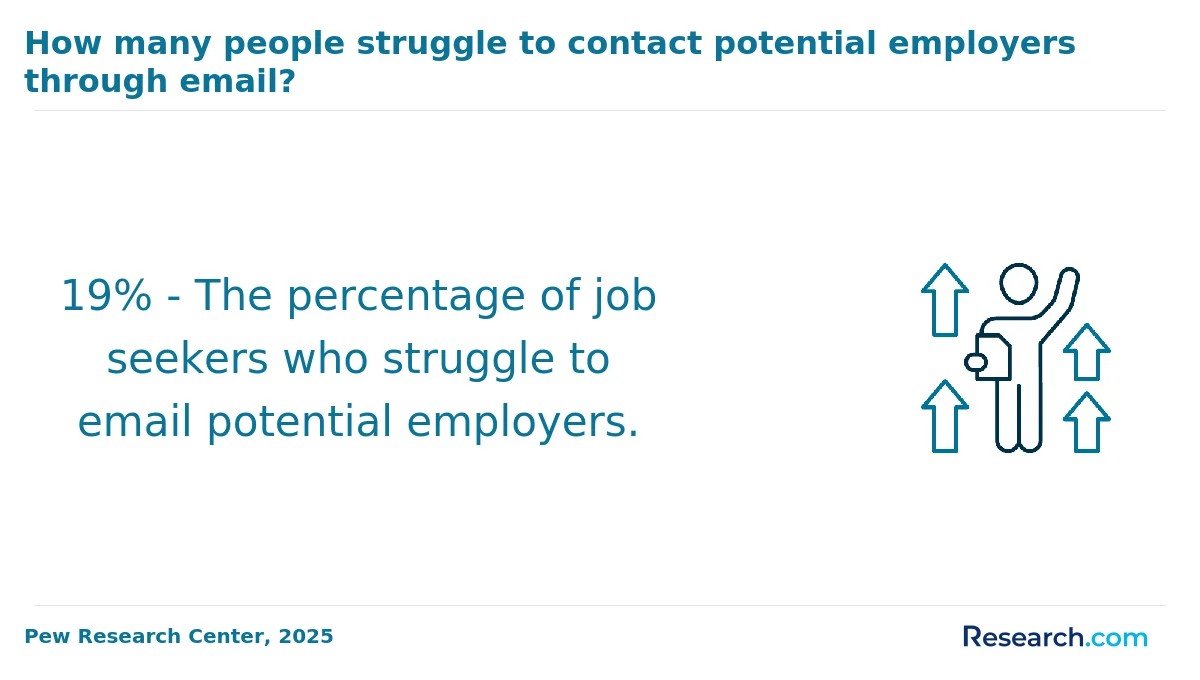
Career opportunities for associate degree graduates in Manchester span diverse and growing fields, providing practical pathways into the workforce. Graduates from Manchester University often secure roles in Information Technology, such as computer support specialists or network technicians, where certifications like CompTIA boost employability. Many find satisfaction in solving real-world problems daily, from troubleshooting network issues to supporting businesses' digital needs.
In the bustling Manchester associate degree job market and salary potential, business graduates move quickly into management, sales, and marketing positions. For example, graduates from local schools report steady income growth and use their associate degrees as a springboard for further study or entrepreneurship.
Healthcare careers are equally promising, with options like radiologic technologist and dental hygienist offering job stability and rewarding compensation. Many graduates appreciate the hands-on nature of these roles that directly impact community health. Manchester's programs in biology and health sciences prepare students well for these fields.
To explore your options further and find the best fit for your goals, consider checking out the best and most affordable online colleges for flexible learning paths.
The job market for associate degree graduates in Manchester is vibrant, offering strong opportunities across healthcare, technology, administration, and skilled trades. Graduates from popular local associate degree schools share stories of finding roles quickly in sectors such as nursing, dental hygiene, and medical technology, reflecting Manchester NH employment trends for associate graduates. Many have secured positions as clinical nurses or medical lab technicians, benefiting from salaries above the national median.
Healthcare roles, such as dental hygienists and diagnostic sonographers, stand out with competitive earnings and robust growth forecasts. Additionally, technology fields like IT support and systems administration provide steady career paths with decent starting salaries. Skilled trades, including HVAC and automotive service, are also highly accessible to associate degree holders in Manchester.
Students aiming to increase earning potential often explore certifications alongside their degrees. For guidance on choosing pathways that fit your goals, consider researching the best accredited trade schools online, which complement associate degree programs with specialized training.
Local graduates highlight administrative roles as well, noting a welcoming job market for office managers and document specialists. This practical outlook emphasizes how focusing on in-demand jobs enhances potential for career growth and stability in Manchester.
Most Affordable Associate Degree Programs - Leading Certification Courses in Manchester for 2026
# 1 position
University of New Hampshire College of Professional Studies Online - Business Administration and Management, General.
associateThe University of New Hampshire College of Professional Studies Online offers a Business Administration and Management, General program. It prepares individuals to plan, organize, direct, and control business functions and processes. The curriculum includes management theory, human resources, accounting, purchasing, logistics, marketing, and business decision-making. The annual in-state tuition is $7,812. The program is accredited by the New England Commission on Higher Education.
# 2 position
Southern New Hampshire University - Computer and Information Sciences, General.
associateSouthern New Hampshire University offers a Computer and Information Sciences, General program with an annual in-state tuition of $16,450. Graduates earn a median salary of $50,111 one year after completing the program. This general course covers computing, computer science, and information science and systems without focusing on specific titles or content areas. The program is accredited by the New England Commission on Higher Education.
# 3 position
Southern New Hampshire University - Business Administration and Management, General.
associateSouthern New Hampshire University offers a Business Administration and Management, General program designed to prepare students to plan, organize, direct, and control organizational functions. The curriculum covers management theory, human resources, accounting, purchasing, logistics, marketing, and business decision-making. The program's annual in-state tuition is $16,450. Graduates earn a median salary of $46,051 one year after completion. It is accredited by the New England Commission on Higher Education.
# 4 position
Southern New Hampshire University - Computer Science.
associateSouthern New Hampshire University offers a Computer Science program that emphasizes computer theory, problem-solving, and system design from a scientific standpoint. The curriculum covers computational science principles, programming, and practical applications for various end-use scenarios. The annual in-state tuition is $16,450. The program is accredited by the New England Commission on Higher Education.
# 5 position
Southern New Hampshire University - Computer and Information Systems Security/Auditing/Information Assurance.
associateSouthern New Hampshire University offers a program in Computer and Information Systems Security/Auditing/Information Assurance that prepares students to evaluate security needs and manage security systems and procedures. The curriculum covers computer architecture, programming, networking, cryptography, security auditing, law, risk assessment, contingency planning, and investigation techniques. The program’s annual in-state tuition is $16,450 and is accredited by the New England Commission on Higher Education.
# 6 position
Southern New Hampshire University - Marketing/Marketing Management, General.
associateSouthern New Hampshire University offers a Marketing/Marketing Management, General program designed to prepare individuals to manage consumer audiences and product distribution. The curriculum covers buyer behavior, marketing research principles, demand analysis, pricing theory, strategic planning, advertising methods, sales management, and consumer relations. The annual in-state tuition is $16,450. Graduates earn a median salary of $45,084 one year after completing the program. The program is accredited by the New England Commission on Higher Education.
# 7 position
Southern New Hampshire University - Accounting.
associateSouthern New Hampshire University's Accounting program prepares students to practice accounting and perform related business functions. The curriculum covers accounting principles, financial and managerial accounting, cost accounting, tax accounting, auditing, and business information systems. The program costs $16,450 annually for in-state tuition. Graduates have median earnings of $37,986 one year after completion. The program is accredited by the New England Commission on Higher Education.
# 8 position
Manchester Community College - Computer Science.
associateManchester Community College offers a Computer Science program delivered in a hybrid format, combining in-person and distance-education options. The curriculum emphasizes computer theory, problem-solving, and system design from a scientific perspective. Instruction covers computational science principles, programming, and practical applications. The program’s annual in-state tuition is $7,090. It is accredited by the New England Commission on Higher Education.
# 9 position
Manchester Community College - Electrician.
associateManchester Community College offers a hybrid Electrician program that prepares students to install, operate, maintain, and repair electric apparatus and systems. The curriculum covers residential, commercial, and industrial wiring, DC and AC motors, controls, electrical distribution panels, and applicable codes and standards. Instruction includes principles of electronics, power transmission, safety, and job estimation. The program's annual in-state tuition is $7,090 and is accredited by the New England Commission on Higher Education.
# 10 position
Manchester Community College - Heating, Air Conditioning, Ventilation and Refrigeration Maintenance Technology/Technician.
associateManchester Community College offers a hybrid program in Heating, Air Conditioning, Ventilation and Refrigeration Maintenance Technology/Technician. The curriculum trains students to repair, install, service, and maintain heating, air conditioning, and refrigeration systems. Instruction covers diagnostic techniques, testing equipment, and mechanical, electrical, and electronic principles related to these systems. The annual in-state tuition is $7,090. The program is accredited by the New England Commission on Higher Education.
Frequently Asked Questions about associate degree programs
After completing an associate degree in Manchester, preparing for the job market involves several key steps. Graduates should first update their resumes to highlight relevant skills and practical experience gained during their studies. Networking is essential; attending local job fairs and connecting with industry professionals in Manchester increases job prospects. Additionally, Manchester community colleges often offer career services, including interview workshops and job placement assistance, which can be valuable.
According to the U.S. Bureau of Labor Statistics, associate degree holders have a 14% higher employment rate than those with only a high school diploma. Exploring internships or part-time jobs during or after the degree can provide practical experience and improve employability. Staying informed about regional economic trends in Manchester also helps graduates target growing industries.
Employers in Manchester highly value practical skills in associate degree graduates, especially those related to technical proficiency and communication. According to recent data from the National Association of Colleges and Employers (NACE), 85% of employers in the region prioritize problem-solving abilities and teamwork. Additionally, proficiency in digital tools and software relevant to the chosen field is critical, with 78% of employers citing this as a must-have skill.
Soft skills like adaptability and strong interpersonal communication also rank highly, as 72% of job postings emphasize these abilities for associate degree holders. Employers seek candidates who can quickly learn new processes and collaborate effectively, which reflects broader national trends in workforce readiness.
Overall, graduates demonstrating a balanced mix of technical expertise and soft skills tend to have better employment outcomes in Manchester's competitive job market.
Finding internships in Manchester relevant to your associate degree program involves several strategic steps. Begin by exploring local community colleges and universities, as many have career centers partnering with businesses to offer internship opportunities tailored to associate degree students.
The Manchester Chamber of Commerce reports that industries like healthcare, information technology, and business services offer the most internships annually, reflecting the city's job market trends. Utilizing platforms such as Handshake or local job boards can help identify openings compatible with your field.
Networking is also essential-attend job fairs, join student organizations, and connect with alumni through LinkedIn to uncover hidden internship possibilities. According to the National Association of Colleges and Employers, 60% of internships in mid-sized cities like Manchester are secured through networking efforts.
An associate degree can significantly influence career mobility and advancement for students in Manchester by providing practical skills and certifications that meet local employer demands. According to the U.S. Bureau of Labor Statistics, individuals with an associate degree earn about 19% more on average compared to those with only a high school diploma.
Local workforce reports show that sectors such as healthcare, manufacturing, and information technology in Manchester increasingly prefer candidates holding associate degrees. This credential often serves as a gateway for promotion or lateral moves within organizations, improving job security and career growth opportunities.
Community colleges in Manchester also offer transfer pathways, enabling students to pursue bachelor's degrees, which further enhances long-term career prospects. Research from the National Student Clearinghouse indicates that nearly 40% of associate degree holders continue their education within five years, contributing to upward mobility nationally.
Part-time job opportunities in Manchester that complement associate degree education often align with fields such as healthcare, information technology, and business administration. For example, students pursuing healthcare-related degrees can find roles as medical assistants or pharmacy technicians, both of which provide practical experience. According to the U.S. Bureau of Labor Statistics, these roles are growing at rates of 15% and 4%, respectively.
IT students may consider part-time positions in desktop support or data entry, gaining valuable technical skills. Business students can explore administrative assistant jobs, which develop organizational and communication abilities.
Most positions offer flexible hours, allowing students to balance coursework and work commitments effectively.
To choose the most affordable degree program near me in Manchester, NH, start by researching local universities and colleges to compare tuition fees, available scholarships, and financial aid options. Consider programs that offer a balance between cost and quality education and also check for community colleges nearby, as they often offer lower-cost degrees. Utilizing resources like Research.com can be helpful in finding reviews and comparing program costs and benefits.
- Make an Application - Royal Northern College of Music https://www.rncm.ac.uk/study-here/make-an-application/
- Online Associate Degree Programs | SNHU https://www.snhu.edu/online-degrees/associate
- Understanding Financial Aid: Grants, Loans, and Scholarships https://mccnh.edu/affordability/financial-aid/
- Manchester Metropolitan University Careers https://manmetjobs.mmu.ac.uk/jobs/vacancy/find/results/
- Online Associate’s Degree Programs (AS and AAS) - Purdue Global https://www.purdueglobal.edu/degree-programs/associates-degrees/
- Experiential Learning at Manchester University https://www.manchester.edu/academics/undergraduate-studies/experiential-learning/
- Top Career Skills for Two-Year College Grads in 2025 https://www.hanoverresearch.com/reports-and-briefs/higher-education/top-career-skills-for-two-year-college-grads-in-2025/
- Research - Highest Paying College Majors https://research.com/degrees/highest-paying-college-majors
- Advancement Potential of Different Degrees and Majors - Resource Center Article https://nextmile.instride.com/resource/upward-mobility-degree-major
- Degree apprenticeships https://www.mmu.ac.uk/study/apprenticeships