Most Affordable Associate Degree Programs - Leading Certification Courses in Lynchburg for 2026

Co-Founder and Chief Data Scientist
Choosing the right associate degree program in Lynchburg can shape your future career and open new opportunities. This article presents a carefully crafted associate degree programs ranking developed by the Research.com team of data scientists. Their goal is to help you make an informed decision about which trade school programs are the most affordable and worthwhile.
By exploring this guide, you'll discover options that fit your budget and career goals. Earning an associate degree can lead to meaningful work, personal growth, and financial stability-making it a smart step forward.
Key benefits of associate degrees in Lynchburg
- Associate degree graduates in Lynchburg can expect competitive salaries in various fields, such as $105,207 per year for Access Associates in healthcare, $65,872 for Associate Planners, and between $45,680 and $77,849 for Marketing Operations Associates.
- Popular career paths for associate degree holders in Lynchburg include healthcare administration, municipal planning, marketing, and administrative services-fields with strong local demand and growth opportunities.
- Online associate degrees offer flexibility and convenience, allowing students to balance work or family while earning their credential, making education more accessible without sacrificing quality.
- Most Affordable Associate Degree Programs - Leading Certification Courses in Lynchburg for 2026
- What can I expect from associate degree programs in Lynchburg?
- Where can I work after finishing associate degree programs in Lynchburg?
What can I expect from associate degree programs in Lynchburg?
Students pursuing an associate degree in Lynchburg can expect tuition costs that vary widely depending on the institution, with community colleges offering more affordable options compared to private universities. Many graduates from Central Virginia Community College often share how manageable tuition fees made it easier for them to focus on their studies and personal growth without overwhelming financial stress.
For those attending Liberty University or Virginia University of Lynchburg, the investment tends to be higher but comes with added benefits such as vibrant campus life, extensive support services, and access to advanced facilities. These experiences often empower students to thrive both academically and socially, enhancing their overall college journey.
Flexibility is another key feature-students working full time appreciate online programs at Liberty University and Franklin University, allowing them to balance education with life's demands without the extra expense of commuting or housing. Transfer credits, sometimes up to 44, help many reduce costs and complete their degrees faster, highlighting the practical value of Lynchburg's educational landscape.
Where can I work after finishing associate degree programs in Lynchburg?
Graduates from associate degree programs in Lynchburg step into a thriving job market where opportunity meets preparation. Those completing healthcare-related programs, like the Associate Degree in Nursing from local colleges, often find fulfilling roles as registered nurses in nearby hospitals and senior care centers, making a real difference in patients' lives every day.
For hands-on learners, technical trades provide rewarding career paths. Programs affiliated with Virginia Technical Institute equip students with skills to become HVAC technicians, electricians, or welders, leading to steady jobs with competitive wages. Graduates share stories of pride, starting well-paying careers that allow them to build their futures on their own terms.
Associate degree holders also excel in administrative and support roles across Lynchburg's various businesses. Whether as administrative assistants, IT support analysts, or customer service representatives, graduates from local schools quickly find positions that offer growth and stability. The relationships built on campus translate into strong local networks, giving graduates an edge in job searches.
Many also pursue roles in education or specialized healthcare fields, supported by Lynchburg's community colleges. Here, students learn skills essential for jobs like teaching assistants or occupational therapy assistants, contributing meaningfully to their communities within months of graduation.
After finishing an associate degree program in Lynchburg, many graduates feel empowered by the promising career opportunities waiting for them. Early in their careers, it's common to see salaries ranging from about $36,529 to $40,999 per year, making it possible to support yourself while building valuable experience.
Graduates from popular Lynchburg schools often share inspiring stories of landing roles like Access Associate in healthcare or administrative fields, earning as much as $105,207 annually. Others find rewarding paths as Associate Planners, making around $65,872 per year while contributing to community development. Even positions like Marketing Operations Associate offer a competitive range, between $45,680 and $77,849, reflecting the varied possibilities available.
Some graduates start with hourly wages near $13.30, which is a strong foundation to build upon, especially when advancing to Senior Associate roles with salaries around $76,031. These examples show how an associate degree from Lynchburg can launch your career and open doors to growth and financial stability.
- Alex: Earning my Associate Degree in HVAC Technology at a Lynchburg trade school was a game changer. The hands-on training prepared me for real-world challenges, and I quickly secured a job at a local climate control company. The supportive instructors and practical skills made all the difference.
- Maya: Completing my Associate Degree in Nursing in Lynchburg was rewarding beyond words. The program's balance of classroom knowledge and clinical hours built my confidence. Now, working at a Lynchburg hospital, I feel proud knowing my education directly impacts patient care every day.
- Jamal: Studying Business Administration at a Lynchburg community college gave me the tools to launch my career. The tight-knit community and focused curriculum made learning enjoyable. Securing a management position locally, I truly value how this degree opened doors and boosted my self-belief.
- Most associate degree programs in Lynchburg require a high school diploma or GED, with GPA minimums ranging from 2.0 to 3.5 depending on the program.
- Programs generally last two years and require about 60-62 credits, including general education and some specialized course prerequisites for certain tracks like nursing.
- Tuition and fees for in-state students at Central Virginia Community College typically range from $8,000 to $10,000 for the entire two-year program.
- Associate degrees from Central Virginia Community College are transferrable to all Virginia public colleges and many private schools, aiding students who want to continue their education.
- Starting salaries for graduates in fields like healthcare and business administration range from $34,000 to $48,000 per year, with median salaries reaching $55,000 to $65,000 annually over time.
Completing an associate degree program in Lynchburg usually takes about two years of full-time study, a milestone many local students proudly reach. Graduates from Central Virginia Community College and the University of Lynchburg often share how enrolling in around 15 to 16 credits each semester helped them stay on track and finish their programs confidently within this timeframe.
For those balancing work or family life, part-time enrollment may extend the journey, but it's a flexible path that keeps the dream alive. Many find that summer courses and accelerated options offered by Lynchburg schools transform the timeline, allowing motivated students to cross the finish line sooner than expected.
Transfer credits serve as a powerful boost, reducing the semesters needed by recognizing prior learning. Students feel empowered knowing their hard work at other institutions counts toward their goals. Even when remedial courses add time, the supportive environment at Lynchburg's colleges ensures every learner stays motivated and moves forward with confidence.
You'll discover that the heart of the difference between online and on-campus associate degree programs in Lynchburg lies in how and where you learn. Imagine a busy parent at Liberty University, balancing work and family, who appreciates the freedom to study from home on their own schedule. Their online associate degree of 60 credit hours lets them progress steadily without sacrificing precious time. Meanwhile, graduates from Virginia University of Lynchburg often cherish the vibrant campus atmosphere, where face-to-face interactions and hands-on experiences create lasting connections with faculty and classmates.
Online programs bring incredible flexibility, empowering you to shape your education around your life. On the other hand, on-campus programs offer a dynamic and structured environment that fuels motivation through personal engagement. Both paths in Lynchburg follow rigorous accredited standards and provide transferable credits, making your degree a solid foundation no matter your journey. Whether you thrive studying in pajamas or enjoy the buzz of classroom collaboration, Lynchburg's associate degrees open doors tailored to your unique rhythm.
For students exploring the average associate degree cost in Lynchburg, understanding the breakdown of expenses can clarify what lies ahead. At Virginia University of Lynchburg, a well-known choice for local learners, tuition for on-campus associate degree programs is $352 per credit hour. Full-time students taking 12 credits per semester face tuition costs around $8,448 per academic year. Beyond tuition, mandatory fees of $800 annually contribute to campus facilities and activities, while room and board add approximately $9,400 each year. Graduates often say that investing in this comprehensive experience not only supports their education but fosters a vibrant college community.
Students pursuing the Lynchburg associate degree tuition and fees through online programs appreciate the flexibility and cost differences. The online tuition rate is slightly higher at $382 per credit hour but removes the need for room and board. With technology fees around $1,200 annually and book costs at $1,414, the total annual expense averages about $10,368. Many online graduates highlight the ability to balance studies with personal and work responsibilities, feeling empowered to learn at their own pace.
Other institutions like Liberty University offer associate degree options with tuition around $390 per credit hour, though program availability can vary. As you weigh your options, consider how scholarships, grants, and financial aid might ease your financial path. Exploring certificate programs that pay well alongside associate degrees can also enhance your career prospects and return on investment.
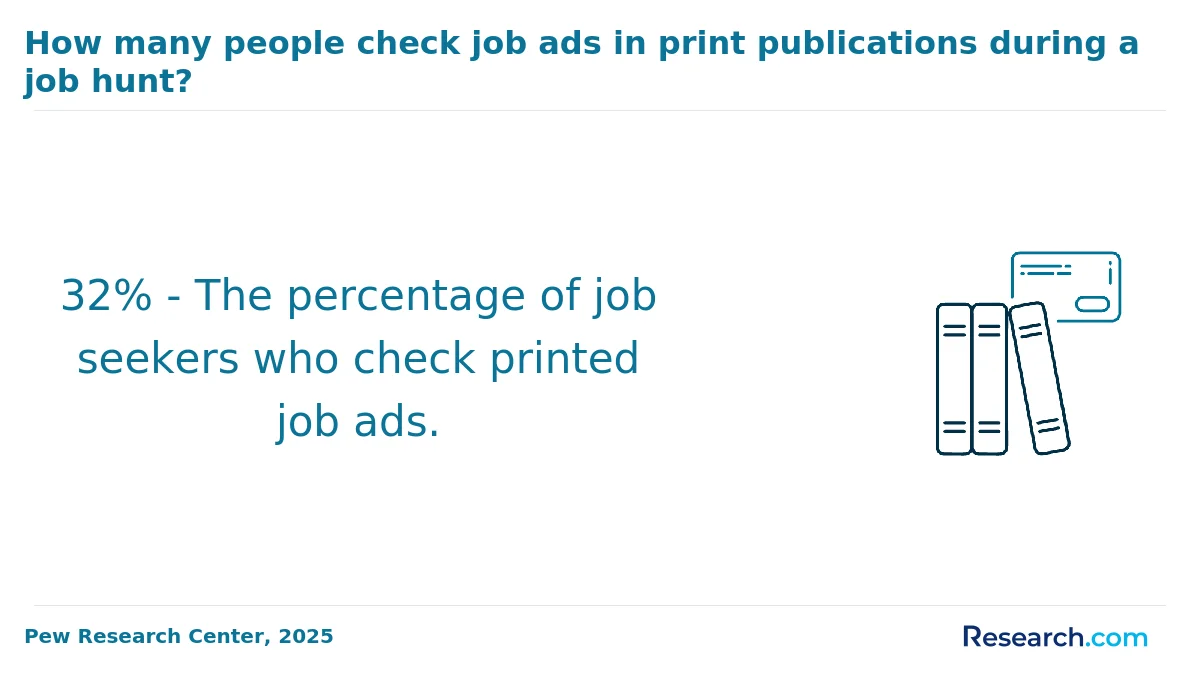
Students pursuing associate degrees in Lynchburg benefit from a wealth of financial aid options that can turn their academic dreams into reality. Federal aid, like the Pell Grant, offers essential support without the burden of repayment, making college more accessible. Many graduates from local institutions find completing the FAFSA to be the key step that opens doors to these life-changing funds.
State grants add even more hope. For example, Virginia residents attending private colleges like the University of Lynchburg can receive up to $5,250 annually through the Virginia Tuition Assistance Grant, easing worries about tuition costs. Others transferring from two-year colleges to four-year universities may secure additional grants that bolster their finances, rewarding them for commitment and hard work in fields like STEM and nursing.
At Lynchburg's colleges, many associate degree students earn scholarships automatically upon admission-some receive up to $25,000-allowing them to focus on studies instead of stress. Work-study programs and military benefits like the GI Bill provide extra layers of support, often empowering veterans and their families to succeed.
Local students also find encouragement from employer tuition reimbursement, which transforms their day jobs into stepping stones toward academic achievement. This network of aid reflects the supportive community that makes studying in Lynchburg not just possible, but truly inspiring.
To enroll in an associate degree program in Lynchburg, you begin with a solid foundation: a high school diploma or an equivalent credential like a GED. Many graduates recall that having this milestone in hand opened doors to exciting academic opportunities at institutions such as Virginia University of Lynchburg and Central Virginia Community College.
Different schools set varied expectations, but here are some typical prerequisites you can expect:
- A minimum GPA of 2.0 is often required, with some selective programs like Lynchburg City Early College asking for a 3.5 GPA and completion of challenging courses like Algebra II.
- Official transcripts showing your academic history must usually be submitted, with some colleges offering provisional admission before final paperwork is provided.
- Personal recommendations from teachers or counselors and essays can showcase your unique character, especially in competitive early college programs.
- Non-academic qualities such as character, personality, and emotional health can matter, reflecting the holistic approach taken by schools like Virginia University of Lynchburg.
Graduates who succeeded emphasize how these requirements helped them grow-not just academically, but as confident individuals stepping into their futures. Meeting these benchmarks is a proud first step toward your associate degree journey in Lynchburg.
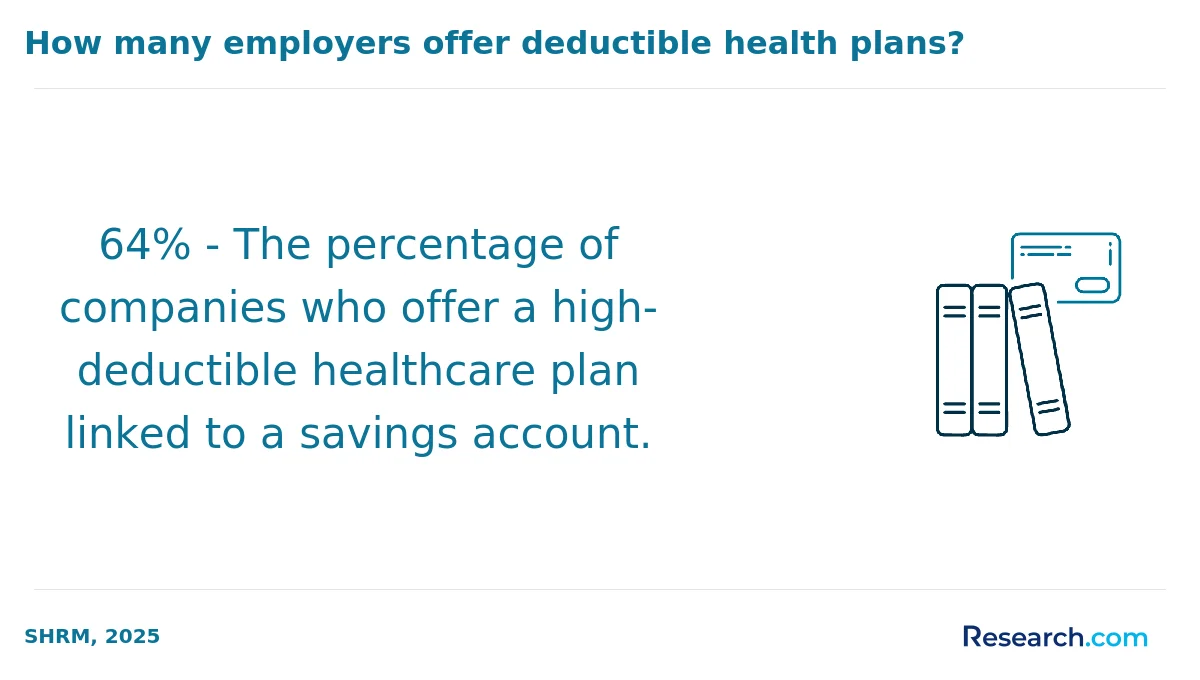
Students pursuing associate degrees in Lynchburg often embark on an exciting journey through a thoughtfully designed Lynchburg Virginia associate degree curriculum that balances foundational knowledge with practical skills. Many graduates from schools like Central Virginia Community College celebrate the way typical courses in Lynchburg associate degree programs prepare them for real-world success. Core classes usually include essential subjects like English composition, college mathematics, and introductory sciences, laying the groundwork for diverse career paths.
Programs in business administration might include courses in business law, accounting, management, and economics, while healthcare students gain hands-on experience in anatomy, physiology, medical terminology, and clinical practice. Technical tracks bring thrilling challenges with studies in engineering technology, welding, HVAC, or industrial maintenance.
Graduates often recall how the mix of general education and specialized courses at institutions such as Liberty University empowered their confidence and shaped their career aspirations. Those exploring certifications for jobs that pay well will find many opportunities inspired by this vibrant curriculum.
Choosing the best associate degree program in Lynchburg means focusing first on institutional accreditation. Graduates from schools like Central Virginia Community College often share how accreditation gave them confidence that their degree holds value in the job market and beyond. When exploring options, consider the program variety and course offerings; for instance, Lynchburg colleges provide pathways in business, healthcare, and criminal justice, allowing you to align studies with your passion and career dreams. This approach reflects how many students found success by selecting programs that matched their goals and included smooth transfer agreements to four-year universities.
Many Lynchburg students weigh how to compare Lynchburg associate degree costs carefully. They look beyond tuition alone, seeking schools like Franklin University or Liberty University that offer online flexibility and scholarships to ease financial stress. Online programs are praised for fitting study around busy lives, making education more accessible.
Student support also plays a crucial role, as graduates often highlight tutoring and advising that helped them stay motivated and complete their studies on time. If you're curious about long-term outcomes, exploring a master's degree that makes the most money after your associate can provide inspiring future pathways.
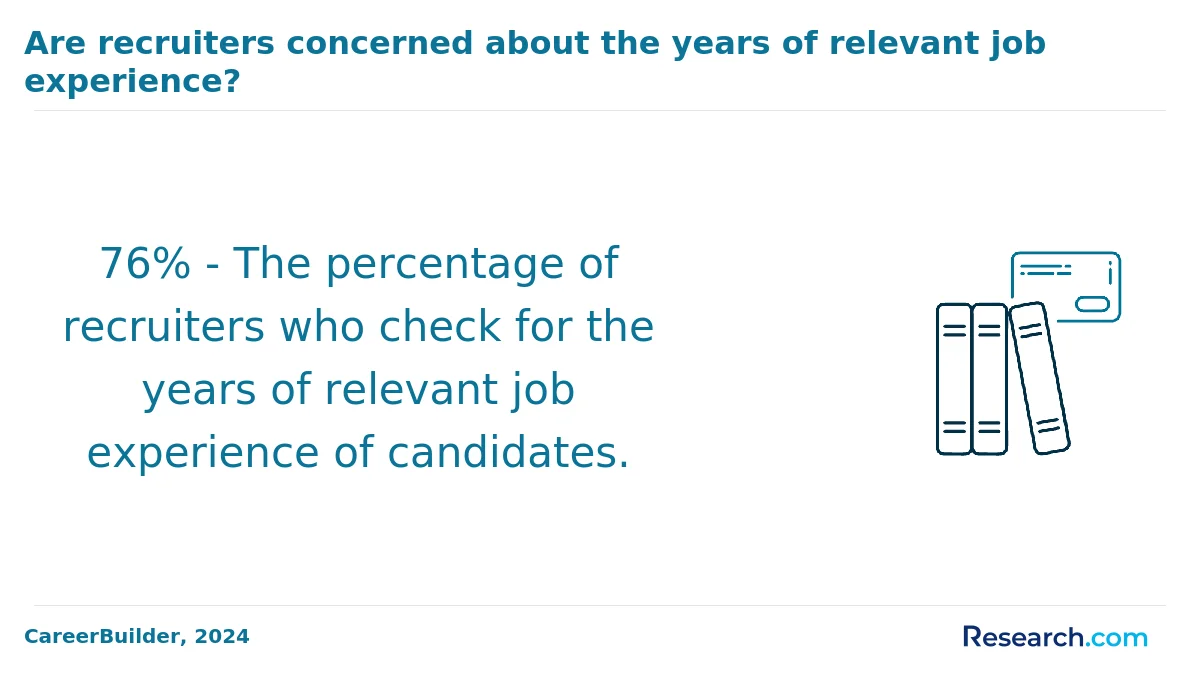
Associate degree graduates in Lynchburg find a variety of exciting and stable career opportunities that truly make a difference. Healthcare roles like Registered Nurses and Dental Hygienists frequently welcome those with associate degrees, offering graduates the chance to impact their communities while earning competitive wages. Graduates from popular associate degree schools in Lynchburg often share how rewarding it feels to start their careers in these vital roles.
Skilled trades also shine as a promising path, with careers such as Electro-Mechanical Technician providing hands-on, well-paying jobs. Many graduates appreciate how these positions open doors to advancement and specialized expertise, fueling a strong sense of professional growth. Other rewarding options include positions in public safety, such as paramedics and fire services, where job stability and benefits bring peace of mind.
For those interested in administrative roles or business support, associate degrees pave the way to jobs like Administrative Assistants or Admissions Coordinators, prevalent in Lynchburg's educational and nonprofit sectors. Entry-level positions in information technology and early childhood education further broaden the horizon, supported by initiatives like Virginia's G3 tuition assistance.
Exploring your options as part of the vibrant community of associate degree jobs in Lynchburg VA can lead to a fulfilling future. Many graduates recommend exploring programs that partner with schools that accept pell grants to make education more accessible while preparing for these promising career opportunities with an associate degree in Lynchburg.
The job outlook for associate degree graduates in Lynchburg is remarkably promising, with over 200 active positions specifically seeking these qualifications. Graduates from well-known local schools often step into rewarding roles in healthcare, technology, and business support, enjoying competitive wages and benefits that reflect their valued skills. Healthcare roles like registered nurses, dental hygienists, and occupational therapy assistants are examples where demand is consistently high, offering graduates not only employment but also a fulfilling career path.
Many graduates find success in technical and administrative careers as well. Opportunities abound for roles such as electro-mechanical technicians and IT support analysts, with wages between $18 and $25 per hour, and starting salaries for administrative assistants in the $17 to $21 range. These scenarios highlight some of the fastest growing associate degree careers in Lynchburg, perfectly suited for motivated students looking to launch their careers locally.
With Virginia's job market expected to grow 10.1% by 2026, students from Lynchburg's prominent associate degree schools feel confident pursuing their goals. For those exploring options, resources like best vocational colleges online provide valuable information to help make these career dreams a reality.
Most Affordable Associate Degree Programs - Leading Certification Courses in Lynchburg for 2026
# 1 position
Central Virginia Community College - Computer and Information Sciences, General.
associateCentral Virginia Community College offers a hybrid Computer and Information Sciences, General program focusing on computing, computer science, and information systems. The program is accredited by the Southern Association of Colleges and Schools Commission on Colleges. Annual in-state tuition is $4,998. This program provides flexible learning options with some distance-education components, designed for those seeking a comprehensive foundation in general computing and information science topics.
# 2 position
Central Virginia Community College - Criminal Justice/Law Enforcement Administration.
associateCentral Virginia Community College offers a Criminal Justice/Law Enforcement Administration program with a hybrid format, including some distance-education options. The program prepares students for leadership roles in public law enforcement agencies by covering topics such as law enforcement history, operational command leadership, labor relations, and legal responsibilities. Annual in-state tuition is $4,998. Graduates have median earnings of approximately $26,940 one year after completion. The program is accredited by the Southern Association of Colleges and Schools Commission on Colleges.
# 3 position
Liberty University - Legal Assistant/Paralegal.
associateThe Legal Assistant/Paralegal program at Liberty University prepares students to support attorneys through research, drafting, investigatory, and record-keeping tasks. The curriculum covers legal research, document drafting, pleading, courthouse procedures, and legal specializations. Annual in-state tuition is $21,222. Graduates have median earnings of $45,452 one year after completion. The program is accredited by the Southern Association of Colleges and Schools Commission on Colleges.
# 4 position
Liberty University - Criminal Justice/Safety Studies.
associateThe Criminal Justice/Safety Studies program at Liberty University examines the criminal justice system, its organization, and legal and public policy aspects. The curriculum includes criminal law, police and correctional systems, administration of justice, judiciary, and public attitudes toward criminal justice. The program is accredited by the Southern Association of Colleges and Schools Commission on Colleges. Annual in-state tuition costs $21,222, and median earnings one year after completion are $43,287.
# 5 position
Liberty University - Accounting.
associateLiberty University offers an Accounting program designed to prepare students for the accounting profession and related business functions. The curriculum includes principles and theory of accounting, financial and managerial accounting, cost and tax accounting, auditing, and business information systems. The program is accredited by the Southern Association of Colleges and Schools Commission on Colleges. Annual in-state tuition is $21,222, and median earnings one year after completion are $40,500.
Frequently Asked Questions about associate degree programs
After earning an associate degree in Lynchburg, preparing for the job market involves several strategic steps. First, students should utilize career services offered by local institutions like Central Virginia Community College, which provide resume workshops, interview coaching, and job fairs tailored to regional employers.
Networking is crucial; connecting with local professionals through platforms like LinkedIn and attending community job events can open doors to opportunities in Lynchburg's growing sectors such as healthcare and manufacturing. According to the U.S. Bureau of Labor Statistics, jobs requiring associate degrees in Virginia have a projected growth rate of 9% between 2020-2030.
Additionally, obtaining relevant certifications alongside the degree can boost employability. Practical experience through internships or part-time work in Lynchburg provides valuable skills employers seek. Staying informed about local economic trends helps graduates align their skills with in-demand roles.
Employers in Lynchburg highly value associate degree graduates who demonstrate strong technical and interpersonal skills. According to the Virginia Employment Commission, practical skills such as proficiency in Microsoft Office, basic accounting, and healthcare knowledge are frequently requested in local job listings. Additionally, soft skills like effective communication, teamwork, and problem-solving consistently rank as top priorities among employers. A 2023 survey by the National Association of Colleges and Employers found that 85% of employers prefer candidates with strong critical thinking and adaptability.
In industries prominent in Lynchburg, including healthcare, manufacturing, and business services, these skills improve job performance and career advancement opportunities.
Finding internships in Lynchburg related to your associate degree program begins with exploring local resources. The Lynchburg Regional Business Alliance offers connections to employers who often seek interns in fields like healthcare, education, and technical trades. Community colleges in Lynchburg, such as Central Virginia Community College, typically have career services offices that maintain internship listings and provide guidance tailored to your program.
Online job platforms like Handshake and Indeed also feature internships filtered by location and field of study. According to recent reports from the National Association of Colleges and Employers, about 60% of internships in Virginia lead to employment, making these opportunities especially valuable.
Networking through local events or professional groups can further increase your chances of securing an internship. Additionally, state government sites occasionally post internship opportunities within public agencies in Lynchburg.
An associate degree in Lynchburg can significantly improve career mobility by providing foundational skills valued by local employers. Many industries in the region, including healthcare, manufacturing, and business services, show strong demand for workers with two-year degrees. According to the U.S. Bureau of Labor Statistics, individuals with associate degrees earn on average 20% more than those with only a high school diploma nationwide, a pattern reflected in Lynchburg's job market.
Additionally, an associate degree often serves as a stepping stone for further education. Many Lynchburg colleges have transfer agreements with four-year institutions, promoting academic advancement. This pathway increases long-term earning potential and broadens career choices.
Local workforce development reports also highlight that employers value the practical, technical skills taught in associate programs. This recognition helps graduates move into supervisory roles or specialized positions more rapidly than those without postsecondary qualifications.
Students pursuing associate degrees in Lynchburg can benefit from various part-time job opportunities that enhance their education. Healthcare roles such as medical assistants or pharmacy technicians are in demand locally, offering practical experience linked to health-related programs. According to the Bureau of Labor Statistics, Lynchburg has a growing healthcare sector supporting these jobs.
Retail positions in stores or customer service can also complement business or communications associate degrees by developing interpersonal and organizational skills. Moreover, administrative assistant jobs in local government or nonprofit organizations provide valuable office experience relevant to many programs.
Work in information technology support or tutoring centers on campus helps students in technical or education fields gain hands-on practice. These roles often offer flexible hours compatible with student schedules, facilitating academic and professional growth simultaneously.
To choose the most affordable degree program near Lynchburg, VA, first identify the fields of study you are interested in and compare programs and tuition costs at universities and colleges nearby. Utilize resources like Research.com to gather information about the programs available near me and assess the potential return on investment, taking into account financial aid options, scholarship opportunities, and living expenses. It's beneficial to visit campuses and speak with admissions advisors to gain a comprehensive understanding of each institution's offerings and financial support to make a well-informed decision.
- Open the Doors – Lynchburg https://magazine.lynchburg.edu/article/open-the-doors/
- How to Apply | University of Lynchburg https://www.lynchburg.edu/academics/majors-and-minors/nursing/how-to-apply/
- Jobs in Lynchburg - Lynchburg Economic Development Authority https://www.opportunitylynchburg.com/jobs/
- Lynchburg City Early College | Central Virginia Community College https://centralvirginia.edu/lynchburg-city-early-college
- Associate Degree programs - United International Business School (UIBS) https://www.uibs.org/undergraduate/associate/
- Why You Should Consider an Online Associate Degree Program - Lakewood University https://lakewood.edu/online-associate-degree-benefits/
- Associate degree - Wikipedia https://en.wikipedia.org/wiki/Associate_degree
- Admissions https://www.vul.edu/index.php/admissions
- Online vs Traditional School: A Look at the Pros and Cons https://www.uopeople.edu/blog/online-colleges-vs-traditional-colleges/
- Traditional vs Online Degrees 2025: Which One is Better for You? https://www.pw.live/online-degree/exams/traditional-vs-online-degree