
Best Certificate Programs - Leading Certification Courses in Santa Barbara for 2026

Co-Founder and Chief Data Scientist
Are you exploring trade school options in Santa Barbara for 2026? This article introduces a comprehensive ranking of the best trade school certificate programs to guide your decision-making process.
The ranking, created by the Research.com team of data scientists, highlights programs that offer valuable skills and strong career prospects.
Reading this article can help you find a certificate program that matches your goals, making your path to a rewarding career clearer and more achievable.
Investing in a trade school certification is a smart step toward a confident future.
Key benefits of getting trade school certificate in Santa Barbara
- Trade school graduates in Santa Barbara can earn strong salaries, such as $66,270 per year on average, with specialized fields like Cancer Information Management offering between $25,000 and $100,000 annually, and construction apprentices earning $20 to $40 per hour as they gain experience.
- Popular career paths include construction trades, healthcare support, and skilled technical roles, with certifications from well-known local schools like Santa Barbara City College helping students quickly move into in-demand jobs.
- Completing a trade school certification online offers flexibility and convenience, letting students balance work and life while gaining valuable skills from respected programs without commuting to campus.
- Best Certificate Programs - Leading Certification Courses in Santa Barbara for 2026
- What can I expect from trade school certification programs in Santa Barbara?
- Where can I work with trade school certification in Santa Barbara?
What can I expect from trade school certification programs in Santa Barbara?
The average cost of a trade school certification program in Santa Barbara varies widely, reflecting the unique structure of local institutions like Santa Barbara City College (SBCC). Many students find that tuition is remarkably affordable, especially considering the practical, career-focused training they receive. Some certificate courses are even tuition-free through SBCC's School of Extended Learning, making education accessible for working adults and career changers.
Graduates from programs such as construction technologies or hospitality often report that the investment feels minimal compared to the hands-on skills and job-ready experience gained. For example, a student completing a Certificate of Achievement in Media Arts typically pays tuition similar to community college rates, while benefiting from industry-aligned curriculum and cooperative work experiences that enhance employability. Evening and part-time options help balance costs by allowing students to work while studying.
Students appreciate that the combination of affordable tuition, flexible scheduling, and comprehensive support services creates a rewarding educational experience that prepares them effectively for the local job market.
Where can I work with trade school certification in Santa Barbara?
After completing a trade school certification program in Santa Barbara, graduates frequently find rewarding employment in high-demand local industries. Many enter construction and skilled trades, working as carpenter apprentices, HVAC apprentices, or entry-level plumbers for local contractors and public agencies. Graduates often share how training at respected Santa Barbara trade schools gave them confidence to secure roles with employers like the University of California, Santa Barbara or regional construction firms, where finish carpenters can earn $95,000 to $115,000 annually.
Healthcare certifications open pathways into hospitals, clinics, and care facilities, with graduates praising how their programs prepared them to meet local job requirements at institutions such as Cottage Health. Others leverage certifications in business or technology fields, securing positions in marketing, real estate, or computer networking with Santa Barbara's growing tech sector.
Many graduates appreciate the availability of apprenticeships and internships offered through partnerships with local employers, enabling them to build experience while earning income. Workforce agencies also provide valuable support, making the transition from school to rewarding local careers smoother and more attainable.
Graduates of trade school certification programs in Santa Barbara can expect promising earnings soon after completing their training. For example, many graduates from local tech-focused trade schools report starting salaries near $43,850 per year in roles such as IT support or junior software engineering, reflecting the area's booming tech job market. One recent graduate shared excitement about securing a position with a competitive salary right out of school, highlighting how well their certification aligned with employers' needs.
Welders trained at Santa Barbara trade institutions often earn between $23 and $48 per hour, which can translate into a solid annual income ranging from $47,840 to $99,840 when working full time. This strong earning potential motivates many students to pursue welding certifications.
Health-related certifications, like those for Certified Nursing Assistants or Licensed Vocational Nurses, typically offer starting salaries between $38,000 and $45,000 annually. Graduates from Santa Barbara's well-regarded health programs often express relief and pride at quickly finding rewarding work that supports their communities.
Other trades, including automotive service technology and construction technology, generally provide starting salaries from $40,000 to $56,000 per year. Graduates frequently note how hands-on training in Santa Barbara's trade schools prepares them effectively for these skilled roles.
Graduates specializing in emerging certifications-cloud computing, cybersecurity, or data science-often see starting salaries above $60,000 annually. This advanced training opens doors to rapid career growth in the local expanding tech sector, fueling optimism among newly certified professionals eager to advance.
- Luis: Studying HVAC at Santa Barbara Technical Institute changed my life. The hands-on training was intense but rewarding. Thanks to their strong employer connections, I landed a technician position just weeks after graduating. This certification truly opened doors in a growing industry in Santa Barbara.
- Amy: The Culinary Arts program in Santa Barbara was an incredible journey. I loved learning unique cooking techniques from passionate chefs. The school's location offered amazing internships, and now I'm a sous-chef at a local restaurant. It's fulfilling to turn my passion into a stable career.
- Marcus: Joining the Welding Certification program was one of my best choices. The instructors were supportive and practical, preparing me for real-world challenges. Finding work in Santa Barbara's construction sector was smooth, and every day I'm proud of my craft and the skills I mastered at school.
- Santa Barbara City College offers diverse Career and Technical Education programs, including short-term skills certificates, departmental awards, Certificates of Achievement, and two-year Associate in Science degrees.
- Most programs have simple admission requirements, and non-English speakers can enroll; Cooperative Work Experience can add up to 16 units through on-the-job training.
- Certificate programs range from a few weeks for noncredit courses to one or two years for full-time Certificates of Achievement, with some noncredit options tuition-free.
- Tuition costs about $46 per unit for in-state students, totaling $550 to $1,400 for most certificate programs, not including extra fees and supplies.
- Entry-level salaries after graduation vary by field: $35,000-$45,000 for construction and hospitality, and $45,000-$60,000 for healthcare or technical roles, with experienced workers earning up to $85,000 or more.
Trade school certification programs in Santa Barbara typically take between one and three years to complete, depending on the program's structure and intensity. Graduates often share how accelerated options, like the Construction Plumbing certificate at Santa Barbara City College (SBCC), can be completed in as little as eight weeks by attending four consecutive two-week courses, allowing rapid workforce entry with focused, practical skills.
More immersive programs, such as the Certificate of Achievement in Automotive Service and Technology at SBCC, require about ten months of full-time study. Students appreciate the hands-on training environment and daily instruction, which helps them rapidly build confidence and industry-ready expertise.
For those balancing work or personal commitments, many programs offer part-time or self-paced study options, with a typical five-year maximum timeframe to complete all requirements. Additionally, shorter Skills Competency and Departmental Award programs often finish within a single semester, providing diverse pathways tailored to different goals and schedules in Santa Barbara's trade education landscape.
The primary difference between online and on-campus trade school certification programs in Santa Barbara lies in delivery and flexibility. Online programs, offered by institutions like Santa Barbara City College and Calbright College, enable students to complete coursework entirely remotely, with most certificates achievable in under a year through part-time schedules. Graduates often appreciate the ability to study at their own pace, balancing education with work or family commitments, making it a highly adaptable option.
On-campus programs, also available at Santa Barbara City College, provide immersive, hands-on training in specialized facilities. Students gain valuable face-to-face interaction with instructors and peers, participating in labs or workshops essential for fields such as culinary arts and nursing. This direct engagement often inspires confidence and practical skills that graduates carry into their careers.
Both formats offer robust support, but the key distinctions are convenience and interaction. While online learners rely on virtual resources for flexibility, on-campus students benefit from immediate access to equipment and personalized mentorship, creating a dynamic learning environment that resonates with many local students.
The average cost of trade school in Santa Barbara typically ranges from $8,000 to $15,000 for most certification programs, though variations depend on the institution, program type, and residency status. For instance, graduates from Santa Barbara City College (SBCC) often mention that the Cancer Information Management certificate costs only about $2,162 for California residents, while non-resident tuition can increase significantly to over $15,500. Many find this difference notable when budgeting, especially when factoring in additional fees, books, and supplies that elevate the total investment.
Understanding Santa Barbara trade school tuition and fees means recognizing the broader context where public institutions and community colleges provide more affordable pathways, averaging around $8,730 annually across California. This affordability appeals to students eager to enter skilled trades like welding or automotive technology, with programs costing between $5,000 and $15,000. Healthcare certifications at SBCC, such as the registered nursing program, run closer to $8,000, reflecting regional norms and supporting students' ambitions efficiently.
Many students appreciate that in Santa Barbara, financial aid and credit transfers decrease overall expenses, making the pursuit of practical credentials feel attainable. Additionally, those seeking niche fields might explore affordable online landscaping technology trade programs, illustrating varied options beyond traditional local setups. These factors contribute to a positive experience, balancing cost with accelerated career development within one or two years, setting graduates up for success in competitive job markets.
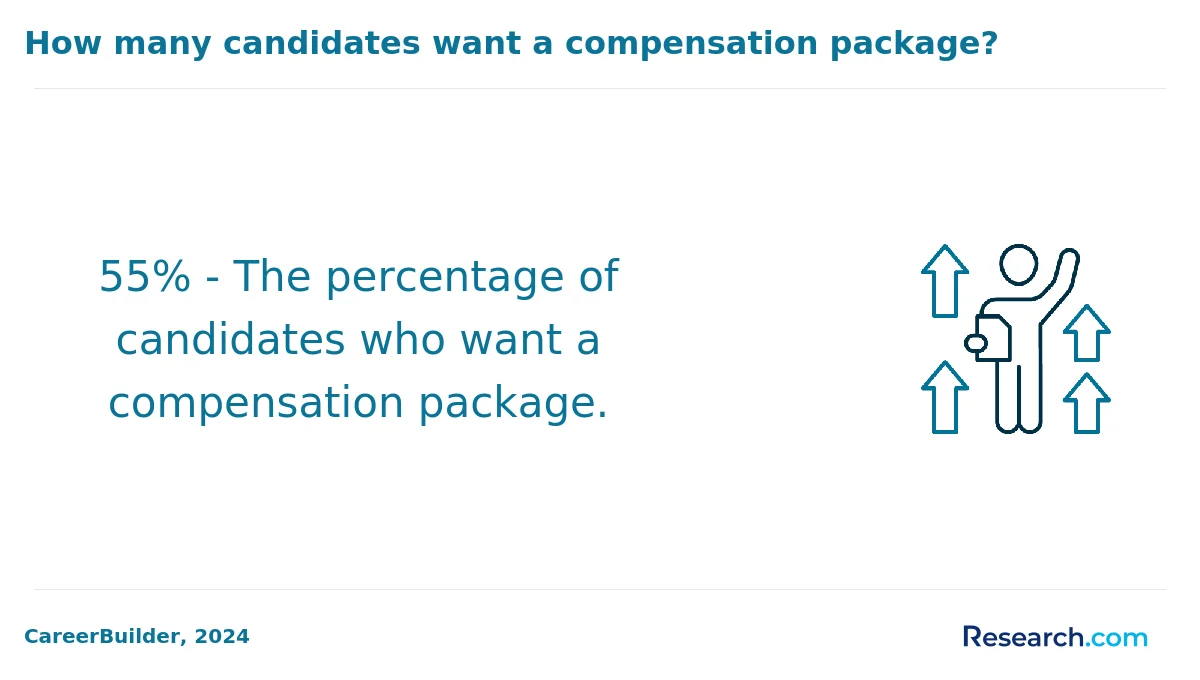
Trade school certification students in Santa Barbara benefit from various financial aid options that ease the burden of tuition and living costs. Many begin by submitting the Free Application for Federal Student Aid (FAFSA), unlocking access to federal Pell Grants and work-study programs. For those who don't qualify federally, especially undocumented students, the California Dream Act Application (CADAA) opens doors to state-based aid.
At Santa Barbara City College (SBCC), a leading provider of trade certificates, qualifying California residents can receive the California College Promise Grant, waiving enrollment fees based on income. Graduates often recall how this grant made a tangible difference, relieving financial stress and letting them focus on learning highly practical skills.
Federal Pell Grants, awarded strictly on financial need, typically provide around $4,000 annually. Meanwhile, the Federal Work-Study program lets students earn $15-$18 per hour by working part-time, helping cover living expenses while gaining campus experience.
Local scholarships, such as those from the Scholarship Foundation of Santa Barbara, channel millions annually into vocational students' pockets. Graduates often describe the relief that these scholarships brought, allowing them to complete certifications without overwhelming debt.
Private scholarships and institutional aid further support dedicated students enrolled in trade certification programs, fostering opportunities to build rewarding careers in Santa Barbara's thriving job market.
Enrolling in a trade school certification program in Santa Barbara typically begins with meeting foundational academic requirements. Most programs, such as those at Santa Barbara City College (SBCC), ask applicants to provide proof of high school graduation or an equivalent like a GED. Graduates often share how this initial step gave them confidence, knowing they met essential standards before advancing.
For healthcare-related programs at SBCC, prerequisites are more specific and rigorous. Students must complete anatomy and physiology coursework with a minimum grade of "C," hold an active California Certified Nursing Assistant (CNA) license, and pass the Test of Essential Academic Skills (TEAS) with required scores. These criteria ensure readiness for clinical challenges and reflect the seriousness of healthcare training.
Meanwhile, certificates in fields like Business Administration at UCSB Extension offer a welcoming path with no prior formal coursework or degrees required-just registration and passing grades. Many find this open-access approach empowering for career changes or skill enhancement.
- Proof of high school diploma or GED (common at SBCC)
- Specific coursework and licenses for healthcare (anatomy, CNA license, TEAS scores)
- Open enrollment for some business certificates (UCSB Extension)
- Job placements tied to study fields in hands-on programs like automotive or culinary arts
English proficiency is generally not a barrier, making these programs accessible to non-native speakers eager to upgrade their skills. Students often express satisfaction in Santa Barbara's inclusive environment, where practical experiences are closely connected to career goals, fostering real growth and opportunity.

Trade school certificate courses in Santa Barbara span diverse fields designed to equip students with practical skills for immediate employment. Graduates often share how programs at Santa Barbara City College enable rapid entry into careers by blending classroom learning with hands-on experiences. Popular courses include:
- Business Education: training in accounting, marketing, and office technology prepares students for roles in local businesses and startups.
- Health and Human Services: nursing fundamentals and early childhood education address growing community needs.
- Construction and Trades: hands-on certificates in plumbing, electrical work, and carpentry reflect strong regional demand.
- Automotive and Marine Technologies: focused on diagnostics and maintenance to launch technician careers.
- Environmental Horticulture and Water Science: courses in sustainable water management cater to agricultural and environmental sectors.
Many students benefit from cooperative work experience, earning credits while gaining real-world insight. This approach aligns well with Santa Barbara career and technical education programs, allowing learners to see clear career pathways. Those curious about future careers can explore trading school jobs to understand local opportunities tied directly to these certificate courses.
When choosing the best trade school programs in Santa Barbara, graduates often emphasize the importance of accreditation and hands-on experience. For instance, students at Santa Barbara City College appreciate its recognized programs that offer real-world training through cooperative education, combining classroom learning with on-the-job opportunities. This practical approach helps build confidence and industry connections essential for success. Flexibility is another key factor-many find evening and online course options invaluable when balancing work or family commitments.
Cost considerations play a significant role as well. Students frequently compare trade school costs Santa Barbara-wide and often find value in noncredit certificates offered tuition-free by some programs, making affordable career transitions accessible. Investigating prerequisites, program length, and available career counseling helps tailor choices to individual needs. Additionally, aspiring tradespeople can explore the skilled trades career path further through reliable resources like skilled trades career path that offer detailed insights into various trades and career opportunities.
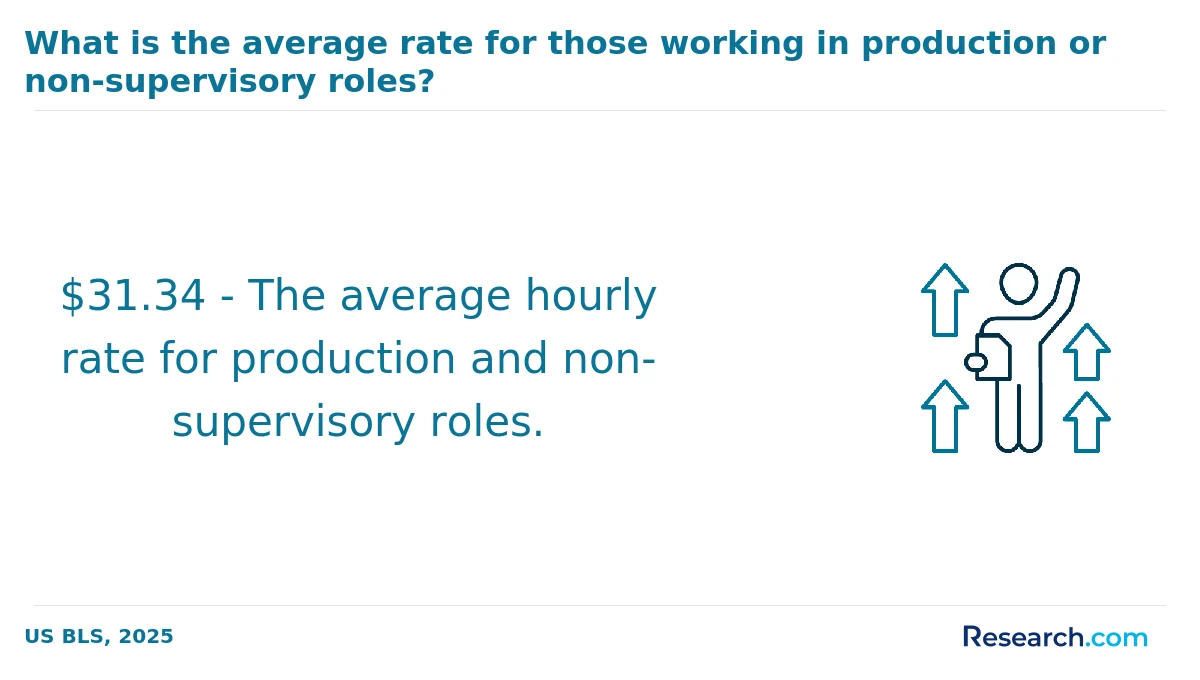
Graduates of trade school certification programs in Santa Barbara have access to diverse career opportunities after trade school in Santa Barbara, tailored to the region's dynamic job market. Popular programs at institutions like Santa Barbara City College equip students with practical skills for immediate employment in thriving sectors.
Many find rewarding trade school certification jobs Santa Barbara in healthcare, such as licensed vocational nurses, radiologic technologists, and medical insurance coders, where strong local demand ensures steady work. Others pursue careers in cosmetology or become substance abuse counselors, serving critical community health needs.
Skilled trades offer robust opportunities in construction, plumbing, and automotive mechanics, with short-term certifications enabling graduates to quickly join local firms. Culinary arts and media arts also provide fruitful avenues within Santa Barbara's hospitality and tourism industry, offering roles in restaurants and event venues.
Graduates often share how internships and employer partnerships through local programs enhance their job readiness. For those seeking flexible learning options, low cost home remodeling and repair diploma programs online also complement local training pathways.
The job market in Santa Barbara offers promising Santa Barbara trade school job opportunities for those completing certification programs at well-regarded institutions like Santa Barbara City College (SBCC). Graduates often share how practical, hands-on training combined with industry-recognized credentials directly improved their chances of finding employment fueled by local demand in technology, healthcare, and skilled trades. For example, many tech graduates smoothly transition into roles in software development or cybersecurity thanks to the region's expanding tech sector, which anticipates over 1,300 new tech positions by 2027.
Successful career outlook for certificate program graduates in Santa Barbara is strengthened by close partnerships between CTE providers and local employers, ensuring curriculum matches workforce needs. Graduates from these programs report benefits such as:
- Higher likelihood of meeting career and college goals by 27%
- Increased job placement rates in healthcare, business, and design
- Access to valuable internships and networking within the Santa Barbara community
Many students explore the best online vocational trade programs to complement their in-person training and broaden their skills. The emphasis on practical skills, digital badges, and employer certifications contribute to favorable job prospects and spirited confidence among local graduates entering the workforce.
Best Certificate Programs - Leading Certification Courses in Santa Barbara for 2026
# 1 position
Santa Barbara City College - Automobile/Automotive Mechanics Technology/Technician.
certificate or diplomaSanta Barbara City College offers a hybrid program in Automobile/Automotive Mechanics Technology/Technician that prepares students to repair, service, and maintain various automobile systems. Instruction covers brake systems, electrical systems, engine performance and repair, suspension and steering, transmissions, and heating and air conditioning. The program’s annual in-state tuition is $1,234. It is accredited by the Western Association of Schools and Colleges Accrediting Commission for Community and Junior Colleges.
# 2 position
Santa Barbara City College - Interior Design.
certificate or diplomaSanta Barbara City College offers a hybrid Interior Design program focusing on the applied visual arts. The curriculum covers artistic principles, computer applications, drafting, and graphic techniques. Students learn about interior lighting, acoustics, systems integration, color coordination, furniture, textiles, and historical design styles. Instruction also includes structural design, building codes, and applications for various commercial and residential spaces. The program is accredited by the Western Association of Schools and Colleges Accrediting Commission for Community and Junior Colleges. Annual in-state tuition is $1,234.
# 3 position
Santa Barbara City College - Medical Insurance Coding Specialist/Coder.
certificate or diplomaSanta Barbara City College offers a Medical Insurance Coding Specialist/Coder program with a hybrid format that includes some distance-education options. The program prepares students for specialized data entry, classification, and record-keeping related to medical diagnostic, billing, and insurance documentation. Tuition for in-state students is $1,234 annually. Instruction covers medical records software, anatomy, medical terminology, coding, and Medicare regulations. The program is accredited by the Western Association of Schools and Colleges Accrediting Commission for Community and Junior Colleges.
Frequently Asked Questions about trade school certificates
After completing trade school certification programs in Santa Barbara, preparing for the job market involves several important steps. First, graduates should leverage local industry connections since Santa Barbara has a growing demand for skilled workers in fields like construction, healthcare, and culinary arts. According to the California Employment Development Department, occupations requiring certificates are projected to grow by 5% in the region by 2026. Building a strong resume that highlights hands-on skills gained during certification is critical.
Networking through local job fairs and industry associations can increase employment opportunities. Additionally, consider internships or apprenticeships to gain real-world experience. Many Santa Barbara trade schools offer career services that assist with job placement and interview preparation.
Continuing education and obtaining additional certifications relevant to your trade can improve long-term job prospects and earning potential. Always research employer requirements in the Santa Barbara area to stay competitive.
Employers in Santa Barbara highly value a mix of technical and soft skills among trade school certification graduates. According to local workforce reports, practical skills such as electrical wiring, welding, HVAC maintenance, and computer-aided design (CAD) rank among the top technical abilities sought. Proficiency in these areas often directly correlates with job availability in the region's construction, manufacturing, and service sectors.
Beyond technical skills, communication and teamwork are critical. A 2023 survey by the Santa Barbara Workforce Development Board highlights that 78% of employers emphasize problem-solving and reliability when hiring certified trade workers. Adaptability to changing technologies and safety protocol knowledge also play significant roles in candidate selection.
Finding internships in Santa Barbara related to your trade school certification program involves several strategic steps. First, utilize local resources such as the Santa Barbara Workforce Development Board, which connects job seekers and interns with area employers. Many businesses in sectors like construction, healthcare, and technology offer internships aligned with trade certifications.
Additionally, colleges and trade schools often have career centers that maintain internship listings specifically for their students. Online platforms such as Handshake and Indeed frequently list internship opportunities in Santa Barbara, tailored to various trades.
Networking is crucial; attending local job fairs and industry events can open direct pathways to internships. According to the California Employment Development Department, Santa Barbara's labor market has shown steady growth in skilled trades, increasing internship availability.
Trade school certification programs in Santa Barbara play a significant role in enhancing career mobility and advancement. These programs provide specialized skills that are directly aligned with local industry demands, notably in sectors like construction, healthcare, and technology.
According to 2023 data from the California Community Colleges Chancellor's Office, individuals holding trade certifications in the region see employment rates increase by up to 25% within one year of program completion. Certificates often lead to higher wages and faster job placement compared to non-certified peers.
Employers in Santa Barbara tend to prioritize candidates with certifications because they demonstrate verified, practical expertise. This makes certified individuals more competitive for promotions and new job opportunities, supporting upward career progression.
Part-time job opportunities in Santa Barbara can effectively complement trade school certification programs by providing practical experience and flexible hours. Industries such as construction, automotive repair, and healthcare often hire part-time workers, which aligns well with certifications in those fields. According to the U.S. Bureau of Labor Statistics, Santa Barbara had a 4.2% unemployment rate in 2023, with steady demand for skilled tradespeople.
Retail and hospitality sectors also offer part-time roles that can develop soft skills like customer service and time management. These jobs provide income support while allowing students to focus on their trade education.
Some local employers prefer candidates with both certifications and relevant work experience, making part-time employment a strategic choice for certification students in Santa Barbara.
Yes, there are various degree programs near Santa Barbara, CA, including those offered by universities and community colleges known for their diverse academic offerings. Institutions such as the University of California, Santa Barbara offer a range of undergraduate and graduate programs that are highly regarded in fields like engineering, environmental science, and the humanities. Utilizing resources like Research.com can provide additional insights into finding the best degree program near me, catering to a wide array of academic interests and career goals.
- Best Trade School & Training Programs - Leading Certification Courses in Los Angeles for 2026
- Best Trade School & Training Programs - Leading Certification Courses in Walla Walla for 2026
- Best Trade School & Training Programs - Leading Certification Courses in Kyle for 2026
- Best Trade School & Training Programs - Leading Certification Courses in Emporia for 2026
- Best Trade School & Training Programs - Leading Certification Courses in Springfield for 2026
- Best Trade School & Training Programs - Leading Certification Courses in Little Rock for 2026
- Welding Trade Schools in Santa Barbara, CA - Welder Training https://weldingcareernow.com/welding-schools/santa-barbara-ca
- Research - Most Affordable Online Home Remodeling And Repair Trade School Programs https://research.com/degrees/most-affordable-online-home-remodeling-and-repair-trade-school-programs
- Online School vs. Trade School: What’s Right for Me? - Education Advisors https://educationadvisors.com/student-resources/college-planning/online-school-vs-trade-school-whats-right-for-me/
- Skilled and Technical Trades Certificate Programs | San Diego College of Continuing Education https://sdcce.edu/job-training/skilled-technical-trades
- Trade School vs. Traditional College: Choosing the Right Path for Your Career https://blog.pcitraining.edu/blog/trade-school-vs.-traditional-college-choosing-the-right-path-for-your-career
- Nces https://nces.ed.gov/
- DPHS Construction Tech Pathway - Santa Barbara Unified https://www.sbunified.org/showcase-clone/dphs-construction-tech
- Are Online Trade Schools Worth It? - Center for Employment Training https://cetweb.edu/blog/are-online-trade-schools-worth-it
- Work With Us | The Riviera Ridge School https://www.rivieraridge.org/about/work-with-us
- Regional Labor Market Snapshots - Santa Barbara County Education Office https://www.sbceo.org/programs/cte/market


