Best Associate Degree Programs - Leading Certification Courses for 2026

Co-Founder and Chief Data Scientist
Choosing the right associate degree program can shape your future in meaningful ways. This article introduces the best associate degree programs for 2026, based on a detailed ranking created by the Research.com team of data scientists.
Our goal is to help you make an informed choice by highlighting programs that offer solid career prospects and practical skills. Whether you’re starting fresh or exploring new opportunities, an associate degree can open doors to rewarding careers and personal growth.
Read on to find guidance that supports your goals and inspires confidence in your educational journey.
Key benefits of associate degrees in the USA
- Expected salary: Associate degree graduates can earn strong salaries, such as $144,580 for air traffic controllers, $104,240 for nuclear technicians, and around $80,000 for respiratory therapists, making it a smart investment.
- Popular careers: Many exciting career paths are available, including radiologic technologists, dental hygienists, and aerospace operations technologists, offering solid job opportunities in healthcare and technical fields.
- Online degrees: Earning an online associate degree provides flexibility, allowing students to balance work and study while achieving similar success as traditional graduates from well-known schools.
- Best Associate Degree Programs - Leading Certification Courses for 2026
- What can I expect from associate degree programs in the USA?
- Where can I work after finishing associate degree programs in the USA?
What can I expect from associate degree programs in the USA?
Students pursuing an associate degree program in the USA can expect an average total cost ranging from $6,000 to $20,000, depending largely on the type of institution-public community colleges being the most affordable option. Graduates from well-known community colleges often emphasize the accessibility and affordability of these programs, which make balancing work and study achievable. For example, students attending popular public colleges frequently share how flexible schedules allowed them to gain practical skills without overwhelming financial strain.
Many programs span two years and cover about 60 credit hours, with tuition charged per credit. Some graduates from technical colleges highlight that their investment was worthwhile due to the hands-on training and internships included, which directly contributed to their quick employment after graduation. Although private or specialized institutions might have higher sticker prices, they often provide robust career services and networking opportunities that students find invaluable.
Financial aid, scholarships, and part-time study options are commonly available, helping students manage expenses effectively and focus on both academic and personal growth during the program.
Where can I work after finishing associate degree programs in the USA?
After finishing an associate degree program in the USA, graduates find rewarding job opportunities across diverse industries. For example, healthcare graduates from popular schools can become dental hygienists or radiation therapists, earning competitive salaries while making a meaningful impact on patient care in hospitals and clinics. Technology-focused students often land roles as aerospace technologists or nuclear technicians, contributing to vital projects in aviation and energy sectors, where precision and innovation are valued every day.
Business associate degree holders step confidently into positions like project manager or office manager, coordinating teams and operations in dynamic corporate offices or retail environments. Graduates often share stories of quickly advancing through roles thanks to the practical skills gained at well-known community colleges nationwide. Trades and legal sectors also welcome associate degree holders as HVAC technicians or paralegals, enabling them to thrive in maintenance or legal research settings with a strong sense of accomplishment.
Whether employed in public agencies, manufacturing plants, or private firms, associate degree graduates benefit from higher earning potential than high school graduates while enjoying job stability and personal growth.
Graduates of associate degree programs in the USA typically earn about $1,058 per week, which amounts to roughly $55,000 annually. This earnings level is higher than those holding only a high school diploma, reflecting the value of completing a two-year program from well-known associate degree schools across the country.
Many students from popular community colleges find themselves quickly employed in high-demand fields. For instance, graduates entering healthcare roles, such as dental hygiene or respiratory therapy, often secure salaries between $80,000 and $95,000 annually. Similarly, technology-focused programs enable graduates to earn competitive wages, with specialties like nuclear technicians and aerospace technologists making upwards of $79,000 to $104,000 per year.
Graduates consistently report satisfaction with the financial independence gained soon after graduation. This financial boost offers tangible benefits, such as paying off student loans faster or supporting their families, making associate degrees a rewarding investment for those eager to join the workforce without the extended timeline and costs of a bachelor's degree.
- Jasmine: Earning my Associate Degree in Nursing from a trade school gave me hands-on skills that employers truly value. The smaller class sizes meant personal attention, and I felt ready from day one to start working at a local hospital. It was challenging but incredibly rewarding both personally and professionally.
- Marcus: Studying Computer Networking at a community college was a game-changer. The practical labs and real-world projects prepared me to land a job with an IT firm right after graduation. I felt supported and confident, proving that trade schools offer a fast track to meaningful tech careers in the USA.
- Elena: My Associate Degree in Culinary Arts opened doors I hadn't imagined. Training in a trade school kitchen was intense but inspiring, blending creativity and discipline. Now, I'm a sous-chef at a top restaurant, passionate about my craft and grateful for an education that focused on real skills and immediate job readiness.
- Applicants usually need a high school diploma or GED and may require a minimum GPA between 2.0 and 2.75, with official transcripts required.
- Associate degrees typically take two years and require about 60 college credits, combining general education and major-specific courses.
- Standardized tests like the SAT or ACT are generally not required, but English proficiency tests may be needed for non-native speakers.
- The average cost at public community colleges is about $3,800 per year for in-district students, with total two-year costs ranging from $7,600 to $10,000.
- Median starting salaries for associate degree graduates vary by occupation, with healthcare roles like dental hygienists earning around $81,000 annually and overall median wages near $52,830.
The typical timeframe to complete an associate degree program in the USA is two years of full-time study, commonly involving about 60 semester credit hours spread over four semesters. Many graduates from popular community colleges and technical schools in the USA share how this structured pace helped them stay focused and motivated as they progressed steadily through fall and spring semesters.
However, not everyone follows the same timeline. For instance, some part-time students, balancing work or family, take three to four years by enrolling in fewer credit hours each semester. On the other hand, accelerated programs offered by vocational and trade schools enable highly motivated students to finish in as little as 12 to 18 months by attending year-round and tackling intensive, shorter courses.
Many students appreciate online or hybrid options for their flexibility, helping them fit studies around busy schedules. Taking summer classes can also reduce the overall time, allowing those eager graduates to celebrate finishing early. Meanwhile, transfer credits and testing out of prerequisites often shorten the journey, making the experience efficient and rewarding for countless associate degree seekers across the USA.
The primary difference between online and on-campus associate degree programs in the USA lies in how students engage with their coursework and manage their schedules. Graduates from popular schools like community colleges in California or Texas report that online programs offer unmatched flexibility through asynchronous classes. This allows them to balance work, family, and study without the need to commute or adhere to strict class times.
On-campus associate degree students often highlight the value of face-to-face interactions at institutions such as community colleges in New York or Florida. They appreciate immediate access to professors, campus resources, and hands-on experiences like labs, which are crucial for certain technical fields.
Cost is another key difference, with online learners saving on commuting and housing expenses. However, students emphasize the need for self-discipline in online programs, as virtual communication requires extra effort to stay connected. The growing acceptance of accredited online degrees means employers increasingly focus on the institution's reputation rather than delivery mode.
The average associate degree tuition and fees 2026 indicate that students attending public community colleges in the USA can expect to pay roughly $3,500 annually for in-state tuition. Over the two-year duration typical of an associate degree, this totals around $7,000, making it one of the most affordable paths for higher education. Many graduates from popular associate degree schools appreciate how manageable this cost is, especially when combined with financial aid or scholarships. These schools often create welcoming environments where students can thrive without incurring overwhelming debt.
Living expenses add to the total cost significantly for those studying on campus. For example, the estimated yearly cost including room and board averages about $11,600 at public two-year colleges, leading to a two-year total near $23,200. This is still affordable compared to private institutions, where annual expenses can soar to $30,850 or more. Graduates often highlight how balancing part-time work and study helped them manage these costs effectively, reinforcing the practical value of state colleges.
When considering the cost of online associate degree programs in the US, the tuition fees remain similar for in-state students, averaging around $3,500 annually. However, out-of-state online students often face higher fees, approximately $8,256 per year. Many online learners benefit from lower living costs since they can remain at home, making online programs a cost-effective and flexible choice. Some schools do charge additional technology fees, but students find these reasonable given the convenience.
For students researching options, exploring accelerated programs college offers can provide even faster completion and cost savings, a path embraced by many motivated students seeking to enter the workforce quickly.
Associate degree students in the USA can access a variety of financial aid options, with the Free Application for Federal Student Aid (FAFSA) as the essential starting point. Graduates from well-known community colleges often recall how completing FAFSA unlocked federal Pell Grants, which provide need-based aid without repayment obligations. For example, students at large institutions like Miami Dade College have received Pell Grants up to approximately $7,395 for the 2025-2026 academic year, easing the burden of tuition and living expenses.
Federal student loans, including Direct Subsidized and Unsubsidized Loans, offer flexible borrowing options. Many first-year dependent students can borrow up to $5,500, helping them manage costs without immediate repayment stress. Campus jobs through the Federal Work-Study program also give students valuable hands-on experience and income, an opportunity frequently utilized by those studying at colleges like Santa Monica College.
State grants and institutional scholarships further support students, often based on academic merit or financial need. Private scholarships add extra relief and motivate students by rewarding achievements and community involvement. These combined options help many feel empowered and confident to pursue their educational goals in associate degree programs across the USA.
To enroll in an associate degree program in the USA, applicants must hold a high school diploma or an equivalent credential like a GED certificate. This standard ensures readiness for college-level work and is enforced across popular community colleges nationwide. For example, many graduates from renowned institutions such as those in the California Community College System credit their success to this clear foundation.
Most schools require students to be at least 18 years old by the start of classes, helping them navigate college life independently. Homeschooled students often submit additional documentation to verify their academic background, making admission accessible yet thorough.
Admission usually doesn't require SAT or ACT scores, making entry smoother. Instead, students might take placement tests in English and math. Those needing extra support can enroll in remedial courses to boost their skills early on.
Applicants should expect to provide official transcripts from high school or prior postsecondary education, ensuring transparent academic records.
Key prerequisites include:
- Possession of a high school diploma or GED
- Minimum age of 18 years
- Completion of placement tests in English and mathematics
- Submission of official transcripts
- Meeting a minimum GPA requirement, often between 2.0 and 2.5
Graduates often reflect on how these requirements balanced challenge with opportunity, enabling them to build strong academic foundations while enjoying the flexibility and supportive environment offered by their colleges.
Associate degree curriculum requirements United States students encounter typically include a balanced mix of courses designed to build a strong foundation and specialized skills. Graduates from popular associate degree schools report that their programs usually involve around 60 credit hours divided among:
- General education courses covering communication, mathematics, natural sciences, social sciences, and humanities, which develop essential skills like critical thinking and effective communication.
- Major-specific courses tailored to the field of study, such as sociology and literature in Associate of Arts programs, or biology and computer science in Associate of Science programs. Applied degrees often focus on technical skills like nursing or IT.
- Electives that offer flexibility for students to explore new interests or enhance career skills.
Many students find this structure rewarding because it combines practical knowledge with broad academic grounding, allowing easy transfer to four-year colleges or entry into the workforce. To explore options further and identify the best fit, consider reviewing some of the best online certificate programs that pay well.
These common courses in associate degree programs USA ensure graduates feel confident and prepared for real-world challenges and future academic success.
Choosing the best associate degree programs in the USA starts with clarity about your career or academic goals. Graduates aiming for immediate employment often select programs with strong job placement rates and notable graduate earnings, such as those at Florida State College at Jacksonville, praised for delivering a valuable return on investment. Others prioritize transfer-friendly curricula aligned with four-year institutions, ensuring seamless progression toward a bachelor's degree. Accreditation is critical; attending a regionally accredited college guarantees your credits will transfer and employers will recognize your qualification.
How to compare associate degree costs in the USA involves more than just tuition figures. Consider affordability with scholarships and financial aid options, like those offered by Georgia Military College. Also, evaluate flexibility-programs at Southern New Hampshire University and Purdue Global support working students through online, evening, or part-time schedules. Graduates often highlight the confidence gained from robust student support services, including career counseling and academic advising.
For students concerned about expenses and the value of their education, exploring the cheapest online phd options can provide insight into institutional affordability and quality at advanced levels, which sometimes mirror associate degree program structures.
Associate degree graduates in the USA have access to numerous rewarding career paths across key industries. Healthcare roles like dental hygienist, radiation therapist, and diagnostic medical sonographer not only offer some of the highest paying associate degree jobs in the USA but also provide graduates from popular community colleges with opportunities to impact patient care immediately. Technical fields such as aerospace engineering technician and nuclear technician also attract graduates interested in hands-on technology roles that are steadily growing.
Business and IT careers are fast becoming favorite options among graduates from well-known associate degree schools in the USA. Many students leverage programs in accounting, human resources, and computer support specialist roles-examples of the fastest growing associate degree careers in the United States. These roles combine stable earning potential with the chance for advancement in dynamic sectors.
Graduates from online schools accepting fafsa frequently share how obtaining an associate degree allowed them to enter high-demand fields quickly, enhancing financial independence. Public safety and skilled trades also offer solid pathways with good salaries and intrinsic job satisfaction.
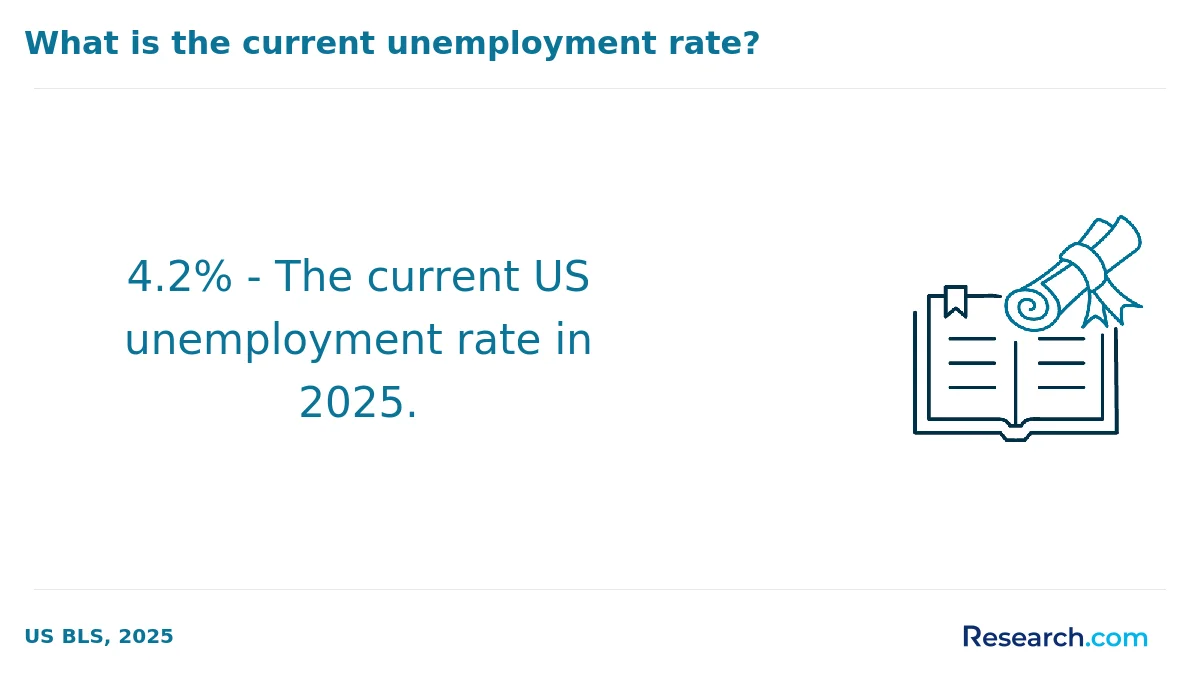
The associate degree job outlook in the United States remains strong, with many graduates from popular community colleges and technical schools quickly finding rewarding roles. Employment rates for associate degree holders aged 20 to 29 reached 78.1% in October 2024, surpassing those with bachelor's degrees. Graduates often move into fields like healthcare, technology, and skilled trades where demand is high and entry requires practical training completed in two years or less. Many report satisfaction in transitioning smoothly into new careers, particularly from well-regarded associate degree schools known for hands-on experience.
Several fastest growing associate degree careers USA offer impressive earning potential and stability, such as air traffic controllers earning around $144,580 and nuclear technicians at $104,240 annually. Job security is reinforced by a lower unemployment rate for associate degree holders (3.5%) compared to high school graduates. Graduates commonly highlight real-life success stories where close connections with local industries have helped them secure in-demand roles within months of finishing their programs.
For students considering career shifts or first-time college enrollment, exploring the career path for introverts within these fields can unlock growth opportunities adapted to diverse learning styles and strengths.
Best Associate Degree Programs - Leading Certification Courses for 2026
# 1 position
Flint Hills Technical College - Dental Assisting/Assistant.
associateFlint Hills Technical College offers a hybrid Dental Assisting/Assistant program designed to prepare students for patient care, dental radiographs, and office administrative tasks under professional supervision. The curriculum covers medical record-keeping, equipment maintenance, sterilization, chairside assisting, and supervised practice. Annual in-state tuition is $6,196. Graduates earn a median salary of $55,147 one year after completion. The program is accredited by the Higher Learning Commission.
# 2 position
Foothill College - Dental Assisting/Assistant.
associateFoothill College offers a Dental Assisting/Assistant program in a hybrid format, combining in-person and distance education. The curriculum prepares students for patient care, dental radiography, office administrative duties, and chairside assisting under supervision. Instruction includes medical record-keeping, equipment maintenance, scheduling, and supervised practical experience. The program is accredited by the Western Association of Schools and Colleges Accrediting Commission for Community and Junior Colleges. Annual in-state tuition is $1,565.
# 3 position
Orange Coast College - Dental Assisting/Assistant.
associateOrange Coast College offers a Dental Assisting/Assistant program in a hybrid format, combining in-person and distance education. The program trains students to provide patient care, perform dental radiographs, assist during procedures, and manage office administrative tasks under professional supervision. Instruction covers medical record-keeping, equipment maintenance, sterilization, and chairside assisting. Annual in-state tuition is $1,208. The program is accredited by the Western Association of Schools and Colleges Accrediting Commission for Community and Junior Colleges.
# 4 position
Salina Area Technical College - Electrician.
associateThe Electrician program at Salina Area Technical College offers a hybrid format with some distance-education options. It trains students to install, operate, maintain, and repair electrical systems including residential, commercial, and industrial wiring, motors, controls, and distribution panels. The curriculum covers electronics principles, wiring, power transmission, safety, electrical testing, and codes. The program’s annual in-state tuition is $7,020 and it is accredited by the Higher Learning Commission.
# 5 position
Salina Area Technical College - Dental Assisting/Assistant.
associateThe Dental Assisting/Assistant program at Salina Area Technical College offers a hybrid format with some distance education options. It prepares students to provide patient care, take dental radiographs, and assist dentists and hygienists with procedures. The curriculum includes medical record-keeping, office duties, equipment maintenance, sterilization, and chairside assisting. The annual in-state tuition is $7,020. The program is accredited by the Higher Learning Commission.
# 6 position
Dallas College - Electrician.
associateThe Electrician program at Dallas College offers a hybrid format with some distance education options. It prepares students to install, maintain, and repair electrical systems in residential, commercial, and industrial settings. The curriculum covers electronics, wiring, power transmission, safety, job estimation, testing, inspection, and electrical codes. The annual in-state tuition is $2,370. Median earnings one year after completion are $66,463. The program is accredited by the Southern Association of Colleges and Schools Commission on Colleges.
# 7 position
Ivy Tech Community College - Electrician.
associateThe Electrician program at Ivy Tech Community College offers a hybrid format with some distance-education options. It prepares students to install, operate, maintain, and repair electrical systems, including residential, commercial, and industrial wiring. Training covers electronics, power transmission, safety, job estimation, and electrical codes. The annual in-state tuition is $4,912. Graduates have median earnings of $80,734 one year after completion. The program is accredited by the Higher Learning Commission.
# 8 position
Lake Area Technical College - Dental Assisting/Assistant.
associateThe Dental Assisting/Assistant program at Lake Area Technical College is a hybrid option that prepares students to assist dentists and hygienists by providing patient care, taking dental radiographs, and managing office administrative tasks. The curriculum includes instruction in medical record-keeping, equipment sterilization, chairside assisting, and supervised practice. Annual in-state tuition is $6,718, and median earnings one year after completion are $36,631. The program is accredited by the Higher Learning Commission.
# 9 position
Owensboro Community and Technical College - Electrician.
associateOwensboro Community and Technical College offers a hybrid Electrician program that trains students to install, operate, maintain, and repair electrical systems in residential, commercial, and industrial settings. The curriculum covers electronics, wiring, power transmission, safety, job estimation, and applicable codes. Annual in-state tuition is $4,656. Graduates typically earn a median salary of $55,533 one year after completion. The program is accredited by the Southern Association of Colleges and Schools Commission on Colleges.
# 10 position
Central Community College - Dental Assisting/Assistant.
associateCentral Community College offers a fully online Dental Assisting/Assistant program designed to prepare students for patient care, dental radiography, and office administrative tasks under professional supervision. The curriculum covers medical record-keeping, scheduling, equipment maintenance, sterilization, radiography, chairside assisting, and patient care. The program’s annual in-state tuition is $3,360, and graduates earn a median salary of $53,860 one year after completion. It is accredited by the Higher Learning Commission.
Frequently Asked Questions about associate degree programs
Preparing for the job market after earning an associate degree in the USA involves several strategic steps. Graduates should begin by developing a strong resume that highlights relevant skills and practical experience gained during their studies. According to the National Center for Education Statistics, about 56% of associate degree holders are employed full-time within a year of graduation.
Internships and part-time work during study significantly improve job prospects. Networking through career fairs and professional organizations also plays a crucial role. Additionally, many community colleges offer career services like interview preparation and job placement assistance, which graduates should utilize.
Continuing education and certifications in specialized fields can further enhance employability, especially in healthcare, technology, and skilled trades, where associate degrees are highly valued.
Employers across the USA prioritize a mix of technical and soft skills in associate degree graduates. According to the National Association of Colleges and Employers (NACE), critical thinking and problem-solving are among the most sought-after abilities. Over 75% of employers also highlight communication skills as essential, including both written and verbal proficiency.
Technical skills vary by industry but often include computer literacy, data analysis, and basic project management. For example, in healthcare and technology fields, familiarity with specific software or tools greatly improves job prospects. Adaptability and teamwork also rank highly, with Deloitte's 2023 survey indicating that nearly 70% of employers value collaboration skills.
Businesses increasingly seek graduates who can quickly learn and apply new knowledge, reflecting rapid technological changes in the workplace. These skills combined make associate degree holders competitive candidates in the current job market.
Finding internships relevant to your associate degree program in the USA involves multiple strategic steps. Start by utilizing your college's career services, which often maintain partnerships with local businesses and can connect you to internship opportunities. National resources like the U.S. Department of Labor's CareerOneStop site also list available internships by location and field. According to the National Association of Colleges and Employers (NACE), about 60% of internships nationwide are paid, increasing employability after graduation.
Networking plays a critical role; join professional associations related to your field and attend job fairs. Online platforms like Handshake specifically target students and recent graduates seeking internships.
Finally, contact local employers directly, tailoring your resume and cover letter to emphasize skills gained in your program. Persistence and early application submissions improve your chances of securing a quality internship.
An associate degree in the USA can significantly enhance career mobility and advancement opportunities. According to the National Center for Education Statistics (NCES), individuals with an associate degree earn, on average, 20% more than those with only a high school diploma. This credential often serves as a stepping stone for entering higher-skilled jobs in fields like healthcare, technology, and business.
Employers commonly recognize associate degrees as proof of specialized knowledge and practical skills, which can lead to promotions and higher responsibilities. Additionally, many community colleges have transfer agreements with four-year universities, enabling graduates to pursue bachelor's degrees and further career growth.
The U.S. Bureau of Labor Statistics (BLS) also reports lower unemployment rates among associate degree holders compared to those with less education, highlighting increased job stability. Thus, an associate degree provides both immediate and long-term benefits for career advancement within the American workforce.
Part-time jobs can greatly complement associate degree education in the USA, providing practical experience alongside academic learning. Many students find opportunities in healthcare support roles such as medical assistants or pharmacy technicians, where demand is expected to grow 11% from 2022 to 2032 according to the U.S. Bureau of Labor Statistics (BLS). These jobs often align closely with health science-related associate degrees.
Retail and customer service positions remain common part-time options, offering flexible hours and valuable interpersonal skills. Additionally, roles like IT support specialists or administrative assistants can complement degrees in technology and business fields, providing real-world skills while studying.
Engaging in relevant part-time work not only supports financial needs but also enhances employability after graduation.
- Traditional vs Online Degrees 2025: Which One is Better for You? https://www.pw.live/online-degree/exams/traditional-vs-online-degree
- How Long Does It Take to Get an Associate Degree? | JWU Online https://online.jwu.edu/blog/mapping-your-path-how-long-does-it-take-to-get-an-associate-degree/
- A comprehensive overview of the Associate Degree https://www.crimsoneducation.org/us/blog/what-is-an-associate-degree
- 8 Advantages of an Associate Degree | MWCC https://mwcc.edu/blog/advantages-of-an-associate-degree/
- Online vs Traditional Degrees: Similarities and Differences https://www.aiu.edu/blog/online-vs-traditional-degrees/
- How long does it take to get an associate degree? | University of Phoenix https://www.phoenix.edu/blog/how-long-does-it-take-to-get-an-associate-degree.html
- Options for Students with an Associate Degree | LSU Online https://online.lsu.edu/newsroom/articles/what-can-i-do-after-earning-associate-degree/
- Research - Best Fast Track Accelerated Degree Programs In America https://research.com/degrees/best-fast-track-accelerated-degree-programs-in-america
- Job Market’s Effect on the Economy | U.S. Bank https://www.usbank.com/investing/financial-perspectives/market-news/effect-of-job-market-on-the-economy.html
- Nces https://nces.ed.gov/