Most Affordable Trade School & Training Programs - Leading Certification Courses for 2026

Co-Founder and Chief Data Scientist
Choosing the right trade school is a big step toward a rewarding career. This article presents the most affordable trade schools for 2026, focusing on value and opportunity.
The trade school programs ranking by the Research.com team of data scientists helps you explore options backed by thorough data analysis. You can feel confident knowing you’re making an informed decision that matches your goals and budget.
Whether you’re aiming for a diploma or certification, this guide highlights programs that open doors to real skills and better job prospects.
Key benefits of finishing trade school programs trade school in the USA
- Strong earning potential: Trade school graduates can earn from $55,000 to $99,000 yearly, with jobs like elevator installers making around $99,000 and dental hygienists earning about $81,400.
- Diverse and rewarding career paths: Popular trades include electricians, HVAC technicians, welders, and sonographers, offering many options that fit different interests and skills.
- Flexible learning options: Online trade schools let you study at your own pace, saving time and money compared to traditional campus programs, making it easier to start your dream career quickly.
- Most Affordable Trade School & Training Programs - Leading Certification Courses for 2026
- What can I expect from trade school programs trade schools in the USA?
- Where can I work after finishing trade school programs trade schools in the USA?
What can I expect from trade school programs trade schools in the USA?
Imagine stepping into a trade school classroom where the buzz of tools and lively discussions fill the air, excitement building as you prepare to master skills that truly matter. The average cost of a trade school program in the USA typically ranges from $7,000 to $10,000 at public institutions, making it a more wallet-friendly alternative compared to four-year colleges. Private trade schools might charge between $16,000 and $31,000, but many graduates find the investment worth it for the fast track to a rewarding career.
Students who've walked these halls often share stories of real-world internships or hands-on labs, where theory leaps off the page and into their hands. Picture a healthcare student in a bustling urban trade school learning to operate cutting-edge equipment, or a construction trainee in the Midwest working shoulder-to-shoulder with experts on-site. Hybrid courses allow flexible learning without losing the essential tactile experience, perfectly suited to busy lives.
Affordability combines with specialized instruction tailored to what employers really want, meaning graduates leave not just with a certificate, but with confidence and a clear path to employment. The cost becomes a stepping stone to opportunity, not a barrier.
Where can I work after finishing trade school programs trade schools in the USA?
After graduating from a trade school in the USA, the world practically unfolds beneath your feet with hands-on jobs ready to grasp. Imagine stepping onto a bustling construction site or into a high-tech manufacturing plant just weeks after your last class. Graduates from programs like electrician courses at technical institutes often find themselves wiring homes or maintaining power grids with salaries that can climb over $100,000 annually.
A graduate who trained as a plumber might start steady work on public utilities or commercial projects, earning a median salary around $61,550, feeling the pride of providing essential services in their community. HVAC tech grads hop between homes and businesses, tweaking climate systems, often making between $59,000 and $90,000. Welding grads recall the thrill of sparks flying on industrial or underwater sites, turning raw materials into infrastructure with starting pay near $50,000.
Trade schools known nationwide equip students quickly for careers that matter-whether they're maintaining semiconductor equipment or driving commercial trucks, the path from classroom to paycheck is short and solid. The hands-on nature means immediate impact and financial security, perfect for those eager to earn and learn simultaneously.
Picture this: a recent graduate from a trade school in the USA steps into their first job making around $66,000 a year, sometimes reaching up to $81,000 or even more. That's a real paycheck, not just a number on paper. Whether someone trained as an electrician or a plumber, they're often pulling in salaries near $69,000, enough to cover bills and save for a weekend getaway.
Graduates focusing on specialized fields can hit impressive numbers fast. Imagine a nuclear power reactor operator earning a median of $121,240-that's what many talented trade school alumni celebrate after just a few years in the industry. Others, like elevator repair experts or aircraft mechanics, also enjoy thriving careers with salaries comfortably above six figures or close to it.
Trade schools across the USA, like those in Texas, California, or Florida, commonly share stories of grads landing jobs paying between $50,500 and $81,500. Many feel the thrill of surpassing national averages early in their careers, proving that trade skills are golden tickets to steady, rewarding work that pays well and grows with experience.
- Most trade schools require a high school diploma or GED, with some accepting homeschooling credentials or state-approved equivalency exams.
- Applicants are usually between 17 and 18 years old, but younger students may be admitted with parental consent.
- The admission process is simpler than for four-year colleges, typically needing an application form, application fee, and sometimes a placement test or transcripts.
- Trade school programs cost between $5,000 and $15,000, which is lower than traditional college tuition, and financial aid is available for eligible students.
- Graduates in skilled trades often earn between $35,000 and $55,000 per year starting out, with potential to make $75,000 or more with experience.
Trade school programs in the USA are famously swift, often wrapping up in less than two years-sometimes as quick as six months. Imagine a nail technology graduate from a bustling beauty trade school who started with zero skills and, in just five months, launched a thriving career styling nails downtown. Or think about the hands-on thrill a diesel service student experienced, digging into engines over fourteen intense months before stepping confidently into the workforce.
Programs adjust for what you want: busy adults juggling jobs might stretch their studies part-time, while eager learners fresh out of high school race through full-time days. HVAC students, for example, dive deep into complex safety protocols and practical training, sometimes spending up to two years mastering the craft but feeling rewarded by every new skill.
Others fast-track through welding or phlebotomy, turning weeks into career-launching moments. Graduates from these popular US trade schools often share a common joy-getting certified quicker than a traditional degree path lets them. It's about jumping into work life fast, earning while learning, and celebrating milestones often overlooked in longer programs.
Imagine juggling a full-time job in Texas while earning your welding certificate through an online trade school. That's the freedom many graduates rave about-online programs let you study when the kids are asleep or on your lunch break, no campus commute stealing hours. Popular US trade schools offer such flexibility, making education fit your life, not the other way around.
But picture another graduate at a famous on-campus program in Ohio, hands thick with gloves, sparks flying during a live automotive repair lab. Here, every shift of a wrench happens under the watchful eye of instructors and fellow students, fostering immediate feedback and camaraderie. The buzz of the workshop, the tangible thrill of fixing an engine in real-time-these experiences are hallmarks of on-campus learning.
Online courses cut costs and remove geographical barriers, yet often require weekend trips or local partnerships for practical hours. On-campus trade schools, entrenched in tradition, offer vibrant, immersive environments where you learn and connect in person but ask for a stricter schedule and commute. Both paths are vibrant tapestries of opportunity tailored to different lives.
The average trade school tuition and fees in the US can seem surprisingly manageable compared to traditional four-year colleges. Many graduates from community colleges and public trade schools share stories of completing their programs with total costs hovering between $4,000 and $8,000 for the entire duration. These schools often cater to local students, making in-state tuition a significant money-saver. Imagine training yourself in HVAC repair or culinary arts while still budget-conscious, especially when tuition and fees for a two-year public trade program average about $3,973 per year.
A graduate of a popular culinary trade school in the Midwest reported feeling confident that the investment was worth it, not only for the knowledge but for the speed-most programs vying to keep you in and out within two years. While private for-profit schools tend to run higher, charging upwards of $15,000 annually, students there often find added perks like smaller class sizes or specialized equipment that feel worth the price. For shorter, certificate-style programs lasting less than two years, costs at public institutions can start around $9,617, a figure many see as a shortcut to a new career.
Considering the total cost of attending trade school programs means also factoring in supplies, books, and living expenses, which vary wildly by location and lifestyle. Some students find creative ways to reduce these costs or qualify for financial aid. For those wanting something even more affordable while studying remotely, options like the low cost online home remodeling certification provide flexible, budget-friendly alternatives that fit many lifestyles.

Imagine starting your journey at a bustling trade school in the USA and suddenly discovering a treasure trove of financial aid to lift the weight of tuition off your shoulders. Federal aid, anchored by the FAFSA, opens doors to grants like the Pell Grant, offering up to $7,395 a year without the headache of repayment. Graduates from popular schools like Lincoln Tech rave about how these grants transformed their dreams into reality.
State grants are the hidden gems, too-California's Cal Grant C Award, for example, doesn't just cover tuition but even supplies tools and equipment essential for hands-on programs. Many veterans attending trade schools benefit from the GI Bill®, making education affordable while honoring their service.
Private scholarships from groups like the mikeroweWORKS Foundation sprinkle additional hope, targeting high-demand fields like construction and healthcare. Those who've navigated the process often share how early FAFSA applications led to funding secured on a first-come, first-served basis, sparking confidence to focus on learning, not loans.
Dreaming of a trade school in the USA? The path is clearer than you might think. Most graduates recall that having a high school diploma or GED was their golden ticket-simple, accessible, and widely accepted across popular trade schools.
Age is another straightforward checkpoint. Usually, you need to be 17 or 18 years old, though some students as young as 16 have breezed through with parental consent. Imagine walking into a bustling technical school at 16, armed with a signed release from your high school-that's the kind of flexibility these programs offer.
Forget SATs and ACTs-trade schools focus on what really matters for hands-on skills. Some graduates shared how a quick placement test helped them find their perfect starting point without the pressure of standardized exams.
- Submit an application form along with a non-refundable fee
- Provide transcripts, certificates, or recommendation letters
- Sometimes write a brief essay or attend an interview
Many students appreciate partner programs blending high school and trade education, skipping traditional diploma barriers and unlocking financial aid through alternative career pathway programs.
For careers in healthcare or security, a few graduates remember background checks as a routine but crucial step-setting them on the right path toward certification.
Every step is designed to empower you, making trade school enrollment in the USA wide open and focused on your success.

Trade school programs in the USA dive right into hands-on magic, shaping careers with sharp, practical skills. Imagine a graduate from a bustling automotive tech program, confidently diagnosing a stubborn engine glitch after just months of study-skills they learned through wrench-turning labs and real engine teardowns. Welding courses? They don't just teach sparks; graduates leave with the know-how to fabricate metal art and infrastructure, always with safety top of mind. HVAC programs equip students to tame both frostbite and heatwaves by installing and repairing complex climate control systems.
Healthcare courses bring excitement too-graduates from nursing assistance or dental hygiene programs share how practicing patient-care techniques and medical coding deepens their understanding of anatomy and real-world clinics. Popular courses at trade schools across the USA include:
- Automotive technology: engine repair, transmissions, electrical systems
- Welding: fabrication, safety, equipment use
- HVAC: heating, ventilation, air conditioning installation and repair
- Plumbing and electrical: installation, maintenance, safety protocols
- Medical assisting and coding: anatomy, terminology, patient care
- Carpentry: blueprint reading, woodworking, safety standards
- Culinary arts: cooking labs, food safety, restaurant management
- Cosmetology: hair styling, skin care, salon business practices
- Information technology: computer repair, networking, digital security
Students often rave about jumping straight into labs and workshops that resemble real workplaces, making every moment dynamic and fulfilling. Whether sketching precise CAD drafts or mastering digital security, trade school graduates in the USA walk away ready-confident, certified, and eager to start their new life in a bright, skilled profession.
Trade schools in the USA unlock doors to a spectrum of dynamic specializations, tailor-made for those eager to dive into hands-on careers. Graduates often share how programs in healthcare-training as medical assistants, pharmacy technicians, or massage therapists-gave them a fast track to fulfilling jobs in bustling clinics and wellness centers.
Imagine stepping into busy construction sites or state-of-the-art workshops after courses in skilled trades like electrician, plumber, or welder. With a nationwide welder shortage, many find these paths not only rewarding but essential to America's infrastructure.
On the tech frontier, students mastering roles such as IT technician or cybersecurity specialist witness their knowledge meet the digital age head-on. Popular trade schools in the USA sprinkle real projects and certifications throughout the curriculum, fueling confidence.
Creative souls flourish studying cosmetology, culinary arts, and graphic design, crafting careers that blend talent with steady demand. Considering growth and salaries, those curious can explore high paying trade school jobs that start right from these specializations.
- Healthcare: medical assistant, dental hygienist
- Skilled trades: electrician, HVAC technician
- Technology: data science, cybersecurity
- Creative: culinary arts, graphic design
Choosing the best trade school program in the USA starts with zeroing in on your dream job-electrician, welder, or maybe aircraft service technician-and then hunting down the best accredited trade schools in the USA that deliver the skills you need. Graduates from well-known technical colleges often share how accreditation made their resumes stand out, ensuring employers trusted their training was legit. Picture walking into a workshop buzzing with hands-on learning, knowing your certificates hold real weight.
When it comes to how to compare trade school programs USA, don't just skim websites-dig into graduation rates, job placements, and even student stories from campuses known for strong industry ties. Many students rave about how local connections helped them land apprenticeships and gigs quickly. Think also about costs-affordability can be a game changer. For example, those hunting for the cheapest electrical lineworker training program online discovered that smart budgeting meant stress-free learning and a faster leap into earning.
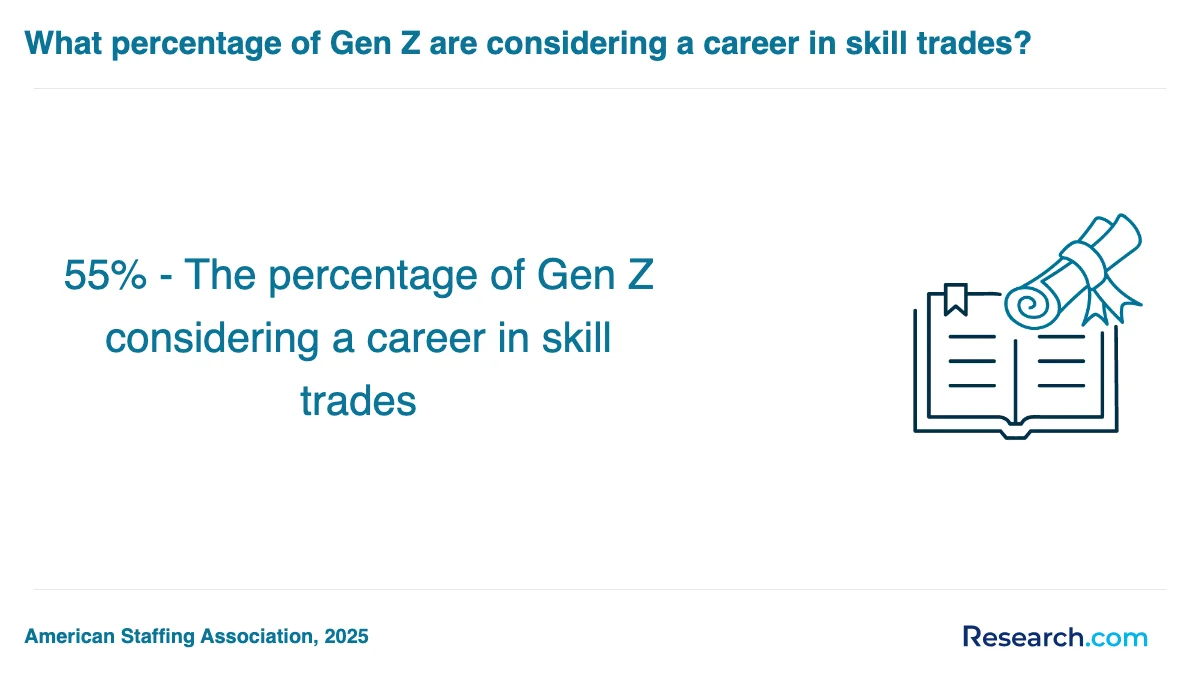
Trade school graduates in the USA dive headfirst into some of the best trade school careers in the USA, where hands-on skills quickly turn into real jobs. Picture a graduate from a top trade school in Texas jumping into construction, riding the wave of 154,900 new jobs popping up annually, building everything from cozy homes to bustling commercial spaces. Another savvy graduate heads to welding, capitalizing on a nationwide shortage of 400,000 welders, crafting essential infrastructure like bridges and factory frameworks.
Beyond these, fields like electrical work, HVAC, and diesel technology open doors to maintaining and powering America's homes and highways. Graduates often share stories of how their training moved them swiftly into these high-demand trade jobs in America, mastering roles as electricians, HVAC techs, and diesel mechanics.
Health sciences and IT also attract many grads, with fast-track programs prepping them as licensed practical nurses or IT support specialists, ready to meet urgent market needs. If you're unsure whether this route fits you, explore the trade vs vocational school debate for clarity on these vibrant career paths.
The job market for trade school graduates in the USA is buzzing with opportunity. Graduates from popular trade schools often share stories of landing solid roles within months, thanks to the soaring skilled trades demand in the United States. Picture a recent HVAC graduate from a top technical college receiving multiple job offers before the ink on their diploma dried. The construction sector alone is expected to create roughly 154,900 new jobs each year, fueled by booming infrastructure projects and commercial expansions. This creates a goldmine of openings in fields like electrical work, welding, and commercial truck driving.
Here's why trade schools shine in this hiring frenzy:
- 78.1% employment rate for recent associate degree holders aged 20-29, beating many bachelor grads.
- 400,000 welder shortage nationwide, creating instant demand for skilled professionals.
- A strong recommendation rate from 33% of American adults advocating for trade education over traditional college routes.
Graduates from trade schools find themselves in real-world roles quickly, stepping into hands-on careers with strong pay and job security. Exploring high demand trades showcases this booming post-training landscape perfectly, offering a bright path for those eager to jumpstart their careers.
Most Affordable Trade School & Training Programs - Leading Certification Courses for 2026
# 1 position
Wiregrass Georgia Technical College - Automobile/Automotive Mechanics Technology/Technician.
associateWiregrass Georgia Technical College offers a hybrid Automobile/Automotive Mechanics Technology/Technician program that prepares students to repair, service, and maintain various automobile systems. The curriculum covers brake systems, electrical systems, engine performance and repair, suspension and steering, transmissions, and heating and air conditioning. Annual in-state tuition is $3,212. Graduates earn a median income of $28,014 one year after completion. The program is accredited by the Southern Association of Colleges and Schools Commission on Colleges.
# 2 position
Wiregrass Georgia Technical College - Computer and Information Systems Security/Auditing/Information Assurance.
associateWiregrass Georgia Technical College offers a hybrid program in Computer and Information Systems Security/Auditing/Information Assurance that prepares students to evaluate and manage security for computer and network systems. The curriculum covers programming, networking, cryptography, risk assessment, and security auditing. The annual in-state tuition is $3,212. The program is accredited by the Southern Association of Colleges and Schools Commission on Colleges.
# 3 position
Wiregrass Georgia Technical College - Electrician.
associateThe Electrician program at Wiregrass Georgia Technical College offers a hybrid format with some distance-education options. It prepares students to install, operate, maintain, and repair electric systems including residential, commercial, and industrial wiring. The curriculum covers electronics principles, wiring, power transmission, safety, inspection, and applicable codes. Annual in-state tuition is $3,212. The program is accredited by the Southern Association of Colleges and Schools Commission on Colleges.
# 4 position
Wiregrass Georgia Technical College - Heating, Air Conditioning, Ventilation and Refrigeration Maintenance Technology/Technician.
associateWiregrass Georgia Technical College offers a hybrid Heating, Air Conditioning, Ventilation and Refrigeration Maintenance Technology/Technician program. This program prepares students to repair, install, service, and maintain HVAC and refrigeration systems, emphasizing diagnostic techniques, testing equipment, and principles of mechanics, electricity, and electronics. The annual in-state tuition is $3,212. The program is accredited by the Southern Association of Colleges and Schools Commission on Colleges.
# 5 position
Wiregrass Georgia Technical College - Industrial Mechanics and Maintenance Technology/Technician.
associateWiregrass Georgia Technical College offers a Hybrid Industrial Mechanics and Maintenance Technology/Technician program. It prepares students to repair and maintain industrial machinery such as cranes, pumps, engines, and conveyor systems. The program is accredited by the Southern Association of Colleges and Schools Commission on Colleges. Annual in-state tuition is $3,212. This program combines technical knowledge with practical skills for maintaining complex industrial equipment.
# 6 position
Wiregrass Georgia Technical College - Computer Numerically Controlled (CNC) Machinist Technology/CNC Machinist.
associateWiregrass Georgia Technical College offers a hybrid Computer Numerically Controlled (CNC) Machinist Technology program that trains students to operate CNC machine tools for machining tasks like cutting, drilling, and shaping. The curriculum includes CNC programming, blueprint reading, CAD/CAM systems, and safety practices. Annual in-state tuition is $3,212. Graduates have median earnings of $26,147 one year after completion. The program is accredited by the Southern Association of Colleges and Schools Commission on Colleges.
# 7 position
Wiregrass Georgia Technical College - Opticianry/Ophthalmic Dispensing Optician.
associateWiregrass Georgia Technical College offers a hybrid Opticianry/Ophthalmic Dispensing Optician program that trains students to fit corrective eyewear and assist patients in frame selection. The curriculum covers geometrical optics, anatomy of the eye, prescription interpretation, contact lens fitting, and prosthesis adaptation. Students also learn laboratory work orders, adjustment tools, and business tasks. The program's annual in-state tuition is $3,212 and is accredited by the Southern Association of Colleges and Schools Commission on Colleges.
# 8 position
Wiregrass Georgia Technical College - Business Administration and Management, General.
associateWiregrass Georgia Technical College offers a program in Business Administration and Management, General, designed to prepare students to plan, organize, direct, and control business functions. The curriculum covers management theory, human resources, accounting, purchasing, logistics, marketing, and business decision-making. Annual in-state tuition is $3,212. The program is accredited by the Southern Association of Colleges and Schools Commission on Colleges.
# 9 position
Wiregrass Georgia Technical College - Accounting Technology/Technician and Bookkeeping.
associateWiregrass Georgia Technical College offers a program in Accounting Technology/Technician and Bookkeeping that prepares students to support professional accountants and financial management personnel. The curriculum includes instruction in posting transactions, record-keeping systems, accounting software operation, and general accounting principles. The annual in-state tuition is $3,212. The program is accredited by the Southern Association of Colleges and Schools Commission on Colleges.
# 10 position
Wiregrass Georgia Technical College - Marketing/Marketing Management, General.
associateWiregrass Georgia Technical College offers a Marketing/Marketing Management, General program designed to prepare students to manage the development of consumer audiences and product distribution. The curriculum covers buyer behavior, marketing research principles, demand analysis, pricing theory, marketing campaigns, and sales operations. The program costs $3,212 annually for in-state students and is accredited by the Southern Association of Colleges and Schools Commission on Colleges.
Frequently Asked Questions about trade school programs
Preparing for the job market after completing trade school in the USA involves several important steps. First, graduates should obtain industry-recognized certifications or licenses relevant to their skill, as these credentials often increase employability. According to the U.S. Bureau of Labor Statistics, trade occupations are expected to grow by 5% from 2021 to 2031, emphasizing demand for skilled workers. Networking is also vital; connecting with local unions, employers, and trade associations can open opportunities.
Additionally, building a professional resume that highlights hands-on experience gained during training helps. Utilizing career services offered by trade schools, such as job placement programs and interview workshops, can improve job prospects significantly. Staying updated on technological advancements in their field also gives graduates a competitive edge in the evolving marketplace.
Employers in the USA highly value both technical and soft skills when hiring trade school graduates. According to the National Skills Coalition, proficiency in hands-on technical abilities like welding, electrical work, and HVAC installation ranks among the top sought-after skills.
In addition, teamwork, communication, and problem-solving are critical soft skills frequently highlighted by employers in sectors such as manufacturing and construction, as reported by the U.S. Department of Labor.
Reliability and a strong work ethic are also key, with 72% of employers identifying these traits as essential when evaluating potential hires from trade programs (source: ManpowerGroup 2023).
Trade school graduates who combine practical knowledge with these interpersonal skills tend to have the best job prospects in the American workforce.
Finding internships relevant to your trade school program in the USA involves several key steps. Start by consulting your school's career services office, which often maintains partnerships with local businesses offering practical training opportunities. According to the National Association of Colleges and Employers, about 60% of internships lead to job offers, highlighting their importance.
Online platforms like Handshake and Indeed list many internship openings tailored to specific trades. Networking through industry events or professional associations can also connect you with employers seeking interns.
Make sure to prepare a strong resume highlighting your skills and coursework, as this increases your chances of securing a valuable internship.
A trade school diploma in the USA significantly enhances career mobility by equipping students with specific job-ready skills. According to the National Center for Education Statistics, about 80% of trade school graduates find employment in their field within six months. This specialized training often leads to faster entry into the workforce compared to traditional four-year degrees.
Career advancement is also notable, as many skilled trades offer clear pathways to higher wages with experience and certifications. The U.S. Bureau of Labor Statistics highlights that occupations requiring trade credentials, such as electricians and plumbers, are projected to grow 8% through 2031, faster than the average for all occupations. This growth creates opportunities for promotion and wage increases.
Part-time job opportunities that align with trade school education in the USA often provide practical experience and income to students. Common roles include apprenticeships, retail positions in hardware or automotive stores, and entry-level technician jobs. The U.S. Bureau of Labor Statistics (BLS) highlights that over 40% of trade school students find part-time work related to their field, improving job readiness.
Hands-on roles, such as HVAC assistant, electrician helper, or dental assistant, are particularly popular. These jobs not only supplement learning but also build industry connections. The median wage for part-time workers in skilled trades ranges between $12 and $18 per hour, supporting financial stability during studies, based on BLS data from 2023.
- Trade Schools Overview | ACT https://www.act.org/content/act/en/students-and-parents/career-planning/career-planning-resources/trade-schools.html
- Trade school: A comprehensive guide https://www.collegeessayguy.com/blog/trade-school-guide
- Trade Schools, What Are The Benefits - InterCoast Colleges https://intercoast.edu/articles/benefits-of-trade-schools/
- Trade School: What Is It & What to Expect https://erieit.edu/what-to-expect-when-attending-trade-school/
- 7 Best Trade School Jobs | BestColleges https://www.bestcolleges.com/trades/best-trade-school-jobs/
- Trade School Career Paths: The Direct Route to Professional Success - Florida Trade Academy https://floridatradeacademy.org/trade-school-career-paths-the-direct-route-to-professional-success-2/
- Learn A Trade - SUNY https://www.suny.edu/trades/
- Trade Programs at North American Trade Schools https://natradeschools.edu/programs/
- Trade School: Your Fast Track to a High-Paying Career https://abcsocal.org/trade-school/