
Most Affordable Trade School & Training Programs - Leading Certification Courses in Virginia for 2026

Co-Founder and Chief Data Scientist
Choosing the right trade school in Virginia can be overwhelming, especially when aiming for affordability and quality. This article introduces a trade school programs ranking created by the Research.com team of data scientists to help you find the best options for 2026.
By exploring this guide, you’ll gain valuable insights into programs that offer real opportunities for career growth. Earning a trade school diploma or certification can open doors to rewarding jobs and stable futures.
Your journey toward a skilled trade career starts here, with trusted information designed to support your goals.
Key benefits of finishing trade school programs trade school in Virginia
- Strong earning potential: Trade school graduates in Virginia can earn between $50,000 and $66,573 annually on average, with electricians making about $60,860 per year and experienced HVAC technicians earning over $80,000, showcasing attractive salary opportunities.
- Popular career paths: Graduates often pursue careers as electricians, HVAC technicians, commercial refrigeration installers, and nursing assistants-fields in high demand offering stable jobs and room for growth.
- Convenient online options: Earning a trade school diploma online allows flexibility for busy schedules, letting students learn at their own pace while gaining real skills, making it easier to start a rewarding career quickly without relocating.
- Most Affordable Trade School & Training Programs - Leading Certification Courses in Virginia for 2026
- What can I expect from trade school programs trade schools in Virginia?
- Where can I work after finishing trade school programs trade schools in Virginia?
What can I expect from trade school programs trade schools in Virginia?
The average cost of a trade school program in Virginia is significantly lower than pursuing a traditional four-year degree, often costing thousands less. Graduates from well-known trade schools in the state share how this affordability played a crucial role in their decision to enroll. For many, the reduced tuition meant less student debt and a faster path to financial independence.
Students typically spend between one to two years completing their programs, with some certificates requiring less than a year. This shorter timeframe lets them dive into their chosen careers quickly, whether in healthcare, automotive technology, or construction.
Practical experience is a hallmark of these programs. For example, automotive students in Fairfax County describe working on real county vehicles during internships, while cosmetology students gain hands-on salon experience, boosting their confidence and skillset before graduation.
Flexible scheduling options, like online or self-paced courses, cater to students juggling work or family responsibilities, making trade schools in Virginia accessible and supportive for diverse lifestyles.
Where can I work after finishing trade school programs trade schools in Virginia?
After finishing a trade school program in Virginia, graduates find a wide range of employment opportunities in industries hungry for skilled labor. Many alumni from respected Virginia trade schools move directly into construction roles, working on residential projects or commercial sites, where the demand is soaring thanks to extensive infrastructure upgrades and booming housing developments.
Others have shared how they quickly stepped into welding positions, filling the critical shortage that the state faces. These welders contribute to building bridges and manufacturing essential goods, securing steady employment. HVAC technicians, electricians, and diesel mechanics trained in Virginia's top trade schools often land jobs across metropolitan hubs like Arlington-Alexandria, where employers eagerly seek certified professionals.
Graduates frequently mention the confidence gained from hands-on training and how it sets them apart in a market with only 47 available workers for every 100 openings. This competitive edge not only boosts their career growth but also provides meaningful work that supports Virginia's thriving economy.
After finishing a trade school program in Virginia, many graduates see promising earnings that can quickly change their financial outlook. For instance, graduates from well-known programs at Virginia Community Colleges often start with hourly wages around $23.37 as trade assistants, which adds up to nearly $48,600 per year. This real-world paycheck already beats many entry-level jobs, offering a solid foundation to build on.
Electricians trained through Virginia's trade schools frequently earn a mean annual wage of about $58,560. Some graduates from programs in areas like Charlottesville have reported salaries pushing past $63,000, reflecting how local demand shapes income. Those with experience and extra certifications can even surpass $100,000 annually, a goal that feels attainable to motivated students who invest their skills wisely.
Other careers like HVAC, plumbing, and welding also show starting pay between $50,000 to $60,000, with overtime and supervisory roles opening doors to higher earnings. For a trade school graduate in Virginia, these figures represent more than numbers-they reflect real opportunities to create financial stability and pride in a skilled craft.
- Applicants must be at least 16 years old, with those under 18 requiring parental consent; a high school diploma or GED is preferred or required by most programs.
- Application fees range from $25 to $150 and must be paid before the application is processed.
- Admissions decisions for popular programs may be based on high school GPA (40%) and essay responses (60%), with some programs filling quickly.
- Tuition typically ranges from $5,000 to $20,000 depending on the field and institution, with program lengths from several months to two years.
- Entry-level salaries range from $35,000 to $50,000, with experienced electricians and HVAC technicians often earning $60,000 or more per year.
Completing a trade school program in Virginia can vary widely, but many students find their path wraps up in around two years. Graduates from popular schools like Virginia Western often share how their diplomas in fields like electrical work or HVAC took roughly this time-balancing classroom lessons and hands-on training to build real-world skills swiftly.
Others chasing faster routes appreciate accelerated choices, such as fast-track certificates that finish in a year or less. At these programs, students often recall an intense, focused journey, where every hour in the workshop counted toward quicker entry into the workforce.
For those with family or work commitments, schools like Centura College offer even shorter programs of 8 months, demonstrating Virginia's flexibility with day and night classes, making education accessible without sacrificing life's demands.
On the other hand, apprenticeships, like those at Newport News, unfold over four to eight years. Graduates from these programs highlight how combining paid on-the-job training with classroom learning builds expertise unmatched by shorter courses, creating confidence and mastery over time.
The main difference between online and on-campus trade school programs in Virginia lies in how you experience learning. Imagine a busy parent taking classes online through Virginia Peninsula Community College, who appreciates the freedom to study late at night or during lunch breaks while managing family life. This flexibility allows many to earn certificates without sacrificing daily responsibilities. Conversely, graduates from on-campus programs, like those at Virginia State University, often describe the energizing buzz of in-person labs and hands-on practice with specialized equipment-something difficult to replicate online.
Online students enjoy access to the same expert faculty and rigorous coursework but must be self-motivated to engage with lectures and assignments independently. On-campus students benefit from immediate feedback and camaraderie, fostering teamwork and real-time problem-solving. For instance, a student training in HVAC might find on-campus access to tools invaluable, while another advancing IT skills might thrive with asynchronous online modules.
The average trade school cost in Virginia typically hovers around $18,605 per year, a figure that many graduates from popular trade schools in the state recognize firsthand. For these students, this amount covers tuition and mandatory fees, which vary depending on factors like whether the institution is public or private. Public trade schools often charge between $5,000 and $15,000 annually, offering a more affordable route for those looking to quickly enter the workforce. Private schools, on the other hand, may ask for $10,000 to $30,000 per year but often provide specialized programs and smaller class sizes that appeal to students aiming for niche technical careers.
Virginia trade school tuition and fees reflect this wide spectrum. Graduates frequently share how shorter program durations-usually less than two years-help them save money compared to traditional four-year degrees, turning their education into a quicker gateway to stable employment. One common thread in their stories is the balancing act of tuition with additional costs such as books and equipment, which can add up but remain manageable with available financial aid.
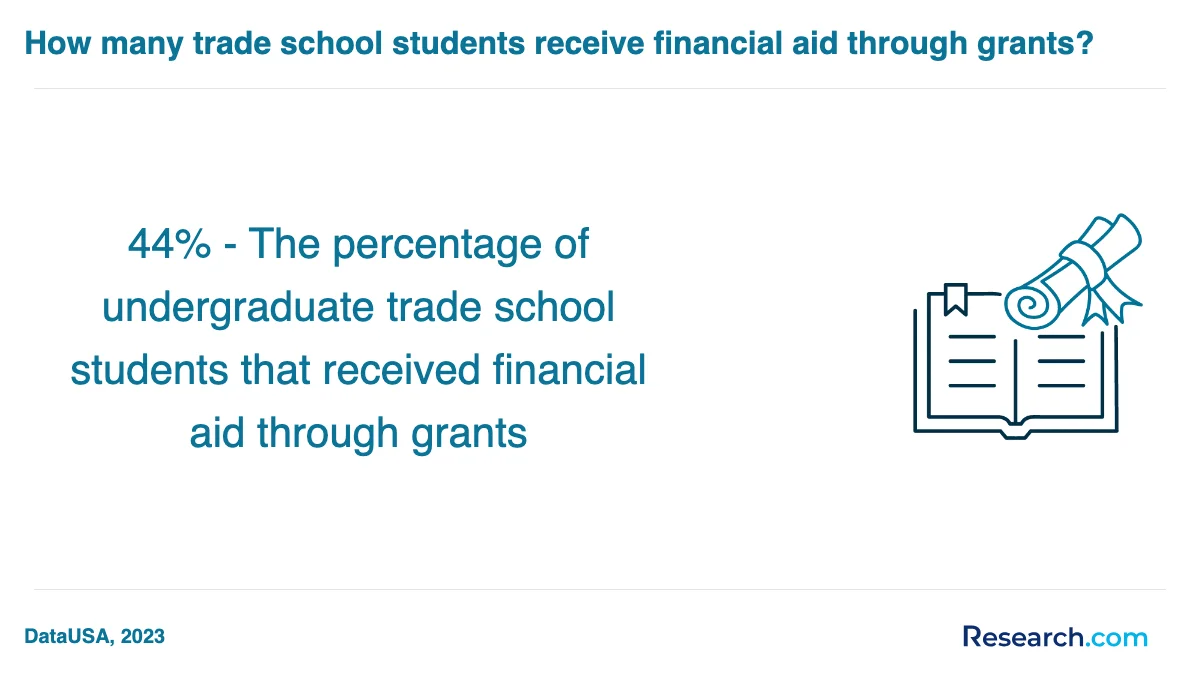
Many students have found valuable support through scholarships, federal grants, and work-study options, making trade school education accessible and less daunting financially. For those curious about specific programs, exploring options like a cheap solar technician training program in Virginia presents a practical example of keeping costs reasonable while pursuing promising career paths.

Financial aid for trade school students in Virginia opens many doors but begins with the essential step of completing the Free Application for Federal Student Aid (FAFSA). Imagine a student at Piedmont Virginia Community College, relieved to qualify for a Pell Grant that can cover thousands of dollars of their tuition, easing the weight of financial stress. Federal aid also includes subsidized loans and the Federal Work-Study program, providing flexible ways to fund education while gaining practical experience.
Beyond federal aid, Virginia offers the Virginia Tuition Assistance Grant Program (VTAG), a lifeline for residents attending private, nonprofit colleges. Graduates from Virginia Western Community College often speak of how VTAG helped bridge financial gaps, allowing them to focus more on studies than bills. Additionally, some public trade schools provide state grants or scholarships accessible through completing FAFSA or the Virginia Alternative State Aid Application (VASA).
Institutional scholarships at popular schools, like those offered without separate applications at Piedmont and Virginia Western, further unlock opportunities. These scholarships often reward merit, need, or specific backgrounds, giving students hope and recognition as they pursue their careers in trades.
To enroll in a trade school program in Virginia, most students find that having a high school diploma or GED is the essential first step. Graduates often share how this requirement felt like a clear doorway to opportunity, especially at institutions such as Virginia Technical Academy and Reynolds Community College, where this credential is consistently requested.
Yet, if you don't have a diploma or GED, don't worry-there are alternative routes. For example, some students recall taking entry reading and math tests at Virginia Technical Academy, turning what seemed like a barrier into an achievable goal. Reynolds Community College admits applicants over 18 without a diploma if they meet readiness standards, though programs like nursing remain strict.
- Proof of valid ID, like a driver's license or state-issued ID
- Social Security card for application processing
- For high school students, being 10th or 11th graders with counselor-provided transcripts (e.g., New Horizons Regional Education Center)
These requirements ensure you're prepared and ready to thrive in your chosen field. Many students have found pride and confidence in meeting these criteria, knowing they're stepping into worthwhile trade programs tailored just for Virginia learners.

Trade school programs in Virginia focus on equipping students with hands-on skills tailored for careers that matter in today's job market. Graduates from institutions like Virginia Western Community College often share how courses in Electrical Wiring and Plumbing gave them the confidence to tackle real world projects right after completing their training.
Core courses typically include:
- HVAC (Heating, Ventilation, and Air Conditioning), blending theory with practical system maintenance
- Welding and Metal Processing, where students learn precision and craftsmanship essential for manufacturing
- Automotive Analysis & Repair, combining diagnostic skills with hands-on vehicle troubleshooting
- Construction Management, delivering knowledge in managing projects from blueprint to build
For those drawn to high-tech fields, programs offer classes in Machine Tool Technology and Quality Inspection, focusing on precision work with manufacturing machinery. Graduates describe feeling empowered by integrating robotics and computer technologies in mechatronics courses, especially at Central Virginia Community College, where labs simulate cutting-edge work environments.
Short-term certifications-often under a year-provide quick entry into the workforce with practical training in building trades and maintenance, vital for students eager to start earning sooner. This combination of theory, hands-on labs, and industry-recognized certifications makes Virginia's trade schools uniquely responsive to employer demands and student aspirations alike.
Trade school programs in Virginia offer a diverse array of specializations that cater to both traditional trades and cutting-edge technology fields. Graduates from these programs often share stories of hands-on learning in areas like carpentry, electrical work, HVAC, plumbing, and welding, quickly gaining confidence as they master skills essential to booming industries.
Many find themselves drawn to advanced technical programs such as mechatronics, robotics, precision machining, and electronics, where the blend of mechanical and computer skills opens doors to modern manufacturing roles. For instance, some students trained to operate CNC machines have landed quality control positions soon after graduating, showcasing Virginia's responsiveness to employer needs.
Healthcare pathways like medical and dental assistant certifications also attract students eager to support vital community services. Meanwhile, those interested in the region's unique economy explore automotive technology, diesel mechanics, and maritime trades, especially at institutions like the Advanced Technology Institute in Virginia Beach.
Many enroll in programs designed for rapid completion, earning certificates or degrees that pave the way to rewarding careers fast.
- Carpentry, electrical, HVAC, plumbing, welding
- Mechatronics, robotics, precision machining, electronics
- Medical and dental assistant training
- Automotive technology, diesel mechanics, maritime trades
Virginia students looking for specialized training in vehicle repair can explore excellent options among trade schools for automotive techs, blending practical experience with industry standards to boost their job prospects.
Choosing among the best trade school programs in Virginia means focusing first on state certification and program accreditation, which guarantee your education meets rigorous standards. Graduates from well-known Virginia institutions often share how knowing their program was state-approved helped build confidence when entering the workforce. Imagine joining a heating and cooling program that aligns with national certification-this not only sharpens your skills but opens doors in competitive local markets.
When considering how to compare Virginia trade schools, look deeply into whether programs offer industry credentialing opportunities. Many students report that earning state-recognized licenses or certifications while still enrolled dramatically boosted their job prospects. For example, those who completed pharmacy technology courses with credentialing felt ready and valued by employers.
Student experiences also highlight that facilities and faculty quality matter. Schools near Richmond and Norfolk pride themselves on instructors who come directly from the field, making lessons feel practical and current. Finally, check reported job placement rates-they reflect how well a program prepares you for success.
To better understand the differences between various vocational and trade pathways, you can explore vocational vs trade education options tailored for Virginia students.
Trade school graduates in Virginia find themselves equipped for a wide array of career opportunities. From the bustling workshops of Virginia Western to other community colleges, graduates step confidently into skilled trades jobs in Virginia, shaping infrastructure and industry. Many alumni share stories of quickly landing roles in carpentry, electrical work, HVAC, and welding-fields known for steady demand and rewarding work environments.
Popular career paths include:
- Residential and commercial construction labor, remodeling, or general contracting
- Skilled welding positions in shipbuilding, bridge construction, and manufacturing
- Electrical and HVAC technician roles focused on installation and maintenance
- Automotive technology, plumbing, and commercial truck driving that address local labor shortages
Trade schools also nurture emerging careers in horticulture, industrial mechanics, and data center maintenance, reflecting Virginia's economic modernization. Graduates often highlight how programs like FastForward accelerate their entry into jobs offering both stability and growth.
Exploring options at trade schools, students benefit from practical training and real-world connections that open doors across Virginia's skilled trades workforce. For those aiming for the most comprehensive pathways, the top online construction trade programs provide valuable guidance and opportunity.
The job market for trade school graduates in Virginia is remarkably promising, with many graduates finding rewarding careers shortly after completing their programs. Those trained in popular fields such as HVAC, electrical work, and commercial driving report rapid employment thanks to the region's expanding infrastructure and technology sectors. Graduates from well-known Virginia trade schools often relate their success stories of landing jobs with competitive wages and steady schedules.
Key aspects driving this favorable outlook include:
- Virginia's employment growth projected at 10.1% by 2026, outpacing national rates
- The state's low unemployment rate of 3.1% supporting job availability
- Strong demand for skilled trades like welding and diesel technology
One graduate shared how enrolling in affordable online welding trade school programs helped them quickly secure a well-paying position while balancing family commitments. These experiences reflect the broader Virginia employment outlook for trade school graduates, highlighting the tangible benefits of pursuing vocational education in this state.
Most Affordable Trade School & Training Programs - Leading Certification Courses in Virginia for 2026
# 1 position
Brightpoint Community College - Computer and Information Sciences, General.
associateBrightpoint Community College offers a Computer and Information Sciences, General program that focuses on computing, computer science, and information systems. The program is accredited by the Southern Association of Colleges and Schools Commission on Colleges. Annual in-state tuition is $4,938. Graduates have median earnings of $40,984 one year after completion. This program provides a broad foundation in computing without specialization in specific computer science or information science areas.
# 2 position
Brightpoint Community College - Information Technology.
associateBrightpoint Community College’s Information Technology program focuses on designing technological information systems to support business and research data and communications. The curriculum covers computer hardware and software principles, algorithms, databases, telecommunications, application testing, and human interface design. Annual in-state tuition is $4,938. Graduates have median earnings of $40,984 one year after completion. The program is accredited by the Southern Association of Colleges and Schools Commission on Colleges.
# 3 position
Brightpoint Community College - Computer Science.
associateBrightpoint Community College offers a Computer Science program delivered in a hybrid format, combining in-person and distance-education options. The curriculum covers computer theory, problem-solving, system design, and user interfaces from a scientific perspective. Students learn computational science principles, programming, and practical applications. The program's annual in-state tuition is $4,938. It is accredited by the Southern Association of Colleges and Schools Commission on Colleges.
# 4 position
Brightpoint Community College - Electrician.
associateBrightpoint Community College offers a hybrid Electrician program that prepares students to install, operate, maintain, and repair electrical systems in residential, commercial, and industrial settings. The curriculum covers electronics, wiring, power transmission, safety, electrical testing, and applicable codes. The annual in-state tuition is $4,938. The program is accredited by the Southern Association of Colleges and Schools Commission on Colleges.
# 5 position
Brightpoint Community College - Business Administration and Management, General.
associateBrightpoint Community College offers a Business Administration and Management, General program preparing students to plan, organize, direct, and control organizational functions. The curriculum includes management theory, human resources, accounting, purchasing, logistics, marketing, and business decision-making. The program’s annual in-state tuition is $4,938. Graduates earn a median salary of $35,785 one year after completion. The program is accredited by the Southern Association of Colleges and Schools Commission on Colleges.
# 6 position
Brightpoint Community College - Criminal Justice/Law Enforcement Administration.
associateBrightpoint Community College offers a Criminal Justice/Law Enforcement Administration program designed to prepare students for leadership roles in public law enforcement agencies. The curriculum covers law enforcement history, operational command, labor relations, legal responsibilities, budgeting, and organizational leadership. The program’s annual in-state tuition is $4,938. Graduates have a median earnings of $34,171 one year after completion. The program is accredited by the Southern Association of Colleges and Schools Commission on Colleges.
# 7 position
Brightpoint Community College - Heating, Air Conditioning, Ventilation and Refrigeration Maintenance Technology/Technician.
certificate or diplomaBrightpoint Community College offers a hybrid program in Heating, Air Conditioning, Ventilation and Refrigeration Maintenance Technology/Technician. The curriculum prepares students to repair, install, service, and maintain HVAC and refrigeration systems, covering diagnostic techniques, testing equipment use, and principles of mechanics, electricity, and electronics. The annual in-state tuition is $4,938. The program is accredited by the Southern Association of Colleges and Schools Commission on Colleges.
# 8 position
Brightpoint Community College - Welding Technology/Welder.
certificate or diplomaBrightpoint Community College offers a Welding Technology/Welder program with a hybrid format, including some distance education. The program covers arc welding, resistance welding, brazing, soldering, cutting, welding metallurgy, safety, and applicable codes. Annual in-state tuition is $4,938. Graduates have median earnings of $39,273 one year after completion. The program is accredited by the Southern Association of Colleges and Schools Commission on Colleges.
# 9 position
Wytheville Community College - Criminal Justice/Law Enforcement Administration.
associateWytheville Community College offers a Criminal Justice/Law Enforcement Administration program with a hybrid format, allowing some distance education. The program prepares students for managing public law enforcement agencies, covering topics such as law enforcement history, operational leadership, budgeting, and legal responsibilities. Annual in-state tuition is $4,863. Graduates earn a median salary of $38,907 one year after completion. The program is accredited by the Southern Association of Colleges and Schools Commission on Colleges.
# 10 position
Wytheville Community College - Computer and Information Sciences, General.
associateWytheville Community College offers a Hybrid program in Computer and Information Sciences, General, focusing on computing, computer science, and information science and systems. The program is accredited by the Southern Association of Colleges and Schools Commission on Colleges. Annual in-state tuition is $4,863. This general program is undifferentiated in title and content and not to be confused with specific programs in computer science or related support services.
Frequently Asked Questions about trade school programs
Preparing for the job market after completing a trade school program in Virginia involves several strategic steps. First, graduates should seek internships or apprenticeships during or immediately after their training, as Virginia employers value hands-on experience. According to the Virginia Employment Commission, nearly 85% of trade school graduates find employment within six months, highlighting the importance of practical skills.
Networking through local industry associations and trade unions can open doors to job opportunities. Additionally, obtaining relevant certifications recognized in Virginia's growing industries, such as HVAC or electrical work, boosts employability. Finally, career services offered by many Virginia trade schools provide resume assistance and job placement support tailored to local market needs.
Employers in Virginia highly value technical proficiency when hiring trade school graduates. Skills such as welding, electrical systems expertise, and HVAC maintenance are in strong demand due to the state's growing construction and manufacturing sectors.
Beyond technical abilities, soft skills play a critical role. According to the Virginia Economic Development Partnership, communication, problem-solving, and teamwork are among the top qualities sought by employers. These skills contribute to workplace efficiency and safety, which are priorities in trade industries.
Additionally, adaptability and a willingness to learn new technologies are increasingly important, given the rapid evolution of tools and methods in fields like automotive repair and information technology.
Finding internships in Virginia that align with your trade school program involves a combination of research, networking, and proactive outreach. Start by contacting your trade school's career services office, which often maintains relationships with local businesses and industries offering internships suited to your field. According to the Virginia Department of Labor and Industry, sectors such as construction, automotive technology, and healthcare frequently provide internship opportunities for trade students.
Use online job platforms like Indeed and Virginia Workforce Connection, which list internship openings specific to the state. Attending local industry events and joining professional organizations can also help you connect with employers seeking interns. Networking remains a key strategy, as many internships are filled through referrals and local connections.
Students should also explore apprenticeship programs endorsed by Virginia's Department of Labor, as these often combine paid work experience with classroom learning. These programs increase your chance of securing employment after completion.
Obtaining a trade school diploma in Virginia can significantly enhance career mobility and advancement opportunities. According to the Virginia Community College System, graduates with technical credentials often experience faster job placement compared to those with only a high school diploma. Many trade programs focus on skills in demand, such as HVAC, electrical work, and healthcare technology, which translate into competitive salaries and career growth.
The Virginia Employment Commission reports that skilled trade jobs are projected to grow by 7% through 2030, highlighting strong future opportunities. Additionally, employers increasingly value trade diplomas as evidence of practical expertise, often leading to promotions and wage increases.
Part-time job opportunities in Virginia that align well with trade school education are often found in sectors such as construction, automotive repair, and healthcare support. For example, students enrolled in HVAC or electrician programs can gain relevant experience through part-time roles as apprentices or helpers on local job sites. According to the Virginia Employment Commission, trade-related part-time jobs in these industries tend to pay between $12 and $18 per hour, giving students valuable hands-on experience.
Additionally, healthcare trade students may find part-time work as medical assistants or pharmacy technicians. These roles provide practical skills while accommodating class schedules. Retail and warehouse positions, particularly in technical supply companies, also complement trade training by exposing students to industry-specific products and logistics, enhancing their career readiness.
Finding the most affordable degree program near me in Virginia can begin with researching universities and colleges in the area that offer competitive tuition rates. Many public universities and community colleges near Virginia provide cost-effective programs, and using tools like Research.com can help compare tuition costs and program offerings. Additionally, visiting local college fairs or information sessions can provide personal insights and direct information on affordable programs available near me.
- Most Affordable Trade School & Training Programs - Leading Certification Courses in West Virginia for 2026
- Most Affordable Trade School & Training Programs - Leading Certification Courses in Maryland for 2026
- Most Affordable Trade School & Training Programs - Leading Certification Courses in Tennessee for 2026
- Most Affordable Trade School & Training Programs - Leading Certification Courses in South Carolina for 2026
- Most Affordable Trade School & Training Programs - Leading Certification Courses in Georgia for 2026
- Most Affordable Trade School & Training Programs - Leading Certification Courses in Indiana for 2026
- Most Affordable Trade School & Training Programs - Leading Certification Courses in Florida for 2026
- Most Affordable Trade School & Training Programs - Leading Certification Courses in Alabama for 2026
- Most Affordable Trade School & Training Programs - Leading Certification Courses in Rhode Island for 2026
- Most Affordable Trade School & Training Programs - Leading Certification Courses in Michigan for 2026
- Trade Schools | SCHEV's Level Up https://www.levelupvirginia.org/explore/trade-schools
- The Apprentice School – The Apprentice School #1 Trade School in the U.S. https://www.as.edu/
- 10 Best Trade Schools in Virginia 2024 | BestColleges https://www.bestcolleges.com/united-states/virginia/trade-schools/
- Trade and Industrial Education | Fairfax County Public Schools https://www.fcps.edu/academics/high/career-and-technical-education/trade-and-industrial-education
- Virginia Technical Academy | Trade School in Hampton Roads VA https://vtacademy.com/
- Skilled Trades | Central Virginia Community College https://centralvirginia.edu/programs-classes/skilled-trades
- 5 Best Vocational Trade Schools In Virginia 2024 https://www.accreditedschoolsonline.org/vocational-trade-school/virginia/
- How do you obtain Vocational and Technical School Approval in Virginia? | August 2025 https://accreditationxpert.com/obtain-vocational-school-approval-virginia/
- Skilled Trades – Programs & Training at Virginia Western – Virginia Western Community College https://www.virginiawestern.edu/academics/building-trades/
- Career Pathways | Reynolds Community College https://reynolds.edu/programs/career-pathways.html


