Most Affordable Trade School & Training Programs - Leading Certification Courses in Florida for 2026

Co-Founder and Chief Data Scientist
Choosing the right trade school in Florida is an important step toward a rewarding career. This article introduces the most affordable trade schools for 2026, making it easier for you to find options that fit your budget and goals.
The trade school programs ranking, created by the Research.com team of data scientists, offers a carefully analyzed list to help you make informed decisions. Whether you’re seeking a diploma or certification, the right program can open doors to new opportunities.
Explore this guide to discover valuable choices that support your success and growth.
Key benefits of finishing trade school programs trade school in Florida
- Expected salary: Trade school graduates in Florida can earn between $50,000 and $110,000 yearly, with specific careers like elevator installers making up to $100,000, and entry-level skilled trades starting around $17.33 per hour.
- Popular career paths: Graduates often work as electricians, plumbers, HVAC technicians, and construction managers, all of which offer strong job prospects and competitive wages across Florida.
- Online trade school benefits: Earning a diploma online provides flexibility and faster completion, helping students start their careers sooner while balancing personal commitments, making education more accessible and convenient.
- Most Affordable Trade School & Training Programs - Leading Certification Courses in Florida for 2026
- What can I expect from trade school programs trade schools in Florida?
- Where can I work after finishing trade school programs trade schools in Florida?
What can I expect from trade school programs trade schools in Florida?
The price tag on a Florida trade school journey is as varied as the programs themselves. Graduates share stories of affordable beginnings, with some paying as little as $588 at places like Traviss Technical College, making dreams of quick, hands-on careers totally within reach. Others invested more, around $5,551 at Marion Technical College, embracing the premium experience of advanced facilities and specialized training.
Imagine a student stepping into Broward College's small, intimate classes where personal attention feels like a VIP pass, all while knowing tuition was budget-friendly. Another describes the excitement of mastering tools in Universal Technical Institute's 27 labs, where every dollar spent translates into real-world skills with top manufacturers' tech.
These costs include nothing fleeting-just focused education that prepares you for industries bursting with opportunity, all backed by career support and flexible schedules. For Florida students hungry to launch careers fast, trade school prices fit the ambition without busting the bank.
Where can I work after finishing trade school programs trade schools in Florida?
After finishing a trade school program in Florida, you're stepping into a world buzzing with opportunity. Graduates from top Florida trade schools land jobs everywhere-from busy construction sites putting up skyscrapers in Miami to humming manufacturing floors in Tampa. Imagine starting your day fixing a commercial HVAC system under the blazing Florida sun or welding structural steel at a sprawling Orlando theme park.
Many grads find themselves working full time for private companies, construction firms, or even local government agencies maintaining public infrastructure. A student trained in electrical work might be calling the shots on rewiring projects that power new apartment complexes or bustling shopping centers. Plumbing grads often fix everyday problems that keep communities flowing smoothly.
Imagine the pride of a welding graduate watching a massive ship take shape in a Florida shipyard, or an aircraft mechanic servicing planes for Miami's international airport. These are real paths, fueled by Florida's booming population and infrastructure investments, creating steady demand. Hands-on internships and apprenticeships arranged by trade schools make this transition seamless, turning classroom skills into paycheck reality overnight.
Finish your trade school program in Florida, and you're stepping into a world where the average graduate pulls in around $50,180 a year-think about that as roughly $24 an hour. Imagine a recent HVAC graduate from a popular Florida trade school landing a job that pays between $50,000 and $70,000, feeling the pride that comes with a paycheck competitive enough to cover rent, bills, and maybe a little weekend fun.
Entry-level gigs kick off near $37,700, but stick with it-experienced pros or those holding extra certifications see salaries climbing to nearly $61,000. One electrician graduate shared how starting at $40,000 rapidly transformed, pushing past $75,000 thanks to special skills picked up post-graduation.
In Jacksonville, grads report something sweeter-on average $62,218 annually-proof that location matters. Picture an elevator mechanic friend making near six figures, between $90,000 and $100,000, turning hands-on expertise into serious cash.
Trade schools in Florida don't just teach skills-they propel students into thriving careers that beat many traditional paths. It's real, relatable, and downright inspiring to see how these grads turn education into financial freedom.
- Applicants usually need a high school diploma, GED, or equivalent, with a minimum age of 16, though some programs require higher age or specific prerequisites.
- A basic skills test costing about $15 is often required; SAT/ACT scores are rarely needed and most programs do not have strict GPA requirements.
- Tuition typically ranges from $4,000 to $15,000, with additional costs for books, supplies, and fees.
- Entry-level salaries for trades like electrical, plumbing, HVAC, and medical assisting range from $35,000 to $45,000 annually, with experienced workers earning up to $70,000 or more.
- Many programs offer rolling admissions, multiple start dates, part-time options, and admissions preference for veterans.
Trade school in Florida feels like a sprint or a marathon, depending on your chosen path. Graduates from programs like medical assisting or welding often celebrate finishing in just six to twelve months, turning their lives around faster than a Florida summer storm. Imagine landing a diploma in hand before your next birthday party! Meanwhile, students at Florida State College at Jacksonville or CBT Technology Institute boast about wrapping up their certificates in sometimes as little as eight weeks, sprinting through electrical trade training with focused intensity.
But not all journeys zip by that fast. Those diving into HVAC technology or practical nursing commit up to two years, mastering skills that blend classroom wisdom and hands-on grit. Apprenticeships, especially, feel like on-the-job adventures: from a year of 2,000 paid hours installing overhead utilities to four years painting the town with a decorator's finesse. Here, time stretches, but the payoff is real-steady paychecks and a skill set to weather any economic climate.
In Florida, whether you clip through quick certificates or pace a longer apprenticeship, the path flexes to fit your life. Expect anywhere from a few months to two years, tailored to your trade and determination.
Imagine juggling a full-time job while mastering HVAC repair from your living room in Florida. Online trade programs at schools like Fort Myers Technical College let you do just that, shaping your own schedule with deadlines instead of locked-in class hours. Graduates rave about this freedom-balancing family dinners and study sessions without the stress of daily commutes.
Then there's the tactile thrill of on-campus learning, where students at St. Petersburg College dive hands-first into automotive mechanics. The buzz of tools and face-to-face teamwork build skills you can't get through a screen. These programs demand fixed class times, giving structure and immersive practice that some swear by for mastering complex trades.
Hybrid programs bridge the best of both worlds, blending online theory with practical, in-person labs-a sweet spot for those needing flexibility but craving real-world practice. Meanwhile, financial aid nuances matter: veterans often find benefits tied to on-campus attendance, influencing their choice.
Imagine starting your journey at a Florida trade school where the average trade school cost in Florida hovers around $13,147 for tuition and fees annually-cheaper than the national average. Graduates from popular programs like cosmetology or HVAC often recall juggling part-time jobs to manage expenses, thrilled to find public schools offering costs as low as $9,500, while private ones might push closer to $37,500. The thrill of mastering a skilled trade outweighs the financial challenges for many, especially when programs last between six months and two years, slicing your total time-and cost-compared to a four-year stretch.
One graduate from a well-known barbering program shared how the Florida trade school tuition and fees were surprisingly affordable, letting them focus on hands-on skills instead of drowning in debt. Still, costs don't stop at tuition; books, supplies, and licensing exams can bump expenses, but these investments feel worthwhile when the diploma lands you a paycheck. For students eager to stretch their dollars, there are plenty of affordable paths like low cost appliance repair online training that open doors without breaking the bank.
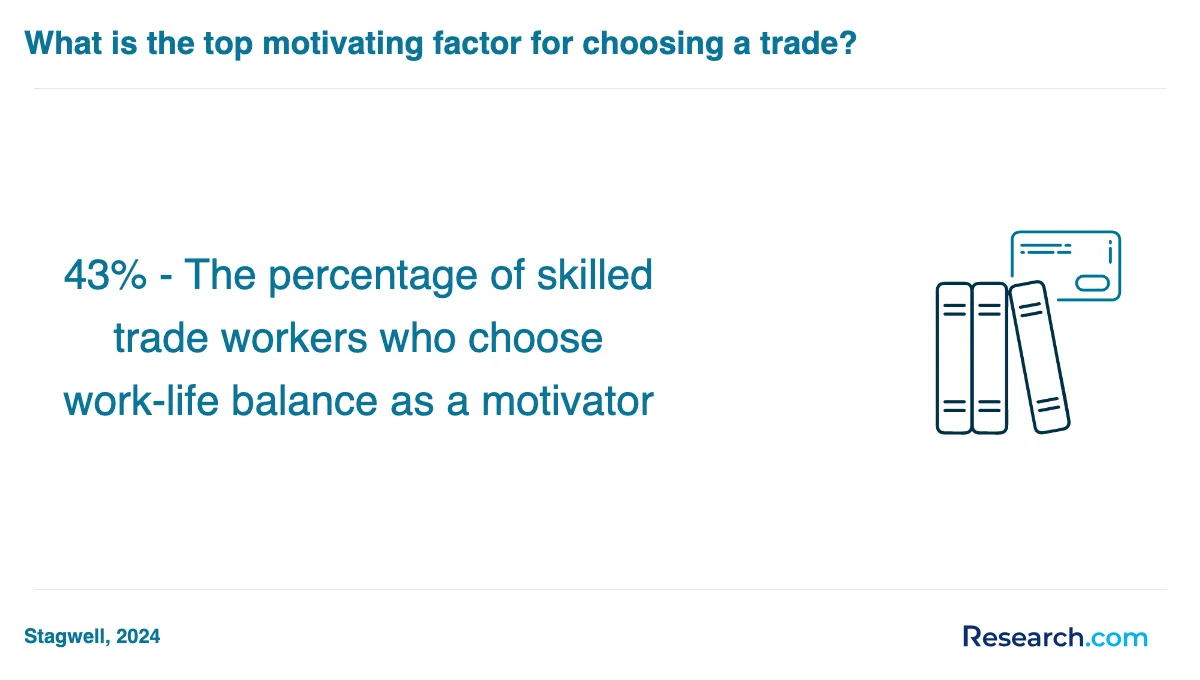
Imagine enrolling at a vibrant trade school like First Coast Technical College in Florida and discovering your tuition mysteriously covered by the Open-Door Grant Program. Graduates often recall that moment of relief when they realized 100% of their fees were paid after stacking federal and state grants-a true financial breath of fresh air.
Many find their journey eased by the Federal Pell Grant too, which kicks in if your technical program clocks at least 600 hours and your FAFSA application clears the gate. Florida trade students often describe this as their ticket to unlocking affordable education without drowning in debt.
Others lean on federal student loans or tap into the Federal Work-Study Program, both accessible through FAFSA, offering flexible repayment or hands-on job experience while learning. Veterans often beam with pride when their GI Bill benefits help them soar through training.
For the ambitious aiming to serve the community, the Florida First Responder Scholarship is a game-changer, covering full tuition to become EMTs or firefighters-real heroes in the making.
And let's not forget the $73 million from the Carl D. Perkins Grant quietly powering career education statewide, ensuring Florida's trade students have the tools to succeed long after graduation.
So, you're ready to dive into a trade school program in Florida? Here's the lowdown on what you'll need before stepping through that door. Most programs expect you to have a standard high school diploma or its equivalent, like a GED. Imagine a graduate from Florida State College at Jacksonville eagerly handing over their official transcript-proof that their journey has just begun.
Age matters too. Usually, you need to be at least 16, but keep in mind some programs, especially those tied to safety or licensing (hello, firefighting or health sciences!), may ask for you to be a bit older and ready for the challenge.
- Proof of Florida residency (yes, you gotta show you belong here)
- A valid driver's license
- Filling out an online application and paying a modest $20 non-refundable fee
- Signing up for info sessions if the program is selective
For those eyeing longer certificate programs-say, 450 clock hours or more-expect to take a basic skills test within your first six weeks. This ensures you're prepared to handle the coursework, like a Fort Myers Technical College student who found the CASAS exam was just the warm-up before the real grind.
And don't worry-if you already hold an associate degree or knock standardized tests out of the park, you might skip that step and jump straight into your new career adventure.
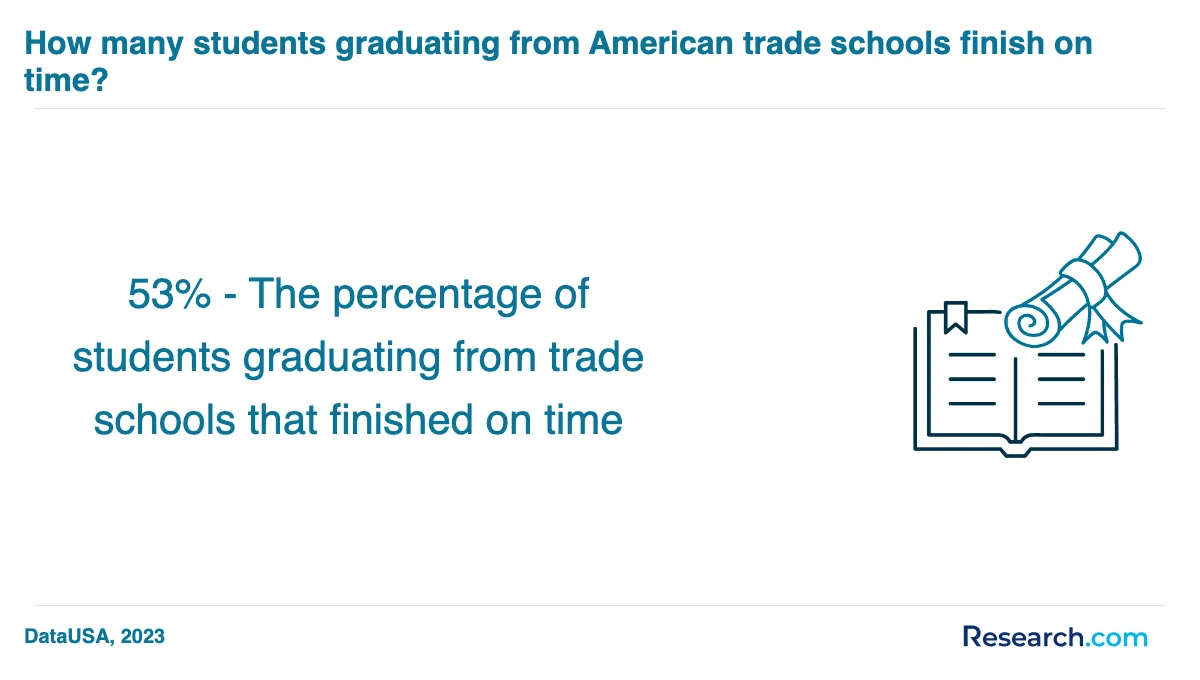
Imagine stepping into a bustling Florida trade school where your path instantly branches into high-demand careers. Picture a graduate from a Miami technical college beaming with confidence after mastering Healthcare courses like Practical Nursing and Pharmacy Technician, ready to navigate patient care with sharp skills and compassion.
Or consider a student in Tampa who thrives in Construction, expertly wielding tools after hands-on lessons in Carpentry and HVAC/R, fully versed in blueprints and safety codes that keep Florida homes strong and safe.
Florida trade schools also captivate those fascinated by machines and tech:
- Automotive grads from Orlando mastering engine diagnostics and collision repair.
- Information Technology learners in Jacksonville diving deep into Cybersecurity and network systems.
- Business students in Fort Lauderdale gaining savvy in office management and communication that make them workplace rockstars.
Then there's the creative spark-a cohort from a cozy culinary program in Sarasota crafting exquisite dishes and mastering hospitality skills that bring warmth to Florida's vibrant restaurant scene.
Students also find joy in specialized trades like Graphic Design Technology, Cosmetology, and Welding Technology, where every day is a hands-on adventure chasing mastery under Florida's sun. This blend of practical knowledge and industry certification turns trade school into not just education, but a launchpad for fulfilling careers.
Florida's trade school programs serve up a vibrant menu of specializations that truly fit the state's diverse workforce. Graduates from well-known schools often share stories about stepping confidently into roles as Pharmacy Technicians or Medical Office Managers, thanks to healthcare tracks tailored for immediate job readiness. Technical colleges like Ultimate Medical Academy stand out, their hands-on training sparking enthusiasm in students eager for medical careers.
Want to dive into the tech buzz? Specializations in Cybersecurity, Network Systems, and Graphic Design Technology power Florida's digital dreams, with curriculums sharpened by the state's Department of Education. Imagine coding one day, managing networks the next-graduates rave about this dynamic leap.
Then there's the tactile satisfaction of Engineering and Manufacturing: Advanced Technology, Welding, and Electronics courses simulate real aerospace environments. Other students thrive mastering Carpentry, HVAC/R, or Plumbing, energized by labs that mimic actual job sites.
For those drawn to movement and logistics, automotive service and vehicle body repair prepare them for vital roles supporting Florida's infrastructure.
- Healthcare: Pharmacy Technician, Facial Specialty, Medical Office Management
- Business & Technology: Cybersecurity, Network Systems, Graphic Design
- Engineering & Manufacturing: Welding Technology, Advanced Manufacturing
- Construction Trades: Carpentry, Electricity, HVAC/R
- Transportation & Logistics: Automotive Service, Vehicle Body Repair
Trade schools in Florida balance innovation and tradition, showing students how specialization can unlock vibrant careers. For a clearer idea on how career and technical education fits your path, explore the trade school and vocational school comparison to find your perfect match.
Picking the best trade school programs in Florida means starting with the basics: meeting admission requirements like a high school diploma or GED. Imagine a recent graduate telling you how this straightforward step opened doors at a trade school in Orlando-no SAT stress, just show up ready to learn. Next, think about accreditation and industry ties; graduates from Miami's trade schools rave about how employers practically recruited them on campus because of strong partnerships. It's not just about learning skills but knowing those skills mean job-ready credentials.
Flexibility also matters-trade schools in Florida offer rolling admissions and multiple start dates. One student juggling family duties in Tampa swears by this freedom, fitting classes between shifts without losing momentum. When weighing choices, remember the cost; Florida schools often charge the same tuition for in-state and out-of-state students, making education more accessible.
To truly grasp how to choose a trade school in Florida, consider outcomes like job placement and support services. Graduates from top programs share how career offices helped them land local jobs right after graduation. For a clearer comparison between higher education paths, check out this trade school vs. college resource.

Imagine stepping out of a Florida trade school with hands-on skills that open doors wide-this is the reality for many graduates exploring career opportunities for trade school graduates in Florida. Whether it's a bustling construction site in Miami or a cutting-edge health clinic in Orlando, trade schools equip students with practical training that matches the state's booming job market.
- Construction and Skilled Trades: Graduates dive into roles as electricians or HVAC technicians, thriving in Florida's expanding urban landscapes.
- Healthcare and Nursing: Many embark on careers as LPNs or medical assistants, finding rewarding jobs caring for communities in urgent need.
- Manufacturing and Welding: Students certified in welding enjoy a bright future amidst a national shortage, becoming sought-after fabricators and machinists.
- Transportation and Logistics: From driving commercial trucks to repairing vehicles, Florida's logistics hub offers diverse paths.
- Public Safety and Law Enforcement: Graduates serve crucial protective roles, from firefighting to security, safeguarding vibrant Floridian neighborhoods.
- Spa and Wellness Services: Beauty and wellness enthusiasts build flourishing careers in spas and salons, fueling the hospitality sector's dynamism.
Graduates often share that trade schools like those in Tampa or Jacksonville provided them with real-world scenarios, whether wiring a house or managing hospital equipment, making the transition to careers feel natural and exciting. If you're looking for quick, effective training with direct career results, consider exploring top paying 6 month certificate programs online as a complement to Florida's robust offerings. Diving into high-demand skilled trades in Florida means stepping confidently toward a career that's not just a job but a lifestyle filled with growth and opportunity.
The job market for trade school graduates in Florida shines brightly in 2025, fueled by booming industries and a solid 4.1 percent job opening rate. Graduates from local trade schools step into fields where opportunity is not just abundant but urgent. Imagine a recent HVAC graduate in Tampa happily confirming their new job within weeks, or a welding program graduate in Orlando joining a company desperate to fill positions due to Florida's shortage of skilled welders.
The in-demand trade jobs in Florida span construction, electrical work, diesel technology, and beyond-each promising stability and growth. Popular Florida trade schools equip students with hands-on skills employers crave. Many graduates describe feeling empowered, knowing their skills directly address the state's talent gaps.
Here's why this market is compelling:
- Over 471,000 job openings statewide as of early 2025
- Construction industry alone adds nearly 155,000 new national jobs yearly
- Welding shortages impact Florida's booming manufacturing sector
For those drawn to practical learning, cheapest solar technician training online options offer a cost-effective path into a thriving niche. This robust job outlook for trade school graduates in Florida means hands-on education turns quickly into a paycheck and a promising career.
Most Affordable Trade School & Training Programs - Leading Certification Courses in Florida for 2026
# 1 position
Gulf Coast State College - Diagnostic Medical Sonography/Sonographer and Ultrasound Technician.
associateThe Diagnostic Medical Sonography/Sonographer and Ultrasound Technician program at Gulf Coast State College is a hybrid course preparing students to use ultrasound techniques for diagnosing medical conditions. It covers patient care, sonographic data processing, equipment operation, and professional ethics. The program is accredited by the Southern Association of Colleges and Schools Commission on Colleges. Annual in-state tuition is $2,370, and median earnings one year after completion are $58,019.
# 2 position
Gulf Coast State College - Computer and Information Systems Security/Auditing/Information Assurance.
associateGulf Coast State College offers a hybrid program in Computer and Information Systems Security/Auditing/Information Assurance. The program trains students to assess security needs, recommend safeguards, and manage security systems, including auditing and maintenance. Coursework covers computer architecture, programming, networking, cryptography, law, risk assessment, and investigation techniques. The annual in-state tuition is $2,370. The program is accredited by the Southern Association of Colleges and Schools Commission on Colleges.
# 3 position
Gulf Coast State College - Legal Assistant/Paralegal.
associateThe Legal Assistant/Paralegal program at Gulf Coast State College is an on-campus program designed to prepare students for legal research, drafting, investigatory, and administrative tasks under attorney supervision. The curriculum covers legal research, document drafting, courthouse procedures, and various legal specializations. Annual in-state tuition is $2,370. The program is accredited by the Southern Association of Colleges and Schools Commission on Colleges.
# 4 position
Gulf Coast State College - Criminal Justice/Law Enforcement Administration.
associateGulf Coast State College offers a Criminal Justice/Law Enforcement Administration program with a hybrid format that includes some distance education. The curriculum covers organizational management, law enforcement history and theory, operational command leadership, labor relations, incident response, legal responsibilities, budgeting, and public relations. Annual in-state tuition is $2,370. The program is accredited by the Southern Association of Colleges and Schools Commission on Colleges.
# 5 position
Gulf Coast State College - Physical Therapy Assistant.
associateThe Physical Therapy Assistant program at Gulf Coast State College offers a hybrid format, preparing students to implement treatment plans, conduct interventions, and assist physical therapists. The curriculum covers applied anatomy, physiology, biomechanics, neuroscience, and professional ethics. The program’s annual in-state tuition is $2,370. Graduates have a median earning of $40,027 one year after completion. It is accredited by the Southern Association of Colleges and Schools Commission on Colleges.
# 6 position
Gulf Coast State College - Business Administration and Management, General.
associateGulf Coast State College offers a program in Business Administration and Management, General, designed to prepare individuals to plan, organize, direct, and control functions within organizations. The curriculum includes management theory, human resources, accounting, purchasing, logistics, marketing, and business decision-making. The program’s annual in-state tuition is $2,370. It is accredited by the Southern Association of Colleges and Schools Commission on Colleges.
# 7 position
Gulf Coast State College - Accounting Technology/Technician and Bookkeeping.
associateThe Accounting Technology/Technician and Bookkeeping program at Gulf Coast State College prepares students to provide technical administrative support to professional accountants and financial management personnel. The curriculum includes instruction in posting transactions, record-keeping systems, accounting software operation, and general accounting principles and practices. The annual in-state tuition is $2,370. The program is accredited by the Southern Association of Colleges and Schools Commission on Colleges.
# 8 position
Gulf Coast State College - Computer Numerically Controlled (CNC) Machinist Technology/CNC Machinist.
certificate or diplomaThe Computer Numerically Controlled (CNC) Machinist Technology program at Gulf Coast State College offers a hybrid format with some distance education options. It trains students to operate CNC machine tools, including lathes and mills, and covers setup, programming, troubleshooting, and blueprint reading. The curriculum includes technical mathematics, CAD/CAM systems, and safety practices. Annual in-state tuition is $2,370. The program is accredited by the Southern Association of Colleges and Schools Commission on Colleges.
# 9 position
Gulf Coast State College - Dental Assisting/Assistant.
certificate or diplomaGulf Coast State College offers a hybrid Dental Assisting/Assistant program designed to prepare students for patient care, dental radiography, and office administrative duties under dentist supervision. The curriculum includes medical record-keeping, equipment maintenance, chairside assisting, and supervised practice. The program is accredited by the Southern Association of Colleges and Schools Commission on Colleges. Annual in-state tuition is $2,370.
# 10 position
Indian River State College - Physical Therapy Assistant.
associateIndian River State College offers a Hybrid Physical Therapy Assistant program designed to prepare students to implement treatment care plans and conduct patient interventions under a physical therapist’s supervision. The curriculum covers anatomy, physiology, biomechanics, clinical documentation, and professional ethics. Annual in-state tuition is $2,764. Graduates earn a median salary of $33,282 one year after completion. The program is accredited by the Southern Association of Colleges and Schools Commission on Colleges.
Frequently Asked Questions about trade school programs
Preparing for the job market after completing a trade school program in Florida involves several practical steps. First, graduates should obtain all relevant certifications and licenses required by their specific trade, as many employers prioritize fully credentialed applicants. According to the Florida Department of Economic Opportunity, trades such as HVAC, plumbing, and electrical work show strong job growth, with demand expected to increase up to 15% over the next decade.
Networking is essential; joining local trade associations and attending job fairs can connect graduates with employers. Many Florida trade schools also offer career services, including resume workshops and interview preparation, which significantly improve employment outcomes. Additionally, gaining experience through apprenticeships or internships can enhance your resume and skills.
Finally, staying informed about industry trends and continuing education opportunities ensures long-term career advancement in Florida's evolving job market.
Employers in Florida highly value trade school graduates with strong technical skills tailored to specific industries such as welding, HVAC, automotive repair, and electrical work. According to the Florida Department of Economic Opportunity, these sectors show rapid growth, increasing the demand for skilled workers.
Beyond technical abilities, soft skills like problem-solving, communication, and teamwork are crucial. A 2023 survey by the National Skills Coalition highlights that 75% of Florida employers prioritize adaptability and critical thinking in new hires from trade programs.
Time management and workplace safety knowledge are also frequently mentioned as key skills for success in the Florida job market.
Finding internships relevant to your trade school program in Florida involves leveraging multiple resources. Start by consulting your school's career services, as many trade schools in Florida maintain partnerships with local employers to facilitate internship placements. According to the Florida Department of Education, industries like healthcare, construction, and information technology often offer numerous internship opportunities tied to technical programs.
Online platforms such as Handshake and Indeed frequently list internships specifically for Florida students. Networking through local trade associations can also help uncover positions not widely advertised. Remember, the Florida Chamber Foundation highlights the importance of internships in building skills and increasing job prospects after graduation.
A trade school diploma in Florida significantly enhances career mobility and advancement opportunities for graduates. According to the Florida Department of Education, individuals with a trade certificate often experience faster entry into the workforce compared to those pursuing traditional four-year degrees. These programs focus on practical skills tailored to industries like construction, healthcare, and information technology, which are prevalent in Florida's job market.
Trade school graduates benefit from certifications recognized by employers, improving their chances for promotions and higher wages. Data from the National Center for Education Statistics shows that Florida trade school diploma holders have an unemployment rate lower than the state average, indicating strong job security.
Furthermore, many trade schools in Florida provide career services and apprenticeships, supporting graduates in building professional networks vital for advancement. This practical experience often leads to better job prospects within competitive industries.
Part-time job opportunities in Florida can effectively complement trade school education by providing practical experience and financial support. Many students find roles in healthcare settings, such as medical assistants or pharmacy technicians, which align well with health-related trade programs. According to the Florida Department of Economic Opportunity, healthcare support jobs are among the fastest-growing part-time positions in the state.
Additionally, technical trade students often pursue part-time work in automotive repair shops or construction sites, gaining hands-on skills directly applicable to their studies. Retail and customer service roles remain common for trade students, offering flexible hours to balance coursework. These opportunities enhance resumes and improve employability upon graduation.
Yes, there are affordable degree programs available near Florida, with many public universities offering in-state tuition rates which can help reduce costs. Additionally, community colleges offer associate degree programs near me that are often more cost-effective and provide a solid foundation for transferring to a four-year institution. For more information on specific programs and rankings, Research.com can be a helpful resource for prospective students evaluating their options.
- Most Affordable Trade School & Training Programs - Leading Certification Courses in Georgia for 2026
- Most Affordable Trade School & Training Programs - Leading Certification Courses in Alabama for 2026
- Most Affordable Trade School & Training Programs - Leading Certification Courses in South Carolina for 2026
- Most Affordable Trade School & Training Programs - Leading Certification Courses in Mississippi for 2026
- Most Affordable Trade School & Training Programs - Leading Certification Courses in Tennessee for 2026
- Most Affordable Trade School & Training Programs - Leading Certification Courses in Louisiana for 2026
- Most Affordable Trade School & Training Programs - Leading Certification Courses in West Virginia for 2026
- Most Affordable Trade School & Training Programs - Leading Certification Courses in Indiana for 2026
- Most Affordable Trade School & Training Programs - Leading Certification Courses in Maryland for 2026
- Most Affordable Trade School & Training Programs - Leading Certification Courses in Delaware for 2026
- Trade School Career Paths: The Direct Route to Professional Success - Florida Trade Academy https://floridatradeacademy.org/trade-school-career-paths-the-direct-route-to-professional-success-2/
- Programs Archive | Get There FL https://gettherefl.com/pathways/
- Trade School Programs in Broward County, Florida & Online https://www.browardtechnicalcolleges.com/programs/
- Career & Technical Education https://www.fldoe.org/academics/career-adult-edu/career-tech-edu/
- Best Trade Schools in Florida | BestColleges https://www.bestcolleges.com/united-states/florida/trade-schools/
- Career and Technical Education (CTE) | State College of Florida, Manatee - Sarasota https://www.scf.edu/academics/career-and-technical-education/
- Back to school: What to expect when you enter trade school https://www.fortis.edu/blog/skilled-trades/back-to-school--what-to-expect-when-you-enter-trade-school-.html
- Trade Schools, What Are The Benefits - InterCoast Colleges https://intercoast.edu/articles/benefits-of-trade-schools/
- Trade Schools In Florida | Become With Lantern https://www.learnhowtobecome.org/trade-schools-in-florida/
- Programs for Those that Enjoy Hands-on Work - FTC Florida Technical College https://ftccollege.edu/news/programs-for-those-that-enjoy-hands-on-work/