
Most Affordable Certificate Programs - Leading Certification Courses in Pensacola for 2026

Co-Founder and Chief Data Scientist
Choosing the right trade school certificate program in Pensacola can feel overwhelming. That’s why this article is here to guide you.
The Research.com team of data scientists has created a detailed ranking of the most affordable certificate programs to help you find the best options in 2026. This ranking makes it easier to compare schools and pick a program that fits your goals and budget.
By exploring these programs, you’ll discover valuable opportunities to build skills and open doors to new careers. Earning a trade certificate can be a smart, empowering step toward your future.
Key benefits of getting trade school certificate in Pensacola
- Expected Salary: Trade school graduates in Pensacola can earn competitive salaries, with medical assistants making $32,000-$40,000, HVAC technicians $36,000-$55,000, and welders or automotive techs $38,000-$55,000 annually, offering strong financial stability early in your career.
- Popular Career Paths: Many graduates find success in hands-on fields like welding, HVAC, medical assisting, and automotive technology, which are in demand locally and provide clear paths for growth and specialization.
- Online Certification Benefits: Completing a trade certification online offers flexible scheduling and quicker completion times, allowing students to balance work and family while gaining practical skills from reputable Pensacola trade schools.
- Most Affordable Certificate Programs - Leading Certification Courses in Pensacola for 2026
- What can I expect from trade school certification programs in Pensacola?
- Where can I work with trade school certification in Pensacola?
What can I expect from trade school certification programs in Pensacola?
The average cost of a trade school certification program in Pensacola typically ranges from $4,000 to $15,000, depending on the field of study and program length. Graduates from popular programs in healthcare or skilled trades often share how their investment felt worthwhile, especially as they balanced flexible class schedules around jobs or family life. Imagine attending evening HVAC classes with a small group, getting direct hands-on experience that made challenging concepts click instantly-many students find this personalized approach energizing and motivating.
Others training in cosmetology appreciate the real-world salon simulations that build confidence before exams, knowing that certification will open doors to rewarding careers. Scholarships and financial aid often ease the cost burden, helping make programs more affordable. Pensacola State College and similar institutions also offer student support services like resume help or textbook loans, adding layers of value that many graduates remember fondly. These enriching experiences frame the cost as an investment in a future full of opportunity.
Where can I work with trade school certification in Pensacola?
Graduates from trade schools in Pensacola often find themselves stepping into vibrant careers right after finishing their certification programs. Imagine working as a medical assistant in a bustling clinic or hospital, collaborating with nurses and doctors to provide critical care-this is the reality for many healthcare program graduates from local institutions like Fortis College. Others who pursue nursing quickly join local hospitals as registered nurses, proudly serving their community after acing licensing exams.
Maybe you're drawn to skilled trades; Pensacola's steady demand for HVAC technicians, electricians, and plumbers means many graduates land jobs with city utilities or private companies. Picture yourself maintaining essential public services or managing facilities for Escambia County-these roles offer steady pay and benefits.
Not everyone follows the same path. Cosmetology grads open salons or thrive in spas, while some find unique work in jewelry repair or animal services. Trade school in Pensacola opens doors to over 100 diverse positions, fueling exciting, hands-on careers that feel rewarding every day.
Imagine finishing a trade school certification program in Pensacola and stepping straight into a job that pays about $61,800 a year as a Certified Ophthalmic Assistant-almost $30 an hour! Many graduates from local schools celebrating this kind of success find it's a thrilling alternative to the traditional college route, especially when Bachelor's degree holders in Pensacola average closer to $51,000 annually.
HVAC technician grads often share stories of starting between $35,000 and $50,000, feeling excited as they know pay climbs quickly with experience. Trade schools like Pensacola State College open doors for technical support roles offering anywhere from $35,400 up to $70,800 per year, bringing real hope to certificate holders ready to jump in.
Whether you're dreaming of becoming a maintenance specialist or culinary technician, many grads tell how their skills landed them salaries starting near $32,000-with the chance to soar past $60,000 as they grow. It's empowering to see fellow trade school graduates thriving fast, with less debt, and gaining credentials that accelerate their careers in Pensacola's job market.
- "Completing the HVAC certification in Pensacola was a game-changer for me. The hands-on training made learning practical and engaging, and the instructors truly cared about our success. I landed a great job at a local company within weeks and now feel confident in my skills and future." - Marcus
- "As a single mom, the Pensacola welding program gave me hope and independence. The small class sizes meant personalized attention, and I quickly learned techniques that employers value. Earning my certificate opened doors to steady work and financial stability right here at home." - Alicia
- "The automotive technology certification not only sharpened my mechanical skills but also connected me with local shops hiring graduates. Studying in Pensacola was inspiring-friendly classmates, expert instructors, and real work experience. Now, I'm proud to be driving my career forward in this vibrant community." - Elijah
- Trade school certification programs in Pensacola are available at institutions like Pensacola State College, George Stone Technical College, and Fortis Institute.
- Popular certification fields include healthcare, welding, automotive service, network security, HVAC, and electricity.
- Programs typically take a few months to two years to complete, focusing on practical, job-ready skills.
- Tuition costs range from $2,000 to $7,000 at public schools, while private schools like Fortis Institute may charge between $14,000 and $20,000.
- Entry-level salaries for graduates usually start between $32,000 and $45,000, with experienced workers earning $50,000 or more annually.
- Support services often include career advising, resume help, workshops, computer labs, and job placement resources to aid students.
Completing a trade school certification program in Pensacola is an exciting journey that typically lasts about a year for full-time students. Imagine diving into the 1,200-hour Electricity program at George Stone Technical College-graduates often share how the 12-month experience felt immersive yet manageable, balancing hands-on work with classroom learning.
For those drawn to automotive work, the Master Automotive Service Technology program demands more time-1,800 hours, or roughly 18 months full-time. Many graduates recall the challenge as rewarding, appreciating the steady pace that helped them master complex skills without feeling overwhelmed.
Flexibility is key here. Pensacola trade schools offer full- and part-time options, so if your life's a busy mix, part-time study could extend completion up to two years without losing the momentum. Programs like cosmetology, welding, HVAC, or healthcare technician certificates vary widely, from 600 to 1,800 hours, often wrapping up within a year for full-timers.
Ultimately, time depends on your personal schedule, but the clock-hour system simplifies tracking progress, making the whole process feel tangible and inspiring-a real step toward a new, hands-on career in Pensacola.
Imagine juggling work, family, and school without the daily commute-this is the freedom many graduates praise about online trade school certification programs in Pensacola. At Pensacola State College, for example, students tackle courses like HVAC/R or Electrical Technician entirely online, fitting studies seamlessly into their busy lives. The ability to learn anytime, anywhere fuels a sense of independence, perfect for those who thrive on self-discipline and personal pacing.
On the flip side, hands-on learners swear by the traditional on-campus experience. Attending classes at one of Pensacola State College's campuses means direct access to labs and expert instructors. Graduates from welding or automotive programs often highlight how using real equipment under supervision boosted their confidence and job readiness. The face-to-face setting also sparks connections with peers and local employers, opening doors beyond just the classroom.
Both paths demand dedication but cater to distinct lifestyles and learning preferences, making Pensacola's trade schools an exciting choice for diverse ambitions.
The average trade school cost in Pensacola varies widely, with community colleges and public technical schools offering affordable options. Many students report paying between $2,500 and $9,000 per year for technical certificate programs, often calculated at $76 to $387 per credit hour. For example, graduates from automotive or healthcare certifications often share how the reasonable Pensacola trade school tuition and fees made it possible to launch a new career without overwhelming debt. These programs typically balance quality training with budget-friendly costs thanks to state subsidies and local support.
On the other hand, private and specialized trade schools in Pensacola attract students seeking hands-on training in fields like beauty, advanced automotive tech, or creative media. Here, tuition can rise to between $11,000 and $25,000 for full certification, and some premium programs exceed $30,000. Students in these schools often appreciate the targeted curriculum that accelerates their career growth, although they advise planning carefully for related costs like books and transportation.
For those wanting to explore shorter, focused certifications, such as welding or commercial driving, costs range from $500 to $4,250, making it an exciting option for those seeking quick entry into the workforce. Many graduates highlight how finding affordable programs was a key step to their success. Plus, with financial aid available through federal and state programs, the total expense can be less daunting.
Curious students can also check out a range of affordable online home remodeling and repair courses, expanding opportunities beyond traditional classrooms while keeping costs manageable.
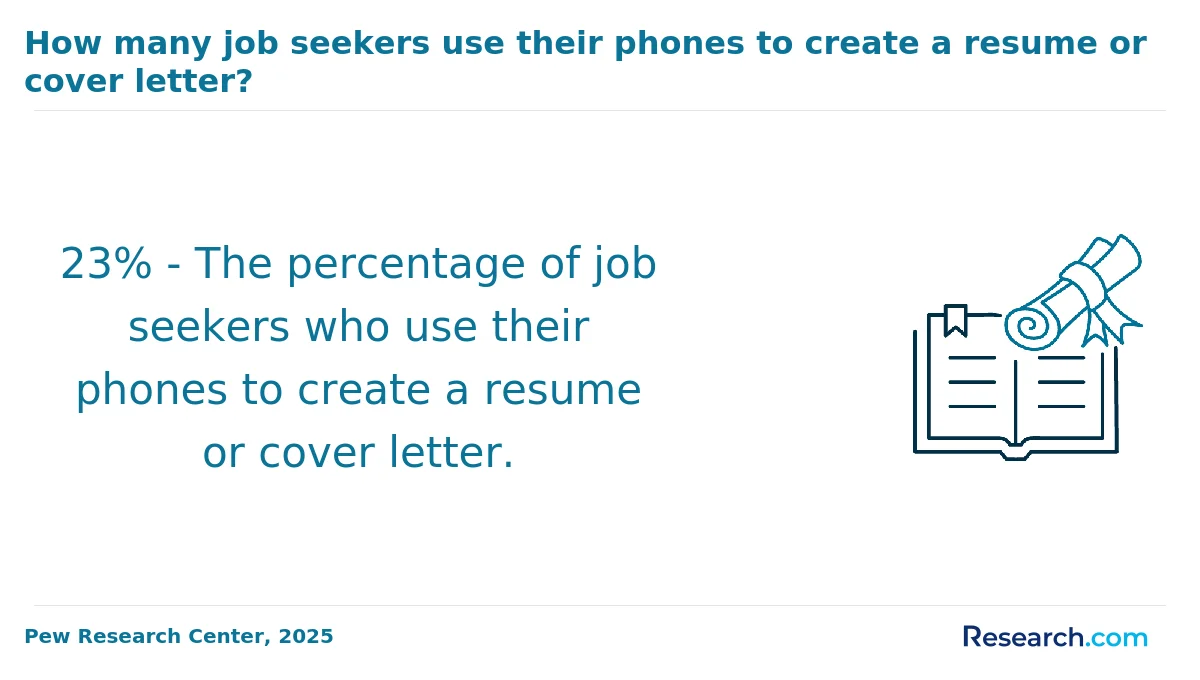
Imagine unlocking your future with financial aid that truly supports your journey at a Pensacola trade school. Many graduates rave about the impact of federal aid programs like the Pell Grant, which George Stone Technical College students often rely on to cover hefty tuition bills. By submitting the FAFSA with the school's federal code, you can tap into this powerful resource that lessens the financial burden of books and supplies.
State-level aid is another treasure chest waiting to be explored. Florida's Student Assistance Grant (FSAG) offers eager learners extra support, especially those enrolled in eligible certificate programs. Many recent high school graduates in Pensacola have found hope in needs-based scholarships offered by George Stone and other local schools, easing their way through tuition fees with funds from private donors or the school itself.
Beyond tuition, Pensacola State College extends its generosity with textbook loan programs and internal scholarships, making the cost of training more manageable. Graduates often recall the relief of career advising and support that guided them through financial aid options, brightening their path toward success.
Wanting to dive into a trade school certification program in Pensacola means meeting some clear, achievable prerequisites that have already paved the way for many eager graduates. Most programs at places like Pensacola State College ask for a high school diploma or GED-simple, straightforward steps that open the door to hands-on learning in fields like welding, HVAC, or cosmetology.
Students often share how taking the Test of Adult Basic Education (TABE) helped sharpen their reading and math skills, essentials for success in technical courses. Imagine feeling confident tackling coursework because you've already proven these basics!
- High school diploma or GED is the starting line
- TABE scores demonstrate readiness in reading, math, and language
- Special programs, like healthcare, may ask for background checks or immunization proof
- Driving-related courses might require a valid driver's license and age verification
Many graduates recall the supportive atmosphere when applying for Career and Technical Education services, where scholarships and textbook loans can make a difference, especially for single parents or those breaking gender norms in their careers.
And don't forget, to earn your certificate, about 25% of your coursework usually needs to be completed onsite, letting you fully experience the community and resources of Pensacola's trade schools.
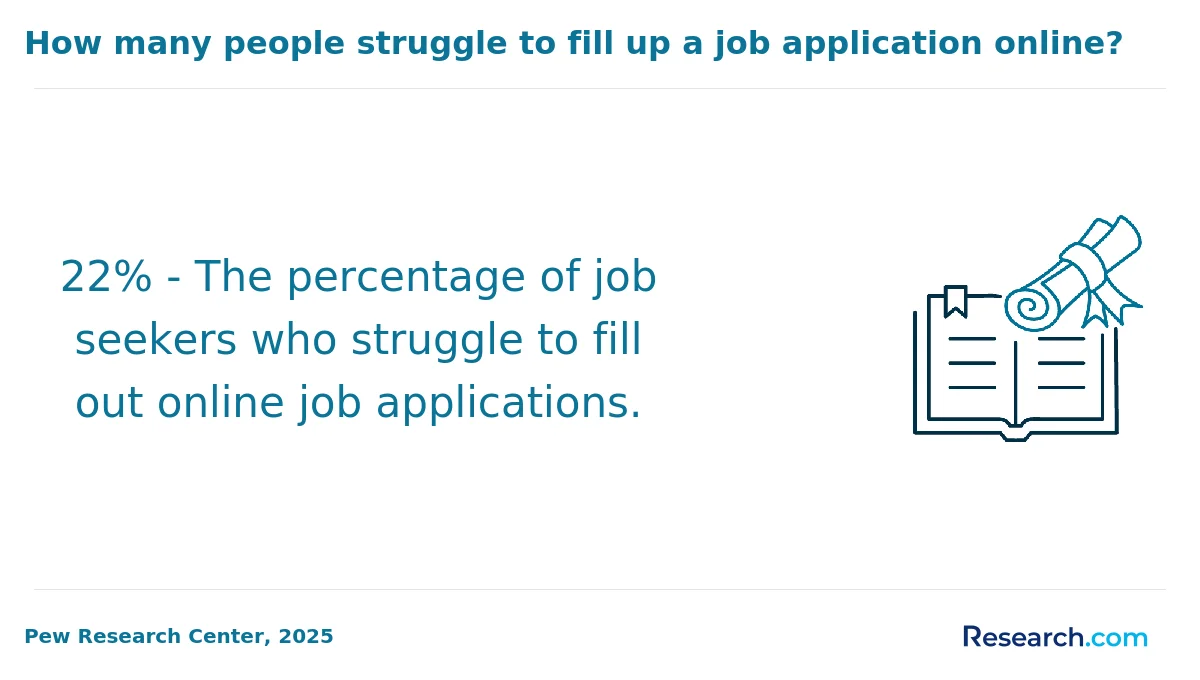
Trade school certificate courses in Pensacola open doors to dynamic, hands-on learning tailored to the city's vibrant industries. Graduates often share how diving into craftsmanship or healthcare felt like stepping directly into a rewarding career. Think of welding sparks flying as you master Advanced Welding Technology or the precision needed in Plumbing Technology-both staples in the vocational program curriculum Pensacola students rave about.
Many programs blend real-world labs and classroom knowledge, preparing you for certifications in fields like:
- Carpentry with a focus on local building codes
- Medical Assisting, featuring clinical externships that build confidence
- Cosmetology, where creativity meets client care
- Electrical Technician skills rooted in solid blueprint reading
Plenty of Pensacola trade schools even offer online options catering to busy adults, expanding possibilities in areas such as Freight Brokerage or Solar Energy Training. To explore even more about the exciting pathways here, check out the trade careers list for ideas that can jumpstart your journey.
Choosing the best trade school programs in Pensacola means diving deep into accreditation and real-world value. Graduates from Fortis Institute and Pensacola State College often share how attending an accredited school made all the difference when pursuing licensure and landing jobs fast. Envision yourself thriving in a program that not only fits your passion-be it HVAC, medical assisting, or IT-but also offers hands-on training that feels like a natural step into the workforce.
Cost can be a tricky factor, but understanding how to compare Pensacola trade school costs puts you in control. Support services like career advising and scholarship opportunities from local schools are game-changers for students balancing studies with busy lives. For those looking at electrician programs, there are also valuable low cost online electrician trade school programs that complement in-person learning. These insights create a roadmap to a program that excites and equips you for success.
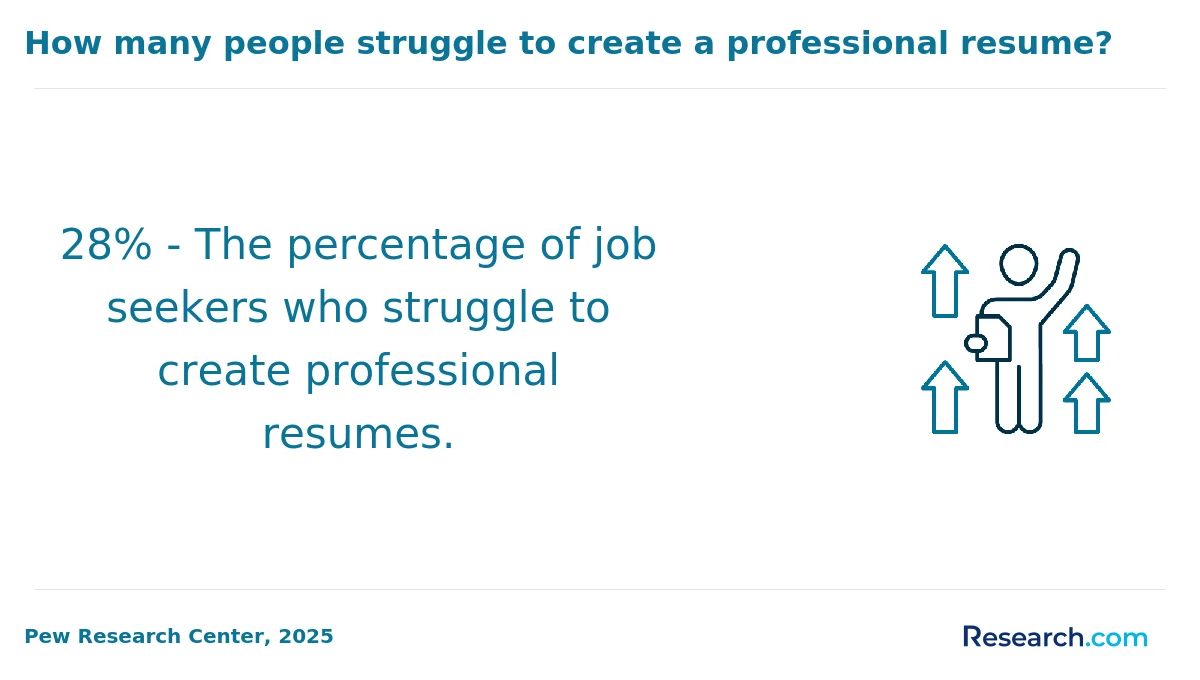
Graduates eager to dive into career opportunities for trade school graduates in Pensacola find themselves at a thrilling crossroads. From the fast-paced halls of healthcare facilities to hands-on skilled trades jobs in Pensacola Florida, the options are as diverse as they are promising. Imagine completing a nursing certification at Pensacola State College and soon after supporting patients as a registered nurse, riding the wave of growing demand in healthcare. Others have found their calling in the skilled trades through programs at George Stone Technical College, mastering HVAC/R, welding, or residential electrician work - trades that keep the city growing and bustling.
Want to unleash creativity? Many embark on beauty and personal care careers, becoming licensed professionals in buzzing local salons. For those inclined towards technology or legal environments, specialized certificates unlock doors in offices and IT firms. Real graduates share stories of how these programs gave them actionable skills and confidence to thrive.
Exploring these paths, exploring growth-trade schools in Pensacola truly empower students to transform passion into rewarding employment with a sense of excitement. Consider also that many find pathways through low cost online construction training programs that complement local certifications, creating even broader prospects.
The job market for trade school certification program graduates in Pensacola is buzzing with opportunity, especially for those eager to get hands-on and start working fast. Graduates from Pensacola State College often share stories of how their training in carpentry, welding, or HVAC quickly unlocked doors to jobs with construction firms or local government projects. The practical nature of these programs means you don't just learn skills-you earn industry certifications embedded right into the curriculum, making you a hot commodity for employers ready to hire immediately.
Healthcare is another vibrant field where trade school grads flourish. Fortis College trains students in medical assisting and nursing, and these grads frequently land stable roles in clinics or hospitals, riding the wave of demand from a growing and aging population.
For those curious about the Pensacola trade school certification employment outlook, consider these points:
- Skilled trades like plumbing, electrical work, and manufacturing are in high demand locally.
- Employers search for project coordinators, foremen, and technicians with solid training.
- Many graduates receive job offers even before completing their programs.
Exploring highest paying trade jobs can further motivate Pensacola residents considering trade schools, highlighting the rewarding paths that await after certification.
Most Affordable Certificate Programs - Leading Certification Courses in Pensacola for 2026
# 1 position
Pensacola State College - Diagnostic Medical Sonography/Sonographer and Ultrasound Technician.
certificate or diplomaThe Diagnostic Medical Sonography/Sonographer and Ultrasound Technician program at Pensacola State College is a hybrid program preparing students to use medical ultrasound techniques for diagnosing conditions. It includes training in patient care, data recording, and sonography equipment operation under physician supervision. The program is accredited by the Southern Association of Colleges and Schools Commission on Colleges. Annual in-state tuition is $2,348, with median earnings of $52,274 one year after completion.
# 2 position
Pensacola State College - Baking and Pastry Arts/Baker/Pastry Chef.
certificate or diplomaPensacola State College offers a Hybrid Baking and Pastry Arts/Baker/Pastry Chef program designed to prepare students for professional roles in commercial baking establishments. The curriculum covers bread and pastry making, handling, storage, decorating, industry operations, packaging, marketing, and counter service. The program’s annual in-state tuition is $2,348. It is accredited by the Southern Association of Colleges and Schools Commission on Colleges.
# 3 position
Pensacola State College - Electrician.
certificate or diplomaPensacola State College offers a hybrid Electrician program that prepares students to install, operate, maintain, and repair electric apparatus and systems for residential, commercial, and industrial settings. The curriculum covers electronics principles, wiring, power transmission, safety, electrical testing, and applicable codes. The program's annual in-state tuition is $2,348. It is accredited by the Southern Association of Colleges and Schools Commission on Colleges.
# 4 position
Pensacola State College - Plumbing Technology/Plumber.
certificate or diplomaPensacola State College offers a hybrid Plumbing Technology/Plumber program that prepares students to become licensed plumbers. The curriculum covers installation and maintenance of piping systems for various applications, including steam, natural gas, and hot water. Instruction includes technical mathematics, blueprint reading, welding, plumbing inspection, and applicable codes. The program’s annual in-state tuition is $2,348 and it is accredited by the Southern Association of Colleges and Schools Commission on Colleges.
# 5 position
Pensacola State College - Heating, Air Conditioning, Ventilation and Refrigeration Maintenance Technology/Technician.
certificate or diplomaPensacola State College offers a hybrid Heating, Air Conditioning, Ventilation and Refrigeration Maintenance Technology/Technician program. It trains students to repair, install, service, and maintain HVAC and refrigeration systems, covering diagnostic techniques, testing equipment, and principles of mechanics, electricity, and electronics. The program’s annual in-state tuition is $2,348. It is accredited by the Southern Association of Colleges and Schools Commission on Colleges.
# 6 position
Pensacola State College - Welding Technology/Welder.
certificate or diplomaPensacola State College offers a Welding Technology/Welder program with a hybrid format, including some distance education. The curriculum covers arc welding, resistance welding, brazing, soldering, and cutting techniques, alongside welding metallurgy, structural design, safety, and relevant codes. The program prepares students for working with ferrous and non-ferrous materials and advanced welding processes. Annual in-state tuition is $2,348. The program is accredited by the Southern Association of Colleges and Schools Commission on Colleges.
# 7 position
Pensacola State College - Computer Numerically Controlled (CNC) Machinist Technology/CNC Machinist.
certificate or diplomaPensacola State College offers a hybrid Computer Numerically Controlled (CNC) Machinist Technology program that trains students to operate CNC machine tools, including lathes and mills. The curriculum covers CNC programming, setup, operations, troubleshooting, blueprint reading, technical math, CAD/CAM systems, and safety practices. Annual in-state tuition is $2,348. The program is accredited by the Southern Association of Colleges and Schools Commission on Colleges.
# 8 position
Pensacola State College - Medical Insurance Specialist/Medical Biller.
certificate or diplomaPensacola State College offers a Medical Insurance Specialist/Medical Biller program in a hybrid format, combining distance education with on-campus instruction. The program prepares students to manage medical and health insurance operations in various healthcare settings. Coursework includes insurance processes, law, policy, software applications, billing, and communication skills. Annual in-state tuition costs $2,348. The program is accredited by the Southern Association of Colleges and Schools Commission on Colleges.
# 9 position
Pensacola State College - Nursing Assistant/Aide and Patient Care Assistant/Aide.
certificate or diplomaPensacola State College offers a hybrid Nursing Assistant/Aide and Patient Care Assistant/Aide program that prepares students to perform routine nursing-related services under the supervision of registered or licensed practical nurses. The program’s annual in-state tuition is $2,348. It is accredited by the Southern Association of Colleges and Schools Commission on Colleges, providing a recognized credential for entry-level healthcare positions.
# 10 position
Pensacola State College - Electrocardiograph Technology/Technician.
certificate or diplomaPensacola State College offers a hybrid Electrocardiograph Technology/Technician program that trains students to administer EKG and ECG diagnostic tests under medical supervision. The curriculum covers anatomy, physiology, cardiovascular medications, patient care, equipment operation, and cardiac rhythm interpretation. Annual in-state tuition is $2,348. Graduates have median earnings of $39,962 one year after completion. The program is accredited by the Southern Association of Colleges and Schools Commission on Colleges.
Frequently Asked Questions about trade school certificates
After completing trade school certification programs in Pensacola, graduates should actively prepare for the local job market to maximize their employment prospects. It is essential to build a strong resume highlighting practical skills learned during training, as employers in Pensacola value hands-on experience. Networking with local businesses and attending job fairs can open doors, as the Pensacola Metropolitan Area has seen steady growth in skilled trades, according to the Bureau of Labor Statistics.
Additionally, many trade schools offer career services or partnerships with local employers. Taking advantage of these resources can connect graduates with immediate job opportunities. Certifications in high-demand fields like HVAC, welding, and health support often lead to quicker employment, with some trades expecting job growth rates above the national average.
Developing strong interview skills and obtaining any required state licenses can further enhance job placement success. Continuous learning and staying updated on industry standards ensure long-term career stability in the Pensacola region.
Employers in Pensacola prioritize practical skills when hiring graduates of trade school certification programs. According to recent data from the Florida Department of Economic Opportunity, technical proficiency in areas such as electrical work, HVAC maintenance, and welding ranks highly. These skills are essential because Pensacola's job market relies heavily on construction and manufacturing sectors.
Additionally, soft skills like punctuality, communication, and teamwork are commonly cited by local employers. The National Center for Construction Education and Research (NCCER) highlights that certified graduates who demonstrate strong problem-solving abilities often find better job placements. Emphasizing hands-on training combined with strong interpersonal skills enhances a graduate's competitiveness in Pensacola's workforce.
Finding internships in Pensacola that align with your trade school certification program involves leveraging local resources effectively. Begin by consulting your trade school's career services, which often maintain partnerships with Pensacola businesses seeking interns in fields such as HVAC, welding, and electrical work.
Additionally, platforms like the Florida Department of Economic Opportunity's job portal provide listings specifically for internships in the region. According to recent data, Pensacola hosts over 150 active internship opportunities annually in trade-related sectors.
Networking remains crucial; attend local trade associations or workforce development events to connect directly with employers offering hands-on experience.
Trade school certification programs in Pensacola significantly enhance career mobility and advancement opportunities. These programs equip students with practical skills that align directly with local industry demands, such as healthcare, manufacturing, and marine technology. According to the Florida Department of Education, certified trade workers in Pensacola experience a 15% higher employment rate within six months of completion compared to non-certified peers.
Certification often leads to higher starting wages; for example, a certified HVAC technician in Pensacola can earn an average of $45,000 annually, which is notably above the state's overall average for entry-level positions. Employers in the region frequently prioritize candidates with formal certifications, viewing them as more job-ready and reliable.
Additionally, trade school credentials provide clear pathways for advancement. Many employers offer leadership roles or pay increases to certified employees, which supports upward social mobility. This is particularly valuable in Pensacola, where trade industries form a major part of the economy, making certifications a vital step for long-term career growth.
Part-time job opportunities in Pensacola can effectively complement trade school certification program education by providing practical experience and income. Common roles include entry-level positions in automotive service, construction labor, and healthcare support. For example, certified HVAC students often find part-time roles assisting technicians, which helps build hands-on skills. According to the U.S. Bureau of Labor Statistics, Pensacola's part-time employment rate reflects growth in industries like healthcare and skilled trades.
Additionally, retail and warehouse jobs in Pensacola offer flexible hours, enabling students to balance work with coursework. Local employers increasingly value candidates with trade certifications, often offering higher wages to those with relevant skills. This practical engagement accelerates career readiness and networking within Pensacola's job market.
To find the most affordable degree program near me, consider exploring local community colleges and public universities, as they tend to offer lower tuition costs. In particular, near Pensacola, FL, the University of West Florida and Pensacola State College are potential institutions where one can seek affordable educational opportunities. Additionally, using resources like Research.com can be beneficial to compare program costs and determine the best financial fit.
- Most Affordable Trade School & Training Programs - Leading Certification Courses in Ocala for 2026
- Most Affordable Trade School & Training Programs - Leading Certification Courses in Statesboro for 2026
- Most Affordable Trade School & Training Programs - Leading Certification Courses in Tulsa for 2026
- Most Affordable Trade School & Training Programs - Leading Certification Courses in Olathe for 2026
- Most Affordable Trade School & Training Programs - Leading Certification Courses in Overland Park for 2026
- Most Affordable Trade School & Training Programs - Leading Certification Courses in Topeka for 2026
- Nces https://nces.ed.gov/
- Electrician Trade Schools in Pensacola, FL - Get Training! https://electricalcareernow.com/electrician-schools/pensacola-fl
- What Is a Trade School? Benefits of Career-Focused Training https://intercoast.edu/articles/what-is-a-trade-school/
- Traditional vs Online Education - Which One Is Right For You? | Penn Foster https://www.pennfoster.edu/blog/traditional-vs-online-education
- Online Education Vs. Traditional Education: What Is More Effective For - The Dan Lok Shop https://danlokshop.com/blogs/articles/online-education-vs-traditional-education-what-is-more-effective-for-you
- About Our Academies / Skilled Trades Academy https://www.escambiaschools.org/Page/4272
- The Role of Vocational Education in Social Mobility - Mas National Mas National https://masnational.com.au/blog/the-role-of-vocational-education-in-social-mobility/
- Vocational Training | University of West Florida https://uwf.edu/continuinged/programs/career-training/vocational-training/
- 7 Tips for a Smoother Transition from Trade School to Career | Refrigeration School, Inc. (RSI) https://www.rsi.edu/blog/skilled-trades/7-tips-for-a-smoother-transition-from-trade-school-to-career/
- Skilled Trade Schools in Florida | Training & Career Information https://www.trade-schools.net/trades/skilled-trades-florida


