Most Affordable Trade School & Training Programs - Leading Certification Courses in Alabama for 2026

Co-Founder and Chief Data Scientist
Choosing the right trade school in Alabama can be challenging, especially when you want the best value for your investment. This article introduces a trade school programs ranking created by the Research.com team of data scientists to guide you toward quality, affordable options for 2026.
By exploring this ranking, you’ll find schools that offer strong programs and excellent opportunities for your future career. Earning a trade school diploma or certification can open doors to rewarding jobs and personal growth. We’re here to help you take the first step with confidence and clarity.
Key benefits of finishing trade school programs trade school in Alabama
- Expected salary: Trade school graduates in Alabama can earn solid salaries, such as electricians making $40,000 to $85,000 annually and licensed practical nurses earning between $42,000 and $54,000.
- Popular careers: Many students pursue careers as electricians, HVAC technicians, welders, LPNs, and automotive technicians-fields with strong local demand and opportunities for growth.
- Online education benefits: Earning a trade certification online offers flexibility, allowing students to balance work and family while gaining skills, similar to successful online graduates from well-known Alabama trade schools.
- Most Affordable Trade School & Training Programs - Leading Certification Courses in Alabama for 2026
- What can I expect from trade school programs trade schools in Alabama?
- Where can I work after finishing trade school programs trade schools in Alabama?
What can I expect from trade school programs trade schools in Alabama?
When it comes to the cost of trade school programs in Alabama, students often find them more affordable than traditional colleges, typically ranging between $5,000 and $15,000 for a full program. Graduates from schools like Shelton State Community College highlight how this investment pays off quickly because the hands-on training gets them job-ready in two years or less. One grad shared how the blend of classroom learning and on-the-job experience, like internships and plant visits through programs such as the Nucor Technical Academy, made the cost feel well worth it.
Many trade schools offer flexible payment options and financial aid, making it easier for working adults to balance life and education. For instance, recent students completing short-term certificates in truck driving or fiber optics at Northeast Alabama Community College appreciated the lower price points and quick entry into the workforce. Ultimately, Alabama trade schools provide practical, budget-friendly paths to real careers, easing worries about long-term debt while opening doors to local job opportunities.
Where can I work after finishing trade school programs trade schools in Alabama?
After finishing a trade school program in Alabama, many graduates find themselves stepping right into jobs that suit their hands-on skills. For example, grads from well-known Alabama trade schools often start careers in manufacturing, where they work as electrical or electromechanical assemblers. These roles offer steady pay and solid growth, which makes starting out pretty exciting.
Others head straight into construction, joining booming projects across the state as carpenters or remodeling specialists. One graduate shared how their training helped them land a job remodeling homes just months after finishing school-something that feels really rewarding when you see the results of your work.
Welding is another hot field due to a huge shortage, with opportunities in structural or pipe welding popping up frequently. Plus, HVAC technicians, electricians, and commercial truck drivers often find solid footing in Alabama's busy logistics and service sectors.
Through apprenticeships and internships often arranged by trade schools, students build connections that make transitioning into the workforce smoother and more confident.
After finishing a trade school program in Alabama, many graduates find themselves earning a solid paycheck that can really support a good lifestyle. On average, you're looking at about $60,863 a year, which breaks down to roughly $29.26 an hour or around $5,071 monthly. That kind of income lets you cover bills, save up, and maybe even enjoy some fun weekends out.
Many students from popular trade schools in Alabama mention how quickly their salaries jumped after a year or two on the job. For instance, chemical technicians make close to $59,000 annually, while other graduates in fields like biological or agricultural technology report salaries ranging from around $35,000 to nearly $60,000. A graduate working in Huntsville might even earn more than the state average, with salaries around $66,000 thanks to the city's strong technical job market.
Starting salaries might be a bit lower, but the skills and certifications you gain can boost your earnings fast. Many grads share stories about landing roles that let them grow quickly. Plus, compared to Alabama's median income of $43,830, trade school careers offer a definite edge.
- Applicants must have a high school diploma or GED and submit official transcripts to enroll in trade school programs in Alabama.
- Some schools allow conditional admission with unofficial transcripts but require official documents by the end of the first semester.
- Trade school programs cost between $3,500 and $8,000 on average, including tuition, fees, and materials.
- Starting salaries for trade school graduates include $40,000-$46,000 for licensed practical nurses, $42,000-$48,000 for welders, and $38,000-$45,000 for HVAC technicians.
- Experienced workers in these trades can earn $55,000-$70,000 annually depending on their specialization and location in Alabama.
If you're wondering how long it takes to finish a trade school program in Alabama, the answer is: it really depends on what you choose. Many students are pleasantly surprised at how quickly they can complete short-term certificate programs-some run just six to eight weeks at places like Northeast Alabama Community College. Graduates from these programs often feel ready to jump into the workforce fast without the wait of a traditional degree.
On the other hand, if you're aiming for an associate degree in fields like electrical technology or building construction, expect to spend about two years full-time. That's the path many find rewarding at Alabama schools, matching the national pace while giving you solid hands-on skills.
Some programs, especially ones with apprenticeships in HVAC or electricians' training, take longer-around four to five years-due to the mix of classroom and on-the-job learning. But if you pick trade-only courses without licensing hurdles, most finish well under two years. Many Alabama trade school grads cherish the fast, practical focus that helps them launch new careers without delay.
The main difference between online and on-campus trade school programs in Alabama comes down to where and how you learn. Online programs, like those offered through the Alabama Community College System, let you study from anywhere with an internet connection. Graduates often say they loved the flexibility-balancing their jobs or family while completing classes on their own schedule. For example, a student training for a tech certificate might join live virtual classes or watch recordings when it fits best, using discussion boards to connect with classmates.
On the flip side, attending a place like Lawson State Community College in person means being physically present for lectures and hands-on work. Graduates who chose this path appreciated the face-to-face vibes and immediate access to specialized equipment-especially important for fields like healthcare or automotive repair. Some found in-person labs crucial for really feeling confident in their skills.
Both paths in Alabama lead to respected certificates or degrees, so whether you prefer learning from your couch or the classroom, the credential carries the same weight.
The average trade school tuition in Alabama usually ranges from about $5,000 up to $17,229, depending on your program and school choice. Many students find that the mean tuition and fees hover around $16,410 for the 2024-2025 year, which is a bit higher than the national average but still reasonable considering the quality education they receive. Graduates from popular trade schools in Alabama often share how they appreciated affordable options while gaining hands-on skills in fields like healthcare, aviation, or industrial trades.
One graduate mentioned choosing a shorter certificate program costing close to $5,000, which allowed them to quickly enter the workforce without a huge financial burden. On the other hand, others who enrolled in longer, more specialized programs budgeted closer to the $17,229 mark. These costs often reflect the need for specialized equipment or certification fees. Alabama trade school program costs also vary with location and whether the school is public or private, with public institutions generally charging less.
Many students benefit from federal and state aid options, making these programs even more manageable. For those curious about future career prospects, it's worth exploring the best trade school careers that often start right after graduation.

If you're thinking about trade school in Alabama, financial aid options are there to lighten the load. Many students start by filling out the FAFSA, which opens doors to federal grants like the Pell Grant that don't need to be paid back. For example, graduates from popular schools like Virginia College Birmingham have shared how Pell Grants helped cover most of their tuition, easing the stress of managing expenses.
Some students also tap into the Federal Supplemental Educational Opportunity Grant when they qualify for extra help, although these funds run out fast. Federal Direct Loans are another common route and usually offer flexible repayment plans, which a few trade school grads say really helped them focus on their studies without constant money worries.
Alabama's own Student Assistance Program offers grants for residents attending eligible trade schools, including well-known places like Lawson State Community College. Plus, if you're a veteran or over 60, you might qualify for special benefits or tuition waivers.
Many students also find part-time jobs through the Federal Work-Study program, making it easier to juggle work and classes at their campus or nearby. And don't forget, scholarships and programs like PACT can cover costs too, which has made a huge difference for those balancing school and family life.
To enroll in a trade school program in Alabama, the main thing you'll need is a high school diploma or its equivalent, like a GED certificate. Many graduates from popular Alabama trade schools share how providing this proof of graduation gave them confidence that they were ready for the next step.
Here are the typical prerequisites you can expect:
- A high school diploma from any accredited school in Alabama or another state, or a GED certificate issued by a state agency.
- Submitting an official application along with your high school transcripts, and if applicable, college transcripts.
- Some schools also accept diplomas from non-accredited or private high schools, but it's smart to check directly with the school since policies might change.
Unlike traditional college programs, standardized tests like the ACT or SAT usually aren't required for admission. However, some trade programs might ask for them if you're chasing specific scholarships or technical fields.
For those transferring from college, you'll often need a minimum GPA around 2.0 and proof that you were in good academic standing at your previous school. This helps ensure you'll thrive in your new program.
Some specialized trades might add extra requirements like age limits, physical ability standards, or prerequisite high school courses. Students who've passed these hurdles often share how checking with admissions early saved them time and set clear goals.
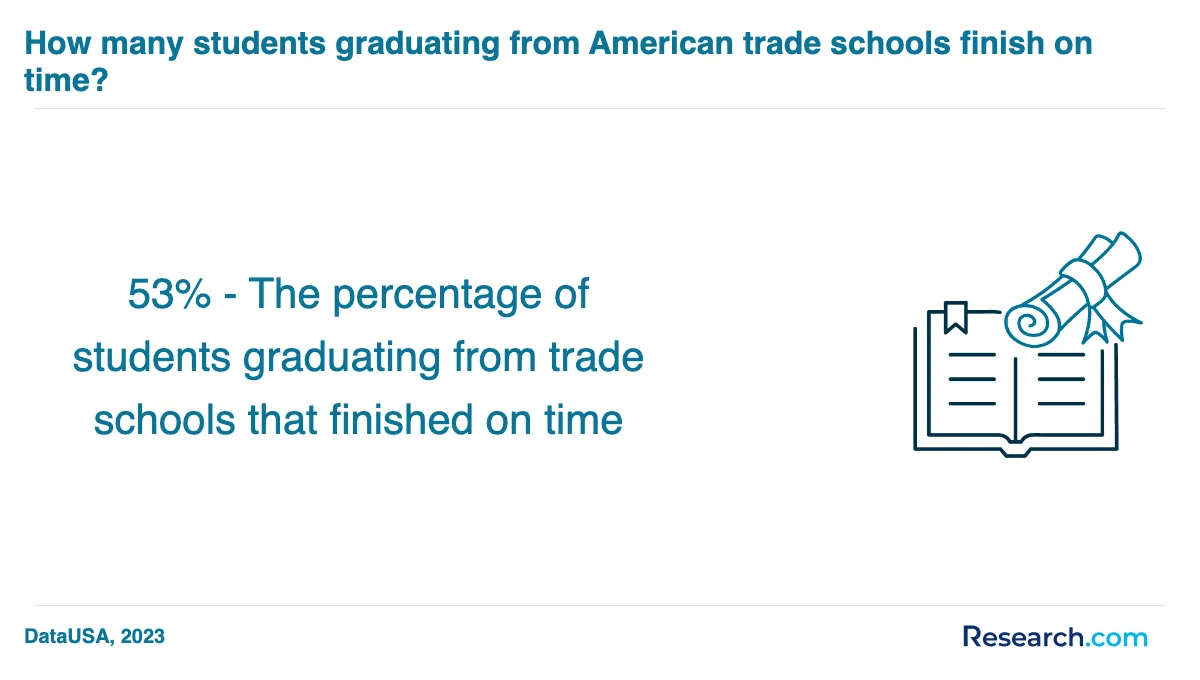
If you're looking into trade schools in Alabama, you'll find a variety of courses designed to get you job-ready fast. Many students choose automotive technology, diving into engine repair, vehicle diagnostics, and even brand-specific training for companies like Ford and Toyota at places like Gadsden State Community College or Lawson State. Graduates often share how hands-on their training felt, from fixing real vehicles to mastering collision repair.
Construction and skilled trades are huge, too. Welding and electrical programs teach practical skills like metal fabrication and safe wiring practices, perfect if you want to build a career on solid technical knowledge.
Other popular courses include:
- Advanced manufacturing and mechatronics, with robotics and automated systems training at Lawson State's renowned program
- Healthcare fields like dental hygiene and pharmacy technician, combining classroom time with real clinical work
- HVAC, CDL truck driving, court reporting, and salon management
Most programs are packed with hands-on labs or internships, so students graduate feeling confident and ready to start their careers in Alabama's workforce.
In Alabama, trade school programs offer a variety of specializations catering to different interests and industry needs. Many graduates share how hands-on training in automotive technology through places like Lawson State Community College's Alabama Center for Automotive Excellence gave them confidence to jump straight into certified technician roles. These programs include manufacturer-specific tracks such as Ford ASSET and Mercedes-Benz Tech, making students feel ready for real-world challenges.
Other popular areas include advanced manufacturing, with schools like Southern Union State Community College offering courses in mechatronics, plastics engineering, and welding-a skill especially in demand nationwide. Construction trades are also a favorite, where students learn everything from residential building to commercial remodeling, preparing them for various construction careers.
Some students appreciate shorter certificate options and workforce development programs that help them enter the workforce quickly. Plus, if you're exploring options like CDL training or HVAC, schools in Alabama provide those too. You can even discover affordable online freight broker trade school programs that fit your goals and schedule.
Choosing the best trade school program in Alabama starts with knowing what you want out of your career and which fields excite you. For instance, graduates from Gadsden State Community College often share how flexible scheduling helped them balance work and family while getting certified in healthcare or construction. When you're figuring out how to compare Alabama trade schools, look closely at accreditation and real-world connections. Schools that partner with local employers can offer internships or job placement that truly make a difference once you graduate.
Cost is another big piece of the puzzle; many find that public community colleges provide affordable tuition plus financial aid options. Also, if you're thinking about a quick start, check out options like a 6-month online certification program that pays well-these fast tracks can kickstart your career without years of tuition.
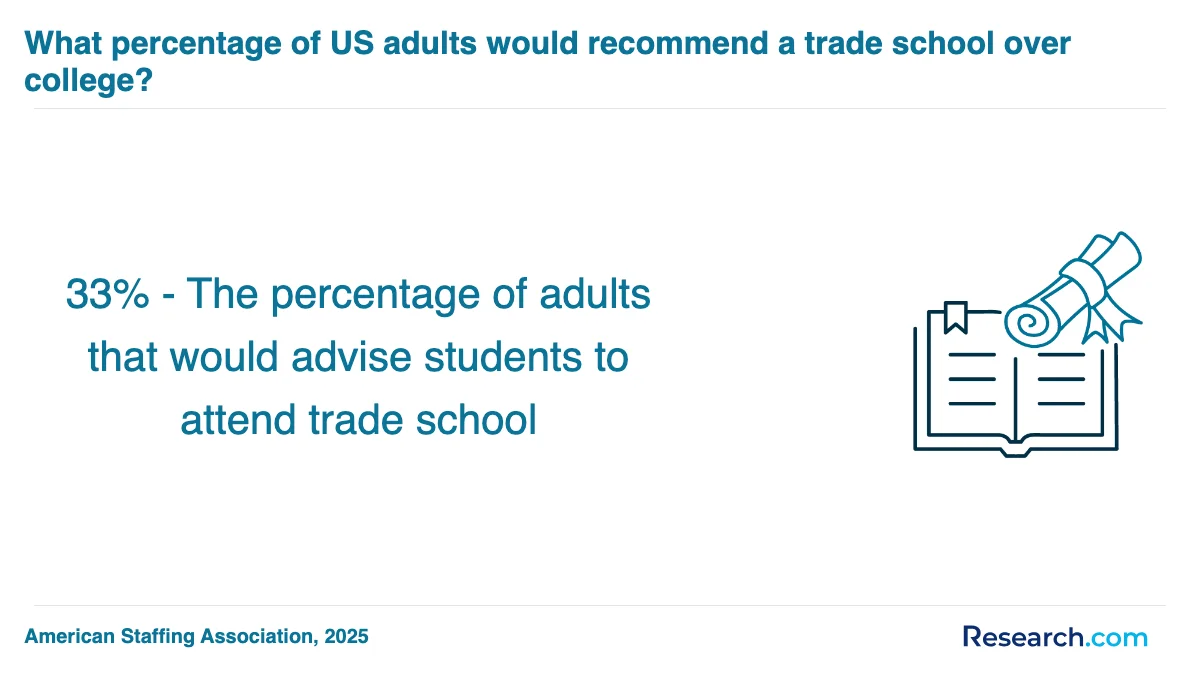
If you're exploring in-demand trade careers in Alabama, you'll find a wide spectrum of exciting options waiting for you right after graduation from a trade school. Many graduates from popular Alabama vocational schools jump straight into rewarding roles with solid local demand. For instance, the construction and skilled trades sector is booming here, with opportunities as contractors, remodelers, and tradesmen linked to major infrastructure projects across the state.
Automotive programs train students for careers as technicians or diesel mechanics, often connecting them with local manufacturers. Graduates share how hands-on training at top programs helped them land jobs quickly. In manufacturing and advanced tech, roles like robotics technicians or industrial automation specialists are popular paths that pay well and steady.
- Electrical, HVAC, and welding jobs are high-demand fields where trade school grads often find quick employment.
- Cosmetology, aviation manufacturing, and CADD also provide alternative Alabama vocational school career pathways that many find fulfilling and fast to enter.
Many agree programs combining classroom learning, internships, and certifications truly prepare them for Alabama's workforce needs. For more details on what schools excel in building these career-ready skills, check out some of the top construction trade schools serving the state.
The job outlook for trade school graduates in Alabama is bright, especially if you're interested in hands-on careers that really matter to local industries. Many graduates from popular trade schools in the state are landing jobs quickly in fields like advanced manufacturing, electrical work, HVAC, and commercial truck driving. These high-demand skilled trades in Alabama are not only growing fast but offer solid opportunities for those with real skills and credentials.
For example, graduates often share stories about landing roles setting up and running machinery or managing electrical systems within months of finishing their programs. Many enjoy starting pay between $32,000 and $37,000 with clear pathways to earning above $60,000 annually as they gain experience.
Some highlights about working in Alabama's trade job market:
- Employers are actively hiring graduates right out of technical schools.
- State initiatives aim to add 500,000 skilled workers by 2025, expanding opportunities.
- Many roles require postsecondary training, making trade school the right step.
If you want to explore more about how these jobs fit into your career plans, check out resources on trades job pathways to see what fits your interests best.
Most Affordable Trade School & Training Programs - Leading Certification Courses in Alabama for 2026
# 1 position
Northeast Alabama Community College - Computer and Information Sciences, General.
associateNortheast Alabama Community College offers a hybrid program in Computer and Information Sciences, General, combining computing, computer science, and information science systems. The annual in-state tuition is $4,980. This program is accredited by the Southern Association of Colleges and Schools Commission on Colleges, ensuring recognized educational standards. The program provides some distance-education options, allowing flexible learning for students pursuing this field.
# 2 position
Northeast Alabama Community College - Criminal Justice/Police Science.
associateNortheast Alabama Community College offers a Criminal Justice/Police Science program with a hybrid format, including some distance education. The curriculum prepares students for duties such as patrol, investigations, traffic and crowd control, evidence management, and basic crime prevention. The program costs $4,980 annually for in-state tuition. It is accredited by the Southern Association of Colleges and Schools Commission on Colleges.
# 3 position
Northeast Alabama Community College - Industrial Mechanics and Maintenance Technology/Technician.
associateNortheast Alabama Community College offers a hybrid Industrial Mechanics and Maintenance Technology/Technician program. This program prepares students to repair and maintain industrial machinery such as cranes, pumps, engines, and conveyor systems. The annual in-state tuition is $4,980. Graduates earn a median salary of $36,746 one year after completing the program. The program is accredited by the Southern Association of Colleges and Schools Commission on Colleges.
# 4 position
Northeast Alabama Community College - Business Administration and Management, General.
associateNortheast Alabama Community College offers a Business Administration and Management, General program with a hybrid format that includes some distance-education options. The program prepares students to plan, organize, direct, and control business functions, covering management theory, human resources, accounting, logistics, marketing, and decision-making. Annual in-state tuition is $4,980. The program is accredited by the Southern Association of Colleges and Schools Commission on Colleges.
# 5 position
Northeast Alabama Community College - Industrial Mechanics and Maintenance Technology/Technician.
certificate or diplomaNortheast Alabama Community College offers a hybrid Industrial Mechanics and Maintenance Technology/Technician program designed to prepare students for repairing and maintaining industrial machinery such as cranes, pumps, engines, and conveyor systems. The program's annual in-state tuition is $4,980. Graduates earn a median salary of $36,746 one year after completion. It is accredited by the Southern Association of Colleges and Schools Commission on Colleges.
# 6 position
Northeast Alabama Community College - Welding Technology/Welder.
certificate or diplomaNortheast Alabama Community College offers a Welding Technology/Welder program with a hybrid format, including some distance-education options. The program prepares students to apply technical skills in various welding methods such as arc welding, resistance welding, brazing, soldering, and high-energy beam welding. Instruction covers materials, welding metallurgy, structural design, safety, and relevant codes. Annual in-state tuition is $4,980. The program is accredited by the Southern Association of Colleges and Schools Commission on Colleges.
# 7 position
Jefferson State Community College - Veterinary/Animal Health Technology/Technician and Veterinary Assistant.
associateJefferson State Community College offers a program in Veterinary/Animal Health Technology/Technician and Veterinary Assistant that trains students to assist veterinarians and animal health professionals in patient care and clinical procedures. The curriculum covers animal nursing, health, nutrition, clinical pathology, radiology, anesthesiology, dental prophylaxis, surgical assisting, laboratory procedures, office administration, and communication. The program’s annual in-state tuition is $5,040 and is accredited by the Southern Association of Colleges and Schools Commission on Colleges.
# 8 position
Jefferson State Community College - Criminal Justice/Police Science.
associateJefferson State Community College offers a Criminal Justice/Police Science program in a hybrid format with some distance education options. The program prepares students for duties such as patrol, investigative activities, traffic and crowd control, witness interviewing, evidence management, crime prevention, weapon operation, and report preparation. The annual in-state tuition is $5,040. The program is accredited by the Southern Association of Colleges and Schools Commission on Colleges.
# 9 position
Jefferson State Community College - Physical Therapy Assistant.
associateJefferson State Community College offers a Physical Therapy Assistant program with a hybrid format, combining in-person and distance education. The program prepares students to assist physical therapists in treatment care plans and patient training. Coursework covers anatomy, physiology, biomechanics, kinesiology, and clinical documentation. Annual in-state tuition is $5,040. Graduates earn a median salary of $47,796 one year after completion. The program is accredited by the Southern Association of Colleges and Schools Commission on Colleges.
# 10 position
Jefferson State Community College - Office Management and Supervision.
associateJefferson State Community College offers a program in Office Management and Supervision designed to prepare students for managing business office operations and personnel. The curriculum covers employee supervision, management, labor relations, budgeting, scheduling, office systems, records management, and public relations. The program is accredited by the Southern Association of Colleges and Schools Commission on Colleges. Annual in-state tuition is $5,040.
Frequently Asked Questions about trade school programs
Preparing for the job market after completing trade school in Alabama involves several practical steps. First, graduates should obtain any necessary state or industry certifications, which improve employability and demonstrate technical skills. According to the Alabama Department of Labor, trade school graduates with certifications have a higher placement rate, often exceeding 75% within six months of completion.
Networking is also crucial. Many programs encourage students to engage with local employers through job fairs and internships, providing valuable contacts. Additionally, developing a professional resume that highlights hands-on experience helps graduates stand out.
Continuing education, including apprenticeships or short workshops, keeps skills current in Alabama's evolving job sectors like manufacturing, construction, and automotive repair.
Employers in Alabama highly value a combination of technical and soft skills in trade school graduates. According to the Alabama Department of Labor, skills in welding, electrical work, and HVAC technology consistently rank among the most sought-after technical abilities.
Problem-solving and critical thinking are essential soft skills employers demand alongside hands-on expertise. Communication skills, especially the ability to work well in teams, also play a significant role and are noted in workforce surveys conducted by Alabama Works.
Moreover, punctuality, a strong work ethic, and adaptability to new technologies increase a graduate's employability in Alabama's evolving industries. These attributes help graduates meet the practical demands of trade professions across the state.
Finding internships relevant to your trade school program in Alabama involves several practical steps. Begin by connecting with your school's career services office, which often partners with local businesses to offer internship opportunities. Many trade schools in Alabama have established relationships with employers in fields like automotive technology, health services, and construction.
Additionally, explore statewide resources such as the Alabama Department of Labor's workforce development programs, which provide listings of internships and apprenticeships. According to the department's 2023 data, approximately 15,000 internships were available across various trades statewide.
Online job platforms that focus on internships can also be helpful, but prioritize those specific to your location and trade. Networking at local trade events and contacting employers directly can increase your chances of securing relevant experience.
In Alabama, earning a diploma from a trade school often significantly improves career mobility and advancement opportunities. According to the Alabama Department of Labor, many industries such as manufacturing, automotive repair, and healthcare actively seek skilled workers with trade credentials. Graduates from trade programs typically enter the workforce faster than those with traditional four-year degrees, enabling quicker income growth.
Data from the National Center for Education Statistics show that trade school graduates in Alabama experience lower unemployment rates and often earn salaries 10-20% higher than peers without postsecondary credentials. Employers value the hands-on skills and certifications that come with a diploma, which can lead to promotions and higher responsibilities.
Furthermore, trade schools in Alabama often have strong partnerships with local businesses, creating pathways for apprenticeships and in-house training. This local industry connection supports graduates in advancing within their chosen fields, leading to meaningful career growth without incurring the heavy debt often associated with other education options.
Part-time job opportunities in Alabama can effectively complement trade school education by providing practical experience and income. Students enrolled in programs like automotive technology, welding, or HVAC often find part-time roles in local repair shops, construction sites, or maintenance departments.
According to the Alabama Department of Labor, industries such as manufacturing and construction are growing, offering numerous part-time positions suitable for trade students. These jobs help students apply classroom skills immediately, enhancing learning and employability.
Retail positions in hardware and supply stores also align well with trade skills, allowing students to deepen product knowledge while earning. Additionally, apprenticeships or internships, sometimes offered part-time, provide structured on-the-job training.
Overall, the combination of trade education and part-time work helps prepare students for full-time careers in Alabama's labor market.
Yes, there are affordable degree programs near Alabama, and many universities and colleges offer competitive tuition rates for in-state students. To find such programs near me, prospective students can explore local community colleges and state universities that often provide cost-effective education options. Research.com can serve as a helpful resource for identifying the best programs and affordability based on your specific requirements.
- Most Affordable Trade School & Training Programs - Leading Certification Courses in Mississippi for 2026
- Most Affordable Trade School & Training Programs - Leading Certification Courses in Tennessee for 2026
- Most Affordable Trade School & Training Programs - Leading Certification Courses in Georgia for 2026
- Most Affordable Trade School & Training Programs - Leading Certification Courses in Florida for 2026
- Most Affordable Trade School & Training Programs - Leading Certification Courses in Louisiana for 2026
- Most Affordable Trade School & Training Programs - Leading Certification Courses in South Carolina for 2026
- Most Affordable Trade School & Training Programs - Leading Certification Courses in Indiana for 2026
- Most Affordable Trade School & Training Programs - Leading Certification Courses in West Virginia for 2026
- Most Affordable Trade School & Training Programs - Leading Certification Courses in Iowa for 2026
- Most Affordable Trade School & Training Programs - Leading Certification Courses in Maryland for 2026
- Find The Best Trade Schools In Alabama https://www.accreditedschoolsonline.org/vocational-trade-school/alabama/
- Career Training | Calhoun Community College https://calhoun.edu/programs-training/career-training/
- Career and Technical Education - Bishop State https://www.bishop.edu/programs/career-technical-education
- Home - Drake State Community & Technical College https://drakestate.edu/
- Career Pathways : Coastal Alabama Community College https://www.coastalalabama.edu/academics/workforce-development/career-pathways
- Technical Programs - Gadsden State Community College https://www.gadsdenstate.edu/programs-of-study/technical-programs.cms
- Career Technical & Workforce Development - Snead State Community College https://snead.edu/career-technical-education/
- Alabama high school requirements now allow students to trade chemistry for carpentry https://hechingerreport.org/a-new-kind-of-high-school-diploma-trades-chemistry-for-carpentry/
- Trade Schools, What Are The Benefits - InterCoast Colleges https://intercoast.edu/articles/benefits-of-trade-schools/
- Trades Training Facility | Tuscaloosa, AL | Skilled Trades of West Alabama https://skilledtradesofwestalabama.com/