
Most Affordable Associate Degree Programs - Leading Certification Courses in Las Vegas for 2026

Co-Founder and Chief Data Scientist
Choosing the right associate degree program in Las Vegas can feel overwhelming. This article simplifies that process by featuring an associate degree programs ranking created by the Research.com team of data scientists. Their careful analysis helps you identify trade school programs that offer real value and affordable options for 2026.
Discover programs that match your goals and budget while setting you up for a successful career. An associate degree opens doors to new opportunities and personal growth, making it a smart investment in your future. Dive in to find the best fit for you.
Key benefits of associate degrees in Las Vegas
Associate degree graduates in Las Vegas enjoy strong earning potential, with median salaries ranging from $49,500 for general fields to over $150,000 for roles like air traffic controllers and commercial pilots. Technical and healthcare jobs offer especially high wages.
Popular career paths include healthcare, technical trades, and skilled roles, with graduates from colleges like Las Vegas College earning an average starting salary of $75,561, and College of Southern Nevada alumni reporting early-career salaries around $39,182.
Online associate degrees offer flexibility and convenience, allowing students to balance work and study effectively while accessing quality education similar to on-campus programs, making a degree more attainable and career-ready.
- Most Affordable Associate Degree Programs - Leading Certification Courses in Las Vegas for 2026
- What can I expect from associate degree programs in Las Vegas?
- Where can I work after finishing associate degree programs in Las Vegas?
What can I expect from associate degree programs in Las Vegas?
The average cost of an associate degree program in Las Vegas typically hovers around $4,498 per term, making it an affordable choice for many students balancing work and life. Graduates from local schools like Northwest Career College often appreciate the value they get, combining quality instruction with flexible online and on-campus options. This cost includes access to helpful resources such as laptops and career services, which many students find essential for their success.
Students attending institutions like Carrington College or the College of Southern Nevada also experience practical training that prepares them for certification exams and real-world job demands. With about 61% of associate programs offered online, many working adults in Las Vegas can pursue degrees without disrupting their schedules. The overall investment feels worthwhile to students who benefit from personalized instructors and programs that emphasize both technical skills and critical thinking, giving a clear path to a stable career in industries like healthcare, business, or technology.
Where can I work after finishing associate degree programs in Las Vegas?
After earning an associate degree in Las Vegas, graduates find diverse job opportunities across thriving local industries. Many secure roles in healthcare, such as surgical assistants, radiology technologists, and dental hygienists, supported by hands-on training experienced at popular Las Vegas schools. These positions often come with satisfying salaries and fast entry into meaningful work that directly impacts community health.
Others leverage technical programs to become skilled tradespeople like electrical power-line installers or crane operators, roles essential to the city's ongoing infrastructure growth. Graduates recall the practical labs and internships offered by top local colleges, which build confidence and job readiness in these hands-on careers.
Public safety positions, including first-line supervisors of police and detectives, attract associate degree holders ready to serve and lead, merging education with real-world responsibility. Business administration and administrative roles also welcome grads, especially within Las Vegas's booming hospitality and entertainment sectors, where customer service and office skills shine.
The steady demand, with over 900 job openings requiring associate degrees locally, reassures recent graduates they can quickly transition from campus to career in this dynamic city.
After finishing an associate degree program in Las Vegas, graduates can expect a median annual salary of about $49,500 as of May 2024, which is roughly 18% higher than what most high school graduates make locally. For example, graduates from popular Las Vegas institutions often share how hitting this wage mark allowed them to start building financial independence quickly after school.
Those who pursue specialized programs in healthcare, technical fields, or skilled trades usually earn much more. Surgical assistants and electrical power-line installers report median salaries exceeding $110,000, while roles like crane operators and commercial pilots can surpass $130,000 annually. Students who trained at respected local colleges in these fields express satisfaction with how their degree translated into rewarding, well-paying jobs.
Entry-level positions tied to general studies or healthcare support start closer to the $42,000-$50,000 range, but many graduates highlight opportunities to increase their pay with experience. According to ZipRecruiter (September 2025), the average hourly wage for associate degree holders in Nevada is $20.23, rising to $33.78 in some cases.
This means graduates can comfortably find roles that meet their financial goals while working in industries trending upward due to a shortage of skilled middle-level workers in Las Vegas.
- Maria: Earning my Associate Degree in Culinary Arts from a Las Vegas trade school was life-changing. The hands-on training made me confident in the kitchen, and I quickly landed a job at a top local restaurant. The practical skills and connections truly opened doors for my career growth.
- Jamal: Studying for an Associate Degree in Information Technology felt rewarding and efficient. The focused curriculum and supportive instructors helped me master essential tech skills. Within months, I secured a solid IT support role at a Vegas company. Trade schools here really prepare you for real-world success.
- Sophia: Getting my Associate Degree in Health Sciences in Las Vegas was a wonderful experience. The small class sizes made learning personal, and the internship placements led me to work at a well-known clinic. I'm grateful that the trade school approach balanced theory and practice so well.
- Applicants typically need a high school diploma or GED, official transcripts, and may require a minimum GPA of 2.5 and passing scores on standardized tests like the ATI TEAS.
- Programs like the Associate Degree Nursing at CSN admit up to 112 students twice a year, with prerequisites, health screenings, and background checks required.
- Annual tuition and fees for full-time associate degree students in Las Vegas public colleges range from $3,500 to $4,000, with total costs around $7,000 to $9,000 for two years.
- Starting salaries for graduates in nursing range between $55,000 and $65,000, with experienced nurses earning $80,000 to $90,000 annually.
- Other fields such as paralegal studies and information technology offer starting salaries from $35,000 to $50,000, increasing with experience.
- Credits earned in associate degree programs can often transfer to four-year universities like the University of Nevada, Las Vegas, if minimum grade and GPA requirements are met.
An associate degree program in Las Vegas typically takes about two years of full-time study to complete. Most graduates from schools like the College of Southern Nevada find this timeline manageable while balancing work or family commitments. The standard pathway involves taking around 15 to 16 credits per semester, totaling 60 to 70 credits needed for graduation.
Some students choose part-time enrollment, which naturally extends their time in school, but allows for greater flexibility. Others take advantage of accelerated programs offered by local technical schools, finishing in as little as 12 to 18 months by attending year-round and taking heavier course loads. This option has energized motivated students eager to enter the workforce faster.
Graduates often share that transfer credits from previous college work or AP courses helped them shorten their studies. However, students needing remedial classes should expect added semesters. Overall, Las Vegas associate degree programs remain student-friendly, giving practical options to fit varied lifestyles and goals.
The key difference between online and on-campus associate degree programs in Las Vegas is how students engage with their coursework. Online programs, such as those offered by the College of Southern Nevada, allow students to study from anywhere using digital platforms. Graduates who chose the online route often appreciate the flexibility to fit classes around work or family commitments, especially with options like "Web Remote" for live sessions or fully asynchronous "Web Online" courses that let them study at their own pace.
On the other hand, students in on-campus programs enjoy a more structured schedule with face-to-face interaction. These students find value in the hands-on labs and immediate feedback from instructors, which is especially helpful in technical fields. Many also mention how social connections and networking opportunities on campus made their learning experience more engaging and rewarding.
Costs vary too: online learners save on commuting and housing expenses, while on-campus students benefit from easier access to campus services. Choosing between the two depends on your lifestyle and learning preferences.
The average associate degree cost in Las Vegas varies significantly depending on the type of institution. At public community colleges like the College of Southern Nevada, in-state tuition is about $123.75 per credit, amounting to roughly $7,425 for the full program of 60 credits. Many graduates from such schools share how this affordable tuition helped them manage living expenses and still complete their degrees without overwhelming debt, making their education journey feel achievable and rewarding.
By contrast, private colleges and for-profit institutions in Las Vegas typically charge higher fees. For instance, Las Vegas College sets tuition and fees around $17,684 annually, which totals close to $35,368 for two years. Students from these schools often emphasize the value of financial aid, as nearly half receive scholarships or grants that significantly ease the financial burden. This reality provides a sense of hope and relief amid higher tuition costs, helping students focus on their studies instead of stressing over expenses.
When exploring Las Vegas associate degree tuition and fees, many prospective students consider online options within Nevada. Some online programs have tuition ranging from $3,000 to $10,000 total, offering flexibility and savings. One Nevada school charges just $62 per credit, enabling students to earn an associate degree at a fraction of the typical cost while balancing work and family life.
Financial aid and scholarships are key to reducing costs across institutions, making the supportive environment feel personalized and encouraging. For those unsure of which path to take, knowing what certification pays the most can help guide a smart investment in a degree that promises solid career prospects.
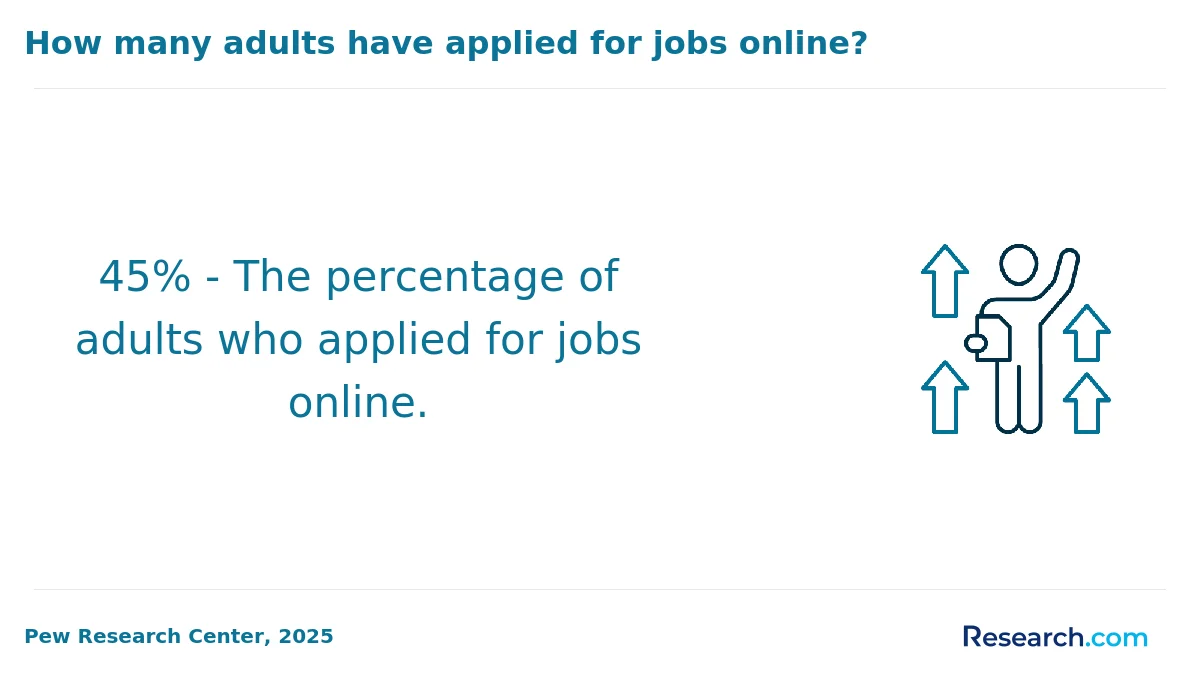
Associate degree students in Las Vegas benefit from various financial aid opportunities that make college more affordable. Many graduates recall how completing the FAFSA® opened doors to the Federal Pell Grant, a crucial no-repayment aid that covered essential expenses at schools like College of Southern Nevada. Federal loans are also available, letting dependent students borrow up to $6,500 in their second year, easing immediate financial pressure.
Nevada-specific grants boost support further. For example, the Achieve Nevada program helped several first-year students at Nevada State College cover tuition and textbooks, especially those meeting FAFSA deadlines and Pell Grant criteria. The Silver State Opportunity Grant assists low-income students taking full course loads, giving practical relief for day-to-day living costs.
Local scholarships add to this financial safety net. Students have shared how the Scorpion Academic Scholarship at Nevada State University rewarded their hard work with up to $3,000 annually. Meanwhile, undocumented learners found hope through TheDream.US National Scholarship, significantly reducing tuition burdens.
More than two-thirds of students at Nebraska's top community colleges rely on these aids, reflecting how accessible and essential these resources are for making dreams of higher education in Las Vegas a reality.
To enroll in an associate degree program in Las Vegas, most students find that having a high school diploma or equivalent (GED, HiSET, or TASC) is the first key step. Graduates from local schools like the College of Southern Nevada (CSN) often recall this as the basic entry ticket.
For popular programs such as the Associate Degree in Nursing (ADN) at CSN, expect to complete prerequisite courses in subjects like biology, anatomy, English composition, math, and psychology with grades of "C" or better. Many students feel motivated knowing that achieving a minimum GPA of 2.5 in these courses is essential to move forward.
- Completion of roughly 21 prerequisite credits including Anatomy & Physiology I and II, Fundamentals of Life Science, and General Psychology
- Meeting minimum GPA requirements, often 2.5 or above
- Some programs require attending orientations, workshops, and advisor meetings before applying
- Proof of English proficiency may be needed for non-native speakers
- Evaluation of international transcripts through credentialing agencies when applicable
Students applying to competitive programs often share how earning "B" or higher on first attempts in key science and math courses boosts their admission chances. They also appreciate the fairness of the point system used, which rewards strong prerequisite performance. This structure helps students stay focused and confident during the application process.

Associate degree programs in Las Vegas commonly include a well-rounded mix of general education and specialized courses tailored to the region's workforce needs. Business administration associate degrees often feature classes in business operations, marketing, entrepreneurship, organizational behavior, human resources, and business law. Graduates from institutions like Northwest Career College describe using real-world business software and participating in externships that boost their confidence and job readiness.
Healthcare-focused programs, such as associate degree in nursing (ADN) programs, involve coursework in anatomy, physiology, pharmacology, patient care, and clinical skills. Students at places like Galen College of Nursing value the hands-on clinical experience, which prepares them thoroughly for the NCLEX-RN exam and employment as registered nurses.
Across all fields, students complete core classes in English composition, mathematics, and social sciences to sharpen critical thinking and communication skills. Many students find that the common classes for Las Vegas associate degrees perfectly balance theory with practical training, making the programs engaging and career-oriented.
For those exploring flexible study options, Las Vegas also offers opportunities to enroll in online schools with open enrollment, providing access to many of these courses without strict admission barriers.
Choosing among the best associate degree programs in Las Vegas starts with accreditation; graduates from the College of Southern Nevada and Truckee Meadows Community College often praise how their credits transferred smoothly when pursuing further education or jobs. Flexibility is a must for local students balancing jobs and family, so many applaud the offerings of online and campus-based options that fit busy lives.
Cost matters too-affordable Las Vegas associate degree options like those at the College of Southern Nevada offer tuition as low as $123.75 per credit, often combined with financial aid that eases the burden. Graduates frequently share how this made earning their degree manageable without overwhelming debt.
Career-focused students highlight programs with strong job placement and hands-on training, such as the Nursing associate degree with high NCLEX pass rates. If your sights are set on advancing, prioritize programs with transparent transfer pathways to four-year colleges. For those aiming to speed up graduate studies, exploring the shortest masters degree paths can be a smart next step.
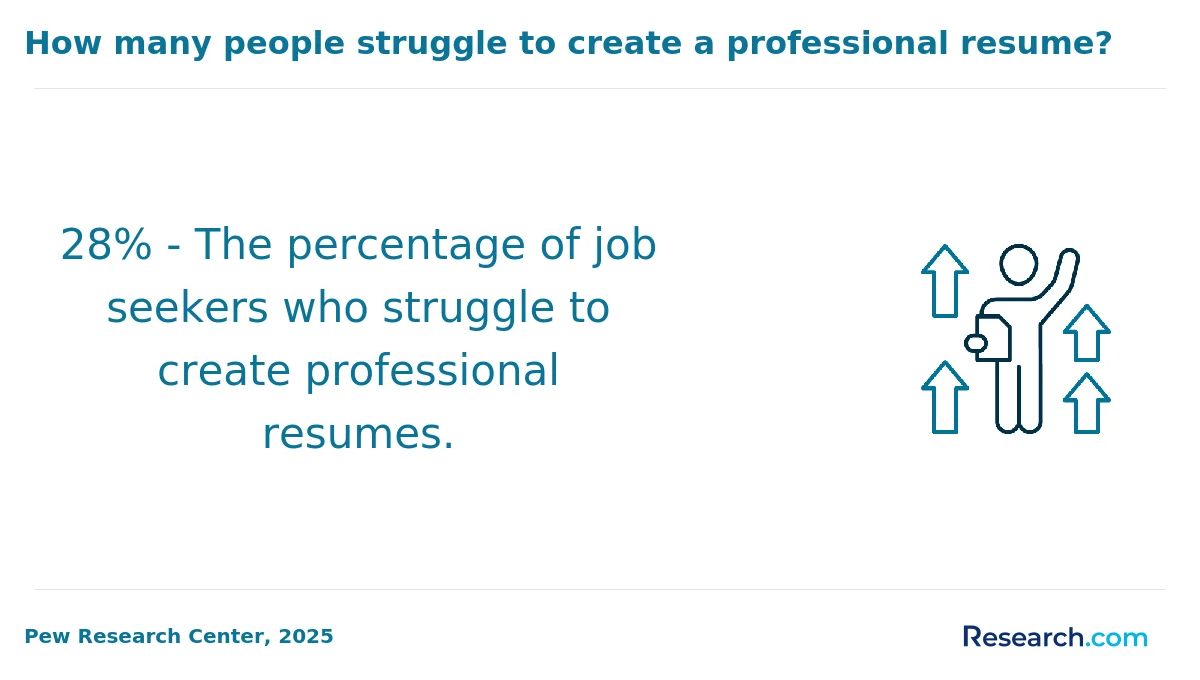
Associate degree graduates in Las Vegas can access diverse career paths tailored to the city's dynamic economy. Many choose healthcare roles such as Medical Assistant, Practical Nurse, or EKG Technician, benefiting from strong local demand that reflects national growth trends. Graduates from popular associate degree schools report feeling confident stepping directly into jobs like Phlebotomist or Laboratory Assistant, where hands-on training aligns with employer needs.
Business and financial services also offer promising opportunities. Roles like Office Accountant, Relationship Banker, and Digital Marketing Assistant are common starting points. Students often praise Las Vegas programs for blending practical skills with the hospitality-driven market, making career transitions smooth and rewarding.
Education and public service fields attract graduates aiming for Substitute Teacher or Special Agent positions. These jobs provide stable entry points with clear advancement prospects.
Finding the right program is easier thanks to many accredited colleges online with no application payment that support local students in earning their degrees affordably and efficiently.
Overall, career opportunities for associate degree graduates in Las Vegas are broad and growing, fitting a range of interests and goals.
The Las Vegas associate degree job market offers a wealth of opportunities for graduates eager to start well-paid careers quickly. Many who attend popular associate degree schools in Las Vegas find that the local job market rewards their skills with competitive salaries and steady demand. Graduates often secure positions in thriving industries such as healthcare, technology, and public safety - all sectors actively seeking middle-skilled workers.
Some of the highest paying associate degree jobs in Las Vegas include surgical assistants and electrical power-line installers, with median salaries ranging from $110,000 to over $130,000 annually. Graduates share positive feedback about their smooth transitions into roles like administrative assistants and radiology technologists, which regularly appear in job listings and provide career stability.
For students looking to explore diverse educational pathways, certain programs even offer international dual degree programs that enhance employability both locally and abroad. This variety highlights how the Las Vegas associate degree job market caters to students aiming for rewarding careers without the time and cost of a traditional four-year degree.
Most Affordable Associate Degree Programs - Leading Certification Courses in Las Vegas for 2026
# 1 position
College of Southern Nevada - Diagnostic Medical Sonography/Sonographer and Ultrasound Technician.
associateThe College of Southern Nevada offers a hybrid Diagnostic Medical Sonography/Sonographer and Ultrasound Technician program that prepares students to perform medical ultrasound techniques under physician supervision. The curriculum covers patient care, data collection, sonographic processing, and professional ethics. Annual in-state tuition is $4,110. Graduates have median earnings of $64,976 one year after completion. The program is accredited by the Northwest Commission on Colleges and Universities.
# 2 position
College of Southern Nevada - Business Administration and Management, General.
associateThe Business Administration and Management, General program at College of Southern Nevada is offered fully online. It prepares students to plan, organize, direct, and control business functions, covering management theory, human resources, accounting, purchasing, logistics, marketing, and decision-making. The program is accredited by the Northwest Commission on Colleges and Universities. Annual in-state tuition is $4,110. Median earnings one year after completion are $39,636.
# 3 position
College of Southern Nevada - Heating, Air Conditioning, Ventilation and Refrigeration Maintenance Technology/Technician.
associateThe Heating, Air Conditioning, Ventilation and Refrigeration Maintenance Technology/Technician program at College of Southern Nevada prepares students to repair, install, service, and maintain HVAC and refrigeration systems. This hybrid program includes training on diagnostic techniques, testing equipment, and principles of mechanics, electricity, and electronics. The annual in-state tuition is $4,110. Graduates earn a median salary of $34,374 one year after completion. The program is accredited by the Northwest Commission on Colleges and Universities.
# 4 position
College of Southern Nevada - Computer and Information Systems Security/Auditing/Information Assurance.
associateThe Computer and Information Systems Security/Auditing/Information Assurance program at College of Southern Nevada is fully online. It trains students to assess and manage computer and network security, covering topics like programming, cryptography, risk assessment, and security auditing. Annual in-state tuition is $4,110. Graduates earn a median salary of $30,872 one year after completion. The program is accredited by the Northwest Commission on Colleges and Universities.
# 5 position
College of Southern Nevada - Accounting Technology/Technician and Bookkeeping.
associateThe Accounting Technology/Technician and Bookkeeping program at College of Southern Nevada is fully online, designed to prepare students for technical administrative roles supporting accountants and financial managers. The curriculum covers transaction posting, record-keeping systems, accounting software, and fundamental accounting principles. Annual in-state tuition is $4,110. Graduates have median earnings of $30,553 one year after completion. The program is accredited by the Northwest Commission on Colleges and Universities.
# 6 position
College of Southern Nevada - Veterinary/Animal Health Technology/Technician and Veterinary Assistant.
associateThe College of Southern Nevada offers a program in Veterinary/Animal Health Technology/Technician and Veterinary Assistant preparing students to assist veterinarians and animal care professionals. The curriculum includes animal nursing, clinical procedures, radiology, anesthesiology, surgical assisting, and office administration. Annual in-state tuition is $4,110. The program is accredited by the Northwest Commission on Colleges and Universities and focuses on patient management, owner communication, and applicable standards and regulations.
# 7 position
College of Southern Nevada - Information Technology.
associateThe College of Southern Nevada offers a hybrid Information Technology program that covers the design of technological information systems. The curriculum includes computer hardware and software principles, algorithms, databases, telecommunications, application testing, and user interface design. Annual in-state tuition is $4,110. The program is accredited by the Northwest Commission on Colleges and Universities.
# 8 position
College of Southern Nevada - Computer Science.
associateThe Computer Science program at College of Southern Nevada emphasizes computer theory, problem-solving, and system design from a scientific viewpoint. It includes instruction in computational science principles, programming, and practical applications. The program is accredited by the Northwest Commission on Colleges and Universities. Annual in-state tuition is $4,110, offering an affordable option for students pursuing studies in computer systems and user interface design.
# 9 position
College of Southern Nevada - Electrician.
associateThe College of Southern Nevada offers a hybrid Electrician program designed to prepare students for installing, operating, maintaining, and repairing electric systems across residential, commercial, and industrial settings. The curriculum includes electronics principles, wiring, power transmission, safety, appliances, job estimation, testing, inspection, and relevant codes. The program’s annual in-state tuition is $4,110. It is accredited by the Northwest Commission on Colleges and Universities.
# 10 position
College of Southern Nevada - Building/Home/Construction Inspection/Inspector.
associateThe Building/Home/Construction Inspection/Inspector program at the College of Southern Nevada offers a hybrid format with some distance-education options. It prepares students to apply industrial, labor, and governmental standards to oversee construction projects and maintain buildings. Coursework includes construction processes, materials analysis, safety and health, building codes, blueprint interpretation, testing procedures, communication, accident investigation, and documentation. Annual in-state tuition is $4,110. The program is accredited by the Northwest Commission on Colleges and Universities.
Frequently Asked Questions about associate degree programs
After earning an associate degree in Las Vegas, preparing for the job market requires targeted strategies to improve employment prospects. Start by utilizing the career services offered by local colleges, such as the College of Southern Nevada, which provides job placement, resume workshops, and interview preparation tailored for associate degree graduates. Networking is crucial; attending industry events or joining local professional groups can connect students with employers in high-demand sectors like healthcare, technology, and hospitality.
According to the Nevada Department of Employment, Training and Rehabilitation, associate degree holders in Las Vegas see an average employment rate of 72% within six months, with average salaries ranging from $35,000 to $50,000 depending on the field. Enhancing skills through internships or certifications also increases competitiveness, helping graduates meet local employer needs.
Employers in Las Vegas highly value associate degree graduates who demonstrate strong technical and interpersonal skills. According to recent data from the Nevada Department of Employment, Skills, and Rehabilitation (DES), proficiency in customer service, computer literacy, and basic problem-solving rank among the top requested abilities.
Soft skills such as communication, teamwork, and adaptability also stand out. The Las Vegas job market, heavily influenced by hospitality and healthcare industries, favors graduates who can effectively collaborate and respond to dynamic work environments.
Additionally, employers often seek candidates skilled in industry-specific software, like electronic health records for healthcare or point-of-sale systems for retail and hospitality.
Overall, blending practical technical knowledge with strong soft skills improves job prospects for associate degree holders in Las Vegas.
Finding internships in Las Vegas relevant to your associate degree program involves using multiple resources to connect with employers. Start by visiting the career services office at your community college or technical school, as they often maintain partnerships with local businesses and can help match you with internships.
You can also explore internship listings on job platforms such as Indeed or Handshake, filtering by Las Vegas and your field of study. The Las Vegas Chamber of Commerce and Nevada JobConnect provide additional local leads tailored to student and entry-level opportunities.
Industries like healthcare, hospitality, and technology offer many internships here. According to the Nevada Department of Employment, these sectors actively seek interns, providing practical experience that complements associate degrees.
Networking through local professional groups or attending career fairs hosted by colleges can increase your chances of securing a suitable internship.
An associate degree in Las Vegas can significantly boost career mobility and advancement opportunities for many individuals. According to the Nevada Department of Employment, Training and Rehabilitation, jobs requiring an associate degree tend to offer higher median wages compared to those needing only a high school diploma. For example, many healthcare and technical roles in Las Vegas favor candidates with associate degrees, leading to faster promotion potential.
Furthermore, employers in industries such as hospitality management, information technology, and business increasingly value the practical skills and formal training these programs provide. Data from the U.S. Bureau of Labor Statistics confirms that associate degree holders in Nevada experience a lower unemployment rate and greater job stability than those without postsecondary credentials.
Associate degrees also serve as a stepping stone for earning a bachelor's degree, which may further enhance career growth. Local community colleges in Las Vegas often have articulation agreements that ease transfer to four-year universities, facilitating continuous education and better job prospects.
Las Vegas offers various part-time job opportunities that complement associate degree education, especially in fields like hospitality, healthcare, and information technology. Many students pursue roles such as administrative assistants, medical assistants, or IT support specialists, which provide practical experience alongside their studies.
The Bureau of Labor Statistics (BLS) indicates a significant demand for healthcare support roles in the Las Vegas metro area, growing faster than the national average. Meanwhile, the city's robust hospitality sector presents numerous entry-level jobs ideal for business or tourism management students.
Part-time positions in retail and customer service also remain popular, helping students develop communication and management skills relevant to various degree fields.
To find the most affordable degree program near me in Las Vegas, NV, consider exploring local community colleges and public universities, as they often have lower tuition rates compared to private institutions. Compare the costs and available financial aid options of various programs to determine the most cost-effective choice. Research.com can be a helpful resource for identifying and comparing educational institutions and degree programs near Las Vegas, NV.
- Most Affordable Trade School & Training Programs - Leading Certification Courses in Lancaster for 2026
- Most Affordable Trade School & Training Programs - Leading Certification Courses in Anaheim for 2026
- Most Affordable Trade School & Training Programs - Leading Certification Courses in Billings for 2026
- Most Affordable Trade School & Training Programs - Leading Certification Courses in Bremerton for 2026
- Most Affordable Trade School & Training Programs - Leading Certification Courses in Tulsa for 2026
- Most Affordable Trade School & Training Programs - Leading Certification Courses in Topeka for 2026
- Most Affordable Trade School & Training Programs - Leading Certification Courses in Olathe for 2026
- Most Affordable Trade School & Training Programs - Leading Certification Courses in Overland Park for 2026
- Research - Best Dual Degree Programs https://research.com/degrees/best-dual-degree-programs
- Why You Should Consider an Online Associate Degree Program - Lakewood University https://lakewood.edu/online-associate-degree-benefits/
- Should I Intern if I'm in an Associate's Program? | Career Advice & Interview Tips | WayUp Guide https://www.wayup.com/guide/intern-im-associates-program/
- Find Remote Internships For College Students https://www.accreditedschoolsonline.org/resources/college-internships-and-employment/
- Certificate and Associate Degree Programs | Carrington College https://carrington.edu/degrees/
- Is it time for Nevada’s community colleges to leave the nest? - The Nevada Independent https://thenevadaindependent.com/article/is-it-time-for-nevadas-community-colleges-to-leave-the-nest
- How Should I List Multiple Degrees After My Name? | ProFellow https://www.profellow.com/askdrjohnson/how-should-i-list-multiple-degrees-after-my-name/
- Nces https://nces.ed.gov/
- Student Associates | Entertainment Careers | Sphere Entertainment Co. https://www.sphereentertainmentco.com/student-associate-program/
- Earn Your Associate Degree with Asher College - Asher College https://asher.edu/earn-your-associate-degree-with-asher-college/


