Most Affordable Associate Degree Programs - Leading Certification Courses in Johnstown for 2026

Co-Founder and Chief Data Scientist
Considering an associate degree in Johnstown? Finding an affordable program that fits your goals can be overwhelming. This article introduces a carefully crafted associate degree programs ranking created by the Research.com team of data scientists to help you make an informed choice.
By exploring this guide, you’ll discover quality trade school options that align with your budget and career aspirations. Earning an associate degree opens doors to new opportunities, skills, and personal growth. Let this resource inspire your next educational step with confidence and clarity.
Key benefits of associate degrees in Johnstown
- Strong salary potential: Associate degree holders in Johnstown earn competitive wages, with transportation managers making around $83,980, electrical technicians $79,160, and electricians about $64,630 annually, showing great earning power for skilled fields.
- Popular career paths: Many graduates from local schools pursue technical and supervisory roles such as aircraft mechanics, first-line supervisors, and business management, offering steady and rewarding job opportunities in the community.
- Flexible online options: Earning an online associate degree allows students to balance work and study easily, providing convenient access to education without commuting, which is ideal for busy individuals seeking growth.
- Most Affordable Associate Degree Programs - Leading Certification Courses in Johnstown for 2026
- What can I expect from associate degree programs in Johnstown?
- Where can I work after finishing associate degree programs in Johnstown?
What can I expect from associate degree programs in Johnstown?
Students pursuing an associate degree in Johnstown often find the cost to be refreshingly affordable, especially when compared to four-year universities. Graduates from institutions like Pennsylvania Highlands Community College or the Hiram G. Andrews Center recount how their tuition was manageable, making it easier to focus on learning without overwhelming financial stress. The typical tuition for these programs usually falls below the cost of many traditional colleges, reflecting Johnstown's commitment to accessible education.
Many students appreciate the smaller class sizes and practical training that come with these programs, which are often completed in about two years. Flexible scheduling options-including online and blended courses-allow individuals balancing work or family to progress steadily. Students report feeling well-supported through tutoring and career counseling services, which enhance both academic success and job readiness.
Hands-on experiences through labs and internships are common, providing graduates with confidence and skills that local employers value. This blend of affordability, practical training, and supportive learning environments contributes to a positive and encouraging journey for Johnstown's associate degree students.
Where can I work after finishing associate degree programs in Johnstown?
Graduates from associate degree programs in Johnstown find rewarding career paths across diverse local industries. Many students from Pennsylvania Highlands Community College celebrate how their practical training led them to stable roles in auditing, accounting, and business administration within government agencies like the Pennsylvania Department of the Auditor General. The real-world skills gained make stepping into these public sector jobs feel confident and fulfilling.
Others share stories of working at Conemaugh Health System or Chan Soon-Shiong Medical Center, filling positions as dental hygienists, administrative assistants, or licensed practical nurses. These roles not only offer competitive wages but also a sense of meaningful contribution to community health and wellbeing.
For those drawn to skilled trades, programs at Greater Johnstown Career and Technology Center open doors to careers in manufacturing and automotive technology. Graduates describe a strong sense of pride in mastering hands-on skills that lead to family-sustaining jobs.
Across Johnstown, associate degree holders find themselves welcomed in banks, healthcare, technology, retail, and education, where local employers value their well-rounded preparation and readiness to grow.
After finishing an associate degree program in Johnstown, graduates often experience a noticeable boost in their earning potential compared to high school graduates. Many who have completed their studies at local institutions report starting salaries around $49,500 annually, which is approximately 18% higher than typical regional wages. This boost is encouraging for those weighing the investment in their education.
Graduates working in healthcare or technology fields share stories of stepping into roles like dental hygienists or diagnostic medical sonographers, where salaries can exceed the median significantly. Others find rewarding positions in skilled trades, enjoying both steady work and pay that reflects their training.
Hourly wages for common jobs in Johnstown range broadly, with sales associates earning about $15 per hour on average. However, many associate degree holders find that the skills they acquire open doors to careers paying much more, sometimes over $60,000 annually, especially for those gaining experience and specialization.
For many, studying in Johnstown means not only a solid education but also the chance to build a career with security and growth potential as the local job market evolves.
- Maria: Earning my Associate Degree in Electrical Technology from Johnstown Trade School transformed my life. The hands-on training prepared me perfectly for a local electrical company job. I felt supported throughout and proud to join Johnstown's workforce confident and skilled.
- Derek: Completing the Associate Degree in Healthcare Administration opened doors I never expected. The practical skills and real-world internships in Johnstown clinics helped me secure a rewarding office position. Studying locally made all the difference-supportive instructors, flexible classes, and a vibrant community.
- Charlotte: My Associate Degree in Culinary Arts at Johnstown's trade school was a dream come true. The intensive courses combined with real kitchen experience gave me the confidence to start working at a respected Johnstown restaurant. It's not just education; it's a passionate pathway to success.
- Associate degree programs in Johnstown include Associate of Arts (A.A.), Associate of Science (A.S.), and Associate of Applied Science (A.A.S.) options.
- Admission typically requires a high school diploma or equivalent, with some programs offering early enrollment starting in ninth grade.
- Tuition at Pennsylvania Highlands Community College is under $10,000 for the full degree, making it an affordable choice.
- Graduates in nursing, medical office administration, computer technology, and business management can expect starting salaries between $32,000 and $45,000 per year.
- Programs offer flexible formats such as in-person, blended, and fully online classes to accommodate different student needs.
Completing an associate degree in Johnstown typically takes about two years for full-time students, a standard embraced by many local community colleges and technical schools. Graduates often recall the steady rhythm of managing four semesters, each carrying around 15 credits, which balances well with their personal and professional lives.
Some students choose to accelerate their journey. For example, motivated high schoolers partnering with Pennsylvania Highlands Community College can complete their associate degree alongside their diploma, effectively shortening the typical timeline. This pathway brings a deep sense of accomplishment and excitement, knowing they're graduating with both credentials simultaneously.
Others, such as working adults attending part-time, take three to four years, finding fulfillment in progressing at their own pace without sacrificing work or family responsibilities. Trade school attendees, like those at Johnstown's Conemaugh School of Surgical Technology, often appreciate the blend of classroom learning and hands-on training within the usual two-year timeframe.
Overall, the timing reflects individual ambition and life circumstances, but Johnstown's associate degree programs consistently provide a clear, manageable path to success.
The key difference between online and on-campus associate degree programs in Johnstown lies in how and where students engage with their studies. Graduates from Pennsylvania Highlands Community College often recall the freedom of completing coursework online through platforms like D2L Brightspace, allowing them to balance their education with family and work commitments. The asynchronous nature means they could study late at night or during breaks, making learning feel manageable and less stressful.
On the other hand, those who chose on-campus programs at institutions such as the University of Pittsburgh at Johnstown value the daily face-to-face interactions. Being physically present brought a sense of community and immediate support from instructors and peers, especially in hands-on fields like health sciences where practical lab work is essential. This environment helped many feel connected and motivated, fostering professional networks that felt tangible.
Both paths, whether online or in person, awarded the same accredited degrees, leaving graduates equally prepared and recognized by employers. The choice often reflects individual lifestyles and what kind of learning experience suits them best in Johnstown's diverse educational landscape.
The average associate degree cost in Johnstown is largely influenced by Pennsylvania Highlands Community College, the main public institution offering affordable two-year programs. For in-state students, tuition stands at $244 per credit, meaning the total tuition for an associate degree requiring 60 to 65 credits ranges from approximately $14,640 to $15,860. Graduates from this college often express a sense of accomplishment, appreciating the manageable tuition rates combined with the community-focused environment that makes their investment feel worthwhile.
When prospective students explore Johnstown associate degree tuition and fees, they also look at the University of Pittsburgh at Johnstown, although it mainly provides bachelor's programs. Its estimated tuition cost for a degree is about $14,646, similar to local public two-year institutions, which confirms that Johnstown's associate degree tuition is somewhat higher than the Pennsylvania statewide average of $12,280. Many students remark on the relative value here-balancing costs while gaining access to quality education and supportive faculty.
Students often highlight that beyond tuition, additional expenses like housing, textbooks, and meals can increase total costs. Careful budgeting becomes essential. For those wanting to explore options for continuing or complementary education, resources such as 1 year masters programs usa offer pathways after completing an associate degree, helping build confidence in their academic and career journey.
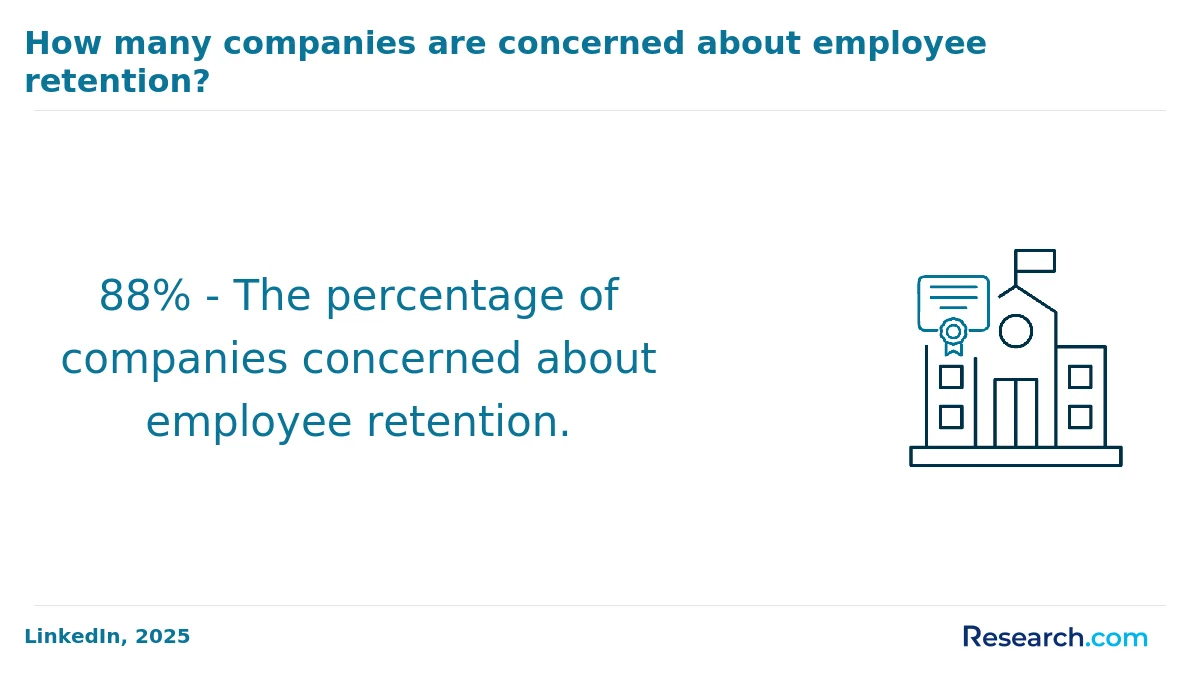
Students pursuing associate degrees in Johnstown find reassuring support through various financial aid options that lighten the burden of tuition. Federal student aid remains the cornerstone, with grants like the Pell Grant and Direct Loans accessible by completing the FAFSA. One graduate from Pennsylvania Highlands Community College recalls the relief of receiving a Pell Grant, which covered a significant portion of their expenses and allowed them to focus deeply on studies without financial stress.
The FAFSA is crucial, especially for Pennsylvania residents aiming for the PA State Grant. Meeting the May 1 deadline is often a turning point, with many students unlocking funds that don't require repayment. Another recent recipient shared how the PA State Grant, combined with scholarships from the Penn Highlands Community College Foundation, made continuing education feel achievable rather than distant.
Scholarships such as the AAUW Johnstown Branch and the Huntingdon Hope Scholarship offer targeted funds based on merit or residency, reinforcing the community's investment in student success. Veterans and students with special circumstances also find tailored support, making the journey toward an associate degree in Johnstown more accessible and hopeful.
To enroll in an associate degree program in Johnstown, students must first hold a high school diploma, GED, or an equivalent credential. Graduates from local schools often recall the reassurance they felt submitting official transcripts, a straightforward step confirming their readiness to embark on higher education at institutions like Pennsylvania Highlands Community College or Commonwealth Technical Institute.
For those pursuing accelerated tracks such as the Associate in High School program, prerequisites are more specific. Applicants typically apply during 8th grade, demonstrating a solid middle school GPA of 3.0 or higher and submitting transcripts from grades 7 and 8. Imagine a driven student balancing homework and extracurriculars, motivated by the possibility of earning college credit early while maintaining strong grades.
Furthermore, readiness for college-level English and Math is essential, often evaluated through placement tests or waivers. Graduates have shared how placement exams initially caused nerves but eventually boosted their confidence as they saw their strengths align with program expectations.
Key prerequisites include:
- High school diploma or GED.
- Official transcript submission.
- Minimum GPA requirements for special programs.
- College readiness shown via placement testing.
- Completion of institution-specific application steps.
Many find that following these steps unlocks meaningful opportunities to grow academically and professionally in Johnstown's supportive associate degree environment.
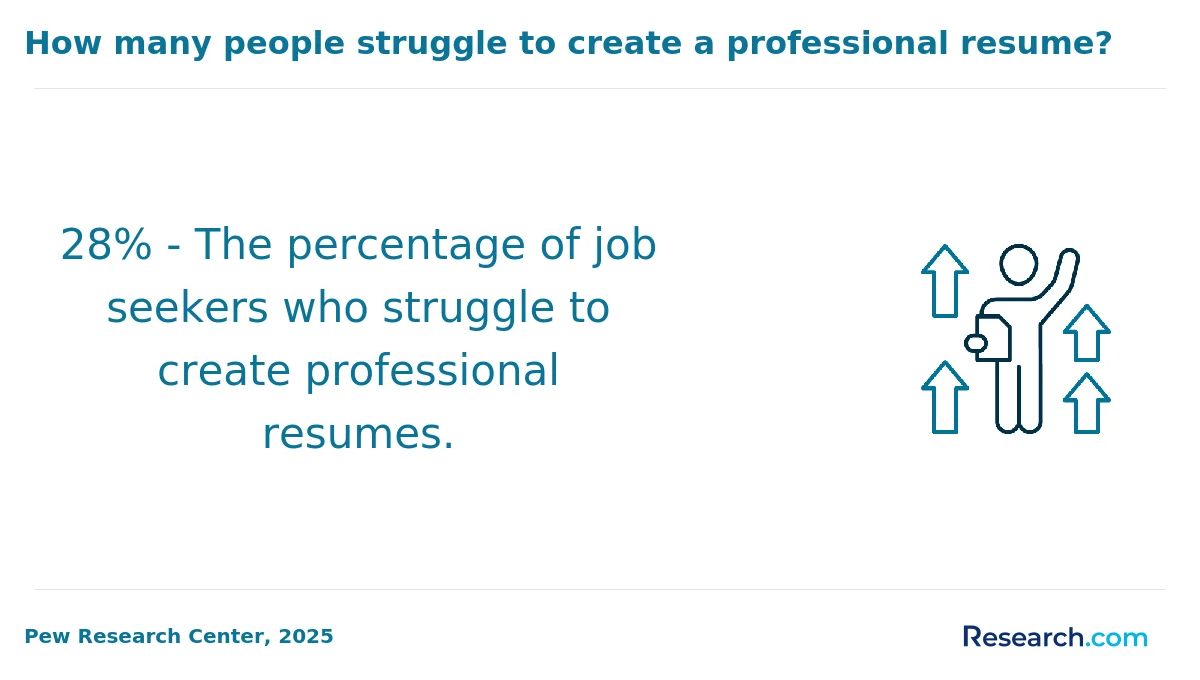
Students pursuing associate degrees in Johnstown typically engage with a well-rounded curriculum that balances foundational knowledge and practical skills. The typical coursework for associate degrees in Johnstown often includes general education classes such as English Composition, College Algebra, US History or General Psychology, and Principles of Biology with a lab. These core courses lay the groundwork for academic success and critical thinking, which many graduates recall as essential to their smooth transition into either the workforce or a four-year university.
Beyond general education, schools like Pennsylvania Highlands Community College offer specialized courses tailored to fields such as Business Administration, Computer Science, or Health Professions. Graduates frequently mention practical classes such as Microcomputer Applications and Public Speaking as both enjoyable and valuable career boosters. Electives, like Art History or Astronomy, provide students with the freedom to explore interests that enrich their learning experience.
Flexibility in course delivery, encompassing in-person, blended, and online formats, allows a diverse student body to thrive. For those curious about continuing education paths, exploring what's the easiest master's degree to get can be a helpful step in planning future goals.
The Johnstown associate degree program course list truly blends academic rigor with accessibility, ensuring students graduate equipped and confident.
Choosing the best associate degree programs in Johnstown starts with aligning your goals to the right path. Graduates from local institutions often share how deciding between a transfer-focused A.A. or career-ready A.A.S. shaped their future steps, especially when weighing the value of continuing education or entering the workforce immediately. Many appreciate programs accredited through respected colleges here, as the recognized quality translates into smoother credit transfers and confidence in their education's legitimacy.
Cost is a pressing concern for most students. Finding out how to compare Johnstown associate degree costs involves looking beyond tuition to scholarships, fees, and materials. Several students have found relief using financial aid offices, unlocking opportunities that made their education affordable despite personal challenges. Flexible delivery formats, from online to blended classes, also proved essential for those balancing family or jobs while studying.
Finally, considering outcomes like strong job placement and licensure success rates can illuminate which programs truly empower graduates. Those seeking to advance quickly might also explore the shortest masters degree online options to continue building momentum after completing their associate degree.
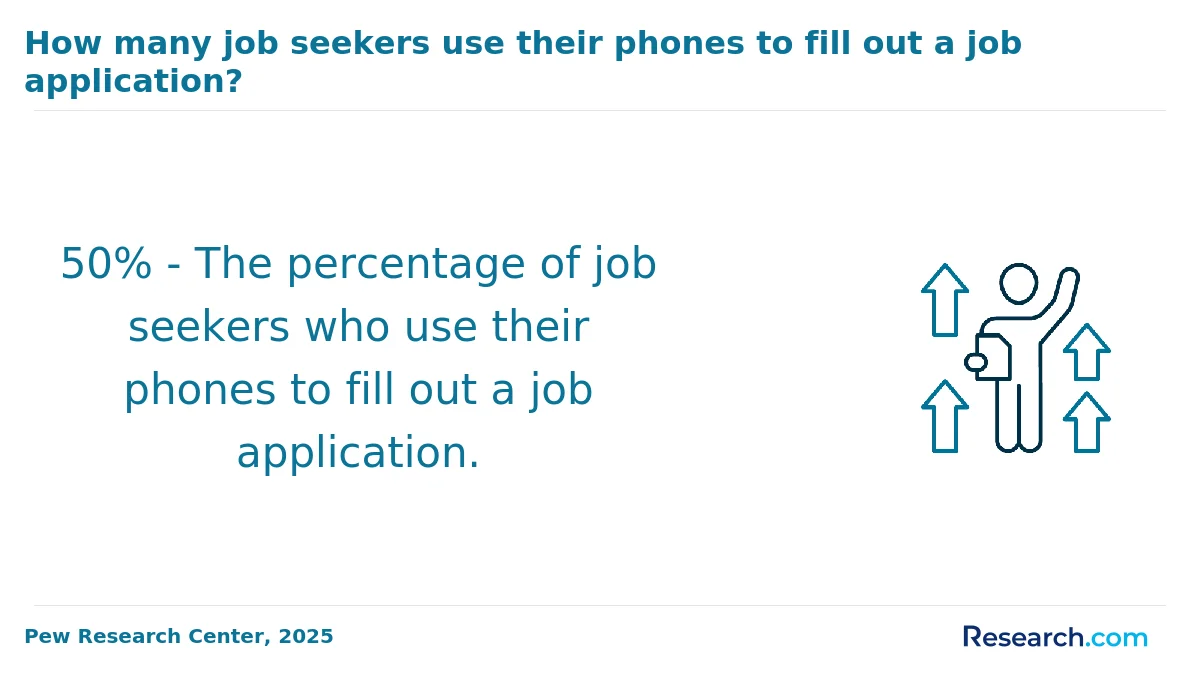
Associate degree graduates in Johnstown unlock a valuable range of career opportunities across multiple industries. Local students often find rewarding roles in healthcare, IT, administrative services, skilled trades, and manufacturing, reflecting the dynamic job market tailored for those with this level of education. Graduates from popular associate degree schools here move confidently into positions like practical nurses, dental hygienists, IT support specialists, and administrative assistants, where they quickly experience the satisfaction of making an impact in their communities.
Many graduates appreciate the practicality of programs offered by institutions such as Greater Johnstown Career & Technology Center, where accelerated training translates into swift employment. For example, a graduate in heating & air conditioning shares how hands-on learning prepared them to contribute immediately to local employers. Students drawn to IT report hourly wages between $24 and $29 at companies like Practical Administrative Solutions, highlighting strong economic prospects.
- Healthcare roles at places like Conemaugh Health System
- Technical trades such as welding and electrical technology
- Office management and administrative positions across Johnstown businesses
Johnstown's associate degree job market promotes upward mobility through community-connected programs. Many find that even a one year PhD can be a future goal built on this solid foundation.
The job market for associate degree graduates in Johnstown offers diverse and promising opportunities, reflecting a strong local demand across healthcare, technical trades, and administrative fields. Graduates from well-known institutions here often share how programs at centers like the Greater Johnstown Career and Technology Center (GJCTC) provide practical skills that employers seek immediately. For example, recent graduates pursuing practical nursing or allied health have found steady employment thanks to local healthcare providers like Conemaugh Health System.
Key aspects of the Johnstown PA employment outlook for associate degree graduates include:
- Over 150 open positions targeting associate degree holders in various industries
- Strong demand for technical roles such as HVAC technicians, electricians, and equipment operators
- Office administration jobs offering competitive wages up to $30 per hour
Students appreciate accelerated, career-focused programs that allow entry into well-paying jobs within a year. The community's support through benefits like tuition reimbursement further enhances these prospects. If you're exploring options, consulting resources like the most popular online trade schools can help identify flexible learning paths aligned with Johnstown's job market for associate degree job opportunities in Johnstown PA.
Most Affordable Associate Degree Programs - Leading Certification Courses in Johnstown for 2026
# 1 position
Fulton-Montgomery Community College - Criminal Justice/Law Enforcement Administration.
associateThe Criminal Justice/Law Enforcement Administration program at Fulton-Montgomery Community College offers a hybrid format with some distance education options. It prepares students to manage public law enforcement agencies and operations, covering topics such as law enforcement history, operational leadership, labor relations, and budgeting. The program is accredited by the Middle States Commission on Higher Education. Annual in-state tuition is $6,054, and median earnings one year after completion are $31,935.
# 2 position
Fulton-Montgomery Community College - Computer Science.
associateThe Computer Science program at Fulton-Montgomery Community College offers a hybrid format with some distance-education options. It covers computer theory, problem-solving, and system design from a scientific perspective. The curriculum includes computational science principles, programming, and varied applications. Annual in-state tuition is $6,054. The program is accredited by the Middle States Commission on Higher Education.
# 3 position
Fulton-Montgomery Community College - Computer Systems Networking and Telecommunications.
associateFulton-Montgomery Community College offers a hybrid program in Computer Systems Networking and Telecommunications. The curriculum covers design, implementation, and management of computer networks, including operating systems, networking theory, security, and troubleshooting. This program prepares students for roles as network specialists and managers. Annual in-state tuition is $6,054. The program is accredited by the Middle States Commission on Higher Education.
# 4 position
Fulton-Montgomery Community College - Medical Administrative/Executive Assistant and Medical Secretary.
associateFulton-Montgomery Community College offers a hybrid Medical Administrative/Executive Assistant and Medical Secretary program designed to prepare students for roles supporting physicians, nurses, and health care administrators. The curriculum covers medical terminology, business communication, health care operations, software applications, scheduling, and professional ethics. Annual in-state tuition is $6,054. The program is accredited by the Middle States Commission on Higher Education.
# 5 position
Fulton-Montgomery Community College - Accounting Technology/Technician and Bookkeeping.
associateThe Accounting Technology/Technician and Bookkeeping program at Fulton-Montgomery Community College offers a hybrid format with some distance-education options. It prepares students to support professional accountants by teaching transaction posting, record-keeping, accounting software, and general principles. The program is accredited by the Middle States Commission on Higher Education. Annual in-state tuition is $6,054, and median earnings one year after completion reach $26,749.
# 6 position
Fulton-Montgomery Community College - Marketing/Marketing Management, General.
associateThe Marketing/Marketing Management, General program at Fulton-Montgomery Community College prepares students to manage the development of consumer audiences and product distribution. It covers buyer behavior, marketing research principles, demand analysis, pricing theory, campaign planning, advertising, sales operations, and consumer relations. This hybrid program includes some distance education and is accredited by the Middle States Commission on Higher Education. Annual in-state tuition is $6,054.
# 7 position
Fulton-Montgomery Community College - Business Administration and Management, General.
associateFulton-Montgomery Community College offers a fully online Business Administration and Management, General program. The curriculum covers management theory, human resources, accounting, logistics, marketing, and business decision-making. Annual in-state tuition is $6,054. Graduates typically earn a median of $15,900 one year after completing the program. The college is accredited by the Middle States Commission on Higher Education.
Frequently Asked Questions about associate degree programs
After earning an associate degree in Johnstown, preparing for the job market involves several strategic steps. Graduates should focus on building relevant skills through internships, part-time work, or volunteer opportunities that align with their field of study. According to the Bureau of Labor Statistics, associate degree holders in Pennsylvania see a 15% higher employment rate than those with only a high school diploma.
Networking within the local Johnstown community and utilizing college career services can open doors to job opportunities. Crafting a clear, tailored resume highlighting practical skills and certifications is essential. Finally, staying informed about regional industry trends, such as healthcare and manufacturing, will help graduates target growing sectors effectively.
Employers in Johnstown highly value associate degree graduates with strong technical and soft skills. According to the Pennsylvania Department of Labor, job-ready skills in areas such as healthcare, information technology, and manufacturing are in demand. Technical proficiency, including familiarity with industry-specific software and equipment, ranks among the top sought-after abilities.
Equally important are communication and teamwork skills. Employers report that nearly 70% of associate degree holders succeed when they demonstrate clear communication, problem-solving, and adaptability. Time management and critical thinking also stand out as key traits that improve job performance and career growth opportunities in Johnstown.
Finding internships in Johnstown that align with your associate degree program involves several practical steps. Start by exploring local businesses and organizations connected to your field. Johnstown's economy includes manufacturing, healthcare, and education sectors, which often offer relevant internships. According to the Pennsylvania Department of Labor & Industry, healthcare internships are among the fastest growing opportunities in Cambria County, where Johnstown is located.
Additionally, colleges in Johnstown frequently partner with local employers to provide internship placements. Contact your school's career services office early to access job boards and networking events. You can also check online portals such as Handshake or the Pennsylvania CareerLink for updated listings. Volunteering or attending industry meetups locally may also lead to valuable connections and internship offers.
In Johnstown, earning an associate degree can significantly enhance career mobility and advancement. According to the National Center for Education Statistics, individuals with an associate degree earn approximately 20% more on average than those with only a high school diploma. This wage premium is relevant in Johnstown's key industries, including healthcare, manufacturing, and technology.
The Pennsylvania Department of Labor & Industry reports that associate degree holders in Johnstown have a higher employment rate and more opportunities for promotion compared to those without postsecondary education. Employers often seek candidates with practical skills gained during these programs.
Moreover, many Johnstown community colleges offer transfer agreements, facilitating further education and expanding career prospects. This pathway allows students to pursue bachelor's degrees more efficiently, promoting long-term career growth.
In Johnstown, part-time job opportunities that complement associate degree programs often align with the most common fields of study, such as healthcare, business, and information technology. For students pursuing healthcare-related degrees, positions like medical assistants or pharmacy aides provide valuable hands-on experience while earning income.
Retail and customer service jobs, especially in local businesses, also remain popular among business program students, offering flexible hours and skill development in communication and management.
According to the Bureau of Labor Statistics and local job listings analyzed in early 2024, many part-time roles in Johnstown pay between $12 and $18 per hour, which helps support students financially as they complete their education.
Jobs in IT support or as junior technicians are growing locally, reflecting a regional increase in IT services demand. These roles provide practical skills directly related to technology associate degrees.
To find the most affordable degree program near Johnstown, NY, start by researching local community colleges and state universities, as they often offer lower tuition rates compared to private institutions. You can use online resources, such as Research.com, to compare the costs of various programs near you and identify which ones align with your financial and academic needs. Additionally, visiting campuses and speaking with admissions counselors can provide insights into scholarships and financial aid options available to make your education more affordable.
- Research - Easiest Masters Degrees https://research.com/degrees/easiest-masters-degrees
- Allied Health Programs | University of Pittsburgh Johnstown | University of Pittsburgh https://www.johnstown.pitt.edu/academics/majors-programs/nursing-and-health-sciences/allied-health-programs
- profile icon https://www.niche.com/k12/d/greater-johnstown-school-district-pa/reviews/
- Options for Students with an Associate Degree | LSU Online https://online.lsu.edu/newsroom/articles/what-can-i-do-after-earning-associate-degree/
- Cambria Rowe Business College Johnstown - Net Price, Tuition, Cost to Attend, Financial Aid and Student Loans https://www.collegesimply.com/colleges/pennsylvania/cambria-rowe-business-college-johnstown/price/
- Certificate vs. associate degree: What is the difference? https://www.boisestate.edu/online/2024/02/15/certificate-vs-associate-degree-what-is-the-difference/
- Dual Enrollment – Dual Enrollment – Greater Johnstown School District https://www.gjsd.net/apps/pages/index.jsp
- Nces https://nces.ed.gov/
- Online Degree vs. Traditional | University of Arkansas Grantham https://www.uagrantham.edu/blog/pros-cons-online-degree-vs-traditional-university/
- Saving the Associate of Arts Degree: How an A.A. Degree Can Become a Better Path to Labor Market Success | American Enterprise Institute - AEI https://www.aei.org/research-products/report/saving-the-associate-of-arts-degree-how-an-a-a-degree-can-become-a-better-path-to-labor-market-success/