Most Affordable Associate Degree Programs - Leading Certification Courses in Idaho for 2026

Co-Founder and Chief Data Scientist
Choosing the right associate degree program in Idaho can feel overwhelming, but it doesn’t have to be. This article introduces a carefully crafted associate degree programs ranking created by the Research.com team of data scientists to help you find affordable and valuable options for 2026.
Whether you’re starting fresh or making a career change, an associate degree can open doors to new opportunities and financial stability.
Explore programs worth considering and take confident steps toward a brighter future with practical guidance tailored to your needs.
Key benefits of associate degrees in Idaho
- Associate degree graduates in Idaho can expect competitive salaries, such as $44,145 annually for Technical Administrative Assistants and between $34,800 and $40,000 for roles like Invoicing or Clerical Assistants, providing strong earning potential early in their careers.
- Popular career paths include administrative and technical positions, with graduates from schools like North Idaho College reporting average starting salaries of $32,420 that grow as skills and experience develop.
- Choosing an online associate degree offers flexibility and convenience, allowing students to balance work and study more easily while gaining the same valuable credentials as on-campus programs.
- Most Affordable Associate Degree Programs - Leading Certification Courses in Idaho for 2026
- What can I expect from associate degree programs in Idaho?
- Where can I work after finishing associate degree programs in Idaho?
What can I expect from associate degree programs in Idaho?
Wondering about the cost of an associate degree program in Idaho? On average, students at popular schools like Boise State's community colleges or the College of Southern Idaho find that tuition and fees hover around $4,000 to $6,000 per year for in-state residents. Graduates often share how this affordability lets them focus on learning without drowning in debt, making Idaho a smart choice for those balancing budgets and ambitions.
Many students appreciate the flexible formats offered-whether on-campus, hybrid, or online-which fit busy lifestyles perfectly. Imagine finishing classes after work or squeezing studies between family commitments, all while earning credits toward degrees ranging from Associate of Arts to Applied Science.
Alongside tuition, students encounter fees for books and labs, but generous scholarship opportunities and advisor support make these manageable. Graduates frequently highlight the practical, hands-on experience combined with solid academics that propel them directly into rewarding careers or seamless transfers to four-year universities.
Where can I work after finishing associate degree programs in Idaho?
After finishing an associate degree program in Idaho, graduates often find themselves stepping into vibrant career paths right in their communities. Many who studied at popular schools in Boise or Twin Falls have landed rewarding jobs in healthcare-as physical therapist assistants, dental hygienists, or licensed practical nurses-roles constantly in demand thanks to Idaho's growing population and healthcare needs.
Others who pursued business degrees at local colleges enjoy roles as administrative assistants or credentialing specialists, earning competitive wages around $40,000 a year. Imagine starting your day managing tasks in a bustling office or supporting a team that keeps a company running smoothly-these are real experiences many Idaho graduates cherish.
Technology and trades also open doors to exciting positions like computer support specialists or CT technologists. Whether in small towns or vibrant cities, graduates share stories of hands-on work helping nonprofits or tech firms thrive, feeling proud of their essential contributions.
The great thing? Idaho associate degree holders typically earn about $18.69 an hour, and many find opportunities to grow while doing meaningful work they love.
After finishing an associate degree program in Idaho, many graduates find themselves earning around $38,884 per year, or about $18.69 per hour. Imagine landing a job after graduation from North Idaho College and starting at roughly $32,420 annually, knowing your earnings can rise higher with experience and skill-building.
Some graduates take exciting paths in roles like Technical Administrative Assistant, where the average salary climbs to $44,145. Others dive into accounting, with associates earning around $46,483 yearly, sometimes reaching $56,717 as they grow professionally.
For those studying near Boise, the payoff looks even sweeter-average salaries soar to nearly $59,897, reflecting the city's bustling economy. This makes earning an associate degree in Idaho not only a smart step but a promising adventure toward financial independence and fulfilling employment.
Many find their hourly wages range between $14.04 and $19.47, opening doors to diverse career options and a bright future grounded in real, achievable success.
- Liam: Earning my associate degree in Welding from College of Eastern Idaho changed my life. The hands-on training was fantastic, and the instructors were incredibly supportive. Finding a job at a local manufacturing company felt seamless. Trade school gave me practical skills and real confidence to succeed in Idaho's workforce.
- Sophia: Completing my Nursing associate degree at North Idaho College was both challenging and rewarding. The blend of classroom learning and clinical experience prepared me to care for patients compassionately. Now working in a Boise hospital, I'm proud of how trade education opened doors to a meaningful career close to home.
- Jaden: I studied Information Technology at College of Western Idaho and loved every moment. The program was flexible yet intensive, allowing me to balance work and study. Graduating meant immediate job offers from local tech firms. Trade school proved to be the smartest decision for practical knowledge and career growth here in Idaho.
- Applicants usually need a high school diploma or equivalent and must be at least 17 years old for most colleges in Idaho.
- Associate degrees require at least 60 credit hours, including around 37 general education credits and 15 or more major credits.
- Graduation requires a minimum GPA of 2.0 and completing at least 15 credits at the awarding institution.
- In-state tuition at public community colleges averages $4,500 to $5,000 per year, with total two-year costs around $9,000 to $10,000.
- Starting salaries for graduates often range between $38,000 and $60,000 annually in high-demand fields like nursing and IT.
Imagine stepping onto a bustling campus at one of Idaho's popular associate degree schools, eager and ready to dive into your studies. For most full-time students, the adventure takes about two years-roughly four semesters or 60 credits-to reach that coveted diploma. Many graduates recall juggling 15 credits each semester, sometimes adding summer courses to speed through milestones and stay on track.
Full-time in Idaho means taking at least 12 credits, but to cross the finish line in two years, 30 credits annually is the magic number. This steady pace not only keeps you aligned with state programs like the Idaho Opportunity Scholarship but also saves money and eases the transition into the workforce.
Those in trade or technical programs appreciate the structure of the 60-credit Associate of Applied Science degree, often completing it in the same two-year window. Meanwhile, part-time students, often balancing work and family, tailor their own timelines, using flexible courses and advisor support to navigate their educational journey.
Choosing between online and on-campus associate degree programs in Idaho feels like picking your own adventure. Imagine sitting in a lively classroom at Boise State University, where you can raise your hand, join group projects, and soak up the energy of face-to-face conversations with peers and instructors. Graduates often recall the camaraderie from study groups and the buzz of campus events that made learning exciting and social.
Now picture the freedom of an online associate degree from Idaho State University-logging in from your cozy kitchen while juggling work or family. Many online students treasure that flexible pace, completing assignments when inspiration strikes or during quiet evenings. Some even join live online classes, blending connection with convenience. For these learners, the best part is accessing the same reputable curriculum without the daily commute, often paying in-state tuition from anywhere.
Both paths demand dedication, but whether you thrive on campus energy or the liberty of learning anywhere, Idaho's programs adapt to your lifestyle and goals.
Wondering about the average cost of associate degree in Idaho? Many students pursuing associate degrees in Idaho find public community colleges a budget-friendly choice. For in-state residents, tuition typically ranges between $4,336 and $4,960 per year at popular institutions like College of Western Idaho and College of Eastern Idaho, creating a welcoming environment for students excited to launch their careers without drowning in debt.
Graduates often share how the affordable Idaho associate degree tuition and fees enabled them to focus on learning rather than financial stress. One student from North Idaho College described how the $4,960 tuition paired with additional living expenses felt manageable thanks to scholarships and grants. Meanwhile, institutions like Idaho State University offer more comprehensive associate-level options, though their $8,914 tuition reflects a slightly bigger investment combined with a total attendance cost around $17,250 after housing and supplies.
Keep in mind that net price-which includes financial aid-can vary widely; some students attending College of Western Idaho report yearly costs near $7,208, factoring everything from tuition to housing. Tackling textbooks and supplies often adds around $1,000, while housing and meal plans might contribute another $7,000 to $8,000 based on personal choices. Many find relief through Pell Grants and Idaho-specific scholarships that lighten the load.
If you're eager to discover ways to accelerate your education, exploring the best 6-month associate degree programs online may offer exciting alternatives, balancing cost and speed without sacrificing quality.
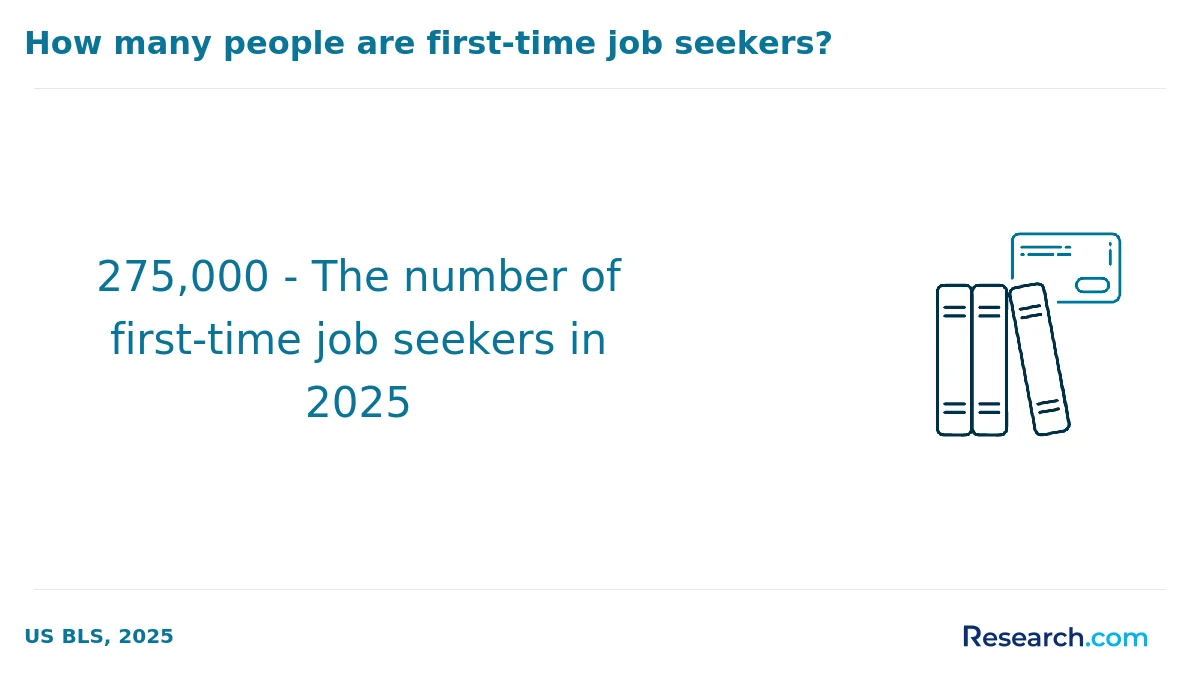
Imagine starting your associate degree journey at the College of Eastern Idaho, where financial aid can turn your dreams into reality. The first step? Filing your FAFSA, which unlocks federal Pell Grants-free money that doesn't require repayment-and Federal Direct Loans to help cover costs. Many students have found relief knowing they can ease the financial burden while focusing on classes.
Idaho's own Opportunity Scholarship lights the way with up to $3,500 annually for residents who graduated locally and maintain a 2.7 GPA. This bright opportunity, renewable up to four years, means you could earn as much as $14,000 in total support-just by staying on track academically. Picture receiving this boost while balancing studies and part-time work on campus through Federal Work-Study, turning effort into income.
Even when life surprises you, the Special Circumstance Appeal lets students adjust their aid, ensuring they're not left stranded. Many Idaho graduates share how tapping into these supports made their college experience not just possible, but empowering and exciting.
Ready to jump into an associate degree program in Idaho? Most schools, like the College of Western Idaho, expect you to have a high school diploma, GED, or HiSET under your belt. Imagine a recent graduate who, at 17, eagerly submitted their official high school transcript and was well on their way to starting classes-just like many successful students here.
For those still in high school or home-schooled under 17, enrolling involves a few extra steps. Think submitting final transcripts, parental consent forms, and petitions to get approval. It's a small adventure that opens doors early!
Idaho State University welcomes many with no extra hoops beyond the general requirements: 60 credits, general education courses, and keeping a 2.0 GPA. Graduates say this clear path helped them stay focused and motivated.
Holistic admissions at The College of Idaho look beyond test scores. Strong writing, extracurriculars, and community spirit weigh in, so if you've volunteered or led clubs, your chances shine brighter.
Keep in mind:
- Placement in math or English may depend on recent ACT/SAT scores or placement tests.
- Transfer students need to provide official college transcripts for credit evaluation.
With these flexible yet thoughtful requirements, enrolling in Idaho's associate degree programs feels less like a maze and more like an exciting next step.
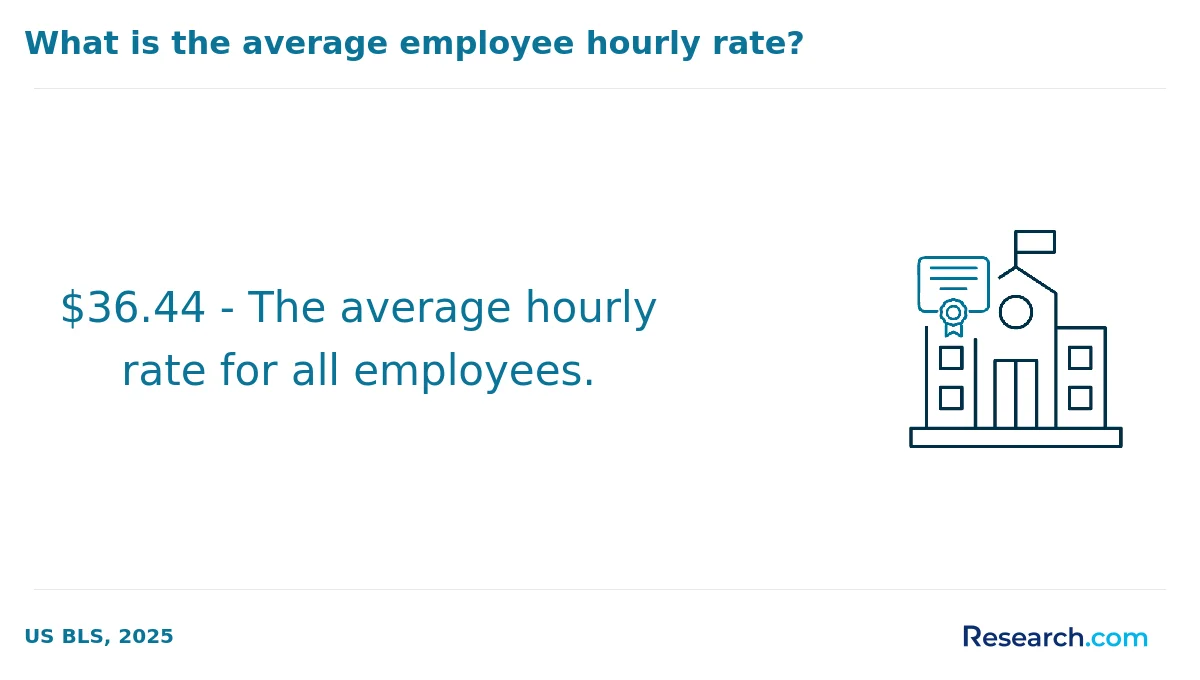
Students diving into associate degree programs in Idaho quickly notice a shared foundation rooted in the Idaho general education requirements for associate degree. This means tackling engaging courses like written communication, including English Composition, and oral communication that builds confidence in public speaking-skills that graduates treasure when starting their careers or transferring to four-year schools. For example, many students at the University of Idaho find these courses spark their curiosity and improve their everyday communication.
Alongside these essentials, the common courses in Idaho associate degree programs include a stimulating mix of mathematical and scientific studies-think college-level math, statistics, and hands-on lab sciences. Graduates from places like College of Eastern Idaho recall how these STEM and social sciences classes opened doors to specialized fields while meeting graduation requirements.
- Written Communication (6 credits)
- Oral Communication (3 credits)
- Mathematical Ways of Knowing (3 credits)
- Scientific Ways of Knowing with labs (7 credits)
- Humanistic & Artistic Ways of Knowing (6 credits)
- Social & Behavioral Ways of Knowing (6 credits)
Many students appreciate electives and the option to pursue an area of emphasis offering hands-on, career-focused experiences. If you're curious about what is the easiest degree to get in 2 years?, exploring Idaho's associate degree pathways at well-known schools can clarify your choices and ignite your passion for learning.
Check out what is the easiest degree to get in 2 years? to explore your options with confidence.
When choosing the best associate degree program in Idaho, accreditation is your first compass-graduates from the College of Western Idaho praise how their credits smoothly transferred thanks to its regional accreditation. This factor also unlocks crucial financial aid and earns respect from employers.
Take a moment to compare tuition costs because affordability matters deeply. Many students find the College of Southern Idaho a lifesaver with its low tuition around $202 per credit for distance learners, making their dream of a degree less daunting. Plus, Brigham Young University-Idaho earns nods for low annual costs and a strong track record of graduates staying financially stable after finishing.
Flexibility is a game changer if you're juggling work or family. Popular Idaho colleges offer online and hybrid options; graduates often share how these choices let them study at their own pace. Don't shy away from exploring options tailored for your life rhythm-this also relates to how to compare Idaho associate degree colleges smartly. And if you're seeking speed, check out the quickest associates degree pathways available to maximize your momentum.
Outcomes matter just as much. Look at graduation rates and student support like career counseling and tutoring. Students from these colleges often recall the difference made by attentive advisors and an engaged campus vibe, boosting their confidence and career prospects.
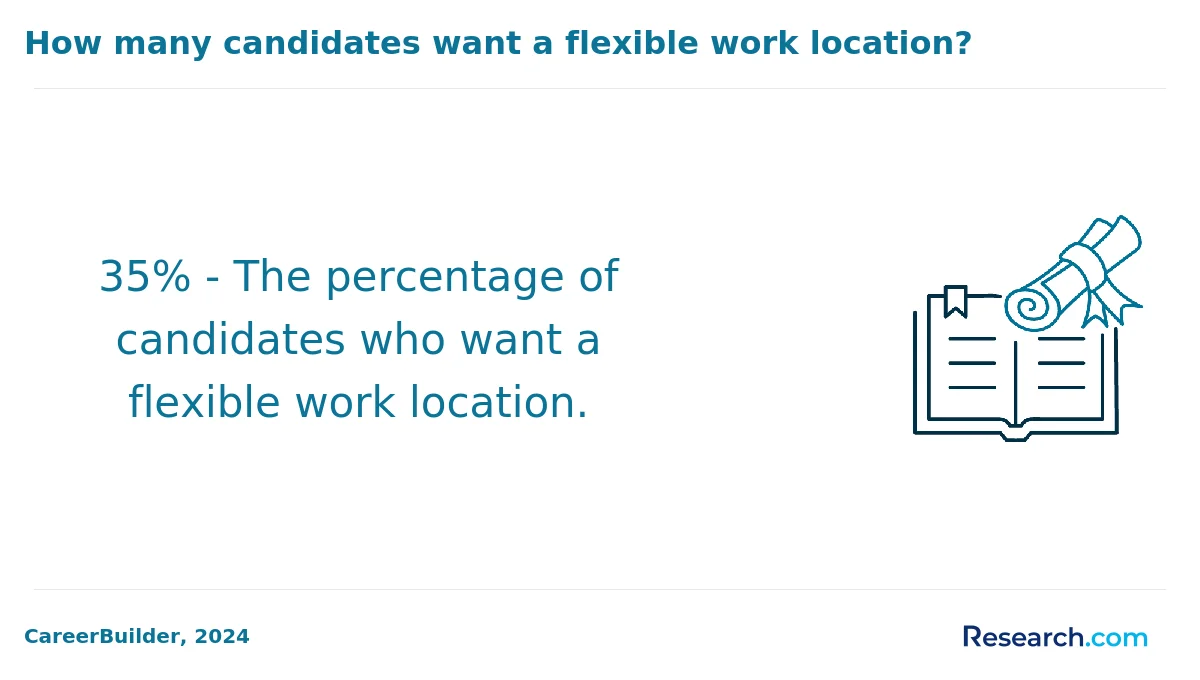
Associate degree graduates in Idaho dive into a world of dynamic career opportunities where hands-on skills meet growing industries. Whether you're enrolling at a bustling community college in Boise or a tech-focused school in Coeur d'Alene, the possibilities pulse with promise. Imagine stepping right into roles like licensed practical nurse (LPN) or physical therapist assistant, where healthcare jobs are thriving across the state. Many graduates celebrate how their two-year programs unlocked rewarding, stable positions quickly in Idaho's expanding healthcare sector, reflecting real Idaho associate degree job market trends.
Technology enthusiasts find excitement too, with programs focusing on networking, cloud computing, or cybersecurity shaping graduates into sought-after network support specialists or identity and access management engineers. Skilled trades also light the way with specialties in welding, drafting, and semiconductor manufacturing. Graduates often emphasize how their education connected them to supportive apprenticeship pathways that build real career momentum.
Business-minded students discover roles in business administration and accountancy within Idaho's diverse economy. Many graduates appreciate programs reinforcing management and customer service skills that employers value statewide. Career and Technical Education (CTE) pathways like Idaho LAUNCH sweeten the journey by offering up to $8,000 in funds for in-demand training. High school students often accelerate their futures by earning college credits and certifications through dual-credit programs, sometimes finishing an associate degree before even graduating.
- Healthcare roles including LPN, dental hygienist, and physical therapist assistant
- Technology positions such as network support specialist and cybersecurity engineer
- Skilled trades like welding, drafting, and semiconductor manufacturing
- Business administration and accountancy roles
- CTE programs providing dual credits and financial support through Idaho LAUNCH
For those exploring options, it's helpful to check out resources on colleges online that accept fafsa to find flexible programs that match personal goals in Idaho's vibrant job market for associate degree holders.
The job outlook for associate degree graduates in Idaho reveals a unique blend of opportunity and challenge. Graduates from popular local schools often find themselves navigating a job market where wages vary, typically ranging from $18.69 to $22.26 hourly, with annual salaries between $38,884 and $46,301. Those aiming higher target cities like Lewiston or Coeur d'Alene, where salaries edge up to $49,273 annually-about 3-6% above the state average-adding an exciting twist to the quest for a rewarding career.
For students stepping into this market, the in-demand associate degree careers in Idaho include roles in healthcare, technical services, and administrative support. Imagine working as a technical administrative assistant or invoicing assistant, roles that many graduates report as both stable and rewarding. These paths reflect growing sectors where experience from leading Idaho colleges opens doors.
Those eager to explore further can check out some of the careers you can purse via trade schools, uncovering paths that might align perfectly with their associate degree. However, it's important to remember Idaho ranks 50th nationally for associate degree salaries, meaning competition is stiff and flexibility, including relocation within the state, can make a significant difference.
Most Affordable Associate Degree Programs - Leading Certification Courses in Idaho for 2026
# 1 position
College of Western Idaho - Welding Technology/Welder.
associateThe Welding Technology/Welder program at College of Western Idaho offers a hybrid format with some distance education options. It prepares students to apply technical skills in various welding methods, including arc welding, resistance welding, and brazing. The program covers welding metallurgy, safety, structural design, and applicable codes. Annual in-state tuition is $3,336. Median earnings one year after completion are $40,029. The program is accredited by the Northwest Commission on Colleges and Universities.
# 2 position
College of Western Idaho - Automobile/Automotive Mechanics Technology/Technician.
associateThe College of Western Idaho offers a hybrid program in Automobile/Automotive Mechanics Technology/Technician preparing students to repair, service, and maintain various automobile systems. Instruction covers brake systems, electrical systems, engine performance and repair, suspension, steering, transmissions, and heating and air conditioning. The program’s annual in-state tuition is $3,336. Graduates have median earnings of $36,676 one year after completion. It is accredited by the Northwest Commission on Colleges and Universities.
# 3 position
College of Western Idaho - Computer and Information Systems Security/Auditing/Information Assurance.
associateThe Computer and Information Systems Security/Auditing/Information Assurance program at College of Western Idaho offers a hybrid learning format. It prepares students to evaluate security needs, implement safeguards, and manage security systems and procedures. The curriculum covers computer architecture, programming, networking, cryptography, auditing, law, risk assessment, contingency planning, and investigation techniques. Annual in-state tuition is $3,336. Median earnings one year after completion are $35,040. The program is accredited by the Northwest Commission on Colleges and Universities.
# 4 position
College of Western Idaho - Computer and Information Sciences, General.
associateThe College of Western Idaho offers a hybrid program in Computer and Information Sciences, General, combining computing, computer science, and information systems. The annual in-state tuition is $3,336. This program is accredited by the Northwest Commission on Colleges and Universities. It is designed as a general course of study without specialization in specific computer science or information science fields, providing foundational knowledge in these areas.
# 5 position
College of Western Idaho - Computer Systems Networking and Telecommunications.
associateThe College of Western Idaho offers a hybrid Computer Systems Networking and Telecommunications program emphasizing the design, implementation, and management of interconnected computer systems and software. The curriculum covers operating systems, systems design, networking theory, network management, security, and troubleshooting. Annual in-state tuition is $3,336. The program is accredited by the Northwest Commission on Colleges and Universities, preparing students to work as network specialists and managers at various levels.
# 6 position
College of Western Idaho - Dental Assisting/Assistant.
associateThe Dental Assisting/Assistant program at College of Western Idaho offers a hybrid format with some distance-education options. It prepares students to provide patient care, take dental radiographs, and assist dentists and hygienists with clinical and administrative tasks. Instruction covers medical record-keeping, office duties, equipment maintenance, radiography, and chairside assisting. The program’s annual in-state tuition is $3,336, and it is accredited by the Northwest Commission on Colleges and Universities.
# 7 position
College of Western Idaho - Physical Therapy Assistant.
associateThe Physical Therapy Assistant program at College of Western Idaho offers a hybrid format, preparing students to assist physical therapists in treatment plans, patient training, and clinical documentation. The curriculum covers anatomy, physiology, biomechanics, neuroscience, and professional ethics. Tuition for in-state students is $3,336 annually. Graduates earn a median income of $32,413 one year after completion. The program is accredited by the Northwest Commission on Colleges and Universities.
# 8 position
College of Western Idaho - Accounting Technology/Technician and Bookkeeping.
associateThe Accounting Technology/Technician and Bookkeeping program at College of Western Idaho prepares students to provide technical administrative support to accountants and financial management personnel. This hybrid program includes instruction in posting transactions, record-keeping systems, accounting software, and general accounting principles. The annual in-state tuition is $3,336. The program is accredited by the Northwest Commission on Colleges and Universities.
# 9 position
College of Western Idaho - Marketing/Marketing Management, General.
associateThe Marketing/Marketing Management, General program at College of Western Idaho offers a hybrid format with some distance-education options. It prepares students to manage consumer audiences and product movement from producers to consumers. Coursework covers buyer behavior, marketing research principles, demand analysis, pricing theory, advertising, sales management, and retailing. The program is accredited by the Northwest Commission on Colleges and Universities. Annual in-state tuition is $3,336.
# 10 position
College of Western Idaho - Criminal Justice/Law Enforcement Administration.
associateThe Criminal Justice/Law Enforcement Administration program at College of Western Idaho offers a hybrid format with some distance education. The program prepares students for management roles in public law enforcement by covering law enforcement history, operational leadership, labor relations, budgeting, and legal responsibilities. Annual in-state tuition is $3,336. Graduates have a median earning of $28,234 one year after completion. The program is accredited by the Northwest Commission on Colleges and Universities.
Frequently Asked Questions about associate degree programs
After completing an associate degree in Idaho, preparing for the job market involves several key steps to enhance employability. First, graduates should utilize the career services offered by their college, which often include resume workshops, interview preparation, and job fairs tailored to local industries. According to the Idaho Department of Labor, sectors like healthcare, manufacturing, and technology have shown steady growth, making relevant internships or certifications valuable additions to a resume.
Networking is also critical; joining professional groups and attending local industry events can open doors to job opportunities. Additionally, researching companies in Idaho that hire associate degree holders helps target applications effectively. Finally, staying informed about labor market trends via state resources can guide graduates toward in-demand skills and occupations with higher earning potential.
Employers in Idaho highly value both technical and soft skills in associate degree graduates. According to the Idaho Department of Labor, key technical skills include proficiency in computer applications, basic accounting, and healthcare fundamentals for relevant fields. These skills ensure graduates can effectively perform job-specific tasks.
Soft skills are equally important. Communication, problem-solving, and teamwork consistently rank at the top as essential attributes for entry-level roles in Idaho's growing industries such as manufacturing and healthcare. The National Association of Colleges and Employers (NACE) also highlights critical thinking and adaptability as sought-after skills nationally, which aligns with Idaho trends.
Overall, combining practical technical ability with strong interpersonal skills increases employability for associate degree holders in Idaho's competitive job market.
To find internships in Idaho relevant to your associate degree program, start by utilizing resources offered through your college's career services. Many Idaho community colleges, like the College of Southern Idaho and the College of Western Idaho, maintain internship databases tailored to local industries. These centers often collaborate with businesses to create opportunities for students.
You can also explore the Idaho Department of Labor's Workforce Development Division, which provides statewide listings of internships and apprenticeships in fields such as healthcare, manufacturing, and technology. According to their latest reports, over 30% of internships statewide are in technical and skilled trades sectors.
Networking is essential. Joining professional associations related to your field and attending local job fairs, such as those hosted quarterly in Boise, can increase your chances of securing an internship aligned with your degree. Online platforms like Handshake, used by many Idaho colleges, also centralize internship postings specifically for students.
In Idaho, earning an associate degree can significantly enhance career mobility and advancement opportunities. According to the Idaho Department of Labor, many technical and skilled trades industries value these qualifications, often requiring an associate degree for entry-level or supervisory roles. This credential serves as a stepping stone, allowing workers to access better-paying jobs compared to those with only a high school diploma.
Data from the National Center for Education Statistics indicates that associate degree holders in Idaho earn on average 20% more annually than those without postsecondary education. Additionally, these degrees facilitate transfer to four-year institutions, supporting further academic and career growth.
Apart from salary benefits, associate degrees in fields like healthcare, information technology, and manufacturing improve job stability and career flexibility in Idaho's evolving economy.
In Idaho, part-time job opportunities that align well with associate degree programs often depend on the field of study. For example, healthcare students can seek roles as medical assistants or pharmacy technicians, which are in growing demand statewide. According to Idaho Department of Labor data from 2023, healthcare support occupations experienced a 5% growth rate, offering numerous flexible positions.
Students in information technology may find part-time work as computer support specialists or network technicians in Boise's expanding tech sector. The Idaho Technology Council reports a steady increase in tech jobs, many suitable for students balancing work and study.
Additionally, retail and customer service roles in urban areas like Boise and Nampa remain prevalent, providing valuable interpersonal skills complementary to many associate degrees. These roles commonly offer 15-25 hours per week, ideal for part-time workers.
To find the most affordable degree program near me in Idaho, you can begin by exploring local community colleges and state universities, as these institutions often offer lower tuition rates. Research.com is a helpful resource for comparing programs and their costs, and speaking directly with admissions or financial aid offices will provide detailed information on expenses. Additionally, there are several programs near Idaho that specifically focus on providing cost-effective educational opportunities to residents and non-residents alike.
- Most Affordable Associate Degree Programs - Leading Certification Courses in Washington for 2026
- Most Affordable Associate Degree Programs - Leading Certification Courses in Oregon for 2026
- Most Affordable Associate Degree Programs - Leading Certification Courses in Nevada for 2026
- Most Affordable Associate Degree Programs - Leading Certification Courses in Utah for 2026
- Most Affordable Associate Degree Programs - Leading Certification Courses in California for 2026
- Most Affordable Associate Degree Programs - Leading Certification Courses in Colorado for 2026
- Most Affordable Associate Degree Programs - Leading Certification Courses in Arizona for 2026
- Most Affordable Associate Degree Programs - Leading Certification Courses in South Dakota for 2026
- Most Affordable Associate Degree Programs - Leading Certification Courses in North Dakota for 2026
- Most Affordable Associate Degree Programs - Leading Certification Courses in Nebraska for 2026
- Idaho Economy at a Glance https://www.bls.gov/eag/eag.id.htm
- Is Getting an Associate Degree Worth It? And for What Fields? | NSHSS | National Society of High School Scholars https://www.nshss.org/resources/blog/blog-posts/is-getting-an-associate-degree-worth-it-and-for-what-fields/
- Research - Fastest Accelerated Associate Degrees https://research.com/degrees/fastest-accelerated-associate-degrees
- Should I Intern if I'm in an Associate's Program? | Career Advice & Interview Tips | WayUp Guide https://www.wayup.com/guide/intern-im-associates-program/
- Tuition and Fees https://www.nic.edu/tuition/
- Online Degrees & Certificates | Explore Programs | BYU-Pathway https://www.byupathway.edu/degrees/program-list
- Study: Bachelor's degrees boost annual salaries by $32,000 in Idaho https://www.idahoednews.org/news/study-bachelors-degrees-boost-annual-salaries-by-32000-in-idaho/
- Finish on Time | College of Southern Idaho https://www.csi.edu/advising/finish-on-time.aspx
- Here’s How an Associate Degree Can Advance Your Career https://flex.wisconsin.edu/stories-news/heres-how-an-associate-degree-can-advance-your-career/
- Online Associate’s Degree Programs (AS and AAS) - Purdue Global https://www.purdueglobal.edu/degree-programs/associates-degrees/