
Most Affordable Associate Degree Programs - Leading Certification Courses in Harrisburg for 2026

Co-Founder and Chief Data Scientist
Considering an associate degree in Harrisburg can open doors to new career opportunities without the long commitment of a four-year program. For many, finding an affordable option is key to starting this journey confidently and without financial stress.
This article introduces a ranking of the most affordable associate degree programs in Harrisburg for 2026, created by the Research.com team of data scientists. Their work helps you compare programs based on cost and value to make an informed decision.
Reading this guide will empower you to choose a program that fits your goals and budget, making your education dreams more achievable.
Key benefits of associate degrees in Harrisburg
- Associate degree graduates in Harrisburg can expect a wide salary range, from about $34,600 to over $100,000 annually, depending on their field-healthcare roles like radiation therapists or dental hygienists earn top wages.
- Popular career paths include healthcare, technical jobs, and business roles, with many graduates from local schools finding rewarding opportunities close to home.
- Getting an online associate degree offers flexibility and convenience, allowing students to balance work and study, which many graduates from online programs in Harrisburg find empowering and practical.
- Most Affordable Associate Degree Programs - Leading Certification Courses in Harrisburg for 2026
- What can I expect from associate degree programs in Harrisburg?
- Where can I work after finishing associate degree programs in Harrisburg?
What can I expect from associate degree programs in Harrisburg?
The average cost of pursuing an associate degree in Harrisburg is quite reasonable, especially when compared to many other cities. For example, at Harrisburg Area Community College (HACC), in-state tuition runs around $6,660 per year, which most students find manageable. Graduates often share how this affordability allowed them to focus more on their studies and less on financial stress.
Many students appreciate the flexibility HACC offers with online courses, making it easier to balance work, family, and school without racking up extra costs on commuting or housing. Others at Penn State Harrisburg highlight how their programs not only fit their budget but also prepare them to transfer credits toward a bachelor's degree, stretching their investment even further.
Financial aid options like federal grants and scholarships add even more relief, opening doors for students who might worry about the price tag. It's reassuring to know that you can get quality education here without breaking the bank.
Where can I work after finishing associate degree programs in Harrisburg?
After finishing an associate degree program in Harrisburg, you'll find a lot of exciting doors opening up. Many graduates from local schools share how they landed jobs in business and administrative roles-think client support, operations, or even business analyst positions-right here in the city. Employers like insurance companies and big distribution centers are always on the lookout for motivated associate degree holders to join their teams.
Others have found their way into public sector jobs, especially through programs like the Pennsylvania Department of the Auditor General's Intern to Hire, which helps connect recent grads with auditing or finance roles. It's a great way to kickstart a career in government and feel proud contributing to the community.
Plus, if healthcare or hospitality sounds like your thing, Harrisburg's associate programs nicely prepare students to become physical therapist assistants, dental hygienists, or even hotel managers. Many graduates describe the joy of starting meaningful careers close to home, all thanks to the solid foundation provided by their associate degrees in Harrisburg.
After finishing an associate degree program in Harrisburg, you can generally expect to earn around $44,468 per year starting out. That's roughly $21.38 an hour, which is a solid foundation when you're stepping into the job market. Graduates from schools like HACC often land early-career salaries close to $49,500, so many find themselves comfortably earning in the mid-$40,000 to $50,000 range relatively soon after graduating.
Of course, your earnings can vary a lot depending on what field you dive into. For instance, education associates in Harrisburg tend to do really well, bringing in about $81,973 annually, which definitely beats the average. On the flip side, customer service roles might start around $34,479, but there's room to grow with experience. Some graduates working as tax associates in public accounting report salaries near $78,138, showing how specialized skills can pay off nicely.
Many associate degree holders feel energized and confident knowing that the skills they built at Harrisburg's community colleges are opening doors to well-paying jobs and a brighter future.
- Maria: Earning my Associate Degree in Nursing from Harrisburg Technical College transformed my life. The hands-on training and supportive instructors made learning rewarding and practical. Now, working as a registered nurse in a local hospital, I feel confident and fulfilled, knowing I'm making a positive impact every day.
- Jason: Studying Computer Information Systems at Harrisburg Trade School was a game changer. The focused curriculum and real-world projects prepared me well for a tech support role in a growing IT firm. The skills I gained opened doors quickly, and I'm proud to contribute to Harrisburg's tech community.
- Shanice: Getting an Associate Degree in Automotive Technology here was more than education-it was life-changing. The small class sizes and expert instructors made every lesson engaging, leading me to a rewarding mechanic career at a trusted Harrisburg auto shop. I'm grateful for the practical skills that shaped my future.
- Admission usually requires a high school diploma or GED with a minimum GPA between 2.0 and 2.75; conditional admission may be possible through an interview.
- Programs require at least 60 credits with courses in communication, humanities, math, science, and wellness, maintaining a 2.0 GPA to graduate.
- Tuition for in-state students at Harrisburg Area Community College ranges from $8,000 to $10,000, with total costs including fees and materials up to $14,000 for two years.
- Many programs prepare students for careers in healthcare, business, and technology, or offer transfer agreements to four-year universities with junior status entry.
- Starting salaries for graduates typically range from $36,000 to $48,000 annually, varying by field and experience level.
In Harrisburg, finishing an associate degree typically takes about two years of full-time study. Most grads from local schools like Harrisburg Area Community College (HACC) share how taking around 15 credits per semester lets them wrap up their degree in four semesters, usually fall and spring sessions. This path feels just right for those eager to jump into a career or transfer to a four-year college without delay.
Some students find part-time study a better fit, especially if they're balancing work or family. For them, the journey might stretch to three years or more, as they take fewer classes each semester. Many appreciate this flexible pace, saying it helped keep stress low while life stayed manageable.
Trade and technical programs in Harrisburg also aim for the two-year mark, and some offer accelerated options with year-round or online courses. Graduates often describe a real boost from these faster tracks, especially when juggling busy schedules.
Transfer credits can cut down the time even more, something savvy students in Harrisburg always check with advisors to make sure they're on the quickest path possible.
The main difference between online and on-campus associate degree programs in Harrisburg comes down to how you experience your classes. For example, students at Harrisburg Area Community College (HACC) who choose online programs enjoy the freedom to study anytime, anywhere using platforms like Brightspace. This setup works great for busy adults juggling work or family, letting them catch up on lectures while managing their own schedule.
On the flip side, students who prefer the traditional route at HACC's Harrisburg campus get the buzz of in-person classes, where they can chat face-to-face with professors and classmates. Imagine walking into a library or lab between classes, soaking up that campus vibe, and grabbing quick help when you need it.
Both paths offer support like advising and tutoring, but online learners rely on virtual tools while on-campus students enjoy in-person services. Plus, while tuition costs are similar, online students often save money on commuting and housing, making it easier to focus on their studies without extra expenses.
When it comes to the average associate degree cost in Harrisburg, many students find that enrolling at Harrisburg Area Community College (HACC) offers a budget-friendly path. For in-state students, tuition and fees run about $8,918 per year, which means most graduates pay around $17,836 total for the typical two-year associate degree. Out-of-state students pay more, around $11,400 annually, but still find the value worthwhile given the quality education.
Graduates often share how attending a Harrisburg community college made achieving their career goals feel affordable and realistic, especially compared to pricier four-year schools. Local students can benefit from lower tuition and save thousands, making it easier to focus on studies instead of stressing over debt. Seeing peers succeed with manageable fees adds to that motivating vibe.
Besides in-person programs, online associate degrees from Pennsylvania colleges like Reading Area Community College and Lehigh Carbon Community College offer yearly in-county tuition as low as $3,240 to $3,750. This flexibility appeals to those balancing work and family while pursuing their goals. If cost is a crucial factor in your education decisions, exploring options beyond traditional colleges can definitely pay off.
For students checking out other routes, Penn State Harrisburg comes with a heftier price tag - $16,004 per year for residents - which can feel overwhelming compared to local community colleges. Yet there are scholarships and financial aid available that many students tap into to reduce their financial burden and make their dreams achievable.
Looking beyond just associate degrees, you might be interested in exploring one year graduate programs, which some find a natural next step after finishing community college. Overall, Harrisburg community college tuition and fees provide practical options without sacrificing quality, helping students turn ambitions into real success.
If you're diving into an associate degree program in Harrisburg, you'll find plenty of financial aid options that really make a difference. Most students start by filling out the FAFSA, which opens the door to federal help like Pell Grants-money you won't need to pay back-and low-interest federal loans with manageable payment plans. For instance, at Harrisburg University, nearly every student benefits from scholarships, with first-year students generally receiving at least $11,000 a year. Imagine starting your classes knowing that kind of support is already in place!
State aid is also key here. Pennsylvania offers the PA State Grant Program for residents enrolled in six or more credits, as long as you submit your FAFSA by May 1. This grant helps ease the financial load so you can focus on your studies without constant money worries.
Beyond grants and scholarships, many students tap into federal Work-Study jobs, earning while gaining experience. Some even use professional judgment reviews at schools like Harrisburg University to boost their aid when unexpected challenges pop up. Plus, emergency grants from programs like the CARES Act provide a safety net when life throws curveballs.
To get started in an associate degree program in Harrisburg, the basics are straightforward but important. First up, you'll need a high school diploma or GED-this is the universal ticket to admission. Many students who enrolled at Harrisburg Area Community College (HACC) found this step easy, knowing it's what sets the foundation.
Next, GPA matters. Most schools ask for at least a 2.0 on the 4.0 scale. For example, HACC requires you to keep that GPA steady throughout your studies to stay on track for graduation. If you're eyeing specialized programs, like health sciences, expect a bit more: some grads shared that they needed higher grades or specific courses before they could jump in.
Other prereqs can include things like:
- Submitting your official transcripts
- Providing letters of recommendation or a personal statement
- Going through an interview, common at Central Penn College
- Taking placement tests, especially in math and English
For adults coming back to school after time away, there's good news. Colleges here often look at work experience or volunteer hours too. Some returning students used personal essays or resumes to show they're ready to succeed.
The process might seem detailed, but many Harrisburg grads say it felt fair and geared toward helping them start strong.
When diving into common courses in Harrisburg associate degree programs, expect a mix of solid general education classes alongside specialized coursework tailored to your chosen field. For example, graduates from Harrisburg Area Community College often mention how foundational courses in written and oral communication, humanities, social sciences, math, and science help build confidence and set a broad base for success. It's a great way to stay engaged while discovering what truly clicks for you.
Then, depending on your track, you'll take program-specific courses that get down to the nitty-gritty. Business Administration students at Penn State Harrisburg, for instance, tackle classes in accounting, marketing, management, and even business law, preparing them either to jump into jobs or transfer smoothly to a bachelor's degree.
In more hands-on fields like Electrical Technology, you can expect courses on wiring, electrical theory, safety codes, and blueprint reading, with options to customize your learning around green tech or business skills-something graduates really appreciate for its career-ready feel.
Plus, Harrisburg associate degree curriculum requirements usually include wellness and first-year seminars, which help ease the transition to college life and keep things balanced. Many students find these particularly helpful as they juggle studies and personal growth.
Overall, this approach pairs broad academic skills with practical training, offering both flexibility and clear career pathways. If you're looking for an easy degree to get online while living near Harrisburg, many programs balance workload and depth just right to suit your goals.
Choosing the best affordable associate degree Harrisburg has to offer starts by focusing on programs that are regionally accredited and respected, like those at Harrisburg Area Community College. Graduates from HACC often share how the institution's solid reputation made transferring credits or landing jobs much easier. It's key to decide whether you want an Associate of Arts or Science, which is often geared toward transferring to a four-year university, or an Associate of Applied Science if you're aiming for quick entry into the workforce with practical skills.
Many students appreciate flexibility in class formats-Harrisburg schools frequently offer options that fit busy lives, whether that's online, in-person, or hybrid classes. Picking a program with career services and strong local transfer agreements can make a huge difference, providing support through internships and job connections. If you're curious about the most financially rewarding fields, check out the best college majors to make money. This way, choosing a Harrisburg associate degree program feels manageable and tailored to your future.
Graduates with an associate degree in Harrisburg find plenty of exciting career opportunities right after finishing their studies, especially if they attend well-known schools like HACC. Healthcare is a standout field here, where many grads jump into roles as physical therapist assistants, nurse aides, or dental hygienists. One graduate shared how their specialized coursework at a local community college made landing a job as a registered nurse feel both achievable and rewarding.
Business careers also shine for associate degree holders. You could start as an accounting assistant, office manager, or in hospitality-all roles that help you get a foot in various industries like retail, real estate, or agribusiness. Those interested in tech often find themselves working as IT support specialists or engineering technicians, thanks to strong demand fueled by Harrisburg's growth in digital infrastructure.
Other popular paths include public service jobs like paralegal or criminal investigator, and even early childhood education roles, supported by state career pathways. For students exploring options or enrollment, check out nationally accredited online colleges no application fee for flexible learning that fits busy lives.
These wide-ranging associate degree jobs in Harrisburg PA truly reflect the diverse economy and welcoming job market grads love.
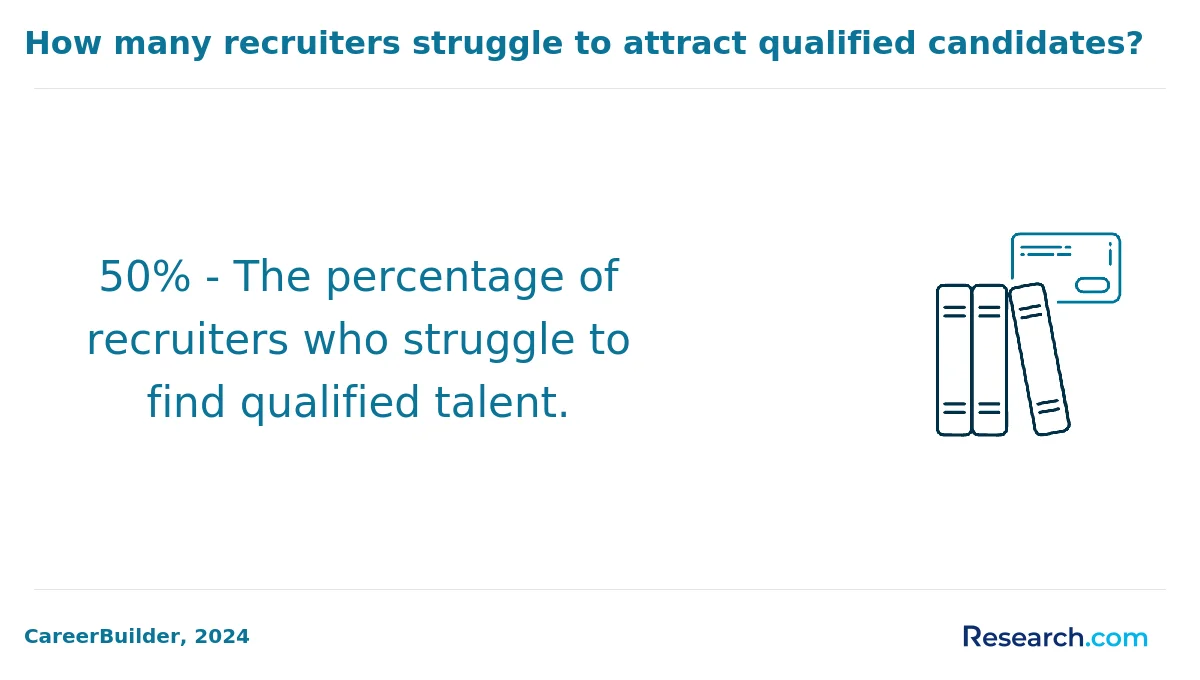
The job market for associate degree graduates in Harrisburg is buzzing with opportunity, especially for those coming from well-known local schools. Many alumni share how they've landed roles quickly in healthcare or business, thanks to the city's demand for roles like physical therapist assistant and administrative coordinator. Hearing from grads who balanced studies with part-time jobs makes the prospect feel achievable and encouraging.
For those wondering about Harrisburg associate degree employment outlook, here's what stands out:
- Over 1,500 jobs target candidates holding associate degrees across sectors
- Healthcare and business fields show strong, steady hiring trends
- Entry-level positions that suit recent grads remain plentiful
Many graduates find that pairing their associate degree with relevant experience enhances their chances, especially with employers valuing credentials from schools in Harrisburg's vibrant education scene. Plus, exploring online dual degree programs can open doors to even more roles without leaving home.
Most Affordable Associate Degree Programs - Leading Certification Courses in Harrisburg for 2026
# 1 position
Harrisburg Area Community College - Diagnostic Medical Sonography/Sonographer and Ultrasound Technician.
associateHarrisburg Area Community College offers a Diagnostic Medical Sonography/Sonographer and Ultrasound Technician program with a hybrid format, including some distance education options. The program prepares students to use medical ultrasound techniques for diagnosing various conditions under physician supervision. Coursework covers patient care, data collection, sonography equipment operation, and professional ethics. Annual in-state tuition is $7,373. Graduates earn a median salary of $62,227 one year after completion. The program is accredited by the Middle States Commission on Higher Education.
# 2 position
Harrisburg Area Community College - Computer and Information Systems Security/Auditing/Information Assurance.
associateHarrisburg Area Community College offers a fully online program in Computer and Information Systems Security/Auditing/Information Assurance. The curriculum covers security needs assessment, safeguard solutions, and management of security systems, including auditing and maintenance. Instruction includes computer architecture, programming, networking, cryptography, risk assessment, and applicable laws. The program is accredited by the Middle States Commission on Higher Education. Annual in-state tuition is $7,373, with median earnings of $41,699 one year after completion.
# 3 position
Harrisburg Area Community College - Legal Assistant/Paralegal.
associateThe Legal Assistant/Paralegal program at Harrisburg Area Community College offers a hybrid format with some distance education options. It prepares students for roles involving legal research, drafting, investigatory work, and administrative tasks under attorney supervision. The program includes instruction on legal research, document drafting, pleading, and courthouse procedures. Annual in-state tuition is $7,373. Median earnings one year after completion are $40,240. The program is accredited by the Middle States Commission on Higher Education.
# 4 position
Harrisburg Area Community College - Accounting Technology/Technician and Bookkeeping.
associateThe Accounting Technology/Technician and Bookkeeping program at Harrisburg Area Community College offers a hybrid format with some distance-education options. It prepares students to provide technical administrative support to accountants and financial personnel, covering transaction posting, record-keeping, accounting software, and principles. The in-state annual tuition is $7,373. Graduates earn a median income of $38,112 one year after completion. The program is accredited by the Middle States Commission on Higher Education.
# 5 position
Harrisburg Area Community College - Computer Science.
associateHarrisburg Area Community College offers a Computer Science program with a hybrid format, allowing some distance education. The program covers computer theory, problem-solving, and system design from a scientific perspective. Instruction includes computational science principles, programming, and applications for various end uses. The annual in-state tuition is $7,373. The program is accredited by the Middle States Commission on Higher Education.
# 6 position
Harrisburg Area Community College - Criminal Justice/Law Enforcement Administration.
associateThe Criminal Justice/Law Enforcement Administration program at Harrisburg Area Community College offers a hybrid format with some distance-education options. This program prepares students for leadership roles in public law enforcement agencies through courses on organization management, operational command, labor relations, budgeting, and legal responsibilities. The annual in-state tuition is $7,373. Graduates earn a median salary of $37,916 one year after completion. The program is accredited by the Middle States Commission on Higher Education.
# 7 position
Harrisburg Area Community College - Criminal Justice/Police Science.
associateHarrisburg Area Community College offers a hybrid Criminal Justice/Police Science program preparing students for duties in law enforcement, including patrol, investigations, traffic and crowd control, evidence management, and report preparation. The program is accredited by the Middle States Commission on Higher Education. Annual in-state tuition is $7,373. Graduates earn a median of $37,916 one year after completing the program.
# 8 position
Harrisburg Area Community College - Automobile/Automotive Mechanics Technology/Technician.
associateHarrisburg Area Community College offers a hybrid Automobile/Automotive Mechanics Technology/Technician program designed to prepare students in repairing, servicing, and maintaining various automobile systems. Coursework covers brake systems, electrical systems, engine performance and repair, suspension and steering, transmissions, and heating and air conditioning systems. The program's annual in-state tuition is $7,373. It is accredited by the Middle States Commission on Higher Education.
# 9 position
Harrisburg Area Community College - Business Administration and Management, General.
associateHarrisburg Area Community College offers a program in Business Administration and Management, General, designed to prepare individuals to plan, organize, direct, and control business functions. The curriculum covers management theory, human resources, accounting, purchasing, logistics, marketing, and business decision-making. The program is accredited by the Middle States Commission on Higher Education. Annual in-state tuition is $7,373, and median earnings one year after completion are $37,584.
# 10 position
Harrisburg Area Community College - Electrician.
associateHarrisburg Area Community College offers a Hybrid Electrician program that prepares students to install, operate, maintain, and repair electric apparatus and systems including residential, commercial, and industrial wiring. The curriculum covers electronics principles, electrical systems, wiring, power transmission, safety, and applicable codes. The annual in-state tuition is $7,373. Graduates earn a median salary of $36,532 one year after completing the program. The program is accredited by the Middle States Commission on Higher Education.
Frequently Asked Questions about associate degree programs
Preparing for the job market after earning an associate degree in Harrisburg involves several strategic steps. According to the U.S. Bureau of Labor Statistics, many jobs requiring associate degrees, such as healthcare technicians and skilled trades professionals, show expected growth of 5% or more through 2030. Graduates should focus on building relevant skills through internships or apprenticeships available locally. Networking with employers in industries prominent in Harrisburg, including healthcare and manufacturing, can improve job prospects.
Utilizing career services at community colleges like Harrisburg Area Community College aids in resume development and interview practice. Certifications related to the field also enhance employability. Staying informed on local job market trends is essential when planning career steps.
Employers in Harrisburg increasingly value both technical and soft skills when hiring associate degree graduates. According to the U.S. Bureau of Labor Statistics and local workforce reports, proficiency in computer applications, such as Microsoft Office and basic data analysis, ranks high among required technical skills.
Soft skills like communication, problem-solving, and teamwork are also critical. The Pennsylvania Department of Labor notes that 78% of employers emphasize these interpersonal skills during recruitment. Adaptability and time management are frequently highlighted as well, especially in healthcare and manufacturing sectors prominent in Harrisburg.
Overall, a balanced skill set combining industry-specific knowledge and strong interpersonal abilities enhances employability for associate degree holders in the region.
Finding internships in Harrisburg relevant to your associate degree program involves several practical steps. Start by connecting with your college's career services office, as many local employers collaborate directly with institutions to offer internships. Harrisburg has a growing job market in healthcare, technology, and public administration, sectors often linked to associate degrees.
The Pennsylvania Department of Labor & Industry reports that internships in the Harrisburg metropolitan area have increased by 8% over the past three years, offering promising opportunities. Additionally, websites like Handshake and Indeed frequently list internships specific to Harrisburg.
Networking events hosted by the Harrisburg Regional Chamber and local nonprofit organizations also provide valuable internship leads. Reaching out directly to businesses such as the Pennsylvania State Government offices can uncover hidden internship slots relevant to public service associate programs.
An associate degree in Harrisburg can significantly enhance career mobility and advancement opportunities. According to the U.S. Bureau of Labor Statistics, workers with an associate degree earn about 20% more on average than those with only a high school diploma. In Harrisburg, industries such as healthcare, technology, and skilled trades actively seek candidates with two-year degrees.
Many local employers recognize that an associate degree provides practical skills and foundational knowledge that lead to faster promotions and higher starting salaries. Institutions like Harrisburg Area Community College offer specialized programs that align with regional job markets, boosting graduates' employability.
Additionally, an associate degree serves as a stepping stone for further education, enabling easier transfer to four-year colleges. This flexibility supports long-term career growth and adaptability in evolving industries.
In Harrisburg, part-time job opportunities that align well with associate degree studies often include roles in healthcare, retail, and administrative support. According to the U.S. Bureau of Labor Statistics, healthcare support jobs, such as medical assistants or pharmacy technicians, are expected to grow by over 10% through 2032. These positions offer practical experience relevant to degrees in health sciences or allied health fields.
Students pursuing business or IT associate degrees may find positions in local businesses offering part-time administrative assistant or help desk support roles. Local job platforms like Indeed show numerous such openings in Harrisburg.
Retail jobs, while not always directly related, provide valuable customer service and time management skills valuable across careers.
When choosing the most affordable degree program near Harrisburg, PA, consider public universities in the area, such as Harrisburg University's accessible options, while keeping in mind that community colleges often offer cost-effective pathways. Explore programs near me through resources like Research.com, which can help you compare tuition, financial aid opportunities, and program specifics to make an informed decision. Additionally, ensure to account for transportation, working options, and program flexibility to fit your budget and personal circumstances.
- Online Associate Degree Programs https://www.ashworthcollege.edu/associate-degrees/
- Experiential Learning | Harrisburg University https://www.harrisburgu.edu/academics/career-services-experiential-learning/
- How to Properly List Your Academic Degrees and Credentials - ASET - The Neurodiagnostic Society https://www.aset.org/docs/individuals/how-to-properly-list-your-academic-degrees-and-credentials/
- Tuition and Due Dates https://www.hacc.edu/Admissions/TuitionandDueDates/index.cfm
- Top Career Skills for Two-Year College Grads in 2025 https://www.hanoverresearch.com/reports-and-briefs/higher-education/top-career-skills-for-two-year-college-grads-in-2025/
- Admissions Process for Traditional Degree Programs - Harrisburg University of Science and Technology - Modern Campus Catalog™ https://hucatalog.harrisburgu.edu/content.php
- Online Degree vs. Traditional | University of Arkansas Grantham https://www.uagrantham.edu/blog/pros-cons-online-degree-vs-traditional-university/
- Virtual University of Pakistan https://www.vu.edu.pk/AboutUs/ProgramsOffered
- Research - Best Dual Degree Programs https://research.com/degrees/best-dual-degree-programs
- Should I Intern if I'm in an Associate's Program? | Career Advice & Interview Tips | WayUp Guide https://www.wayup.com/guide/intern-im-associates-program/


