
Best Trade School & Training Programs - Leading Certification Courses in Farmers Branch for 2026

Co-Founder and Chief Data Scientist
Choosing the right trade school in Farmers Branch can shape your future career and open doors to exciting opportunities. This article introduces the best trade school programs for 2026, ranked by the Research.com team of data scientists to guide you in making a smart and informed decision.
Whether you’re aiming for a diploma or certification, trade schools offer valuable skills that employers seek. Reading this article will help you discover programs worth considering and feel confident about taking the next step toward a rewarding career.
Key benefits of finishing trade school programs trade school in Farmers Branch
- Trade school graduates in Farmers Branch can earn strong salaries, with entry-level positions starting around $50,000 per year and experienced professionals making up to $100,000 or more, especially in technology and creative technical fields.
- Popular career paths include HVAC, electrical work, automotive repair, welding, and health-related roles like licensed practical nurse or dental hygienist, offering diverse opportunities that match many interests and skills.
- Online trade school programs provide flexible learning schedules, allowing students to balance education with work or family, making it easier to earn valuable certifications from respected local schools without attending in person.
- Best Trade School & Training Programs - Leading Certification Courses in Farmers Branch for 2026
- What can I expect from trade school programs trade schools in Farmers Branch?
- Where can I work after finishing trade school programs trade schools in Farmers Branch?
What can I expect from trade school programs trade schools in Farmers Branch?
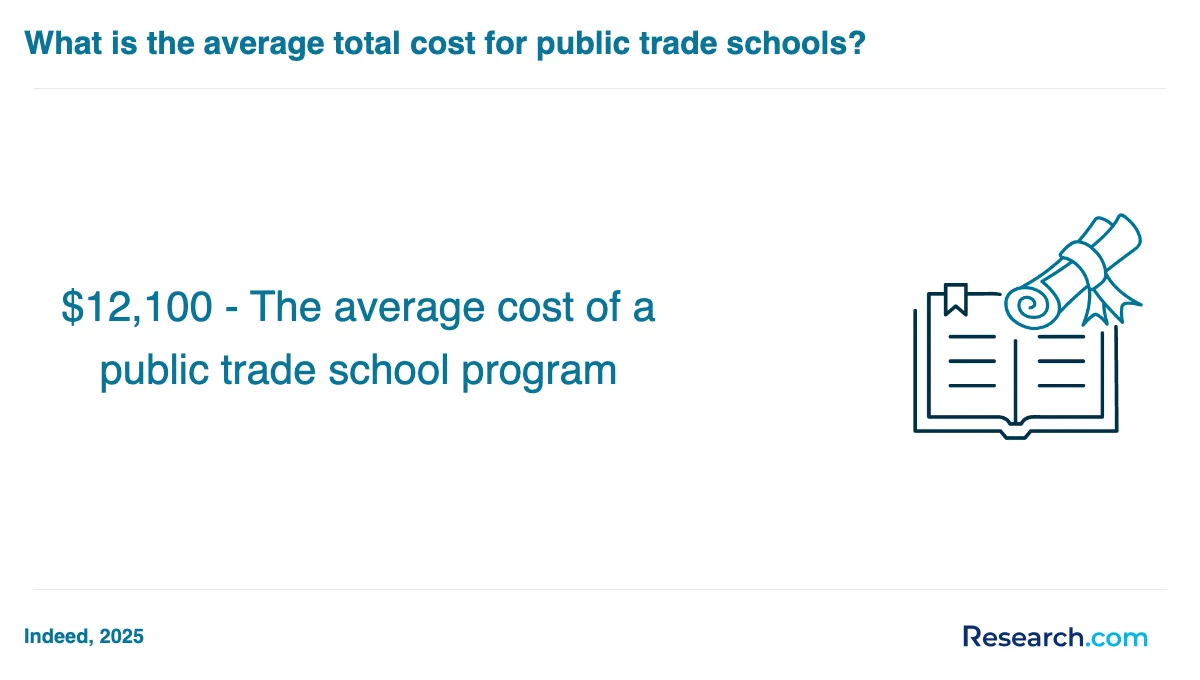
Trade school programs in Farmers Branch typically cost between $10,000 and $20,000, making them an accessible option for students eager to dive into a new career quickly. Graduates often share how the investment felt worth every penny, especially given the hands-on training that prepares them to hit the ground running. Picture a welder learning in a modern, tech-equipped lab or a cybersecurity student gaining certification through immersive, real-world simulations-they all highlight the value beyond just tuition.
Students appreciate the smaller class sizes that create a supportive environment, where instructors-often seasoned professionals-offer advice on navigating job markets as well as technical skills. Many find that completing programs in as little as 10 to 12 months means less financial strain and a faster path to earning a paycheck. With possibilities ranging from healthcare to automotive repair, the cost is balanced by tailored training and potential industry certifications that enhance employability right here in Farmers Branch.
Where can I work after finishing trade school programs trade schools in Farmers Branch?
Graduates from trade schools in Farmers Branch often find themselves stepping confidently into a variety of dynamic careers right in their backyard. Imagine completing a hands-on medical assisting program and soon after working in a bustling local clinic or hospital in Dallas, where your skills as a medical assistant are in high demand.
Some dive into the fast-paced world of automotive technology, tuning vehicles in neighborhood repair shops or welding at manufacturing plants nearby. The exciting surge in IT means many grads quickly land roles managing networks or enhancing cybersecurity for local businesses and schools, transforming their passion into tangible tech careers.
Others channel creativity through cosmetology, launching thriving careers in salons or even opening spas, while a few become inspiring cosmetology instructors. Meanwhile, business program grads step into roles in sales or real estate, thriving among Farmers Branch's vibrant small business community.
Construction and manufacturing graduates build the future, working on projects spanning Dallas-Fort Worth. The real game-changer? Trade schools here emphasize internships, so many grads transition seamlessly from classroom projects into rewarding jobs with local employers.
After completing a trade school program in Farmers Branch, many graduates find themselves stepping into well-paying roles that rival, and sometimes exceed, regional averages. Imagine finishing your training at a local institution like Brookhaven College and starting to earn around $65,664 a year-that's a solid paycheck right out of the gate!
Many newly minted trade pros in Farmers Branch see starting salaries ranging from $50,000 to $80,600, enough to cover living costs while building valuable skills. Some skilled workers, especially those in high-demand areas like HVAC, electrical work, or welding, can even land salaries nearing $98,923 annually. Picture yourself moving up quickly, fueled by certifications and hands-on apprenticeships that boost your value.
Local job postings show salaries from $60,340 up to over $100,000 for trade school graduates, depending on your trade and experience. Graduates often share how these incomes bring newfound confidence and a sense of achievement, making their investment in Farmers Branch's trade programs feel like a smart, rewarding adventure.
- The Carrollton-Farmers Branch Independent School District offers CTE programs in fields like cybersecurity, law enforcement, automotive, welding, health science, manufacturing, architecture, and cosmetology.
- Admission usually depends on residency, age, and sometimes a high school diploma or GED, with many programs available to high school students as part of their curriculum.
- Costs for trade school programs range from minimal fees in public high schools to $5,000-$15,000 for private or post-secondary programs lasting several months to two years.
- Starting salaries for graduates in automotive technology, health sciences, and skilled trades often range from $35,000 to $55,000 per year, with experienced workers like welders and electricians earning $50,000 to $70,000 annually.
- Programs focus on practical skills, industry certifications, and soft skills, improving job readiness and employment prospects in high-demand local careers.
Trade school programs in Farmers Branch often surprise students with how quickly they can open doors to new careers. Many graduates share that they earned certificates or diplomas in under a year-some in as little as 10 months-especially those who enrolled full-time in hands-on programs like automotive repair or medical assisting. For instance, students attending UEI College near Dallas have excitedly completed their training in these fast-paced schedules, ready to start working before they knew it!
Others find diploma or associate degree paths take a bit longer, usually between 18 and 24 months. These tracks suit those eager to dive deeper into specialized trades or technical skills. Imagine balancing your evenings or weekends in flexible classes, picking up new skills on your own time. Many report feeling empowered managing their schedules this way while steadily moving toward their goals.
Whether jumping into a short-term certificate or embracing longer programs, Farmers Branch trade students appreciate the practical timelines that keep their momentum alive and careers within reach.
Imagine stepping into a bustling classroom at a Farmers Branch trade school, where welders-in-training eagerly gather around roaring torches, guided by experts right beside them. This hands-on vibe defines on-campus programs-fixed schedules, face-to-face coaching, and instant access to campus resources like tutoring and career advice. Graduates often cherish the camaraderie and real-time feedback that spark their confidence in practical skills like automotive repair or cosmetology.
Now picture a different scene: a graduate logging in from home, weaving studies around a busy workday or family life. Online trade school programs in Farmers Branch deliver all coursework virtually, turning anywhere with Wi-Fi into a classroom. Flexibility reigns supreme here, with recorded lectures and interactive modules letting students dictate their pace. While hands-on training shifts to virtual simulations, digital tools keep learning just as engaging, perfect for motivated self-starters balancing multiple responsibilities.
Both paths lead to the same valued credentials, but each offers a unique adventure tailored to your lifestyle and learning style in Farmers Branch's vibrant trade education scene.
Curious about the average trade school tuition in Farmers Branch? Many graduates share they expected soaring costs, only to find programs typically range between $12,000 and $15,000 per year. This fits right alongside Texas's 2024-2025 average of $14,074, just a bit under the national norm. Imagine enrolling in automotive technology or welding classes at a local technical college-students often find themselves pleasantly surprised by affordable options that won't break the bank.
Yet, the total cost of trade school programs in Farmers Branch doesn't stop with tuition. Graduates recall budgeting for more than just classes-think of specialized tools for automotive technology or certification exam fees for healthcare fields. One medical assisting graduate embraced the challenge of investing upwards of $20,000 for comprehensive on-campus training but found online alternatives for just a few hundred dollars, proving options stretch to fit many budgets.
Financial aid, grants, and scholarships often soften these expenses, and local trade schools frequently participate in these programs. For those hunting for specialized paths, exploring the most affordable online appliance repair technician programs offers a smart way to jumpstart a career without heavy upfront costs.
All things considered, the adventure of earning a valued trade skill in Farmers Branch is balanced by manageable tuition and thoughtful planning for additional expenses, making the journey accessible and exciting.
Imagine stepping into a bustling classroom at Texas State Technical College right here in Farmers Branch, where you're pumped about starting your journey but worried about tuition. Don't stress-financial aid is your secret weapon. Almost every trade school student around secures some form of support. The first big move? Completing the FAFSA to unlock federal grants like the Pell Grant, work-study gigs, and even loans designed with you in mind.
Texas residents get even luckier. Say you're enrolled half-time at a community college nearby-state programs like the Texas Educational Opportunity Grant and the Texas Public Educational Grant swoop in to help ease the financial load.
Local scholarships add a personal touch. Graduates rave about the Carrollton-Farmers Branch ISD Foundation's awards, ranging from $500 to $2,500, often based on dedication and community involvement. Plus, industry-specific grants from groups like the Texas Farm Bureau and national foundations fuel dreams in technical fields, offering emergency funds and first-year boosts that make unexpected costs less daunting.
Ready to dive into a trade school program in Farmers Branch? Most students know they need a high school diploma or GED to step through the doors at Dallas College, the hub for many technical and vocational courses here. Imagine one graduate, fresh from high school, breezing through the online application with their transcripts ready-no prior college experience needed! It's a straightforward jumpstart.
For those looking into shorter workforce or continuing education programs, the vibe is even more welcoming. Many admit students without a diploma if they can show they're prepared via simple assessments or interviews. This flexibility opens doors for career changers eager to jump in quickly.
- Complete the school application online with your personal and educational info.
- Submit transcripts if you're transferring from another college.
- For international students, provide TOEFL scores (71+ online) and visa documents.
- Some programs may ask for background checks or specific classes like math or science.
Graduates often share how checking deadlines, like those set by Carrollton-Farmers Branch ISD partnerships, really makes or breaks their chances in popular, competitive fields. Imagine the thrill of securing your spot early and stepping into a vibrant, career-focused space tailored for success!

Trade school programs in Farmers Branch offer an exciting blend of hands-on courses designed for students ready to dive straight into rewarding careers. Imagine spending 51 weeks mastering Automotive Technology, diagnosing and fixing real cars using industry tools-just like graduates from the Universal Technical Institute near Farmers Branch. Their sense of accomplishment comes from not just learning theory but getting their hands dirty under the hood.
Welding Technology is equally thrilling, with programs lasting around 36 weeks. Students become confident welders, practicing different arc techniques that open doors to construction and manufacturing jobs.
Healthcare enthusiasts find practical training in medical assisting, dental assisting, or pharmacy technician roles, blending classroom lessons with real lab experience, all wrapped up in under a year.
Others explore fields like cybersecurity, cosmetology, business, and construction trades through local CTE programs, tapping into career-focused certifications that employers value.
- Automotive and Diesel Technology with hands-on vehicle repair
- Welding Technology focusing on arc welding skills
- Healthcare courses offering clinical lab practice
- Cybersecurity, cosmetology, and construction via CTE programs
These courses make trade schools in Farmers Branch a launchpad for students eager to build practical skills and step confidently into their futures.
In Farmers Branch, trade school students dive into a variety of exciting specializations designed to jumpstart their careers. From high school programs in the Carrollton-Farmers Branch Independent School District, graduates often share how hands-on experiences in cybersecurity, automotive technology, or welding transformed their sense of confidence and readiness for the real world.
Popular local trade schools challenge students with paths including:
- Cybersecurity and programming, perfect for tech enthusiasts eager to protect digital landscapes
- Automotive technology, where working on cars feels like solving a daily puzzle
- Health sciences and emergency medical services, offering a meaningful way to impact lives directly
- Business fields like marketing and entrepreneurship that spark creativity and leadership
For those eyeing postsecondary options, Dallas College Brookhaven Campus adds specialties such as radiologic technology and geospatial technology. Some graduates even discover low cost online electrical lineman programs, opening vibrant career routes that blend adventure and stability.
Choosing the best trade school program in Farmers Branch means diving into the real-life options around you. Graduates from local programs rave about hands-on learning in fields like cybersecurity or welding, which give them the confidence to start careers immediately. Many find that exploring the best vocational programs Farmers Branch TX offers, especially those affiliated with the school district's Career and Technical Education, opens doors to vibrant industries with modern skills.
Compare trade school costs in Farmers Branch carefully, as tuition varies widely. One graduate shared how finding scholarships and financial aid eased their journey, making technical college affordable and stress-free. Don't overlook checking each program's industry relevance and job placement rates - these determine how quickly you land work after training. For example, students at South College appreciate its focus on healthcare, preparing them for rewarding jobs in nursing and sonography.
Curious about potential earnings? Research reveals a number of high paying jobs trade school graduates can pursue, making your investment worthwhile and your future exciting.
Trade school graduates in Farmers Branch dive into a vibrant world of career opportunities that fit the buzzing local economy like a glove. Imagine starting your day as a skilled electrician, making impactful repairs and installations, knowing Farmers Branch values your expertise-especially if you explored affordable online electrician trade school programs. Graduates from nearby technical schools thrive in high-demand skilled trades in Farmers Branch like HVAC, welding, and construction, where their hands-on training instantly opens doors to steady, well-paid jobs.
Others gravitate toward health sciences, stepping confidently into medical assisting or nursing support roles fueled by compassionate, practical schooling experiences. Tech-savvy graduates jump into booming fields such as cybersecurity, networking, or software programming, thriving with skills honed through local programs focused on real-world application.
- Automotive technology and manufacturing offer practical skills and certifications that translate into quick employment.
- Business programs guide learners toward managing startups or local enterprises.
- Creative paths like graphic design and digital communications provide room for innovation and artistic flair.
- Public service and agriculture fields prepare students for meaningful careers in emergency services and environmental management.
With trade schools in Farmers Branch emphasizing hands-on, industry-recognized certifications, graduates embrace career opportunities for trade school graduates in Farmers Branch with confidence and excitement, ready to build rewarding futures in a community that thrives on skilled talent.
The job opportunities for trade school graduates in Farmers Branch are thriving, fueled by a diverse mix of industries eager to hire skilled workers. Graduates from local trade schools, including those partnered with Carrollton-Farmers Branch ISD, find themselves stepping into careers in healthcare, automotive technology, welding, and IT almost immediately after certification. Imagine finishing a welding certification and landing a job at a top manufacturing company where the wage starts at $25 per hour-this is a common reality here.
Many graduates share exciting stories of employers actively seeking their skills in fields like logistics and business management. The skilled trades employment outlook in Farmers Branch is impressive, with over 110,000 job openings reported in the area. This robust market reflects local businesses valuing those who are trained, certified, and job-ready.
Trade programs also offer enticing advantages:
- Shorter training durations compared to traditional college
- Opportunities to earn certifications during high school through dual enrollment
- Competitive wages often starting from $17 to $30 per hour
Many students appreciate pursuing options like most affordable online floor installer trade school programs, which combine flexibility with high demand skills. This exciting job market ensures that motivated graduates can quickly build rewarding careers without the weight of significant student debt.
Best Trade School & Training Programs - Leading Certification Courses in Farmers Branch for 2026
# 1 position
Strayer University-Texas - Criminal Justice/Police Science.
associateStrayer University-Texas offers a Criminal Justice/Police Science program designed to prepare students for roles in law enforcement. The curriculum covers patrol and investigative duties, traffic and crowd control, witness interviewing, evidence management, crime prevention, weapon operation, and report preparation. The program’s annual in-state tuition is $13,920. It is accredited by the Middle States Commission on Higher Education, ensuring recognized academic standards.
# 2 position
Strayer University-Texas - Accounting Technology/Technician and Bookkeeping.
associateStrayer University-Texas offers an Accounting Technology/Technician and Bookkeeping program designed to prepare students for technical administrative roles supporting accountants and financial personnel. The curriculum covers posting transactions, record-keeping systems, accounting software, and general accounting principles. The program's annual in-state tuition is $13,920. It is accredited by the Middle States Commission on Higher Education.
Frequently Asked Questions about trade school programs
After completing a trade school program in Farmers Branch, preparing for the job market involves several key steps. First, graduates should obtain relevant certifications and licenses, which are often required in skilled trades to demonstrate competence to employers. For example, electricians and HVAC technicians must be licensed in Texas.
Next, building a professional network is essential. Local trade unions, industry groups, and job fairs within the Dallas-Fort Worth metro area can provide valuable connections. According to the Texas Workforce Commission, over 85% of trade school graduates in this region find employment within six months of completing their programs.
Additionally, creating a strong resume highlighting hands-on experience gained during training can help graduates stand out. Many trade schools in Farmers Branch also offer career services that assist with job placement, interview preparation, and employer outreach, increasing chances of successful employment. Staying informed about local labor market demands in trades like plumbing, welding, and automotive repair can guide job searching efforts effectively.
Employers in Farmers Branch prioritize practical, job-ready skills in trade school graduates to meet local industry demands. According to the U.S. Bureau of Labor Statistics and reports from the Texas Workforce Commission, technical competencies such as electrical wiring, HVAC repair, welding, and advanced manufacturing are highly sought after. Additionally, strong problem-solving abilities and adaptability are critical, as these skills enable workers to handle varied workplace challenges efficiently.
Communication and teamwork also rank highly, as many trades require collaboration on complex projects. Employers often value graduates who demonstrate punctuality, safety awareness, and the ability to follow detailed instructions. These combined skills contribute to a graduate's employment prospects in the Farmers Branch job market.
Finding internships in Farmers Branch that align with your trade school program involves several practical steps. Start by consulting your trade school's career services office, which often maintains relationships with local businesses and can connect students to internship opportunities. The city's economic development website also lists companies in key sectors such as manufacturing and construction, which frequently offer internships.
Networking plays a vital role. Attend local job fairs and industry meetups to meet employers seeking skilled trade students. Additionally, platforms like Indeed and LinkedIn can help filter internships in Farmers Branch by trade-specific keywords. According to the Texas Workforce Commission, internships in skilled trades have increased 15% recently, reflecting growing local demand.
A trade school diploma in Farmers Branch can significantly enhance career mobility and advancement, especially in skilled trades such as HVAC, electrical work, and welding. According to data from the Texas Workforce Commission, individuals with technical diplomas often see faster job placement rates and higher starting salaries compared to those without postsecondary credentials.
Employers in the Dallas-Fort Worth area, including Farmers Branch, prioritize practical skills and certifications, which trade schools tailor their programs to deliver. The short duration of most trade programs allows students to enter the workforce quickly and build experience while earning a livable wage.
Additionally, trade credentials frequently qualify graduates for apprenticeships and advanced certifications, opening paths to supervisory roles and specialized technical positions. This creates upward mobility even without a traditional four-year degree.
Overall, a diploma from a recognized trade school in Farmers Branch provides tangible proof of competency that local employers value, facilitating both entry into the workforce and longer-term career growth.
Students attending trade schools in Farmers Branch can find several part-time job opportunities that align with their education and skill development. Many local businesses in the Dallas-Fort Worth metroplex area, including Farmers Branch, seek skilled workers in fields like automotive repair, HVAC, and electrical work. According to the U.S. Bureau of Labor Statistics, part-time jobs in these trades often pay between $12 to $20 per hour, which helps offset tuition costs.
Positions such as apprentice electrician, HVAC technician assistant, or automotive service technician provide hands-on experience alongside classroom learning. Additionally, Warehousing and logistics roles in Farmers Branch's industrial parks offer part-time openings relevant to students in supply chain or manufacturing programs. These jobs not only reinforce practical skills but also enhance resumes for future full-time employment.
According to local job postings analyzed by Indeed in 2023, trade-related part-time roles in Farmers Branch have grown by approximately 7% annually over recent years. This trend reflects increasing demand for skilled labor in the region's expanding economy.
To find the best degree program near me or near Farmers Branch, TX, one can begin by researching local universities and colleges, evaluating their academic offerings, faculty expertise, and available resources. Utilizing resources like Research.com can help compare programs based on rankings, research output, and other criteria to ensure alignment with career goals. Additionally, visiting campus advising centers and connecting with alumni can provide valuable insights into the strengths of specific programs in the area.
- Best Trade School & Training Programs - Leading Certification Courses in Little Rock for 2026
- Best Trade School & Training Programs - Leading Certification Courses in Springfield for 2026
- Best Trade School & Training Programs - Leading Certification Courses in Emporia for 2026
- Best Trade School & Training Programs - Leading Certification Courses in Kyle for 2026
- Best Trade School & Training Programs - Leading Certification Courses in Florence for 2026
- Learn A Trade - SUNY https://www.suny.edu/trades/
- Trade School in Texas: What to Expect and Why It Matters https://scitexas.edu/blog/trade-school-texas-everything-you-should-know/
- Career & Technical Education - Carrollton-Farmers Branch ISD https://www.cfbisd.edu/departments/career-and-technical-education-cte
- Client Challenge https://www.texanscan.org/o/dallas/page/carrollton-farmers-branch
- Carrollton-Farmers Branch, Coppell, Irving school districts bolster career, technical education programs | Community Impact https://communityimpact.com/dallas-fort-worth/coppell-valley-ranch-las-colinas/education/2020/02/11/carrollton-farmers-branch-coppell-irving-school-districts-bolster-career-technical-education-programs/


