
Most Affordable Certificate Programs - Leading Certification Courses in New York for 2026

Co-Founder and Chief Data Scientist
If you're considering a trade school in New York, finding an affordable certificate program is key to starting your career without breaking the bank. This article introduces a helpful ranking of trade school certificate programs created by the Research.com team of data scientists. Their work aims to guide you in choosing programs that offer real value and strong potential.
Getting a trade school diploma or certification opens doors to practical skills and job opportunities. Reading on can help you make an informed decision tailored to your goals. This is your chance to invest in a future filled with confidence and growth.
Key benefits of getting trade school certificate in New York
- Trade school graduates in New York can earn strong salaries; for example, electricians make between $45,000 and $130,000 annually depending on experience and skills, while many other trades like plumbing and HVAC offer starting salaries from $40,000 to $55,000 with experienced workers earning $70,000 or more.
- Popular career paths include electricians, plumbers, HVAC technicians, and automotive technology specialists-trades that are in high demand in New York and provide stable, well-paying jobs with opportunities for growth.
- Online trade school certification offers flexibility and convenience, allowing students to balance work and study. Graduates from reputable online programs in New York report gaining valuable skills and quickly entering the workforce without the need for daily campus attendance.
- Most Affordable Certificate Programs - Leading Certification Courses in New York for 2026
- What can I expect from trade school certification programs in New York?
- Where can I work with trade school certification in New York?
What can I expect from trade school certification programs in New York?
The average cost of a trade school certification program in New York typically ranges between $3,000 and $15,000, depending on the field and program length. Graduates from healthcare or construction certifications often recall that the investment felt worthwhile, especially given the practical skills and recognized credentials they earned. For instance, those completing OSHA safety training or state licensing exam preparation found the cost justified by the doors it opened in employment.
Many students appreciated programs that combined classroom lessons with extensive hands-on experience, such as internships requiring thousands of supervised hours. One graduate from a technology-focused trade school noted that the career services and employer connections offered post-program gave a significant boost to job placement, making the tuition value even clearer.
While costs vary, students often emphasize the supportive environment that fosters employability skills like communication and leadership, which enrich their experience beyond technical training. Investing in a New York trade school certification often means stepping confidently into a rewarding career path.
Where can I work with trade school certification in New York?
After completing a trade school certification program in New York, graduates find themselves warmly welcomed into a range of rewarding careers. Many start as maintenance technicians or plasterers, quickly gaining hands-on experience that builds their confidence. For instance, certified cable installers in New York often partner with local employers through programs like ApprenticeNYC, earning around $21 per hour while building professional connections.
Others step into manufacturing roles such as tool and die makers or precision optics technicians, where apprenticeships create clear paths to mastery. Transportation careers like truck driving or warehouse operations also attract many graduates, offering steady work and room for advancement.
Trade school alumni frequently share how automotive repair and maintenance open doors at dealerships, garages, and fleet companies, with growing demand as they add certifications.
Creative minds flourish too, turning skills in visual arts or UI/UX design into freelance or full-time roles within New York's bustling media and design scenes.
Many find pride working in public service or utilities, taking positions as teacher assistants or water system specialists, experiencing meaningful community impact every day.
After completing a trade school certification program in New York, many graduates find their earning potential both encouraging and motivating. On average, salaries hover around $73,463 annually, which translates to about $35.32 per hour, a solid starting point for anyone entering the workforce. Graduates from popular New York trade schools often share stories about landing jobs that start near $55,200 per year, steadily increasing as they gain experience and specialize.
For example, electricians who trained in these programs report initial salaries ranging from $45,000 to $60,000. With time, these graduates can see their income rise significantly, some earning well over $90,000 annually, reflecting their growing expertise and demand in urban areas like New York City. HVAC technicians and solar photovoltaic installers echo similar satisfaction, often earning between $46,000 and $56,000 at the start.
Healthcare-related trade certifications also bring rewarding pay. Graduates working as medical sonographers or dental hygienists typically make over $81,000, a testament to how specialized skills translate to strong financial stability in New York.
These earnings reflect not only the knowledge gained but the confidence and pride that come with transforming a skill into a reliable livelihood in dynamic New York labor markets.
- Jamal: The HVAC certification program in Brooklyn was a game-changer. The hands-on training gave me real skills, and the instructors were supportive every step of the way. Within months of graduating, I landed a well-paying job in Manhattan, and now I feel confident building a stable future.
- Maria: Studying electrical technology at a Queens trade school was intense but rewarding. The smaller class sizes allowed personalized attention, which boosted my confidence. I love how quickly I transitioned into a full-time electrician role, working on new projects across New York City. This program truly prepared me for success.
- Alex: Plumbing certification opened doors I never imagined. The curriculum was practical and tied directly to what employers need. I appreciated the community vibe at the school, making learning enjoyable. Now employed in a reputable company in the Bronx, I'm proud to say this was one of the best decisions I've ever made.
- Applicants usually need a high school diploma or equivalent, with some programs requiring 1-2 years of related work experience or passing an industry exam.
- Programs are state-approved, align with education guidelines, and offer industry-recognized credentials and technical skills assessments.
- Tuition costs range from $5,000 to $15,000, with lower prices possible at public institutions for state residents.
- Starting salaries for graduates are typically between $40,000 and $60,000 annually in fields like HVAC, electrical, and medical assisting.
- Experienced professionals in these trades can earn $70,000 or more depending on specialization and location within New York.
Completing a trade school certification program in New York often takes anywhere from a few months to two years, depending on the field and whether students attend full-time or part-time. Graduates from popular programs like medical assisting or welding often recall how their training wrapped up in just a few months, allowing them to start working quickly and feel a true sense of accomplishment without delay.
On the other hand, trades like HVAC or electrical work typically demand up to two years of study. Many students in these programs appreciate the balance of classroom time and hands-on learning, finding satisfaction in gradually mastering their skills. They often share how the extended, immersive experience prepared them thoroughly for real-world challenges.
Some trades require apprenticeships lasting from one to six years, blending paid on-the-job learning with classroom education. New Yorkers pursuing these routes often speak of pride in steadily building expertise while earning income. The flexible schedules, especially part-time options, help students tailor their education around work or family, which is a major relief to many.
Whichever path is chosen, trade school students in New York often highlight how the manageable timeframe helps them stay motivated while moving confidently toward meaningful careers.
The primary difference between online and on-campus trade school certification programs in New York centers on flexibility and the learning experience. Graduates from online programs, like those offered by Borough of Manhattan Community College, often describe the freedom to balance work, family, and study as invaluable. They appreciate accessing coursework anytime, which transforms their home into a personal classroom without sacrificing other responsibilities. Many find the ability to learn at their own pace empowering, especially with courses designed to be completed within months and affordable pricing around $99 per class.
On the other hand, students in on-campus programs such as Apex Technical School highlight the hands-on training that builds confidence through direct interaction. These programs thrive on workshops and labs where students physically engage with tools and equipment, essential for trades like welding or plumbing. The energy of learning alongside peers and receiving immediate feedback often leads to a deeper sense of community and skill mastery.
Both paths offer credentials respected by New York employers, yet the choice depends largely on individual needs for flexibility versus immersive, practical experience.
When considering the average trade school certification cost in New York, many graduates reflect on expenses ranging broadly from $16,000 to $22,000 for a complete program. These figures are influenced by factors like the institution's nature-public versus private-and the specialization pursued. For example, a graduate from a well-regarded private technical school recalls how the investment of around $18,000 opened doors to a skilled trade career, a price reflecting both program depth and networking opportunities within the region.
For those seeking more affordable paths, public options like BOCES programs can significantly reduce out-of-pocket costs to about $10,000 after financial aid, making professional certification accessible without compromising quality. Additionally, the New York trade school program tuition and fees at public colleges within the CUNY system average near $5,600 annually for residents, drawing praise from graduates who appreciated both the supportive environment and manageable expense.
Specialized fields sometimes offer varying tuition: welding certification courses might be around $2,750 each, allowing students to pace their investment while mastering specific skills. Beauty and cosmetology programs, meanwhile, often fall between $9,966 and $16,716, reflecting their hands-on nature and industry standards. Some students discover unique opportunities through tuition-free programs like the School for Cooperative Technical Education in NYC, though these options are rare.
Overall, students working to balance cost and quality often explore financial aid and scholarships, while others find value in researching cheap online trade schools programs for electricians to extend their educational possibilities outside traditional models.
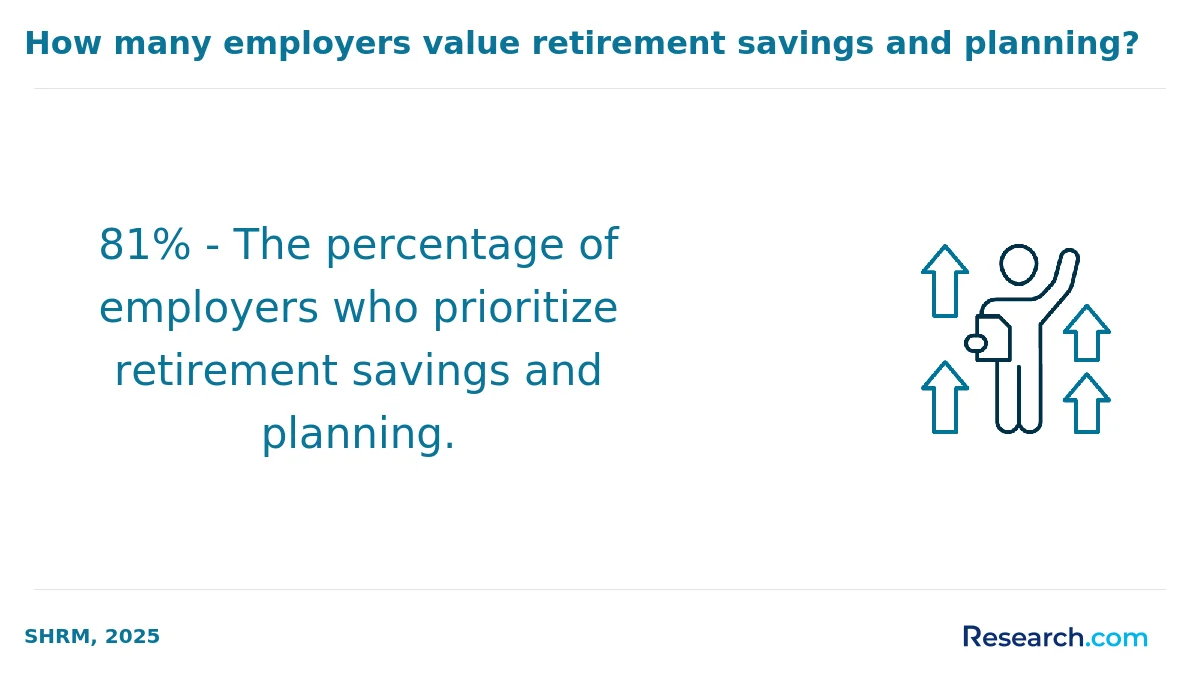
Students attending trade school certification programs in New York often find vital financial support through a variety of federal and state initiatives. For instance, many graduates recall how completing the FAFSA unlocked access to Pell Grants, which eased the burden of tuition costs without the worry of repayment. This can be a game-changer for those studying at renowned institutions like the New York City College of Technology or the Fashion Institute of Technology.
New York's Tuition Assistance Program (TAP) is another cornerstone. Eligible students frequently share how TAP's funds, sometimes reaching over $5,600 annually, enabled them to confidently enroll full or part-time, even at private trade schools. Meanwhile, the Excelsior Scholarship offers a rare chance to attend SUNY or CUNY tuition-free, provided recipients commit to living and working in New York afterward-a commitment many find both inspiring and worthwhile.
Part-time students can also benefit from programs like the Aid for Part-Time Study (APTS) and the NYS Part-Time Scholarship Award, which provide meaningful financial relief for those balancing work and education. These options often feel like a personal lifeline, helping learners turn their aspirations into real-world skills without overwhelming debt.
Enrolling in a trade school certification program in New York calls for a clear demonstration of both educational background and practical experience. Graduates from popular institutions often recall the balance of theory and hands-on learning that shaped their journey. Most programs expect applicants to meet one of these educational milestones:
- High school diploma or equivalent, paired with at least four years of related work experience and passing the Communication and Quantitative Skills Test (CQST).
- Associate's degree or higher in a relevant trade, reducing required work experience to two years.
- Bachelor's degree or beyond in the field, where one year of work or an industry credential may suffice.
At places like SUNY Buffalo State University, students often share how a full year of verified, hands-on occupational experience - beyond clerical tasks - was crucial. This experience might include managing projects or delivering technical services directly.
Some fields are more demanding. For instance, health sciences candidates frequently need current New York State licensure, such as a dental assisting license, to qualify.
These requirements reflect a commitment to both knowledge and real-world expertise, ensuring that students feel confident and prepared as they advance in their trades.
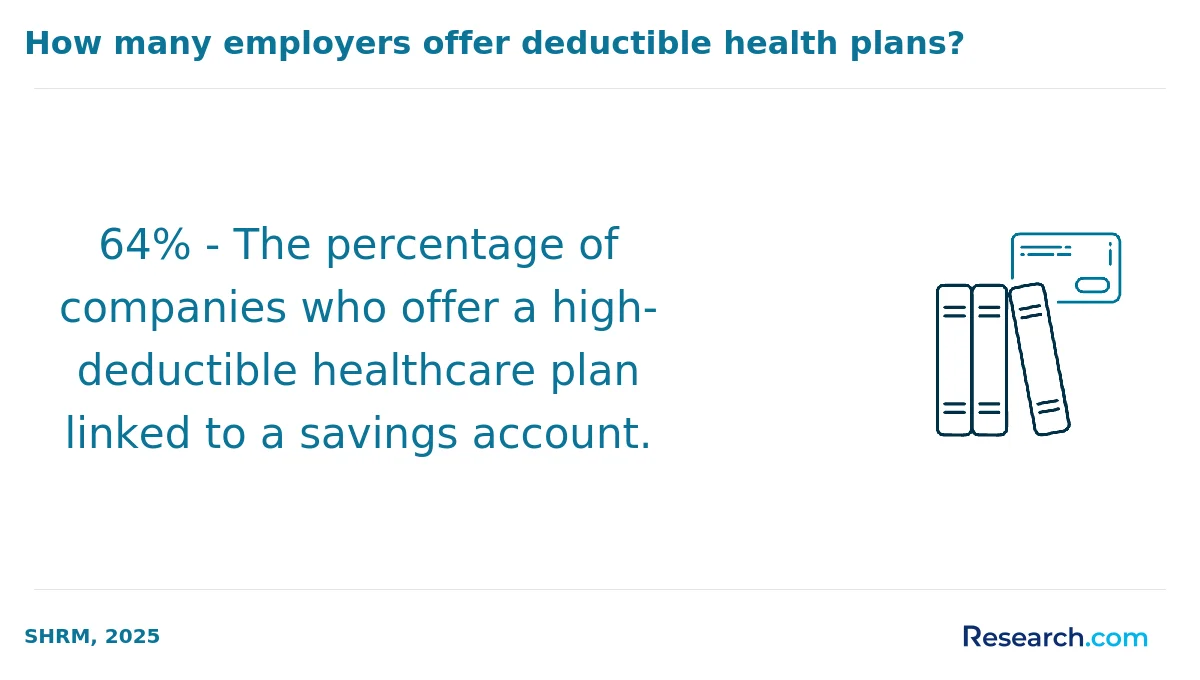
Trade school certification programs in New York consistently offer courses that blend hands-on skills with practical knowledge tailored to key industries. Graduates often reflect on how courses like Building Trades and Construction immersed them in real-world safety protocols and essential trades, preparing them swiftly for the workforce.
Common classes in New York trade certification programs also include:
- Machining and Welding: mastering machine tools and welding techniques crucial for manufacturing careers.
- Automotive Technology: covering diagnostics and state licensing prep, empowering students for local job markets.
- Healthcare Certifications: combining classroom and lab work for roles like EMTs and pharmacy technicians.
- Information Technology: teaching IT support, cybersecurity, and cloud computing with industry-recognized certs.
Many find culinary arts, hospitality, cosmetology, and esthiology equally rewarding, often leading to state licensure and hands-on experience in New York salons and kitchens. Students appreciate how these certificate program course list New York trade schools offer flexible options, with short-term programs that range from weeks to a year, meeting New York State's educational standards.
For those seeking affordable options that fit busy schedules, exploring cheap home remodeling and repair courses online can be a valuable resource, connecting prospective students with practical skills resonating in the New York job market.
When choosing a trade school certification program in New York, start by ensuring the program is approved by the New York State Education Department. Graduates from approved schools consistently share how this validation opened doors to recognized credentials and job placements, especially in fields like healthcare and technology. Many find that programs blending academic lessons with hands-on experience, such as those offered by popular New York vocational colleges, provide the confidence needed to enter the workforce. These real-world scenarios-like internships arranged with local businesses-transform classroom learning into rewarding careers.
Cost is often a deciding factor. Students often stress the peace of mind they felt enrolling in tuition-free programs or those offering scholarships. It's wise to compare New York trade school program costs carefully to find a balance between quality and affordability. Additionally, exploring options like affordable flooring installers training online can provide flexible, budget-friendly alternatives that still meet industry standards.

Graduates of trade school certification programs in New York find career opportunities across diverse and thriving industries. From healthcare to construction, many enjoy rewarding roles as electricians, HVAC technicians, dental or medical assistants, and paralegals. Some quickly secure entry level trade jobs in New York, gaining practical experience in fast-growing sectors like skilled trades and healthcare, where demand remains strong due to ongoing infrastructure projects and an aging population.
Others pursue promising technology careers, leveraging certificates from programs such as those offered by NPower in NYC to enter IT support or software development. Creative paths also flourish; for instance, graduates from post-production certificate programs step confidently into the television and film industries. Hospitality and beauty programs prepare students for fulfilling roles as salon stylists or culinary professionals.
Real-life success stories from students attending New York's popular trade schools highlight tailored training that aligns with individual passions and labor market needs. Those seeking stable employment or apprenticeships often explore trade school for construction certification options, which open doors to union apprenticeships and certified specialties like OSHA safety.
- Healthcare assistant roles
- Skilled trades: electricians, plumbers, welders
- Information technology support and development
- Creative media production
- Hospitality management and culinary arts
The trade school job opportunities in New York remain strong and encouraging for graduates pursuing certification programs. Many graduates from institutions like Hunter Business School and Apex Technical School report smooth transitions into careers fueled by high demand in both traditional and emerging sectors. For instance, wind turbine service technicians and solar photovoltaic installers are seeing rapid growth, reflecting New York's commitment to renewable energy. This trend not only opens doors but also offers competitive wages and a sense of purpose for those entering these fields.
Healthcare-related trades also offer promising avenues. Graduates licensed as practical nurses or dental hygienists experience steady job growth and above-average local salaries, supported by extensive job placement services. New York trade certification employment outlook favors practical skills that employers urgently seek.
- Average HVAC technician salary above $51,000
- Automotive technicians earning nearly $47,000 annually
- Strong placement rates from schools like NYADI
Many graduates reflect positively on the hands-on training received, which facilitates confidence and readiness. For students considering specialty fields, such as automotive technology, exploring a reputable trade school for auto mechanic ensures solid connections to employers and workforce success.
Most Affordable Certificate Programs - Leading Certification Courses in New York for 2026
# 1 position
Suffolk County Community College - Automobile/Automotive Mechanics Technology/Technician.
certificate or diplomaThe Automobile/Automotive Mechanics Technology/Technician program at Suffolk County Community College offers a hybrid learning format with some distance-education options. It prepares students to repair, service, and maintain various automobile systems including brakes, electrical, engine performance, transmission, suspension, and heating and air conditioning. The program is accredited by the Middle States Commission on Higher Education. Annual in-state tuition is $6,440, and median earnings one year after completion are $42,496.
# 2 position
Suffolk County Community College - Physical Fitness Technician.
certificate or diplomaThe Physical Fitness Technician program at Suffolk County Community College prepares students for careers in health and fitness clubs, wellness centers, recreation facilities, hospitals, and corporate fitness programs. The curriculum includes human anatomy and physiology, fitness techniques, exercise science, personal training, nutrition, and customer service. Annual in-state tuition is $6,440. The program is accredited by the Middle States Commission on Higher Education.
# 3 position
Suffolk County Community College - Heating, Air Conditioning, Ventilation and Refrigeration Maintenance Technology/Technician.
certificate or diplomaThe Heating, Air Conditioning, Ventilation and Refrigeration Maintenance Technology/Technician program at Suffolk County Community College offers a hybrid format with some distance-education options. It prepares students to repair, install, service, and maintain heating, air conditioning, and refrigeration systems. Instruction covers diagnostic techniques, testing equipment, and principles of mechanics, electricity, and electronics. The program’s annual in-state tuition is $6,440 and it is accredited by the Middle States Commission on Higher Education.
# 4 position
Suffolk County Community College - Baking and Pastry Arts/Baker/Pastry Chef.
certificate or diplomaThe Baking and Pastry Arts/Baker/Pastry Chef program at Suffolk County Community College offers a hybrid format with some distance-education options. It prepares students for professional roles in baking and pastry through training in bread and pastry making, decorating, and industry operations. The annual in-state tuition is $6,440. Graduates have a median earning of $26,398 one year after completion. The program is accredited by the Middle States Commission on Higher Education.
# 5 position
Hudson Valley Community College - Electrocardiograph Technology/Technician.
certificate or diplomaHudson Valley Community College offers a fully online Electrocardiograph Technology/Technician program that trains students to perform EKG and ECG diagnostic tests under medical supervision. The curriculum covers anatomy, cardiovascular systems, medical terminology, patient care, equipment handling, and cardiac rhythm interpretation. The program is accredited by the Middle States Commission on Higher Education. Annual in-state tuition is $6,694, and median earnings one year after completion reach $69,242.
# 6 position
Hudson Valley Community College - Diagnostic Medical Sonography/Sonographer and Ultrasound Technician.
certificate or diplomaHudson Valley Community College offers a fully online Diagnostic Medical Sonography/Sonographer and Ultrasound Technician program. This program trains students to use medical ultrasound techniques for diagnosing various conditions, including instruction in patient care, data recording, and sonography equipment operation. The annual in-state tuition is $6,694. Graduates earn a median salary of $69,242 one year after completion. The program is accredited by the Middle States Commission on Higher Education.
# 7 position
Hudson Valley Community College - Physical Fitness Technician.
certificate or diplomaHudson Valley Community College offers a fully online Physical Fitness Technician program designed to prepare students for roles in health clubs, wellness centers, recreation facilities, hospitals, and corporate fitness programs. The curriculum covers human anatomy, physiology, exercise science, personal training, nutrition, and customer service. The program is accredited by the Middle States Commission on Higher Education. Annual in-state tuition is $6,694.
# 8 position
Hudson Valley Community College - Electrical and Power Transmission Installation/Installer, General.
certificate or diplomaHudson Valley Community College offers a hybrid Electrical and Power Transmission Installation/Installer, General program that prepares students to install residential, commercial, and industrial electrical systems and power transmission lines. The curriculum covers electricity, safety, wiring, insulation, grounding, blueprint interpretation, equipment maintenance, and codes. Annual in-state tuition is $6,694. Graduates earn a median salary of $49,095 one year after completion. The program is accredited by the Middle States Commission on Higher Education.
# 9 position
Hudson Valley Community College - Dental Assisting/Assistant.
certificate or diplomaHudson Valley Community College offers a fully online Dental Assisting/Assistant program preparing students to provide patient care, take dental radiographs, and assist dentists and hygienists. The curriculum covers medical record-keeping, office duties, equipment maintenance, radiography, and chairside assisting with supervised practice. The program is accredited by the Middle States Commission on Higher Education. Annual in-state tuition is $6,694.
# 10 position
Hudson Valley Community College - Heating, Air Conditioning, Ventilation and Refrigeration Maintenance Technology/Technician.
certificate or diplomaHudson Valley Community College offers a hybrid Heating, Air Conditioning, Ventilation and Refrigeration Maintenance Technology/Technician program. It prepares students to repair, install, service, and maintain HVAC and refrigeration systems using diagnostic techniques and testing equipment. The program includes training in mechanics, electricity, and electronics principles. Annual in-state tuition is $6,694. Graduates have median earnings of $47,134 one year after completion. The program is accredited by the Middle States Commission on Higher Education.
Frequently Asked Questions about trade school certificates
After completing trade school certification programs in New York, effective preparation for the job market is crucial. Graduates should begin by obtaining relevant industry certifications, which can improve employability and reflect specialized skills. Networking plays a key role; connecting with employers through job fairs, internships, or union apprenticeship programs helps to build relationships and gain job leads.
It is important to keep an updated resume highlighting hands-on experience and certifications earned. According to New York State Department of Labor, sectors like construction, healthcare, and information technology, which commonly use trade certificates, reported an average employment growth of 8% from 2019 to 2024.
Additionally, leveraging local workforce development programs and career services offered by many trade schools can provide guidance and job placement assistance specific to New York's market demands.
Employers in New York prioritize both technical and soft skills in graduates of trade school certification programs. According to the New York State Department of Labor, proficiency in hands-on skills related to specific trades-such as electrical work, HVAC, plumbing, and automotive repair-is highly valued. Additionally, problem-solving abilities and attention to detail rank among the top technical competencies sought.
Soft skills are equally important. A 2023 survey by the National Skills Coalition highlights communication, teamwork, and reliability as critical traits for job retention and advancement. Employers also appreciate adaptability, as the fast-moving industries in New York require workers who can learn new technologies and procedures quickly.
Understanding workplace safety protocols and demonstrating proper tool usage are essential, improving employability in sectors like construction and manufacturing. Overall, graduates combining certified technical skills with strong interpersonal abilities stand the best chance of success in the competitive New York job market.
Finding internships relevant to your trade school certification program in New York starts with leveraging resources provided by your school. Many trade schools maintain partnerships with local businesses that frequently offer internship opportunities to students. According to the National Association of Colleges and Employers, about 60% of internship positions in New York come through school-affiliated networks.
Additionally, utilize online platforms like Handshake and Indeed, which allow filtering by location and industry. The New York State Department of Labor also hosts an apprenticeship and internship portal specifically tailored for skilled trades.
Connecting with industry trade unions and chambers of commerce can open doors to internships that may not be widely advertised. Networking events and job fairs in New York City and surrounding areas are important venues to meet employers actively seeking trade program interns.
Trade school certifications in New York significantly enhance career mobility by providing specialized skills that employers demand. According to the New York State Department of Labor, individuals with certifications in fields like HVAC, electrical work, and healthcare experience faster job placement compared to those without. Certifications demonstrate practical knowledge, making candidates more competitive for promotions and higher wages.
Research from Georgetown University's Center on Education and the Workforce highlights that technical certificates can increase earnings by 12% to 20% on average, particularly in urban centers like New York City. These programs also shorten the time needed to enter a new career, boosting social mobility for working adults.
Part-time job opportunities in New York can significantly complement trade school certification program education by providing practical experience and additional income. Common roles include apprenticeships in construction, HVAC, and electrical work, which align directly with many trade certifications. Retail and food service jobs are also popular, offering flexible hours alongside study commitments.
According to the New York State Department of Labor, construction-related part-time employment is projected to grow by 5% through 2026, making it a strong option for trade students. Additionally, healthcare support roles like medical assistant or phlebotomy aide can complement certifications in allied health fields. These positions not only build skills but improve employability after graduation.
To find the most affordable degree program near New York, one can start by researching local colleges and universities, focusing on their in-state tuition rates and financial aid opportunities. Utilizing resources such as Research.com can help identify programs and universities near me that offer affordable education options in the New York area. Additionally, consider reaching out to admissions offices directly for information on scholarships and grants that can further reduce the cost of attending schools near New York.
- Most Affordable Certificate Programs - Leading Certification Courses in New Jersey for 2026
- Most Affordable Certificate Programs - Leading Certification Courses in Delaware for 2026
- Most Affordable Certificate Programs - Leading Certification Courses in Ohio for 2026
- Most Affordable Certificate Programs - Leading Certification Courses in Virginia for 2026
- Most Affordable Certificate Programs - Leading Certification Courses in West Virginia for 2026
- Most Affordable Certificate Programs - Leading Certification Courses in Kentucky for 2026
- Most Affordable Certificate Programs - Leading Certification Courses in South Carolina for 2026
- Most Affordable Certificate Programs - Leading Certification Courses in Georgia for 2026
- Most Affordable Certificate Programs - Leading Certification Courses in Illinois for 2026
- Most Affordable Certificate Programs - Leading Certification Courses in Missouri for 2026
- What Vocational School Graduates Need to Know About The Job Market Before Finding Their First Job! https://www.able.jobs/2022/05/jobs-for-vocational-school-graduates/
- Apprenticeship Trades | Department of Labor https://dol.ny.gov/apprenticeship/apprenticeship-trades
- Research - Best Automotive Mechanic Trade School Programs https://research.com/degrees/best-automotive-mechanic-trade-school-programs
- The Value of Trade and Career Schools: Top Institutions for Skill-Based Education https://excelonassociates.com/the-value-of-trade-and-career-schools-top-institutions-for-skill-based-education/
- Apex Technical School | New York Trade School Programs https://apexschool.com/
- Why Choose Trade Schools? Discover the Pros of Vocational Education in 2025 | OshaEducationCenter.com https://www.oshaeducationcenter.com/pros-and-cons-of-trade-schools/
- Trade School Careers https://auto.edu/blog/trade-school-careers
- Trade School Programs & Courses https://www.best-trade-schools.net/programs/
- Careers You Can Pursue After Trade School | NSHSS | National Society of High School Scholars https://www.nshss.org/resources/blog/blog-posts/careers-you-can-pursue-after-trade-school/
- 1 in 3 Americans recommend trade school for high school graduates https://www.hrdive.com/news/americans-recommend-trade-school-for-high-school-graduates/750546/


