Most Affordable Certificate Programs - Leading Certification Courses in Illinois for 2026

Co-Founder and Chief Data Scientist
Choosing the right trade school certificate program in Illinois can feel overwhelming. That’s why this article highlights the most affordable options for 2026, ranked by the Research.com team of data scientists. Their in-depth analysis helps you make an informed choice based on real data.
With a trade school diploma or certification, you can unlock new career opportunities and gain valuable skills quickly. This guide aims to support your goals and boost your confidence as you take this important step.
Key benefits of getting trade school certificate in Illinois
- Expected salary: Trade school graduates in Illinois can earn from $38,000 to $60,000 initially, with electricians making up to $130,000 and construction trades averaging about $84,749 annually, offering great financial growth.
- Popular career paths: Graduates often pursue careers in plumbing, HVAC, welding, and construction, all of which have strong job demand and good earning potential in Illinois.
- Online certification benefits: Completing a trade certification online can provide flexibility, allowing students to balance work and study, making it easier to start a rewarding career without relocating or disrupting daily life.
- Most Affordable Certificate Programs - Leading Certification Courses in Illinois for 2026
- What can I expect from trade school certification programs in Illinois?
- Where can I work with trade school certification in Illinois?
What can I expect from trade school certification programs in Illinois?
The average cost of a trade school certification program in Illinois typically ranges from $5,000 to $15,000, depending on the field and program length. Graduates from popular automotive technology or health sciences programs often reflect on how this investment felt manageable given the rapid entry into well-paying jobs. Many recall how programs lasting under a year offered the advantage of fast-tracking their careers without accumulating significant debt.
Students pursuing certification in areas like construction trades or cosmetology find value in schools partnered with industry leaders, which often include access to scholarships and sometimes even free pre-apprenticeship training. This flexibility helps working adults balance education with life commitments and reduces overall expenses.
Graduates frequently highlight the practical, hands-on training coupled with robust job placement support as key benefits, creating confidence that their tuition dollars translate directly into employable skills. Whether training for culinary arts or skilled manufacturing jobs, Illinois trade school students often feel their costs are justified by the clear career paths available within the state's thriving industries.
Where can I work with trade school certification in Illinois?
After finishing a trade school certification program in Illinois, many graduates find themselves stepping confidently into careers that are in high demand statewide. For example, graduates from schools like John Wood Community College often report securing jobs in construction trades such as carpentry, plumbing, and electrical work, sometimes even before completing their programs. These roles frequently connect them with local construction firms or public works departments involved in Illinois's ongoing infrastructure projects.
Others gravitate toward manufacturing and industrial technology positions, gaining employment as welders, machine operators, or CAD technicians in industries ranging from automotive to food processing. Illinois's strong manufacturing base offers steady opportunities, helping graduates feel secure about their futures.
Healthcare certification students pursue fulfilling roles as certified nursing assistants or medical assistants, joining hospitals and clinics eager to meet the healthcare demands of an aging population. Meanwhile, those completing programs in transportation and logistics often find rewarding careers as truck drivers or logistics coordinators, thriving in Illinois's booming transportation hub.
Across all fields, apprenticeships and job placement support provide graduates practical experience and a direct path to employment, making their transitions from classroom to career smoother and more encouraging.
Graduates from trade school certification programs in Illinois often step into the workforce with earnings that quickly reflect their skills and dedication. For example, many electricians who complete their certification see starting hourly wages around $23, with some advancing to earn more than $39 per hour. One graduate from a well-known Illinois trade school shared how, within a year, their income rose to nearly $60,000 annually, matching or even surpassing peers with associate degrees.
Those pursuing construction apprenticeships through union-affiliated programs can anticipate wages as high as $49 per hour by completion, compared to about $34 per hour from employer-only programs. Graduates often express pride and excitement as their pay grows, rewarding their commitment in a tangible way.
HVAC technicians and welders starting out typically earn between $40,000 and $50,000 annually in Illinois, with promising opportunities to reach upwards of $75,000 as they gain experience. These figures demonstrate how trade certifications open doors to financially stable and fulfilling careers across the state.
- "Completing the HVAC certification at Chicago Tech was a game changer. The hands-on training prepared me perfectly for real-world challenges. Now, working as an HVAC technician in Naperville, I feel confident and valued. The instructors genuinely cared, making the learning experience rewarding and practical. - Marcus"
- "The welding program at Springfield Trade Center exceeded my expectations. I not only gained vital skills but also built a strong network. Today, as a certified welder in Peoria, I love the balance of creativity and precision my job demands. This school set me up for success. - Jenna"
- "Earning my electrical certification at Rockford Career Institute was intense but fulfilling. The course balanced theory with hands-on projects, which made job hunting in Aurora much easier. I'm proud to have a stable career and contribute to community projects. The instructors' support was invaluable. - Carlos"
- Applicants must be at least 18 years old, have a high school diploma or GED, and be Illinois residents to enter most trade school certification programs.
- Programs focus on practical training for jobs such as electricians, carpenters, plumbers, and health care technicians.
- Students must complete required coursework with a minimum 2.0 GPA and complete at least 30% of courses in residence at the awarding school.
- Program costs generally range from $4,000 to $15,000, with financial aid and scholarships often available for eligible students.
- Entry-level salaries for graduates typically range from $35,000 to $50,000, while experienced workers in high-demand trades can earn $60,000 to $80,000 annually.
Completing a trade school certification program in Illinois can be remarkably swift, often fitting the needs of students eager to start working sooner rather than later. For instance, many graduates from Southwestern Illinois College's Construction Trades Training Program celebrate earning their Building Trades Safety Certificate in just 10 weeks, which feels like a game-changer for rapidly entering the workforce.
Others pursuing pre-apprenticeship credentials find themselves equipped with valuable certifications such as MC3, OSHA, and First Aid/CPR in under nine months through programs like Illinois Works. Graduates often express excitement about gaining foundational skills so quickly, fueling their motivation to advance further in their trade careers.
Vocational training programs across Illinois typically wrap up in about a year, balancing classroom knowledge and hands-on experience. Students preparing for trades like electricians or HVAC technicians look forward to dedicating up to two years, embracing the challenge with enthusiasm knowing the time investment leads to specialized, licensure-ready skills.
Ultimately, Illinois trade schools are designed to fit diverse timelines, helping individuals feel confident and ready to thrive across a spectrum of in-demand careers.
Online trade school certification programs in Illinois offer incredible flexibility, allowing students to study from home or wherever life takes them. Graduates often share how balancing work, family, and education became manageable thanks to platforms like those used by the University of Illinois Urbana-Champaign, which provides access to expert-led courses anytime. This setup is perfect for self-motivated learners who thrive on managing their own schedules but can feel a bit isolating without face-to-face interaction.
On the other hand, on-campus programs in Illinois, such as those at City Colleges, provide a vibrant environment full of direct instructor feedback and hands-on experience. Graduates appreciate the immediate support during labs and the chance to connect with peers, which enhances their confidence and practical skills-crucial for fields like automotive technology or cosmetology.
Both paths deliver respected credentials, but the choice often comes down to how a student envisions their daily routine and learning style fitting into their Illinois lifestyle.
The average trade school cost in Illinois typically ranges widely depending on whether a student chooses a public or private institution. Graduates from public trade schools often recall managing a total program cost between $9,000 and $14,500, which includes tuition, books, and essential equipment. This contrasts with private trade schools where expenses can rise significantly, sometimes reaching $31,500 for comprehensive certification programs. Many Illinois students find these numbers align closely with their experiences, especially those enrolled in popular programs like HVAC or welding, where tuition and fees are a large portion of the expense.
When breaking down Illinois vocational program tuition and fees, public schools generally charge between $3,000 and $8,000 for tuition alone. Supplementary costs such as books ($500 to $1,000) and equipment ($500 to $5,000) add to this investment. Community college offerings tend to be more budget-friendly, with some certificate programs costing as little as $1,138, although technical and healthcare programs push this toward $30,000 depending on specialization. Many recent graduates appreciate how financial aid and scholarships helped alleviate these costs, making trade schools accessible without overwhelming debt.
For those exploring shorter or specialized career pathways, programs like medical assistant or welding certifications provide a viable route under the average trade school expenses. A forward-looking student might also explore innovative options such as affordable online solar technician trade school programs that promise further savings while meeting industry demand in Illinois and beyond.
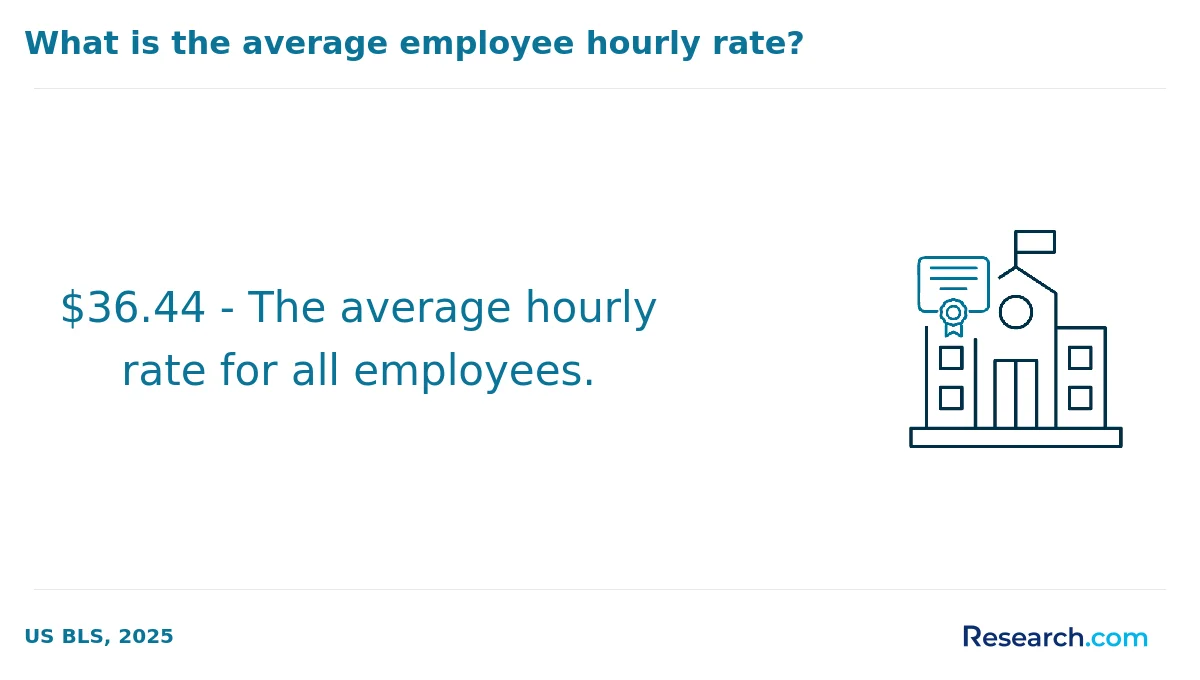
Students pursuing trade school certification programs in Illinois often find multiple financial aid options designed to ease their educational journey. Through the Free Application for Federal Student Aid (FAFSA), many graduates from schools like Midwest Technical Institute access Federal Pell Grants, which provide crucial, non-repayable funds based on financial need. Others rely on federal loans such as Subsidized and Unsubsidized Stafford Loans, helping them cover tuition with manageable repayment plans after graduation.
State-specific aid further brightens prospects, with Illinois residents qualifying for grants and scholarships by meeting residency and enrollment criteria. These options often require FAFSA completion plus additional paperwork, but offer much-needed support tailored to Illinois students.
Many trade schools actively offer internal scholarships and help students apply for external scholarships from industry groups; one recent year saw nearly $300,000 awarded to aspiring skilled trades workers in Illinois and Missouri. Graduates from these programs speak warmly of the relief and motivation these awards bring.
Additionally, employer tuition reimbursement programs, like those available to medical assisting students at MTI's Springfield campus, can cover up to $10,000. Veterans may tap into GI Bill benefits for certified fields like HVAC/R and welding. Private loans remain an option but carry higher risks, making school financial aid offices an essential ally for navigating funding choices.
Enrolling in a trade school certification program in Illinois generally requires meeting several clear prerequisites designed to support student success and workforce readiness. Graduates from popular Illinois trade schools often recall that the first step is holding a high school diploma or GED, ensuring a solid academic foundation.
Many students also find that being at least 18 years old is a must, aligning with labor laws, especially for programs involving apprenticeships or on-the-job training. For example, those entering pre-apprenticeship programs in Chicago often highlight how this age requirement helped them mature before starting hands-on work.
Residency can also be significant. Some applicants to Illinois Works and similar programs appreciate that being an Illinois resident often opens doors to state-funded opportunities, which makes pursuing training locally feel more accessible and community-driven.
- Possessing a high school diploma, GED, or state-authorized equivalency.
- Being at least 18 years old upon enrollment.
- Sometimes proving Illinois residency, especially for state-supported programs.
- Completing placement tests assessing reading and math readiness.
- Potential interviews or physical assessments for labor-intensive trades.
Many students recall placement tests as a useful way to identify areas for improvement before diving into technical studies, enhancing their confidence. Apprenticeship hopefuls often report that interviews provide chances to demonstrate passion and commitment beyond just grades. These practical prerequisites help ensure students feel prepared and excited to enter hands-on careers in fields from HVAC to construction across the state.
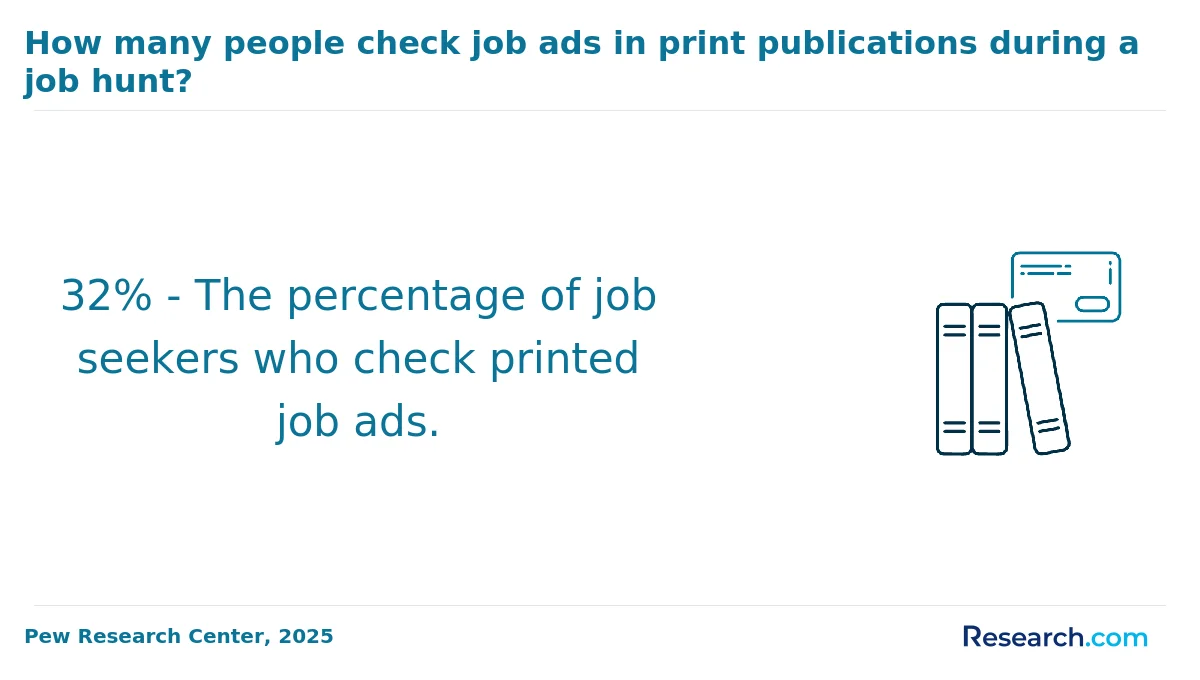
Trade school certificate courses in Illinois often focus on hands-on skills that prepare students for immediate employment in in-demand fields. Graduates from schools like Elgin Community College appreciate programs that combine classroom learning with practical experience in areas such as Arc Welding, Automotive Technology, HVAC, and CNC Programming. These programs often include apprenticeships, giving students confidence as they enter the workforce.
At institutions like the College of DuPage, students find a wide range of options including Automotive Service Technology, Certified Nursing Assistant, Welding, and Medical Billing, allowing individuals to tailor their training to specific career goals. Graduates frequently share how these courses create clear pathways to jobs thanks to up-to-date Illinois vocational certification program curriculum focused on industry needs.
Specialized trade schools also cater to focused interests; programs covering Electrical work, Solar Installation, Roofing, and Window & Door Installation emphasize safety and technical theory with hands-on practice. For those seeking quick certification, the cheapest carpentry training courses online offer flexible, affordable ways to gain essential skills in carpentry and related trades.
Choosing the best trade school certification program in Illinois means prioritizing accreditation to ensure your certificate holds real value. Graduates from well-accredited schools, such as those verified by the Higher Learning Commission or ACCSC, often share how it boosted their confidence when employers recognized their qualifications immediately. Aligning your chosen program with local industry demands can make a big difference; for example, programs focused on healthcare or technology in Illinois can lead to smoother job placement due to strong partnerships with regional employers.
Cost is another key factor. Many students find community colleges in Illinois offer affordable, flexible options, including online classes. Some have successfully completed affordable appliance repair technician programs online that balanced family and work commitments. These realistic scheduling possibilities help students stay motivated and succeed. Exploring Illinois trade school certification requirements will guide you further, especially when coupled with programs offering career services and internships to strengthen real-world skills while you study.
Finally, consider access to career resources and whether the school has established links with local businesses. A good trade school sets you up for success beyond the classroom, connecting you to apprenticeships or job openings that launch your career with ease.
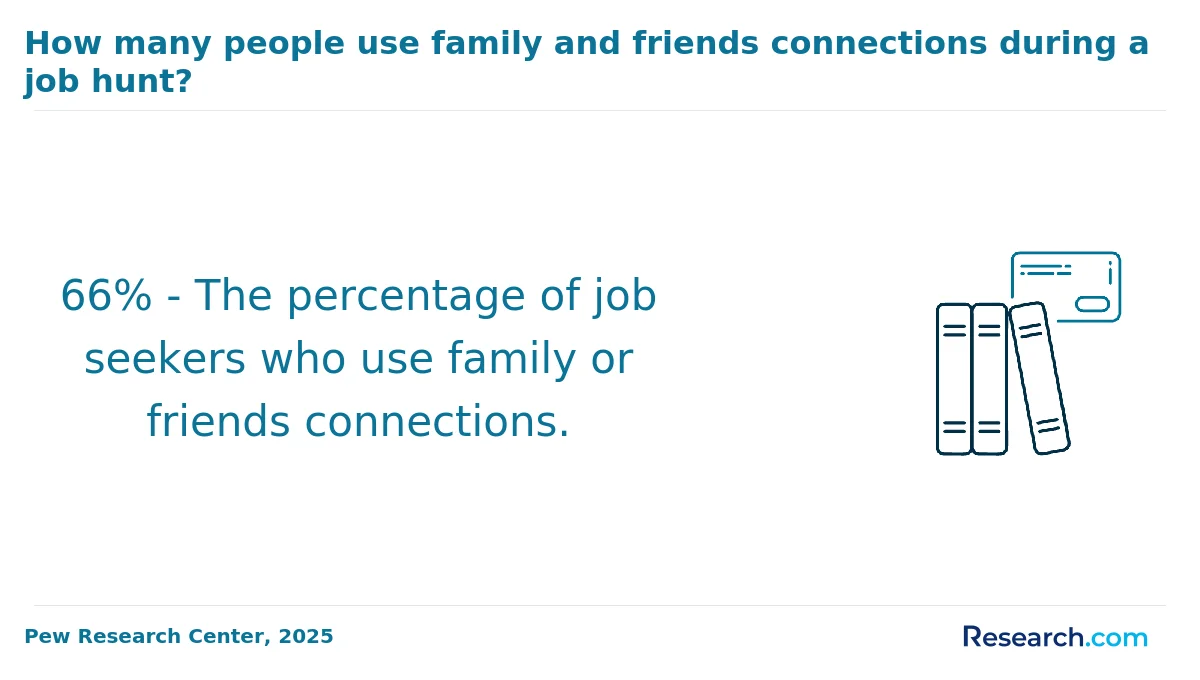
Graduates from trade school certification programs in Illinois experience a variety of career opportunities for trade school graduates in Illinois that align with the state's dynamic economy. Many find themselves thriving in manufacturing and industrial trades, working as HVAC technicians, CNC machinists, or welders, where their skills are in continual demand by local employers. These hands-on roles often lead to steady employment and pride in building essential infrastructure.
Others pursue careers in transportation and automotive technology, becoming automotive technicians or diesel mechanics. Graduates report satisfaction progressing from entry-level roles to supervisory positions, motivated by Illinois' bustling transport sector. Healthcare support roles such as dental assistant and licensed practical nurse remain attractive options, offering rewarding patient interactions and long-term career growth.
Additional graduates enter utilities and public infrastructure fields, supporting community safety as utility locators or contractor assistants. Trade schools across the state, from popular local options to online classes trade schools, tailor programs to employer needs, ensuring graduates gain relevant, practical expertise for high demand trade jobs in Illinois.
- Manufacturing and industrial trades: HVAC technician, welder
- Transportation and automotive: automotive technician, diesel mechanic
- Healthcare support: dental assistant, licensed practical nurse
- Utilities and public services: utility locator, contractor assistant
The job outlook for trade school graduates in Illinois is remarkably promising, driven by strong demand across construction, healthcare, manufacturing, and technical services. Graduates from popular Illinois trade schools frequently share how apprenticeship and certification programs at these institutions positioned them for immediate, well-paying employment. For instance, many construction apprentices completing union-affiliated programs earn between $49 and $52 per hour, reflecting solid financial success early in their careers.
Employment rates remain high due to ongoing workforce turnover and steady industry growth. Trade certification holders often report job stability and rewarding professional experiences, thanks to Illinois's 144 accredited trade schools and community colleges preparing them for fields such as HVAC, welding, and commercial truck driving. Students pursuing certification in these hands-on areas, especially in or near Chicago, benefit from a large regional job market that supports approximately 4.68 million workers.
Graduates also emphasize career flexibility and long-term earning potential, particularly in healthcare roles like diagnostic medical sonography, which requires only 2-3 years of training. Demand is expected to surge further, making investment in certificates a smart move. Those interested can explore options like affordable online hvac certification programs as a practical step toward entering this expanding job market.
- Strong union apprenticeship completion rates at 65% boost success.
- Career earnings for registered apprentices outpace non-participants by about $450,000.
- Construction jobs nationwide projected to grow by 154,900 annually, benefiting Illinois workers.
Most Affordable Certificate Programs - Leading Certification Courses in Illinois for 2026
# 1 position
Danville Area Community College - Nursing Assistant/Aide and Patient Care Assistant/Aide.
certificate or diplomaDanville Area Community College offers a hybrid Nursing Assistant/Aide and Patient Care Assistant/Aide program that prepares students to perform routine nursing-related services under supervision. The program's annual in-state tuition is $5,300. Graduates earn a median salary of $26,484 one year after completion. This program is accredited by the Higher Learning Commission, providing a credible pathway for students pursuing healthcare support roles in hospitals or long-term care facilities.
# 2 position
Danville Area Community College - Heating, Air Conditioning, Ventilation and Refrigeration Maintenance Technology/Technician.
certificate or diplomaDanville Area Community College offers a hybrid program in Heating, Air Conditioning, Ventilation and Refrigeration Maintenance Technology/Technician. This program prepares students to repair, install, service, and maintain HVAC and refrigeration systems using diagnostic techniques and testing equipment. Instruction covers mechanics, electricity, and electronics related to these systems. The annual in-state tuition is $5,300, and the program is accredited by the Higher Learning Commission.
# 3 position
Danville Area Community College - Industrial Mechanics and Maintenance Technology/Technician.
certificate or diplomaDanville Area Community College offers a hybrid Industrial Mechanics and Maintenance Technology/Technician program that trains students to repair and maintain various industrial machinery, including cranes, pumps, engines, and conveyor systems. The program’s annual in-state tuition is $5,300. It is accredited by the Higher Learning Commission, providing a recognized credential for students pursuing technical skills in industrial equipment maintenance and repair.
# 4 position
Danville Area Community College - Automobile/Automotive Mechanics Technology/Technician.
certificate or diplomaDanville Area Community College offers a hybrid Automobile/Automotive Mechanics Technology/Technician program designed to prepare students to repair, service, and maintain various automobile systems. The curriculum covers brake, electrical, engine, suspension, transmission, and heating and air conditioning systems. Annual in-state tuition is $5,300. The program is accredited by the Higher Learning Commission and provides some distance-education options for flexibility.
# 5 position
Danville Area Community College - Welding Technology/Welder.
certificate or diplomaDanville Area Community College offers a hybrid Welding Technology/Welder program designed to equip students with technical skills for joining or cutting metal surfaces. The curriculum covers arc welding, resistance welding, brazing, soldering, high-energy beam welding, and welding metallurgy. Students also learn about safety, structural design, applicable codes, and standards. The program is accredited by the Higher Learning Commission, with annual in-state tuition costing $5,300.
# 6 position
Danville Area Community College - Computer Numerically Controlled (CNC) Machinist Technology/CNC Machinist.
certificate or diplomaDanville Area Community College offers a hybrid Computer Numerically Controlled (CNC) Machinist Technology program that trains students to operate CNC machine tools, including lathes and mills. The curriculum covers CNC terminology, setup, programming, operations, troubleshooting, blueprint reading, technical mathematics, CAD/CAM systems, and safety practices. The program's annual in-state tuition is $5,300 and it is accredited by the Higher Learning Commission.
# 7 position
Danville Area Community College - Medical Insurance Coding Specialist/Coder.
certificate or diplomaDanville Area Community College offers a Medical Insurance Coding Specialist/Coder program with a hybrid format that includes some distance-education options. The program prepares students for specialized data entry, classification, and record-keeping related to medical diagnostic, treatment, billing, and insurance documentation. Tuition for in-state students is $5,300 annually. Graduates earn a median salary of $25,584 one year after completion. The program is accredited by the Higher Learning Commission.
# 8 position
Danville Area Community College - Medical Insurance Specialist/Medical Biller.
certificate or diplomaDanville Area Community College offers a hybrid Medical Insurance Specialist/Medical Biller program that prepares students to manage medical and health insurance operations in various healthcare settings. The curriculum covers insurance processes, law, office administration, software applications, billing, and medical terminology. The program is accredited by the Higher Learning Commission. Annual in-state tuition is $5,300, and median earnings one year after completion are approximately $25,584.
# 9 position
Danville Area Community College - Medical Administrative/Executive Assistant and Medical Secretary.
certificate or diplomaDanville Area Community College offers a hybrid Medical Administrative/Executive Assistant and Medical Secretary program that prepares students for roles supporting physicians, nurses, and healthcare administrators. The curriculum covers medical and business communications, terminology, healthcare operations, software applications, scheduling, and professional ethics. The program’s annual in-state tuition is $5,300, and graduates have median earnings of approximately $25,584 one year after completion. It is accredited by the Higher Learning Commission.
# 10 position
Danville Area Community College - Diagnostic Medical Sonography/Sonographer and Ultrasound Technician.
certificate or diplomaDanville Area Community College offers a Hybrid Diagnostic Medical Sonography/Sonographer and Ultrasound Technician program that prepares students to use medical ultrasound techniques for diagnostic purposes under physician supervision. The curriculum includes patient care, sonographic data processing, and equipment operation, emphasizing professional standards and ethics. The program is accredited by the Higher Learning Commission, with an annual in-state tuition of $5,300.
Frequently Asked Questions about trade school certificates
After completing trade school certification programs in Illinois, preparing for the job market involves several strategic steps. First, graduates should update and tailor their resumes to highlight specific skills gained through their programs. According to the Illinois Department of Employment Security, fields like healthcare, manufacturing, and skilled trades show strong demand for certified workers.
Next, leveraging connections made during training - including instructors and internship supervisors - can help in securing job opportunities. Many trade schools offer career services such as job placement assistance and resume workshops, which are valuable resources.
Additionally, obtaining relevant licenses or continuing education may improve employability. As reported by the U.S. Bureau of Labor Statistics, certifications often lead to higher wages and lower unemployment rates among trade school graduates.
Employers in Illinois highly value technical proficiency and practical skills demonstrated by trade school certification graduates. According to the Illinois Department of Employment Security, fields such as manufacturing, healthcare, and construction prioritize hands-on abilities relevant to their industries.
Strong problem-solving skills and adaptability are frequently cited as essential soft skills. A 2023 survey by the National Association of State Directors of Career Technical Education Consortium highlights that 72% of Illinois employers prioritize communication and teamwork alongside technical abilities.
Additionally, certifications that meet state safety and compliance standards improve employability, especially in electrical, plumbing, and welding trades.
Finding internships relevant to your trade school certification in Illinois begins with utilizing resources provided by your institution. Many Illinois trade schools have partnerships with local businesses that offer hands-on internship opportunities aligned with various fields such as manufacturing, healthcare, and automotive technology.
The Illinois Department of Employment Security (IDES) also provides listings and support for internships within the state, highlighting positions that can help students gain practical experience. Additionally, career fairs hosted by community colleges and vocational schools in Illinois are valuable for networking directly with employers seeking trade-skilled interns.
According to IDES data from 2023, industries like construction and electrical work reported over 2,000 internship openings statewide, reflecting the strong demand for skilled workers. Utilizing online job portals specifically focused on Illinois, such as the Illinois workNet system, can further aid in identifying current internship vacancies suited to your certification program.
Trade school certification programs in Illinois provide practical skills that enhance career mobility by preparing students for specific industries with high demand. According to the Illinois Community College Board, about 60% of job openings in the state require some postsecondary vocational training or certification rather than a four-year degree. These certifications often lead to quicker employment and higher starting salaries compared to candidates without credentials.
Moreover, certifications demonstrate verified expertise to employers, improving workers' chances for promotions and wage increases. The U.S. Bureau of Labor Statistics highlights that Illinois workers with trade certifications typically experience faster career advancement in fields like manufacturing, healthcare, and construction. This makes these programs a strategic option for individuals aiming to improve their economic standing within the state.
Part-time jobs in Illinois can effectively complement trade school certification programs by providing relevant work experience and income. For example, students in welding or HVAC programs often find part-time roles as apprentices or helpers in related industries, gaining hands-on skills beyond the classroom.
Retail and customer service positions are common flexible options, helping students develop communication skills. According to the Illinois Department of Employment Security, part-time employment in construction and manufacturing sectors grew by 4% in 2023, signaling opportunities for trade learners.
Healthcare certification students may work as nursing aides or medical assistants part time, benefiting both their resumes and practical knowledge. These roles offer exposure to real-world medical environments while accommodating class schedules and licensing requirements.
Yes, there are affordable degree programs available near Illinois, with numerous public universities and community colleges offering competitive tuition rates. Utilizing resources like Research.com can help identify the most cost-effective options in your area, making it easier to find a program "near me." Many of these institutions provide financial aid, scholarships, and flexible learning options to reduce the overall cost of education further.
- Most Affordable Certificate Programs - Leading Certification Courses in Missouri for 2026
- Most Affordable Certificate Programs - Leading Certification Courses in Kentucky for 2026
- Most Affordable Certificate Programs - Leading Certification Courses in Minnesota for 2026
- Most Affordable Certificate Programs - Leading Certification Courses in Ohio for 2026
- Most Affordable Certificate Programs - Leading Certification Courses in Nebraska for 2026
- Most Affordable Certificate Programs - Leading Certification Courses in Kansas for 2026
- Most Affordable Certificate Programs - Leading Certification Courses in South Dakota for 2026
- Most Affordable Certificate Programs - Leading Certification Courses in North Dakota for 2026
- Most Affordable Certificate Programs - Leading Certification Courses in West Virginia for 2026
- Most Affordable Certificate Programs - Leading Certification Courses in Georgia for 2026
- Trades Pathway | Chicago Hope Academy https://www.chicagohopeacademy.net/trades-pathway
- Certificate Program Application | The Higher Learning Commission https://www.hlcommission.org/accreditation/cycles-and-processes/substantive-change/new-educational-programs/certificate-program-application/
- 5 Tips for Getting Ready for a Job After Trade School - Techneeds https://www.techneeds.com/2022/05/12/5-tips-for-getting-ready-for-a-job-after-trade-school/
- Traditional vs Online Education - Which One Is Right For You? | Penn Foster https://www.pennfoster.edu/blog/traditional-vs-online-education
- College Graduate Skills for Employers | Entering the Job Market https://global.nmsu.edu/blog/general/skills-employers-look-for-in-college-grads/
- The top trade skills in demand by employers in 2025 https://standtogether.org/stories/future-of-work/top-trade-skills-in-demand-by-employers
- 37 Careers You Can Pursue Via Trade Schools https://www.best-trade-schools.net/careers/
- Trade Schools, What Are The Benefits - InterCoast Colleges https://intercoast.edu/articles/benefits-of-trade-schools/
- Are Online Trade Schools Worth It? - Center for Employment Training https://cetweb.edu/blog/are-online-trade-schools-worth-it
- Trades Careers Start Here! - Lake Land College https://www.lakelandcollege.edu/trades/