Best Trade School & Training Programs - Leading Certification Courses in Lynchburg for 2026

Co-Founder and Chief Data Scientist
If you’re exploring career paths in Lynchburg, trade schools offer valuable opportunities to gain practical skills quickly. This article introduces the best trade schools in Lynchburg for 2026, featuring a detailed trade school programs ranking created by the Research.com team of data scientists.
Our goal is to help you make an informed choice by highlighting programs that stand out for quality and outcomes. Earning a trade school diploma or certification can open doors to rewarding careers and personal growth. We’re here to guide you toward possibilities that match your goals and passions.
Key benefits of finishing trade school programs trade school in Lynchburg
- Trade school graduates in Lynchburg can earn between $20 and $43 per hour, with careers in skilled trades, healthcare, and technology offering salaries from about $35,000 to over $128,000 annually, showing strong earning potential.
- Popular career paths for graduates include electrical, plumbing, HVAC, nursing, medical assisting, and advanced manufacturing, giving a variety of options to match different interests and strengths.
- Online trade school programs give flexibility, allowing students to learn at their own pace and balance work or family, often finishing faster and saving money compared to traditional on-campus education.
- Best Trade School & Training Programs - Leading Certification Courses in Lynchburg for 2026
- What can I expect from trade school programs trade schools in Lynchburg?
- Where can I work after finishing trade school programs trade schools in Lynchburg?
What can I expect from trade school programs trade schools in Lynchburg?
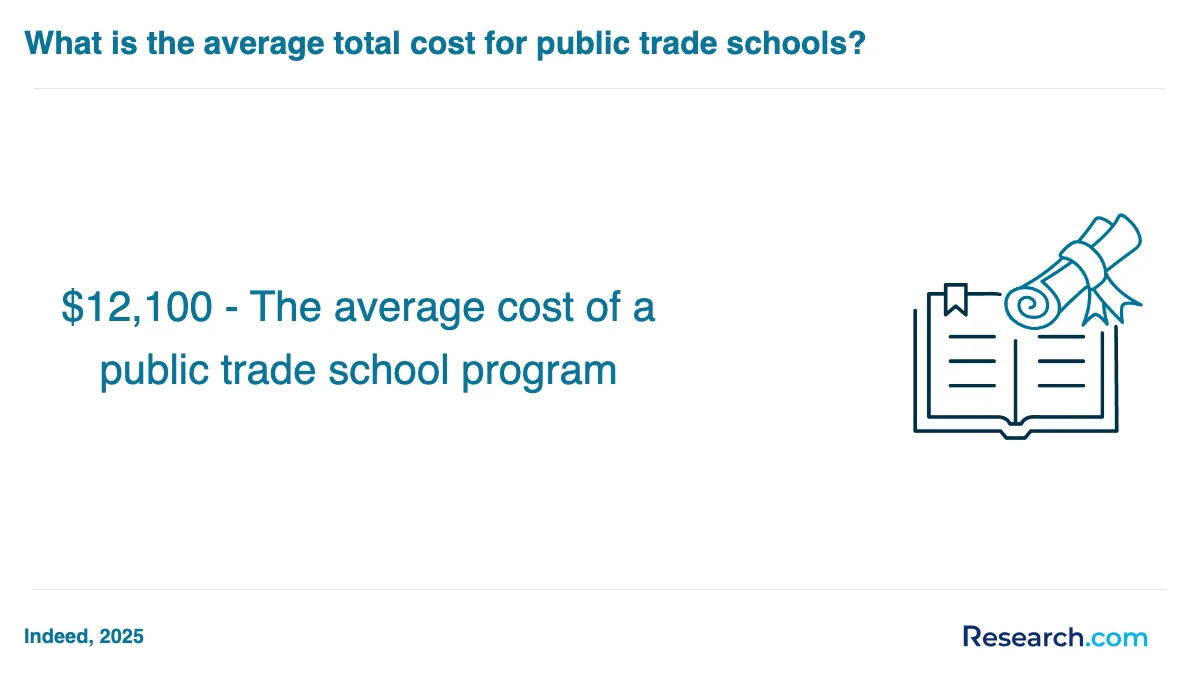
The average cost of a trade school program in Lynchburg generally hovers around $4,000, making it an affordable choice for many students looking to jump into skilled careers quickly. Graduates often share that this investment feels worthwhile, especially compared to traditional four-year degrees, as they gain hands-on experience without piling up debt.
At popular schools like Central Virginia Community College, students find themselves working directly on projects like plumbing installations or automotive repairs from day one, which makes learning feel practical and exciting. One graduate recalled feeling confident walking out with an industry-recognized certification, knowing local employers value skills proven by credentials such as NCCER.
Trade programs here usually last from a few weeks up to two years. Many students appreciate the smaller class sizes and personal guidance from instructors, which helps them stay motivated and build real connections. Whether it's in HVAC, welding, or electrical work, graduates often describe their experience as both challenging and rewarding, with clear career pathways ahead.
Where can I work after finishing trade school programs trade schools in Lynchburg?
After finishing a trade school program in Lynchburg, many graduates find themselves stepping into roles that feel both rewarding and stable. For instance, some quickly land jobs in manufacturing, working as machinists or maintenance personnel in local factories where their hands-on skills make a real difference every day. Others tell stories of starting apprenticeships with manufacturing companies that not only pay them while they learn but also open doors to long-term careers.
Health care is another big area, especially for graduates who earn licenses like LPNs or certifications as medical assistants. Graduates often share how rewarding it feels to work in nearby hospitals or clinics, helping patients and building a career they love.
Mechanics and skilled trades-like electricians and HVAC techs-are hotspots too. Graduates from Lynchburg's trade schools often describe how exciting it is to troubleshoot real-world problems on the job, whether fixing a car or wiring a house, with several employers actively hiring and offering apprenticeship paths.
Local resources like Virginia Career Works - Lynchburg Center also help graduates connect with these employers, making the job hunt less daunting and more hopeful.
After finishing a trade school program in Lynchburg, you can expect to start making a solid income right away. Graduates from local programs, like those at Central Virginia Community College's CTE Academy, often land jobs paying up to $70,000 in their first year. Imagine stepping out of school and straight into a Restoration Technician role making around $62,914 annually-that's a real number here in Lynchburg.
Other trades like maintenance techs might start a bit lower, around $2,024 per month, but with skills and certifications picked up on the job, your paycheck grows fast. Many grads tell stories of quickly moving up and grabbing overtime hours, pushing their income toward six figures, which beats the slow climb many face with traditional degrees.
Plus, the absence of college debt means that paycheck feels even sweeter. Local employers in Lynchburg are eager to hire skilled workers in HVAC, electrical, and industrial maintenance, so there's plenty of opportunity to find a job that fits your skills and lifestyle.
- Trade school programs in Lynchburg offer training in healthcare, automotive, HVAC, plumbing, electrical work, carpentry, mechatronics, and manufacturing.
- Most programs can be completed in under two years, with costs around $4,000 for the entire program, excluding extra fees for materials or exams.
- Learning formats include on-site classes, hybrid options, and some programs allow high school students to earn dual credit.
- Entry-level salaries typically range from $35,000 to $50,000 annually, with experienced tradespeople earning over $60,000 in fields like mechatronics and licensed electrical work.
- Admission usually requires a high school diploma or equivalent, with some programs needing additional checks or assessments.
- Many schools are recognized by Virginia's Board for Contractors and offer credentials like journeyman's licenses and national certifications.
If you're wondering how long it takes to finish a trade school program in Lynchburg, the answer varies but usually won't keep you tied down for long. Many local programs, like those at Central Virginia Community College or Liberty University, wrap up within a few weeks to two years, which means you can jump into your new career pretty quickly.
Some graduates share how they completed short-term certificate courses in just a few months, gaining hands-on skills in welding or HVAC that helped them land jobs fast. Others chose the two-year associate degree route for a deeper dive, like in carpentry or electrical studies, combining classroom learning with real-world training.
What's great is that these programs are designed for busy folks, offering options whether you study full-time or part-time. So whether you want to build a new skill quickly or take your time learning everything, Lynchburg trade schools offer paths that fit your pace and life.
When you're deciding between online and on-campus trade school programs in Lynchburg, it really comes down to how you want to learn and what fits your lifestyle. Online programs, like those at Liberty University, let you study from anywhere, so if you're juggling work or family, you can watch lectures and do assignments on your own schedule. Graduates often mention how freeing it was to keep up with classes without the stress of commuting, plus they still had chances to do local internships to get hands-on experience.
On the flip side, if you want to dive straight into the physical side of things-like welding, HVAC, or plumbing-attending on-campus classes at places like Virginia Technical Institute might feel more rewarding. Students there love being in a workshop setting, working directly with instructors and professional tools, getting instant feedback. It's that face-to-face time that really boosts confidence and skill, especially in trades where being hands-on is key.
Both options in Lynchburg come with supportive advisors and help finding internships, so whether you want that flexible pace or the energy of in-person learning, you're covered.
The average trade school tuition Lynchburg VA can vary quite a bit depending on the program and school you choose. But if you're looking at popular options like Central Virginia Community College, you're in for some good news. Full-time in-state students pay around $5,319 per year, which is a fraction of what many private trade schools in Virginia charge. Out-of-state students, meanwhile, can expect to pay about $11,832. Graduates often share how this affordability made pursuing their passions in areas like welding or HVAC without drowning in debt feel within reach.
But when you're budgeting, it's smart to look beyond tuition. The Lynchburg trade school cost breakdown includes textbooks, supplies, and living expenses. For example, books and supplies at Central Virginia Community College usually run about $2,087 yearly. Total annual living costs might push your expenses just over $20,000 if you live with family or close to $24,536 if you rent on your own. Those realistic numbers help students understand the full picture and plan accordingly.
Many students appreciate that trade school costs in Lynchburg can be comparable or lower than other local colleges, especially given the hands-on skills and quicker entry into stable careers. If you're exploring trade jobs and want clear insights into costs, checking out resources like trade jobs can be a helpful step.

Trade school students in Lynchburg have several financial aid options that can make tuition feel a lot more manageable. For starters, nearly all students submit the FAFSA to tap into federal grants and loans. One graduate from a local technical school shared how a Pell Grant combined with a subsidized loan covered a big chunk of their costs, so they didn't have to stress about bills while studying.
Virginia residents also get a boost from state aid like the Virginia Tuition Assistance Grant (VTAG). This can offer up to $5,250 a year for eligible students attending full-time-not just at colleges but some trade schools too. A recent CVCC student mentioned how VTAG helped them fund their welding certificate program, making it feel truly within reach.
Beyond these, community programs like the Lynchburg Beacon of Hope have invested heavily in scholarships, supporting graduates who want to stay close but go far with their trades. Connecting with your trade school's financial aid office in Lynchburg can unlock even more tailored support, making chances of affordable education brighter than ever.
If you're thinking about enrolling in a trade school program in Lynchburg, there are a few key things you'll need to have ready. Most schools ask for proof that you've finished high school, either a diploma or a GED. For example, graduates from Liberty University's Technical Studies program recall how submitting official transcripts was the first big step in their journey.
Many programs, like those at Virginia University of Lynchburg, expect you to have at least a 2.0 GPA or a GED score of 530. Transfer students usually need a similar college GPA of 2.0 to qualify.
Aside from that, here's what else you can expect:
- Filling out an admission application and sometimes writing an essay to show why you're motivated for the trade you want to learn
- Providing official transcripts if you've attended college before
- Proving residency with documents like utility bills, especially if you want access to local scholarships or tuition assistance
- Completing the FAFSA form to open doors for financial aid, such as the Lynchburg Stay Close, Go Far Promise Scholarship
Some schools even like to have a quick chat with you to see if you're a good fit personally and to make sure you understand the program. It's all about helping you succeed and feel confident the moment you start your technical education.
Trade schools in Lynchburg offer a range of courses that prepare you for hands-on careers that are in high demand right now. Graduates often tell how courses like Carpentry I, II, and III gave them the confidence to read blueprints and handle real construction sites safely. Drafting classes, both mechanical and architectural, teach skills you'll actually use on the job.
If manufacturing or mechanical work is your thing, you'll find courses in Machine Tool & Quality, Heavy Equipment Operation, and Mechatronics. One graduate shared how mechatronics classes helped them understand robotics and electronics, making them ready for advanced factory work.
Other popular trades include plumbing and electrical, where you learn installation, troubleshooting, and safety codes. Welding technology is a favorite too, with practical metal fabrication training that opens doors to many entry-level jobs.
- Healthcare and automotive courses offer specialized skills for growing fields.
- Business and tech classes like accounting and programming help widen career options.
Studying in Lynchburg means learning with tools, not just textbooks, making it easier to jump straight into your chosen career.
If you're looking at trade school programs in Lynchburg, you'll find a range of hands-on specializations tailored to local job markets. Graduates from places like Virginia Technical Institute and Liberty University often share how practical skills in carpentry, plumbing, electrical work, welding, and HVAC have opened doors to steady careers. For instance, many students appreciate Liberty's Associate of Applied Science in Technical Studies, where they can dive into multiple trades and even gain certifications from industry leaders like NCCER.
There's also a growing interest in advanced manufacturing fields at Central Virginia Community College. Programs in mechatronics, robotics, and machine tool quality control combine mechanical, electronic, and computer training, making learning exciting and directly applicable to today's factories and tech-heavy workplaces.
Other popular options include healthcare roles like dental assisting, automotive technology, and business management. A lot of students find the programs affordable and quick, often wrapping in just a few weeks to two years.
Many who start in Lynchburg's trade programs are also exploring the best online hvac certificate options to boost their credentials and work flexibility, taking advantage of resources and programs tailored for real-world success.
When choosing the best trade school programs in Lynchburg, start by focusing on what trade excites you-whether it's plumbing, HVAC, or welding. Graduates often share how hands-on training at places like Liberty University's partnership with Virginia Technical Institute made all the difference, prepping them for real jobs right away. It's smart to compare trade school costs in Lynchburg too, since tuition can vary but generally hovers around $4,000, making these programs affordable for many.
Accreditation matters a lot here. Schools approved by trusted agencies like SACSCOC ensure your certificate is respected by employers. Many students find that programs with strong ties to local unions or businesses offer better job opportunities after graduation. Checking admission rules is easy-usually a high school diploma is enough, but some programs want extra documents.
If budget is a concern, explore scholarships and financial aid, and don't miss out on resources like cheap electrician trade school programs online to save even more.

Trade school graduates in Lynchburg find plenty of career opportunities for trade school graduates in Lynchburg, especially in skilled trades jobs in Lynchburg VA. Many graduates share how hands-on programs at local community colleges or Virginia Technical Institute helped them step right into jobs as electricians, plumbers, or HVAC technicians. These careers offer solid stability and great starting points, sometimes earning certifications like NCCER or state licenses in just months to a couple of years.
Healthcare is another booming path-graduates from Lynchburg City Schools' dental careers program often start working immediately as dental hygienists or medical assistants, which feels rewarding and dependable. Beyond trades and healthcare, students have also found success in business management, multimedia, and IT roles, where skills like accounting and web technologies open doors to office or entrepreneurial jobs.
Many students appreciate how programs are tailored to local needs; for example, new heavy equipment operator training reflects growing construction demand. For those curious about the highest paid trade jobs, Lynchburg's schools offer a practical route to gainful employment that matches today's job market.
The trade school job opportunities in Lynchburg are looking really promising right now. Graduates from popular local programs, like those at Central Virginia Community College's Career and Technical Education Academy, often share how quickly they land jobs in fields such as manufacturing, electrical work, plumbing, and welding. Many employers here are actively looking to fill skilled trades roles, so the competition for decent openings isn't overwhelming, which feels reassuring for new grads.
Many alumni find themselves stepping into roles like Licensed Practical Nurses, Maintenance Technicians, or Master Electricians almost immediately after finishing their programs. The wages are pretty competitive too, often starting between $16 and $37 an hour depending on the trade and experience.
What's extra helpful is the state offers programs like G3 and FastForward that help cover tuition, making it easier for students to dive into high-demand careers without a mountain of debt. Plus, Lynchburg's numerous job fairs let students connect directly with employers seeking skilled workers.
For those considering programs further afield, there are also options like the most affordable online electrical lineworker trade school programs, providing flexibility while securing good employment prospects.
Overall, the Lynchburg skilled trades employment outlook is bright, with a clear pipeline from education to rewarding local work opportunities in skilled trades.
Best Trade School & Training Programs - Leading Certification Courses in Lynchburg for 2026
# 1 position
Central Virginia Community College - Welding Technology/Welder.
certificate or diplomaThe Welding Technology/Welder program at Central Virginia Community College offers a hybrid format with some distance-education options. The program prepares students to apply technical skills in various welding methods, including arc welding, resistance welding, and brazing. Tuition for in-state students is $4,998 annually. Graduates earn a median salary of $37,281 one year after completion. The program is accredited by the Southern Association of Colleges and Schools Commission on Colleges.
# 2 position
Central Virginia Community College - Electrician.
certificate or diplomaCentral Virginia Community College offers a hybrid Electrician program that prepares students to install, operate, maintain, and repair electric apparatus and systems, including residential, commercial, and industrial wiring. The curriculum covers electronics, electrical systems, power transmission, safety, job estimation, testing, inspection, and relevant codes and standards. Annual in-state tuition is $4,998. The program is accredited by the Southern Association of Colleges and Schools Commission on Colleges.
# 3 position
Central Virginia Community College - Computer and Information Sciences, General.
associateCentral Virginia Community College offers a hybrid Computer and Information Sciences, General program focusing on computing, computer science, and information systems. The program is accredited by the Southern Association of Colleges and Schools Commission on Colleges. Annual in-state tuition is $4,998. This program provides flexible learning options with some distance-education components, designed for those seeking a comprehensive foundation in general computing and information science topics.
# 4 position
Central Virginia Community College - Heating, Air Conditioning, Ventilation and Refrigeration Maintenance Technology/Technician.
certificate or diplomaCentral Virginia Community College offers a hybrid Heating, Air Conditioning, Ventilation and Refrigeration Maintenance Technology/Technician program. It prepares students to repair, install, service, and maintain heating, air conditioning, and refrigeration systems. The curriculum includes diagnostic techniques, testing equipment use, and principles of mechanics, electricity, and electronics related to system repair. Annual in-state tuition is $4,998. The program is accredited by the Southern Association of Colleges and Schools Commission on Colleges.
# 5 position
Central Virginia Community College - Criminal Justice/Law Enforcement Administration.
associateCentral Virginia Community College offers a Criminal Justice/Law Enforcement Administration program with a hybrid format, including some distance-education options. The program prepares students for leadership roles in public law enforcement agencies by covering topics such as law enforcement history, operational command leadership, labor relations, and legal responsibilities. Annual in-state tuition is $4,998. Graduates have median earnings of approximately $26,940 one year after completion. The program is accredited by the Southern Association of Colleges and Schools Commission on Colleges.
# 6 position
Liberty University - Legal Assistant/Paralegal.
associateThe Legal Assistant/Paralegal program at Liberty University prepares students to support attorneys through research, drafting, investigatory, and record-keeping tasks. The curriculum covers legal research, document drafting, pleading, courthouse procedures, and legal specializations. Annual in-state tuition is $21,222. Graduates have median earnings of $45,452 one year after completion. The program is accredited by the Southern Association of Colleges and Schools Commission on Colleges.
# 7 position
Liberty University - Criminal Justice/Safety Studies.
associateThe Criminal Justice/Safety Studies program at Liberty University examines the criminal justice system, its organization, and legal and public policy aspects. The curriculum includes criminal law, police and correctional systems, administration of justice, judiciary, and public attitudes toward criminal justice. The program is accredited by the Southern Association of Colleges and Schools Commission on Colleges. Annual in-state tuition costs $21,222, and median earnings one year after completion are $43,287.
# 8 position
Liberty University - Accounting.
associateLiberty University offers an Accounting program designed to prepare students for the accounting profession and related business functions. The curriculum includes principles and theory of accounting, financial and managerial accounting, cost and tax accounting, auditing, and business information systems. The program is accredited by the Southern Association of Colleges and Schools Commission on Colleges. Annual in-state tuition is $21,222, and median earnings one year after completion are $40,500.
Frequently Asked Questions about trade school programs
Preparing for the job market after completing trade school in Lynchburg involves several key steps. First, students should focus on obtaining relevant certifications and licenses, which are often required for skilled trades in Virginia. According to the U.S. Bureau of Labor Statistics, trade occupations with certifications tend to have higher employment rates and wages. Secondly, building a strong resume that highlights technical skills and hands-on experience gained during training is essential. Networking with local employers through job fairs and apprenticeships can provide valuable contacts. The Virginia Employment Commission reports that Lynchburg has growing demand in construction, automotive, and healthcare trades, offering opportunities for graduates. Finally, practicing interview skills and continuing education can improve job prospects significantly.
Employers in Lynchburg prioritize a mix of technical expertise and soft skills when hiring trade school graduates. According to the Virginia Employment Commission, proficiency in hands-on abilities like welding, electrical work, and HVAC repair ranks highly due to local industry demands.
Beyond technical skills, communication and teamwork are vital. A 2023 survey by the National Skills Coalition found 78% of employers value effective communication and problem-solving for trade positions. Punctuality and a strong work ethic also frequently appear on Lynchburg job postings.
Adaptability is increasingly important as technology evolves in trades. Graduates who can learn quickly and adjust to new systems tend to succeed in Lynchburg's competitive job market.
Finding internships in Lynchburg that align with your trade school program involves several strategic steps. Start by consulting your trade school's career services office, as many schools partner with local businesses to offer internship opportunities. According to the Lynchburg Regional Chamber of Commerce, many employers in manufacturing, healthcare, and construction actively seek interns from trade programs.
Additionally, websites like Handshake and Indeed feature locally posted internships in Lynchburg, often specifically targeting trade skills. Networking through local trade associations and attending job fairs hosted by the Central Virginia Workforce Development Board can also connect you with employers seeking interns.
Engaging with local unions or apprenticeships can further broaden your options, particularly in skilled trades such as electrical or plumbing fields, which are well-established in the Lynchburg area.
A trade school diploma in Lynchburg can significantly enhance career mobility by equipping students with practical skills tailored to local industry demands. According to the Virginia Community College System, graduates from trade programs in Lynchburg's technical fields often find jobs within six months of completion, reflecting strong employer connections. Such diplomas provide specialized training in areas like healthcare, automotive technology, and construction, which are critical to Lynchburg's labor market.
Moreover, trade school graduates typically experience upward mobility through apprenticeships and certifications, enabling advancements to supervisory or skilled technician roles. The U.S. Bureau of Labor Statistics shows that trade-related occupations projected a 7% growth nationally through 2031, underlining stable career prospects for Lynchburg students holding diplomas.
Part-time job opportunities in Lynchburg that complement trade school education often align with the skills students develop during their studies. For example, students in automotive technology programs may find part-time roles at local repair shops or dealerships. Similarly, those in healthcare-related trade programs can assist as medical aides or administrative staff in clinics, gaining practical experience. According to the Virginia Employment Commission, Lynchburg's retail and healthcare sectors offer the bulk of part-time jobs, with a median hourly wage of $12 to $17, suitable for trade students seeking relevant work.
Yes, there are several esteemed degree programs available near Lynchburg, VA, offered by local universities. Institutions such as Liberty University and the University of Lynchburg provide a variety of undergraduate and graduate programs in fields like business, education, and science. For those researching the best degree programs specifically near Lynchburg, VA or "near me," consulting resources like Research.com can provide additional guidance on program rankings and reputation.
- Best Trade School & Training Programs - Leading Certification Courses in Akron for 2026
- Best Trade School & Training Programs - Leading Certification Courses in Florence for 2026
- Best Trade School & Training Programs - Leading Certification Courses in Hamburg for 2026
- Best Trade School & Training Programs - Leading Certification Courses in Adrian for 2026
- Best Trade School & Training Programs - Leading Certification Courses in Angola for 2026
- Technical Studies Associate Degree | Liberty University https://www.liberty.edu/residential/casas/associate/technical-studies/
- Skilled Trades | Central Virginia Community College https://centralvirginia.edu/programs-classes/skilled-trades