
Best Trade School & Training Programs - Leading Certification Courses in Iowa Falls for 2026

Co-Founder and Chief Data Scientist
Choosing the right trade school in Iowa Falls can shape your future career and open new opportunities. This article introduces a trade school programs ranking created by the Research.com team of data scientists to guide you through the best options available for 2026.
Whether you’re seeking a diploma or certification, exploring these programs can help you find quality education that fits your goals. Reading this article will give you confidence in making an informed decision about your education and career path.
Discover a rewarding journey with valuable skills that lead to success.
Key benefits of finishing trade school programs trade school in Iowa Falls
- Expected salary: Trade school graduates in Iowa Falls can earn around $63,000 annually on average, with wages ranging from $47,400 to $76,600 depending on the trade and experience, and top earners making up to $93,926.
- Popular career paths: Common in-demand jobs include welding, electrical work, and HVAC, offering strong job security and steady employment opportunities in this region.
- Online diploma benefits: Earning a trade certification online offers flexibility for busy students and allows graduates to start working sooner, balancing education with personal commitments effectively.
- Best Trade School & Training Programs - Leading Certification Courses in Iowa Falls for 2026
- What can I expect from trade school programs trade schools in Iowa Falls?
- Where can I work after finishing trade school programs trade schools in Iowa Falls?
What can I expect from trade school programs trade schools in Iowa Falls?
Understanding the average cost of a trade school program in Iowa Falls often brings relief to many prospective students. Tuition tends to be significantly more affordable than traditional four-year colleges, with many programs ranging from a few thousand to around $10,000, depending on the field and duration. Graduates from local institutions like Ellsworth Community College recall how manageable the expenses were, often supplemented by scholarships or financial aid, making their investment feel both smart and achievable.
Students appreciate that this cost covers hands-on learning with up-to-date equipment and personalized attention from instructors who deeply understand their trades. One reported feeling confident entering the workforce after completing a welding program that lasted less than a year without the financial burden of debt looming over them. Another mentioned how the blend of classroom instruction and real-world training sped up their path to steady employment, especially with local employers involved in internships and job placements.
Overall, the cost-to-value ratio at Iowa Falls trade schools is a major draw, with affordable tuition serving as a gateway to in-demand careers that reward both skill and dedication.
Where can I work after finishing trade school programs trade schools in Iowa Falls?
Graduates from trade schools in Iowa Falls often step directly into rewarding careers that reflect the region's strong need for skilled workers. For instance, many who complete welding programs at Ellsworth Community College find themselves employed in local fabrication shops or construction sites, where their hands-on skills are immediately valued. These roles offer the satisfaction of building and repairing essential structures, fueling a sense of pride in tangible accomplishments.
Others discover steady opportunities as building custodians or food service workers within schools and healthcare centers, roles that keep communities running smoothly and foster a sense of belonging. Graduates trained in office administration often land part-time roles as administrative assistants or bookstore associates at local institutions like Ellsworth, blending practical skills with flexible schedules.
Workforce initiatives such as the Iowa Industrial New Jobs Training Program open pathways into manufacturing and logistics sectors, providing on-the-job training that turns vocational knowledge into career growth. These varied paths show that completing a trade program in Iowa Falls can lead to meaningful work rooted in local industries and community connection.
After finishing a trade school program in Iowa Falls, many graduates find themselves earning competitive wages that can exceed expectations. For instance, a recent graduate from one of Iowa Falls' well-known trade schools shared how starting as an HVAC technician brought in a steady income close to $50,000 annually right out of school. This proved enough to cover living expenses and still save for important goals.
The local job market supports median annual salaries around $75,000 for skilled trades in Iowa Falls, often higher than the statewide average. Electricians or welders who built their skills at community colleges or technical schools here reported earnings comfortably above $60,000, sometimes reaching $90,000 with experience.
Imagine working as an industrial production manager-graduates from advanced trade programs in Iowa have found themselves earning over $110,000, illustrating how trade skills can lead to lucrative careers. Many new trade professionals gain not just income but also pride and job security in thriving local industries.
- Most trade schools require a free online application with official high school or HSED transcripts, and sometimes placement test scores like ACT or Accuplacer.
- Programs typically last one to two years and cover fields such as healthcare, welding, construction, electrical technology, business, and aviation.
- Annual tuition and fees for community college programs in Iowa range from $4,000 to $6,000, with total costs between $8,000 and $15,000 for certificates or associate degrees.
- Many students qualify for federal or state financial aid by submitting the FAFSA, and local scholarships may also be available.
- Entry-level salaries for skilled trades start around $35,000 to $45,000 per year, with experienced workers earning $55,000 to $60,000 or more.
Completing a trade school program in Iowa Falls varies depending on the credential and field you choose, but many find the timelines encouragingly swift. Graduates from Hawkeye Community College often share how obtaining a Bookkeeping Specialist certificate in just 2 months propelled them quickly into new job opportunities. Others who chose diploma programs, like automotive technology, experienced about 9 months to 1 year of full-time study-enough time to build solid skills without delaying career progress.
For those pursuing an associate degree, the commitment stretches to roughly 2 years, as seen with programs like the Automotive Technology AAS or Associate Degree Nursing at local colleges. Iowa Lakes Community College's 3-term Construction Technology Diploma, around one year, offers a flexible pace, helping students balance education with life's demands.
These trade schools understand the urgency of launching a career, offering accelerated options and summer sessions that brighten the path for many eager learners in Iowa Falls.
Online trade school programs in Iowa Falls offer remarkable flexibility, allowing students to study from home while balancing work and family. Many adult learners find this remote model ideal, connecting with instructors through virtual chats and discussion boards. Imagine a parent juggling shifts and lessons without the stress of commuting. Students often appreciate online academic advising and career services that help polish resumes and prepare for interviews, making distant learning feel surprisingly personal and supportive.
On the other hand, on-campus programs at places like Ellsworth Community College immerse students in a hands-on environment crucial for trades like welding or automotive repair. Graduates recall the thrill of working directly with specialized equipment and receiving instant feedback during live demonstrations. The face-to-face interactions fuel confidence and skill development that some find hard to replicate online.
Both pathways share similar tuition costs, but online study can ease expenses by eliminating travel and housing. Ultimately, the choice hinges on whether you thrive with in-person guidance or need the freedom of a digital classroom in Iowa Falls.
The average trade school cost in Iowa Falls offers a surprisingly affordable path compared to many other regions. For instance, Ellsworth Community College, a well-known institution here, charges an in-state tuition of $4,680 and out-of-state tuition at $5,688 for the 2025 academic year. Graduates often mention how this lower tuition, combined with fees of $624 and estimated yearly expenses of $1,300 for books and supplies, makes pursuing a trade program feel financially achievable. Living on campus adds to expenses-with room, board, and other costs bringing the total to around $20,804 annually-but many students choose to live off-campus or commute, which significantly reduces their overall outgoings.
When exploring Iowa Falls trade school tuition and fees more broadly, the statewide average typically ranges between $15,290 and $16,941 per year. This variance reflects differences in program length, specialty, and institutional costs while emphasizing that Iowa Falls remains a budget-friendly option. Trade school graduates frequently describe budgeting carefully, taking advantage of federal aid, state grants, and scholarships to ease their financial burden. Interestingly, about 44% of Ellsworth students take out loans averaging $4,955 yearly, a consideration that helps many realize their career goals without overwhelming debt.
Looking beyond tuition and fees, real-world student experiences highlight the importance of weighing overall living expenses and supplies. Many appreciate how thoughtful financial planning can turn the dream of skilled employment into reality. For those motivated by financial security and job prospects, exploring trades that pay well can make the investment even more worthwhile.
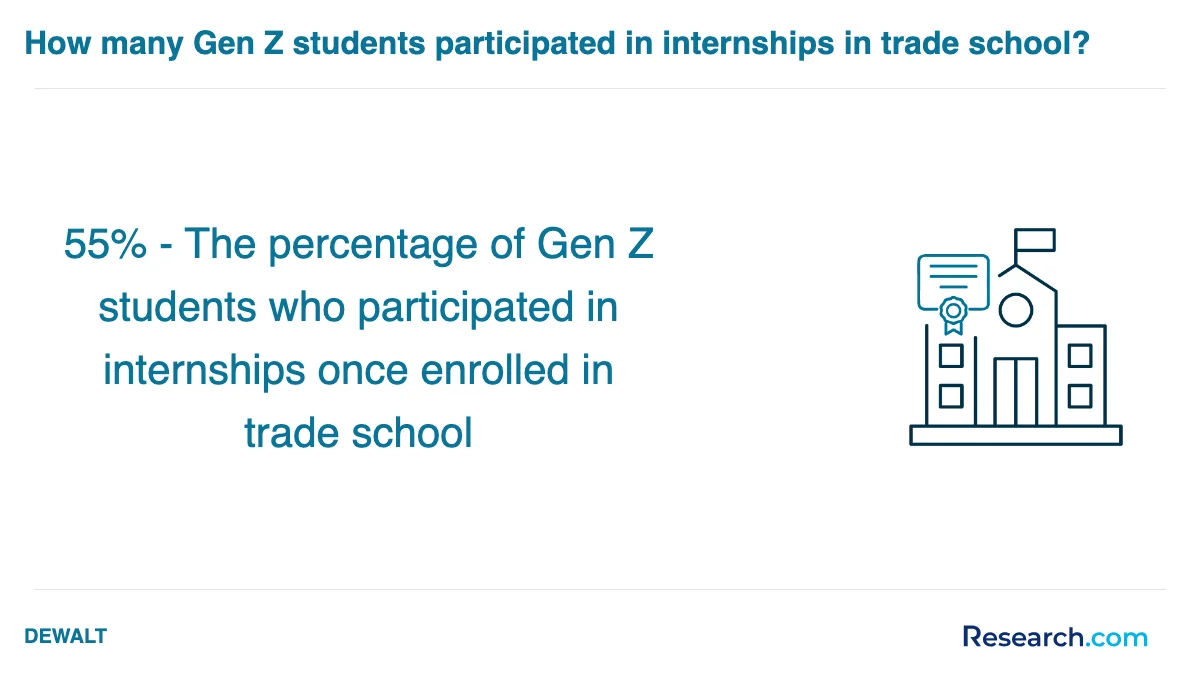
Trade school students in Iowa Falls often find powerful financial aid resources that transform their educational dreams into reality. Many participants at popular schools like Iowa Central Community College recount how completing the FAFSA was their essential first move, unlocking access to federal grants like the Pell Grant, which covers critical costs such as tuition and textbooks without the stress of repayment.
Others share relief when receiving state-specific aid like the Kibbie Grant, which can provide up to $3,000 annually for residents enrolling in eligible technical programs. Imagine balancing school and work while the Iowa Vocational-Technical Tuition Grant helps cover fees, easing financial pressure by offering up to $1,200 yearly.
Some graduates emphasize the reassurance given by the All Iowa Opportunity Scholarship, which can significantly offset expenses and is renewable through multiple semesters if you keep up with FAFSA submissions. For students tackling high-demand careers, the Future Ready Iowa Last-Dollar Scholarship can even cover remaining tuition, making tech training in Iowa Falls more accessible than ever.
Adding to this, local trade schools often provide their own scholarships, rewarding merit or financial need-giving students personal motivation and community support as they pursue hands-on careers.
To enroll in a trade school program in Iowa Falls, securing a high school diploma or GED equivalent is essential. Graduates often recall the relief and pride when submitting their official transcripts, much like those attending local community colleges such as Des Moines Area Community College (DMACC), which requires notarized copies if originals aren't available. This credential is your first tangible step toward hands-on skills and a brighter career path.
Transfer students find that bringing all transcripts from previous postsecondary schools is a critical hurdle. One graduate shared how navigating commercial evaluation services for international credits, while pricey, transformed uncertainty into confidence by clarifying their academic standing. For those transferring with substantial credit, maintaining a minimum GPA-like Iowa State University's 2.25-becomes an achievable benchmark, fueling motivation.
English proficiency tests set another milestone. Passing exams such as ACCUPLACER or meeting TOEFL scores opens doors and reflects determination among non-native speakers.
- Proof of high school or GED completion is mandatory.
- Transfer transcripts must be official and, if international, professionally evaluated.
- Minimum GPA standards may apply for credit transfers.
- English proficiency tests are required for non-native speakers.
- Some programs demand placement tests or prior coursework in math or science.
Early applicants-like those at Indian Hills Community College-often feel the excitement of beating capacity limits and securing their spot in sought-after programs, a positive memory echoed by many graduates who attribute this timing with their success.

Trade school programs in Iowa Falls focus on hands-on skills and practical knowledge that equip graduates for immediate employment. For example, welding courses at Ellsworth Community College dive deeply into safety protocols, metal preparation, and techniques like MIG and STICK welding. Graduates often describe the thrill of fabricating real projects, gaining confidence with each weld, and the pride that comes with preparing for certifications recognized by the American Welding Society.
Construction trades courses teach the craftsmanship behind building-from blueprint reading to site safety and project management-turning students into workforce-ready professionals.
Electrical technology is another popular path, blending classroom theory with shop work on wiring and troubleshooting, which many students find rewarding as they quickly understand real-world applications that power both homes and businesses.
- Welding with certification opportunities
- Construction trades and project management
- Electrical wiring and troubleshooting
- Industrial maintenance and safety
- Business courses like accounting and office administration
These diverse courses at Iowa Falls trade schools cater to students eager to learn skills they can apply immediately, often sharing stories of increased confidence, meaningful hands-on work, and securing jobs shortly after graduation. The short-term certificates also offer busy adults a chance to upskill quickly, matching the fast-paced local job market.
Trade school programs in Iowa Falls offer a rich variety of specializations that resonate deeply with the local job market, giving students practical skills and confidence to thrive. Graduates from Ellsworth Community College often speak about their welding training, mastering MIG, TIG, and Stick welding techniques, which have empowered them to confidently enter manufacturing and construction roles. Others highlight the value of manufacturing and industrial training at Iowa Western Community College, where hands-on experience in HVAC/R, building construction, and industrial safety opens doors to high-demand positions.
Many students appreciate apprenticeship programs that blend classroom lessons with real-world tasks in HVAC, industrial automation, and equipment maintenance-these apprenticeships let them earn income while gaining expertise. For those seeking flexible pathways, trade schools provide shorter-term certificates in fields like meat science and paramedic technology, alongside traditional diplomas.
Choices are abundant:
- Automotive technology
- CNC machining
- Hazmat handling
- Pesticide application
For prospective students eager to expand their skills affordably, exploring options such as low cost carpentry training online could complement in-person learning in Iowa Falls perfectly.
Choosing the best trade school programs in Iowa Falls means focusing on accreditation and practical exposure. Graduates often share how attending schools with strong reputations and recognized accreditation opened doors to meaningful jobs. For example, those in automotive technology talk about the confidence gained from working on up-to-date equipment on campus, which prepared them well for local employers demanding hands-on skills.
When comparing options, understanding how to compare Iowa Falls trade schools is essential. Some institutions stand out by offering flexible online or hybrid formats, which helped students balance work and family, while others excel at student support services like tutoring and internship placement. Hearing from recent graduates, many emphasize the value of schools that publish clear job placement rates, something that reassures newcomers about their future prospects.
Cost is another big factor. Scholarships and financial aid can ease the burden, but make sure the program aligns with industries in demand locally. Checking a list of trades in demand will help you pick a path that's both fulfilling and practical for Iowa Falls' job market.

Trade school graduates in Iowa Falls find a variety of rewarding career opportunities that match both their skills and the local job market. Many are drawn to skilled trades jobs in Iowa Falls Iowa, entering fields like welding, electrical technology, and construction, where hands-on training and apprenticeships offer real earning potential from day one. Graduates often share how these programs paved the way to careers with steady income and benefits.
Healthcare also draws many students, with programs preparing them to become registered nurses, medical assistants, or lab technicians-roles that are in high demand across the region. Automotive careers remain strong, with graduates quickly advancing to certified Master Technicians, fulfilling a local and statewide need for skilled service technicians.
Other graduates have found paths in aviation, business, manufacturing, and emergency services at Iowa Falls trade schools. Some seize opportunities in logistics or IT, tailoring their education to local industry needs. For those interested in the transportation sector, programs like nascent freight broker courses offer a promising future. Students curious about affordable training options might explore cheapest freight broker training online to complement their skill set.
- Welding, construction, electrical technology
- Healthcare roles: nursing, medical assisting, lab tech
- Automotive technician and service management
- Aviation and airport management
- Business, IT, logistics, manufacturing, emergency services
The job market for trade school graduates in Iowa Falls is flourishing, driven by strong demand in skilled trades and middle-skill positions. Graduates from local trade schools often land jobs quickly, thanks to partnerships between institutions and employers that focus on practical, hands-on training aligned with regional needs.
Many graduates share stories of securing positions in construction, welding, HVAC, and healthcare support, reflecting the area's booming infrastructure projects and healthcare expansion. For example, a recent graduate from a well-known Iowa Falls technical school found a welding role immediately after certification, benefiting from Iowa's projected shortage of 400,000 welders nationwide by 2025.
Key opportunities for graduates include:
- Healthcare support roles, which make up 67% of middle-skill job openings statewide
- Construction jobs growing by more than 150,000 annually nationwide, with strong local impact
- On-the-job training incentives like the Iowa Industrial New Jobs Training Program
For students interested in diversifying their skills, looking into affordable online beauty courses is another growing sector. The overall skilled trades employment opportunities in Iowa Falls remain very promising for motivated trade school graduates eager to jump into rewarding, hands-on careers.
Best Trade School & Training Programs - Leading Certification Courses in Iowa Falls for 2026
# 1 position
Ellsworth Community College - Criminal Justice/Safety Studies.
associateEllsworth Community College offers a fully online Criminal Justice/Safety Studies program that covers the criminal justice system, its organizational components, and legal and public policy contexts. The curriculum includes criminal law and policy, police and correctional systems, the administration of justice, the judiciary, and public attitudes toward criminal justice issues. The program is accredited by the Higher Learning Commission. Annual in-state tuition is $5,304.
# 2 position
Ellsworth Community College - Criminal Justice/Police Science.
associateEllsworth Community College offers a fully online Criminal Justice/Police Science program designed to prepare individuals for roles in police and public security. The curriculum covers patrol and investigative work, traffic and crowd control, public relations, evidence management, crime prevention, and law enforcement duties. Annual in-state tuition is $5,304. The program is accredited by the Higher Learning Commission, ensuring recognized educational standards.
# 3 position
Ellsworth Community College - Business Administration and Management, General.
associateEllsworth Community College offers a hybrid Business Administration and Management, General program designed to prepare students to plan, organize, direct, and control business functions. The curriculum covers management theory, human resources, accounting, purchasing, logistics, marketing, and decision-making. The program is accredited by the Higher Learning Commission, with an annual in-state tuition of $5,304. Some courses are available through distance education options.
# 4 position
Ellsworth Community College - Accounting.
associateEllsworth Community College offers a hybrid Accounting program designed to prepare students for the accounting profession and related business roles. The curriculum covers principles such as financial, managerial, cost, and tax accounting, auditing, reporting, and business information systems. Students learn professional standards, ethics, and practical applications for various organizations. The program's in-state tuition is $5,304 annually, and it is accredited by the Higher Learning Commission.
Frequently Asked Questions about trade school programs
Preparing for the job market after completing trade school in Iowa Falls involves several key steps. Graduates should start by building a professional resume that highlights skills and certifications earned during their program. Iowa's workforce agencies often report that nearly 85% of trade school graduates find employment within six months, emphasizing the importance of timely job applications. Networking locally through job fairs and industry events can be beneficial, as many employers in Iowa Falls value connections with community trade programs. Additionally, seeking internships or apprenticeships can offer practical experience that employers prioritize. Understanding local labor market demands, such as in construction or healthcare, also helps tailor job searches effectively.
Employers in Iowa Falls value trade school graduates who demonstrate strong technical skills specific to their industry. Mechanical aptitude, electrical knowledge, and proficiency with industry-standard tools are frequently requested. According to the U.S. Bureau of Labor Statistics and Iowa Workforce Development reports, hands-on experience with equipment and safety protocols rank high among qualifications.
Soft skills such as communication, problem-solving, and teamwork are equally important. Local employers emphasize the ability to work independently and follow detailed instructions accurately. Punctuality and a strong work ethic also remain critical for securing and retaining jobs.
Growing fields like HVAC, automotive repair, and construction require adaptability and willingness to continue learning new technologies. These combined skills help graduates stand out in Iowa Falls' competitive job market.
Finding internships in Iowa Falls relevant to your trade school program involves several practical steps tailored to the local job market. Start by connecting with your trade school's career services office, where staff often maintain relationships with local employers seeking interns. Additionally, the Iowa Workforce Development website and the Iowa Economic Development Authority provide listings of businesses and industries actively hiring in the region.
Local employers in fields such as manufacturing, agriculture, and technical services regularly offer internship opportunities suited to trade school students. Networking through community job fairs and events organized by the Iowa Falls Chamber of Commerce can also be effective.
Research indicates that about 60% of Iowa trade school students secure internships through direct school-employer partnerships. Leveraging these connections improves your chances of gaining relevant, hands-on experience.
In Iowa Falls, earning a trade school diploma can significantly enhance career mobility and advancement opportunities. Trade programs offer specialized training in fields like welding, HVAC, and automotive technology, which are in demand locally. According to the Iowa Workforce Development, occupations requiring vocational certificates in Iowa Falls show faster job growth compared to roles needing only a high school diploma.
Trade diplomas equip students with practical skills that employers value, increasing chances of promotion and higher wages. The Bureau of Labor Statistics indicates that Iowa's technical vocational jobs pay median salaries about 15% higher than the state's overall median. For residents in Iowa Falls, this translates into quicker access to stable, well-paid careers within the regional labor market.
Additionally, many trade programs foster connections with local employers, easing job placement after graduation. This network helps graduates gain experience and advance to supervisory or specialized positions more rapidly than those without formal training. Overall, a trade school diploma in Iowa Falls acts as a vital credential for career growth in the skilled trades sector.
Students attending trade schools in Iowa Falls can find part-time jobs that closely align with their educational goals, enhancing both skills and employability. Common opportunities include roles in automotive repair shops, construction companies, and healthcare facilities. These positions provide practical experience, reinforcing classroom knowledge.
For example, the Iowa Workforce Development reports that part-time jobs in skilled trades around Iowa Falls, such as electrician's assistant or dental aide, are growing by approximately 4% annually. These jobs offer flexible hours and hands-on training, which suit trade students well.
Retail roles in hardware stores or entry-level manufacturing jobs also complement trade programs by allowing students to build customer service and technical skills concurrently. Engaging in relevant part-time work can lead to networking opportunities and sometimes employer-sponsored certifications.
To choose the best degree program near Iowa Falls, IA, consider what fields of study you are interested in and the specific careers you want to pursue, as there are numerous programs and universities available that cater to various interests. Research nearby institutions, such as Ellsworth Community College, or use platforms like Research.com to compare program offerings, faculty expertise, and alumni outcomes. Additionally, visiting campuses and talking to current students can provide valuable insights into the environment and resources available "near me."
- Career and Technical Programs - Iowa Lakes Community College https://iowalakes.edu/academics/career-technical-programs/
- Trade & Industry Continuing Education Classes | Hawkeye Community College Waterloo, IA https://www.hawkeyecollege.edu/business-community/continuing-education/trade-industry
- Skilled Trades | Ellsworth Community College https://ecc.iavalley.edu/academics/skilled-trades/
- Forging a New Career Path: Becoming an Apprentice in Iowa | Iowa Workforce Development https://workforce.iowa.gov/apprenticeship/apprentice
- Career-Connected Learning • Central Rivers AEA https://www.centralriversaea.org/educators/work-based-learning/
- Southeast Technical College - Sioux Falls - South Dakota https://www.southeasttech.edu/
- More Students Choosing CTE Career Paths - Johnston Community School District https://www.johnstoncsd.org/news/2021/05/students-choosing-cte-career-paths/
- Iowa Falls Workforce Development - Job & Skill Development https://www.iowafallsdevelopment.com/workforce/workforce-training
- Trades & Manufacturing - Iowa Western Community College https://www.iwcc.edu/ce/trades-amp-manufacturing/
- Iowa Career Pathways | Department of Education https://educate.iowa.gov/higher-ed/iowa-career-pathways


