Best Certificate Programs - Leading Certification Courses in Portage for 2026

Co-Founder and Chief Data Scientist
Choosing the right trade school certificate program in Portage can shape your future career and open doors to new opportunities. This article presents a carefully crafted trade school certificate programs ranking created by the Research.com team of data scientists to help you make an informed choice.
With clear insights into the best options available, you can find programs that suit your goals and lifestyle. Earning a trade certification not only boosts your skills but also increases your confidence and job prospects.
Explore these opportunities and take a positive step toward a rewarding career in 2026.
Key benefits of getting trade school certificate in Portage
- Expected salary: Trade school graduates in Portage enjoy competitive salaries, such as $38,000 annually for Certified Nurse Aides and up to $67,777 for skilled construction trades, reflecting strong earning potential early in your career.
- Popular career paths: Graduates often pursue roles like Adult Day Care Supervisor or Accounts Receivable Supervisor, which offer growth and higher wages with experience, perfect for building a stable future.
- Online certification benefits: Completing a trade school certificate online in Portage provides flexibility and convenience, allowing students to balance work and study while gaining valuable skills just like traditional on-campus programs.
- Best Certificate Programs - Leading Certification Courses in Portage for 2026
- What can I expect from trade school certification programs in Portage?
- Where can I work with trade school certification in Portage?
What can I expect from trade school certification programs in Portage?
The average cost of a trade school certification program in Portage typically ranges between $5,000 and $15,000, depending on the field and length of study. Graduates from welding or HVAC certification programs at popular local schools often report manageable tuition fees combined with flexible payment options and financial aid, making the investment feel attainable. For many, this cost reflects the value of acquiring hands-on skills in well-equipped labs, such as those found at Madison College's Portage campus, where students work with real welding equipment and healthcare simulation technology.
Students appreciate that programs generally last from several months up to two years, allowing them to quickly enter the workforce. Many recall balancing evening or weekend classes while working, benefiting from accessible tutoring and career services. Post-graduation employment rates exceeding 90% within six months affirm that their expense translates into strong job prospects, easing financial worries and boosting confidence in their chosen path.
Where can I work with trade school certification in Portage?
Graduates of trade school certification programs in Portage often find rewarding employment opportunities across several in-demand sectors. Those completing welding or metal fabrication programs typically secure positions at local manufacturing firms, fabrication shops, or construction companies, where hands-on skills and industry credentials are highly valued. Many recall attending career fairs hosted by the Portage Enterprise Center, which connect them directly with regional employers eager to hire trained technicians.
Healthcare certification holders, such as nursing assistants or allied health professionals, frequently join hospitals, clinics, or long-term care facilities in and around Portage. These graduates highlight the fast-paced, supportive environments they encounter, reflecting healthcare's strong growth and its attractive job placement rates statewide.
For students in HVAC or electrical technology programs, job prospects include local contracting companies, municipal maintenance teams, or entrepreneurial ventures. Graduates emphasize the steady demand for their services in residential and commercial projects throughout Columbia County.
Statewide data shows 93% of students find employment within six months, confirming Portage trade schools align well with local labor needs and helping graduates build stable, fulfilling careers.
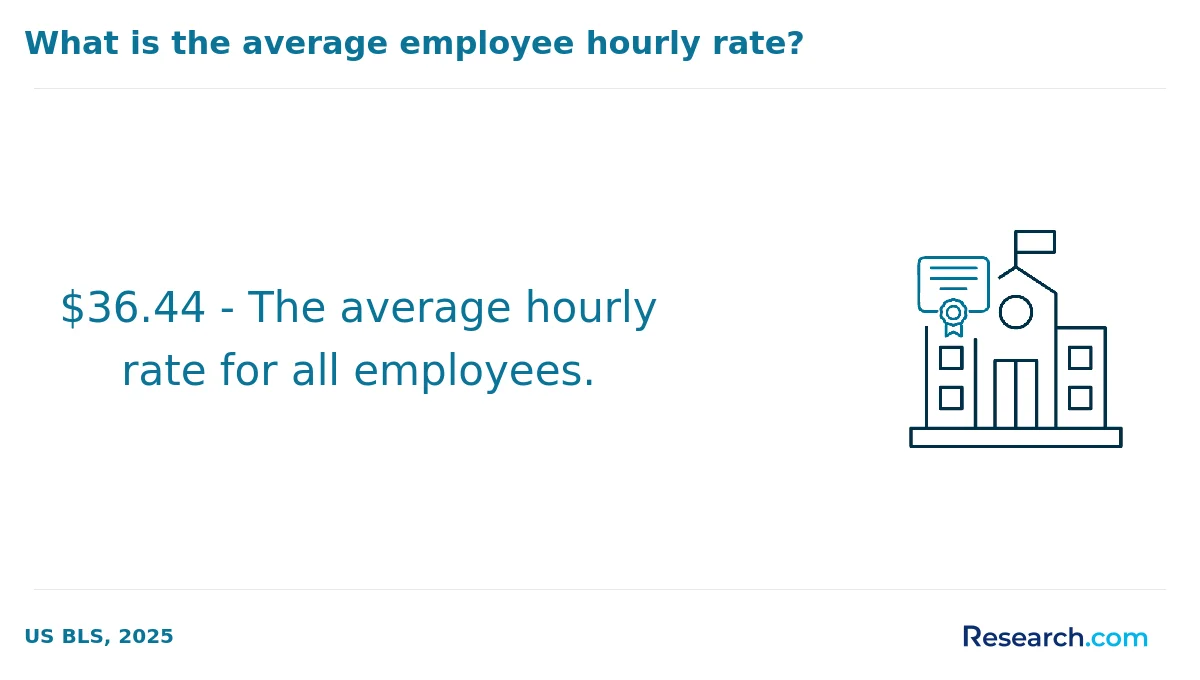
Graduates from trade school certification programs in Portage can expect competitive earnings that quickly justify their investment in education. According to 2025 data, the average annual wage for trade-certified professionals in Wisconsin is about $67,777, or $32.59 per hour. Many Portage graduates report starting salaries near these figures after completing popular programs in healthcare, maintenance, and technical fields available locally.
For instance, graduates certified as Certified Nurses Aides often begin earning between $18.28 and $22.08 per hour, translating to annual salaries from $38,000 to nearly $46,000. This immediate income boost is common among those trained at recognized Portage trade schools offering hands-on certification tracks.
More experienced graduates who pursue supervisory roles, such as Adult Day Care Supervisor or Accounts Receivable Supervisor, report salaries ranging from $53,400 to $72,100 per year. Many highlight how additional certifications gained during or after their initial program enable them to access these higher paybands.
Finally, specialized skilled trades like Broadband Technician or Maintenance Coordinator can push annual earnings toward the six-figure range with experience. Graduates often feel proud seeing their starting points grow into financial stability and career advancement within Portage's skilled workforce.
- James: Studying HVAC technology in Portage was a life-changing experience. The hands-on training prepared me perfectly to land a job at a local company quickly. The instructors genuinely care, and the supportive environment made learning enjoyable and confidence-building.
- Maria: Earning my certified welding certificate here in Portage opened so many doors. The practical approach and small class sizes made it easy to master skills. Now, I'm proud to work on exciting projects as a welder, all thanks to the program's real-world focus.
- Omar: The electrical apprenticeship program in Portage exceeded my expectations. It combined classroom theory with real job site work, giving me the confidence to tackle complex problems. Finding employment as an electrician was fast, and I'm grateful for the career foundation the trade school provided.
- Trade school certification programs in Portage offer training in fields like welding, machining, healthcare, HVAC, and electrical technology.
- Admission typically requires a high school diploma or equivalent, with some programs needing additional assessments or background checks.
- Programs are flexible, featuring evening, weekend, and online classes, usually completed within 6 to 18 months.
- The cost ranges from $2,500 to $7,500, and financial aid such as grants and scholarships is available to qualified students.
- About 93% of graduates find jobs within six months, with entry-level salaries ranging from $34,000 to $52,000 depending on the trade.
Most trade school certification programs in Portage can be completed between a few months and two years, depending on the trade and program format. Graduates from short-term certificate programs often highlight how completing essential skills in less than a year-typically 6 to 12 months-empowered them to quickly enter fields like welding, basic machining, or healthcare support with confidence.
For those enrolled in technical diplomas or advanced certificates, programs lasting up to two years provide a deeper, hands-on learning experience. For example, manufacturing and construction trades students from local Portage schools share how the extended training prepared them well for their careers, making the time investment feel valuable and rewarding.
Some trades require longer pathways. Apprenticeship programs, such as the five-year Tool & Die Apprentice Program at Madison College's Portage campus, combine paid work experience with classroom instruction. Graduates appreciate the blend of practical skills and instruction, which builds both expertise and professional networks.
Ultimately, the length varies based on full-time or part-time study and program offerings like evening or accelerated classes, providing flexible options tailored to individual needs in Portage.
The difference between online and on-campus trade school certification programs in Portage lies primarily in format, flexibility, and hands-on experience. Online programs, favored by many working adults in Portage, allow students to study remotely on their own schedules. Graduates often describe the convenience of accessing lectures and assignments late at night after work or managing coursework around family responsibilities, making it easier to balance life while advancing their careers.
In contrast, on-campus programs at institutions like Madison College's Portage campus provide structured timetables and essential hands-on training. Graduates recall the value of face-to-face interaction with instructors and real-time feedback during labs and workshops - critical for trades such as HVAC or welding where supervised practice with equipment is necessary.
Scheduling exemplifies this divide: online classes may offer asynchronous sessions, whereas on-campus classes follow fixed days and times. Many students appreciate the flexibility of online learning but find the collaborative environment on-campus motivates deeper engagement and immediate problem-solving support.
The average trade school cost in Portage generally ranges between $12,000 and $20,000 annually, reflecting factors such as program length and specialization. For many trade school certificate programs, students report total tuition and fees near $15,000, which aligns closely with state and national standards for vocational training. Graduates from popular fields like automotive technology often recall the intensive hands-on experience costing on the higher end, sometimes reaching $25,870, while those trained in motorcycle mechanics or truck driving benefited from lower fees typically between $5,000 and $13,000.
Portage trade school tuition and fees vary significantly based on institutional type. Public technical and community colleges provide more affordable options, where comprehensive programs can be completed for under $9,000 annually. Conversely, private, for-profit trade schools commonly charge between $10,000 and $22,000, making cost a crucial consideration for prospective students. Many students share that budgeting for tools and supplies above tuition is essential-especially for specialized programs like automotive repair where personal investment in equipment is required.
Financial aid options help reduce the burden for many aspiring technicians. Additionally, those seeking niche certifications may explore other routes; for instance, if interested in renewable energy, affordable alternatives exist, including the cheapest solar technician training online. Overall, the trade school certification programs in Portage offer a practical, cost-effective path to skill development within a realistic budget.
Students enrolled in trade school certification programs in Portage frequently rely on the Free Application for Federal Student Aid (FAFSA) as their gateway to financial aid opportunities. Filing the FAFSA unlocks access to federal and state grants designed to ease the burden of tuition costs. For example, graduates from local technical colleges often share how the Federal Pell Grant covered a substantial portion of their tuition, with full-time enrollment maximizing their award. Part-time students also benefit, receiving proportional support tailored to their credit load.
Beyond Pell Grants, students with exceptional financial need may qualify for the Federal Supplemental Educational Opportunity Grant (FSEOG), although funding is limited and competitive. Wisconsin residents studying at least half-time in Portage's trade programs often tap into the Wisconsin Grant (WG), which helps many students afford specialized courses.
Additional grants like the Talent Incentive Program (TIP) and the Minority Undergraduate Retention Grant provide targeted assistance for disadvantaged and minority students. Many beneficiaries report that these funds made continuing beyond the first year possible.
Federal student loans and the Federal Work-Study Program also contribute, with work-study offering practical job experience while supporting education costs. Students juggling part-time jobs appreciate this direct connection between their academic and financial goals.
Local trade schools frequently supplement these federal and state options with internal scholarships and emergency funding. Nearly half of their enrollees receive some form of financial aid, underscoring the accessibility of support in Portage's trade education landscape.
Enrollment in trade school certification programs in Portage generally requires applicants to hold a high school diploma or GED, a baseline standard across local technical colleges. Graduates often recall submitting official transcripts as part of their application process, reinforcing this foundational step.
Specialized programs, such as welding or healthcare at Madison College Portage Campus, demand additional prerequisites: background checks for Nursing Assistant candidates or proof of age-usually 18 or older-for equipment-intensive fields. Many students share stories of successfully completing basic math courses or securing a valid driver's license to meet these tangible requirements.
Advanced certifications and apprenticeship-track programs typically require documented hands-on experience or prior coursework. For example, obtaining a Trade Specialist Permit needs either an apprenticeship and three years' field experience or four years of formal trade training, a route embraced by many developing professionals.
Applicants pursuing child care credentials frequently provide verified academic credits and complete tiered training, making their journey both structured and rewarding.
- High school diploma or GED mandatory
- Background checks and age verification for certain trades
- Experience and apprenticeship hours for advanced certifications
- Verified credits and tiered training for childcare-related credentials
Pre-apprenticeship and adult education programs in Portage offer vital stepping stones, helping eager learners overcome initial gaps and fostering a supportive environment that motivates success.
Trade school certificate courses in Portage WI commonly include hands-on training in skilled trades like basic machining, gas metal arc welding, and metal fabrication, which prepare graduates for real-world equipment operation and safety standards. Many students at popular Portage technical colleges report gaining confidence through practical blueprint reading and metal properties workshops, helping them succeed quickly in local manufacturing roles.
Portage WI technical college program curriculum also encompasses healthcare certifications, with courses in nursing fundamentals, allied health, and clinical skills. Graduates often highlight how patient care training and anatomy lessons directly supported their success in state licensing exams and advancing in healthcare careers.
Business and IT tracks at Portage trade schools focus on essential skills such as business communications, accounting basics, and IT fundamentals. Students appreciate how these programs emphasize both technical proficiency and interpersonal skills, which are crucial for entry-level office and customer service roles. Additionally, to accommodate working individuals, flexible scheduling with evening or weekend classes is common.
Many also pursue professional development courses like leadership and workplace communication that build soft skills alongside technical knowledge. For career advancement, non-credit enrichment and workforce training options are available, allowing students to tailor learning to industry demands. Those interested in trades with a focus on HVAC might explore low cost hvac certification online as a cost-effective supplemental option.
Choosing the best trade school certification program in Portage starts with matching the program's focus to your career goals, whether it's welding or substitute teaching. Graduates from Madison College praise the hands-on training they received, especially how it aligned with state certifications like the American Welding Society (AWS). This real-world preparation enhances confidence and employability. Evaluating program content and delivery also matters; for example, CESA 5's Substitute Teacher Training offers flexible in-person classes that cover essential skills like classroom management, which graduates say made the licensing process straightforward.
Considering affordability is crucial too. Comparing trade school costs in Portage involves reviewing tuition fees and financial aid options. Many students have benefited from transparent payment plans and scholarships, enabling them to focus on learning without financial stress. For those exploring alternatives, checking out cheapest home renovation trade programs online can be insightful for cost-effective options.
Lastly, look for programs with strong job placement and networking support. Graduates consistently report that career services, resume workshops, and local employer connections in Portage significantly boost their job prospects and career satisfaction.
Trade school certification programs in Portage open access to a variety of skilled trade jobs in Portage MI, reflecting the strong regional demand for practical expertise. Graduates from institutions like Madison Area Technical College Portage often share how quickly they found rewarding roles in healthcare support, welding, machining, and HVAC sectors. These fields not only offer solid pay but also job stability driven by persistent employer needs.
Students pursuing Portage trade school graduate careers frequently highlight opportunities in healthcare roles such as certified nursing assistant (CNA) or pharmacy technician, where hands-on training translates into immediate employment. For those attracted to manufacturing and skilled trades, welding and electrical technology programs integrate cutting-edge techniques valued by local employers.
Other career paths include business, IT, public safety, and logistics, where graduates fill essential community roles. Many appreciate that these certifications connect them directly with hiring managers through career services.
Prospective students interested in diverse trades might explore cheap construction training programs online as a flexible option to gain relevant skills aligned with Portage's market needs.
The trade school job opportunities in Portage WI reflect a robust market with over 100 skilled trade openings available in diverse roles such as maintenance technician, broadband technician, tool and die maker, and apprenticeships in painting and electrical work. Graduates from local institutions like Madison College's Portage campus frequently benefit from direct employer engagement during events like the Skilled Trades Showcase, enhancing their chances of immediate employment.
Typical entry-level wages in these positions range from $20 to $28 per hour, providing attractive compensation for new certificate holders. Many graduates report positive experiences gaining hands-on skills and job offers soon after completion, supported by strong local employer partnerships and high placement rates exceeding 90% in related Wisconsin Technical College System programs.
Factors contributing to the Portage Wisconsin skilled trades employment outlook include:
- Access to benefits such as health insurance, paid time off, and retirement plans
- Proximity to major manufacturing and logistics hubs in Wisconsin, expanding job prospects
- On-the-job training and apprenticeship opportunities facilitating career growth
Prospective students looking for the best trade school degrees will find Portage's combination of practical training and employer networking uniquely valuable in entering the skilled trades market.
Best Certificate Programs - Leading Certification Courses in Portage for 2026
# 1 position
Ross Medical Education Center-Portage - Veterinary/Animal Health Technology/Technician and Veterinary Assistant.
certificate or diplomaA program that prepares individuals to assist veterinarians and zoological professionals with patient management, clinical procedures, and owner communication. Instruction covers animal nursing care, health and nutrition, handling, clinical pathology, radiology, anesthesiology, surgical assisting, dental prophylaxis, laboratory procedures, and office administration. The program is accredited by the Accrediting Bureau of Health Education Schools.
# 2 position
Ross Medical Education Center-Portage - Dental Assisting/Assistant.
certificate or diplomaThe Dental Assisting/Assistant program at Ross Medical Education Center-Portage offers hybrid learning with some distance-education options. It trains students to provide patient care, take dental radiographs, assist chairside, and perform office administrative tasks under supervision. The curriculum includes medical record-keeping, equipment maintenance, scheduling, and basic radiography. Graduates have a median earning of $23,566 one year after completion. The program is accredited by the Accrediting Bureau of Health Education Schools.
Frequently Asked Questions about trade school certificates
After completing a trade school certification program in Portage, preparing effectively for the job market is essential for success. Start by updating your resume to highlight your new skills and any hands-on experience gained during your training. Many trade programs include internships or apprenticeships, which can be valuable for networking and gaining real-world contacts.
Additionally, research local employers in Portage who hire trade graduates, such as construction firms, automotive shops, or healthcare providers. The U.S. Bureau of Labor Statistics shows that employment in skilled trades is projected to grow by 8% through 2030, with local trade schools reporting placement rates often above 75% within six months of graduation.
Consider joining industry associations or attending job fairs in Portage to expand your contacts. Continuous learning and earning additional certifications can also improve job prospects and wages.
Employers in Portage highly value graduates from trade school certification programs who possess strong technical and practical skills. According to the National Center for Education Statistics, fields like automotive technology, healthcare, and skilled trades frequently demand proficiency in industry-specific tools and safety protocols.
In addition to technical abilities, soft skills such as effective communication, problem-solving, and teamwork are critical. The Wisconsin Department of Workforce Development highlights that 70% of employers in the region emphasize dependable work habits and adaptability.
Hands-on experience and the ability to follow detailed instructions remain top priorities for hiring managers.
Finding internships in Portage relevant to your trade school certification involves several practical steps. Start by contacting your trade school's career services department, as many local employers collaborate directly with schools to offer internships. According to the U.S. Bureau of Labor Statistics, internships in skilled trades are increasingly common, particularly in areas like welding, HVAC, and electrical work. Local job boards such as the Portage Chamber of Commerce website and Wisconsin's Job Center offer listings specifically for internship opportunities.
Networking is crucial; attending trade fairs and industry events in Portage can connect you with employers actively seeking interns. Additionally, registering with platforms like Wisconsin TechConnect may increase your chances of finding internships aligned with your certification.
Trade school certifications in Portage significantly enhance career mobility by providing practical skills that local employers demand. Many industries, such as manufacturing, healthcare, and construction, prioritize candidates with recognized certificates, reducing the time needed for on-the-job training. According to the National Center for Education Statistics, graduates from trade programs experience employment rates about 10% higher than those without such credentials.
Moreover, certifications often lead to higher wages. The Georgetown University Center on Education and the Workforce found that individuals with trade certificates earn 20% more on average compared to those with only a high school diploma. In Portage, this wage premium can accelerate economic advancement for workers.
Trade certifications also support career advancement by qualifying individuals for supervisory or specialized roles within companies. According to the Bureau of Labor Statistics, many skilled trades report faster-than-average job growth, indicating increased opportunities for certified professionals in Portage's job market.
Part-time job opportunities in Portage can effectively complement trade school certification programs by providing practical experience alongside academic learning. Many students pursue roles in local manufacturing facilities, retail hardware stores, or automotive service centers, which align well with certifications in welding, HVAC, or automotive technology.
For example, the U.S. Bureau of Labor Statistics reports that part-time jobs in production and maintenance sectors have grown by 5% in the Portage area recently. These positions allow students to apply technical skills in real-world settings, build professional networks, and earn income while studying.
Additionally, apprenticeships and internships offered by local businesses provide structured on-the-job training, enhancing employability upon program completion. Students should explore opportunities at trade-specific companies in Portage to gain relevant hands-on experience.
To choose the best degree program near you in Portage, MI, start by identifying your career goals and interests to find subjects that align with your aspirations. Research programs and universities near Portage, MI, considering factors such as accreditation, faculty expertise, and alumni outcomes. Utilize resources like Research.com to compare options near me, keeping in mind the specific requirements and benefits each program offers.
- Trade Schools: Choose a Vocational School for Your Best Career! https://www.trade-schools.net/
- Vocational vs. Trade School: Choosing the Right Path https://www.genesiscareer.edu/vocational-vs-trade-school-guide/
- Research - Most Affordable Online Home Remodeling And Repair Trade School Programs https://research.com/degrees/most-affordable-online-home-remodeling-and-repair-trade-school-programs
- The landscape of trades for youth in Portage - PortageOnline.com - Local news, Weather, Sports, Free Classifieds and Job Listings https://www.portageonline.com/articles/the-landscape-of-trades-for-youth-in-portage
- Gen-Z students are choosing a trade over college. That shows they’re smart | by Gene Marks | Medium https://medium.com/@genemarks/gen-z-students-are-choosing-a-trade-over-college-that-shows-theyre-smart-fa7b830a24f4
- College Graduate Skills for Employers | Entering the Job Market https://global.nmsu.edu/blog/general/skills-employers-look-for-in-college-grads/
- Trade School vs College: What You Need to Know - Tlingit & Haida https://tlingitandhaida.gov/news/trade-school-vs-college-what-you-need-to-know/
- The Role of Vocational Education in Social Mobility - Mas National Mas National https://masnational.com.au/blog/the-role-of-vocational-education-in-social-mobility/
- Financial Aid | Portage Lakes Career Center https://plcc.edu/adult-education/financial-aid/
- Portage Campus | Madison College https://madisoncollege.edu/student-experience/campuses/portage