Best Associate Degree Programs - Leading Certification Courses in Alberta for 2026

Co-Founder and Chief Data Scientist
Choosing the right associate degree program in Alberta can feel overwhelming. This article is here to help you navigate that decision with confidence.
The Research.com team of data scientists has created a comprehensive associate degree programs ranking, designed to spotlight the most reputable and valuable trade school options for 2026.
By exploring this guide, you’ll gain clarity on which programs offer strong career prospects and personal growth. Earning an associate degree opens doors to rewarding opportunities, making it a smart step forward in your education and future.
Key benefits of associate degrees in Alberta
- Associate degree graduates in Alberta can expect competitive salaries depending on their field, such as $33,800 to $62,200 in computer sciences, $32,000 to $53,900 in business, and $37,000 to $49,000 in health-related fields, offering strong earning potential early in their careers.
- Popular career paths include roles in technology, business, marketing, healthcare, and construction trades, providing graduates with diverse opportunities to find a job that matches their skills and interests.
- Completing an online associate degree from a recognized Alberta school offers flexibility, allowing graduates to balance work and study while gaining valuable skills, making education more accessible and convenient.
- Best Associate Degree Programs - Leading Certification Courses in Alberta for 2026
- What can I expect from associate degree programs in Alberta?
- Where can I work after finishing associate degree programs in Alberta?
What can I expect from associate degree programs in Alberta?
The average cost of an associate degree program in Alberta generally ranges between CAD 4,000 and CAD 7,000 per year, depending on the institution and specific program chosen. Graduates from popular institutions often recall a well-balanced investment given the comprehensive curriculum that blends general education with specialized courses. For example, students at colleges known for their applied degrees appreciate how practical experiences, such as co-op placements, add immense value without excessive additional cost.
Many find that tuition fees are complemented by affordable living expenses in Alberta, making the overall package feel accessible. A graduate from a major polytechnic shared that the cost felt reasonable when considering career preparation opportunities that led directly to fulfilling entry-level roles. Another graduate highlighted the satisfaction of transferring credits toward a bachelor's degree seamlessly, saving both time and money.
Overall, the financial commitment aligns with the quality and flexibility associate degree programs in Alberta provide, leaving students feeling confident about their educational investment and future career prospects.
Where can I work after finishing associate degree programs in Alberta?
Graduates from Alberta's associate degree programs often find themselves stepping confidently into high-demand roles, especially in trades and health care. Many who studied at popular institutions in Alberta share stories of quickly landing positions as electricians, welders, or nurse aides, driven by a province-wide shortage of skilled workers. One graduate from a well-known technical school recalls feeling proud to become a journeyperson within months, thanks to hands-on training that matched industry needs perfectly.
Others, having focused on transport or logistics programs, envision themselves managing warehouse operations or coordinating deliveries as Alberta's economy grows. Administrative graduates report beginning their careers as office coordinators or junior accountants, often in vibrant local businesses where their skills make an immediate impact.
Despite some competition in retail and business sectors, many appreciate the stability and clear advancement paths their associate degrees offer. These alumni emphasize how training tailored to Alberta's evolving job landscape fosters confidence and a strong sense of purpose as they start their professional journeys.
Graduates from popular associate degree programs in Alberta often find themselves stepping into the workforce with promising earning potential. For many, especially those from well-known institutions in Calgary and Edmonton, starting salaries typically range between $21 and $25 per hour, translating to about $46,500 annually. Imagine a recent graduate from a technical college in Alberta landing an entry-level role in health care or business, excited to earn a solid wage while gaining hands-on experience.
Those focusing on specialized fields, like accounting or finance, can see even more encouraging numbers. For example, graduates entering roles as Audit Associates can earn between $72,898 and $125,426 per year, illustrating how an associate degree from a respected business school in Alberta can open doors to well-paid positions. Some Financial Associates in areas such as Drumheller enjoy salaries north of $120,000, which feels rewarding for graduates eager to maximize the value of their education.
Many students feel energized by the prospect of these earnings, often sharing how practical training at Alberta's colleges equips them to confidently pursue these opportunities. With upward mobility through experience and certifications, associate degree holders in Alberta see a future where hard work is tangibly rewarded.
- Emma: Earning my Associate Degree in Electrical Engineering Technology from a trade school in Alberta was life-changing. The hands-on training built my confidence, and I secured a great job as an electrician within months. The practical skills combined with industry connections made all the difference in launching my career.
- Liam: Studying Business Administration at an Alberta college gave me more than just knowledge-it opened doors. The supportive environment and small class sizes meant personalized attention, preparing me for a role in marketing. I felt valued as a student and confident entering the workforce.
- Sophia: The Associate Degree in Health Care Aide from an Alberta trade school was an incredible journey. The real-world clinical experiences allowed me to grow both professionally and personally. Today, I'm proud to serve my community as a healthcare aide, knowing my education truly prepared me for this rewarding job.
- Applicants need a high school diploma or equivalent, and some programs may require a minimum GPA or test scores.
- Associate degrees usually require 60 credits and take about two years of full-time study to complete.
- The cost ranges from $7,000 to $20,000 CAD for domestic students, with higher tuition for international students.
- Starting salaries for graduates range between $36,000 and $48,000 CAD per year, varying by industry.
- Many programs offer transfer agreements to bachelor's degrees, allowing credit transfer and faster completion.
Completing an associate degree program in Alberta typically takes about two years of full-time study, which means tackling four semesters and around 60 credit hours. Many students from popular associate degree schools in Alberta share how this timeline felt just right-demanding yet manageable-allowing them to balance studies with part-time work or personal commitments. Imagine enrolling full-time and seeing steady progress each semester, unlocking new skills that build toward your career goals.
Some graduates mention that part-time study options, while stretching the length beyond two years, gave them the flexibility to stay engaged without overwhelming their schedules. Others who came in with transfer credits found themselves finishing sooner, gaining motivation from saving time and tuition. This flexibility within Alberta's programs often makes the journey feel personalized and achievable.
At well-known Alberta institutions, associate degrees emphasize broad foundational knowledge paired with specialization, helping students feel confident as they prepare to either enter the workforce or transfer easily into bachelor's degree programs. The structured pace of the program, alongside the supportive environment, makes the two-year journey a rewarding experience for many learners.
Online and on-campus associate degree programs in Alberta differ mainly in delivery and daily experience. Graduates from well-known Alberta institutions often share that online programs offer unmatched flexibility, allowing them to study around work and family commitments. For instance, a student juggling a part-time job found the asynchronous format a lifesaver, attending lectures whenever convenient without sacrificing quality. This mode also reduces costs, with some reporting tuition nearly half that of on-campus counterparts, making education more accessible.
Conversely, students enrolled on campus at popular Alberta colleges highlight the energy of face-to-face interaction. The ability to engage spontaneously with instructors and peers during hands-on activities creates a vibrant learning atmosphere. One on-campus graduate described the value of immediate access to labs and libraries, enriching practical skills and networking opportunities that online learners might miss. The campus experience fosters a strong sense of community, often cited as a key motivator for persistence and success.
Both paths adhere to Alberta's rigorous academic standards, but your choice shapes how you connect, study, and grow throughout your associate degree journey.
The average cost of associate degree in Alberta can vary widely, but for residents, tuition often falls between $17,810 and $19,070 CAD for a full 60-credit program at well-known institutions like Athabasca University. Graduates from these schools frequently recall balancing fees with valuable hands-on learning, especially in faculties such as business and health sciences where the programs are tailored to market demands. This range gives a realistic expectation for tuition expenses, not including additional fees like labs and exams.
Alberta associate degree tuition and fees become more complex when considering other institutions such as Concordia University of Edmonton, where tuition is charged per credit. Here, costs add up to about $19,200 to $23,320 CAD over two years for full-time study. Graduates often mention the flexibility and variety of course offerings, which can slightly affect final tuition costs dependent on course choice. Those pursuing trades or other practical fields find this model helpful in managing expenses while gaining skills that fuel future careers.
Non-residents face steeper tuition, with international students paying upwards of $30,230 CAD for similar programs. Nonetheless, stories from successful graduates emphasize that these costs translate into opportunities, providing a solid foundation for career advancement. Students considering options can also explore accelerated online programs for working adults, which sometimes offer alternative pricing and added convenience.
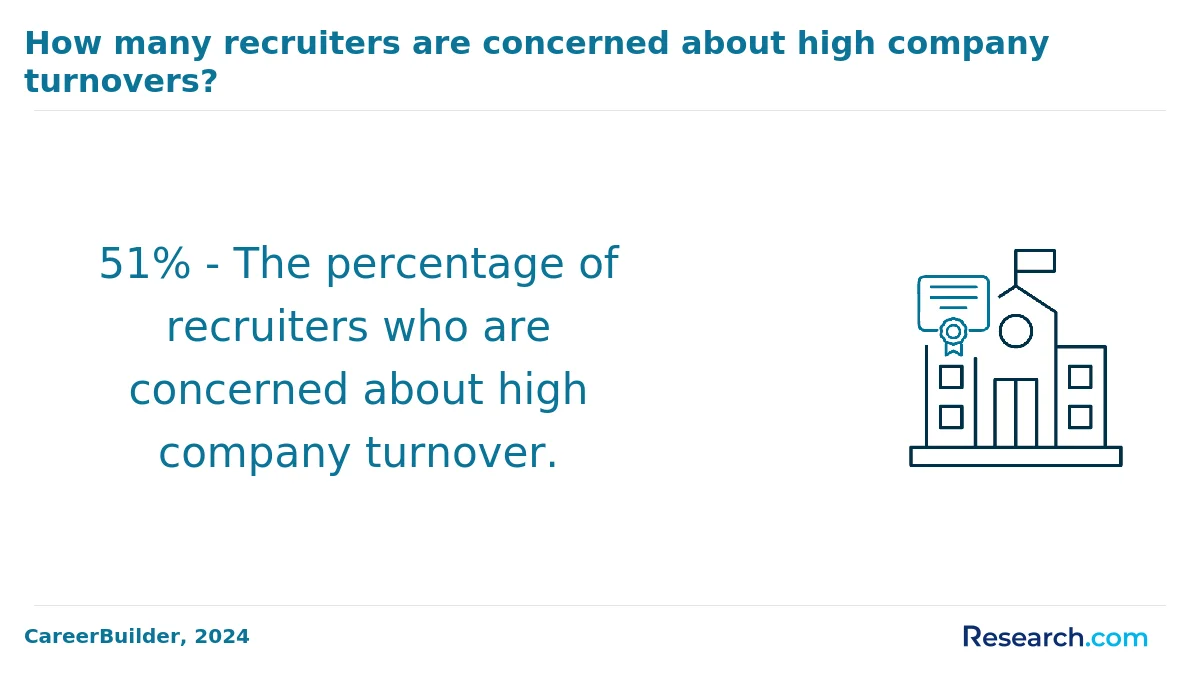
Students enrolled in associate degree programs in Alberta often find financial aid tailored to ease their journey through institutions like Bow Valley College and NorQuest College. Imagine a full-time student balancing studies and work; they can access interest-free provincial and federal loans amounting to up to $8,500 per semester, reducing immediate financial stress and allowing focus on academic success.
Graduates frequently share relief from non-repayable grants such as the Alberta Student Grant for Full-Time Students, offering up to $425 monthly, which helps cover daily expenses like textbooks and transportation. Those with disabilities find specialized support through grants up to $3,000 annually, enabling access to necessary equipment without extra burdens.
Part-time students juggling commitments appreciate access to loans capped at $10,000 total and grants like the Alberta Part-time Grant, which can contribute up to $600 per semester, making education more feasible. Many students feel encouraged by merit-based scholarships such as the Alexander Rutherford Scholarship, which rewards academic excellence with up to $2,500, boosting motivation and financial resources simultaneously.
To enroll in an associate degree program in Alberta, you'll need to meet several clear but flexible prerequisites that many graduates found straightforward yet rewarding. Students typically must have completed Alberta Grade 12 or an equivalent high school education, emphasizing five key Grade 12 subjects, including English 30-1 or its counterpart from other regions. Reflecting on the experiences of recent graduates from popular Alberta associate degree schools, this requirement sets a reliable foundation for success.
Other essential points include:
- Maintaining a competitive admission average, often above 50%, tailored to each program's demand and popularity.
- Providing proof of English proficiency if you're an international or non-native speaker, which some found easier to demonstrate through standardized tests or prior education in English.
- For transfer students, having transferable credits and a decent GPA is vital; those with fewer than six post-secondary units often find their high school records weigh more heavily.
Graduates often share that understanding these prerequisites early helped them confidently prepare their applications and envision their college journey ahead, making the process feel achievable and exciting rather than daunting.
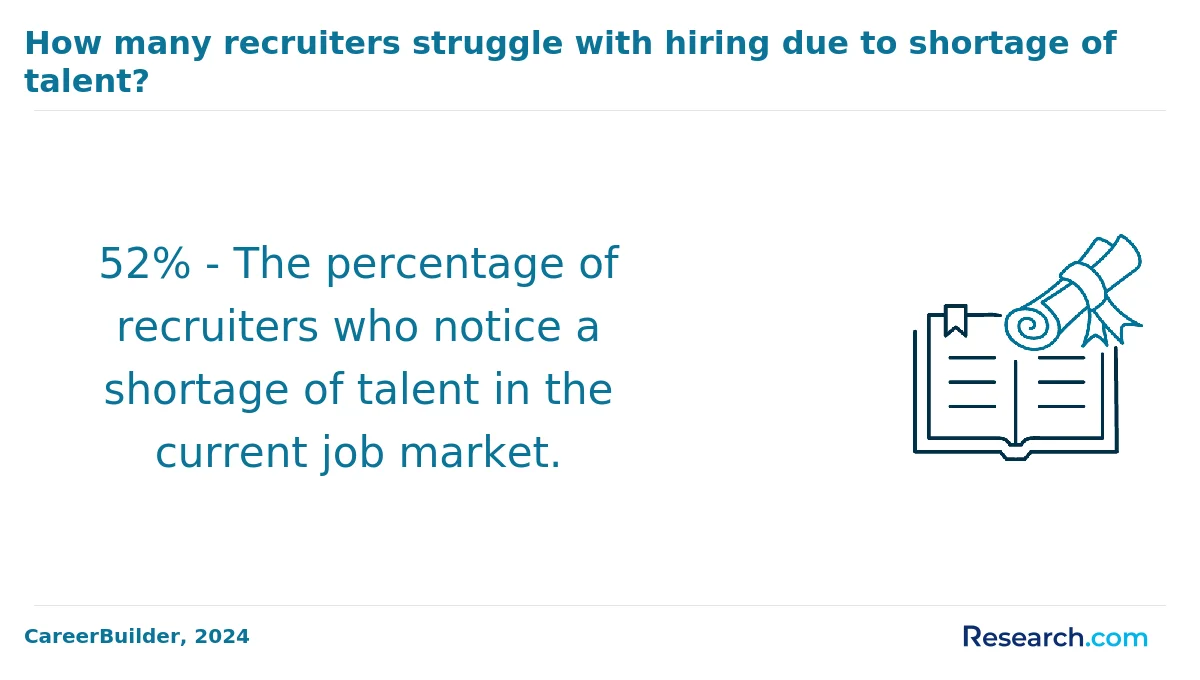
Typical curriculum for Alberta associate degrees balances broad general education with targeted specialization. Graduates from popular associate degree schools in Alberta frequently share how courses in English, mathematics, and social sciences laid a solid foundation while allowing them to explore areas like communications, philosophy, or political science. This blend helps students feel confident transitioning into either the workforce or further university study.
Students pursuing an Associate of Arts program often highlight courses such as:
- English composition and literature
- Natural sciences and humanities
- Specializations in psychology, sociology, or creative writing
Those enrolled in Associate of Science programs mention engaging with rigorous subjects including biology, chemistry, and computing science, which sharpen analytical skills essential for tech-driven careers. Alberta's associate degree structure also emphasizes critical thinking and quantitative reasoning, making graduates well-rounded and adaptable.
For prospective learners looking for flexible options while living in Alberta, there are exciting opportunities with programs for seniors online, which build on this comprehensive curriculum to fit varied lifestyles.
When deciding among the best associate degree programs in Alberta, consider how well a school's offerings align with your personal and professional goals. Graduates from popular Alberta institutions often emphasize the value of flexible learning modes, such as part-time or hybrid schedules, which allow them to balance studies with work or family life. Schools known for strong ties to local industries can open doors to internships and employment shortly after graduation, creating a sense of optimism and readiness for the job market. Looking at reputations, a graduate's confidence in their degree often stems from choosing institutions with recognized academic excellence, fostering pride and motivation throughout their studies.
Understanding how to choose an associate degree Alberta residents find rewarding also involves evaluating costs and financial aid options. Many students benefit from researching tuition fees and scholarships available. For those seeking affordability without sacrificing quality, exploring the cheapest associate's degree programs can uncover hidden gems that fit both budget and lifestyle.
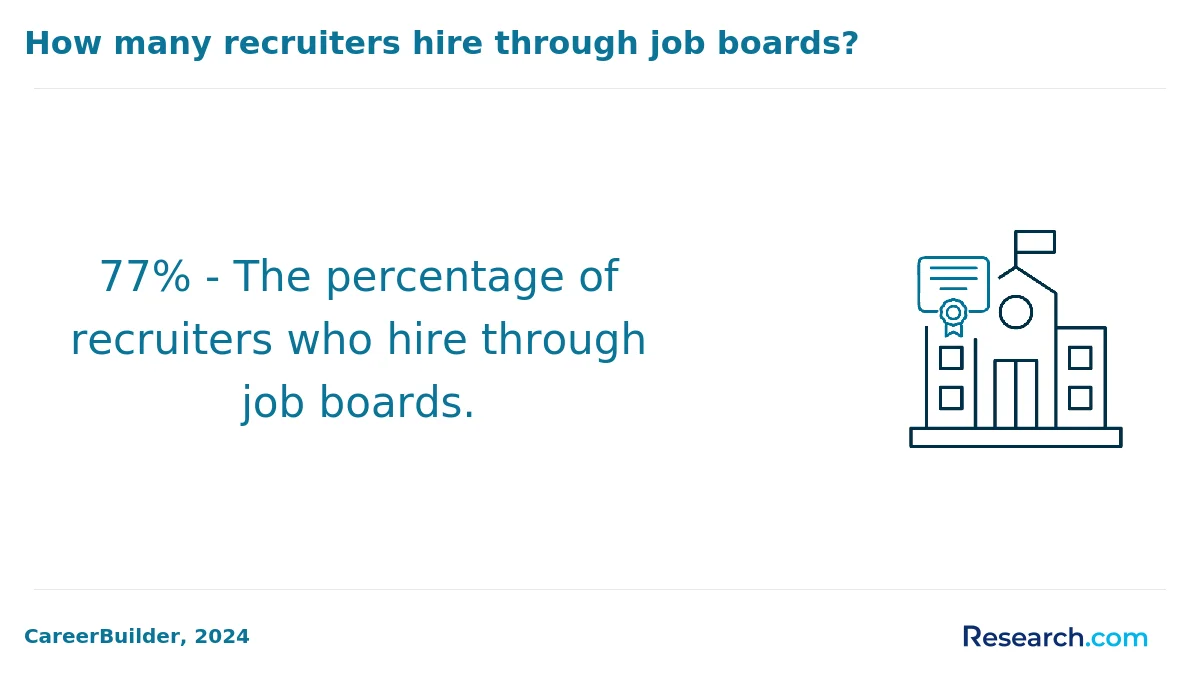
Graduates from Alberta's associate degree programs find a wealth of career opportunities with an associate degree in Alberta, ranging from business to healthcare and technology. Many successful alumni from well-regarded institutions report entering roles like customer service representatives, executive assistants, and accounting technicians, where practical skills learned during their studies make day-to-day tasks manageable and rewarding. Others with science-based degrees often step into lab assistant or IT support specialist positions, thriving in Alberta's bustling energy and tech sectors.
Applied degree holders frequently secure roles such as industrial technicians or early childhood educators, directly contributing to Alberta's growing industries. Business-focused graduates often report starting in finance-related roles within government or energy firms, where they can quickly advance and enjoy the benefits of the region's stable economy.
Some graduates describe the satisfaction of balancing work and study, with some even exploring pathways to more advanced qualifications such as shortest doctoral programs later on to boost career potential.
- Biomedical technician and medical office assistant roles tap into Alberta's healthcare expansion, offering high demand and rewarding challenges
- Entry positions like bank teller or payroll clerk provide solid foundations for long-term success
- Technical fields utilize associate degrees for positions such as computer technician or construction management assistant
The job market for associate degree holders in Alberta is dynamic and sector-specific. Graduates from popular associate degree schools often experience strong demand in health care and trades, especially in roles like nurse aides and equipment operators, where shortages are expected to continue through 2025. Many graduates share that hands-on training paired with accredited certifications opens doors quickly in these in-demand careers with associate degrees in Alberta.
Employment opportunities are particularly robust in trades and transport, with 45 out of 62 occupations facing shortages, creating an encouraging environment for new graduates eager to join the workforce. These roles offer pathways to stability and growth, as technologies evolve.
Conversely, some graduates find sales and service positions more competitive due to oversupply. Many note that part-time retail roles come with increasing competition despite the field's size. Staying ahead by obtaining specialized skills and certifications is vital.
Reflecting their positive experiences, many graduates advise choosing programs aligned with market demands and exploring options such as high paying jobs from trade school to maximize career potential.
Best Associate Degree Programs - Leading Certification Courses in Alberta for 2026
# 1 position
Southside Virginia Community College - Criminal Justice/Law Enforcement Administration.
associateSouthside Virginia Community College offers a Criminal Justice/Law Enforcement Administration program designed to prepare students for leadership roles in public law enforcement agencies. The curriculum covers law enforcement history, operational command, administration, labor relations, legal responsibilities, budgeting, and public relations. Annual in-state tuition is $4,848. Graduates have median earnings of $27,361.50 one year after completion. The program is accredited by the Southern Association of Colleges and Schools Commission on Colleges.
# 2 position
Southside Virginia Community College - Computer and Information Sciences, General.
associateSouthside Virginia Community College offers a hybrid program in Computer and Information Sciences, General, which covers computing, computer science, and information science and systems. The annual in-state tuition is $4,848. Graduates earn a median income of $20,966.95 one year after completing the program. The college is accredited by the Southern Association of Colleges and Schools Commission on Colleges.
Frequently Asked Questions about associate degree programs
Preparing for the job market after completing an associate degree in Alberta involves several key steps. Graduates should start by researching local industries that value technical and applied skills. According to Alberta Labour Market Information, sectors like healthcare, business, and trades consistently seek graduates with practical experience from associate programs.
Building a strong resume that highlights internship or co-op placements is essential. Many Alberta post-secondary institutions integrate these work experiences, which improve employment prospects by 20%, based on recent government employment surveys.
Networking through career fairs and professional organizations in Alberta can also open doors. Additionally, upgrading soft skills such as communication and digital literacy increases employability. Targeting job postings that specifically request an associate degree helps focus efforts effectively.
Employers in Alberta highly value associate degree graduates who demonstrate strong technical skills relevant to their field. According to government labor reports, proficiency in information technology, healthcare assistance, and business administration ranks among the most sought-after abilities. In addition, communication skills remain critical; employers often prioritize candidates who can effectively collaborate within teams and convey ideas clearly.
Problem-solving and adaptability are also emphasized. The rapid changes in Alberta's economy, especially in energy and technology sectors, require workers to learn new skills quickly. A 2023 Alberta employment survey noted that 68% of employers preferred graduates who showed these traits.
Moreover, time management and professionalism consistently appear in job descriptions, showing a demand for responsible, organized individuals ready to meet workplace expectations.
Finding internships in Alberta relevant to your associate degree program involves several practical steps. Start by exploring post-secondary institutions' career centers, which often provide tailored internship listings and employer connections specific to Alberta's job market.
Many Alberta colleges and technical schools partner with local industries, including energy, healthcare, and technology sectors, to facilitate internship placements. According to Alberta Labour Market Information, sectors like healthcare and trades offer over 5,000 internship opportunities annually for students.
Online job boards such as the Government of Alberta's Career Tools portal also list paid and unpaid internship positions filtered by region and field of study. Networking through professional associations related to your program can further improve your chances of securing relevant internships.
In Alberta, earning an associate degree can significantly enhance career mobility and advancement opportunities. According to Alberta Advanced Education reports, individuals with an associate degree experience employment rates approximately 7% higher than those with only a high school diploma. This level of education equips graduates with specialized skills that are valued across various industries, including healthcare, technology, and trades.
Many employers in Alberta recognize the practical, career-focused training provided by associate degrees, often leading to quicker job promotions and higher starting salaries. Statistics from the Canadian Centre for Policy Alternatives show that associate degree holders in Alberta have a median income nearly 15% above the provincial average for non-degree holders.
Furthermore, an associate degree can serve as a stepping stone to university education, making career transitions smoother. It also improves adaptability in a rapidly changing job market, which is essential for long-term career growth.
Part-time job opportunities in Alberta often complement associate degree education by providing practical experience alongside studies. For example, students pursuing healthcare-related associate degrees frequently find part-time roles as medical assistants or pharmacy technicians. These jobs offer hands-on skills relevant to their programs.
In the business field, part-time roles such as administrative assistants or customer service representatives are common. They help develop communication and organizational skills valuable in many associate degree tracks.
According to Alberta's Labour Market Information, sectors like retail and healthcare have shown consistent part-time employment growth, beneficial for students balancing work and study.
To find the best degree program near me in Alberta, VA, you can start by exploring nearby universities and community colleges that offer a range of specialized programs tailored to different career paths, taking note of their specific strengths and available resources. Programs offered in the region may include both undergraduate and graduate degrees, covering a wide array of fields that align with your interests and career goals. Additionally, using online resources such as Research.com can help compare academic programs and provide insight into faculty expertise and alumni success near Alberta, VA.
- Find Remote Internships For College Students https://www.accreditedschoolsonline.org/resources/college-internships-and-employment/
- Associate vs. Bachelor’s Degree: What’s the Difference? | UCW https://www.ucanwest.ca/blog/education-careers-tips/associate-vs-bachelors-degree-whats-the-difference
- 25 Best associate degree science jobs in calgary, alberta (Hiring Now!) | Workopolis https://www.workopolis.com/jobsearch/associate-degree-science-jobs/calgary-alberta
- Associate of Arts Degree - Capilano University https://www.capilanou.ca/programs--courses/program-profiles/associate-of-arts-degree/
- Should I Intern if I'm in an Associate's Program? | Career Advice & Interview Tips | WayUp Guide https://www.wayup.com/guide/intern-im-associates-program/
- What is an associate’s degree? | Top Universities https://www.topuniversities.com/blog/what-associates-degree
- Online Associate Degree Programs | SNHU https://www.snhu.edu/online-degrees/associate
- Tuition + Fees | Undergraduate Admissions + Programs https://www.ualberta.ca/en/admissions/tuition-and-scholarships/tuition-and-fees.html
- Grants, awards and scholarships | Alberta Teachers' Association https://teachers.ab.ca/professional-development/grants-awards-and-scholarships
- Nces - Ipeds https://nces.ed.gov/ipeds/