Most Affordable Physical Therapist Assistant Schools & Training - Budget-Friendly PTA Trade Programs in Humacao for 2026

Co-Founder and Chief Data Scientist
Looking for affordable physical therapist assistant trade schools in Humacao for 2026? This article is here to guide you through your options with a carefully crafted ranking created by the Research.com team of data scientists. Their work helps highlight quality programs worth considering, making your decision easier and more confident.
Getting a diploma or certification as a physical therapist assistant opens doors to a rewarding career helping others regain mobility and improve their quality of life. Exploring your best choices ensures you find a program that fits your goals and budget.
Key benefits of finishing physical therapist assistant trade school in Humacao
- Graduates can expect an average salary around $23,080 per year in Humacao, with hourly wages between $13.50 and $15.00, offering a stable income in the local healthcare market.
- Career options include working in physical therapy clinics, hospitals, outpatient centers, or nursing homes, providing diverse opportunities for growth and experience.
- Completing a physical therapist assistant program online offers flexibility and convenience, allowing students to balance studies with personal commitments while gaining the same valuable skills as traditional programs.
- Most Affordable Physical Therapist Assistant Schools & Training - Budget-Friendly PTA Trade Programs in Humacao for 2026
- What can I expect from physical therapist assistant trade schools in Humacao?
- Where can I work after finishing physical therapist assistant trade schools in Humacao?
What can I expect from physical therapist assistant trade schools in Humacao?
Expect to dive into a vibrant two-year journey at a trade school like the University of Puerto Rico at Humacao, where theory meets hands-on healing. Graduates often recall the thrill of mastering anatomy and physiology in classrooms that buzz with curiosity, then stepping into clinics or hospitals for real-world practice. Imagine learning to navigate rehabilitation equipment while guided by experienced physical therapists-each clinical rotation sharpening your skills and confidence.
The program's structure demands dedication; maintaining at least a "C" in core courses is non-negotiable, but many students find the challenge rewarding. Financially, the affordability-around $6,000 yearly-means you can focus on learning without overwhelming debt. After graduation, the excitement peaks as you prepare for the National Physical Therapy Examination, unlocking your future as a licensed assistant.
Students appreciate how the blend of classroom lessons with hands-on experiences transforms them from novices into compassionate paraprofessionals ready to improve patients' lives in Humacao's hospitals and rehab centers.
Where can I work after finishing physical therapist assistant trade schools in Humacao?
Graduates from physical therapist assistant trade schools in Humacao often find themselves stepping into vibrant workplaces like bustling physical therapy clinics or calming rehabilitation centers, where every day offers a chance to make a real difference. Imagine starting your morning assisting patients with therapeutic exercises in a local clinic, then heading to a hospital wing to help seniors regain mobility-this is the kind of fulfilling variety many students from popular Humacao trade schools experience.
Some alumni share how they discovered their passion working in pediatric therapy practices, helping children bounce back with smiles and laughter, while others thrive in nursing homes, providing compassionate care to elders. The island's tight-knit healthcare community means job openings pop up not only in Humacao itself but also in nearby cities, giving you flexibility and choice.
Licensing through Puerto Rico's NPTE opens doors to roles that blend teamwork with hands-on healing. The average annual salary, ranging from $23,140 to $30,500, reflects the rewarding nature of this career path-one filled with purpose and steady growth.
If you're wrapping up your physical therapist assistant trade school program in Humacao, expect to step into the workforce with a starting salary roughly between $16,670 and $17,220 per year. Picture a recent graduate from one of Humacao's well-known trade schools, feeling that first paycheck hit the account-modest but promising, especially for those fresh out of school.
Fast forward a couple of years, and many of these graduates share stories of steady raises pushing their annual earnings to about $23,080 to $23,140. Some even report breaking through the $28,000 barrier with enough experience, turning their skill into solid financial footing.
Hourly wages typically hover around $13.90 to $14.22, though job postings nearby sometimes list $18 to $20 per hour, especially for those who've sharpened their expertise. It's a real boost that graduates celebrate-proof that perseverance and gaining experience in Humacao's healthcare scene pay off.
- PTA programs in Humacao typically last two years and require a high school diploma or GED for admission.
- The University of Puerto Rico at Humacao offers an accredited PTA associate degree program recognized by CAPTE.
- Tuition costs about $6,000 per year, totaling around $12,000 for the full program, excluding textbooks and fees.
- Graduates must pass the National Physical Therapy Examination (NPTE) for PTAs to become licensed in Puerto Rico.
- Entry-level PTA salaries average $17,220 per year, with experienced professionals earning up to $30,500 annually.
- PTAs can work in hospitals, rehab centers, home care agencies, private clinics, schools, and industrial settings.
Completing a physical therapist assistant trade school program in Humacao typically takes about two years, but the journey feels much shorter when you're fully engaged. Graduates from popular trade schools in Humacao often share how the hands-on clinical practice and interactive classes make the time fly by. Imagine diving into real-world therapy exercises just months after starting-this practical approach keeps motivation high and anxiety low.
One graduate described feeling energized by the fast pace, saying it felt like walking through a door into their future career rather than a long, drawn-out process. Another highlighted the supportive community at their Humacao trade school, where instructors and peers created a lively, encouraging atmosphere that made the two years feel like a shared adventure.
For many, balancing study and life is easier here because programs focus on practical skills that directly link to job opportunities, which adds a sense of purpose and excitement throughout the entire program. The completion time is compact but rich with experience, perfect for anyone eager to start making a difference quickly.
The difference between online and on-campus physical therapist assistant programs in Humacao is like comparing a hands-on workshop to watching a tutorial video. Graduates from the University of Puerto Rico - Humacao or EDP University - Humacao often share how the in-person experience shapes their skills and confidence. They describe bustling classrooms where professors guide them through real equipment and labs filled with the hum of practice sessions. Clinical hours at local healthcare facilities are not just a requirement-they're a chance to connect with patients and mentors face-to-face, which online programs can't replicate.
Online options in Humacao are scarce because CAPTE insists on significant in-person clinical training. Some students recall juggling online theory classes with scheduled visits to clinics, a blend that tests flexibility but can't replace the immersive vibe of campus life. The hands-on nature creates bonds with peers and faculty that online platforms struggle to match, making on-campus programs the heart of PTA education in Humacao.
The average tuition for physical therapist assistant programs in Humacao reveals an interesting blend of affordability and quality. Graduates from the University of Puerto Rico at Humacao often share stories of balancing their $5,324 yearly tuition with part-time jobs, all while feeling confident because the program is CAPTE-accredited. This accreditation is more than a badge; it's a ticket to licensure and a thriving career.
Cost of physical therapist assistant training in Humacao varies notably. Some from EDP University of Puerto Rico-Humacao reflect on the $14,125 price tag and the rigorous coursework, emphasizing that the investment felt justified by the program's strong clinical opportunities and CAPTE accreditation. Meanwhile, students at CEM College-Humacao find the approximately $12,900 tuition a middle ground, often noting the need to verify accreditation but appreciating the hands-on learning environment.
Imagine those at Huertas College in nearby Caguas, paying around $9,000, weighing their choices carefully, especially regarding accreditation. This mix of prices means prospective students must dig deep into each school's offerings, remembering to account for books, supplies, and clinical fees. Scholarships and financial aid can help ease the financial burden, making the dream of becoming a physical therapist assistant more reachable.
Those curious about job prospects and earning potential often wonder what state pays the highest for physical therapy assistants, adding another layer of motivation when evaluating programs and costs.
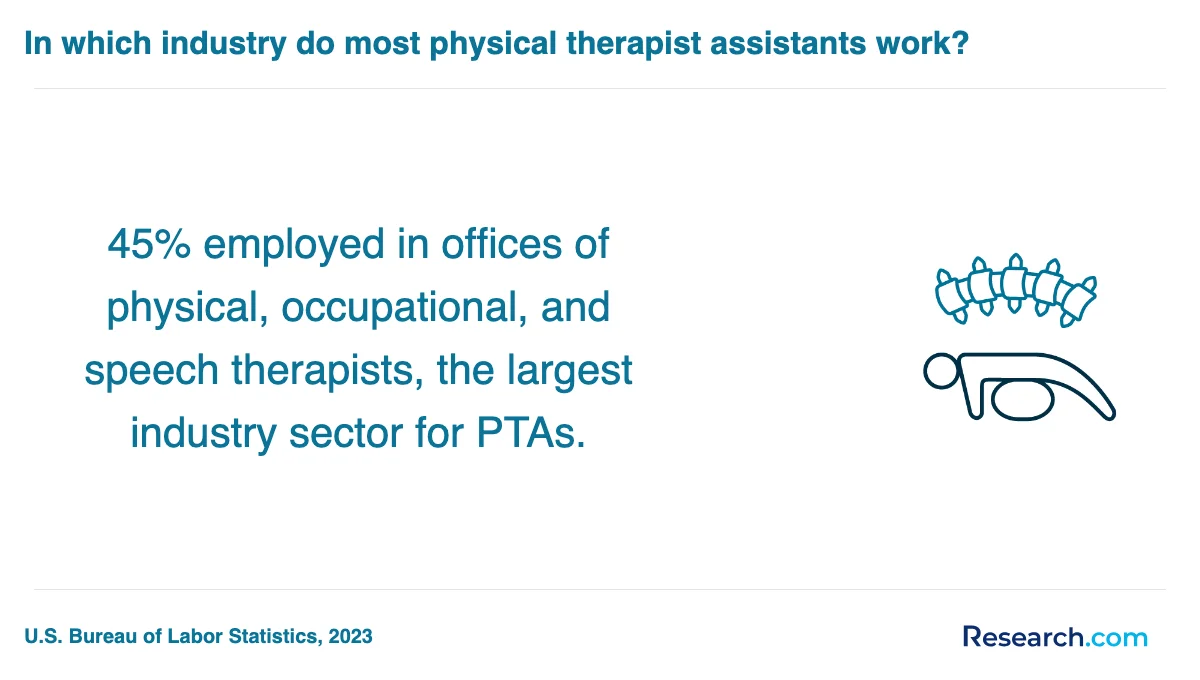
Imagine starting your physical therapist assistant journey in Humacao with the weight of tuition lifted off your shoulders. Many graduates from EDP University - Humacao recall how federal financial aid, especially Pell Grants, made their dreams tangible without drowning in debt. These grants don't demand repayment, offering a breath of relief as you focus on mastering your skills.
Others found institutional scholarships tailored to rewarding dedication-whether through academic excellence or community work-turning hard work into tangible support. State and local scholarships, though variable each year, often prioritize healthcare fields like PTA, giving residents a hopeful boost toward their goals.
Work-study programs also weave education with real-world experience. Graduates describe how balancing clinic jobs alongside classes not only helped cover costs but built confidence and connections in Humacao's healthcare scene.
With an average PTA salary around $23,140 annually here, many students see financial aid as a stepping stone, turning investments into rewarding careers right in their own backyard.
To step into a physical therapist assistant trade school program in Humacao, you'll need to clear a few important hurdles that set the stage for your success. Graduates from popular trade schools here often recall the first big checkmark: a high school diploma or GED. It's the basic ticket to the journey, much like unlocking the door to hands-on learning.
Then, there's the health clearance requirement-imagine rolling up your sleeves for a routine physical exam and vaccination records, ready to prove you're prepared to engage in clinical settings safely.
Many students also highlight the need for foundational knowledge in biology and anatomy. Some trade schools in Humacao even suggest or require placement tests or prerequisite courses to make sure everyone starts on solid ground.
- High school diploma or GED completion
- Proof of immunizations and a recent physical exam
- Basic coursework or placement tests in biology or anatomy
- Background check and drug screening in some cases
One graduate shared how completing these steps felt like gearing up for an adventure-each requirement a challenge conquered, fueling excitement rather than dread. In Humacao's close-knit trade school community, meeting these prerequisites isn't just paperwork; it's the first stride toward a rewarding career helping others heal and thrive.
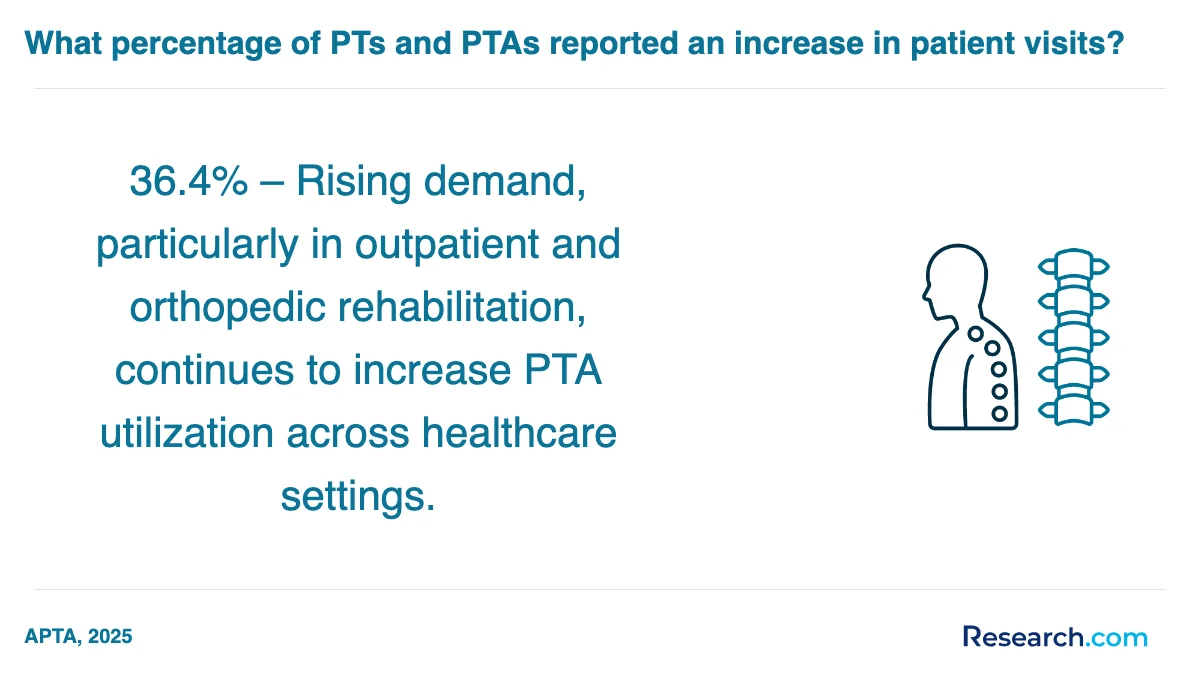
Studying physical therapist assistant (PTA) in Humacao means diving into courses that blend science and hands-on practice with real-world impact. Graduates from popular trade schools like the University of Puerto Rico - Humacao and EDP University - Humacao often recall how Anatomy and Physiology unlocked the mysteries of the human body, making the mechanics of movement feel like decoding a living puzzle.
Core courses typically include:
- Kinesiology: Understanding how muscles and joints work together, vital for guiding patients through exercises.
- Pathology: Learning about diseases that affect mobility, helping students anticipate patient needs.
- Therapeutic Exercise and Physical Agents: Applying heat, cold, or electrical stimulation, turning theory into healing touch.
- Patient Care Skills: Mastering safe, compassionate assistance-graduates often describe this as the most rewarding part.
- Clinical Education/Externships: Hands-on experience in real rehab settings, where textbooks come alive.
Additional courses in Medical Terminology, Ethics, and Communication Skills prepare students to connect deeply with patients and colleagues. Graduates often share how practicing communication helped them build trust, a key ingredient in successful therapy. The curriculum here is designed to set you up for licensure exams and the gratifying career ahead, right in Humacao's vibrant healthcare community.
Graduates from physical therapist assistant trade schools in Humacao often recall the exciting challenge of mastering diverse specializations, even if specific tracks aren't formally listed. In reality, these programs offer a hands-on immersion into various areas that prepare you well beyond textbook theory. From anatomy and kinesiology to therapeutic modalities, students experience a blend of classroom knowledge and real-world practice that trains them to adapt confidently in settings like rehabilitation centers and outpatient clinics.
Typical especializaciones en programas de asistente de fisioterapeuta en Humacao might include:
- Advanced patient care techniques that make you a trusted helper during recovery journeys
- Therapeutic exercises tailored to individual needs discovered through clinical hours
- Understanding body mechanics deeply to assist with mobility challenges
Many trade schools in Humacao emphasize these broad but vital skill areas over narrow specialization, giving students the flexibility to explore their passion in physical therapy's many facets. Graduates often share how this open approach made their career paths more dynamic and aligned with their strengths.
Curious about the subtle distinctions between fields? For example, understanding the nuances between physical and occupational therapy can shape your future role significantly, and learning more about occupational vs physical therapy enhances your clarity on this.
Options de especialización en escuelas técnicas de fisioterapia en Humacao are best explored firsthand by visiting the University of Puerto Rico at Humacao or other local trade schools. Reaching out directly ensures you get up-to-date details that match your ambitions and learning style.
Imagine stepping into a Humacao classroom where graduates glow with pride, sharing how their chosen physical therapist assistant programs in Humacao balanced rigorous academics with hands-on clinical rotations, lifting their confidence before even sitting for the licensure exam. These programs aren't just about textbooks-they're about real pulse and movement, blending cutting-edge facilities with passionate instructors who feel like mentors, not distant professors. Think about how affordable PTA schools in Humacao adapt to your life, offering flexible schedules so you can juggle work and study without losing sleep.
One graduate recalls how picking a program near her hometown minimized daily commutes, giving her more time to master applied kinesiology and therapeutic exercises. Check out options that emphasize high NPTE pass rates and job placement-these numbers speak louder than ads. To navigate the maze of choices smartly, don't hesitate to explore online healthcare certificates that complement your training and expand your skills in today's evolving medical landscape online healthcare certificates.
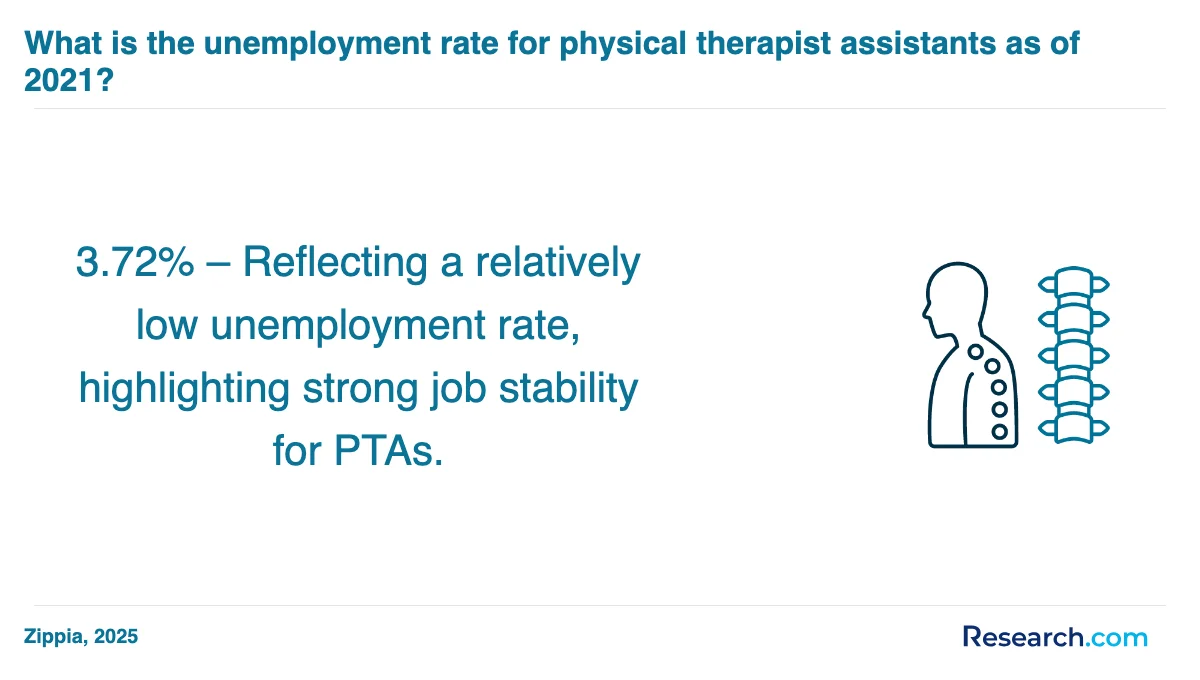
Physical therapist assistant graduates from Humacao's popular trade schools find themselves stepping into vibrant roles that go far beyond basic therapy tasks. They're actively involved in helping patients bounce back from injuries with hands-on care in hospitals, nursing homes, and outpatient clinics. Imagine supporting a sprightly grandmother as she regains her balance or motivating a young athlete through rigorous sports rehab-these are everyday victories celebrated by PTAs here. Many embrace specialty paths, including pediatric physical therapy, offering rewarding experiences working with children facing physical challenges.
Career opportunities for PTAs in Humacao don't stop at direct patient care. Graduates often climb into leadership roles-coordinating patient schedules, managing teams, or innovating therapy programs in rehabilitation centers. Humacao's healthcare landscape thrives on this flexibility, where PTAs can tailor their careers to fit their passion and lifestyle.
Humacao-based alumni sharing their stories rave about the community's steady demand for skilled PTAs and the uplifting impact they create. With average salaries rising and diverse settings available, these physical therapist assistant jobs in Humacao are opening rewarding doors every day.
For anyone curious about jobs related to health, PTA trade schools in Humacao offer a solid launchpad into meaningful healthcare careers.
Graduates from physical therapist assistant trade schools in Humacao often step into a job market that's small but surprisingly spirited. Many find that local clinics and rehab centers eagerly snap up newcomers willing to flex their skills in diverse environments-like outpatient care or home health visits. One graduate shared how starting in a cozy Humacao outpatient clinic quickly transformed into a rewarding career, thanks to steady demand and hands-on mentorship.
Here's how the physical therapist assistant job outlook in Humacao shapes up for these grads:
- Positions fluctuate but remain steady, with hospitals and rehab facilities as main employers.
- Aging populations in Puerto Rico sustain growing needs for physical therapy services.
- Flexibility about where to work often unlocks more opportunities locally.
Salary-wise, physical therapist assistant salaries in Humacao Puerto Rico typically range from entry-level earnings near $17,220 yearly up to $30,500 for experienced PTAs; some recent job ads even mention $40,000 to $70,000 to reflect unique roles or extra benefits. Graduates appreciate how accredited local trade schools prepare them well, aligning perfectly with education required for physical therapist certification and licensure, smoothing the way to employment.
Most Affordable Physical Therapist Assistant Schools & Training - Budget-Friendly PTA Trade Programs in Humacao for 2026
# 1 position
University of Puerto Rico-Humacao - Physical Therapy Assistant.
associateThe Physical Therapy Assistant program at University of Puerto Rico-Humacao offers a hybrid format with some distance-education options. It prepares students to support physical therapists by implementing treatment plans, training patients, and documenting progress. The curriculum covers anatomy, physiology, biomechanics, neuroscience, and professional ethics. Annual in-state tuition is $5,364. The program is accredited by the Middle States Commission on Higher Education.
# 2 position
EDP University of Puerto Rico-Humacao - Physical Therapy Assistant.
associateThe Physical Therapy Assistant program at EDP University of Puerto Rico-Humacao offers a hybrid format combining in-person and distance education. It prepares students to assist physical therapists by implementing treatment plans, training patients, and documenting progress. The curriculum includes anatomy, physiology, biomechanics, and professional ethics. Annual in-state tuition is $7,050, and median earnings one year after completion are $12,093. The program is accredited by the Middle States Commission on Higher Education.
Frequently Asked Questions about physical therapist assistant
After completing a physical therapist assistant (PTA) trade school in Humacao, preparing for the job market involves several key steps. First, graduates must obtain licensure by passing the National Physical Therapy Exam (NPTE) for PTAs, which is required in all U.S. states and territories, including Puerto Rico. This certification validates your skills to employers and is essential for employment.
Next, building a professional network through internships or clinical experiences gained during school can improve job prospects. The Puerto Rico Department of Labor reports steady growth in healthcare jobs, with PTAs in demand due to an aging population.
Additionally, crafting a strong resume that highlights clinical training and certifications is important. Consider joining professional organizations like the American Physical Therapy Association for access to job boards and continuing education.
Employers in Humacao seek several key skills when hiring graduates from physical therapist assistant trade schools. Strong communication abilities are essential, as assistants must explain treatment plans clearly to patients and collaborate with physical therapists. According to the U.S. Bureau of Labor Statistics, interpersonal skills improve patient outcomes and satisfaction, which are highly valued by clinics in Puerto Rico.
Technical competence in therapeutic exercises and use of equipment is also critical. Graduates should demonstrate proficiency in applying therapeutic modalities and monitoring patient progress accurately.
Additionally, employers emphasize reliability and critical thinking to adapt treatments safely and effectively. These skills contribute to better patient care and workplace efficiency in Humacao's healthcare facilities.
Finding internships in Humacao relevant to a physical therapist assistant (PTA) trade school program involves connecting with local healthcare facilities and educational institutions. Many PTA programs require clinical experience, so schools often have partnerships with nearby hospitals, rehabilitation centers, and clinics where students can complete internships.
Students should start by consulting their trade school's career services or internship coordinator, who can provide a list of approved sites in Humacao. Additionally, the Puerto Rico Physical Therapy Board and the American Physical Therapy Association's Puerto Rico chapter may offer resources or directories of clinical sites.
Networking with licensed physical therapists in Humacao is also valuable. According to the Bureau of Labor Statistics, clinical internships increase job placement rates for PTA graduates by approximately 20%, emphasizing the importance of hands-on experience.
Finally, students can explore online job boards focused on healthcare internships in Puerto Rico, ensuring they meet any state licensing requirements during placement.
Obtaining a physical therapist assistant (PTA) diploma from a trade school in Humacao significantly enhances career mobility and advancement opportunities within the local healthcare sector. Graduates gain practical skills and state-required credentials that qualify them for entry-level PTA positions, which are in growing demand due to an aging population and increased rehabilitation needs.
According to the U.S. Bureau of Labor Statistics, the employment of PTAs is projected to grow 21% nationally from 2022 to 2032, reflecting strong job security. In Humacao, completion of a PTA diploma often leads to higher earning potential compared to non-certified aides and opens pathways toward specialization or supervisory roles in clinics and hospitals.
Trade school programs typically offer hands-on clinical experience, which employers value highly. This practical training, combined with credentialing, supports graduates' upward mobility within healthcare teams and can be a stepping stone to further education in physical therapy.
Students enrolled in physical therapist assistant trade schools in Humacao can benefit from part-time jobs that provide relevant experience and support their education. Positions such as physical therapy aides in local clinics or rehabilitation centers offer hands-on exposure to patient care and therapy techniques. According to the U.S. Bureau of Labor Statistics, physical therapy aides earn a median hourly wage of approximately $13.50, making these roles accessible for students. Additionally, caregiving jobs or fitness assistant roles at community centers in Humacao can help develop communication and physical support skills valuable in this field. These opportunities complement academic learning with practical experience.
To choose the most affordable Physical Therapist Assistant degree program near me, consider evaluating local community colleges and vocational schools, which often offer cost-effective tuition rates. Research programs near Humacao, PR, as they may provide financial assistance options and flexible coursework schedules to fit your needs. Utilizing resources like Research.com can help you compare tuition costs, program length, and accreditation statuses of physical therapy programs in your vicinity.
- Becoming a Physical Therapist Assistant | APTA https://www.apta.org/your-career/careers-in-physical-therapy/becoming-a-pta
- Job Opportunities for Physical Therapist Assistants https://www.provocollege.edu/blog/job-opportunities-physical-therapy-assistants/
- Physical Therapist Assistants and Aides : Occupational Outlook Handbook: : U.S. Bureau of Labor Statistics https://www.bls.gov/ooh/healthcare/physical-therapist-assistants-and-aides.htm
- Physical Therapy Assistant Trade Schools & Training Programs https://www.best-trade-schools.net/programs/wellness/physical-therapy/
- Physical Therapist Assistant https://www.greenriver.edu/students/academics/areas-of-interest/program-maps/healthcare-wellness/physical-therapist-assistant/index.html
- PTA Part-Time Option Physical Therapist Assistant Associate in Science | NSCC https://www.northshore.edu/academics/programs/pta/pta-part-time.html
- Physical Therapy Assistant Schools & Colleges https://www.trade-schools.net/health-care/physical-therapist-assistant
- Physical Therapist Assistant Program | College of DuPage https://www.cod.edu/academics/programs/physical-therapist/
- Where Do PTAs Work? Exploring Different Healthcare Settings - Villa Maria College https://www.villa.edu/where-do-physical-therapy-assistants-work/
- Physical Therapist Assistant and Aide Career | Explore Careers in Physical Therapy Assistance https://explorehealthcareers.org/careers/physical-therapy/physical-therapist-assistant/