
Best Physical Therapist Assistant Training Programs & Trade Schools - Top PTA Schools in Maine for 2026

Co-Founder and Chief Data Scientist
Choosing the right physical therapist assistant trade school in Maine can feel overwhelming, but this article is here to help. We've gathered a ranking of the best programs, created by the Research.com team of data scientists, to guide you toward informed decisions.
Whether you’re starting fresh or looking to advance your career, earning a diploma or certification as a physical therapist assistant opens doors to rewarding opportunities. Exploring this ranking will give you clear insights into quality programs worth considering for 2026.
Take the first step toward a fulfilling career with confidence and clarity.
Key benefits of finishing physical therapist assistant trade school in Maine
- Graduates can expect an average salary of about $31.00 per hour or roughly $63,602 annually in Maine, with entry-level PTAs earning around $61,954 and experienced professionals making up to $66,407 per year.
- Career paths include working in outpatient clinics, rehabilitation centers, or hospitals, offering diverse opportunities to grow and specialize, as seen with successful graduates from popular Maine trade schools.
- Completing a physical therapist assistant program online offers flexibility and convenience, allowing students to balance work and study, as demonstrated by graduates from well-known Maine online programs.
- Best Physical Therapist Assistant Training Programs & Trade Schools - Top PTA Schools in Maine for 2026
- What can I expect from physical therapist assistant trade schools in Maine?
- Where can I work after finishing physical therapist assistant trade schools in Maine?
What can I expect from physical therapist assistant trade schools in Maine?
Enrolling in a physical therapist assistant program in Maine means preparing for a focused, hands-on learning journey. Graduates from the University of Maine at Presque Isle and Kennebec Valley Community College often describe small class sizes and close faculty support as invaluable, creating a welcoming atmosphere that encourages questions and personalized growth.
Expect a curriculum blending anatomy, physiology, and therapeutic techniques with real-world practice through clinical rotations. Many students recall the challenge and excitement of simulation labs, where mistakes become lessons in a safe setting before working with actual patients.
The programs typically span two years, offering a balanced schedule of classroom study and up to 17 weeks of clinical experience across diverse Maine healthcare settings. Graduates often highlight how this hands-on exposure builds confidence and professional skills essential for success.
While academic rigor is high, with a minimum "C" required to progress, many find the structured environment motivating rather than daunting. The affordability of local programs adds to the appeal, making the goal of becoming a licensed PTA both attainable and rewarding.
Where can I work after finishing physical therapist assistant trade schools in Maine?
After completing a physical therapist assistant trade school program in Maine, graduates find themselves welcomed into a variety of fulfilling work environments. Many secure positions in hospitals and outpatient clinics, where they collaborate closely with licensed physical therapists to support patient recovery from surgeries or injuries. For example, graduates from well-known Maine trade schools often share their rewarding experiences working in bustling Portland hospitals or outpatient centers in Bangor, where their hands-on training directly benefits patients.
Others discover meaningful roles in skilled nursing facilities and rehabilitation centers, assisting elderly patients or those with chronic conditions. Some graduates embrace the challenge of home healthcare, visiting patients' homes across towns like Westbrook and Scarborough, providing personalized care that makes a tangible difference daily. These settings often offer flexible schedules, allowing graduates to balance work and life effectively.
Specialized paths are also common, with some PTAs focusing on pediatric therapy or injury prevention. Graduates report a strong sense of purpose working in team assistant roles within private practices, where their support keeps clinical operations running smoothly. The diversity of opportunities after graduating from a Maine PTA trade school creates a career path rich with personal growth and community impact.
Graduates of physical therapist assistant trade schools in Maine often find themselves stepping into roles that pay well enough to feel rewarding after just two years of study. Many report starting salaries around $61,954 annually, which is a solid foundation as they begin their careers. For example, those who completed programs at well-known Maine trade schools mention feeling confident taking on outpatient clinic roles where the average pay reaches about $31.00 per hour.
With experience, the financial outlook improves. Graduates working for hospitals or home health agencies have seen their salaries climb to nearly $66,000 after several years on the job. This steady increase reflects their growing skills and the demand for PTAs in Maine's healthcare system.
While Maine ranks lower nationally in PTA wages, graduates appreciate the balance between manageable education costs and the stable income opportunities available. Some even pursue travel assignments, earning around $1,438 weekly, enjoying both financial benefits and the excitement of diverse work environments.
- There are two CAPTE-accredited PTA programs in Maine: Kennebec Valley Community College and the University of Maine at Presque Isle, both lasting about two years and awarding an associate degree.
- Applicants need a high school diploma or equivalent, with UMPI requiring a minimum GPA of 2.64 and at least a B- in required courses, allowing a C+ in up to six credits.
- A criminal background check is required for enrollment and employment, and some clinical sites may refuse students with prior convictions.
- Tuition for in-state students ranges from $6,000 to $10,000 for the full two-year program, excluding additional costs like textbooks and fees.
- Graduates must pass the National Physical Therapy Examination for PTAs, a 200-question test requiring a minimum score of 600, with licensure fees totaling $76 in Maine.
- Starting salaries for PTAs in Maine range from $45,000 to $52,000 annually, with experienced PTAs earning up to $62,000, working in hospitals, schools, and outpatient clinics.
Completing a physical therapist assistant program at a trade school in Maine typically takes about two years, a timeframe many graduates find both manageable and rewarding. Those who have gone through popular Maine trade schools often describe the experience as an intense yet fulfilling journey, where the balance between classroom instruction and hands-on clinical practice fosters real confidence.
One graduate recalls how the structured schedule allowed them to quickly adapt to the fast-paced nature of physical therapy work, making the two-year path feel like a well-paced climb rather than a sprint. Another highlights the supportive community at their school, which made the rigorous coursework feel more approachable and less isolating.
This completion time not only prepares students for certification exams but also equips them with practical skills they can immediately apply in diverse healthcare settings across Maine. For those committed to entering the field swiftly, the two-year trade school program offers a clear, achievable path forward.
The primary difference between online and on-campus physical therapist assistant (PTA) trade school programs in Maine lies in the hands-on training experience. Graduates from the University of Maine at Presque Isle, the state's only CAPTE-accredited PTA program, often reflect on how the in-person labs and clinical placements shaped their confidence and skills. They describe the value of immediate feedback from instructors during face-to-face sessions and the camaraderie formed with classmates in small, interactive groups.
By contrast, those considering online or hybrid options quickly realize that full online PTA programs aren't available in Maine due to the essential nature of hands-on practice. Hybrid models elsewhere require students to travel for intensive lab work and clinical rotations, which can be challenging but offer some flexibility for balancing life commitments.
For many Maine students, the real-world exposure gained on campus-using simulated healthcare environments and direct faculty guidance-creates a deeper connection to the profession and a sense of preparedness that purely virtual learning cannot replicate.
When considering the average cost physical therapist assistant program Maine offers, many graduates reflect on their journey through local trade schools like Kennebec Valley Community College (KVCC) and the University of Maine at Presque Isle (UMPI). These programs, known for their rigorous yet supportive environments, provide an affordable pathway into the profession. At KVCC, in-state students encounter tuition fees PTA programs Maine priced around $6,752 for the entire program, with additional fees that bring the total estimated expense to about $11,314. For many students, this investment feels reasonable considering the hands-on experience and close-knit community they gain.
On the other hand, UMPI's program presents a different cost structure, charging in-state tuition fees per credit hour at about $239, with a total estimated program cost closer to $2,099 before other fees. This difference can lead to varied financial considerations, especially for out-of-state students who face higher tuition. Graduates often recount balancing their studies with part-time work, valuing how these tuition fees PTA programs Maine allow them to pursue their passion without overwhelming debt.
For prospective students weighing costs, understanding these figures alongside the quality of education is key. Real-life experiences from graduates highlight a sense of accomplishment and optimism that often offsets financial concerns. Those interested in exploring the most suitable options for them may benefit from reviewing best medical assistant trade schools as part of their research to find programs aligning with both their career goals and budget. Ultimately, these programs reflect a meaningful investment in a rewarding healthcare career.

Financial aid plays a crucial role for many students pursuing physical therapist assistant programs in Maine, especially at schools like Kennebec Valley Community College and the University of Maine at Presque Isle. Graduates often recall the relief of receiving federal grants such as the Pell Grant, which can provide up to $7,395 annually, making tuition costs more manageable. Completing the FAFSA early is key, as it unlocks eligibility for these need-based grants and the Federal Supplemental Educational Opportunity Grant (FSEOG).
Many students also benefit from the Maine State Grant Program, which offers additional support tailored to residents attending local PTA programs. Others find institutional scholarships at their schools, which sometimes reward merit or dedication to healthcare careers, further easing financial stress during studies.
Work-study opportunities provide hands-on campus jobs, allowing students to earn while gaining experience, while federal student loans offer a safety net when other aid falls short. Veterans often tap into GI Bill® benefits, reducing out-of-pocket expenses significantly.
Graduates describe feeling empowered knowing that with these resources, their average starting salary of about $60,760 makes loan repayment realistic and their investment worthwhile.
To enroll in a physical therapist assistant trade school in Maine, prospective students typically need to meet several key prerequisites that set a strong foundation for their studies and future careers. Many graduates recall the importance of having a high school diploma or GED as the basic entry requirement, which ensures readiness for the academic challenges ahead.
In addition, trade schools in Maine often expect applicants to have completed coursework in subjects like biology, anatomy, and algebra. These classes help students develop essential skills needed for understanding human physiology and math-related tasks in clinical settings.
Applicants might also need to provide:
- Proof of immunizations or health screenings to comply with clinical placement requirements
- CPR certification, which is sometimes required before beginning hands-on training
- Background checks, as many programs coordinate with healthcare facilities for internships
Graduates from well-known Maine trade schools often share how these prerequisites, while daunting at first, became stepping stones that boosted their confidence. They remember the encouraging support from instructors who helped bridge gaps in knowledge, making the journey rewarding and inspiring.

Physical therapist assistant trade school programs in Maine, such as those at the University of Maine at Presque Isle and Kennebec Valley Community College, offer a carefully designed curriculum that blends science with hands-on practice. Graduates often reflect on how foundational courses in anatomy and physiology, kinesiology, and medical terminology gave them a clear understanding of the human body and healthcare language, helping them feel confident from the start.
Core PTA-specific courses include:
- Therapeutic exercise to learn movement techniques that aid recovery
- Functional training focused on daily living activities
- Use of physical agents like heat, cold, and electrical stimulation
- Wound management to care for various injuries
Students treasure the laboratory-based instruction and patient simulations, where they practice skills such as safe patient handling and communication in a supportive environment. Clinical rotations integrated into programs like KVCC's 70-credit course allow hands-on experience, where students feel a rewarding sense of progress as they treat real patients under expert supervision.
Professional skills like written documentation, interprofessional communication, and ethical decision-making are emphasized, preparing students emotionally and intellectually for the demands of a PTA career in Maine's healthcare settings.
Physical therapist assistant trade school programs in Maine often equip students with a well-rounded education, yet many graduates recognize the value of specializing to better serve patient needs. While programs like those at Kennebec Valley Community College and the University of Maine at Presque Isle emphasize broad clinical skills, students increasingly pursue specializations in areas such as:
- Orthopedic Rehabilitation
- Neurological Rehabilitation
- Pediatric Physical Therapy
- Geriatric Physical Therapy
- Sports Medicine
- Cardiopulmonary Rehabilitation
- Wound Care Management
- Aquatic Therapy
- Manual Therapy Techniques
- Community Health and Wellness
These specializations help graduates feel confident in specific settings, whether assisting elderly patients reclaim mobility or supporting athletes recovering from injury. Many find great satisfaction applying what they learned during off-campus clinical experiences in Maine's diverse healthcare environments.
Graduates often reflect on how focusing on these fields opens doors to meaningful roles and increased earning potential. For students wondering about career prospects, exploring the physical therapy assistant salary can offer valuable insight into rewarding pathways within Maine's healthcare landscape.
Choosing the best physical therapist assistant programs in Maine means first confirming the program's accreditation by CAPTE, ensuring eligibility for the licensing exam required in the state. Graduates from programs like Kennebec Valley Community College often share how their high licensing pass rates and strong employment support gave them confidence stepping into their careers. Practical experience matters too-schools that provide hands-on clinical placements across Maine allow students to connect classroom knowledge with real-world patient care, making learning feel alive and relevant.
When deciding how to compare PTA schools in Maine, consider the unique program structures. For example, the University of Maine at Presque Isle's 1+1 format lets students complete prerequisites nearby before an immersive clinical year, which many graduates found balanced and manageable. Faculty expertise and supportive environments also shape the journey, with experienced instructors enriching lessons and offering guidance through academic challenges. For those weighing options, research tuition, location, and student services carefully to find a program that feels right personally and professionally.
Exploring options thoughtfully will help you find a path that fits your goals and lifestyle. For added perspective on medical training pathways, consider looking into the easiest medical degrees that align with your ambitions.
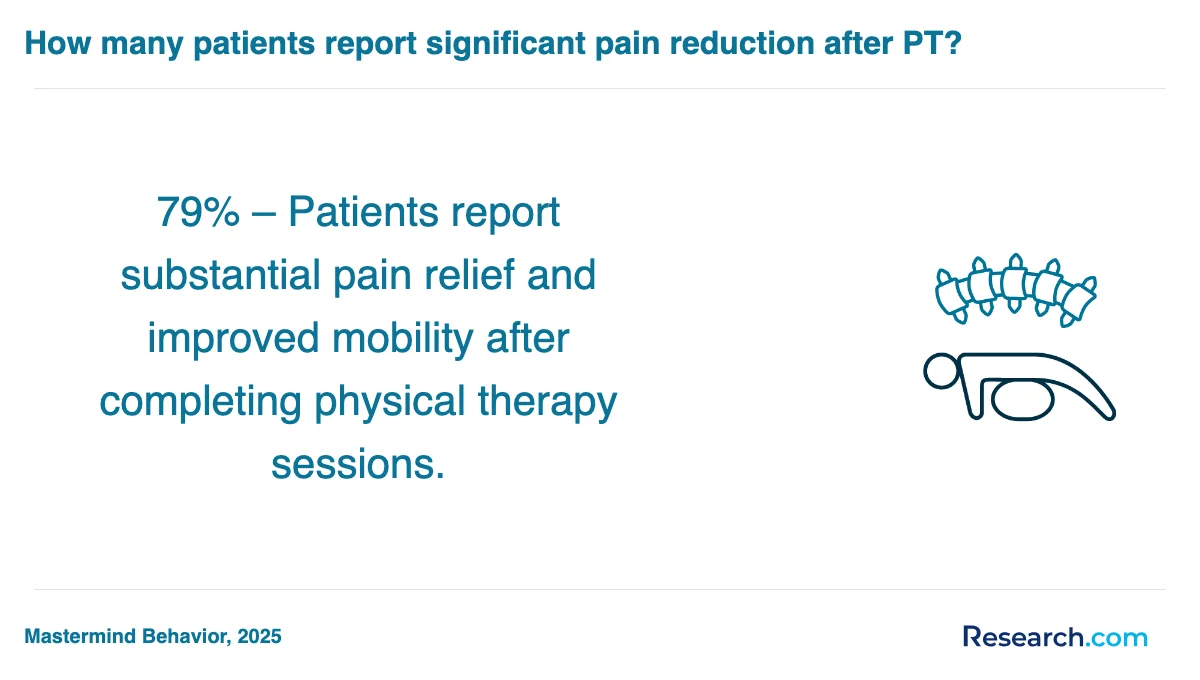
Graduates of physical therapist assistant trade school programs in Maine often find themselves well-prepared for a variety of fulfilling roles within the healthcare landscape. Many begin their careers as Physical Therapist Assistants, working closely with licensed physical therapists in hospitals, outpatient clinics, or rehabilitation centers. For example, a graduate from a popular Maine trade school shared how hands-on training made the transition into assisting patients with daily exercises both rewarding and impactful. The demand for physical therapist assistant jobs in Maine remains strong, with over 100 openings reported regularly, ensuring a steady start for new professionals.
Career opportunities for PTA graduates in Maine extend beyond direct patient care. Some alumni pursue roles such as:
- rehabilitation technician
- therapy team assistant
- administrative support within physical therapy departments
Experienced PTAs may advance into leadership roles, managing therapy teams or specializing in areas like sports rehabilitation. Others consider further education to become licensed physical therapists. The practical skills gained at Maine's trade schools not only open doors to diverse healthcare settings but also foster a strong sense of purpose.
For those eager to explore related areas, resources on jobs related to health provide valuable insights that align well with the path of a PTA graduate in Maine.
The physical therapist assistant job outlook in Maine remains robust, offering graduates from trade schools solid employment opportunities across diverse healthcare settings. Many graduates from well-known PTA programs in Maine describe moving quickly into roles at hospitals, outpatient clinics, and home health agencies, which are vital in both urban and rural communities.
Common experiences include:
- Obtaining travel PTA positions that provide varied clinical environments and specialized work in orthopedics or geriatrics
- Securing permanent roles in rehabilitation centers or skilled nursing facilities with competitive annual salaries ranging from $70,000 to $110,000
- Using Maine's expanding healthcare network, especially in rural areas, to deliver personalized patient care in home settings
These employment opportunities Maine offer graduates flexibility to tailor their careers to preferred locations and specialties. Hands-on clinical training through Maine's trade schools builds confidence, enabling new assistants to hit the ground running. Licensing requirements ensure graduates meet state standards, which boosts their appeal to employers.
Beyond technical skills, students often explore how PTA roles differ from other therapies, sometimes referencing resources like the difference between physical therapist and chiropractor to better understand their career path in allied health.
Best Physical Therapist Assistant Training Programs & Trade Schools - Top PTA Schools in Maine for 2026
# 1 position
Kennebec Valley Community College - Physical Therapy Assistant.
associateKennebec Valley Community College offers a Hybrid Physical Therapy Assistant program that prepares students to implement treatment plans, train patients, and conduct interventions under the supervision of a physical therapist. The curriculum includes applied anatomy, physiology, biomechanics, neuroscience, and professional ethics. The program’s annual in-state tuition is $3,562. Graduates earn a median salary of $35,260 one year after completion. It is accredited by the New England Commission on Higher Education.
# 2 position
University of Maine at Presque Isle - Physical Therapy Assistant.
associateThe Physical Therapy Assistant program at University of Maine at Presque Isle offers a hybrid format combining distance education with in-person training. It prepares students to assist physical therapists by implementing treatment plans, training patients, and documenting progress. Coursework covers anatomy, physiology, biomechanics, neuroscience, and professional ethics. The program’s in-state annual tuition is $8,990, and graduates earn a median salary of $35,813 one year after completion. It is accredited by the New England Commission on Higher Education.
Frequently Asked Questions about physical therapist assistant
After completing a physical therapist assistant (PTA) trade school program in Maine, preparing for the job market involves several key steps. First, graduates must pass the National Physical Therapy Exam (NPTE) for PTAs, which is mandatory for licensing in Maine. The Maine Department of Professional and Financial Regulation oversees this process.
Building practical experience through clinical internships or externships during the program is essential, as many employers value hands-on skills. Networking with local clinics and hospitals can improve job prospects, especially in Maine's growing healthcare sector.
According to the U.S. Bureau of Labor Statistics, Maine's employment of PTAs is expected to grow by about 16% from 2022 to 2032, faster than the national average. Staying informed about state job openings via Maine's CareerCenter is also recommended for targeted applications.
Employers in Maine seek physical therapist assistant (PTA) graduates who demonstrate strong clinical skills and a solid understanding of therapeutic techniques. According to the Maine Department of Labor, communication skills are critical, as PTAs must effectively interact with patients and healthcare teams.
Additionally, employers value graduates who exhibit professionalism, reliability, and the ability to follow detailed treatment plans. Practical experience gained through accredited trade programs is essential, ensuring readiness for patient care.
Competence in anatomy, physiology, and patient safety protocols is also highly prioritized. Maine's healthcare industry emphasizes adaptability and empathy, given the diverse patient needs.
Overall, a combination of technical expertise and interpersonal skills shapes employability in this field.
Finding internships in Maine relevant to physical therapist assistant (PTA) trade school programs involves several key steps. First, students should connect with their school's career services, which often have established partnerships with local clinics and rehabilitation centers. According to the Maine Dept. of Labor, healthcare internships, including those for PTAs, are frequently available in hospitals and outpatient facilities across the state.
Networking with licensed physical therapists and PTA professionals in Maine can also open doors to internship opportunities. Additionally, students can explore listings on Maine-specific job boards like JobsInME.com or use national platforms that filter by location and healthcare roles.
The Commission on Accreditation in Physical Therapy Education (CAPTE) requires PTA programs to include clinical internships. Therefore, accredited schools typically assist students in securing these essential placements, often within Maine's growing healthcare sector, which saw a 7% employment growth from 2020 to 2023 (Bureau of Labor Statistics).
Obtaining a physical therapist assistant (PTA) diploma from a trade school in Maine significantly enhances career mobility and advancement opportunities. Graduates become eligible to sit for the National Physical Therapy Exam (NPTE) for PTAs, a required step for state licensure in Maine. According to the Maine Department of Labor, licensed PTAs in the state enjoy a median annual wage of approximately $54,000, with demand projected to grow by 17% through 2030, faster than the average for all occupations.
Completing an accredited PTA program also opens pathways for specialization and higher responsibility roles within clinics, hospitals, and rehabilitation centers. Maine's healthcare employers typically prefer candidates with formal diplomas and licensure, which facilitate upward mobility into supervisory or specialized therapy positions. Additionally, earning a PTA diploma can serve as a stepping stone toward further education, such as pursuing a physical therapist degree, expanding long-term career prospects.
Students enrolled in physical therapist assistant trade schools in Maine can benefit from several part-time job opportunities that complement their education. Working as a physical therapy aide or rehabilitation aide is a common choice, allowing hands-on experience while performing supportive tasks under licensed therapists. According to the U.S. Bureau of Labor Statistics, Maine's healthcare support roles are projected to grow by approximately 8% through 2031, reflecting steady demand.
Other options include roles as fitness trainers or personal care aides, which help develop interpersonal skills and knowledge of patient care. These jobs can enhance practical understanding of anatomy and movement, valuable for physical therapist assistants.
If you are searching for a Best Physical Therapist Assistant degree program near me in Maine, there are several universities and colleges that offer accredited programs. These institutions provide comprehensive curriculums designed to equip students with the necessary skills and knowledge to excel in the field. By using Research.com as a resource, you can find detailed information on some of the top programs available near Maine.
- Best Physical Therapist Assistant Training Programs & Trade Schools - Top PTA Schools in Pennsylvania for 2026
- Best Physical Therapist Assistant Training Programs & Trade Schools - Top PTA Schools in Maryland for 2026
- Best Physical Therapist Assistant Training Programs & Trade Schools - Top PTA Schools in West Virginia for 2026
- Best Physical Therapist Assistant Training Programs & Trade Schools - Top PTA Schools in Kentucky for 2026
- Best Physical Therapist Assistant Training Programs & Trade Schools - Top PTA Schools in North Carolina for 2026
- Best Physical Therapist Assistant Training Programs & Trade Schools - Top PTA Schools in Tennessee for 2026
- Best Physical Therapist Assistant Training Programs & Trade Schools - Top PTA Schools in Indiana for 2026
- Best Physical Therapist Assistant Training Programs & Trade Schools - Top PTA Schools in Michigan for 2026
- Best Physical Therapist Assistant Training Programs & Trade Schools - Top PTA Schools in Illinois for 2026
- Best Physical Therapist Assistant Training Programs & Trade Schools - Top PTA Schools in Florida for 2026
- Becoming a Physical Therapist Assistant | APTA https://www.apta.org/your-career/careers-in-physical-therapy/becoming-a-pta
- Physical Therapist Assistants and Aides : Occupational Outlook Handbook: : U.S. Bureau of Labor Statistics https://www.bls.gov/ooh/healthcare/physical-therapist-assistants-and-aides.htm
- How to Become a School Physical Therapist Assistant | Salary https://www.provocollege.edu/blog/how-to-become-a-school-physical-therapist-assistant/
- Physical Therapy Assistant Trade Schools & Training Programs https://www.best-trade-schools.net/programs/wellness/physical-therapy/
- Physical Therapist Assistant Program | College of DuPage https://www.cod.edu/academics/programs/physical-therapist/
- Physical Therapist Assistant https://www.greenriver.edu/students/academics/areas-of-interest/program-maps/healthcare-wellness/physical-therapist-assistant/index.html
- PTA Part-Time Option Physical Therapist Assistant Associate in Science | NSCC https://www.northshore.edu/academics/programs/pta/pta-part-time.html
- Physical Therapy Assistant Schools & Colleges https://www.trade-schools.net/health-care/physical-therapist-assistant
- Physical Therapist Assistant and Aide Career | Explore Careers in Physical Therapy Assistance https://explorehealthcareers.org/careers/physical-therapy/physical-therapist-assistant/
- Where Do PTAs Work? Exploring Different Healthcare Settings - Villa Maria College https://www.villa.edu/where-do-physical-therapy-assistants-work/


