Best HVAC Technician Training Programs & Trade Schools - Top HVAC Tech Schools in North Mankato for 2026

Co-Founder and Chief Data Scientist
Choosing the right HVAC technician trade school in North Mankato is an important step toward a rewarding career. This article introduces a carefully crafted ranking of HVAC technician trade school programs, developed by the Research.com team of data scientists to help you make an informed decision.
By exploring these top programs, you can find the best fit for your goals and start building valuable skills. Earning a diploma or certification opens doors to stable, well-paying jobs in a growing industry. Dive in to discover opportunities that can shape your future with confidence.
Key benefits of finishing HVAC technician trade school in North Mankato
- Graduates can expect an average hourly wage of around $25.33 in North Mankato, with opportunities to earn overtime, making this a financially rewarding career choice.
- Career paths include working as residential or commercial HVAC technicians, with options to advance into specialized roles or supervisory positions, offering strong job stability and growth.
- Completing a HVAC trade school online provides flexible scheduling and faster completion times, ideal for those balancing work or family, while maintaining quality training comparable to traditional programs.
- Best HVAC Technician Training Programs & Trade Schools - Top HVAC Tech Schools in North Mankato for 2026
- What can I expect from HVAC technician trade schools in North Mankato?
- Where can I work after finishing HVAC technician trade schools in North Mankato?
What can I expect from HVAC technician trade schools in North Mankato?
Enrolling in an HVAC technician trade school program in North Mankato means diving into a curriculum that balances hands-on practice with essential theory. Graduates often describe lab sessions that mirror real-world HVAC challenges, from diagnosing heating system issues to mastering refrigeration cycles. At popular local schools, students can pursue certificates, diplomas, or an Associate of Applied Science degree, each designed to build confidence in equipment operation and safety protocols.
Many students appreciate the flexible scheduling options, with fall and spring starts accommodating full-time learners and working professionals alike. The instruction comes from experienced faculty who guide learners through both technical skills and industry standards, preparing them for certifications like EPA Section 608.
Graduates often share how the practical training and problem-solving focus made them ready for immediate employment. In fact, placement rates are impressive, reflecting strong demand in North Mankato's HVAC job market. For those motivated, credits earned may even transfer toward a bachelor's degree, opening further career opportunities.
Where can I work after finishing HVAC technician trade schools in North Mankato?
After completing an HVAC technician trade school program in North Mankato, graduates often find themselves quickly immersed in a range of rewarding career paths. Many begin by working with local HVAC contractors, gaining hands-on experience installing and servicing residential systems. Others move into commercial or industrial roles, repairing complex refrigeration units or managing climate control for large buildings. The practical training from popular North Mankato trade schools prepares students to confidently handle these real-world challenges.
Graduates frequently share how rewarding it is to solve problems on-site, whether troubleshooting a heating issue in a family home or maintaining campus-wide HVAC systems at institutions like Minnesota State University Mankato. These experiences build skills and confidence, opening doors to diverse workplaces such as property management firms and healthcare facilities.
With over 30 HVAC-related job opportunities regularly available in the region, many graduates feel optimistic about their futures. The variety of roles and employers, combined with competitive wages, creates a fulfilling and stable career path tailored to individual strengths and interests in North Mankato's growing HVAC industry.
After finishing an HVAC technician trade school program in North Mankato, graduates often find themselves earning an average hourly wage of $25.33. This means starting out with an annual salary around $52,700 if working full-time, without counting overtime. Many graduates from popular local trade schools share stories of picking up extra hours, which can add roughly $6,750 more to their yearly income, making the job financially rewarding right away.
Some graduates step into more specialized roles like HVAC installers and see slightly higher starting pay, around $26.37 per hour. This steady wage aligns with what local employers offer, giving new technicians confidence in their earning potential.
Those who stay in the field, gaining experience and certifications, often see their salaries climb. Graduates from North Mankato's trade schools talk about reaching annual earnings above $80,000 after a few years, especially when working in the wider Minnesota market.
For students considering HVAC training, these examples highlight the solid financial foundation that North Mankato trade schools can provide, coupled with opportunities for growth and job stability.
- North Mankato offers HVAC training options including certificate, diploma, and associate degree programs, mainly through South Central College.
- Programs last from a few months for certificates to two years for associate degrees and include both classroom and hands-on lab work.
- Tuition at public trade schools like South Central College averages $6,000-$7,000 per year, excluding books and fees, with financial aid available for qualifying students.
- South Central College reports a 100% job placement rate for HVAC graduates who seek employment shortly after finishing the program.
- The average starting salary for HVAC technicians in Minnesota is about $50,000 per year, with experienced workers earning $60,000 or more annually.
Completing an HVAC technician trade school program in North Mankato typically takes about 6 to 12 months, depending on whether you enroll full-time or part-time. Graduates from popular local trade schools often share how the intensive hands-on training and focused curriculum allow them to gain practical skills quickly, preparing them for the workforce in less than a year.
Many students appreciate the efficient pacing of these programs, which combine classroom learning with real-world labs. For instance, one graduate described their experience balancing evening classes and weekend workshops, enabling them to work part-time while advancing their career goals.
Trade schools in North Mankato are known for fostering a supportive environment, where instructors guide students through troubleshooting HVAC systems and mastering installation techniques swiftly. This immersive approach helps students feel confident and ready to tackle the challenges of HVAC roles shortly after finishing the program.
Choosing a local trade school means access to industry connections and job placement assistance, which further shortens the path from classroom to career in this thriving field.
The difference between online and on-campus HVAC technician trade school programs in North Mankato centers on the learning experience and hands-on opportunities. Graduates from South Central College often describe their on-campus training as immersive and confidence-building, thanks to direct access to sophisticated labs and real HVAC equipment. This in-person approach allows them to ask questions in real time and immediately apply what they learn, which many find essential for mastering complex diagnostic and repair skills.
In contrast, online programs offer flexibility that suits those juggling work or family, delivering lectures and materials digitally. However, students frequently mention the challenge of developing practical skills without consistent, supervised hands-on practice. While some online courses try to bridge this gap with virtual simulations, graduates note that nothing quite replaces the tactile experience gained on campus in North Mankato's trade schools.
For many, the decision comes down to how much direct interaction with equipment and instructors they feel they need to thrive in a demanding technical field like HVAC.
In North Mankato, the average cost HVAC technician trade school North Mankato programs often reflect a balance between quality education and financial feasibility. Graduates from South Central College share how tuition rates of $185.49 per credit, combined with fees of $21.45 per credit, resulted in a total of about $8,100 for the full 39-credit diploma - an investment that opened doors to steady employment. Meanwhile, Minnesota North College offers a Heating & Cooling Technician diploma priced slightly higher, with tuition at $192 per credit plus $21.61 fees, totaling an estimated $10,116 when factoring in textbooks and supplies. Students recall feeling assured that these costs were a practical step toward a well-paying, in-demand career.
Many students mention financial aid options available locally, including federal grants, loans, and scholarships, which ease the burden significantly. The North Star Promise Scholarship, for example, is well-regarded for offering eligible Minnesota residents potential tuition-free pathways covering these tuition fees. This kind of support often inspires confidence, making the financial commitment feel worthwhile as graduates envision themselves thriving in the trade.
Experience from those who completed such HVAC technician program tuition fees North Mankato indicates a strong return on investment, especially as median salaries reach around $70,080 yearly for Minnesota HVAC technicians. For those weighing their paths, comparing trade school costs with traditional colleges through resources like trades vs college offers valuable perspective on choosing the right route forward.
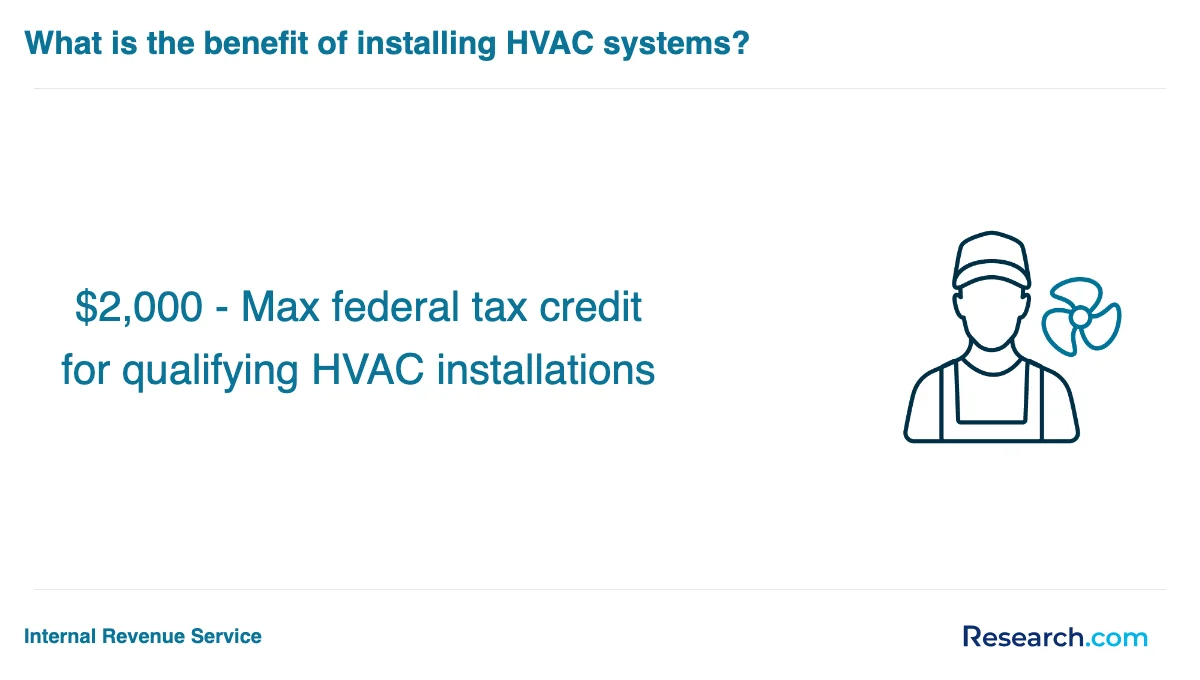
Students pursuing HVAC technician programs in North Mankato often find financial aid options that ease the burden of tuition and equipment costs. Many rely on the Federal Pell Grant, which provides non-repayable funds based on financial need, allowing students to focus on learning rather than worrying about expenses. Graduates from South Central College frequently share how this grant, combined with federal student loans, made completing their associate degree more manageable.
State grants in Minnesota also play a crucial role by supplementing federal aid for residents attending approved schools. These grants can significantly reduce out-of-pocket costs, making the path to certification feel more achievable. Some students recall how these funds helped them afford essential tools and equipment, which range from $875 to $2,425 at their trade school.
Beyond government aid, scholarships based on merit or financial need open doors for many aspiring HVAC technicians. Schools in North Mankato often assist students in navigating these opportunities, fostering a supportive environment where financial stress does not overshadow technical training.
Enrolling in an HVAC technician trade school program in North Mankato usually requires meeting a few straightforward prerequisites designed to set students up for success. Most popular trade schools here expect applicants to have a high school diploma or GED, ensuring a solid foundation in basic math and science skills. Graduates often mention how this background helped them grasp essential concepts like electrical circuits and thermodynamics more easily.
Some schools recommend or require:
- Basic proficiency in algebra and reading comprehension to follow technical manuals and safety protocols
- A genuine interest in hands-on work and problem-solving, which many graduates describe as both challenging and rewarding
- Passing a placement test or an interview to assess readiness and motivation
Trade schools in North Mankato sometimes encourage prospective students to gain some exposure to mechanical systems through volunteer work or apprenticeships before applying. This practical experience can boost confidence and help students picture themselves thriving in the program. Graduates often recall how starting with small projects at home or shadowing professionals gave them a clearer sense of the career path ahead.

Typical HVAC technician trade school programs in North Mankato include a robust selection of courses that prepare students for real-world HVAC/R challenges. Graduates often recall hands-on labs where they mastered electrical theory, learning to safely wire and troubleshoot circuits just like they would on a customer's heating system. These courses build confidence by breaking down complex electrical controls into manageable concepts.
Heating and cooling concepts are central, with students exploring the ins and outs of furnaces, air conditioners, and heat pumps. One graduate described how understanding different system efficiencies helped them recommend cost-effective solutions during internships.
The refrigeration cycle theory course stands out, where students visualize the flow of refrigerants through compressors and evaporators. This knowledge becomes tangible when working directly with equipment, diagnosing leaks or pressure issues on-site.
Other key courses include:
- Equipment operation and component specification, teaching how to pick the right parts for repairs.
- Whole system operation and system calculations, helping students size equipment accurately.
- Diagnostic methods emphasizing maintenance and troubleshooting with industry tools.
Supplementing technical skills, professional practices like safety standards and EPA certification prep ensure graduates enter the workforce ready, reflecting the comprehensive training available at South Central College and similar North Mankato institutions.
Many students enrolled in HVAC technician trade school programs in North Mankato find themselves drawn to core specialization tracks that reflect real-world industry demands and local job opportunities. Popular HVAC specializations in North Mankato trade schools typically include:
- Residential HVAC systems, focusing on heating and cooling solutions for homes and smaller buildings, ideal for those eager to work directly with homeowners.
- Commercial HVAC systems, which cover installation and troubleshooting of larger, complex systems in office spaces, schools, and warehouses.
- Refrigeration technology, emphasizing the maintenance of refrigeration units essential in grocery stores, restaurants, and medical facilities.
Graduates from North Mankato HVAC/R technician program options often share how hands-on labs with advanced equipment deepen their confidence in diagnosing problems quickly. Many recall the satisfaction of mastering electrical theory and system calculations through practical exercises. Additionally, some students pursue certifications like EPA Section 608 or NATE, recognizing their importance to career growth.
Those curious about the timeline and pathways to these specializations can explore resources on how long to become an hvac technician, which provide insights tailored to their goals and local markets.
Choosing the best HVAC technician programs North Mankato means focusing on schools that combine strong accreditation with hands-on training. Graduates from popular local colleges often praise the balance between classroom theory and practical skills, like piping and advanced electrical controls, which build confidence for real job challenges. This approach ensures a smoother transition into the workforce.
Look for programs with high job placement rates, as seen in top HVAC trade schools in North Mankato, where recent graduates express satisfaction with career support and employer connections. Convenient locations, such as South Central College in North Mankato, reduce commute stress and allow students to engage fully with their studies.
A great program also readies students for essential certifications like the EPA Section 608, directly contributing to employability. Considering tuition costs alongside financial aid options helps balance investment with future salary expectations. For an informed view on options, what are the best trade schools online can be a valuable resource to explore.

Graduates from HVAC technician trade school programs in North Mankato often step into a variety of rewarding roles in the local job market, reflecting strong demand for HVAC technician jobs in North Mankato. Many begin as HVAC installation technicians, installing heating and cooling systems in homes or light commercial spaces, where they gain hands-on experience that builds confidence and technical skill.
Others quickly transition into service technician roles, performing maintenance and repairs that keep systems running efficiently. Some graduates find themselves drawn to specialized commercial HVAC-R technician positions, working on larger, complex systems in businesses or industrial settings.
Trade schools like South Central College empower students not just for immediate work, but also career growth through associate degrees and transfer options to earn operations management degrees, preparing them for supervisory roles. Experienced HVAC professionals in North Mankato can advance to positions such as HVAC system designer, project manager, or licensed contractor, enjoying the satisfaction of overseeing entire projects.
For those exploring further education, maintenance technician certification online programs offer flexible options to enhance credentials and unlock even more HVAC career opportunities North Mankato.
HVAC technician job openings in North Mankato remain robust, offering graduates of local trade schools promising career paths. Graduates often share how the hands-on training they received translates directly to real-world roles, whether installing systems in residential homes or maintaining refrigeration units at larger employers like Minnesota State University Mankato. Many find starting wages attractive, with HVAC technician salary in North Mankato ranging between $21 and $38 per hour, complemented by sign-on bonuses in some commercial sectors.
Employers value not only mechanical skills but also strong communication and reliability, traits emphasized in popular local programs. Graduates report feeling confident walking into interviews, citing the blend of theory and practical skills their schools provide.
Opportunities typically include:
- Entry-level positions with steady growth potential
- Specialized roles focusing on energy-efficient systems
- Paths to advancement as experience accumulates
For those considering how to get started, exploring the most affordable online hvac training can supplement local education, widening access to affordable credentials and boosting readiness for the evolving job market.
Best HVAC Technician Training Programs & Trade Schools - Top HVAC Tech Schools in North Mankato for 2026
# 1 position
South Central College - Heating, Air Conditioning, Ventilation and Refrigeration Maintenance Technology/Technician.
associateSouth Central College offers a Hybrid program in Heating, Air Conditioning, Ventilation and Refrigeration Maintenance Technology/Technician. The curriculum prepares students to repair, install, service, and maintain heating, air conditioning, and refrigeration systems. Instruction includes diagnostic techniques, testing equipment use, and principles of mechanics, electricity, and electronics. The program’s annual in-state tuition is $6,146. It is accredited by the Higher Learning Commission.
# 2 position
South Central College - Heating, Air Conditioning, Ventilation and Refrigeration Maintenance Technology/Technician.
certificate or diplomaSouth Central College offers a hybrid Heating, Air Conditioning, Ventilation and Refrigeration Maintenance Technology/Technician program designed to prepare students to repair, install, service, and maintain HVAC and refrigeration systems. The curriculum includes diagnostic techniques, use of testing equipment, and principles of mechanics, electricity, and electronics. The program is accredited by the Higher Learning Commission. Annual in-state tuition is $6,146.
Frequently Asked Questions about HVAC technician
After completing an HVAC technician trade school in North Mankato, preparing for the job market involves several key steps. First, obtaining industry certifications such as EPA Section 608 is essential, as these are often required by employers and demonstrate technical competence. Networking locally can also improve job prospects; connecting with area contractors and attending trade shows can open opportunities.
Building a strong resume that highlights hands-on training and any internships gained during schooling helps demonstrate practical skills. According to the U.S. Bureau of Labor Statistics, HVAC employment in Minnesota is projected to grow faster than average, emphasizing the importance of staying updated on new technologies.
Continuing education and specialization in areas like green HVAC systems can further increase employability in North Mankato's evolving market.
Employers in North Mankato seek HVAC technician graduates with strong technical skills, including knowledge of heating, ventilation, air conditioning, and refrigeration systems. Proficiency in electrical systems and troubleshooting is essential, as these abilities ensure effective diagnosis and repair of complex equipment.
In addition to technical expertise, employers value graduates who demonstrate strong problem-solving skills and adaptability. The HVAC industry frequently updates technologies, so staying current with industry standards and certifications, such as EPA Section 608, is critical.
Communication skills and professionalism are also important, as technicians often interact with clients and team members. According to the U.S. Bureau of Labor Statistics and local North Mankato workforce reports, technicians with hands-on experience and relevant certifications have higher employment prospects and earning potential in the region.
Finding internships in North Mankato relevant to HVAC technician trade school programs involves several practical steps. Start by contacting local trade schools and community colleges, as many have partnerships with HVAC companies offering internships. The Minnesota Department of Employment and Economic Development (DEED) reports steady growth in HVAC job openings, increasing internship opportunities.
Networking is crucial; attend local job fairs and industry events in North Mankato to meet potential employers. Additionally, online job platforms like MinnesotaWorks.net often list HVAC internships specifically in this region. Reaching out directly to HVAC contractors and service companies in North Mankato can also uncover unadvertised internships.
Many schools encourage students to leverage their instructors' industry connections, which can help secure hands-on experience. Internships typically last from a few weeks to several months, offering valuable fieldwork to complement classroom learning.
Obtaining a diploma from a HVAC technician trade school in North Mankato significantly enhances career mobility and advancement opportunities. Graduates gain practical skills aligned with industry standards, making them competitive candidates in the local job market. According to the U.S. Bureau of Labor Statistics, HVAC technician roles are expected to grow 5% nationally from 2022 to 2032, reflecting steady demand.
In North Mankato, employers often prefer candidates with formal training, which can lead to higher starting salaries and quicker promotions. Trade school diplomas also enable eligibility for state licensing and certifications, essential for career progression.
Moreover, certified technicians may qualify for specialized roles in commercial or industrial HVAC systems, increasing earning potential and job security.
Students attending HVAC technician trade schools in North Mankato can benefit from part-time jobs that offer practical experience and skill development. Local HVAC companies often seek entry-level assistants for tasks like equipment maintenance, system inspections, and basic repairs. These roles provide hands-on exposure to heating, ventilation, and air conditioning systems, complementing classroom learning.
Additionally, retail positions at hardware or home improvement stores can deepen technical knowledge of HVAC products and tools. According to the U.S. Bureau of Labor Statistics, HVAC jobs in Minnesota are expected to grow by 9% from 2022 to 2032, highlighting strong local demand. Internships or apprenticeships through unions or trade organizations in North Mankato also offer valuable industry connections and on-the-job training.
To find the best HVAC Technician degree program near me, you can start by exploring community colleges and technical institutions that offer specialized HVAC training near North Mankato, MN. Many of these programs are designed to provide hands-on experience and preparation for certification exams, and it's helpful to compare curricula to find the one best suited to your needs. Utilizing resources like Research.com can aid in efficiently locating and evaluating the quality of various programs and universities in this field.
- How to Find an HVAC Apprenticeship | Austin Career Institute https://austincareerinstitute.edu/blog/hvac/tips-for-finding-an-hvac-apprenticeship/
- HVAC Apprenticeships and Internships | Generation NEXT Energy Pros https://nextenergypros.com/apprenticeships-and-internships/
- HVAC Job Placement: Employment Strategies After Training https://www.genesiscareer.edu/hvac-job-placement-employment-strategies/
- A Guide to Skilled Trades Apprenticeships and Internships | BestColleges https://www.bestcolleges.com/trades/guide-to-skilled-trades-apprenticeships-internships/
- Hands-on Skills at the Best Schools for HVAC Training https://tidewatertechtrades.edu/blog/combination-welding-essential-skills-for-a-successful-career/
- How to Become an HVAC Technician in 2025 | The Ultimate Career Guide - InterCoast Colleges https://intercoast.edu/articles/become-hvac-technician/
- Online HVAC Technician Career Guide https://www.ashworthcollege.edu/career-diplomas/heating-air-conditioning/career-guide/
- Technical Trades Work and Learning Program for Students | MassCEC https://www.masscec.com/technical-trades-students
- HVAC Trade Schools: HVAC Training Programs | Fortis https://www.fortis.edu/programs/skilled-trades/heating--ventilation--air-conditioning-and-refrigeration-trades.html
- Find HVAC Trade Schools - Diploma & Associate Degree Programs https://www.trade-schools.net/trades/hvac