Best HVAC Technician Training Programs & Trade Schools - Top HVAC Tech Schools in New Jersey for 2026

Co-Founder and Chief Data Scientist
Choosing the right HVAC technician trade school in New Jersey can shape your future career. This article introduces a carefully crafted ranking of HVAC technician trade school programs created by the Research.com team of data scientists to guide you in making an informed decision.
Whether you’re starting fresh or looking to advance your skills, earning a diploma or certification opens doors to reliable job opportunities and personal growth.
Explore this guide to find programs that fit your goals and take the first step toward a rewarding career in HVAC technology.
Key benefits of finishing HVAC technician trade school in New Jersey
- Graduates of HVAC technician trade schools in New Jersey can expect an average salary of about $70,842 per year, with entry-level wages starting around $28.69 per hour, offering strong earning potential early in their careers.
- Many trade school graduates find rewarding career paths in installation, maintenance, or repair services, often advancing quickly by gaining certifications and hands-on experience at well-known New Jersey schools.
- Completing an HVAC program online provides flexibility and faster completion times, allowing graduates to balance work and study while still gaining valuable skills, as seen with successful online students from popular New Jersey trade schools.
- Best HVAC Technician Training Programs & Trade Schools - Top HVAC Tech Schools in New Jersey for 2026
- What can I expect from HVAC technician trade schools in New Jersey?
- Where can I work after finishing HVAC technician trade schools in New Jersey?
What can I expect from HVAC technician trade schools in New Jersey?
Enrolling in an HVAC technician trade school program in New Jersey means diving into a hands-on learning experience designed to launch your career quickly. Graduates from schools like Universal Technical Institute in Bloomfield describe spending hours in labs, working directly with real HVACR systems, mastering installation, repair, and diagnostics. The blend of in-person labs and classroom lessons makes complex concepts like system design and safety protocols easy to grasp and exciting to apply.
Many students appreciate the small class sizes found at places like The Training Center in Wrightstown, where personalized attention helps build confidence and skills faster. Beyond technical training, you'll develop valuable soft skills such as communication and professionalism-qualities that employers in New Jersey's growing HVAC industry truly value.
Graduates often highlight how certification preparation, including EPA 608 and NATE, opens doors to apprenticeships or immediate employment. The practical focus and career support make the journey rewarding, fueling motivation with each hands-on success.
Where can I work after finishing HVAC technician trade schools in New Jersey?
Graduates from HVAC technician trade schools in New Jersey often find themselves stepping into diverse and rewarding career paths. Many start with hands-on roles in residential and commercial HVAC companies, gaining valuable experience in installation and service. Imagine working alongside seasoned professionals in bustling Newark or Jersey City, where demand for skilled technicians is high and opportunities abundant.
Others discover fulfilling positions within local government agencies, school districts, or hospital facility management teams, where their skills keep vital systems running smoothly for communities. Popular trade schools in New Jersey prepare students for these roles by offering practical training that employers actively seek.
Some graduates choose the entrepreneurial route, leveraging their licenses to become independent contractors or small business owners. This flexibility allows them to shape their careers according to their ambitions-whether that's managing a team, specializing in refrigeration, or advancing into supervisory roles.
With job postings showing steady growth and competitive salaries, completing an HVAC program in New Jersey opens doors to a future full of promise and professional growth.
After completing an HVAC technician trade school program in New Jersey, graduates quickly see the rewards of their hard work. Many report starting wages in the mid-$20s to low $30s per hour, translating to an annual income between $46,000 and $67,000 for full-time work. Imagine finishing a popular local trade school and stepping into your first job earning around $29 per hour-this is a realistic and exciting start for many newcomers.
With experience and certifications, these earnings grow steadily. Graduates from well-known New Jersey trade schools often share how their salaries increased to $70,000 or more within a few years. In cities like Passaic or Union, it's common to find technicians earning close to $74,000 annually, reflecting the demand and respect for skilled HVAC professionals.
For those passionate about advancing, specialized roles or supervisory positions can push incomes toward $100,000 or beyond, proving that a trade school diploma in HVAC is not just a credential-it's a gateway to a fulfilling and prosperous career.
- Admission usually requires being at least 18 years old, having a high school diploma or GED, and a valid driver's license.
- Programs can last from 39 weeks up to 11 months, with some offering up to 82 classes and hands-on labs; apprenticeships typically last about five years with 200 classroom hours and 1,800 on-the-job hours annually.
- Tuition costs around $10,000 for an 11-month program, often including materials and tools, with financing options lowering monthly payments to about $190.
- EPA Section 608 Certification is required to handle refrigerants, and independent contractors must obtain a Master HVACR License by passing a state exam and meeting experience requirements.
- Entry-level HVAC technicians in New Jersey start near $45,000 per year, with average salaries around $60,000 and experienced technicians earning $75,000 or more depending on licensing and specialization.
Completing an HVAC technician trade school program in New Jersey typically takes about 6 to 12 months, depending on the school and course intensity. Many graduates from popular New Jersey trade schools share how this focused timeline allowed them to quickly gain hands-on skills and step confidently into the workforce. For example, some students from well-known programs find themselves repairing heating systems or installing air conditioners just months after starting their training.
The accelerated pace is designed to keep you motivated and engaged, turning your passion for HVAC into a rewarding career without unnecessary delays. Imagine learning in modern labs, guided by instructors who understand New Jersey's climate challenges and industry demands. This real-world preparation helps graduates feel ready and excited to take on jobs in homes and businesses across the state.
Whether you choose a full-time or part-time schedule, the flexible options available at New Jersey trade schools make it possible to balance life and education, fueling a sense of achievement every step of the way.
Choosing between online and on-campus HVAC technician trade school programs in New Jersey often comes down to how you want to learn and live during your training. On-campus students at Fortis Institute in Wayne or Universal Technical Institute in Bloomfield thrive on the hands-on experience-imagine spending hours each week in real labs, working directly with HVAC systems, repairing units, and mastering installations under expert guidance. Many graduates feel energized by this immersive, practical approach, gaining confidence as they connect theory with real-world skills.
In contrast, online or hybrid programs like those at The Training Center in Wrightstown offer incredible flexibility. Students juggling work or family appreciate 24/7 access to online materials, studying HVAC principles and safety at their own pace. Yet, these programs still bring students together for essential hands-on labs, blending convenience with vital skill-building. Many graduates cherish this balance, finding motivation in self-paced learning while knowing they'll gain the in-person experience employers demand.
When considering the average cost HVAC technician trade school New Jersey options, many students find certificate programs at local technical schools or community colleges to be an accessible and rewarding choice. These programs generally cost between $5,000 and $15,000 and offer hands-on experience with modern HVAC systems. Graduates often recall how the structured payment plans, such as the $2,500 deposit followed by monthly installments, made pursuing their passion manageable. The practical training paired with certifications included in tuition helps students confidently step into the workforce.
For those seeking a more in-depth education, associate degree programs provide comprehensive knowledge and typically cost between $15,000 and $35,000 in New Jersey. Many students appreciate that institutions like Mercer County Community College deliver strong fundamentals while balancing affordability. Investing in this path equips future technicians with a broad skill set, positioning them well for long-term career growth.
Knowing the importance of budgeting beyond tuition is key. Additional expenses may include tools, books, and licensing fees, which can impact the overall HVAC technician program tuition fees New Jersey students should prepare for. Yet, the excitement of gearing up with one's own professional tools and earning certifications adds an inspiring dimension to this journey.
Many students access financial aid and scholarships tailored to New Jersey residents, lightening the financial load. The investment in training today opens doors to opportunities explored by countless graduates who now enjoy some of the highest paid trade school jobs in the region, turning their hard work into a fulfilling career.
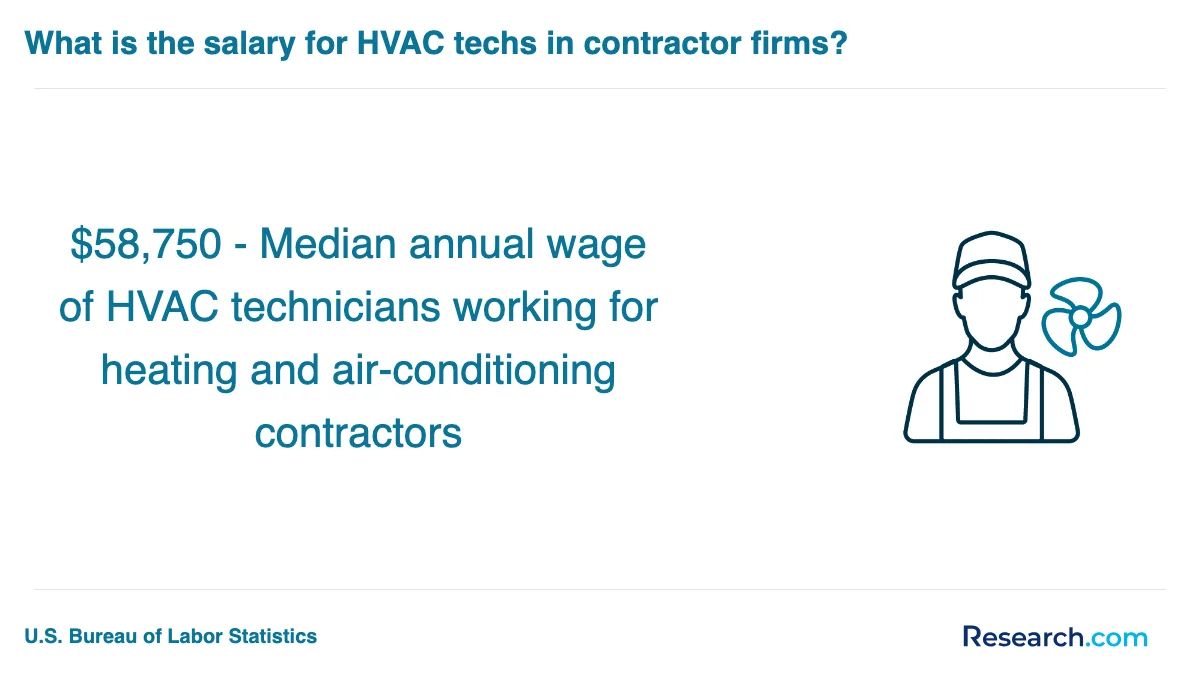
Many HVAC technician students in New Jersey discover that financial aid opens doors to their dream careers. By completing the FAFSA, students can access Pell Grants-free money based on need that lifts the weight of tuition costs. Graduates from Pennco Tech recall how these grants made their training affordable, fueling their motivation to succeed.
In addition to federal support, New Jersey offers state programs like the Tuition Aid Grant (TAG) and the Educational Opportunity Fund (EOF), which help students from diverse backgrounds. These programs have empowered aspiring technicians at schools like Universal Technical Institute in Bloomfield to focus on learning rather than financial stress.
Beyond grants and loans, many trade schools offer scholarships and flexible financing plans. For example, The Training Center in Wrightstown allows monthly payments as low as $190, making it easier for students to manage expenses while mastering HVAC skills.
With personalized guidance from financial aid offices, students feel supported every step of the way, turning challenges into opportunities for a brighter future.
To enroll in an HVAC technician trade school program in New Jersey, certain prerequisites help set you up for success and make the journey smooth and rewarding. Most popular trade schools in the state expect applicants to have a high school diploma or a GED, ensuring you possess foundational skills in math and science-essential for mastering HVAC systems.
Graduates often share how having a basic understanding of algebra and physics made complex concepts easier to grasp during their hands-on training.
Additionally, schools typically require:
- Proof of residency or citizenship status in New Jersey.
- Physical ability to handle the demands of HVAC work, such as lifting equipment and climbing ladders.
- Basic reading and communication skills to follow technical manuals and safety protocols.
Many students also find that possessing a strong work ethic and eagerness to learn can be just as important as formal prerequisites. One graduate described how their positive attitude helped them thrive in the bustling labs and real-world internships common at New Jersey trade schools.
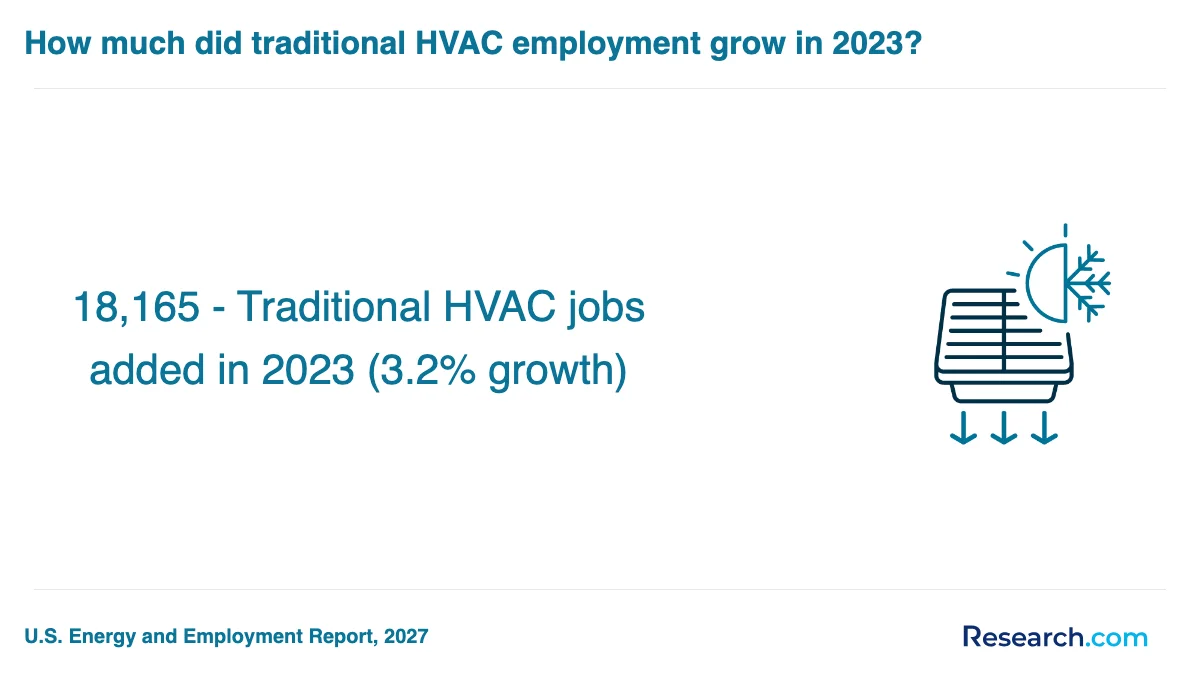
In New Jersey, HVAC technician trade school programs offer a dynamic blend of courses designed to equip you with the skills needed to thrive in this rewarding career. Graduates often share how hands-on classes in system installation, repair, and maintenance gave them confidence to tackle real-world challenges from day one. Imagine mastering the fundamentals of heating, ventilation, air conditioning, and refrigeration (HVACR) technology while learning to troubleshoot complex systems with ease.
Typical courses include:
- Electrical principles focused on circuits, wiring, and diagnostics to power your technical expertise
- Soldering, pipefitting, and refrigerant handling that prepare you for the hands-on demands
- Gas and oil furnace operation, heat pump systems, and air conditioning services reflecting diverse equipment you'll encounter
- Environmental topics like solar heating and geothermal systems, empowering you to innovate with energy-efficient solutions
- Safety training covering personal and equipment safety to keep you secure on every job
Many students from popular New Jersey trade schools emphasize how certification prep for EPA 608 and R-410A refrigerant handling, alongside OSHA 10 training, made them job-ready and highly marketable. The low student-to-instructor ratio and frequent lab sessions ensure personalized guidance, turning classroom lessons into real-world skills that inspire pride and readiness as you launch your HVAC career.
Students pursuing HVAC technician trade school programs in New Jersey can dive into exciting specializations that prepare them for thriving careers. Graduates from schools like Lincoln Tech in Mahwah cherish hands-on training in Air Conditioning, Refrigeration, and Heating Systems Technology, where they master climate control, electricity, and commercial refrigeration design. This makes every practical session feel like stepping directly into a real-world job.
Many eager learners also embrace Energy efficiency and green technology systems in New Jersey HVAC programs, gaining skills in energy auditing with cutting-edge tools like thermal-imaging cameras. This specialization not only empowers them to reduce energy waste but also fuels their passion for sustainable innovation.
Programs focusing on Commercial refrigeration systems training in New Jersey HVAC schools prepare students for dynamic roles servicing supermarkets and restaurants, turning tough technical challenges into rewarding achievements. In addition, the rising interest in Alternative Heating Systems, such as geothermal and solar heating, offers graduates the chance to lead in eco-friendly solutions.
For motivated individuals eager to explore these opportunities, discovering the top vocational trade programs online can spark the next step toward a fulfilling HVAC career in New Jersey.
Choosing the best HVAC technician trade schools in New Jersey requires focusing on programs that blend strong accreditation, practical training, and flexibility. Graduates from top-rated HVAC training programs in New Jersey, like those at Lincoln Technical Institute in Union and Mahwah or Eastwick College in Nutley, often highlight how hands-on experience with HVAC-R systems prepared them for real-world challenges with confidence and skill. Selecting schools that offer evening or part-time classes, such as Mercer County Community College, can provide the balance needed for those managing work or family commitments.
Look for schools with solid job placement support, as graduates frequently share success stories about quickly finding employment through these networks. Carefully weigh the total investment against potential earnings and financial aid opportunities to maximize your return.
For many, understanding the advantages of hvac apprenticeship over certification adds clarity to their path, helping them select the program that fits best with their goals and lifestyle.
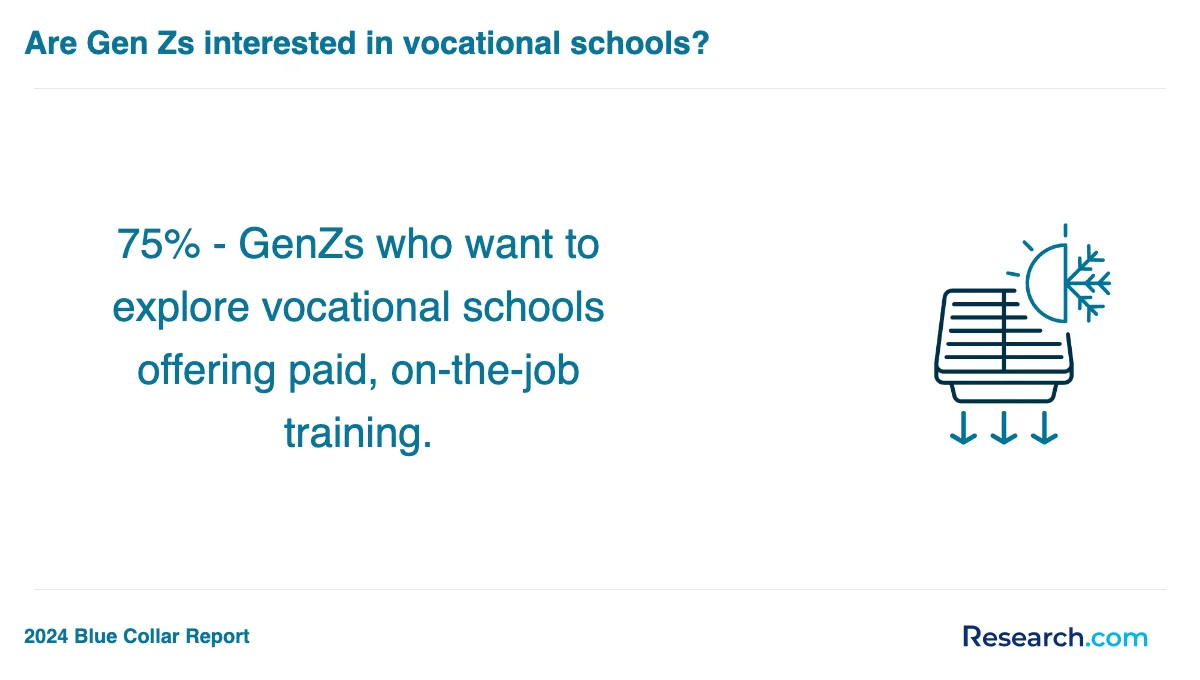
Graduates of HVAC technician trade school programs in New Jersey quickly find themselves stepping into vibrant career paths full of growth and opportunity. Many begin as HVAC installers or service technicians, gaining hands-on experience by maintaining and repairing systems in homes and businesses across the state. These roles offer a strong foundation and immediate job satisfaction, with graduates often sharing stories of the rewarding feeling of solving complex system issues for customers.
With dedication, technicians advance to the journeyman level, where independence and expertise grow. This stage is crucial, involving logged apprenticeship hours that build confidence and skill. Popular New Jersey trade schools consistently prepare graduates to excel here, fueling their passion for the field.
For those eager to lead, the master HVAC contractor career New Jersey path is the pinnacle. Achieving this status requires completing certifications, apprenticeships, and passing key exams, opening doors to business ownership and project management. Many graduates from top programs see themselves thriving in these leadership roles.
Considering these diverse options, students exploring trade school online programs in New Jersey discover a roadmap to a fulfilling HVAC technician jobs in New Jersey journey filled with upward mobility and rewarding challenges.
For graduates of HVAC technician trade schools in New Jersey, the job market is vibrant and full of promise. Many find rewarding careers quickly, benefiting from the state's ongoing demand driven by aging infrastructure and new construction projects. Graduates from popular trade schools share stories of landing jobs with starting salaries around $40,000 and moving rapidly into positions earning upwards of $70,000 or more as they gain experience.
The HVAC technician job market in New Jersey is bolstered by strong hourly wages-often between $30.90 and $31.95-with opportunities for overtime pay that can add thousands to annual earnings. Graduates often point to cities like Trenton, where experienced technicians can earn as much as $48 per hour, reflecting the high demand in urban centers.
Students appreciate that advanced certifications and hands-on experience from these schools prepare them for impressive salary growth and job stability. Practical training helps them excel in commercial and residential HVAC roles, opening doors to lucrative positions.
Many recent graduates highlight how their career prospects have been enhanced by understanding key industry trends and pathways, which are extensively detailed in resources like the hvac technician career path.
Key advantages for new technicians include:
- Competitive salaries well above national averages
- Strong demand in major New Jersey cities
- Clear opportunities for advancement with additional certifications
Best HVAC Technician Training Programs & Trade Schools - Top HVAC Tech Schools in New Jersey for 2026
# 1 position
Adult and Continuing Education-BCTS - Heating, Air Conditioning, Ventilation and Refrigeration Maintenance Technology/Technician.
certificate or diplomaThe Heating, Air Conditioning, Ventilation and Refrigeration Maintenance Technology/Technician program prepares students to repair, install, service, and maintain HVAC and refrigeration systems. It offers instruction in diagnostic techniques, testing equipment, and principles of mechanics, electricity, and electronics. The program is delivered in a hybrid format with some distance education options. Graduates have a median earning of $44,000 one year after completion. It is accredited by the Council on Occupational Education.
# 2 position
Pennco Tech-Blackwood - Heating, Air Conditioning, Ventilation and Refrigeration Maintenance Technology/Technician.
certificate or diplomaPennco Tech-Blackwood offers a hybrid program in Heating, Air Conditioning, Ventilation and Refrigeration Maintenance Technology/Technician. The curriculum prepares students to repair, install, service, and maintain HVAC and refrigeration systems, focusing on diagnostic techniques, testing equipment, and principles of mechanics, electricity, and electronics. Graduates have median earnings of $39,632 one year after completion. The program is accredited by the Accrediting Commission of Career Schools and Colleges.
# 3 position
Fortis Institute-Wayne - Heating, Air Conditioning, Ventilation and Refrigeration Maintenance Technology/Technician.
certificate or diplomaThe Heating, Air Conditioning, Ventilation and Refrigeration Maintenance Technology/Technician program at Fortis Institute-Wayne prepares students to repair, install, service, and maintain HVAC and refrigeration systems. The hybrid program covers diagnostic techniques, testing equipment, and principles of mechanics, electricity, and electronics. Graduates have median earnings of $34,064 one year after completion. The program is accredited by the Accrediting Bureau of Health Education Schools.
# 4 position
Fortis Institute-Lawrenceville - Heating, Air Conditioning, Ventilation and Refrigeration Maintenance Technology/Technician.
certificate or diplomaThe Heating, Air Conditioning, Ventilation and Refrigeration Maintenance Technology/Technician program at Fortis Institute-Lawrenceville prepares students to repair, install, service, and maintain HVAC and refrigeration systems. This hybrid program includes training in diagnostic techniques, testing equipment, and principles of mechanics, electricity, and electronics. Graduates earn a median salary of $34,064 one year after completion. The program is accredited by the Accrediting Bureau of Health Education Schools.
# 5 position
Ocean County Vocational-Technical School - Heating, Air Conditioning, Ventilation and Refrigeration Maintenance Technology/Technician.
certificate or diplomaOcean County Vocational-Technical School offers a hybrid Heating, Air Conditioning, Ventilation and Refrigeration Maintenance Technology/Technician program. It trains students to repair, install, service, and maintain HVAC and refrigeration systems using diagnostic techniques and testing equipment. Instruction covers mechanics, electricity, and electronics principles relevant to system repair. The program is accredited by the Middle States Commission on Secondary Education.
# 6 position
National Career Institute - Heating, Air Conditioning, Ventilation and Refrigeration Maintenance Technology/Technician.
certificate or diplomaThe Heating, Air Conditioning, Ventilation and Refrigeration Maintenance Technology/Technician program at National Career Institute offers a hybrid format with some distance education options. It trains students to repair, install, service, and maintain heating, air conditioning, and refrigeration systems. The curriculum covers diagnostic techniques, testing equipment, and mechanical, electrical, and electronic principles relevant to system repair. This program is accredited by the Council on Occupational Education.
# 7 position
Burlington County Institute of Technology-Adult Education - Heating, Air Conditioning, Ventilation and Refrigeration Maintenance Technology/Technician.
certificate or diplomaBurlington County Institute of Technology-Adult Education offers a Hybrid program in Heating, Air Conditioning, Ventilation and Refrigeration Maintenance Technology/Technician. The curriculum prepares students to repair, install, service, and maintain HVAC and refrigeration systems, covering diagnostic techniques, testing equipment, and mechanical, electrical, and electronic principles. The program is accredited by the Middle States Commission on Secondary Education.
Frequently Asked Questions about HVAC technician
After completing an HVAC technician trade school in New Jersey, preparing for the job market involves several key steps. First, obtaining EPA Section 608 Certification is essential, as it is federally required for handling refrigerants. Many trade schools include this certification in their programs.
Next, gaining hands-on experience through apprenticeships or internships can significantly improve employability. New Jersey's construction and maintenance sectors are growing, with a 12% projected job growth for HVAC technicians by 2030, according to the U.S. Bureau of Labor Statistics.
Networking through local trade unions and industry organizations, such as the New Jersey Contractors Association, can open job opportunities. Finally, developing soft skills like customer service and communication is crucial for career advancement in this field.
Employers in New Jersey prioritize a combination of technical and soft skills when hiring HVAC technician trade school graduates. Proficiency in system installation, maintenance, and repair is essential, along with familiarity with modern HVAC technologies and compliance with local building codes. According to the U.S. Bureau of Labor Statistics and New Jersey Department of Labor reports, employers also value strong problem-solving abilities and troubleshooting skills, which enable technicians to efficiently diagnose and fix issues.
Communication skills are increasingly important for explaining complex technical information to clients. Additionally, knowledge of EPA regulations regarding refrigerants is mandatory due to federal and state environmental laws. Safety awareness and the ability to work independently or in teams complete the core skill set demanded by New Jersey employers.
Finding internships relevant to HVAC technician trade school programs in New Jersey involves leveraging multiple local resources. Many trade schools have established partnerships with HVAC companies and contractors, which can provide direct internship opportunities. Students should inquire with their school's career services or internship coordinator for available placements.
Additionally, the New Jersey State Apprenticeship Program offers registered HVAC apprenticeship opportunities, combining paid work with classroom instruction. The U.S. Department of Labor's apprenticeship.gov website lists current openings by state, including New Jersey.
Networking through local unions such as the Sheet Metal Workers' Local Union 27 or job fairs hosted by the New Jersey Department of Labor can also connect students with internships. According to New Jersey's Department of Labor, HVAC-related trades are projected to grow by 6% through 2030, emphasizing increasing internship availability.
Obtaining a diploma from a HVAC technician trade school in New Jersey significantly enhances career mobility and advancement opportunities. According to the New Jersey Department of Labor, skilled HVAC technicians with formal training and certification earn on average 15-20% more than those without credentials. A diploma validates technical skills, making graduates more competitive for entry-level and supervisory roles in the state's robust construction and maintenance sectors.
Employers in New Jersey often prefer candidates with accredited trade school diplomas because they demonstrate hands-on experience and knowledge of current HVAC technologies and safety standards. This credential also facilitates eligibility for state licensing exams, a requirement for many advanced positions.
Data from the U.S. Bureau of Labor Statistics shows that New Jersey's HVAC field is projected to grow by 9% through 2030, creating more advancement pathways for diploma holders. Additionally, trade school graduates benefit from established industry connections and apprenticeship opportunities, which are crucial for long-term career growth within the state.
Part-time job opportunities in New Jersey that complement HVAC technician trade school education often involve hands-on roles in maintenance and repair. Positions such as HVAC helper or apprentice allow students to apply theoretical knowledge while gaining practical experience. According to the U.S. Bureau of Labor Statistics, New Jersey's HVAC technician employment is projected to grow by 5% from 2022 to 2032, indicating steady demand.
Other relevant jobs include general maintenance technician roles in residential and commercial buildings. These positions help students develop skills in troubleshooting and customer service. Local contractors and property management companies frequently seek part-time assistants during peak seasons, offering flexible schedules compatible with schooling.
Students may also find opportunities in supply stores specializing in HVAC parts, where product knowledge and customer interaction skills are valuable. These jobs, combined with formal education, strengthen a student's resume and industry connections.
To find the best HVAC Technician degree program near New Jersey, start by researching local community colleges and trade schools that offer specialized HVAC programs, as many institutions provide comprehensive training close to where you live. It's beneficial to visit campuses near me and ask about their specific curriculum, job placement rates, and any partnerships they might have with HVAC companies. Additionally, platforms such as Research.com can offer insights into program rankings and reviews to help identify quality education opportunities in the HVAC field.
- Best HVAC Technician Training Programs & Trade Schools - Top HVAC Tech Schools in Delaware for 2026
- Best HVAC Technician Training Programs & Trade Schools - Top HVAC Tech Schools in Pennsylvania for 2026
- Best HVAC Technician Training Programs & Trade Schools - Top HVAC Tech Schools in New York for 2026
- Best HVAC Technician Training Programs & Trade Schools - Top HVAC Tech Schools in Maryland for 2026
- Best HVAC Technician Training Programs & Trade Schools - Top HVAC Tech Schools in West Virginia for 2026
- Best HVAC Technician Training Programs & Trade Schools - Top HVAC Tech Schools in Kentucky for 2026
- Best HVAC Technician Training Programs & Trade Schools - Top HVAC Tech Schools in North Carolina for 2026
- Best HVAC Technician Training Programs & Trade Schools - Top HVAC Tech Schools in Maine for 2026
- Best HVAC Technician Training Programs & Trade Schools - Top HVAC Tech Schools in Michigan for 2026
- Best HVAC Technician Training Programs & Trade Schools - Top HVAC Tech Schools in Illinois for 2026
- HVAC technician salary in New Jersey ‐ CareerExplorer https://www.careerexplorer.com/careers/hvac-technician/salary/new-jersey/
- HVAC Technician Salary in New Jersey (August 01, 2025) | Salary.com https://www.salary.com/research/salary/listing/hvac-technician-salary/nj
- HVAC Trade Schools: HVAC Training Programs | Fortis https://www.fortis.edu/programs/skilled-trades/heating--ventilation--air-conditioning-and-refrigeration-trades.html
- HVAC Technician Training Program | LCTI https://www.lcti.org/adult-education-course/hvac/
- HVAC Training: Entry Level Tech - ACCA https://www.acca.org/certification/qtech/entryleveltech
- Find HVAC Trade Schools - Diploma & Associate Degree Programs https://www.trade-schools.net/trades/hvac
- Entry Level HVAC Technician - Training Certificate | Midlands Technical College https://www.midlandstech.edu/programs-and-courses/advanced-manufacturing-and-skilled-trades/hvac-training-certificate
- Online Certified HVAC/R Technician Training | University of North Dakota https://und.edu/academics/development/courses/hvac-technician.html
- HVACR Certification - Online Program | Penn Foster https://www.pennfoster.edu/programs/trades/hvac-technician-career-diploma
- Career Expectations for HVAC Technicians | The Training Center of Air Conditioning & Heating https://www.thetrainingcenterofairconditioningandheating.com/hvac-career/career-expectations-for-hvac-technicians/