Best Dental Assistant Training Programs & Trade Schools - Top Dental Assistant Schools in Alaska for 2026

Co-Founder and Chief Data Scientist
Thinking about a career as a dental assistant in Alaska? This article introduces the best dental assistant trade schools in the state for 2026, helping you find the right path. The ranking featured here was developed by the Research.com team of data scientists to guide you toward quality programs worth your time and investment.
By exploring these top schools, you’ll discover valuable options for earning your diploma or certification. Taking this step can open doors to a rewarding and stable career in healthcare. Let’s help you make an informed choice that fits your goals and lifestyle.
Key benefits of finishing dental assistant trade school in Alaska
- Graduates of dental assistant trade schools in Alaska can expect an average starting salary around $40,000 per year, with experienced professionals earning up to $61,000, reflecting strong local demand and competitive wages.
- Many graduates find diverse career paths, including working in private dental offices, specialty clinics, or public health settings, as demonstrated by alumni from Anchorage's well-known trade schools who enjoy flexible and rewarding job options.
- Completing a dental assistant program online offers convenience and affordability, allowing students like those from popular Alaskan online schools to balance work and study while quickly entering the workforce with practical skills.
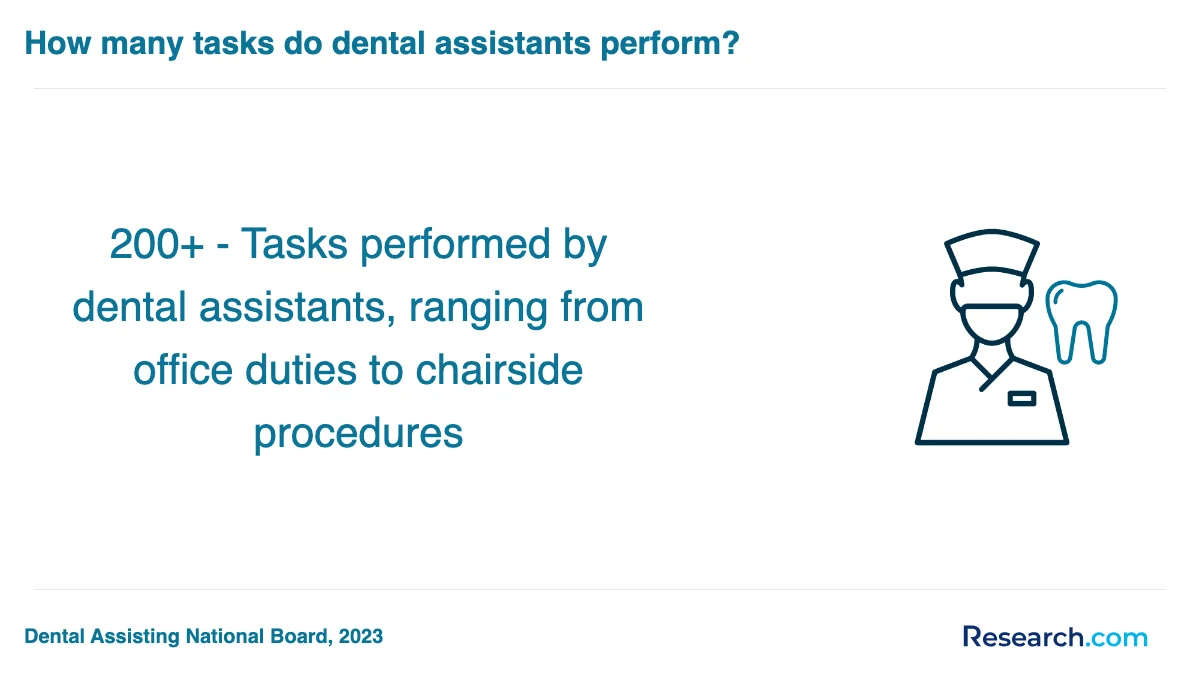
What can I expect from dental assistant trade schools in Alaska?
Students enrolling in dental assistant trade programs in Alaska can expect a comprehensive curriculum covering core dental sciences, administrative duties, radiography, infection control, and emergency procedures. Graduates from popular programs, like those offered by Southcentral Foundation, often highlight the value of hands-on clinical externships, typically around 180 hours, which provide essential real-world experience in local dental offices. This immersive approach builds confidence and competence before entering the workforce.
Many programs blend in-person and online classes, allowing students to balance education with personal commitments. Graduates frequently express satisfaction with the flexible schedules, which helped them maintain work or family responsibilities while advancing their skills.
Students also gain preparation for state-recognized certifications such as the DANB exams, which enhance employability for expanded functions like radiography. Practical training in CPR, OSHA, and HIPAA compliance further equips students to meet Alaska's healthcare standards. Several graduates appreciate paid on-the-job training options that combine mentorship and teamwork, making the learning process engaging and professionally rewarding.
Where can I work after finishing dental assistant trade schools in Alaska?
Graduates of dental assistant trade school programs in Alaska commonly find employment in private dental practices, where they assist chairside, take X-rays, and manage patient records. These roles exist in both general and specialized offices like orthodontics and oral surgery, offering hands-on experience that many students from Anchorage and Fairbanks trade schools report as highly rewarding. Working in these settings provides a stable career with competitive wages and a supportive team environment.
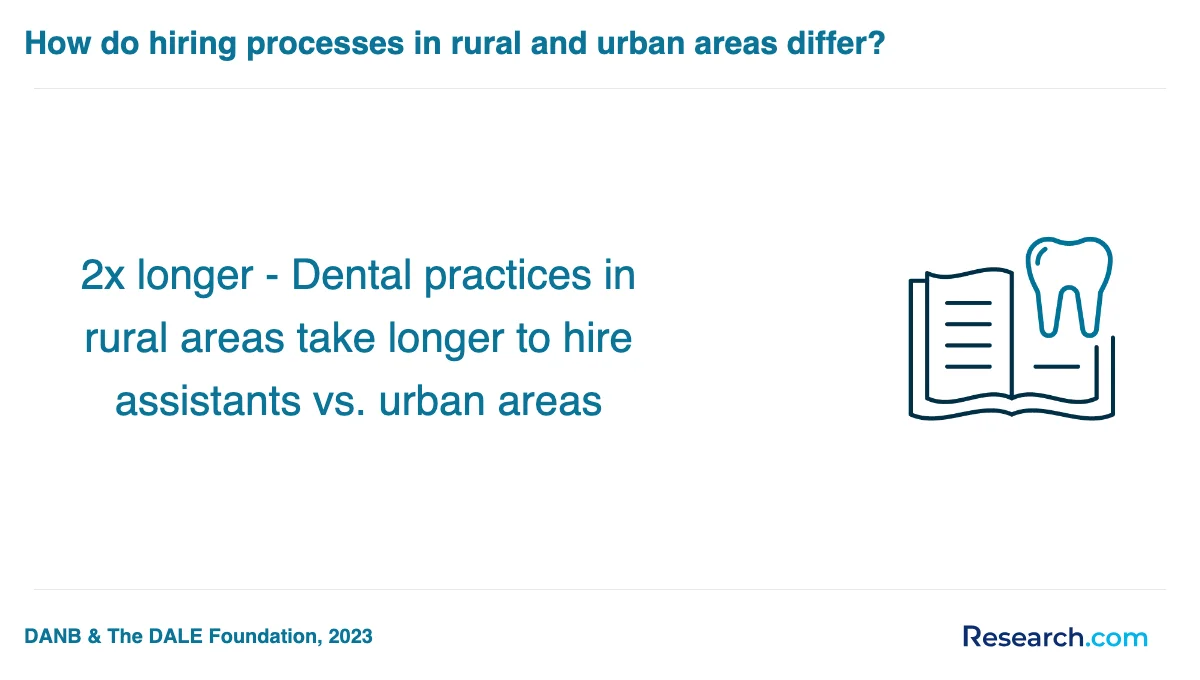
Many also pursue opportunities in community health clinics, especially in rural areas where access to dental care is limited. Graduates often describe the fulfillment of serving Alaska Native and underserved populations through organizations like tribal health providers. Entry-level roles such as "Dental Assistant Trainee" start with hourly wages between $14.35 and $20.80, reflecting strong demand in these sectors.
Hospitals and surgical centers offer positions assisting oral surgeons, requiring familiarity with surgical procedures and medical terminology. Additionally, public health agencies, military bases, and educational institutions hire dental assistants for preventive care and training roles. With over 75 job openings statewide and pay rates from $18 to $48 per hour, graduates from Alaska's trade schools feel optimistic about their career prospects in diverse settings.
How much can I make after finishing dental assistant trade schools in Alaska?
After finishing a dental assistant trade school program in Alaska, graduates typically start with salaries around $40,000 to $41,330 per year. Many graduates from well-known Alaska trade schools share that this starting pay offers a strong foundation to build financial independence, especially when paired with the rewarding hands-on experience gained during training.
With a few years of experience or specialized certifications like the Certified Dental Assistant (CDA), annual earnings often rise above $60,000. For example, dental assistants in Anchorage, where several popular trade schools are located, earn an average of $53,160 per year, while those working in Fairbanks report averages near $50,270. These figures reflect not only the value of the education but also the high demand for skilled assistants in Alaska's dental industry.
Hourly wages for graduates range from about $18.65 to $25.56, with averages around $21.82 to $25.49. Alumni often describe feeling proud of their stable income and the ability to support themselves comfortably in Alaska's higher cost of living, making the investment in a trade school education feel worthwhile.
Best Dental Assistant Training Programs & Trade Schools - Top Dental Assistant Schools in Alaska for 2026
# 1 position
University of Alaska Fairbanks - Dental Assisting/Assistant.
associateThe University of Alaska Fairbanks offers a Hybrid Dental Assisting/Assistant program that trains students to provide patient care, take dental radiographs, and assist with dental procedures under supervision. The curriculum includes medical record-keeping, office duties, patient intake, equipment maintenance, sterilization, and chairside assisting. Annual in-state tuition is $8,640. The program is accredited by the Northwest Commission on Colleges and Universities.
# 2 position
University of Alaska Anchorage - Dental Assisting/Assistant.
associateThe University of Alaska Anchorage offers a hybrid Dental Assisting/Assistant program designed to prepare students for patient care, dental radiographs, and office administrative tasks under dental professionals' supervision. The curriculum includes medical record-keeping, scheduling, equipment maintenance, sterilization, chairside assisting, and supervised practice. The program is accredited by the Northwest Commission on Colleges and Universities. Annual in-state tuition is $7,566.
# 3 position
Charter College - Dental Assisting/Assistant.
certificate or diplomaThe Dental Assisting/Assistant program at Charter College offers hybrid learning with some distance education options. It trains students in patient care, dental radiographs, and office administrative duties under supervision. Instruction includes medical record-keeping, scheduling, equipment maintenance, radiography, chairside assisting, and supervised practice. The program is accredited by the Accrediting Bureau of Health Education Schools. Annual in-state tuition is $18,678, and median earnings one year after completion are $26,847.
# 4 position
University of Alaska Fairbanks - Dental Assisting/Assistant.
certificate or diplomaThe University of Alaska Fairbanks offers a Dental Assisting/Assistant program in a hybrid format, combining in-person and distance education. The program trains students to provide patient care, prepare dental equipment, and assist with radiographs under supervision. Coursework includes medical record-keeping, office duties, scheduling, equipment maintenance, sterilization, and chairside assisting. The program is accredited by the Northwest Commission on Colleges and Universities. Annual in-state tuition is $8,640.
# 5 position
University of Alaska Anchorage - Dental Assisting/Assistant.
certificate or diplomaThe University of Alaska Anchorage offers a hybrid Dental Assisting/Assistant program designed to prepare individuals for patient care and dental office duties under supervision. The curriculum includes instruction in dental radiography, equipment maintenance, office administration, patient intake, and chairside assisting. The program is accredited by the Northwest Commission on Colleges and Universities. Annual in-state tuition is $7,566.
Key Findings
- Applicants must have a high school diploma or GED to enter dental assistant trade school programs in Alaska.
- Programs typically require about 30 credits and last between 9 and 12 months.
- Tuition costs range from $6,000 to $8,000, with additional fees for certification exams like the $450 DANB exam.
- Graduates must obtain CPR certification and complete state-approved radiography training for advanced roles.
- Starting wages are $22-$25 per hour, with annual salaries between $45,000 and $52,000, rising to over $60,000 with experience.
How long does it take to complete dental assistant trade schools in Alaska?
Completing a dental assistant trade school program in Alaska typically takes between 9 to 12 months, depending on the specific school and course format. Many popular Alaskan trade schools offer accelerated tracks that allow students to finish in under a year, which appeals to those eager to enter the workforce quickly.
Graduates often describe the experience as intense yet rewarding, reflecting on how the condensed timeline kept them engaged and motivated. For example, students at well-regarded programs in Anchorage and Fairbanks frequently share how hands-on clinical training alongside classroom instruction made their learning practical and directly applicable.
Trade schools in Alaska also accommodate working adults by offering evening and weekend classes, which may extend completion time slightly but provide essential flexibility. This structure helps students balance family or jobs while progressing steadily toward certification.
Overall, the manageable timeframe combined with practical training gives many students a sense of accomplishment and readiness, making the journey through dental assistant programs in Alaska both efficient and fulfilling.
What's the difference between online and on-campus dental assistant trade school programs?
Online dental assistant programs in Alaska provide significant flexibility, allowing students to complete lectures and assignments remotely via digital platforms. Graduates from popular trade schools often appreciate balancing their coursework with family or part-time jobs, especially when attending live webinars or engaging with virtual labs on oral anatomy or infection control. However, these students still complete hands-on clinical training at approved local dental offices, ensuring they meet the practical experience required by Alaska's licensing standards.
On-campus programs, favored by students who thrive in face-to-face environments, offer structured schedules with regular access to dental labs and direct instructor supervision. Graduates frequently highlight the benefit of practicing skills like radiography under real-time guidance, which builds confidence and technical proficiency. Clinical externships arranged through the school's partnerships provide immersive experience in local dental practices.
The main differences lie in scheduling flexibility-online programs accommodate varied lifestyles, while on-campus demands set class times-and cost, with online options generally being more affordable. Both pathways ensure graduates are fully prepared for Alaska's certification requirements after 9 to 12 months of study.
What is the average cost of dental assistant trade schools in Alaska?
The average tuition for dental assistant programs in Alaska varies significantly between institutions, reflecting differing program scopes and resources. For example, graduates from the University of Alaska Anchorage report paying a tuition fee of $7,162 for their dental assisting education, which includes both theoretical classroom instruction and valuable clinical experience. On the other hand, those attending Charter College in Anchorage face a higher cost, around $18,075, but benefit from comprehensive training in both dental assisting and technology.
When calculating the overall cost of a dental assistant diploma programs in Alaska, prospective students must also factor in essential expenses such as books, supplies, uniforms, and certification fees. These additional costs can range from $600 to $1,800 depending on individual program requirements and personal choices. Many graduates reflect positively on the investment, noting the rewarding hands-on experiences that shaped their confidence and career readiness.
Financial support is a crucial consideration for many Alaska residents seeking dental assistant training. Federal financial aid options like Pell Grants and student loans are accessible through FAFSA applications, and the Alaska Education Grant offers up to $4,000 annually for eligible students enrolled in trade programs. These options significantly ease the burden of tuition and help students focus on their education and future roles in health services. For detailed insights into this and related healthcare jobs, visit the healthcare careers list.
What financial aid is available for dental assistant trade schools in Alaska?
Dental assistant students in Alaska benefit from a variety of financial aid options that make pursuing their education more accessible. Graduates from programs at the University of Alaska Anchorage (UAA) and University of Alaska Fairbanks (UAF) often highlight how federal aid, accessed through the Free Application for Federal Student Aid (FAFSA), helped them secure Pell Grants and subsidized loans, reducing their reliance on personal funds.
State-specific awards like the Alaska Performance Scholarship and Alaska Education Grant further ease tuition costs for residents enrolled in local trade schools. These grants, combined with institutional scholarships and tuition waivers offered by UAA and UAF, create a supportive financial environment that many students find encouraging.
Unique to Alaska, the Southcentral Foundation Dental Assistant Trainee Program provides paid on-the-job training, allowing students to earn income while gaining hands-on experience. This program has been praised by trainees who appreciated the balance of financial stability and real-world learning in Anchorage and Matanuska-Susitna Borough.
Additionally, national scholarships from organizations such as the American Dental Education Association offer merit- and need-based awards, motivating many Alaska students to excel academically and engage in community service.
What are the prerequisites for enrolling in dental assistant trade schools in Alaska?
Enrolling in a dental assistant trade school program in Alaska typically requires a high school diploma or GED, which serves as the foundational academic qualification. Many programs also expect applicants to be at least 18 years old, ensuring maturity for handling clinical responsibilities. Graduates from popular Alaskan trade schools often mention that having basic computer skills and a genuine interest in dental health greatly eased their transition into the program.
Some trade schools in Alaska recommend or require:
- Completion of prerequisite courses such as biology or anatomy
- Proof of immunizations or health clearance for clinical practice
- Background checks and drug screenings to comply with healthcare regulations
- Basic CPR certification or willingness to obtain it early in the program
For example, graduates recall feeling confident entering clinical rotations because they had prepared with these prerequisites. This preparation fosters a positive learning environment and a smooth hands-on experience, reflecting the practical nature of Alaskan dental assistant training. The clear prerequisites help students focus on mastering both technical and interpersonal skills needed in real dental offices across Alaska.
What are the typical courses in dental assistant trade schools in Alaska?
Dental assistant trade school programs in Alaska typically include a comprehensive set of courses designed to prepare students for immediate employment in dental offices. Graduates from popular Alaskan trade schools often emphasize how foundational science courses, like Anatomy for Dental Assistants, helped them confidently understand oral structures, making patient care more intuitive.
Key courses include:
- Dental Materials and Applications: Students learn to select and manipulate materials, vital for assisting dentists during procedures.
- Chairside Assisting: Beginning and Advanced Chairside courses train students to efficiently manage instruments and maintain patient comfort, skills praised by graduates for boosting their workplace readiness.
- Dental Radiography: Mandatory board-approved training teaches safe X-ray techniques, aligning with Alaska's stringent certification requirements.
- Dental Office Administrative Procedures: Covers scheduling, communication, and computer skills, helping students adapt smoothly to office workflows.
- Infection Control and Emergency Procedures: Includes first aid and CPR certifications, which graduates find reassuring when facing real clinical situations.
Students also benefit from a practicum or externship, often involving up to 180 hours of hands-on experience in local dental clinics. This real-world exposure is frequently cited by graduates as a key factor in feeling prepared and confident as they begin their careers in Alaska's dental industry.
What are the available specializations in dental assistant trade schools in Alaska?
Dental assistant trade school programs in Alaska commonly include specializations that enhance practical skills and employment prospects within dental offices statewide. Many graduates from popular Alaskan trade schools emphasize the value of dental radiography training, which enables assistants to take diagnostic X-rays after completing a state-approved course and passing the radiography exam. This specialization is often linked to the Dental Assistant II credential, reflecting regulatory standards of the Alaska Board of Dental Examiners. Students find this skill particularly rewarding as it allows more clinical involvement and responsibility.
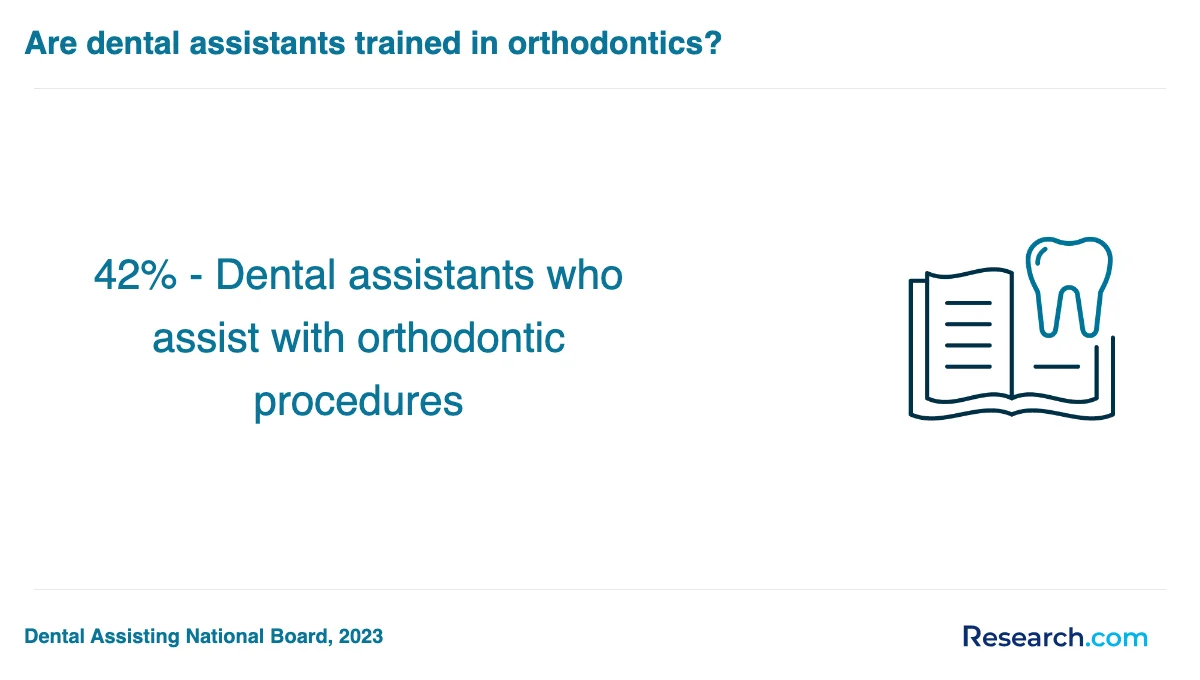
Other sought-after specializations include various expanded functions. Graduates report increased confidence and job satisfaction after obtaining certifications in coronal polishing or restorative procedures. These certifications require targeted training and approval by the state board, reinforcing the importance of restorative function dental assistant certification Alaska in opening doors to diverse roles. Some programs also incorporate orthodontic and prosthodontic assisting, broadening hands-on experience with braces and dental appliances.
Besides clinical skills, students gain knowledge in dental emergency care and office administration, which many appreciate for boosting versatility and workplace readiness. Those seeking affordable schooling options often consider low cost dental assistant associate degree online programs that include these specialization paths, making advanced certifications more accessible for Alaska residents.
How do you choose the best dental assistant trade school program in Alaska?
Choosing the best dental assistant programs in Alaska requires evaluating accreditation, curriculum, and hands-on training opportunities. Graduates from Alaska's trade schools often highlight the value of flexible scheduling that fits their personal lives, including evening or weekend classes. Programs with accredited curricula ensure you gain critical skills like radiography and infection control, vital for practical job readiness.
Researching dental assistant training options in Alaska includes assessing faculty qualifications and job placement support. Alumni from well-known colleges appreciate instructors who provide mentorship and career services such as resume workshops and interview coaching, which smooth the transition into the workforce. Location also matters; selecting a school near your residence minimizes commute times and related costs, improving study-life balance.
Financial considerations are significant-comparing tuition and financial aid is essential. Alaska students report feeling confident choosing programs where scholarship options and payment plans are transparent. For those aspiring beyond assisting, understanding the pathway to further dental careers is easier by exploring education to become a dentist, helping set long-term goals within Alaska's dental field.
What career paths are available for dental assistant trade school graduates in Alaska?
Dental assistant trade school graduates in Alaska quickly find a variety of career paths tailored to the state's unique healthcare landscape. Many begin as Dental Assistant I, gaining essential chairside skills in private practices or community health centers. From this starting point, graduates appreciate the chance to advance to Dental Assistant II roles, performing dental radiography and handling more clinical duties, a progression well supported by Alaska's trade schools.
Numerous graduates describe fulfilling experiences working in diverse settings such as Native health corporations or mobile dental clinics serving remote villages-highlighting the meaningful impact of their role. To tap into dental assistant job opportunities in Alaska, graduates often pursue additional certification to become Expanded Function Dental Assistants, enabling them to take on broader responsibilities and higher pay.
This career advancement is common among those who complete state-approved training alongside trade school programs. Graduates enjoy positive outcomes and often share stories of gaining hands-on expertise through on-the-job training programs in Alaska's largest boroughs. The pathway integrates both clinical and administrative career options, appealing to those interested in long-term growth.
Understanding the difference between roles can also be crucial; new graduates consult resources like dental assistant and dental hygienist guides to navigate their career choices.
Expanded function dental assistant careers Alaska offer pathways in specialization such as radiography and restorative functions, enhancing job satisfaction and expanding earning potential within the state's growing dental sector.
What is the job market for dental assistant trade school graduates in Alaska?
The dental assistant job outlook in Alaska remains robust, with over 80 active openings statewide as of early 2025. Graduates from popular trade schools in Anchorage and Fairbanks report smooth transitions into roles in private practices and specialty clinics. Employers in urban hubs like Palmer emphasize adaptability and clinical skills learned during training, especially for positions requiring assisting in oral surgery or handling dental software.
Wages range between $18 and $48 per hour, reflecting experience and certifications. Many graduates find themselves in full-time roles offering health benefits and paid time off, while others appreciate part-time schedules that support work-life balance. Typical feedback from new dental assistants highlights supportive, team-focused environments encouraging ongoing professional growth.
Dental assistant employment opportunities Alaska-wide are fueled by consistent demand for formally trained professionals. Completing a program at an accredited trade school often leads to quick workforce entry, sometimes within a year. Graduates eager to advance their careers may explore opportunities similar to a certified medical assistant career path, adding versatility to their skill set.
- Steady job openings in urban and rural locations
- Competitive hourly wages and benefits in full-time positions
- Positive work culture focused on patient care and teamwork
Frequently Asked Questions about dental assistant
After completing a dental assistant trade school in Alaska, preparing for the job market involves several key steps. First, graduates should obtain certification through the Dental Assisting National Board (DANB), which is highly valued by employers in Alaska and nationwide. Certification can improve job prospects and potential salary, with Alaska's average dental assistant wage around $25 per hour according to the U.S. Bureau of Labor Statistics (2023).
Networking within local dental offices and attending job fairs in cities like Anchorage and Fairbanks can also increase employment opportunities. Strong communication skills and familiarity with state regulations, including Alaska's specific infection control standards, are important for success. Additionally, maintaining updated CPR certification is often required by employers.
Continuing education and seeking roles in both urban and rural settings in Alaska may provide broader job options, as demand can vary across regions.
Employers in Alaska seek dental assistant graduates with a combination of technical and interpersonal skills. Proficiency in chairside assisting, sterilization procedures, and familiarity with dental software like Dentrix is highly valued. According to the Alaska Department of Labor and Workforce Development, strong communication skills are essential for effectively interacting with patients and dental teams.
Attention to detail and the ability to follow safety protocols contribute significantly to workplace efficiency and patient care quality. Additionally, knowledge of state-specific regulations and infection control standards is important for compliance.
Adaptability and a positive attitude also rank among the top traits employers desire, helping graduates succeed in diverse dental settings across Alaska.
Finding internships relevant to dental assistant trade school programs in Alaska involves several steps. Start by contacting the career services offices of accredited trade schools, as many maintain partnerships with local dental offices. The Alaska Dental Society is another valuable resource that connects students with practicing dentists who may offer internships.
Since Alaska has a smaller population, dental offices often welcome interns to gain hands-on experience. According to the Bureau of Labor Statistics, dental assistant positions in Alaska are expected to grow by about 7% over the next decade, increasing internship opportunities.
Additionally, online job boards like Alaska Job Center Network list dental assistant internships and entry-level roles. Networking at local health fairs or dental conferences in Anchorage or Fairbanks can also open doors to internship placements.
Obtaining a dental assistant trade school diploma in Alaska significantly enhances career mobility and advancement opportunities. According to the Alaska Department of Labor and Workforce Development, dental assistants with formal training have higher employment rates and earn median wages above the statewide average for healthcare support roles. A diploma demonstrates proficiency in clinical and administrative skills, meeting state certification requirements, which many employers prioritize.
The Alaska Board of Dental Examiners requires dental assistants to complete accredited programs to qualify for expanded functions, such as radiography, allowing greater job responsibilities and pay increases.
Moreover, graduates often find easier access to positions in both urban centers like Anchorage and rural communities, where demand for skilled dental assistants is growing.
Part-time job opportunities in Alaska that complement dental assistant trade school education often include positions in dental offices, such as dental receptionists or sterilization technicians. These roles provide practical experience with patient interaction and clinic workflow, enhancing skills learned in school.
According to the U.S. Bureau of Labor Statistics (BLS, May 2023), dental assistants in Alaska earn a median hourly wage of approximately $22.00, with job growth projected at 8% over the next decade. Gaining part-time experience in dental clinics can improve employment prospects post-graduation.
Other relevant part-time roles include working in healthcare facilities as medical aides or administrative assistants, offering valuable exposure to healthcare environments and patient care procedures.
Such jobs also help build professional networks within Alaska's healthcare sector, which can be crucial for future full-time employment opportunities in dental assisting.
There are several dental assistant degree programs available near Alaska, and individuals searching for educational opportunities can explore institutions offering such programs. Prospective students interested in finding the best dental assistant degree program near me can consult Research.com to identify accredited programs that meet their needs. Many universities and community colleges offer specialized training and certificates in dental assisting, so it's advisable to research programs near Alaska to find the one that best fits your career goals.
Related Dental Assistant Rankings for Nearby States
- Best Dental Assistant Training Programs & Trade Schools - Top Dental Assistant Schools in Washington for 2026
- Best Dental Assistant Training Programs & Trade Schools - Top Dental Assistant Schools in Idaho for 2026
- Best Dental Assistant Training Programs & Trade Schools - Top Dental Assistant Schools in Utah for 2026
- Best Dental Assistant Training Programs & Trade Schools - Top Dental Assistant Schools in New Mexico for 2026
- Best Dental Assistant Training Programs & Trade Schools - Top Dental Assistant Schools in North Dakota for 2026
- Best Dental Assistant Training Programs & Trade Schools - Top Dental Assistant Schools in Nebraska for 2026
- Best Dental Assistant Training Programs & Trade Schools - Top Dental Assistant Schools in Oklahoma for 2026
- Best Dental Assistant Training Programs & Trade Schools - Top Dental Assistant Schools in Iowa for 2026
- Best Dental Assistant Training Programs & Trade Schools - Top Dental Assistant Schools in Missouri for 2026
- Best Dental Assistant Training Programs & Trade Schools - Top Dental Assistant Schools in Arkansas for 2026
Top Trending Rankings
References
- Dental Assisting | College of Health | University of Alaska Anchorage https://www.uaa.alaska.edu/academics/college-of-health/departments/preventive-and-therapeutic-sciences/dental-assisting/index.cshtml
- Dental Assistant Degree | UAF Community & Technical College https://www.ctc.uaf.edu/programs/dental-assistant/
- How To Become A Dental Assistant In Alaska: A Complete Guide - Embrasure Space https://embrasurespace.com/dental-licenses/how-to-become-a-dental-assistant-in-alaska-a-complete-guide/
- Dental Assistant Trainee Program - Southcentral Foundation https://www.southcentralfoundation.com/careers/datp/
- Dental Assisting Certificate - Blended Learning School https://chartercollege.edu/programs/health-care/dental-assisting/
- Dental Assistant Career | Accelerated Academy https://www.acceleratedacademy.us/careers/dental-assistant
- Dental Assistant Trade Schools & Training Programs https://www.best-trade-schools.net/programs/healthcare/dental-assistant/
- How Long Are Dental Assisting Programs? https://dentalcareernow.com/articles/how-long-are-dental-assisting-programs
- Dental Assistant Apprenticeship - Alaska Primary Care Association https://alaskapca.org/dental-assistant/
- facebook https://www.dentalpost.net/salary-survey/average-dental-assistant-salary-for-alaska/