2027 Most Affordable Speech Pathology Degree Programs Ranking in Buffalo

Co-Founder and Chief Data Scientist

Reviewed by Rhea Paul, PhD
SLP Education & Research Expert
Choosing the right speech pathology degree program in Buffalo can feel overwhelming. To help you navigate your options, this article presents the 2027 Most Affordable Speech Pathology Degree Programs Ranking in Buffalo, developed by the Research.com team of data scientists.
By exploring this ranking, you'll gain valuable insights into affordable and quality programs that fit your goals. Earning a speech pathology degree opens doors to meaningful careers helping others communicate and thrive. This guide is designed to support your journey with trusted data and practical advice.
Key benefits of getting speech pathology degree in Buffalo
- Graduates with a speech pathology degree in Buffalo can earn competitive salaries, such as Speech Therapists making a mean annual wage of $96,790 and Speech-Language Pathology Assistants earning around $47,010.
- Career paths include working as Speech Therapists, Clinical Research Coordinators, or Community Outreach Coordinators, offering versatile opportunities in healthcare and community services.
- Obtaining an online speech pathology degree provides flexibility and accessibility, allowing students in Buffalo to balance education with personal commitments while gaining the same skills as traditional programs.
- 2027 Most Affordable Speech Pathology Degree Programs Ranking in Buffalo
- What can I expect from speech pathology degree in Buffalo?
- Where can I work with speech pathology degree in Buffalo?
What can I expect from speech pathology degree in Buffalo?
The average cost of pursuing a speech pathology degree in Buffalo is notably affordable, especially compared to private programs nationwide. Graduate tuition for in-state students at SUNY Buffalo, a prominent public university with an accredited speech-language pathology program, typically runs around $11,000 per year. This accessible pricing makes it easier for local students to invest in their future without overwhelming debt.
Graduates often share that the combination of quality education and reasonable costs at Buffalo institutions helps them focus confidently on their studies and clinical training. Many students feel motivated knowing their financial investment is manageable while receiving hands-on experience in local hospitals and schools, essential for licensure readiness.
For example, those attending SUNY Buffalo appreciate that affordable tuition paired with strong academic and clinical support creates a rewarding balance. This practical cost structure encourages more residents to pursue speech pathology careers, knowing both education quality and finances are well-aligned with their goals.
Where can I work with speech pathology degree in Buffalo?
Graduates with a speech pathology degree from institutions like the University at Buffalo find diverse career opportunities in Buffalo's healthcare sector. Many work in hospitals or rehabilitation centers, helping patients recover communication skills after strokes or injuries, which is deeply rewarding. Others join outpatient clinics or telepractice platforms, offering flexible schedules and direct impact on clients' daily lives.
Another common path is employment in Buffalo Public Schools, where speech-language pathologists support children facing speech and language challenges, seeing their progress firsthand in classroom settings. Nursing homes and long-term care facilities also offer roles focused on elderly patients, providing meaningful assistance with age-related communication struggles.
Graduates often highlight the fulfillment of working in community organizations and private practices, where they tailor therapy to individual needs. Some choose academic research roles at local universities, contributing to advancements in speech pathology. The variety in Buffalo makes it easy to find a niche that aligns with your passion and lifestyle while positively impacting lives.
Graduates from speech pathology programs in Buffalo, such as those at state universities or local colleges, typically start with salaries ranging between $55,000 and $65,000. These entry-level roles are often found in school districts or healthcare facilities, where benefits like health insurance add value to the compensation package. Graduates frequently share that securing positions in these settings allows them to gradually build both experience and confidence while supporting their communities.
With a few years of experience, especially in hospitals or private practices, many speech-language pathologists see their salaries rise to around $90,000 or more annually. The U.S. Bureau of Labor Statistics confirms that speech therapists earn a mean wage of approximately $96,790 nationwide, which aligns with Buffalo's market given the growing regional demand. Practical specialization, such as pediatric or geriatric speech therapy, can significantly boost earning potential.
Those considering assistant roles, like Speech-Language Pathology Assistants (SLPAs), should expect starting wages near $47,010. Graduates who pursue certifications beyond their master's degree typically report faster salary growth and improved job opportunities locally. This pathway is a rewarding strategy for Buffalo students aiming to maximize their career and income prospects in the field.
- Speech pathology degrees in Buffalo are mainly offered at the master's level and require accreditation by the Council on Academic Accreditation in Audiology and Speech-Language Pathology (CAA).
- Tuition costs for in-state students range from $25,000 to $40,000 per year, while out-of-state tuition can exceed $50,000 annually, excluding personal expenses and books.
- Entry-level speech-language pathologists in Buffalo earn about $65,000 per year, with experienced professionals making $85,000 or more.
- The job market in Buffalo is growing at approximately 10% over the next decade, driven by demand in schools, hospitals, and private practices.
- Certification requires a master's degree, a clinical fellowship year, passing the Praxis exam, and licensure by the New York State Education Department.
Completing a speech pathology degree in Buffalo typically takes around six years. Most students start with a four-year bachelor's degree in communication sciences and disorders or a similar field, often at well-regarded institutions like the University at Buffalo. Graduates commonly describe this stage as an exciting foundation where they develop core skills and build confidence through engaging coursework and early clinical observations.
Following the bachelor's, a two-year accredited master's program in speech-language pathology is required to qualify for licensure. Buffalo's universities provide these rigorous programs combining classroom learning and supervised clinical practice, which many graduates find both challenging and rewarding as they apply theory in real clinical settings.
After earning the master's degree, new graduates must complete a Clinical Fellowship, roughly one year of full-time mentored work. This phase allows students to gain hands-on experience and professional growth before becoming fully certified speech-language pathologists in New York State.
Before practicing as a speech-language pathologist in Buffalo, graduates must secure state licensure and ASHA certification. Key steps include:
- Complete a master’s in speech-language pathology from a CAA-accredited program (consider affordable options like affordable speech pathology graduate programs in new york)
- Accumulate at least 400 supervised clinical practicum hours
- Pass the Praxis® Examination in Speech-Language Pathology
- Fulfill a 36-week Clinical Fellowship Year (CFY) under ASHA guidelines
- Apply for and maintain a New York State license through the Office of the Professions
Meeting these requirements ensures you can legally deliver therapy services, qualify for insurance reimbursement, and pursue advanced roles. Keep documentation of your clinical hours, exam scores, and CFY evaluations organized for a smooth licensure application. Continuous professional development through state-approved CEUs will sustain your credentials and support career growth.
Online and on-campus speech pathology degrees in Buffalo differ mainly in learning environment and clinical experiences. On-campus programs at schools like the University at Buffalo offer hands-on clinical practica right on campus or nearby through community partnerships. Graduates often recall feeling supported by close mentorship and immediate feedback during these sessions, which builds confidence and practical skills.
Online programs provide flexibility, ideal for those balancing jobs or family, but require arranging local clinical placements independently. Students have shared that while scheduling clinical hours off-campus can be challenging, the freedom to study from home and adjust coursework around personal commitments is motivating and empowering.
Cost is another factor: on-campus tuition at Buffalo universities falls between $15,000 and $30,000 per year, but online students should budget for tech fees and travel to clinical sites. Many find that weighing these aspects helps tailor their path to fit personal and professional goals, making either option viable for certification and career success.
To further assist students in their search for affordable Speech Pathology programs, it's essential to explore various options across New York. For instance, those interested in the cheapest speech pathology programs in New York can find a comprehensive ranking that highlights the most cost-effective choices. This resource enables prospective students to make informed decisions about their educational investments, ensuring they can pursue their passion for Speech Pathology without shouldering excessive debt. By considering these affordable options, students can focus on their academic and professional growth, ultimately leading to a successful and fulfilling career in the field.
The average cost of a speech pathology degree in Buffalo typically centers around $44,000 for the entire program, based on current median figures. Graduate students pursuing their master's degree at the State University of New York at Buffalo often find in-state tuition considerably more affordable, with total costs near $9,700, reflecting the value of public education in the area. In contrast, out-of-state students experience higher expenses but still benefit from Buffalo's generally reasonable living costs, which help ease the financial burden.
Graduates from Buffalo universities frequently highlight how manageable expenses and local scholarships helped make their studies possible, showing that affordable speech pathology programs Buffalo NY offer realistic paths without overwhelming debt. Many students balance part-time jobs or assistantships tied to their clinical practicum, enhancing both their skills and budgets.
While private institutions in the region can charge between $30,000 and $40,000 per year, the total investment remains competitive compared to other parts of the country, where costs might reach $70,000 or more. Seeking financial aid early and exploring opportunities at SUNY Buffalo's financial offices can substantially reduce expenses.
For those wanting to explore more affordable options, the cheapest speech pathology programs in New York offer valuable alternatives that fit diverse financial situations. Taking advantage of these options enables students to focus more fully on their academic and clinical experiences, making the journey both rewarding and financially feasible.
Understanding the long-term financial gains of your Speech Pathology education is essential for making an informed choice. By comparing total program costs against average starting salaries and projected earnings growth, you can estimate how quickly you’ll recoup your investment and begin generating net income. Many Buffalo graduates report completing a Master’s in Speech-Language Pathology with total debt ranging from $30,000 to $60,000. With an average entry-level salary of $66,000 and a median industry growth rate of 4% annually, most students break even within 5 to 7 years post-graduation. Key ROI factors include:
- Total Cost of Attendance: Tuition, fees, books and living expenses can sum to $40,000–$80,000 over two years.
- Salary Trajectory: Starting at $66,000, mid-career SLPs in Buffalo earn up to $92,800, accelerating your payback period.
- Opportunity Cost: Online programs often reduce relocation and commuting costs, shortening time to positive cash flow. To boost your ROI further, consider flexible, cost-effective pathways such as our Affordable Online Master’s in Speech Pathology Degree Programs, which combine lower tuition rates with the same accredited curriculum, allowing you to enter the workforce sooner and with less debt.
Students pursuing speech pathology degrees in Buffalo often start by completing the FAFSA to unlock key federal aid options. Graduates recall how Federal Direct Unsubsidized Loans, which allow up to $20,500 annually, helped cover tuition at the University at Buffalo. When additional funds were needed, many successfully accessed Federal Graduate PLUS Loans to bridge gaps in education costs.
State aid like New York's Tuition Assistance Program (TAP) can lower expenses for eligible residents studying at local public universities, though it mainly supports undergraduates. Some Buffalo graduate students have also benefited from alternative state grants, depending on their program and timing.
Merit-based scholarships from ASHA and local Buffalo organizations make a significant difference. Past students share how receiving these awards eased financial pressure and heightened motivation during clinical placements. School-specific scholarships from University at Buffalo's speech pathology department also play a valuable role in reducing debt.
For those already working in healthcare, employer tuition reimbursement programs in Buffalo's medical centers offer a practical way to fund degrees while gaining relevant experience, creating a win-win scenario.
After completing a speech pathology degree in New York, you must meet specific state and national standards to practice legally and earn professional credentials:
- Graduate from an ASHA-accredited master’s program, such as the slp online masters program, to ensure eligibility for certification.
- Complete a minimum of 400 supervised clinical practicum hours during your degree.
- Pass the Praxis® Examination in Speech-Language Pathology (Test Code 5331).
- Apply for licensure through the New York State Education Department (NYSED), submitting official transcripts and exam scores.
- Fulfill a 36-week Clinical Fellowship Year (CFY) under a licensed mentor’s supervision.
- Obtain the ASHA Certificate of Clinical Competence in Speech-Language Pathology (CCC-SLP) and maintain it through required continuing education units (CEUs).
To enroll in a speech pathology degree program in Buffalo, students must first hold a high school diploma or equivalent for undergraduate entry. Most programs like those at the University at Buffalo require completion of foundational courses in English, biology, psychology, and statistics to build a strong base.
Graduate applicants need a bachelor's degree, preferably in communication sciences and disorders. Those with unrelated degrees often complete prerequisite courses such as Introduction to Communication Disorders, Phonetics, and Anatomy of Speech and Hearing. Buffalo graduates often share how these courses helped them connect theory with hands-on practice, making later clinical experiences more rewarding.
A GPA of 3.0 or higher is typically expected, and some programs may request GRE scores. Many students gain an edge by volunteering or shadowing speech-language pathologists locally, experiencing firsthand the rewarding nature of helping clients communicate.
Local institutions emphasize readiness and passion, which reflect strongly in successful applicants' stories, fostering confidence in prospective students who plan their prerequisites carefully.

Prospective students should start by researching individual program requirements and deadlines to ensure a smooth application process. Begin by tailoring your personal statement to reflect your passion for helping others communicate effectively, elaborating on any relevant volunteer experiences, research, or internships that highlight your commitment to the field. Securing strong letters of recommendation from professors or professionals in related fields can significantly boost your application’s credibility. It is essential to prepare for standardized tests if required, and to polish your résumé with academic and extracurricular achievements that demonstrate leadership and a genuine interest in speech pathology. Detailed preparation can not only enhance your acceptance chances but also provide a competitive edge over other candidates. Additionally, exploring resources that outline the nuances of the admissions process-such as identifying which speech pathology program is easiest to get into-can help guide you towards programs that align with your goals and academic background. Attend virtual or in-person open houses and information sessions offered by local schools in Buffalo to gain further insights into the program culture and available student support services. Engaging directly with admissions officers or current students can clarify any uncertainties regarding prerequisites, financial aid opportunities, and internship placements. Finally, maintain a well-organized application packet, complete with all required documents, to avoid last-minute complications. By taking these strategic steps in your application journey, you not only adhere to the high-quality standards recommended by Google but also set a strong foundation for a successful career in speech pathology.
Speech pathology degree programs in Buffalo typically include courses that build a solid foundation in communication disorders and therapeutic techniques. At popular institutions like the University at Buffalo, graduates often highlight core classes such as Introduction to Communication Disorders, where they first explore different speech, language, and hearing challenges they will later treat. Anatomy and Physiology of the Speech and Hearing Mechanism is another key course, providing detailed insight into the biological systems behind communication.
Students also engage deeply with Phonetics, mastering sound transcription, and Speech and Language Development, which covers milestones in children's communication. Graduates recall how Neurological Bases of Communication helped them understand the brain's role in speech issues, making real connections during clinical rotations.
Assessment and Diagnosis and Intervention Strategies courses prepare students to design personalized therapy plans, essential for success during practicum experiences in Buffalo's diverse clinical settings. Many find these courses rewarding, especially when applying bilingual approaches that suit the local population's needs.
Speech pathology specializations in Buffalo commonly include pediatric speech therapy, adult neurogenic communication disorders, and voice disorders. Graduates from popular Buffalo institutions often share how focusing on pediatrics helped them confidently address articulation disorders and language delays in children, using techniques tailored for infants to school-aged clients. Others highlight their training in adult neurogenic communication, gaining skills to support recovery from strokes or brain injuries, which is increasingly vital due to the local aging population.
Another specialization students appreciate in Buffalo speech pathology degree focus areas is voice disorders, useful for working with clients like singers or public speakers dealing with vocal nodules or chronic laryngitis. Students can also explore fluency disorders, swallowing difficulties, or augmentative and alternative communication (AAC). Engaging with these specializations through clinical practicum or research opportunities at Buffalo colleges makes the training highly practical and fulfilling for future careers.
For those wondering which speech pathology program is easiest to get into, exploring Buffalo's diverse specializations helps match your interests with available programs and strengthens your career outlook.
When choosing the best speech pathology degree in Buffalo, focus first on program accreditation by the Council on Academic Accreditation (CAA) to ensure your education meets professional standards. Graduates from the University at Buffalo often emphasize how its accredited curriculum and robust clinical placements boosted their confidence and hands-on skills. Consider programs that offer diverse practicum opportunities with local healthcare providers, as this real-world experience is required by ASHA certification and can shape your readiness for the workforce.
Cost plays a big role too, especially for those seeking an affordable speech pathology degree Buffalo residents often turn to SUNY schools for lower tuition and state aid benefits. Former students frequently mention how securing scholarships or assistantships eased their financial stress, allowing more focus on studies. For flexible learning, some opt to explore options like the Affordable Online Master's in Speech Pathology Degree Programs.
Lastly, graduates highlight the value of programs with strong faculty support and good placement rates. In Buffalo, speech-language pathologists earn a competitive salary near $78,000, reinforcing that investing time in reputable programs can lead to rewarding career opportunities.
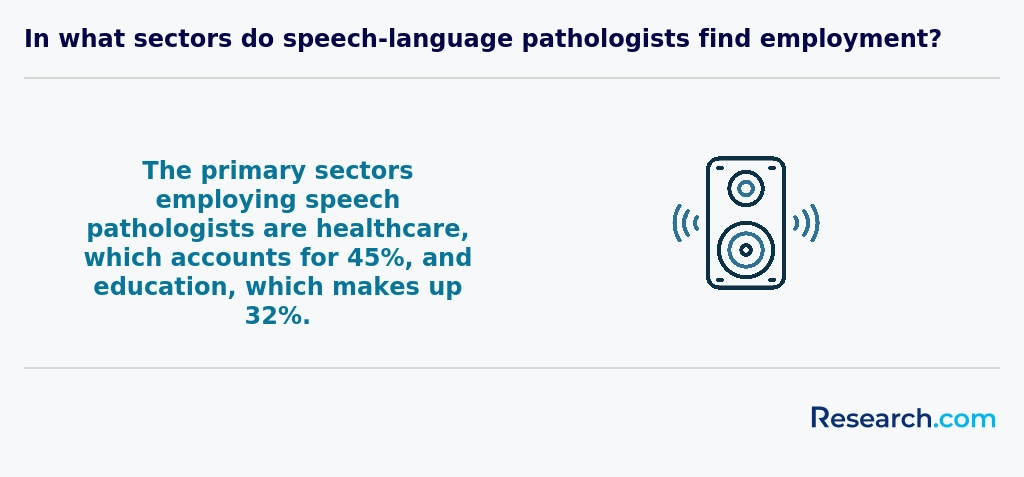
Graduates with a speech pathology degree in Buffalo find varied career opportunities that fit different interests and lifestyles. Many begin working in healthcare settings like Buffalo General Medical Center, providing therapy to patients recovering from strokes or brain injuries. Others pursue roles in public schools, where they support children with speech challenges, often benefiting from New York's teaching certification programs linked to continuing education. These jobs allow graduates to make a meaningful difference early in students' lives while enjoying stable employment aligned with state requirements.
Private practice is another rewarding path for Buffalo graduates who want more control over their schedules and client selection. Working in outpatient clinics or starting their own practice enables specialization, such as pediatric speech therapy or adult rehabilitation. Additionally, Buffalo's universities offer opportunities to engage in research or teaching, which can be fulfilling for those who enjoy academic environments and advancing treatment methods.
For practical insights on expanding your career or exploring alternatives, consider reviewing the college majors list relevant to your interests in the region. These options reflect an encouraging landscape for jobs for speech pathology graduates Buffalo, combining professional growth and community impact.
The job market for speech pathology degree graduates in Buffalo is robust and diverse. Healthcare facilities like Buffalo General Medical Center frequently hire speech-language pathologists to address communication and swallowing disorders, providing steady employment. School districts in Erie County also maintain consistent demand, supported by federal mandates for therapy services, making education a reliable sector for speech pathology jobs in Buffalo NY. Many graduates from local universities report positive experiences entering these workplaces with strong skills developed through accredited programs.
The aging population around Buffalo-Niagara further increases opportunities in long-term care facilities and rehabilitation centers, where speech therapists help seniors recovering from strokes or managing neurological conditions. Graduates often appreciate the advantage of affordable tuition here compared to other metros, which helps ease their transition into the workforce.
For those considering how to enter this field, exploring easy online college courses can supplement practical training while allowing flexibility. This approach, combined with studying locally at reputable colleges, enhances readiness for Buffalo speech pathology job outlook, making it a promising choice for aspiring professionals.
2027 Most Affordable Speech Pathology Degree Programs Ranking in Buffalo
Investing in your education is a significant decision that can shape your future, and the Research.com team understands the importance of making informed choices. To assist prospective students seeking speech pathology degrees in Buffalo, we have meticulously crafted the "2027 Most Affordable Speech Pathology Degree Programs Ranking in Buffalo." Our commitment to quality, credibility, and accuracy is reflected in the extensive research and analysis conducted to compile this ranking.
We utilized the following reputable data sources to ensure a comprehensive evaluation of speech pathology programs:
By exploring this ranking, readers will gain valuable insights into the most affordable and credible speech pathology degree programs available in Buffalo, empowering them to make well-informed decisions about their educational paths. For more details on how this ranking was created, please visit our Research.com methodology page.


Frequently Asked Questions About speech pathology
Speech pathology degree students in Buffalo can maximize their learning experience by engaging deeply with both academic coursework and practical fieldwork. The New York State Department of Education requires clinical practicum hours, so students should seek placements in local hospitals, schools, and rehabilitation centers to gain hands-on experience. Buffalo's medical facilities, such as Kaleida Health and Buffalo General Medical Center, offer valuable settings for applied learning.
Additionally, students are encouraged to join professional organizations like the American Speech-Language-Hearing Association (ASHA) and attend local workshops or conferences to stay current with industry standards. Research indicates that students who actively participate in these experiences tend to have higher certification exam pass rates (ASHA, 2023).
Networking with experienced clinicians and faculty at Buffalo-area universities is also crucial. This fosters mentorship opportunities, which research shows enhances student confidence and professional readiness. Taking advantage of Buffalo's educational resources and clinical environments ensures a comprehensive education in speech pathology.
The field of speech pathology is expanding beyond traditional therapy roles, opening new opportunities for students pursuing degrees in Buffalo. Emerging niches include telepractice, which has grown rapidly since 2020 due to increased demand for remote services. This approach allows clinicians to reach clients in rural or underserved areas of Western New York, improving access to care.
Another niche gaining attention is neurogenic communication disorders, focusing on patients recovering from strokes or traumatic brain injuries, prevalent among Buffalo's aging population. Additionally, swallowing disorders (dysphagia) treatment is becoming specialized within clinical settings and hospitals.
Professionals with expertise in multicultural and bilingual speech therapy are also increasingly in demand in Buffalo, reflecting the region's diverse communities. According to the American Speech-Language-Hearing Association, these areas show steady job growth nationwide and locally.
After completing a speech pathology degree in Buffalo, preparing for the job market involves several key steps. First, obtaining certification from the American Speech-Language-Hearing Association (ASHA) is essential. The Certificate of Clinical Competence (CCC) is a widely recognized credential that enhances employability nationwide. Graduates must also complete a supervised clinical fellowship, usually lasting about 36 weeks, to meet licensure requirements in New York State.
Networking plays a vital role, especially within Buffalo's healthcare and educational institutions. Job seekers should attend local job fairs and join professional organizations like the New York State Speech-Language-Hearing Association for access to job postings and mentorship opportunities.
According to the U.S. Bureau of Labor Statistics, the Buffalo-Niagara Falls metropolitan area expects a 7% growth in speech pathology positions through 2030, reflecting steady demand. Candidates with pediatric or geriatric expertise often find more openings due to Buffalo's demographic trends.
Finally, strong communication skills and familiarity with electronic health records systems improve job prospects. Practical experience gained through internships during studies also remains a significant advantage in this competitive market.
Employers in Buffalo seeking graduates with speech pathology degrees prioritize strong clinical skills, including accurate assessment and effective intervention techniques tailored to diverse populations. Graduate programs accredited by the Council on Academic Accreditation (CAA) ensure students gain practical experience, which is highly valued. Communication skills are essential, as speech pathologists must collaborate with patients, families, and healthcare teams efficiently.
According to the New York State Education Department, proficiency in up-to-date therapeutic technologies is increasingly important in Buffalo's healthcare settings. Additionally, critical thinking and adaptability are key, given the evolving needs of patients and regulatory requirements in the region.
Finding internships in Buffalo for speech pathology students involves connecting with local healthcare facilities, schools, and therapy centers. Institutions such as the University at Buffalo's Speech-Language-Hearing Clinic often offer practical training opportunities. Additionally, Buffalo Niagara Medical Campus hosts multiple healthcare providers where students can seek internships.
Many speech pathology programs require supervised clinical internships as part of certification by the American Speech-Language-Hearing Association (ASHA). Students should consult their program advisors and the Buffalo Speech-Language-Hearing Association for updated internship listings. Networking events and job fairs in the Buffalo area can also be valuable for discovering openings.
According to the Bureau of Labor Statistics, demand for speech-language pathology internships is rising regionally, reflecting the area's growing healthcare sector.
Obtaining a speech pathology degree in Buffalo significantly enhances career mobility and advancement opportunities in the local healthcare and education sectors. The degree provides essential credentials required for certification by the American Speech-Language-Hearing Association (ASHA), which is key for employment in hospitals, schools, and private clinics.
Buffalo's growing healthcare industry offers job growth for speech-language pathologists at an estimated rate of 16% over the next decade, according to the U.S. Bureau of Labor Statistics. This demand improves job prospects for degree holders in the region.
Graduates with advanced degrees can pursue supervisory roles or specialize in areas such as pediatric or geriatric speech therapy, further boosting career advancement within Buffalo's diverse population.
Studying for a speech pathology degree in Buffalo equips students with skills needed for interdisciplinary roles through comprehensive coursework and practical experience. Programs typically emphasize collaboration with professionals in education, healthcare, and social work. This approach reflects the integrated nature of speech pathology in real-world settings.
Buffalo's universities often partner with local hospitals and schools, providing students hands-on opportunities to work alongside audiologists, occupational therapists, and educators. According to the New York State Education Department, nearly 60% of speech pathology graduates enter multidisciplinary teams.
This collaborative training strengthens communication and problem-solving abilities essential for diverse clinical environments.
When choosing between a thesis and a non-thesis speech pathology degree program in Buffalo, consider your career goals and learning preferences. A thesis program requires original research and is ideal for students aiming for clinical research or doctoral studies. It often takes longer to complete and demands strong writing skills. In contrast, a non-thesis track focuses more on coursework and clinical practice, suiting those who want to enter patient care more quickly.
According to the American Speech-Language-Hearing Association, most entry-level clinical positions in Buffalo value hands-on experience. Therefore, the non-thesis route may better align with local job market demands. However, graduate research opportunities at Buffalo-based universities also contribute to professional growth and advanced study prospects.
Students based in Buffalo who wish to study speech pathology abroad have several paths to consider. While direct speech pathology degree programs outside the U.S. are limited, many students choose international study options through exchange programs or partnerships offered by their home institutions, such as the University at Buffalo. These programs often include clinical placements or research opportunities abroad, providing essential global experience without compromising accreditation needed for U.S. certification.
It is important to maintain accreditation from the Council on Academic Accreditation in Audiology and Speech-Language Pathology (CAA), which governs speech pathology education. Degrees earned fully abroad may not meet these standards unless carefully coordinated. Thus, students typically engage in short-term international study combined with a U.S.-based degree.
Buffalo students interested in international exposure should consult academic advisors and the university's study abroad offices to find programs aligned with speech pathology training.
In Buffalo, part-time job opportunities that complement speech pathology degree education often involve roles in healthcare, education, and community services. Positions such as speech therapy aides, rehabilitation assistants, or behavioral support workers provide hands-on experience relevant to speech-language pathology.
Local hospitals and rehabilitation centers, including the Buffalo General Medical Center and Sisters of Charity Hospital, frequently offer part-time roles or internships where students can observe and assist licensed clinicians.
Additionally, working as a substitute teacher or teacher's aide in Buffalo Public Schools exposes students to language development issues and communication disorders in children.
According to the Bureau of Labor Statistics, experiential work like these improves employability and deepens practical knowledge essential for certification.
Speech pathology students in Buffalo benefit from a variety of networking opportunities through local universities and professional organizations. The University at Buffalo, for example, hosts events through its Department of Speech, Language, and Hearing Sciences, connecting students with clinical supervisors and alumni. Buffalo also has an active chapter of the American Speech-Language-Hearing Association (ASHA), which offers workshops, conferences, and meetups tailored to students and professionals.
Local hospitals and clinics often partner with universities to provide internships and job shadowing, enhancing networking with practicing speech-language pathologists. These opportunities help students build contacts crucial for their careers.
Alumni networks offer significant advantages to speech pathology degree students in Buffalo. These networks connect current students with graduates who have professional experience in the field, facilitating mentorship and career guidance. According to the New York State Speech-Language-Hearing Association, networking can increase job placement rates by up to 20% for recent graduates.
Buffalo's speech pathology programs often collaborate with local healthcare providers and schools, allowing alumni to share internship and job opportunities. Engagement with a supportive alumni community can also help students access resources such as workshops, seminars, and continuing education credits relevant to state licensure requirements.
To customize a speech pathology degree program in Buffalo, students should explore options like elective courses, clinical practicum placements, and research opportunities. Many Buffalo institutions allow choosing electives that focus on areas such as pediatric speech disorders, adult neurogenic communication disorders, or augmentative communication technologies.
Local clinical sites, including hospitals and schools, offer diverse practicum experiences tailored to individual career goals. Additionally, students can engage in research projects through university partnerships, which align with their interests and deepen expertise.
Consulting academic advisors and reviewing requirements for New York State licensure ensure programs meet certification needs while supporting career ambitions.
Speech pathology students in Buffalo often face challenges related to balancing rigorous academic coursework with demanding clinical practicum hours. Programs accredited by the American Speech-Language-Hearing Association (ASHA) typically require over 400 clock hours of supervised clinical experience, which can be difficult to manage alongside class schedules. Additionally, students must pass the Praxis exam to become certified, a hurdle that requires substantial preparation. Financial concerns also arise; a 2023 survey indicated that over 60% of graduate students in Western New York found tuition and living costs stressful. Moreover, gaining access to diverse clinical placements in Buffalo's healthcare settings can be competitive due to high demand.
With a speech pathology degree in Buffalo, graduates can pursue several professional certifications to advance their careers. The most recognized credential is the Certificate of Clinical Competence in Speech-Language Pathology (CCC-SLP), issued by the American Speech-Language-Hearing Association (ASHA). This certification demonstrates a high standard of clinical skills and knowledge.
In addition to the CCC-SLP, graduates may seek state licensure through New York's Office of the Professions, which is required to practice legally in Buffalo and statewide. Licensure ensures adherence to professional standards and continuing education.
There are also specialized certifications available, such as those in fluency disorders or swallowing therapy, offered by organizations like the American Board of Swallowing and Swallowing Disorders.
According to the Bureau of Labor Statistics, speech pathologists in New York earn a median annual wage of around $82,000, often influenced by credentials held.
Writing a strong application for a speech pathology program in Buffalo starts with thorough research. Familiarize yourself with key programs offered by institutions like the University at Buffalo, which is accredited by the Council on Academic Accreditation in Audiology and Speech-Language Pathology (CAA). Admissions often require a solid GPA, usually around 3.0 or higher, and prerequisite courses in biology, psychology, and communication sciences.
Highlight relevant experience such as volunteer work or internships related to speech therapy. Buffalo's job market for speech pathologists is growing by about 10% annually, so demonstrating commitment to the field strengthens your case. Clear, well-written personal statements explaining your motivation and goals are crucial. Also, secure strong recommendation letters from academic or professional references familiar with your skills and dedication.
Speech pathology is recognized worldwide as a vital healthcare profession focused on communication disorders. In the United States, including Buffalo, the demand for certified speech-language pathologists is growing due to an aging population and increased awareness of speech and language disorders.
Globally, speech pathology careers share similar educational standards, with many countries adopting guidelines from the American Speech-Language-Hearing Association (ASHA). In Buffalo, students benefit from programs accredited by ASHA, ensuring their qualifications meet international benchmarks.
According to the U.S. Bureau of Labor Statistics, employment for speech-language pathologists is projected to grow 21% from 2021 to 2031, faster than average. This trend is reflected in Buffalo's healthcare and educational sectors, offering robust career opportunities locally and abroad.
Gaining practical experience during a speech pathology degree in Buffalo is essential for career readiness. Many local programs require clinical placements, where students work directly with clients under professional supervision. These placements often take place in hospitals, schools, or rehabilitation centers across Buffalo, providing real-world exposure.
Buffalo's proximity to the Buffalo Niagara Medical Campus offers diverse clinical opportunities. Students can also volunteer or intern at community centers serving populations with speech and language disorders. According to the American Speech-Language-Hearing Association, accredited programs in New York emphasize hands-on training, which is critical for certification.
Students are encouraged to engage in research projects or assist in faculty-led studies to strengthen their practical skills while still in school.
When choosing a concentration within a speech pathology degree program in Buffalo, it is important to consider your career goals and local demand. Speech pathology programs typically offer focuses like pediatric, adult neurogenic, or voice disorders. Buffalo's growing healthcare system emphasizes rehabilitation and pediatric services, so concentrations in those areas may offer more job opportunities after graduation.
Additionally, look at the clinical practicum options. Universities such as the University at Buffalo provide hands-on experience in diverse settings like hospitals and schools, which can help refine your interests. The American Speech-Language-Hearing Association (ASHA) recommends selecting a concentration aligned with your long-term professional plans.
Many Buffalo speech pathology programs comply with state licensure requirements and provide preparation for the national certification exam, which is crucial for employment.
- 2027 Most Affordable Speech Pathology Degree Programs Ranking in Cleveland
- 2027 Most Affordable Speech Pathology Degree Programs Ranking in Pittsburgh
- 2027 Most Affordable Speech Pathology Degree Programs Ranking in Detroit
- 2027 Most Affordable Speech Pathology Degree Programs Ranking in Philadelphia
- 2027 Most Affordable Speech Pathology Degree Programs Ranking in College Park
- 2027 Most Affordable Speech Pathology Degree Programs Ranking in Washington
- 2027 Most Affordable Speech Pathology Degree Programs Ranking in New York
- 2027 Most Affordable Speech Pathology Degree Programs Ranking in Columbus
- 2027 Most Affordable Speech Pathology Degree Programs Ranking in Queens
- 2027 Most Affordable Speech Pathology Degree Programs Ranking in Harrisonburg
See What Experts Have To Say About Studying Speech Pathology
Read our interview with Speech Pathology experts

- How To Choose an SLP Program: Seven Factors To Consider https://www.usa.edu/blog/how-to-choose-a-slp-program/
- The Big Guide to Speech Pathologist Work Settings https://speechpathologymastersprograms.com/speech-pathology-careers/slp-work-settings/
- Personal Statement for Graduate Application for Speech Pathology https://essayforum.com/graduate/statement-application-pathology-41202/
- Speech-Language Pathology Trends 2026: What’s Changing https://hanselunion.com/speech-language-pathology-trends-2026/
- 12+ Speech-Language Pathology Certification Programs https://onlinespeechpathologyprograms.org/slp-certifications/
- Speech Pathology and Audiology Scholarship Fund https://grantory.com/opportunities/speech-pathology-and-audiology-scholarship-fund-dea385
- Landing Your First Speech Pathology Job After Graduation: A https://www.healthcarelink.com.au/article/landing-your-first-speech-pathology-job-after-graduation-a-practical-guide-for-new-speechies/2087
- What Degree Is Required for a Career in Speech Therapy? | Advanced Therapy Clinic https://www.advancedtherapyclinic.com/blog/what-degree-is-required-for-a-career-in-speech-therapy
- What’s Your Niche? Specializing as an Speech-Language Pathologist https://www.meaningfulspeech.com/blog/private-practice-SLP
- Best Guide for Speech Pathology Degrees https://www.speechpathologydegrees.com/