
2027 Fastest Online RN to MSN Degree Programs Ranking in the Northeast

Co-Founder and Chief Data Scientist
Are you a registered nurse in the Northeast considering advancing your career? Pursuing an RN to MSN degree can open doors to leadership roles, specialized nursing fields, and increased earning potential.
This article features the 2027 Fastest Online RN to MSN Degree Programs Ranking in the Northeast, created by the Research.com team of data scientists. It aims to guide you through the programs that offer quality education with efficient timelines.
Reading this ranking will help you make an informed decision about your education path, empowering your future in nursing. Your journey to growth starts here.
Key benefits of getting online RN to MSN degree in the Northeast
- RN to MSN graduates in the Northeast can expect competitive salaries, with nurse practitioners earning a national median wage around $120,680 per year, offering strong financial rewards for advanced skills.
- Career paths often include roles such as nurse educator, clinical nurse specialist, or nurse practitioner, as shown by successful alumni from Northeastern University who leverage their degrees for leadership in healthcare.
- Online RN to MSN programs, like those offered by University of Massachusetts, provide flexibility and convenience, enabling students to balance work and study while gaining the same respected credential as traditional programs.
What can I expect from online RN to MSN degree in the Northeast?
The average cost of an online RN to MSN degree in the Northeast typically ranges between $12,000 and $30,000 per program, though this can vary based on the university and length of study. Graduates from well-regarded universities often reflect on how this investment felt manageable, especially given the availability of federal financial aid and scholarships targeted to nurses seeking advanced degrees. Many recall balancing part-time study while continuing their nursing roles, appreciating the flexible tuition options that made this possible without overwhelming financial strain.
For example, nurses enrolled in programs at popular Northeast institutions often share how the cost aligned with their career goals, knowing the MSN opens doors to higher-paying administrative or educational positions. Some found the cost justified by the comprehensive coursework-covering advanced pharmacology and leadership-that prepared them for real-world healthcare challenges. Others valued the local clinical practicum that complemented their online classes, making the price feel like a worthwhile step toward professional growth and job security.
Where can I work with online RN to MSN degree in the Northeast?
Graduates of online RN to MSN programs in the Northeast find themselves stepping into dynamic roles within some of the region's most prestigious healthcare institutions, such as Massachusetts General Hospital or Yale New Haven Health. These settings don't just value your advanced degree-they often require it for positions like nurse practitioners or clinical nurse specialists. From firsthand accounts, graduates recall the confidence gained when transitioning into leadership roles and earning salaries notably higher than those with an RN alone.
Many alumni also share the rewarding experience of joining nursing faculties at renowned universities, addressing the chronic shortage of qualified educators. Imagine guiding the next generation of nurses at a university in New York or New Jersey, knowing your expertise shapes future patient care.
Others embrace roles in community health organizations or telehealth services, providing flexible hours and impactful work managing chronic disease remotely. Working in government health departments adds a sense of purpose, steering vital public health initiatives amid ongoing healthcare challenges in the Northeast.
How much can I make with online RN to MSN degree in the Northeast?
Graduates from online RN to MSN programs in the Northeast often find their earning potential notably enhanced. Many nurses who completed their MSN through institutions such as Boston College or the University of Pennsylvania share that salaries for roles like nurse practitioners frequently range from $110,000 to $140,000 annually, reflecting both regional demand and cost of living.
Those pursuing clinical leadership or educational paths report salaries commonly between $80,000 and $130,000, with positions like nurse educators and administrators benefiting from specialized certifications earned after their degree. One graduate recalled balancing coursework while working full-time, later securing a nurse practitioner role in a New York City hospital that offered a 15% salary increase over typical RN wages.
Flexible online programs provide a pathway to advance without pausing professional commitments, and this adaptability paired with increased compensation creates a rewarding career trajectory. These experiences emphasize how the Northeast market recognizes the value of MSN-prepared nurses, granting graduates confidence in both their skills and financial growth opportunities.
- Key benefits of getting online RN to MSN degree in the Northeast
- What can I expect from online RN to MSN degree in the Northeast?
- Where can I work with online RN to MSN degree in the Northeast?
- How much can I make with online RN to MSN degree in the Northeast?
- How do we rank schools?
- 2027 Fastest Online RN to MSN Degree Programs Ranking in the Northeast
- What online RN to MSN degree graduates have to say
- Key Findings
- How long does it take to complete online RN to MSN degree in the Northeast?
- What's the difference between online and on-campus RN to MSN degree?
- What is the average cost of online RN to MSN degree in the Northeast?
- What financial aid is available to online RN to MSN degree students in the Northeast?
- What are the prerequisites for enrolling in online RN to MSN degree program in the Northeast?
- What courses are typically in online RN to MSN degree programs in the Northeast?
- What types of specializations are available in online RN to MSN degree programs in the Northeast?
- How do you choose the best online RN to MSN degree in the Northeast?
- What career paths are available for online RN to MSN degree students in the Northeast?
- What is the job market for online RN to MSN degree in the Northeast?
- Frequently Asked Questions About RN to MSN
- Top Trending RN to MSN Rankings
How do we rank schools?
Investing in your education is a significant decision that can shape your professional future, and the Research.com team recognizes the importance of making informed choices in this process. To support prospective students, we have carefully developed the "2027 Fastest Online RN to MSN Degree Programs Ranking in the Northeast." Our dedication to quality, credibility, and accuracy is demonstrated through the thorough research and analysis behind this ranking. We utilized the following reputable data sources to ensure a comprehensive evaluation of RN to MSN programs:
By exploring this ranking, readers will gain valuable insights into the fastest online RN to MSN programs available in the Northeast, enabling them to make well-informed decisions about their educational journeys. For more information on how this ranking was created, please visit our Research.com methodology page.
2027 Fastest Online RN to MSN Degree Programs Ranking in the Northeast
# 1 position
Simmons University
Master
Simmons University offers a Master's program focused on Nursing and Healthcare, lasting 24 months. The program has a graduation rate of 72%, with an acceptance rate of 70%, making it less selective. It enrolls 2,983 online students and provides high financial aid opportunities, with 100% of students receiving assistance. The average total cost of the program is $82,280.
# 2 position

The University of Southern Maine offers a Master's program focused on Nursing and Healthcare. It has an open admission policy with a 79% acceptance rate, allowing broad access for applicants. The program has a 40% graduation rate, reflecting completion challenges. Approximately 3,900 online students are enrolled. The average total cost is $15,480, and 97% of students benefit from high levels of financial aid.
# 3 position
Drexel University
Master
Drexel University offers a Master's program focused on Family Nurse Practitioner, Nursing, and Healthcare. The program has an open admission policy with a 79% acceptance rate, making it accessible to many applicants. It boasts a graduation rate of 78%. Students can expect high financial aid support, with 100% of students receiving assistance. The program enrolls around 5,000 online students, and the average total cost is $61,275.
What online RN to MSN degree graduates have to say
- Hannah: Completing my online RN to MSN at Northeastern University gave me the flexibility to balance work and family. The interactive courses and supportive faculty made learning engaging, helping me advance my nursing career without sacrificing my personal life.
- James: The University of Pennsylvania's program stood out with its rigorous curriculum and real-world focus. Studying online didn't feel isolating thanks to the collaborative projects and faculty accessibility. It truly prepared me for leadership roles in nursing.
- Olivia: SUNY Downstate's online RN to MSN program impressed me with affordable tuition and a comprehensive approach to advanced practice. The convenience of remote study allowed me to pursue my dream without relocating, making it a life-changing experience.
Key Findings
- Online RN to MSN degrees in the Northeast allow nurses to complete most coursework online while doing clinical hours locally in states like New York and Massachusetts.
- The average tuition cost ranges from $25,000 to $45,000, with some public schools offering lower rates for in-state residents.
- Entry-level MSN graduates in the region earn between $85,000 and $95,000 annually, while experienced nurses can make over $110,000 in specialized roles.
- The job market for MSN-prepared nurses in the Northeast is growing, with nurse practitioner roles expected to increase by 16% nationally through 2030.
- Many programs include preparation for national certification exams and provide clinical placements essential for licensure and practical experience.
How long does it take to complete online RN to MSN degree in the Northeast?
Completing an online RN to MSN degree in the Northeast typically takes between 2 to 3 years for those studying full-time, but this timeline often stretches to 3 to 5 years for part-time students juggling work and family. Graduates from well-known institutions like Northeastern University and Boston College often share how these flexible programs allowed them to balance demanding jobs while steadily progressing through their coursework.
Many describe the journey as manageable yet rewarding, with programs blending foundational nursing content and advanced graduate studies. For example, a graduate might begin with clinical practicums integrated into the curriculum, which naturally extend the time needed but deepen their practical skills and confidence.
The length of study also depends on previous credits and program structure. Students who transferred credits or already hold bachelor's degrees from colleges such as the University of Pennsylvania often find accelerated pathways that bring down their completion time. This flexibility makes the experience feel personalized and empowering, turning the challenge of time management into an opportunity for growth.
What's the difference between online and on-campus RN to MSN degree?
Choosing between online and on-campus RN to MSN programs in the Northeast often comes down to balancing flexibility and direct engagement. Graduates from well-known nursing schools in urban centers like Boston or Philadelphia frequently mention how online programs allowed them to continue working full-time while studying through recorded lectures and virtual discussions. This setup suits those managing busy lives, especially in areas where commuting can be a challenge.
On the other hand, alumni from established on-campus programs appreciate the immediate interaction with faculty and peers. They recall hands-on practicum experiences at local hospitals, which deepened their clinical skills and professional networks. These immersive moments, common at colleges with strong healthcare partnerships, provide an irreplaceable learning atmosphere.
Both approaches meet rigorous standards set by accrediting bodies, but students often reflect on the convenience of online learning versus the richness of face-to-face environments. Costs can vary, with online options sometimes offering savings but occasional campus visits remaining necessary for clinical components.
What is the average cost of online RN to MSN degree in the Northeast?
The average cost of an online RN to MSN degree in the Northeast is notably higher than in many other regions, with median total tuition around $61,275 for most students. For those attending public institutions as in-state residents, expenses can reach up to $82,280, reflecting the premium of quality education in this area. Graduates who have shared their experiences from well-regarded colleges in New York and Massachusetts often emphasize how the investment translated into meaningful career advancement, despite the steep price tag.
Many find that while the upfront cost feels daunting, the strong reputation of Northeast universities adds value beyond tuition figures. The cost typically covers between 30 to 45 credits, averaging tuition rates between $500 and $1,200 per credit depending on whether the program is public or private. Students appreciating affordable RN to MSN degree tuition Northeast have discovered that leveraging scholarships, employer tuition reimbursement, and careful credit transfer planning significantly eases financial burdens.
One graduate from a popular Boston-area school described how an accelerated program, though more expensive per credit, reduced total months enrolled, allowing quicker entry into advanced nursing roles. Others recommend exploring bridge programs, such as ADN to MSN NP programs, to find affordable pathways while maintaining educational excellence. The investment is often made worthwhile by the increased earning potential and professional fulfillment reported by those completing advanced nursing degrees in this region.

What financial aid is available to online RN to MSN degree students in the Northeast?
Students pursuing an online RN to MSN degree in the Northeast benefit from a variety of financial aid options that can make this advanced education more accessible. Federal aid, particularly Federal Direct Loans, is often a cornerstone; many graduates from prominent programs like those at the University of Pennsylvania or Boston College recount how these loans helped them balance coursework and family obligations. Although Pell Grants are rarely available due to the graduate status of RN to MSN programs, federal work-study positions offer meaningful on-campus nursing roles that not only help with expenses but also enhance practical experience.
State-specific initiatives play a crucial role in easing financial burdens. Graduates from institutions such as New York University have praised the Excelsior Scholarship for reducing their tuition costs, while others from Rutgers University valued state loan repayment programs that encouraged healthcare work in underserved areas. Additionally, scholarships from schools and professional groups like the American Nurses Association provide both economic relief and motivation, creating a supportive community atmosphere that many found inspiring throughout their studies.
What are the prerequisites for enrolling in online RN to MSN degree program in the Northeast?
Enrolling in an online RN to MSN program in the Northeast begins with meeting key prerequisites that ensure readiness for this advanced journey. Most programs require an active, unencumbered RN license-graduates from universities in states like New York or Massachusetts often share how this credential was their gateway to admission. It's not just a formality; the licensure confirms clinical competence essential for graduate coursework.
Academic performance is another pillar. A minimum 3.0 GPA on prior nursing coursework is typically expected, reflecting the program's rigor. Alumni from popular Northeast colleges recall that maintaining strong grades helped them confidently tackle graduate challenges.
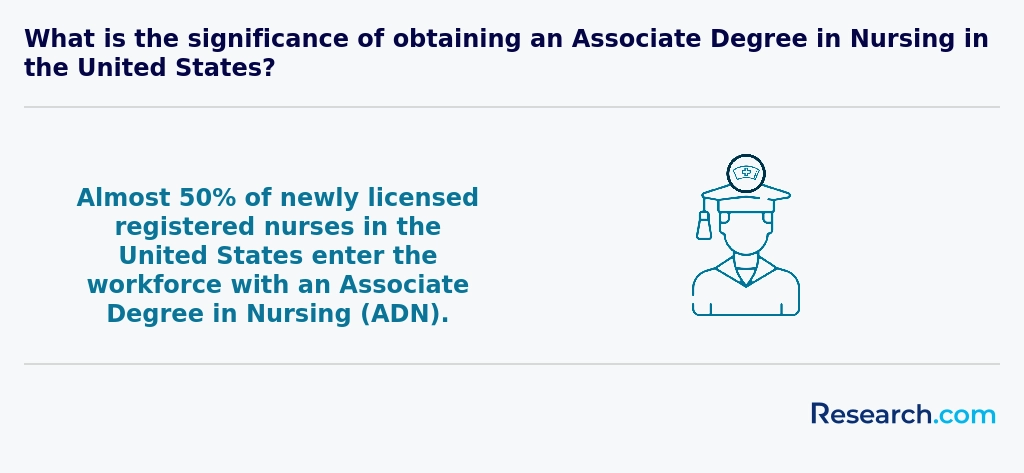
While some applicants come in holding a BSN, many programs welcome those with an accredited ADN, recognizing the value of bridging pathways. One graduate from a Boston-area college noted that this flexibility saved both time and tuition.
Hands-on nursing experience is often required, usually one to two years working clinically as an RN. This experience enriches discussions and practicums, making study deeply relevant.
Additional materials such as letters of recommendation and a personal statement help programs capture an applicant's motivations and readiness, embodying the holistic approach favored by Northeastern institutions.
What courses are typically in online RN to MSN degree programs in the Northeast?
Students pursuing an online RN to MSN degree in the Northeast often find the curriculum carefully crafted to balance both advanced clinical knowledge and leadership skills. Graduates from well-regarded universities like Boston College and the University of Pennsylvania recall how courses such as Advanced Pathophysiology and Advanced Pharmacology deepened their clinical judgment, allowing them to confidently assess patient needs in complex scenarios.
Many describe how Health Assessment classes elevated their decision-making, transforming routine exams into meaningful diagnostic encounters. Leadership-focused courses like Nursing Leadership and Management and Healthcare Policy and Ethics often stand out, inspiring students to embrace roles that influence hospital teams or community health initiatives.
Those choosing nursing education or family nurse practitioner specializations appreciate how tailored courses offer practical experience, such as curriculum design or advanced clinical practicum. The blend of research, theory, and hands-on application resonates especially well with those balancing work and study in the flexible online learning model common in the Northeast.
What types of specializations are available in online RN to MSN degree programs in the Northeast?
Online RN to MSN programs in the Northeast commonly offer specializations that reflect the region's complex health care needs and educational strengths. Graduates from popular universities often commend the Family Nurse Practitioner (FNP) track, which equips nurses to provide comprehensive care across all ages-an essential skill in diverse Northeastern communities. Others express satisfaction with the public health nursing specialization, which addresses urban health challenges and empowers nurses to influence policy and promote wellness on a larger scale. Many students pursuing the best Northeast RN to MSN nursing tracks share how leadership and administration programs prepare them to navigate high-stakes environments with confidence and financial acumen.
These specialized pathways are more than career stepping stones; they inspire a sense of purpose and readiness. For instance, nurse educators from well-known colleges appreciate how their programs combine practical teaching strategies with curriculum design, preparing them to shape future nursing professionals efficiently. Additionally, students value options such as Psychiatric Mental Health Nursing or Adult-Gerontology Primary Care that match both their passions and aspirations.
Those exploring options may also consider direct entry MSN programs for non nursing majors, which broaden access to advanced nursing education and allow for diverse career development.
How do you choose the best online RN to MSN degree in the Northeast?
When choosing the best online RN to MSN degree in the Northeast, focus first on accreditation from bodies like CCNE or ACEN-this ensures your degree will be recognized and valued by employers. Graduates from well-known Northeast universities often share how this accreditation gave them confidence in their education quality.
Consider programs offering specializations that align with your career goals, whether that's nurse practitioner, educator, or administrator tracks. One former student found deep satisfaction selecting a program that balanced theory with practical clinical placements, even within an online format. Many schools assist in securing local clinical sites, which is vital for hands-on experience in your community.
Flexibility is key, especially for working nurses. The best online RN to MSN programs Northeast offer part-time options and manageable program lengths of two to three years, enabling students to maintain work-life balance. Tuition in this region tends to range between $20,000 and $40,000, but exploring scholarships or employer assistance can make this cost manageable. For foundational nursing degrees, some graduates recommend reviewing available RN to BSN programs as a crucial step before advancing.
What career paths are available for online RN to MSN degree students in the Northeast?
Nurses pursuing an online RN to MSN degree in the Northeast often find a diverse range of career paths unfolding before them, blending advanced clinical skills with leadership and education. Graduates from well-regarded institutions in the region describe stepping confidently into roles such as Nurse Practitioners, where the demand is especially strong amid persistent primary care shortages in states like New York and Massachusetts. This path not only offers rewarding patient interactions but also a salary reflective of the region's high living costs.
Other graduates have shared enthusiasm for nurse education roles, becoming clinical educators who make a tangible difference in training the next generation of nurses. This aligns closely with the growing nursing shortage and the need for skilled educators. For those drawn to leadership, titles like Nurse Manager or Clinical Nurse Leader allow for impactful decision-making and policy influence.
Among northeast RN to MSN nursing career paths, some find fulfillment in public health nursing or healthcare quality management. For nurses starting without a bachelor's degree, many choose to bridge their education through an RN to BSN program before advancing, ensuring a comprehensive foundation for these specialized roles.
What is the job market for online RN to MSN degree in the Northeast?
The job market for online RN to MSN degree holders in the Northeast is promising, with healthcare employment projected to grow by about 12% through 2032. Graduates from well-known programs at universities in Boston or New York City often share their excitement about entering dynamic healthcare systems where demand for advanced clinical roles and nurse educators is consistently rising. This demand is reflected in competitive salaries, such as Nurse Practitioners in Massachusetts earning over $120,000 annually, signaling rewarding financial and professional opportunities for MSN graduates.
Many graduates appreciate how their degree opens doors to leadership and specialized clinical positions that were previously out of reach. The strong focus on primary care and mental health services in this region creates various paths for MSN nurses, whether working independently or in collaborative care teams. Prospective students should carefully consider how much is the RN program and balance educational investment with the potential career growth available in this vibrant Northeast healthcare job market RN to MSN.
Frequently Asked Questions About RN to MSN
Online RN to MSN students in the Northeast can enhance their learning by actively engaging with course materials and leveraging university resources. Many accredited Northeast programs, such as those in Massachusetts and New York, offer virtual simulations that improve clinical decision-making skills. Utilizing academic advising and tutoring services provided by these institutions can also boost success rates.
Time management is vital; studies show Northeast students who create structured study schedules are 30% more likely to complete programs on time. Networking through online forums and regional nursing associations helps build professional connections. Staying updated on state-specific nursing regulations and continuing education requirements further enriches the learning experience.
The RN to MSN field has seen notable growth in several emerging niches, particularly relevant to students in the Northeast. One fast-developing area is family nurse practitioner (FNP) programs, where demand is rising due to primary care shortages. According to the American Association of Nurse Practitioners, FNP roles grew by over 65% nationwide, with the Northeast following this trend.
Another niche gaining traction is nurse informatics, combining clinical expertise with information technology. The Bureau of Labor Statistics projects a 10% job growth for nurse informatics specialists through 2030. Additionally, gerontological nursing remains critical given the aging population in the Northeast. These specialized RN to MSN tracks offer opportunities for nurses seeking leadership and advanced clinical roles.
Preparing for the job market after completing an online RN to MSN degree in the Northeast requires strategic planning. Graduates should first ensure their licensing and certifications meet state-specific requirements, as states like New York and Massachusetts have distinct nurse practitioner credentialing processes. Networking through professional associations such as the Massachusetts Nursing Association can open regional job opportunities.
Clinical experience remains critical; even with an online degree, gaining hours in a healthcare setting enhances employability. According to the Bureau of Labor Statistics, the Northeast expects a 15% growth in advanced practice registered nurse roles by 2030, emphasizing strong demand.
Lastly, graduates should leverage career services offered by their programs and attend local job fairs focused on healthcare professionals to increase exposure to potential employers.
Employers in the Northeast prioritize strong clinical expertise and advanced nursing knowledge for RN to MSN graduates. Graduates must demonstrate leadership skills, as many roles require managing healthcare teams or projects. Communication skills, both written and verbal, are critical due to the collaborative nature of healthcare settings. According to the American Association of Colleges of Nursing (AACN), 85% of employers in the region seek MSN-prepared nurses who can lead quality improvement initiatives.
Data from the Bureau of Labor Statistics shows that critical thinking and evidence-based practice abilities are highly valued. Proficiency in healthcare technology and informatics is also essential, reflecting the growing role of digital tools in patient care across Northeast hospitals. Finally, cultural competence is stressed, given the Northeast's diverse patient populations.
Finding internships in the Northeast for RN to MSN students involves a combination of research, networking, and utilizing university resources. Many programs partner with hospitals and healthcare systems in states like New York, Massachusetts, and Pennsylvania, where over 50% of nursing facilities offer clinical placements to students annually, according to the Massachusetts Board of Registration in Nursing.
Students should actively connect with their school's career services and clinical coordinators to access established internship opportunities. Additionally, platforms like the American Nurses Association's regional chapters provide listings specific to graduate nursing internships.
Networking through professional events and online groups relevant to nursing in the Northeast also enhances access to internships suited for RN to MSN candidates.
Online RN to MSN degrees significantly enhance career mobility and advancement opportunities for nurses in the Northeast. Graduates of these programs often qualify for higher-level roles such as nurse practitioners, clinical nurse specialists, and nurse educators, which typically offer increased salaries and leadership responsibilities.
According to the U.S. Bureau of Labor Statistics, healthcare jobs in the Northeast are projected to grow by approximately 15% from 2022 to 2032, creating demand for advanced nursing roles. Additionally, states like New York and Massachusetts require a master's degree for many advanced practice registered nurse positions, making an RN to MSN pathway essential.
Online RN to MSN programs offer flexibility, allowing working nurses in the Northeast to upskill without relocating. This career advancement can lead to improved job security and benefits in competitive regional healthcare markets.
Online RN to MSN programs in the Northeast equip nurses with skills essential for interdisciplinary collaboration in healthcare settings. These programs emphasize leadership, communication, and critical thinking, preparing graduates to work effectively with medical professionals, social workers, and administrators. According to the American Association of Colleges of Nursing (2023), Northeastern programs often include courses on healthcare policy and informatics, fostering teamwork across specialties. Additionally, the Northeast's diverse clinical practicum opportunities give students real-world experience in varied care environments, enhancing their ability to coordinate patient-centered care. This solid foundation meets the growing demand for nurses who can lead integrated healthcare teams.
When choosing between a thesis and a non-thesis RN to MSN degree program in the Northeast, consider your career goals and time commitments. A thesis option usually involves conducting original research and writing a detailed paper, which suits students aiming for leadership roles or further doctoral studies.
The non-thesis option focuses more on practical skills and coursework, ideal for nurses looking to advance clinically or administratively without the research burden. According to the American Association of Colleges of Nursing, about 40% of Northeast programs offer thesis tracks, while the rest emphasize practice-based learning.
Evaluate your preferred learning style, time availability, and long-term objectives to select the best pathway.
Students based in the Northeast seeking to study RN to MSN programs abroad face limited direct options due to accreditation and licensure concerns within the U.S. healthcare system. Most reputable RN to MSN pathways remain domestic, as registered nursing licenses and graduate nursing degrees must align with U.S. standards to ensure eligibility for practice and certification.
However, some students explore international partnerships or online programs offered by U.S.-based institutions with collaborations abroad. These hybrid models enable coursework completion remotely while occasionally requiring short-term visits to overseas campuses or clinical sites. According to the American Association of Colleges of Nursing (AACN), fewer than 5% of accredited programs offer international clinical experiences as part of their RN to MSN track.
Registered nurses considering study abroad should verify that the program's curriculum meets the Commission on Collegiate Nursing Education (CCNE) or Accreditation Commission for Education in Nursing (ACEN) standards, which are prevalent across Northeast institutions. Additionally, the New York State Education Department and Massachusetts Board of Registration in Nursing advise caution when pursuing foreign degrees intended for advanced practice roles due to complex credential evaluation processes.
Part-time job opportunities in the Northeast that complement RN to MSN degree education often involve clinical and administrative roles. Many students find positions as nurse educators in community colleges or health centers, where they can apply advanced nursing knowledge while gaining teaching experience. According to the U.S. Bureau of Labor Statistics, Massachusetts and New York show strong demand for nurse practitioners and nurse educators, with projected job growth rates above 20% through 2032.
Other roles include clinical nurse specialists or care coordinators in hospitals, which allow students to enhance leadership skills. These jobs provide flexible schedules compatible with rigorous online RN to MSN programs.
Additionally, telehealth nursing jobs are expanding rapidly in the Northeast, offering remote work options that fit part-time study commitments.
Online RN to MSN programs in the Northeast offer several valuable networking opportunities despite their virtual format. Many schools partner with local hospitals and healthcare systems, allowing students to connect with clinical mentors and peers in nearby professional settings.
Regional nursing associations, such as the Massachusetts Nurses Association or the New York State Nurses Association, host events that online students can attend both virtually and in-person. These organizations often provide access to conferences, workshops, and online forums tailored to advanced practice nurses.
Students also benefit from alumni networks, which facilitate professional connections across the Northeast's diverse healthcare landscape. According to the American Association of Colleges of Nursing, over 60% of graduate nursing students engage in professional networking through their programs.
Alumni networks offer valuable benefits for online RN to MSN degree students in the Northeast by providing professional connections and support during and after the program. These networks often include access to experienced nurses and healthcare leaders who can offer mentorship and career advice.
In regions like New York and Massachusetts, active alumni groups help members find job opportunities in competitive healthcare markets, with some reports noting up to 30% higher job placement rates among engaged alumni.
Additionally, these networks frequently share exclusive continuing education resources and invite members to regional events, fostering ongoing professional development.
For students balancing work and studies, such peer support is crucial for success and advancement.
In the Northeast, online RN to MSN degree programs often offer flexible pathways to help students tailor their studies according to career goals. Many programs provide multiple specialization options such as nurse practitioner, nurse educator, or healthcare administration, allowing students to focus on their preferred field.
Students can usually choose elective courses or certificate add-ons, which enhance skills relevant to specific roles. According to the American Association of Colleges of Nursing, about 65% of Northeast nursing programs support these customizable options to better prepare nurses for in-demand specialties.
Furthermore, part-time study schedules and clinical placements near home help balance education with work commitments, making these programs more accessible and personalized.
Online RN to MSN students in the Northeast often face challenges related to balancing demanding nursing work with rigorous academic requirements. Many registered nurses continue full-time employment, which limits study time and increases stress. According to a 2023 report from the American Association of Colleges of Nursing (AACN), approximately 65% of RN to MSN students in this region report time management as the most significant hurdle.
Technology can also present difficulties. Some students struggle with adapting to learning management systems and virtual clinical simulations, especially those with limited prior online learning experience. Additionally, access to local clinical placements is sometimes restricted due to regional healthcare facility partnerships and licensure regulations, complicating required hands-on training.
Financial constraints remain a concern for many students, as tuition and fees for these programs can be high. Despite the flexibility of online programs, students must navigate these typical barriers while pursuing advanced nursing roles in a competitive Northeast healthcare market.
With an online RN to MSN degree, nurses in the Northeast can pursue a variety of professional certifications. Common options include becoming a Family Nurse Practitioner (FNP) or Adult-Gerontology Primary Care Nurse Practitioner (AGPCNP), both highly recognized and in demand.
Other certifications available are in Nursing Education, Nursing Administration, and Psychiatric-Mental Health Nursing. These paths align with MSN specializations and often require passing national certification exams, such as those offered by the American Nurses Credentialing Center (ANCC) or the American Association of Nurse Practitioners (AANP).
According to the Bureau of Labor Statistics, nurse practitioners with advanced certification earn a median annual wage of over $120,000 nationwide, with slightly higher averages reported in the Northeast.
When applying to an online RN to MSN program in the Northeast, start by carefully reviewing each school's specific admission requirements, as they can vary. Many programs emphasize a minimum GPA around 3.0 and require an active RN license in the state where clinical practice occurs.
Craft a clear, focused personal statement highlighting your nursing experience, career goals, and reasons for selecting an online format. Admissions committees value applicants who demonstrate commitment to leadership or advanced practice roles.
Strong letters of recommendation from nursing supervisors or academic mentors significantly enhance your application. Additionally, some programs may require prerequisite coursework or standardized test scores like the GRE.
According to the National League for Nursing, nearly 60% of Northeastern RN to MSN programs prefer applicants with relevant clinical experience, so emphasize this in your application.
The RN to MSN pathway offers significant career advantages within the United States, especially for nurses in the Northeast. Globally, advanced nursing degrees signal a higher level of expertise and leadership ability, which align with growing demands for healthcare professionals skilled in management, education, and specialized clinical roles. According to the American Association of Colleges of Nursing (AACN), national enrollment in RN to MSN programs increased by 6% from 2021 to 2023, reflecting these career trends.
While the U.S. system is well-recognized internationally, obtaining an MSN enhances global opportunities, especially in countries valuing U.S. nursing credentials. In the Northeast, institutions offering online RN to MSN programs cater to this demand, combining flexibility with rigorous curricula.
Gaining practical experience is essential when pursuing an online RN to MSN degree in the Northeast. Most programs require clinical hours, which students can complete at local healthcare facilities near their residence. Partnerships between universities and hospitals in states like New York, Massachusetts, and Pennsylvania help facilitate placements. According to the American Association of Colleges of Nursing, many Northeast programs offer flexible clinical scheduling to accommodate working nurses.
Students often collaborate with preceptors-experienced practitioners who supervise clinical practice. This hands-on training complements online coursework and develops critical skills in real-world settings. Additionally, simulation labs may be available through affiliated institutions, allowing students to practice procedures safely. These opportunities ensure compliance with state licensing requirements while providing valuable experience in diverse clinical environments.
Choosing the right concentration within an online RN to MSN degree program in the Northeast requires careful consideration of your career goals and the regional healthcare demands. Popular specializations include Nurse Practitioner, Nurse Educator, and Nurse Administrator. According to the Bureau of Labor Statistics, the demand for Nurse Practitioners in the Northeast is expected to grow by 31% from 2021 to 2031, making this a promising path.
Look for programs offering concentrations aligned with state licensing and certification requirements in your area. Additionally, consider your interests and previous experience to ensure the specialization fits your strengths and aspirations.
Researching graduation rates and NCLEX pass rates of nearby schools can also indicate program quality. Finally, confirm that the concentration's curriculum includes required clinical hours or practicums compatible with your schedule and location.
Top Trending RN to MSN Rankings
References
- The Ultimate Nursing School (MSN) Application Timeline https://www.passportadmissions.com/blog-posts/the-ultimate-nursing-school-msn-application-timeline
- MSN Nursing Education https://www.mnu.edu/pgs/msn-nursing-education/
- Available MSN Jobs with a Master of Science in Nursing | Neumann https://learn.neumann.edu/neuperspectives/msn-jobs-with-a-master-of-science-in-nursing
- What Types of Internships are Available in Nursing? https://www.bestnursingmasters.com/faq/types-internships-nursing/
- StudyNursingAbroad | Everest Educational Services https://everestedu.ca/StudyNursingAbroad
- MSN Programs and Specialties: How to Choose the Right Path for Your Nursing Career – FRESHRN https://www.freshrn.com/msn-programs/
- How to Choose the Right Online MSN Program https://www.edumed.org/articles/how-to-choose-the-right-msn-program/
- Scholarships & Financial Aid https://www.aacnnursing.org/students/scholarships-financial-aid
- Career Paths in MSN https://www.allnursingschools.com/msn/career-paths/
- Direct-Entry Master’s in Nursing (MSN) Programs https://nursinglicensemap.com/nursing-degrees/masters-in-nursing/direct-entry-programs/


