
2027 Best Online RN to MSN Degree Programs Ranking in the Northeast

Co-Founder and Chief Data Scientist
For nursing professionals in the Northeast, advancing your career with an RN to MSN degree can open doors to exciting opportunities and greater impact in healthcare. Our article presents the 2027 Best Online RN to MSN Degree Programs Ranking in the Northeast, thoughtfully compiled by the Research.com team of data scientists.
This ranking aims to help you navigate numerous options and find programs well-suited to your goals. Reading this guide will empower you to make an informed choice that supports your growth and success in nursing leadership, education, or specialized practice.
Key benefits of getting online RN to MSN degree in the Northeast
- RN to MSN degree graduates in the Northeast can expect competitive salaries, with many roles offering median wages around $75,000 to $110,000 per year nationwide, rewarding their advanced skills and experience.
- Graduates from well-known Northeastern universities often pursue diverse career paths such as nurse educators, healthcare administrators, or advanced practice registered nurses, opening doors to leadership and specialized clinical roles.
- Completing an RN to MSN degree online provides flexibility and convenience, allowing working nurses in the Northeast to balance busy schedules while gaining valuable experience through programs like those offered by prominent regional universities.
What can I expect from online RN to MSN degree in the Northeast?
The average cost of pursuing an online RN to MSN degree in the Northeast typically ranges from $400 to over $1,200 per credit, depending on the type of institution. Imagine a graduate navigating this path at a renowned public university, benefiting from in-state tuition rates around $500 per credit - a manageable investment that opens doors to advanced nursing roles without the burden of overwhelming debt.
Conversely, graduates from private colleges in the region often reflect on their journey at tuition rates closer to $1,000 per credit, emphasizing how scholarships and employer tuition assistance played a pivotal role in making the experience affordable.
Many students recall balancing clinical rotations at local hospitals near their homes while immersing themselves in cutting-edge online coursework, a blend that enriches learning and fuels their enthusiasm for growth. This flexibility allows working nurses in bustling Northeast cities to weave education seamlessly into their lives, all while advancing toward nurse practitioner or leadership roles.
Where can I work with online RN to MSN degree in the Northeast?
Graduates with an online RN to MSN degree in the Northeast discover a thrilling range of career paths waiting beyond graduation. Imagine stepping into bustling hospitals like Massachusetts General or NewYork-Presbyterian-places where advanced practice nurses are vital pillars of care. Many graduates from nearby universities find themselves thriving as nurse practitioners, clinical nurse specialists, or nurse educators, energized by roles that blend hands-on care with leadership.
Working as a nurse educator in top nursing programs around Boston or New Jersey offers a rewarding chance to shape future nurses, a path many MSN holders eagerly embrace. These graduates often share how expanding nursing faculty positions bring a vibrant community of learners and mentors alive. Others pursue administrative roles in health systems, steering quality improvements with confidence gained from their studies.
Some adventurous graduates choose to serve in underserved rural communities identified by HRSA, finding profound fulfillment making a real impact where it's needed most. Whether in metropolitan centers or quieter areas, RN to MSN holders in the Northeast step into roles where their advanced skills open doors to exciting possibilities every day.
How much can I make with online RN to MSN degree in the Northeast?
Graduates from online RN to MSN programs in the Northeast often find themselves stepping into roles with exciting earning potential and rewarding career paths. Imagine completing your MSN through a beloved institution like Boston College or the University of Pennsylvania and moving into a nurse practitioner position. Here, you could earn between $115,000 and $140,000 annually-figures that reflect the higher salaries typical in this vibrant region.
For those who embrace leadership or education roles, the journey feels equally promising. MSN-prepared nurses often command 20% to 30% more than RNs with just a bachelor's degree, boosting both confidence and financial security. Visualize working in a Boston hospital or New York clinic where your advanced skills translate directly into a paycheck that supports your ambitions and lifestyle.
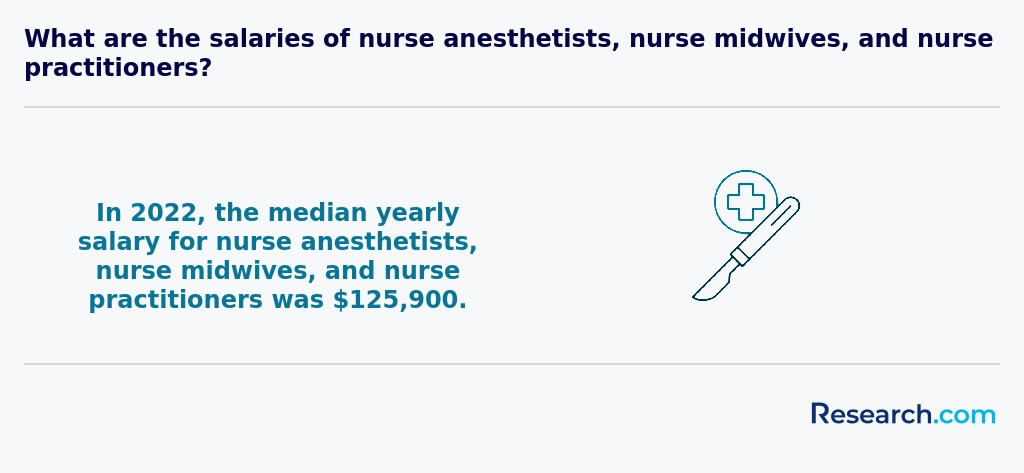
Specializations add another layer of opportunity. Nurse anesthetists and midwives in metropolitan areas sometimes earn more than $160,000, turning the challenge of advanced study into tangible rewards. These salary ranges, paired with growing regional demand, make diving into an online RN to MSN degree from a Northeastern school a bold and exciting step forward.
- Key benefits of getting online RN to MSN degree in the Northeast
- What can I expect from online RN to MSN degree in the Northeast?
- Where can I work with online RN to MSN degree in the Northeast?
- How much can I make with online RN to MSN degree in the Northeast?
- How do we rank schools?
- 2027 Best Online RN to MSN Degree Programs Ranking in the Northeast
- What online RN to MSN degree graduates have to say
- Key Findings
- How long does it take to complete online RN to MSN degree in the Northeast?
- What's the difference between online and on-campus RN to MSN degree?
- What is the average cost of online RN to MSN degree in the Northeast?
- What financial aid is available to online RN to MSN degree students in the Northeast?
- What are the prerequisites for enrolling in online RN to MSN degree program in the Northeast?
- What courses are typically in online RN to MSN degree programs in the Northeast?
- What types of specializations are available in online RN to MSN degree programs in the Northeast?
- How do you choose the best online RN to MSN degree in the Northeast?
- What career paths are available for online RN to MSN degree students in the Northeast?
- What is the job market for online RN to MSN degree in the Northeast?
- Frequently Asked Questions About RN to MSN
- Top Trending RN to MSN Rankings
How do we rank schools?
Investing in your education is a significant decision that can shape your future, and the Research.com team understands the importance of making informed choices. To assist prospective students seeking advanced nursing degrees, we have meticulously created the "2027 Best Online RN to MSN Degree Programs Ranking in the Northeast." Our commitment to quality, credibility, and accuracy is demonstrated through rigorous research and detailed analysis of each program.
We utilized the following reputable data sources to ensure a comprehensive evaluation of RN to MSN programs:
By exploring this ranking, readers will gain valuable insights into the top online RN to MSN programs in the Northeast, enabling them to make well-informed decisions tailored to their career goals. For a detailed explanation of our evaluation process, please visit our Research.com methodology page.
2027 Best Online RN to MSN Degree Programs Ranking in the Northeast
# 1 position
Simmons University
Master
Simmons University offers a Master's program focused on Nursing and Healthcare, lasting 24 months. The program has a graduation rate of 72%, with an acceptance rate of 70%, making it less selective. It enrolls 2,983 online students and provides high financial aid opportunities, with 100% of students receiving assistance. The average total cost of the program is $82,280.
# 2 position

The University of Southern Maine offers a Master's program focused on Nursing and Healthcare. It has an open admission policy with a 79% acceptance rate, allowing broad access for applicants. The program has a 40% graduation rate, reflecting completion challenges. Approximately 3,900 online students are enrolled. The average total cost is $15,480, and 97% of students benefit from high levels of financial aid.
# 3 position
Drexel University
Master
Drexel University offers a Master's program focused on Family Nurse Practitioner, Nursing, and Healthcare. The program has an open admission policy with a 79% acceptance rate, making it accessible to many applicants. It boasts a graduation rate of 78%. Students can expect high financial aid support, with 100% of students receiving assistance. The program enrolls around 5,000 online students, and the average total cost is $61,275.
What online RN to MSN degree graduates have to say
- Maria: Enrolling in the University of Pennsylvania's online RN to MSN program allowed me to balance work and study seamlessly. The interactive virtual labs and expert faculty support enriched my learning experience, making advanced nursing education accessible and rewarding from my home in the Northeast.
- James: The flexibility of Northeastern University's online RN to MSN degree fit perfectly with my busy schedule. The curriculum emphasized leadership and clinical excellence, which boosted my confidence and prepared me for a higher role in healthcare without having to pause my career.
- Emily: Studying the online RN to MSN program at Rutgers University felt like a transformative journey. The community was supportive and engaged, and the tailored coursework helped me deepen my expertise while maintaining my family commitments here in the Northeast.
Key Findings
- Tuition for online RN to MSN programs in the Northeast typically ranges from $25,000 to $50,000, with public universities offering lower rates for in-state students.
- MSN-prepared nurses in the region start with average salaries around $85,000, with mid-career earnings exceeding $110,000 in advanced roles.
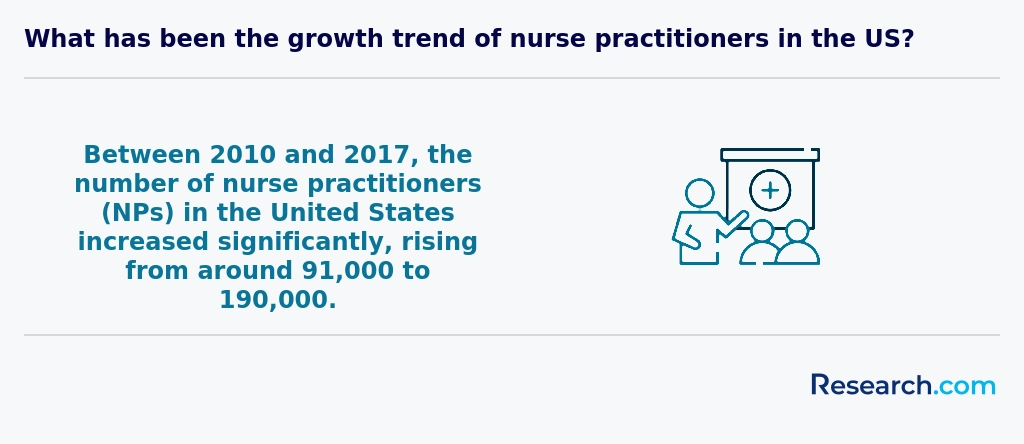
- The job market for MSN graduates in the Northeast is growing, with nurse practitioner employment expected to rise by about 30% over the next decade.
- Licensure requirements differ by state, so understanding local nursing board regulations is important when choosing a program.
- Many programs offer flexible options such as asynchronous coursework and part-time study to accommodate working nurses.
How long does it take to complete online RN to MSN degree in the Northeast?
Others, balancing work and family, take a more measured path, extending up to five years part-time, savoring the steady climb toward their advanced nursing dreams. For example, nurses at institutions recognized across New York or Massachusetts often share stories of juggling clinical practicum hours with coursework, shaping a rewarding, hands-on experience that feels both challenging and achievable.
The tailored pacing options offered by well-known Northeastern colleges let students control their journey's rhythm. Envision yourself navigating 30 to 50 credit hours, transferred credits easing the load, as you prepare for that transformative MSN milestone.
What's the difference between online and on-campus RN to MSN degree?
Imagine juggling your nursing career in New York City's fast pace while earning your MSN-online RN to MSN programs at renowned Northeast institutions offer just that freedom. Graduates from universities like Northeastern or Boston College often praise how these programs let them access lectures and complete assignments on their own time, avoiding the stress of city traffic and hectic commutes. They feel empowered by the flexibility to balance work, family, and study.
Meanwhile, those choosing on-campus routes at these same schools discover vibrant face-to-face interactions that spark instant connections with peers and professors. The lively campus atmosphere at places like University of Connecticut gives students energized networking moments and hands-on learning in state-affiliated hospitals, fostering real-time feedback and camaraderie.
Both paths embrace clinical immersion but online students ingeniously secure local placements tailored to Northeast healthcare settings, ensuring robust practice without geographic limits. This blend of flexibility versus tradition creates a rich landscape tailored to each student's lifestyle and goals.
What is the average cost of online RN to MSN degree in the Northeast?
The average cost of online RN to MSN programs in the Northeast is an exciting puzzle to unpack, especially when considering how varied tuition and fees can be. Graduates from well-known institutions in New York and Massachusetts often share stories of investing around $82,280 for their total degree, reflecting the region's higher living costs and prestigious universities. This figure aligns closely with what many students encounter when exploring their financial options in these states.
For those curious about RN to MSN degree tuition and fees Northeast residents typically see a noticeable difference depending on residency status. In-state students might feel more comfortable with reduced rates, but many programs maintain higher costs for out-of-state peers, which can elevate total tuition considerably. This range can feel like a mountain to climb, yet countless students find the journey worthwhile, especially if they target specializations that resonate with their career passion.
Some enjoy discovering flexible pathways such as the RN to NP bridge program offered through partnerships that allow coursework completion at community colleges before jumping into a full MSN program. These options often soften the financial impact while maintaining quality education standards. Witnessing fellow nurses navigate these opportunities encourages a sense of hopeful possibility that the right program and price are within reach.
Ultimately, understanding the average cost of online RN to MSN programs in the Northeast invites adventurous thinking coupled with practical planning as you dive deeper into your nursing education journey.
What financial aid is available to online RN to MSN degree students in the Northeast?
Imagine starting your RN to MSN journey at a well-known Northeast university and uncovering a treasure trove of financial aid options that make the path less daunting. Most students first dive into the federal aid ocean by filling out the FAFSA form, unlocking access to Direct Unsubsidized and sometimes Subsidized Loans. Some also navigate toward the Federal Grad PLUS Loan to cover extra expenses, despite its steeper interest.
Many graduates speak of discovering scholarships from nursing organizations like the American Association of Colleges of Nursing (AACN)-specific to RN to MSN students-which feel like a personal lifeline amid steep tuition costs. State programs, such as New York's Nurse Education Initiative, offer grants that echo with hope for those attending colleges across the Northeast.
Perhaps the most uplifting stories come from nurses supported by employer tuition reimbursements or flexible scheduling, which turn stressful balancing acts into achievable milestones. Institutional aid from universities, often a mix of merit and need-based support, frequently surprises students with additional funding. These resources combine to create a landscape where ambition and support coexist beautifully.
What are the prerequisites for enrolling in online RN to MSN degree program in the Northeast?
To embark on the journey of an online RN to MSN degree in the Northeast, you'll first need a valid Registered Nurse (RN) license recognized in your state. Imagine a graduate from a well-known nursing college in Boston proudly holding her RN license-this credential opens the doorway to advanced study and clinical practice.
Most programs in the region also expect candidates to have completed an accredited Associate Degree in Nursing (ADN) or nursing diploma, often paired with documented clinical hours. Picture a graduate from a New York nursing college recalling hands-on clinical shifts that fueled her confidence and competence before advancing.
Moreover, universities typically require a solid GPA, commonly around 3.0, showcasing your academic diligence. Many Northeast programs appreciate a resume reflecting one to two years of acute care nursing experience, which enriches classroom insights with real-world knowledge.
Beyond transcripts, applicants often submit heartfelt personal statements and letters of recommendation-chance for you to express your passion much like past students who found their nursing vocations strengthened through reflection.
Finally, confirm your tech readiness; reliable internet and compatible devices are crucial to navigate the vibrant online coursework and virtual simulations embraced by top Northeast institutions.
What courses are typically in online RN to MSN degree programs in the Northeast?
Diving into an online RN to MSN program in the Northeast means embracing courses that blend deep clinical insight with dynamic leadership skills. Graduates from well-known schools like those around Boston or New York often share how courses such as advanced pathophysiology and health assessment transformed their understanding of patient care. Imagine mastering pharmacology while balancing your day job-many find this challenge exhilarating and rewarding.
Students also explore healthcare informatics and organizational leadership, opening doors to managerial roles within bustling Northeast hospitals and clinics. One graduate from a prominent regional college recalled how nursing administration classes empowered them to spearhead quality improvement projects effortlessly.
Specializations make the journey even more exciting. Whether you're drawn to becoming a family nurse practitioner or a nurse educator, tailored coursework combined with local practicum placements offers hands-on experience, grounding theory into real-life healthcare settings across the Northeast.
Ultimately, RN to MSN programs here cultivate not just knowledge but confidence, equipping nurses eager to thrive in the region's evolving healthcare landscape.
What types of specializations are available in online RN to MSN degree programs in the Northeast?
Diving into online RN to MSN specializations in the Northeast is like unlocking doors to diverse nursing adventures. Graduates from well-known colleges relish choosing paths such as Family Nurse Practitioner, where they imagine themselves delivering heartfelt care to families of all ages across bustling urban centers or quiet townships. Others find fulfillment pursuing Adult-Gerontology Nurse Practitioner roles, inspired by stories of supporting the aging population in vibrant communities like Boston or Philadelphia.
Many explore the Psychiatric-Mental Health Nurse Practitioner track, drawn by the chance to make a real difference amid rising mental health awareness. Meanwhile, those with a passion for shaping future nurses eagerly embrace Nursing Education programs, becoming mentors at respected nursing schools nearby. The Northeast's unique demand for leadership also inspires students to engage in Nursing Administration or Leadership, navigating the complexities of healthcare systems.
These enriching options perfectly capture the spirit of the best Northeast RN to MSN nursing tracks, with some graduates even combining clinical expertise and leadership through flexible programs. For adventurous RNs seeking rapid advancement, some may look into direct entry MSN programs, which complement these specializations beautifully.
How do you choose the best online RN to MSN degree in the Northeast?
Choosing the best online RN to MSN program in the Northeast feels like navigating a map sprinkled with exciting destinations. Imagine a graduate who balanced night shifts in Boston with asynchronous classes from a renowned college, amazed by the program's flexibility and clinical placements nearby. Accreditation, like CCNE or ACEN, is your compass, ensuring the program's credibility and smoother certification paths. The Northeast's higher living costs mean you'll want to explore tuition wisely; many programs charge $500 to $900 per credit hour. Thinking about your future role? Graduates often highlight the joy of tailoring coursework with specializations-from nurse educator to healthcare leader-that truly resonated with their career dreams.
Don't forget state authorization, a key checkpoint that guarantees you can legally study and practice across states like New York or Pennsylvania. Affordability also matters-consider scholarships or tuition help and compare options for the fastest RN to BSN route if speed is a priority. Many students find that strong faculty support and prep for MSN certification exams add confidence to their journey. Dive into rankings from trusted resources and personal tales from nurses who've embraced their online RN to MSN degree in the Northeast to find your perfect fit.

What career paths are available for online RN to MSN degree students in the Northeast?
Graduates of online RN to MSN programs in the Northeast often find themselves stepping into thrilling new roles that blend advanced clinical skills with leadership and education. Many explore paths as Nurse Practitioners, specializing in areas like Family or Psychiatric-Mental Health, thriving in bustling hospitals or community clinics near top universities. Some graduates from renowned Northeast colleges share how their MSN opened doors to becoming nursing faculty, invigorating future nurses while answering the urgent demand for educators. This expansion into academic roles highlights exciting career options for RN to MSN graduates Northeast.
Others embrace administrative adventures, managing nursing teams or steering healthcare policy in major cities such as Boston or New York City. The dynamic environment of these locations fuels ambitions and cultivates influential leadership. For those drawn to clinical artistry, becoming nurse anesthetists or midwives offers a specialized pathway, often pursued alongside additional certification. Plus, many nurses take advantage of flexible, supported programs-like the popular RN BSN online programs no clinicals-to prepare for these diverse careers while balancing life.
What is the job market for online RN to MSN degree in the Northeast?
The online RN to MSN job outlook Northeast is vibrant and full of opportunities, especially for graduates from well-known institutions in the region. Nurses who completed their RN to MSN degrees at prominent universities report exciting career advancements as they land roles like nurse practitioners and clinical nurse specialists in bustling urban hospitals or community health centers. Imagine stepping into a leadership position at a Boston hospital or providing vital care in underserved neighborhoods of Philadelphia-these scenarios are becoming more common as healthcare systems prioritize advanced skills and education.
Northeast nursing job market for RN to MSN graduates is thriving due to expanding healthcare demands and supportive state policies that empower nurse practitioners with broader scopes of practice. Graduates often feel rewarded by the higher salaries and meaningful impact they make, with many noting a sense of pride and motivation to continue learning. For nurses concerned about tuition costs, exploring cheap nursing programs can offer affordable pathways without sacrificing quality or career prospects.
Frequently Asked Questions About RN to MSN
Online RN to MSN degree students in the Northeast can maximize their learning by actively engaging with course materials and faculty. Many programs from accredited institutions like those in New York and Massachusetts offer synchronous classes that encourage real-time interaction. Participation in virtual discussions and clinical simulations enhances understanding and skill development.
Additionally, students should take advantage of regional healthcare partnerships for local clinical placements, which are often required. According to the American Association of Colleges of Nursing, clinical experience is critical for MSN success.
Time management and setting a consistent study schedule are essential, especially since many students balance work and family.
Utilizing university resources such as online libraries and tutoring services also supports academic achievement in these rigorous programs.
The RN to MSN field in the Northeast is rapidly evolving to address diverse healthcare needs. Emerging niches include nurse informatics, which integrates data management and patient care, reflecting a 20% regional growth according to the Bureau of Labor Statistics (BLS) 2023 data. Another area gaining traction is psychiatric-mental health nursing, driven by increasing demand for behavioral health services statewide.
Additionally, some programs focus on population health and community nursing to improve public health outcomes, especially in urban centers like Boston and New York. The emphasis on leadership and administration also grows, preparing nurses to fill critical management roles. These niches offer promising career paths for RN to MSN graduates seeking specialization in the Northeast.
After completing an online RN to MSN degree in the Northeast, preparing for the job market involves strategic steps to maximize employment opportunities. Start by obtaining relevant certifications beyond your degree, such as becoming a Family Nurse Practitioner (FNP) or Clinical Nurse Specialist (CNS), which are in demand in states like New York and Massachusetts.
Networking is essential; join regional nursing associations such as the Massachusetts Nurses Association or New York State Nurses Association to connect with employers and colleagues.
Leveraging career services offered by your online program can provide access to local job fairs and interview preparation tailored for the Northeast healthcare market.
Additionally, reviewing salary data from the U.S. Bureau of Labor Statistics can help you negotiate fair wages, with the average MSN-prepared nurse earning over $90,000 annually in the region.
Employers in the Northeast highly value RN to MSN graduates who demonstrate strong leadership and advanced clinical skills. According to the American Association of Colleges of Nursing, critical thinking and evidence-based practice are essential abilities that top healthcare organizations seek. These skills help graduates improve patient outcomes and navigate complex care environments effectively.
Additionally, proficiency in healthcare technology and electronic health records (EHR) systems is increasingly important due to widespread digital adoption in Northeast hospitals. Communication skills and the ability to collaborate within interdisciplinary teams also rank as top competencies, facilitating better patient care coordination.
Data from the Bureau of Labor Statistics indicates that nurses with MSN degrees in the Northeast earn a competitive advantage by mastering these skills, meeting employer demands in a rapidly evolving healthcare landscape.
Finding internships relevant to an online RN to MSN degree in the Northeast begins with exploring partnerships between nursing schools and healthcare facilities. Many accredited programs collaborate with hospitals, clinics, and community health centers to offer placements tailored for advanced nursing students. According to the American Association of Colleges of Nursing (AACN), nearly 85% of MSN programs in this region facilitate clinical internships to meet licensure requirements.
Students should utilize their university's career services and online portals that list local internship opportunities. Networking within professional nursing organizations in the Northeast, such as the Massachusetts Nurses Association, can also lead to valuable clinical experiences.
Timing is important; applying 3 to 6 months in advance increases chances of placement. Finally, contacting state nursing boards-for example, the New York State Board of Nursing-can provide information about approved internship sites aligning with RN to MSN curricula.
Online RN to MSN degrees in the Northeast offer registered nurses a strategic pathway for career mobility and advancement. These programs prepare nurses for leadership roles, advanced clinical positions, and specialized fields such as nurse practitioner or nurse educator. According to the New England Board of Higher Education, nurses with an MSN in the Northeast earn approximately 20% higher salaries than those with only an RN license.
The demand for advanced practice nurses continues to grow in states like New York, Massachusetts, and Pennsylvania, where healthcare systems emphasize higher qualifications. Completing an online RN to MSN also enables greater scheduling flexibility, allowing working nurses to advance without interrupting employment.
The Bureau of Labor Statistics projects a 40% growth in nurse practitioner roles in the Northeast by 2030, reflecting enhanced opportunities for graduates of RN to MSN programs.
Studying for an online RN to MSN degree in the Northeast equips students with skills crucial for interdisciplinary roles in healthcare. Many programs emphasize collaboration across nursing, medicine, social work, and health administration. This approach reflects the Northeast's diverse healthcare environment, where integrated care models are increasingly common.
According to the American Association of Colleges of Nursing, over 60% of RN to MSN programs in this region include coursework on team leadership, healthcare policy, and communication strategies. These prepare graduates to coordinate care effectively among different professionals.
The region's strong hospital networks and academic medical centers also offer opportunities for applied learning, further supporting interdisciplinary competencies.
When choosing between a thesis and a non-thesis RN to MSN program in the Northeast, consider your career goals and time commitment. Thesis programs typically require original research and can prepare students for roles in academia or advanced clinical research. Non-thesis programs often focus more on practical skills and may be better suited for nurses aiming for leadership or administrative positions.
Online RN to MSN programs in the Northeast vary; for example, some universities require a thesis for nurse educator tracks, while non-thesis options are common in nursing administration. According to the American Association of Colleges of Nursing, about 40% of MSN programs in this region offer a thesis option, reflecting diverse student needs.
Think about how much time you can dedicate. Thesis programs generally take longer due to research demands. Also, review program requirements carefully and consult academic advisors. Your choice should align with your professional ambitions and learning preferences to ensure the best fit for your career path.
Students based in the Northeast seeking RN to MSN degrees abroad face limited direct options due to licensing and accreditation issues between countries. Most international nursing programs do not align perfectly with U.S. clinical requirements or licensing standards, making fully online or hybrid RN to MSN degrees from foreign institutions rare and complex.
Many Northeast students choose to enroll in online RN to MSN programs from accredited U.S. schools that partner internationally, allowing some global clinical experiences while maintaining U.S. credentialing. According to the American Association of Colleges of Nursing (AACN), over 60% of RN to MSN programs nationally offer online curricula, but only a small fraction provide international study components.
Therefore, students often pursue domestic online programs with optional abroad practicums, balancing international exposure and adherence to American nursing licensure regulations.
Part-time job opportunities that align with RN to MSN degree education in the Northeast often focus on roles that enhance clinical and leadership skills. Common positions include nurse educators, clinical nurse specialists, and nurse case managers. These roles allow students to apply advanced nursing knowledge while continuing their studies.
According to the U.S. Bureau of Labor Statistics, employment for nurse educators in the Northeast is projected to grow by 15% from 2022 to 2032, highlighting strong demand. Additionally, hospitals and outpatient centers in states like New York, Massachusetts, and Pennsylvania frequently offer flexible part-time roles for RNs pursuing graduate education.
Holding a part-time role in quality improvement or patient advocacy can also complement coursework in healthcare administration. These jobs provide practical leadership experience crucial for MSN students aiming for executive positions.
Overall, part-time employment opportunities in nursing education, clinical specialization, and healthcare management are well-suited for students enrolled in online RN to MSN programs in the Northeast.
Online RN to MSN students in the Northeast have several networking opportunities despite the virtual format. Many regional nursing schools offer virtual meetups, webinars, and professional development events that connect students with faculty and peers. According to the American Association of Colleges of Nursing (AACN), colleges often integrate online discussion groups and local clinical placements to foster professional connections.
Additionally, nursing organizations such as the Massachusetts Nursing Association and the New York State Nurses Association provide virtual events and mentorship programs specifically for graduate students.
These platforms enable students to engage with local healthcare professionals and alumni, which is essential for career advancement in the Northeast's competitive job market.
Alumni networks offer significant benefits to online RN to MSN students in the Northeast by providing strong professional connections. Graduates often gain access to local healthcare employers through these networks, enhancing job prospects in the region.
Such connections are vital because the Northeast has a competitive nursing job market, with employment projected to grow by 12% through 2031, according to the U.S. Bureau of Labor Statistics. Alumni networks facilitate mentorship opportunities, helping students navigate career advancement and certification processes.
Additionally, these networks allow sharing of resources like continuing education and research collaboration specific to the Northeast's healthcare landscape. Many schools also host local events and virtual meetups, strengthening peer support in a demanding academic environment.
Online RN to MSN degree programs in the Northeast offer flexible options to tailor your education based on career aspirations. Many programs allow students to choose from various nursing specialties such as nurse practitioner, nurse educator, or nurse administrator. This customization helps align coursework and clinical experiences with specific professional goals.
Programs often provide elective courses and certificates in emerging fields like informatics or public health. According to the American Association of Colleges of Nursing, over 60% of online RN to MSN students in the Northeast select a specialty track that supports advanced practice roles.
Additionally, clinical placements can often be arranged near your current residence, easing hands-on learning within your community. This approach ensures practical skills develop in settings aligned with your desired career path.
Online RN to MSN students in the Northeast face several common challenges during their studies. Many report balancing demanding work schedules with coursework, as nurses often maintain full-time jobs while enrolled. According to a 2023 survey by the Northeast Nursing Education Association, 68% of students cited time management as a primary difficulty.
Another frequent obstacle is limited access to local clinical placements, which are crucial for hands-on learning. The competitive healthcare market in states like New York and Massachusetts increases pressure to secure quality practicum sites. Additionally, some students struggle with inconsistent technology support and adapting to remote learning platforms, which can affect engagement and performance.
Financial concerns also play a role, since tuition and fees vary widely and financial aid options may be limited for part-time students. These challenges reflect the complex realities of pursuing advanced nursing education online in this region.
Completing an online RN to MSN degree in the Northeast opens doors to various professional certifications that enhance career prospects. Graduates commonly pursue certification as a Nurse Practitioner (NP) through bodies like the American Nurses Credentialing Center (ANCC) or the American Association of Nurse Practitioners (AANP). Options include Family Nurse Practitioner (FNP) and Adult-Gerontology Nurse Practitioner (AGNP).
Other certifications available are Clinical Nurse Specialist (CNS), Certified Nurse Midwife (CNM), and Certified Nurse Educator (CNE). According to the National Student Clearinghouse, the Northeast has seen a 12% increase in RN to MSN enrollments, reflecting demand for advanced practice roles requiring these certifications.
These credentials require passing standardized exams and meeting specific clinical hour criteria, making the advanced coursework and practicum in online RN to MSN programs essential for preparation.
Applying for an online RN to MSN program in the Northeast requires a clear, well-organized application. Candidates should highlight their active RN license and provide transcripts showing a strong academic record, especially in nursing and science courses. Many top programs in the region, like those tracked by the American Association of Colleges of Nursing, look for a minimum 3.0 GPA.
Strong letters of recommendation, ideally from nursing supervisors or academic mentors, are essential. Applicants should craft a focused personal statement that details their career goals and explains why an online MSN fits their professional pathway. Demonstrating familiarity with the program's curriculum and Northeast healthcare challenges often improves the application's impact.
The global perspective on a Registered Nurse (RN) to Master of Science in Nursing (MSN) career highlights the growing importance of advanced nursing roles in healthcare systems worldwide. In the United States, particularly in the Northeast, online RN to MSN programs reflect this trend by offering flexible pathways for registered nurses to gain leadership, clinical, or educational expertise.
Advanced practice nurses with MSN degrees are increasingly in demand globally, contributing to improved patient outcomes and healthcare efficiency. According to the American Association of Colleges of Nursing (AACN), MSN graduates in the U.S. can expect a 20% higher median salary than RNs, underscoring career advancement benefits.
A focus on global health issues within many online RN to MSN curricula aligns Northeast nursing education with international healthcare challenges, preparing graduates for diverse roles.
Gaining practical experience while pursuing an online RN to MSN degree in the Northeast is essential for skill development and career readiness. Many programs require clinical placements or residencies coordinated through local healthcare facilities. Students often partner with hospitals, community clinics, or long-term care centers, allowing them to complete hands-on training close to home.
The Northeast has a high concentration of top healthcare institutions, offering diverse clinical opportunities. According to the U.S. Bureau of Labor Statistics, states like New York and Massachusetts are among the top employers for advanced nursing roles, increasing access to varied settings.
Additionally, some online programs integrate simulation labs or virtual clinicals to supplement in-person hours, enhancing learning flexibility without sacrificing quality.
Networking through local nursing associations can also open doors to externships and mentorships valuable for career advancement.
Choosing the right concentration within an online RN to MSN program in the Northeast begins with assessing your career goals and interests. Common concentrations include Family Nurse Practitioner, Nursing Leadership, and Nurse Educator. Each offers distinct roles and responsibilities in healthcare.
Consider regional demand: according to the Bureau of Labor Statistics, the Northeast shows growing needs for Nurse Practitioners, with a projected 24% job growth by 2030. Schools in the region may tailor programs toward these specialties.
Evaluate program flexibility and clinical placement support, especially since many Northeast states have varying licensure requirements. Accreditation status from bodies like CCNE or ACEN also ensures program quality and eligibility for certification exams.
Lastly, review available faculty expertise and alumni outcomes reported by institutions, as these factors can impact your education and future job opportunities.
Top Trending RN to MSN Rankings
References
- Career Mobility and the Future of the Nursing Profession in 2025 https://www.thehealthcareexecutive.net/blog/career-mobility-and-the-future-of-the-profession/
- How Do Online BSN Degree Programs Work? https://www.allnursingschools.com/msn/online-or-on-campus/
- Top Skills Employers Want in Practical Nursing Graduates https://vervecollege.edu/what-employers-look-for-in-practical-nursing-graduates/
- What Can You Do With an MSN Degree? | Check 11 Career Options https://nursinglicensemap.com/nursing-degrees/masters-in-nursing/what-can-you-do-with-msn/
- The Professional Network for Nurses https://www.nursingnetwork.com/
- The Ultimate Nursing School (MSN) Application Timeline https://www.passportadmissions.com/blog-posts/the-ultimate-nursing-school-msn-application-timeline
- Scholarships & Financial Aid https://www.aacnnursing.org/students/scholarships-financial-aid
- Master of Science in Nursing (MSN): Program Options, Specializations, and Outcomes https://www.ucumberlands.edu/blog/msn-program-options-specializations-and-outcomes
- Available MSN Jobs with a Master of Science in Nursing | Neumann https://learn.neumann.edu/neuperspectives/msn-jobs-with-a-master-of-science-in-nursing
- How To Choose An Online MSN Program That Fits Your Nursing Life https://nursekey.com/how-to-choose-an-online-msn-program-that-fits-your-nursing-life/


