
2027 Easiest Online RN to MSN Degree Programs Ranking in the West

Co-Founder and Chief Data Scientist
Considering advancing your nursing career? The 2027 Easiest Online RN to MSN Degree Programs Ranking in the West can guide you toward the best options tailored for busy professionals like you.
Developed by the Research.com team of data scientists, this ranking offers a clear, data-driven perspective to help you find programs that fit your lifestyle and goals.
Exploring these programs could open doors to greater opportunities and personal growth in nursing. Take a step toward a rewarding future with confidence and ease.
Key benefits of getting online RN to MSN degree in the West
- RN to MSN graduates in the West typically enjoy higher earning potential, with many reporting salaries above the national average for registered nurses, often reaching $80,000 to $110,000 annually.
- Career paths include roles like nurse practitioners, nurse educators, and healthcare administrators, as seen in graduates from the University of Washington who successfully transition into leadership and specialized clinical positions.
- Completing an RN to MSN degree online offers flexibility and convenience, allowing students like those from Oregon Health & Science University to balance work and study while advancing their careers without relocating or pausing their income.
What can I expect from online RN to MSN degree in the West?
Expect to invest between $15,000 and $40,000 for an online RN to MSN degree in the Western United States, a range reflecting variation in program structure, length, and institutional prestige. Graduates from programs like those at California State University or the University of Washington often share how this financial commitment feels like an investment in a transformative career leap rather than just a tuition bill.
One nurse recalled balancing work shifts with coursework, finding financial aid and employer tuition reimbursement critical in easing the cost burden. This experience underscores how cost is often manageable when paired with targeted support, empowering many Western nurses to pursue advanced roles without sacrificing family or job stability.
Rather than seeing tuition as a barrier, consider it part of a strategic journey-a gateway to enhanced clinical expertise, leadership opportunities, and broader telehealth possibilities offered in progressive Western states. The price tag reflects not merely academic content but access to vital local clinical partnerships and the chance to connect meaningfully with evolving healthcare landscapes through flexible, region-focused education.
Where can I work with online RN to MSN degree in the West?
Graduates from online RN to MSN programs in the West often find themselves stepping into roles that extend far beyond traditional bedside nursing. Imagine joining a major healthcare system in California, like those connected to the University of California's nursing programs, where MSN-prepared nurses serve as providers in specialty clinics or lead innovative community health initiatives.
Many graduates speak of the excitement and satisfaction in navigating rural hospitals in Washington or Oregon, where their advanced skills bring critical care to underserved populations. The reality is these career paths aren't hypothetical-they stem from real opportunities fostered by universities like Oregon Health & Science University, which emphasize leadership and clinical expertise.
And it's not just clinical work. Graduates often share inspiring stories about moving into academia at institutions such as the University of Nevada, where they address the nursing faculty shortage, shaping future nurses with passion and purpose.
The freedom to practice independently in states like Arizona, fueled by full practice authority laws, further broadens horizons and empowers MSN graduates to innovate within their communities.
How much can I make with online RN to MSN degree in the West?
Graduates from online RN to MSN programs at well-known Western institutions often see a substantial leap in their earnings compared to typical registered nurses. In states like California and Washington, advanced practice nurses with an MSN can earn salaries nearing $140,000, greatly surpassing the national RN median salary of $82,750. This difference reflects both the premium for advanced skills and the higher cost of living in these regions.
Many MSN graduates working in metropolitan hubs such as Seattle or Portland report annual salaries between $110,000 and $130,000, which aligns with the broader trend of lucrative specialized roles like nurse educators and nurse administrators. Their experiences highlight how earning the degree online allows continuation of employment, enabling steady income while gaining credentials and opening doors to leadership positions.
Choosing a respected online program from a Western university can feel empowering, as it combines flexibility with access to growing nursing markets hungry for advanced practitioners. These graduates often speak of the confidence that comes from financial progress paired with professional fulfillment within their communities.
- Key benefits of getting online RN to MSN degree in the West
- What can I expect from online RN to MSN degree in the West?
- Where can I work with online RN to MSN degree in the West?
- How much can I make with online RN to MSN degree in the West?
- How do we rank schools?
- 2027 Easiest Online RN to MSN Degree Programs Ranking in the West
- What online RN to MSN degree graduates have to say
- Key Findings
- How long does it take to complete online RN to MSN degree in the West?
- What's the difference between online and on-campus RN to MSN degree?
- What is the average cost of online RN to MSN degree in the West?
- What financial aid is available to online RN to MSN degree students in the West?
- What are the prerequisites for enrolling in online RN to MSN degree program in the West?
- What courses are typically in online RN to MSN degree programs in the West?
- What types of specializations are available in online RN to MSN degree programs in the West?
- How do you choose the best online RN to MSN degree in the West?
- What career paths are available for online RN to MSN degree students in the West?
- What is the job market for online RN to MSN degree in the West?
- Frequently Asked Questions About RN to MSN
- Top Trending RN to MSN Rankings
How do we rank schools?
Investing in your education is a significant decision that can shape your future, and the Research.com team understands the importance of making informed choices. To assist prospective students in the Western region, we have meticulously crafted the "2027 Easiest Online RN to MSN Degree Programs Ranking in the West." Our commitment to quality, credibility, and accuracy is reflected in the extensive research and analysis conducted to compile this ranking.
We utilized the following reputable data sources to ensure a comprehensive evaluation of online RN to MSN programs:
By exploring this ranking, readers will gain valuable insights into the most accessible and quality online RN to MSN degree programs in the West, empowering them to make confident educational decisions. For more details on how this ranking was compiled, please visit our Research.com methodology page.
2027 Easiest Online RN to MSN Degree Programs Ranking in the West
# 1 position
Gonzaga University
Master
Gonzaga University offers a 36-month Master's program focused on Nursing and Healthcare. With an open admission acceptance rate of 82%, it welcomes a broad range of applicants. The program has a high graduation rate of 86% and enrolls 480 online students. The average total cost is $44,550, and all students receive financial aid, reflecting a high level of support for attendees.
# 2 position

The University of Arizona offers a 12-month Master's program focused on Nursing and Healthcare, featuring an open admission acceptance rate of 86%. The average total cost is $35,200, with 96% of students receiving high levels of financial aid. The program maintains a graduation rate of 68% and currently enrolls 13,864 online students, providing accessible education in the healthcare field.
# 3 position
Western Governors University
Bachelor
Western Governors University offers a Bachelor's degree program focused on Nursing and Healthcare, enrolling over 210,000 online students. The program has a graduation rate of 46%, reflecting student outcomes. Approximately 72% of students receive moderate levels of financial aid, supporting access to education. Data on program length, total cost, and acceptance rate are not available for this degree program.
What online RN to MSN degree graduates have to say
- Enrolling in the University of Washington's online RN to MSN program was a game-changer for me. The flexible schedule allowed me to balance work and study effortlessly, while the expert faculty provided exceptional support. I gained advanced clinical skills that boosted my confidence and career prospects. - Jessica
- The California State University online RN to MSN program exceeded my expectations. The curriculum is robust, blending theory with practical applications, and the virtual community fostered lasting connections with peers. Completing this degree made me feel truly prepared to lead in nursing. - Lucas
- Arizona State University's online RN to MSN degree offered the perfect mix of convenience and challenge. The interactive platform kept me engaged, and real-world case studies enriched my learning. Achieving this milestone online gave me pride and opened doors I never imagined. - Sophia
Key Findings
- Online RN to MSN programs in the Western U.S. offer flexible, mostly asynchronous coursework ideal for working nurses.
- Tuition costs typically range from $25,000 to $50,000, with public universities providing lower rates for in-state residents.
- Graduates generally start with salaries between $90,000 and $110,000, increasing to $110,000-$140,000 or more with experience.
- Western states like California and Colorado have expanded APRN scope of practice, improving job opportunities for MSN-prepared nurses.
- Program length is usually two to three years part-time, with clinical practicums completed locally under approved partnerships.
How long does it take to complete online RN to MSN degree in the West?
Completing an online RN to MSN degree in the Western United States typically spans two to three years, but this timeline often surprises many who expect a rigid duration. Graduates from universities in California and Washington share how choosing full-time study compressed their journey to about two years, allowing them to swiftly pivot from bedside nursing to advanced practice roles. On the other hand, part-time students balancing hectic lives, much like many in Oregon's programs, appreciate the flexibility that extends the timeline closer to three years without sacrificing quality.
What's often overlooked is how program design shapes this experience. Bridge programs at several Western institutions integrate prerequisite and graduate-level courses, letting students feel they're truly progressing rather than juggling isolated segments. One graduate recounted the relief of seamlessly blending clinical and specialization content, which made the months feel productive and energizing rather than drawn out.
Ultimately, the personal choice between accelerated tracks and paced learning, influenced by specialization demands and life circumstances, highlights how time to completion is less a fixed number and more a reflection of individual priorities and ambition.
What's the difference between online and on-campus RN to MSN degree?
Choosing between online and on-campus RN to MSN programs in the West often hinges on how you value flexibility versus hands-on experience. Graduates from Western universities frequently share how online formats allowed them to juggle demanding hospital shifts in sprawling states like California or Arizona while managing family life. The asynchronous lectures meant learning could happen after a late shift, a luxury not afforded by rigid on-campus schedules.
Yet, on-campus students at institutions such as the University of Washington emphasize the immediate access to simulation labs and in-person mentorship as transformative. They describe the energy of face-to-face collaboration and hands-on practice that deepens their clinical confidence-an element online learners sometimes miss despite virtual simulations.
Financially, online learners often appreciate the savings on commuting and housing, although tuition can be surprisingly similar, so verifying costs per program remains essential. These differences challenge a simple good-versus-bad narrative; rather, they reveal how personal circumstances and goals shape the ideal path for nurses advancing their education in the West.
What is the average cost of online RN to MSN degree in the West?
The average cost of an online RN to MSN degree in the West typically centers around $39,875, a figure that challenges assumptions about affordability for many prospective students. Graduates from popular institutions such as California State University and the University of Washington often share stories of balancing budget concerns with the value of a quality education. Many find that public universities, with tuition rates often between $400 and $700 per credit hour, offer an accessible path without compromising their professional goals.
For those evaluating affordable RN to MSN degree programs in western states, it's important to recognize how cost interacts with other factors like program length and residency status. Students who enroll part-time might stretch tuition payments over a longer period, reducing immediate financial pressure but extending their academic journey. Alumni frequently reflect on how these choices affected their experience, emphasizing the importance of strategic planning when considering tuition investment.
The cost considerations extend beyond tuition alone. Some programs include certification preparation and exam fees, subtly increasing the overall price but equipping students to excel professionally. To see how others have managed costs while pursuing advanced nursing education, exploring options like ADN to FNP programs can offer a broader perspective on designing a financially manageable career path in nursing.
What financial aid is available to online RN to MSN degree students in the West?
Many graduates from Western institutions like the University of Washington and California State University have found that financial aid for online RN to MSN degrees often requires more than just completing the FAFSA. While federal options such as Pell Grants and Direct Loans form a critical backbone, these aid packages alone rarely cover the full tuition range, which can climb from $15,000 to over $50,000. This reality pushes students to dig deeper into state-specific programs and institutional scholarships tailored to the nursing workforce shortage in the West.
One graduate recalled how a scholarship from the Washington Health Care Authority bridged the gap between her loan and tuition fees, relieving significant stress. Others at schools in California tapped into Board of Registered Nursing scholarships, which reward both academic merit and commitment to underserved communities. These examples show that beyond the basics, financial aid is often a layered puzzle requiring persistence and strategic application.
Moreover, employer tuition assistance offered by healthcare systems can transform a student's experience, turning financial strain into manageable opportunity. This dynamic is a reminder that accessible RN to MSN education in the West is less about waiting for aid to appear and more about actively claiming the resources available.
What are the prerequisites for enrolling in online RN to MSN degree program in the West?
Enrolling in an online RN to MSN degree in the West is far from a mere formality; it demands a solid blend of academic grounding and professional readiness. Graduates from renowned institutions like the University of Washington or San Diego State University often recount the significance of holding an active, unencumbered RN license-this isn't just bureaucratic red tape but a crucial validation of your nursing foundation.
The pathway usually begins with an ADN or BSN from an accredited school, but many students share how bridge courses helped transform their ADN into graduate-level readiness. Meeting a minimum GPA of around 3.0 is more than a number; it's a reflection of your perseverance and commitment to clinical excellence, necessary for advanced nursing roles in the Western healthcare landscape.
Completing science prerequisites recently enough to stay relevant feels challenging, yet graduates highlight how refresher courses offered by universities like Oregon Health & Science University can invigorate confidence and knowledge.
Practical nursing experience-often one to two years-is frequently mentioned as essential by students who say it deepened their understanding before tackling MSN coursework, blending theory with real-world empathy and expertise.

What courses are typically in online RN to MSN degree programs in the West?
At universities popular in the Western U.S., like those in California and Washington, online RN to MSN programs don't just repeat what you learned as an RN-they push you into advanced, transformative knowledge. Graduates often recount how courses such as Advanced Health Assessment sharpened their ability to conduct thorough patient evaluations beyond basic checks, making a tangible difference in clinical decision-making.
The pathophysiology classes challenge students to rethink disease from the cellular level up, deepening their understanding of patient symptoms and treatment responses. One alumni from a well-known Oregon college reflected on how pharmacology courses, specifically tailored for advanced practice, empowered them to navigate complex medication management confidently.
Core subjects like healthcare policy and ethics open fresh perspectives on the legal and moral backdrop of nursing-crucial for those stepping into leadership roles. Leadership and management seminars often inspire feelings of readiness and resilience, preparing nurses to lead teams in fast-paced healthcare settings.
Choosing a specialty, such as Nurse Practitioner or Educator, introduces a personal connection to learning, with practicum experiences that bring classroom theory to life through hands-on patient care, particularly vital in states requiring 500 to 720 clinical hours.
What types of specializations are available in online RN to MSN degree programs in the West?
Online RN to MSN specializations West programs offer diverse tracks that push beyond traditional nursing roles, inviting students to redefine what expertise in nursing can mean. Graduates from institutions like University of Washington or San Diego State University often reflect on how specializations like Nurse Practitioner (NP) or Nursing Leadership transform their ability to impact healthcare deeply within their communities.
Many find the Nursing Education specialization particularly fulfilling, enabling them to address faculty shortages while shaping the next generation of nurses. This resonates strongly in Western public universities where cultural competence and rural health are woven into curricula, reflecting the unique challenges nurses face in this region.
Exploring West region nursing MSN degree options means confronting the dynamic nature of healthcare demands, evidenced by tracks like Public Health Nursing and Clinical Nurse Specialist (CNS), which empower graduates to lead in areas like community health or specialized clinical practice. For those balancing work and study, innovative programs similarly align with the flexibility demanded by busy professionals.
Some nurses even turn to online direct entry MSN programs for non nurses as a pathway to broaden their impact, highlighting a landscape of evolving opportunities in Western nursing education.
How do you choose the best online RN to MSN degree in the West?
Choosing an online RN to MSN degree in the West demands more than glancing at rankings or tuition costs; it requires immersing yourself in how programs align with real life. Graduates from leading institutions like Oregon Health & Science University often reflect on the freedom granted by asynchronous classes, enabling them to balance shifts with study. This flexibility isn't just convenience; it redefines what your education can feel like when nursing demands are relentless.
Program accreditation by CCNE or ACEN is non-negotiable. One graduate's story highlights how transferring credits seamlessly saved months when relocating within Western states. Meanwhile, the diversity of specializations offered at places such as the University of Arizona can direct your career path, whether your passion lies in Nurse Practitioner roles or Nursing Leadership. Remember, not all specializations are available online, so verify early to avoid surprises.
While cost often drives decisions, expecting tuition in the West to fall between $20,000 and $50,000, students found factoring in technology and clinical fees revealing. Those budgeting carefully might also explore the value of faster pathways like RN to BSN in 6 months before advancing. Picking among the best affordable online RN to MSN programs West means balancing quality and your evolving life circumstances.
What career paths are available for online RN to MSN degree students in the West?
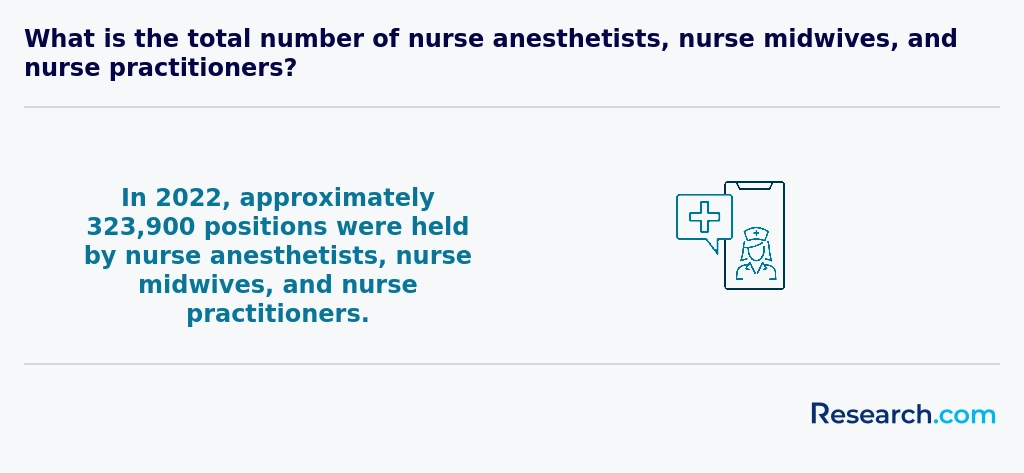
Graduates of online RN to MSN programs in the West find themselves at a crossroads of exhilarating career possibilities, often exceeding initial expectations. Many step into advanced clinical roles such as Nurse Practitioners, who not only provide primary care but also lead specialty practices in bustling urban centers like those served by popular colleges in California and Washington. These graduates often share how their new autonomy has deepened their sense of professional fulfillment. Others pursue roles as Clinical Nurse Specialists, Nurse Anesthetists, or Nurse Midwives, each demanding intensive MSN specialization and offering greater responsibility alongside lucrative salaries. The West region's healthcare landscape amplifies these opportunities, reflecting increased demand and competitive wages.
For graduates drawn to leadership, nursing administration positions at large Western hospital systems become a natural fit, where managing teams and optimizing patient care deliver daily victories. In parallel, nursing educators answer the urgent call to train future nurses, making use of online RN to MSN programs' leadership focuses. Many graduates from Western universities recount a blend of pride and challenge as they shape the next generation. Those weighing career shifts often explore online RN to BSN programs without clinical requirements as complementary paths. It's clear the West offers a spectrum of career avenues for those committed to advancing nursing practice.
What is the job market for online RN to MSN degree in the West?
The job market for online RN to MSN graduates in the West defies the often-told narrative of unpredictability in nursing careers. Graduates from well-known universities like those in California and Washington frequently share stories of seamless transitions into roles with greater responsibility and significantly higher salaries. These firsthand experiences reflect a regionwide trend where the nursing career growth west region is robust and promising. Working nurses appreciate how online programs fit their demanding schedules, enabling them to upskill without relocating, which makes pursuing advanced degrees in famous Western institutions a realistic path to career advancement.
With the Western states pushing initiatives to improve healthcare access, especially in underserved areas, MSN-prepared nurses are stepping into expanded clinical and leadership roles. Graduates often recount how this workforce demand positively impacts their employment opportunities and job satisfaction. Such dynamics highlight the value of carefully choosing online nursing programs for working adults that combine flexibility and strong employer connections, helping students thrive in this evolving marketplace.
Frequently Asked Questions About RN to MSN
Online RN to MSN students in the Western US can maximize their learning by actively engaging with course materials and faculty. Research from the Western Interstate Commission for Higher Education (WICHE) highlights that interactive coursework and frequent communication with instructors improve outcomes. Students should create a structured study schedule to balance work, clinical hours, and assignments, as time management is key to success. Utilizing networking opportunities through virtual study groups or professional nursing associations in the West helps students gain practical insights. Additionally, taking advantage of regional clinical placements can enhance hands-on experience, essential for MSN specialization and licensure advancement.
Emerging niches within the RN to MSN field are shaped by evolving healthcare demands across the Western United States. One notable area is psychiatric-mental health nursing, driven by increased awareness and demand for mental health services in states like California and Washington. According to the Bureau of Labor Statistics, this specialty shows faster-than-average growth compared to other nursing fields.
Another growing niche is nurse informatics, which combines healthcare and technology to improve patient care quality. Western states invest heavily in digital health systems, creating strong job prospects for RNs advancing their education in this area.
Lastly, population health and community nursing gain emphasis with efforts to address public health challenges in urban and rural Western regions, supported by various state health initiatives and funding.
Graduates with an online RN to MSN degree in the West should begin preparing for the job market by building a strong professional network. Connecting with regional nursing associations such as the California Nurses Association or Washington State Nurses Association can open doors to opportunities and mentorship. Research from the Bureau of Labor Statistics shows that employment for nurse practitioners, a common MSN role, is projected to grow 40% from 2021 to 2031 nationwide, with Western states like California and Oregon leading in job openings.
Developing specialized certifications aligned with MSN paths, such as family nurse practitioner or nurse educator, can enhance employability. Many employers in the West value clinical experience combined with advanced certifications.
Finally, leveraging career services offered by online programs-including resume reviews and interview prep tailored to Western healthcare markets-can improve job placement success after graduation.
Employers in the Western United States prioritize several key skills when hiring graduates of RN to MSN programs. Clinical expertise remains fundamental, as advanced knowledge in patient care directly impacts health outcomes.
Leadership and management abilities are highly valued, given many MSN roles involve supervising nursing teams or managing healthcare units. Communication skills are essential for effective collaboration with patients and multidisciplinary staff.
Data from the Western Nursing Research Consortium shows that 78% of employers expect graduates to be proficient in healthcare technology, including electronic health records.
Finally, critical thinking and evidence-based practice skills are crucial to adapt to evolving medical guidelines and deliver high-quality care.
Finding internships in the Western US for RN to MSN students involves a combination of research, networking, and leveraging school resources. Start by contacting career services of your online program, as many universities maintain partnerships with healthcare providers in states like California, Oregon, and Washington. According to the California Board of Registered Nursing, clinical placements often occur in large hospital systems or community health centers.
Online RN to MSN students should also explore professional nursing organizations such as the Western Institute of Nursing, which offer internship listings and networking events. Additionally, sites like the Bureau of Labor Statistics report strong regional demand for advanced nursing roles, increasing internship availability.
Networking through LinkedIn or local nursing associations can reveal hidden internship opportunities. Early application is essential since competitive programs fill quickly.
In the Western United States, obtaining an online RN to MSN degree significantly enhances career mobility and advancement for registered nurses. This degree offers advanced clinical and leadership skills, enabling nurses to pursue specialized roles such as nurse practitioners, clinical nurse leaders, or nurse educators. According to the Bureau of Labor Statistics (BLS, 2023), employment for nurse practitioners in the West is projected to grow by 31% over the next decade, well above the national average.
Online RN to MSN programs allow working nurses to earn their graduate degree without relocating, which is especially beneficial in states like California, Washington, and Oregon. Graduates often report quicker promotions and higher salaries, reflecting the increased demand for advanced nursing roles in healthcare systems across the West.
Studying for an online RN to MSN degree in the Western United States equips nurses with skills critical for interdisciplinary collaboration. These programs emphasize communication, leadership, and evidence-based practice, enabling graduates to work effectively with physicians, social workers, and other healthcare professionals.
Many universities in the West incorporate case studies and team-based projects that simulate real-world healthcare environments. According to the Western Regional Educational Laboratory, about 68% of RN to MSN graduates engage in interdisciplinary teams within two years of graduating.
This training prepares nurses to manage complex patient needs while considering diverse perspectives, leading to improved patient outcomes and organizational efficiency in healthcare systems.
When choosing between a thesis and a non-thesis RN to MSN degree program in the West, consider your career goals and learning preferences. Thesis programs typically require original research and a written dissertation, which is ideal for those aiming to enter clinical research or doctoral studies. Non-thesis programs often focus on advanced clinical practice and coursework, appealing to students prioritizing practical skills.
According to the Western Association of Schools and Colleges, nearly 60% of RN to MSN programs in the West offer both options, making flexibility common. Selecting a program with state-specific clinical placements can also impact your choice. Carefully review curriculum details and speak with advisors to ensure alignment with your professional ambitions.
Students based in the Western United States seeking online RN to MSN degrees have several options to study abroad, primarily through partnerships between U.S. institutions and international universities. These programs often offer global clinical experiences or virtual collaborations with foreign nursing schools. However, fully online RN to MSN degrees that are accredited and recognized for licensure are mostly available through U.S.-based institutions due to strict state and national nursing regulations.
The National Council of State Boards of Nursing (NCSBN) emphasizes education within U.S. standards for licensure. Therefore, most Western students explore hybrid formats combining online theory with local clinical practice, sometimes supplemented by study-abroad opportunities.
Currently, very few internationally operated RN to MSN programs align with U.S. licensure requirements for Western students, making U.S.-based online programs the most practical choice for advancing nursing careers.
Part-time job opportunities in the Western United States that complement RN to MSN degree education often include roles in clinical and administrative settings. Many students work as registered nurses in hospitals or outpatient clinics, applying advanced knowledge gained through their studies while maintaining hands-on patient care. According to the Bureau of Labor Statistics (2023), California and Washington are among the states with the highest employment levels for registered nurses, which benefits RN to MSN students seeking flexible, part-time clinical positions.
Other opportunities include medical case management and health education roles, which align well with Master of Science in Nursing career paths. These jobs provide valuable experience in leadership, patient advocacy, and healthcare policy. Additionally, many Western states support telehealth nursing roles, which allow students to gain expertise remotely while balancing coursework. Job markets around metropolitan areas such as Los Angeles, Seattle, and Denver offer growing part-time options beneficial for those enrolled in online RN to MSN programs.
Online RN to MSN students in the Western United States have access to a variety of networking opportunities that support their academic and professional growth. Many programs partner with regional healthcare institutions, offering virtual events, webinars, and alumni networks to connect students with nursing professionals in California, Oregon, Washington, and neighboring states. According to the Western Institute of Nursing, these virtual connections enhance students' access to mentorship and job placement resources.
Additionally, professional organizations like the California Nursing Students' Association and the Oregon Nurses Association provide online forums and regional conferences to foster engagement among Western-based MSN candidates. Such platforms help students build valuable relationships despite geographic distance.
Some Western schools also offer synchronous class discussions and group projects, which encourage collaboration and networking with peers. This can be especially beneficial in rural areas where local nursing networks are less accessible. Overall, online RN to MSN programs in the West emphasize flexible yet meaningful opportunities for professional connections tailored to the region's healthcare landscape.
Alumni networks play a significant role in supporting online RN to MSN students in the Western United States. These networks create valuable opportunities for professional connections, mentorship, and job referrals, which are crucial in a competitive healthcare market. According to the American Association of Colleges of Nursing, graduates with strong alumni ties report higher employment rates within six months of graduation.
For online students, alumni networks bridge the physical gap by hosting virtual events and discussion forums. This helps build a sense of community and keeps students informed about regional job openings and advanced clinical opportunities.
Additionally, alumni can provide guidance on navigating licensing requirements and continuing education specific to Western states such as California, Oregon, and Washington.
Online RN to MSN programs in the Western US offer various ways to tailor your education based on career goals. Many schools provide specializations like nurse practitioner, nurse educator, or healthcare administration. Selecting a concentration aligns your studies with specific roles, increasing job prospects and expertise in that area.
Flexible course scheduling and part-time options help balance work and study, vital for working nurses. Some Western institutions, such as those in California and Washington, also allow clinical placements near your location, so you gain practical experience relevant to your community's healthcare needs.
The Western Interstate Commission for Higher Education (WICHE) supports regional program access and can assist with tuition reciprocity.
Online RN to MSN students in the Western United States often face challenges balancing rigorous coursework with professional and personal responsibilities. Many students juggle full-time nursing jobs while engaging in demanding online classes, which can lead to time management difficulties.
Access to quality clinical placements is another common hurdle. Western states may have limited local healthcare facilities affiliated with online programs, complicating hands-on training essential for MSN requirements.
Additionally, technological barriers such as unreliable internet connections in rural areas impact learning experiences. According to the California Community Colleges Chancellor's Office (2023), about 15% of students in rural Western areas report connectivity issues during online studies.
Financial constraints also affect a significant portion of RN to MSN students, with many relying on employer tuition assistance, which varies widely across the region.
Completing an online RN to MSN degree opens doors to numerous professional certifications in the Western United States. Graduates often qualify for advanced nursing certifications such as the Family Nurse Practitioner (FNP) or Nurse Educator credentials. These are awarded by recognized bodies like the American Nurses Credentialing Center (ANCC) and the American Association of Nurse Practitioners (AANP).
According to the California Board of Registered Nursing, many Western states require MSN-prepared nurses to hold specialty certifications for roles in leadership, education, or clinical practice. Certifications such as the Psychiatric-Mental Health Nurse Practitioner or Nurse Administrator credentials significantly enhance career prospects.
The increasing demand for nurse leaders and educators in the West, documented by the Oregon Center for Nursing, highlights the value of these certifications for MSN graduates. Such credentials often lead to higher salaries and expanded job opportunities within healthcare systems.
To write a winning application for an online RN to MSN program in the West, start by carefully reviewing the specific admission requirements of your target schools. Most programs in states like California, Oregon, and Washington require a valid RN license and a minimum GPA, often around 3.0. Strong clinical experience and clear career goals can significantly strengthen your application.
Highlight your professional achievements and relevant leadership roles in nursing. Many programs value applicants with evidence of commitment to advanced nursing practice and community health.
Prepare a concise personal statement that explains why you chose an RN to MSN path and how the program aligns with your future goals. Attention to detail and adherence to application instructions are critical, as programs typically receive hundreds of applications.
Lastly, ensure you submit strong letters of recommendation from nursing supervisors or instructors familiar with your clinical skills and academic potential.
The global perspective on an RN to MSN career emphasizes the growing demand for advanced nursing roles, especially in the United States. Across the Western region, healthcare systems prioritize highly trained nurses to address complex patient needs and leadership vacancies. According to the U.S. Bureau of Labor Statistics, jobs for nurse practitioners and advanced practice nurses are expected to grow by 40% through 2031, faster than the average for all occupations.
Online RN to MSN programs offer flexibility, attracting professionals who want to advance without relocating. These degrees prepare nurses for leadership, education, and specialized clinical roles highly valued both nationally and internationally. Institutions often align curricula with AACN standards, maintaining rigorous academic and clinical competence.
Gaining practical experience while studying for an online RN to MSN degree in the West is vital for skill development. Many programs incorporate clinical placement requirements, which allow students to complete hours at local hospitals or healthcare facilities near their residence. According to the American Association of Colleges of Nursing, these experiential learning components are essential for licensure and certification.
Students often coordinate clinical sites with university partnerships, making it easier to find opportunities in their region. Some programs also offer virtual simulations that complement hands-on training, enhancing practical skills remotely.
The combination of local clinical experiences and online coursework supports professional growth without relocating, which is beneficial for working nurses in Western states.
Choosing the right concentration within an online RN to MSN degree program in the West depends on your career goals and the regional demand for advanced nursing roles. Popular concentrations include Nurse Practitioner specializations, Nursing Education, and Healthcare Leadership. According to the Western Interstate Commission for Higher Education (WICHE), Nurse Practitioner roles are growing faster than average in Western states, making that concentration a strategic choice.
Consider your current clinical experience and interests. For example, if you enjoy patient care, a Nurse Practitioner track might suit you, while teaching-focused nurses may prefer Nursing Education. Research program accreditation and state licensing requirements, as they vary across Western states and impact practice scope.
Top Trending RN to MSN Rankings
References
- Rush-Presbyterian-St. Luke's Nurses Alumni Association https://www.rushu.rush.edu/alumni/connect/rush-presbyterian-st-lukes-nurses-alumni-association
- Nursing Prerequisites https://westcottcourses.com/nursing-prerequisites/
- Earn Your RN to MSN Online | WCU https://westcoastuniversity.edu/online-programs/rn-to-msn
- The Nurses' Alumni Association https://giving.mainlinehealth.org/get-involved/auxiliaries-and-womens-boards/lankenau-medical-center-womens-board/the-nurses-alumni-association
- What Can You Do With an MSN Degree? https://nursinglicensemap.com/nursing-degrees/masters-in-nursing/what-can-you-do-with-msn/
- What You Can Do with a Master's in Nursing (MSN) https://www.allnursingschools.com/msn/career-paths/
- How to Build a Professional Network as an NP Student https://www.npschools.com/blog/how-to-build-a-professional-network
- RN to MSN Bridge Programs with Financial Aid: Find Top ... https://www.edumed.org/online-schools/nursing-rn-programs/rn-to-msn-bridge/financial-aid/
- What Can You Do With A Masters in Nursing in 2026? https://www.neit.edu/blog/what-can-you-do-with-masters-in-nursing
- Nursing Network https://www.nursingnetwork.com/


