
2027 Most Affordable Online RN to MSN Degree Programs Ranking in the Northeast

Co-Founder and Chief Data Scientist
Are you looking to advance your nursing career with an RN to MSN degree in the Northeast? This article introduces the 2027 Most Affordable Online RN to MSN Degree Programs Ranking in the Northeast, carefully developed by the Research.com team of data scientists.
We designed this ranking to help you make an informed decision about which programs offer the best value and quality. Taking the next step in your education can open doors to new opportunities, higher earning potential, and greater professional fulfillment.
Explore the options and discover programs that fit your goals and lifestyle.
Key benefits of getting online RN to MSN degree in the Northeast
- Salary for RN to MSN degree graduates: While specific regional data is unavailable, nurses with MSN degrees in the US often earn between $70,000 and $120,000 annually, reflecting strong financial benefits from advanced education.
- Career paths: Graduates from Northeastern universities commonly pursue roles such as nurse practitioners, clinical educators, or healthcare administrators, opening doors to leadership and specialized clinical positions.
- Online degree benefits: Completing an RN to MSN online from a reputable Northeastern school offers flexibility, allowing you to balance work and study while gaining valuable skills without relocating or disrupting your career.
What can I expect from online RN to MSN degree in the Northeast?
The average cost of an online RN to MSN degree program in the Northeast tends to be higher than the national average, reflecting the region's elevated cost of living and the prestige of its institutions. Graduates from universities such as Northeastern University and the University of Massachusetts Amherst often report tuition rates that range from moderate to steep, yet they emphasize the value gained through quality education and strong clinical partnerships.
Many students navigating these programs appreciate the financial investments due to access to extensive clinical placements and experienced faculty, which align well with their career advancement goals. For example, a nurse completing the accelerated 24-month track at Northeastern often mentions feeling confident about the return on investment, especially when employer tuition reimbursement and federal loans are factored in.
While tuition may initially seem daunting, Northeast students frequently highlight how comprehensive financial aid options and scholarships ease the burden, allowing them to focus on mastering both theoretical knowledge and practical skills essential in nursing leadership and specialized clinical roles.
Where can I work with online RN to MSN degree in the Northeast?
Graduates of online RN to MSN programs in the Northeast frequently find rewarding employment in major hospitals, outpatient clinics, community health centers, and academic institutions. For instance, nurses from well-regarded programs at universities in Boston or New York City often advance into roles such as Nurse Practitioners, Clinical Nurse Specialists, or nurse educators. These positions leverage the dense healthcare infrastructure in urban centers, allowing graduates to work in dynamic clinical environments or influential teaching roles.
Many alumni report a strong sense of fulfillment when applying their advanced skills in gerontology or palliative care at community health centers serving the aging population. Others embrace leadership opportunities in public health organizations and government agencies, where their MSN credentials enable them to impact health policy and program development across the region.
MSN-prepared nurses in the Northeast consistently mention substantial salary improvements and greater job security compared to their RN-only counterparts, reflecting valuable career advancement. The region's high demand for advanced practice nurses ensures graduates enjoy varied, meaningful roles in settings closely tied to prominent Northeast nursing schools and their network connections.
How much can I make with online RN to MSN degree in the Northeast?
Graduates with an online RN to MSN degree in the Northeast often realize substantial financial benefits, with salaries reflecting the region's robust healthcare market. Many find rewarding opportunities as nurse practitioners or clinical nurse specialists, roles recognized for commanding salaries well above those of Registered Nurses. For example, statewide averages for nurse practitioners in Massachusetts and New York exceed $130,000 annually, well beyond the regional RN median of approximately $75,000 to $85,000.
Online RN to MSN graduates from prominent institutions like Boston College and Rutgers University frequently share their satisfaction with compensation packages that include not only competitive salaries but additional incentives such as tuition reimbursement and loan forgiveness. These benefits enhance the overall value of pursuing advanced education in the Northeast.
The positive impact on income stems from the expanded clinical responsibilities and leadership roles that MSN credentials unlock. Graduates often note the rewarding nature of their work combined with financial security, especially when employed in urban hubs like New York City or Philadelphia. This blend of professional growth and lucrative compensation makes online RN to MSN programs a compelling investment in their careers.
- Key benefits of getting online RN to MSN degree in the Northeast
- What can I expect from online RN to MSN degree in the Northeast?
- Where can I work with online RN to MSN degree in the Northeast?
- How much can I make with online RN to MSN degree in the Northeast?
- How do we rank schools?
- 2027 Most Affordable Online RN to MSN Degree Programs Ranking in the Northeast
- What online RN to MSN degree graduates have to say
- Key Findings
- How long does it take to complete online RN to MSN degree in the Northeast?
- What's the difference between online and on-campus RN to MSN degree?
- What is the average cost of online RN to MSN degree in the Northeast?
- What financial aid is available to online RN to MSN degree students in the Northeast?
- What are the prerequisites for enrolling in online RN to MSN degree program in the Northeast?
- What courses are typically in online RN to MSN degree programs in the Northeast?
- What types of specializations are available in online RN to MSN degree programs in the Northeast?
- How do you choose the best online RN to MSN degree in the Northeast?
- What career paths are available for online RN to MSN degree students in the Northeast?
- What is the job market for online RN to MSN degree in the Northeast?
- Frequently Asked Questions About RN to MSN
- Top Trending RN to MSN Rankings
How do we rank schools?
Investing in your education is a significant decision that can shape your future, and the Research.com team understands the importance of making informed choices. To assist prospective students in the Northeast, we have meticulously created the "2027 Most Affordable Online RN to MSN Degree Programs Ranking." Our commitment to quality, credibility, and accuracy is demonstrated through thorough research and analysis conducted to compile this ranking.
We utilized the following reputable data sources to ensure a comprehensive evaluation of programs:
By exploring this ranking, readers will gain valuable insights into affordable and quality RN to MSN programs available online in the Northeast, empowering them to make well-informed decisions about their educational journey. For more information on how the ranking was created, please visit our Research.com methodology page.
2027 Most Affordable Online RN to MSN Degree Programs Ranking in the Northeast
# 1 position

The University of Southern Maine offers a Master's program focused on Nursing and Healthcare. It has an open admission policy with a 79% acceptance rate, allowing broad access for applicants. The program has a 40% graduation rate, reflecting completion challenges. Approximately 3,900 online students are enrolled. The average total cost is $15,480, and 97% of students benefit from high levels of financial aid.
# 2 position
Drexel University
Master
Drexel University offers a Master's program focused on Family Nurse Practitioner, Nursing, and Healthcare. The program has an open admission policy with a 79% acceptance rate, making it accessible to many applicants. It boasts a graduation rate of 78%. Students can expect high financial aid support, with 100% of students receiving assistance. The program enrolls around 5,000 online students, and the average total cost is $61,275.
# 3 position
Simmons University
Master
Simmons University offers a Master's program focused on Nursing and Healthcare, lasting 24 months. The program has a graduation rate of 72%, with an acceptance rate of 70%, making it less selective. It enrolls 2,983 online students and provides high financial aid opportunities, with 100% of students receiving assistance. The average total cost of the program is $82,280.
What online RN to MSN degree graduates have to say
- Emily: Studying the RN to MSN program at Northeastern University online allowed me to balance my full-time job and family life seamlessly. The curriculum was rigorous yet flexible, and the faculty's support was incredible, making my advancement in nursing both rewarding and manageable.
- James: The online RN to MSN degree from Boston College gave me the clinical expertise and leadership skills needed to excel. The interactive courses and real-world case studies kept me engaged, and earning my degree remotely from the Northeast's top schools was truly empowering.
- Olivia: At Rutgers University, the online RN to MSN program was transformative. The tight-knit virtual community and accessible professors made learning enjoyable and motivating. Being able to study at my own pace while gaining advanced nursing knowledge was a game changer for my career growth.
Key Findings
- Online RN to MSN programs in the Northeast serve RNs with an associate degree or diploma, allowing them to earn a Master of Science in Nursing remotely.
- Tuition costs typically range from $25,000 to $45,000, with public universities offering lower rates for in-state students and private schools charging more regardless of residency.
- Graduates see salary increases, with entry-level MSN nurses earning about $85,000 annually and experienced nurses making over $110,000.
- High demand exists for advanced practice nurses, educators, and healthcare administrators in states like New York and Massachusetts.
- Accreditation by CCNE or ACEN is essential for program quality and certification eligibility.
- Many programs offer specializations such as nurse practitioner, nursing education, or healthcare leadership to match career goals.
How long does it take to complete online RN to MSN degree in the Northeast?
Completing an online RN to MSN degree in the Northeast generally requires between 2.5 and 4 years, depending on a student's enrollment status and prior education. Graduates from prominent institutions such as Northeastern University and Rutgers University often share how full-time study enables completion within approximately 3 years, balancing academic rigor with clinical training.
Part-time students frequently extend their studies to 4 years or beyond, allowing them to manage professional responsibilities alongside coursework. Many appreciate the flexibility provided by accelerated pathways, especially if entering with an Associate Degree in Nursing (ADN), enabling them to bypass foundational courses and shorten their journey.
Students report that year-round offerings, including summer sessions, foster steady progress and reduce overall time. Moreover, the depth of leadership and specialty tracks emphasized by top Northeast programs enhances career readiness, even if it slightly lengthens completion time compared to national averages. This focused approach often leaves graduates feeling confident and well-prepared for advanced nursing roles.
What's the difference between online and on-campus RN to MSN degree?
Graduates of popular RN to MSN programs at Northeastern institutions often highlight the flexibility offered by online formats, which allow them to balance demanding nursing shifts and family obligations without relocating or enduring lengthy commutes typical in this region. Online learning platforms provide asynchronous lectures and virtual discussions, creating a convenient yet comprehensive educational experience that adapts to varied schedules.
Conversely, students attending traditional on-campus programs, such as those offered by well-known colleges in the Northeast, appreciate the immersive environment that fosters direct mentorship and hands-on clinical practice in nearby hospitals. These experiences often translate into strong professional networks and enhanced practical skills, which graduates find invaluable for career advancement.
Cost differences are nuanced; while online students save on transportation and housing, tuition fees can be comparable. Additionally, securing local clinical placements independently is common for online learners and requires proactive effort, unlike on-campus students who benefit from institutional partnerships with healthcare facilities.
What is the average cost of online RN to MSN degree in the Northeast?
The average cost of an online RN to MSN degree in the Northeast is notably higher than many other regions. Median total costs for these programs typically reach around $61,275, with both in-state and out-of-state tuition often exceeding $82,000. This reflects the region's general trend of elevated higher education expenses, especially at well-regarded universities popular among RN to MSN students. Many graduates describe balancing these costs with the flexibility and quality of programs offered by northeastern institutions, where extensive clinical partnerships enhance their learning experience.
For students considering Northeast online RN to MSN degree tuition fees, it is important to factor in not only tuition but also additional expenses such as technology fees, course materials, and potential clinical placement costs. Graduates from prominent institutions often share how they managed these fees with financial aid or employer tuition assistance, easing the financial burden while gaining credentials that open doors to advanced nursing roles. The comprehensive education provided by these programs, though costly, is frequently seen as a valuable investment in long-term career growth.
Prospective students seeking more affordable options may explore most affordable MSN programs, which sometimes include pathways specifically designed for RN to MSN students in the Northeast. These programs offer competitive tuition rates and scholarship opportunities, providing an accessible option without sacrificing quality.
What financial aid is available to online RN to MSN degree students in the Northeast?
Students enrolled in online RN to MSN programs in the Northeast frequently rely on a range of financial aid options to manage tuition costs, which typically span $25,000 to $50,000. Federal aid remains a primary resource, with access facilitated through the FAFSA application. Many graduates from institutions like Northeastern University and the University of Massachusetts have found Pell Grants, federal student loans, and work-study opportunities instrumental in financing their education. For instance, some graduates recall how federal loans, averaging around $30,000 nationally, helped them bridge funding gaps while studying.
State-specific programs also play a crucial role. Nursing students at schools such as CUNY Hunter College benefit from New York's Nurse Education Loan Repayment Program, which aids those committing to work in underserved communities. Massachusetts students often leverage scholarships from the MassGrant program, reducing tuition burdens significantly.
Employer support adds another dimension. Hospitals and healthcare systems throughout the Northeast often reimburse tuition or offer scholarships, which many graduates have used to reduce loan dependency. Additionally, private organizations like the AACN provide targeted scholarships fostering diversity and advanced nursing leadership.
What are the prerequisites for enrolling in online RN to MSN degree program in the Northeast?
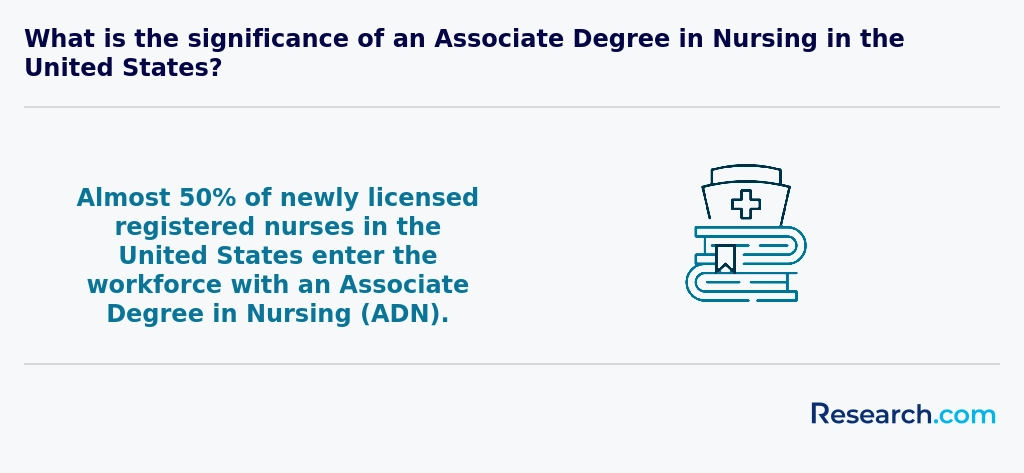
To enroll in an online RN to MSN program in the Northeast, students must first hold an active U.S. RN license, which serves as a foundation for advanced nursing education. Graduates from well-known institutions often recall the importance of submitting licensure proof early to avoid delays. Most programs also require an associate degree in nursing (ADN) or a nursing diploma, ensuring practical experience is solid before progressing. Some schools accept bachelor's degrees in related fields, but a core nursing background remains mandatory.
Maintaining a cumulative GPA of around 3.0 from prior nursing coursework is a common prerequisite, reflecting the rigorous academic demands. Many students remember completing prerequisite classes like anatomy or microbiology within the past five to seven years, which aids acclimation to graduate-level content. Clinical experience of one to two years is typically favored, helping learners transfer real-world skills to specialized MSN roles.
Application materials often include letters of recommendation and a personal statement, with GRE requirements increasingly waived, easing access. Programs at leading Northeast nursing schools emphasize accreditation by CCNE or ACEN, reassuring candidates of quality and professional recognition.
What courses are typically in online RN to MSN degree programs in the Northeast?
Online RN to MSN programs in the Northeast generally comprise a comprehensive set of courses that build upon registered nurses' existing clinical expertise. Graduates from well-regarded institutions in the region often highlight advanced health assessment, pathophysiology, and pharmacology as foundational courses that deepen their understanding of patient care complexities in diverse healthcare environments.
Many students appreciate courses in nursing research and evidence-based practice, which equip them to critically evaluate scientific literature and implement data-driven improvements in clinical settings. Leadership and management training, such as healthcare policy, nursing administration, and organizational leadership, resonate strongly with those aiming for roles in hospital management or community healthcare systems.
Specialization tracks, commonly offered by prominent Northeast colleges, include family nurse practitioner, nurse educator, and clinical nurse leader pathways. Graduates report feeling empowered by the tailored clinical or educational coursework, enabling them to confidently transition into advanced or leadership positions within their specialties.
What types of specializations are available in online RN to MSN degree programs in the Northeast?
Online RN to MSN degree programs in the Northeast commonly offer specializations that align with diverse nursing career paths. Graduates often choose areas such as Family Nurse Practitioner (FNP), Adult-Gerontology Nurse Practitioner (AGNP), Psychiatric-Mental Health Nurse Practitioner (PMHNP), Nursing Education, and Healthcare Leadership and Administration. These options allow nurses to tailor their education toward advanced clinical practice, education roles, or administrative leadership.
Students from institutions like Rutgers University and the University of Massachusetts frequently share positive experiences, noting how these specializations prepare them for real-world challenges, from managing primary care clinics to leading healthcare teams. The flexibility of online nursing graduate programs Northeast also permits working nurses to balance clinical hours with studies, enriching their practical expertise.
Many students pursuing RN to MSN specializations Northeast appreciate the ability to customize their career trajectory. For those beginning with an associate degree, exploring RN to BSN online programs serves as a strategic step toward graduate-level nursing education and specialization.
How do you choose the best online RN to MSN degree in the Northeast?
Choosing the best online RN to MSN degree in the Northeast involves verifying accreditation from bodies like CCNE or ACEN to ensure program quality and recognition. Graduates from well-known regional colleges often highlight the difference accreditation made when applying for advanced nursing roles. Another key factor is cost; programs in the Northeast typically range from $12,000 to $20,000 annually, so evaluating tuition alongside financial aid is essential. Many students, especially working nurses, appreciate programs offering asynchronous classes and robust support services, enabling them to balance study with demanding schedules.
Consider also the specialization tracks available, such as Nurse Educator or Nursing Administration, to align with career goals. Graduates often praise schools partnering with local healthcare facilities for clinical placements, as these connections enhance practical experience. For those seeking affordable RN to MSN degrees Northeast region options can be compared effectively by exploring resources like BSN online, which also offer insights on program structures and length.
What career paths are available for online RN to MSN degree students in the Northeast?
Graduates of online RN to MSN programs in the Northeast often pursue diverse nursing careers centered on advanced clinical practice and leadership roles. Many become Nurse Practitioners, especially in primary care and specialty fields such as pediatrics or geriatrics, responding to the region's growing healthcare needs, from New York to Massachusetts. Nurses enrolling in popular universities find that this specialization combines rigorous clinical training with autonomy in patient care, bringing immense professional satisfaction and career advancement.
Other graduates embrace nursing education, stepping into faculty or clinical educator roles to address faculty shortages at Northeast colleges and universities. This pathway offers a fulfilling way to shape future nurses, with many sharing how their MSN experience deepened their commitment to academia and mentoring. Leadership positions in hospitals and healthcare systems also attract MSN holders, with opportunities to manage nursing teams or administer quality assurance programs in large regional facilities.
Additionally, specialized careers in informatics, public health, and case management are expanding, especially in urban centers. Those exploring which school is better SNHU vs WGU discover tailored RN to MSN nursing careers in the Northeast, helping guide their choices toward programs offering relevant expertise and strong regional connections.
What is the job market for online RN to MSN degree in the Northeast?
The online RN to MSN job outlook Northeast is robust, fueled by the high concentration of renowned nursing programs and healthcare facilities in the region. Graduates from respected institutions report a smooth transition into leadership and advanced clinical roles, citing strong employer support and competitive salaries. In states such as Massachusetts and New York, this demand is driven by an aging population and expanding healthcare infrastructures in cities like Boston and Philadelphia, which continuously seek skilled nurse practitioners and clinical specialists.
Northeast nursing job market for MSN graduates benefits from institutional partnerships offering tuition reimbursement and flexible work arrangements, easing the balance between study and professional duties. These advantages encourage many learners to enroll in online RN to MSN programs, finding that their advanced degrees unlock opportunities with salaries typically ranging from $95,000 to $120,000 annually. Prospective students often compare costs with salary prospects and explore options such as the region's best DNP programs online to further advance their careers.
Frequently Asked Questions About RN to MSN
Online RN to MSN students in the Northeast can maximize their learning by actively engaging with their coursework and instructors. Studies show that consistent communication with faculty improves academic success in online nursing programs.
Utilizing available resources such as virtual libraries, clinical forums, and regional nursing associations enhances practical knowledge. For example, the New England Nursing Informatics Consortium offers networking opportunities tailored to online learners.
Time management is crucial: setting a structured study schedule aligned with program deadlines helps balance work, clinical hours, and study. According to the U.S. Department of Education, 60% of students in the Northeast cite effective time management as key to online program completion.
Lastly, students should seek out local clinical placements early, as hands-on experience remains vital for MSN progression and often requires regional coordination with accredited healthcare facilities.
The RN to MSN field is evolving rapidly, especially in the Northeast, driven by growing healthcare demands. Emerging niches include nurse informatics, where specialists use data to improve patient outcomes. According to the American Association of Colleges of Nursing (AACN), nurse informatics roles are projected to grow by 28% from 2022 to 2032.
Another fast-growing niche is psychiatric-mental health nursing, responding to increased mental health needs in the region. Additionally, family nurse practitioner programs remain popular, focusing on primary care amid physician shortages.
Quality improvement and healthcare leadership roles also offer promising online RN to MSN pathways in Northeastern universities, aligning with industry trends.
After completing an online RN to MSN degree in the Northeast, preparing for the job market involves strategic planning and skill refinement. First, graduates should obtain relevant certification in their MSN specialization, such as Family Nurse Practitioner or Nursing Education, to increase employability. According to the Bureau of Labor Statistics, the Northeast shows a steady growth of 16% in advanced nursing roles through 2030, underscoring strong regional demand.
Networking is crucial; joining state nursing associations like the Massachusetts Nurses Association provides access to job boards and professional connections. Additionally, leveraging clinical experiences from the degree program helps demonstrate practical skills to employers.
Continuing education and attending regional healthcare conferences further enhance expertise and visibility in a competitive market.
Employers in the Northeast highly value several key skills in RN to MSN graduates. Clinical expertise remains fundamental, with an emphasis on evidence-based practice to improve patient outcomes. Leadership abilities are also critical, as many MSN roles require managing healthcare teams or projects. Communication skills, both written and verbal, are essential for coordinating with multidisciplinary teams and educating patients.
Additionally, proficiency in healthcare technology and informatics is increasingly important due to the growing use of electronic health records and telehealth services. According to the Bureau of Labor Statistics, the demand for advanced nursing skills in the Northeast is projected to grow by 20% through 2030, reflecting the need for adaptable and highly skilled MSN-prepared nurses.
Finding internships in the Northeast for RN to MSN students often begins with exploring partnerships between online nursing programs and local healthcare facilities. Many universities maintain affiliations with hospitals and clinics in states like New York, Massachusetts, and Pennsylvania. These institutions frequently offer internships tailored to advanced nursing roles.
Students should also consult regional nursing boards and professional organizations such as the Northeast Regional Black Nurses Association or the Massachusetts Association of Registered Nurses. They provide valuable internship listings and networking events. According to the American Association of Colleges of Nursing, over 60% of RN to MSN students in the Northeast secure clinical placements through these connections annually.
Finally, leveraging online job portals focused on healthcare internships and contacting local hospitals directly can increase opportunities. Early communication and clear articulation of your program's clinical requirements will improve internship placement success.
Online RN to MSN degrees in the Northeast significantly enhance career mobility by providing registered nurses with advanced clinical and leadership skills. According to the American Association of Colleges of Nursing (2023), nurses with an MSN are more likely to obtain management roles or specialized positions, such as nurse practitioners or clinical nurse leaders. In the Northeast, demand for advanced practice nurses is steadily increasing due to an aging population and expanded healthcare access under state policies.
These programs offer flexibility for working RNs, enabling them to balance education with employment. Career advancement often leads to higher salaries; the Bureau of Labor Statistics (2023) reports that nurse practitioners in Northeast states can earn over $110,000 annually, surpassing typical RN earnings.
Employers in the Northeast increasingly prefer candidates with MSN credentials for leadership roles, making online RN to MSN degrees a strategic step toward greater professional opportunities.
Online RN to MSN programs in the Northeast equip students with skills essential for interdisciplinary healthcare roles. These programs emphasize collaboration among nurses, physicians, administrators, and other professionals to improve patient outcomes. The curriculum often integrates leadership, healthcare policy, and evidence-based practice, aligning with regional healthcare standards. According to the American Association of Colleges of Nursing (2023), over 60% of Northeast MSN graduates engage in team-based healthcare settings.
The region's emphasis on innovative healthcare delivery encourages RN to MSN students to develop communication and critical-thinking skills. These are vital when navigating complex clinical environments where multiple disciplines intersect.
By completing an online program from a regionally accredited institution, students gain access to diverse practicum experiences across hospitals and community agencies, reinforcing their interdisciplinary competence.
Choosing between a thesis and a non-thesis RN to MSN degree program in the Northeast depends largely on your career goals and learning preferences. Thesis programs typically involve conducting original research and writing a detailed paper, which can benefit those aiming for leadership roles, doctoral study, or academic positions. Non-thesis options focus more on practical skills, coursework, and clinical experience, suiting nurses seeking immediate application in advanced practice or administration.
According to the American Association of Colleges of Nursing, about 40% of RN to MSN programs in the Northeast offer thesis options. Tuition differences may also influence your choice, as thesis tracks sometimes require longer enrollment.
Consider your time commitment, interest in research, and professional objectives when deciding which path aligns best with your future.
Students based in the Northeast seeking to pursue an RN to MSN degree abroad face limited yet strategic options. While the majority of RN to MSN programs focus on domestic students, some international universities offer online nursing graduate programs recognized in the U.S. However, these programs must meet accreditation standards accepted by U.S. nursing boards, such as CCNE or ACEN.
Many Northeastern students prioritize programs affiliated with U.S. institutions that offer global clinical experiences abroad rather than fully international degrees. This is due to complex licensing and credential evaluation challenges. According to the American Association of Colleges of Nursing (AACN), fewer than 5% of RN to MSN enrollments involve foreign institutions, reflecting the rarity of such programs for U.S.-based learners.
Part-time job opportunities in the Northeast that complement RN to MSN degree education often include roles in clinical settings, such as nurse educators, outpatient care coordinators, and advanced practice nursing assistants. These positions allow students to apply theoretical knowledge gained online in practical environments. According to the Bureau of Labor Statistics, the Northeast region has seen steady growth in advanced nursing roles, with employment expected to rise by 15% between 2020 and 2030.
Additionally, many healthcare facilities in states like New York, Massachusetts, and Pennsylvania offer flexible part-time schedules catering to students.
Roles in healthcare administration, health informatics, and telehealth nursing also provide valuable experience while supporting academic commitments.
Online RN to MSN students in the Northeast benefit from several strong networking opportunities that can enhance their educational and career prospects. Many programs offer virtual events, discussion boards, and group projects that connect students with peers and faculty across the region. Professional organizations such as the Massachusetts Nurses Association and the New York State Nurses Association provide state-specific networking events, webinars, and conferences tailored to advanced practice nurses.
In addition, graduates often join alumni networks, which facilitate mentorship and job placement support. According to the National League for Nursing, online students in the Northeast report high engagement in virtual communities, with over 70% participating in professional groups during their studies. These connections are essential for career growth in competitive healthcare markets in the region.
Alumni networks offer significant advantages to students enrolled in online RN to MSN degree programs in the Northeast. These networks provide valuable connections to healthcare professionals who understand the regional job market and licensure requirements. According to the National Student Clearinghouse Research Center, graduates with strong alumni ties have higher employment rates within six months post-graduation. Networking opportunities often include mentorship, job leads, and career advancement advice tailored to local healthcare systems.
Many Northeast institutions, such as those in Massachusetts and New York, maintain active online communities for alumni engagement. This fosters ongoing professional development and collaboration.
Customizing an online RN to MSN degree program in the Northeast allows nurses to align their education with specific career goals. Many programs offer specializations such as nursing education, nurse leadership, or family nurse practitioner tracks. Selecting relevant electives and clinical placements helps tailor practical experience.
Flexible course schedules and part-time options support working professionals. Accreditation by organizations like CCNE ensures program quality and eligibility for advanced certifications.
According to the American Association of Colleges of Nursing, about 60% of Northeast RN to MSN students choose nurse practitioner roles, reflecting regional demand. Researching state licensing requirements also guides specialization choices.
Online RN to MSN students in the Northeast often face several challenges that can impact their academic progress. One common issue is balancing work, family, and study commitments, especially since many students are practicing nurses working full-time. According to a 2023 NCSBN report, over 60% of nurses in the Northeast report work-family balance as a significant stressor during education.
Another challenge is adapting to rigorous online coursework and clinical requirements. Some programs require on-site clinicals within limited regional hospitals, which can strain students with mobility or transportation issues.
Additionally, navigating state-specific licensing rules during and after program completion can be complicated, as states in the Northeast vary in their RN-to-MSN scope and reciprocity policies.
With an online RN to MSN degree, nurses in the Northeast can pursue a variety of professional certifications to advance their careers. Common options include certifications in nursing specialties such as Family Nurse Practitioner (FNP), Nurse Educator (CNE), and Nursing Administration (NEA-BC). These certifications are offered by respected bodies like the American Nurses Credentialing Center (ANCC) and the American Association of Nurse Practitioners (AANP).
Many programs align curricula with certification requirements to help candidates meet exam eligibility. For example, the ANCC reported a 15% increase in Northeast applicants for specialty exams in 2023, indicating growing interest.
Obtaining certification can enhance job prospects, salary potential, and professional credibility in healthcare settings throughout the region.
To write a winning application for an online RN to MSN program in the Northeast, focus on clear, concise communication that highlights your clinical experience and academic achievements. Applicants should emphasize their registered nursing license, typically required in all Northeastern states, along with a strong GPA-many programs prefer at least a 3.0. Including detailed letters of recommendation from supervisors or faculty can significantly boost your profile.
Be sure to tailor your personal statement to reflect your professional goals and how the program aligns with them. Programs in this region often value leadership skills and community involvement, so mention relevant examples.
Additionally, verify specific application requirements for each school, as some may require GRE scores or prerequisite courses. According to the American Association of Colleges of Nursing, 75% of Northeastern RN to MSN programs emphasize holistic admissions criteria beyond just grades, so showcasing well-roundedness is key.
Globally, the RN to MSN career path is valued for advancing nursing leadership, education, and specialized clinical skills. In the United States, especially in the Northeast, online RN to MSN programs provide accessible pathways to meet increasing demands for advanced nursing roles driven by an aging population and complex healthcare needs.
According to the American Association of Colleges of Nursing (2023), the Northeast leads in the number of accredited online RN to MSN programs, reflecting strong institutional support. Graduates from these programs often find opportunities not only locally but also abroad, where U.S. credentials are respected.
While international nursing roles vary, an MSN degree enhances a nurse's competitiveness by validating expertise recognized worldwide. This global value supports career mobility and advanced practice opportunities for graduates considering work beyond U.S. borders.
Gaining practical experience while pursuing an online RN to MSN degree in the Northeast is vital for skill development and licensure requirements. Many programs partner with local healthcare facilities, allowing students to complete clinical hours close to home. The Commission on Collegiate Nursing Education (CCNE) requires MSN candidates to fulfill clinical practicum hours, which are typically arranged by the school in collaboration with hospitals and clinics.
Some students also benefit from existing employment in healthcare settings, integrating work experience with academic learning. According to the National Council of State Boards of Nursing, over 60% of Northeast nursing programs emphasize clinical placements within urban hospitals, reflecting the region's healthcare infrastructure.
Choosing the right concentration within an online RN to MSN program in the Northeast involves assessing your career goals and the regional demand for specialties. Popular concentrations include nurse practitioner, nurse educator, and nurse administrator, each aligning with specific roles in healthcare.
Data from the Bureau of Labor Statistics indicates nurse practitioner roles in the Northeast are projected to grow by 31% through 2030, reflecting strong job prospects. Consider your interests and strengths alongside employment trends.
Additionally, verify if your chosen program offers state-approved licensure preparation, as licensing requirements vary across Northeastern states.
Finally, evaluate program flexibility, clinical placement support, and faculty expertise to ensure the concentration suits your learning style and professional objectives.
Top Trending RN to MSN Rankings
References
- What Types of Internships are Available in Nursing? https://www.bestnursingmasters.com/faq/types-internships-nursing/
- Career Paths in MSN https://www.allnursingschools.com/msn/career-paths/
- MSN Programs and Specialties: How to Choose the Right Path for Your Nursing Career – FRESHRN https://www.freshrn.com/msn-programs/
- How to Build a Professional Network as an NP Student https://www.npschools.com/blog/how-to-build-a-professional-network
- 50 Cheapest RN to MSN Online Programs | Starting at $19,000 https://www.rntomsn.org/programs/cheapest-online-rn-to-msn-programs/
- Career Mobility and the Future of the Nursing Profession in 2025 https://www.thehealthcareexecutive.net/blog/career-mobility-and-the-future-of-the-profession/
- The Ultimate Nursing School (MSN) Application Timeline https://www.passportadmissions.com/blog-posts/the-ultimate-nursing-school-msn-application-timeline
- Explore the Best Online RN to MSN Degrees with Financial Aid https://www.edumed.org/online-schools/nursing-rn-programs/rn-to-msn-bridge/financial-aid/
- What Kind of Practical Experience do you Get in an Online MSN Program? https://www.bestmasterofscienceinnursing.com/faq/kind-practical-experience-online-msn-program/
- Guide to Making a Career Change to Nursing https://teach.com/online-ed/healthcare-degrees/online-msn-programs/career-change-to-nursing/


