2027 Most Valuable Public Health Degree Programs Ranking in Lynchburg

Co-Founder and Chief Data Scientist
Choosing the right public health degree program in Lynchburg can shape your future and open doors to meaningful careers. This article presents the 2027 Most Valuable Public Health Degree Programs Ranking in Lynchburg, created by the Research.com team of data scientists. It's designed to help you make an informed choice based on valuable data.
Exploring this ranking will guide you toward programs that offer strong career potential and personal growth. A public health degree can empower you to make a real difference in your community and beyond.
Key benefits of getting public health degree in Lynchburg
- Public health degree graduates in Lynchburg can expect competitive salaries, such as Community Health Workers earning around $52,610 annually and Environmental Health Specialists making about $86,710 a year, reflecting strong career value.
- Graduates from local universities often pursue diverse roles like Health Educator or Occupational Health Specialist, offering rewarding career paths that impact community wellness directly.
- Choosing an online public health degree from Lynchburg-area schools offers flexible learning schedules and the ability to balance work or family commitments while gaining quality education.
- 2027 Most Valuable Public Health Degree Programs Ranking in Lynchburg
- What can I expect from public health degree in Lynchburg?
- Where can I work with public health degree in Lynchburg?
What can I expect from public health degree in Lynchburg?
The average cost of pursuing a public health degree in Lynchburg typically reflects the regional tuition rates of local institutions like Liberty University and Lynchburg College. Graduates often recall managing tuition fees ranging from about $20,000 to $35,000 per year, depending on whether they attend public or private schools, with some financial aid opportunities easing the burden. Many students find this investment worthwhile, especially considering the hands-on learning experiences unique to Lynchburg's programs. For example, a graduate often remembers their internship at a community health center, where the skills learned in class translated directly into meaningful service within the city.
Students appreciate how the relatively moderate costs compared to larger metro areas allow them to focus on their studies and community involvement without overwhelming financial stress. One graduate highlighted how the partnerships with local hospitals and nonprofits not only enhanced their education but also opened doors to job opportunities immediately after graduation. This real-world engagement complements the academic work and justifies the tuition spent on acquiring practical skills to tackle local health challenges effectively.
Overall, investing in a public health degree in Lynchburg offers a balanced cost-to-value ratio, supported by a nurturing community and a clear path to professional growth in Virginia's vibrant health sector.
Where can I work with public health degree in Lynchburg?
Graduates with a public health degree in Lynchburg often find rewarding career paths in diverse local settings where their skills directly impact community well-being. Many step into roles at Lynchburg General Hospital and other healthcare providers, engaging in programs to promote health, prevent disease, and support patient education. These positions offer the fulfilling experience of working alongside medical teams to improve public health outcomes.
Alumni from institutions like Liberty University frequently talk about their meaningful work within city government and public health departments. Here, they contribute to environmental health initiatives, policy development, and emergency preparedness efforts that protect the community during crises.
Others find purpose in nonprofit organizations such as the Lynchburg Regional Health Foundation, where graduates design programs aimed at substance abuse prevention and mental health support. These roles allow them to connect deeply with underserved populations, fostering equity and compassion.
The private sector also values public health expertise. Graduates support companies in creating workplace wellness programs, ensuring both regulatory compliance and employee well-being-work that often brings a strong sense of achievement and pride.
Graduates holding public health degrees in Lynchburg often find rewarding career opportunities with salaries reflecting their education and roles. For instance, community health workers, many of whom start their careers soon after graduating from local programs, earn a mean annual wage of about $52,610. This aligns well with entry-level expectations and provides a solid financial foundation for those beginning their public health journey.
Health educators in the area, frequently employed by hospitals or community organizations connected to Lynchburg's universities, enjoy higher earning potential with an average salary near $69,790. Graduates who pursued specialized studies often share that these roles feel fulfilling as they directly impact public wellness.
For those advancing into environmental health, salaries climb further, with specialists earning approximately $86,710 annually. These positions typically appeal to graduates involved in comprehensive research projects or internships facilitated by Lynchburg's academic institutions, where applying classroom knowledge to real-world environmental challenges brings an added sense of purpose.
Occupational health and safety specialists also benefit from competitive earnings around $85,570, often cited by alumni who appreciate the balance of job stability and meaningful workplace impact. Such roles exemplify how a public health degree opens doors to both financial and professional growth within the Lynchburg region.
- Lynchburg, Virginia offers public health degrees including bachelor's and master's programs tailored to local and regional needs.
- Undergraduate tuition costs range from $20,000 to $30,000 per year for in-state students, while graduate public health programs typically cost between $25,000 and $40,000 annually.
- Entry-level public health jobs in Lynchburg pay between $45,000 and $55,000 per year, with experienced professionals earning from $60,000 to $80,000 or more.
- Key employers include hospitals, community health centers, and public health departments, with positions like health educators, epidemiologists, and environmental health specialists frequently available.
- Students benefit from internship opportunities through state and regional public health initiatives and enjoy a relatively affordable cost of living in Lynchburg.
Completing a public health degree in Lynchburg typically spans a timeframe that aligns with national standards but offers unique local flexibility. For example, at community colleges popular among local students, an associate degree usually takes about two full-time years, allowing graduates to enter the workforce quickly with essential skills.
Bachelor's degrees at Lynchburg's universities extend to roughly four years, immersing students in core disciplines like epidemiology and health policy. Graduates often reflect on those years as a period of personal growth and expanding their understanding of community health.
For those pursuing an MPH, the experience can range from one to two years full-time, with part-time or hybrid formats available to accommodate working professionals. This adaptability is frequently praised by alumni who balanced work and study, finding the program challenging yet rewarding.
Doctoral candidates often dedicate three to five years, engaging deeply in research and practical experience that prepare them for leadership roles. This journey, while demanding, is described by graduates as transformative, fostering both expertise and confidence in addressing public health challenges.
Graduates from Lynchburg's on-campus public health programs often emphasize the value of direct interaction with professors and peers. One recalls how collaborating in campus labs or participating in community health projects made lessons more tangible. The structured schedule and access to local resources, such as Centra Health internships, fostered a strong sense of connection and confidence in applying classroom knowledge to real-life settings.
In contrast, those who chose online public health degrees from institutions near Lynchburg appreciate the flexibility to balance work, family, and studies. They describe the freedom to learn at their own pace without missing the academic rigor upheld by programs accredited by CEPH. For example, an online graduate from Liberty University found value in engaging through virtual discussions while enjoying the convenience of studying from home, which boosted motivation and focus during busy periods.
While on-campus offers immersive networking within Lynchburg's health community, online options create space for self-discipline and adaptability-both vital traits in public health careers. The choice often reflects personal learning styles and life circumstances, making either path rewarding in its own way.
The average cost of public health degree tuition and fees in Lynchburg typically centers around $44,140, reflecting the consistent pricing at private institutions like Liberty University. This figure represents a median total cost that does not vary much between in-state and out-of-state students since Liberty University does not differentiate tuition by residency. Graduates from these programs often recall the balance between this tuition cost and the financial aid available, highlighting how scholarships and online learning options can ease the financial burden significantly. Many students see this investment as worthwhile, especially given the university's reputable public health curriculum and flexible learning formats.
Understanding the average cost of public health degree in Lynchburg also involves recognizing additional essential expenses. Fees, books, supplies, and living costs commonly add $15,000 to $20,000 annually, which students budget thoughtfully alongside tuition. Those attending institutions such as Liberty University often maximize affordability by exploring hybrid or fully online courses, reducing or even eliminating housing costs, which many alumni emphasize as a key strategy for managing expenses.
When comparing Lynchburg's private tuition costs with nearby public institutions, the contrast is notable, and prospective students sometimes consider commuting or relocating for programs at Virginia Commonwealth University or the University of Virginia. Still, many find the consistent pricing and local reputation of Lynchburg's public health programs reassuring.
For a helpful perspective on choosing schools, students often consult rankings of the valuable public health schools in virginia to align their educational goals with cost and career outcomes effectively.
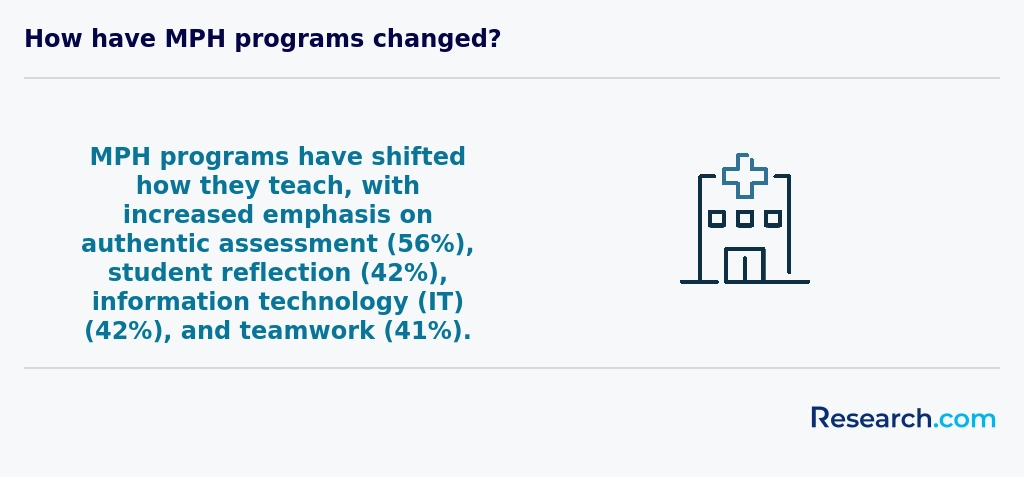
Lynchburg’s public health programs are distinguished by faculty who combine academic rigor with real-world experience. Professors at Liberty University and the University of Lynchburg hold advanced degrees from CEPH-accredited institutions and maintain active roles in research, policymaking, and community outreach. Their areas of expertise span epidemiology, biostatistics, environmental health, and health policy, ensuring that coursework remains aligned with the latest industry standards and public health challenges. Students benefit from small class sizes and personalized mentorship, collaborating on faculty-led projects such as local disease surveillance studies and environmental risk assessments. Dedicated research centers on campus provide access to state-of-the-art laboratories and partnerships with local health departments. Through internships and assistantships, learners gain hands-on experience in data collection, statistical modeling, and program evaluation-skills highly valued by employers. For those aiming to advance into leadership roles or academic research, Lynchburg’s institutions offer clear pathways to doctoral studies. Graduate students often co-author publications under faculty guidance and present at national conferences. Individuals interested in expanding their research credentials can explore a phd in public health online, leveraging flexible doctoral options that complement ongoing professional commitments. Overall, the synergy between expert faculty and robust research infrastructure in Lynchburg ensures that graduates are not only well-prepared for immediate public health roles but also positioned for long-term contributions to the field.
Students pursuing public health degrees in Lynchburg often find financial aid through a combination of federal, state, and local sources that make education more attainable. Graduates from institutions like Liberty University and Central Virginia Community College frequently share how applying for the FAFSA unlocks access to grants such as the Federal Pell Grant, which can cover thousands of dollars in tuition without requiring repayment.
Many also benefit from state programs like the Virginia State Grant, which supports undergraduates in health-related fields. Local scholarships offered by organizations like the Lynchburg Health Department provide additional relief, encouraging students to stay rooted in the community. Merit-based scholarships at these schools often reward dedication and leadership in public health studies, further easing financial burdens.
Work-study opportunities and paid internships in Lynchburg's public health agencies not only provide income but valuable experience that graduates treasure. For those planning long-term, loan forgiveness programs targeting public health service roles are a hopeful prospect, turning financial challenges into manageable steps toward fulfilling careers.
Lynchburg’s vibrant campus life plays a pivotal role in shaping a well-rounded public health education. Beyond rigorous academics, students enjoy a dynamic environment that fosters personal growth, networking, and community involvement. Many institutions in Lynchburg offer modern facilities, engaging student organizations, and dedicated career services that prepare graduates for real-world challenges. Campus events, interactive workshops, and mentorship programs connect students with experienced professionals and alumni who are eager to share their insights. This robust support system not only enriches the study experience but also cultivates a strong sense of community and belonging, which is essential for success in the public health field. Prospective students can explore more about the region’s educational excellence by checking out the valuable public health schools in virginia to compare program benefits and campus amenities. Emphasizing a balance between academics and extracurricular engagement, the campus environment in Lynchburg is designed to produce graduates who are both knowledgeable and community-oriented, ready to tackle public health challenges with confidence and competence.
Enrolling in a public health degree program in Lynchburg typically begins with meeting clear academic prerequisites that set a sturdy foundation. Undergraduates usually present a high school diploma or GED, with an emphasis on science courses like biology and chemistry, which proved invaluable for many graduates from Lynchburg's respected institutions. Their early focus on these subjects allowed them to engage deeply with public health concepts and excel in coursework.
For those aiming at graduate programs such as the MPH at Lynchburg's universities, a relevant bachelor's degree is essential, often accompanied by prerequisite courses in statistics or epidemiology. Graduates recall how these classes sharpened their analytical skills, preparing them for real-world challenges in community health work across the region.
Beyond academics, Lynchburg programs value applicants' commitment, shown through volunteer or work experience. Alumni commonly reflect on how their hands-on involvement in local health initiatives-like outreach programs or research with faculty-boosted their confidence and connection to public health's impact.
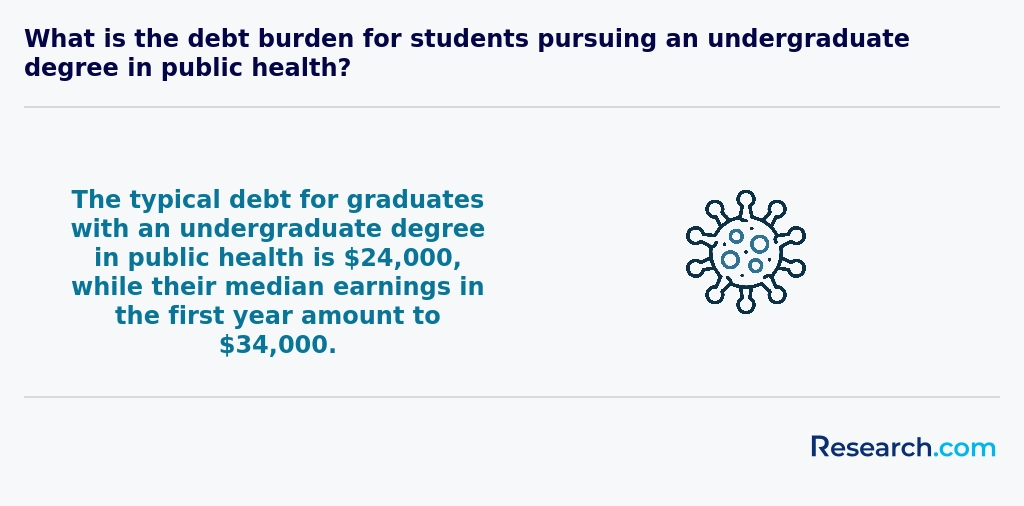
After earning a Public Health degree in Lynchburg, VA, many graduates bolster their credentials through professional certifications and ongoing education. One of the most recognized credentials is the Certified Health Education Specialist (CHES) designation, which demonstrates expertise in program planning, implementation, and evaluation. To qualify, applicants must meet eligibility requirements-such as a bachelor’s degree in public health or a related field-and pass the CHES exam administered by the National Commission for Health Education Credentialing (NCHEC). Another valuable credential is the Certified in Public Health (CPH) certification, offered by the National Board of Public Health Examiners (NBPHE). The CPH exam covers five core domains: biostatistics, environmental health sciences, epidemiology, health policy and management, and social and behavioral sciences. Earning CPH status signals to employers that a candidate possesses a well-rounded public health skill set and is committed to lifelong learning. For those interested in advanced specialization, the Master Certified Health Education Specialist (MCHES) credential requires a graduate degree and documented professional experience. MCHES professionals often assume leadership roles, overseeing public health programs and mentoring entry-level educators. Both CHES and MCHES certificants maintain their status by completing continuing education contact hours (CECH), ensuring they stay current with emerging public health challenges and methodologies. Local and online workshops, webinars, and accredited continuing education courses are widely available to help public health professionals meet CECH requirements. Associations such as the American Public Health Association (APHA) and Region 3 Public Health Training Center offer targeted training in areas like epidemiologic methods, community engagement, and emergency preparedness. These programs not only satisfy certification maintenance but also enhance career prospects in government agencies, nonprofit organizations, and healthcare settings. For students comparing program costs and looking to extend their learning beyond Lynchburg, resources like the Cheapest Public Health Degree Programs Ranking in Boston, MA can provide insight into affordable options for continuing education in different regions. By strategically combining degree credentials with professional certifications, Public Health graduates in Lynchburg can maximize their impact and advance their careers.
Graduates from Lynchburg's well-regarded institutions often reflect on the foundational courses that shaped their public health perspectives. Core classes usually start with public health principles, where students explore the history of population health and ethical considerations, providing a strong anchor for later study. For example, one graduate recalls how understanding social determinants of health transformed their view of community challenges in Lynchburg.
Epidemiology and biostatistics courses follow closely, equipping students with tools to analyze disease patterns and interpret critical health data. These skills became especially meaningful when local students engaged in projects addressing Lynchburg's industrial environmental concerns.
Environmental health is also a highlight, with students learning about pollution and occupational hazards directly affecting the region. Health policy and management classes offer practical insights into healthcare systems, preparing students to influence Lynchburg's evolving health landscape.
Many graduates cherish electives that let them focus on areas like global health or community education, reflecting their personal passions while staying rooted in local relevance.
In Lynchburg, public health degree specializations often reflect both local community needs and broader public health trends, allowing students to apply their learning in meaningful contexts. Graduates from Lynchburg's notable universities frequently highlight specializations such as Epidemiology, where they develop skills to investigate disease patterns crucial to addressing local outbreaks or chronic conditions. Others choose Health Policy and Management, preparing to lead healthcare organizations in Virginia's dynamic system, ensuring policies align with community goals.
Environmental Health is a popular choice, especially given Lynchburg's connection to natural resources. Students describe hands-on projects evaluating how local environmental factors impact public health, sparking a lasting passion for sustainability. Community Health Education draws students eager to design grassroots programs that directly improve health outcomes in Lynchburg neighborhoods, fostering a genuine sense of accomplishment and connection.
Emerging fields like Global Health and Biostatistics also attract those intrigued by cross-border health challenges and data-driven research. For prospective students exploring different paths, programs in Lynchburg often accommodate diverse interests and career goals. Those considering further study may find value in a phd in public health online to deepen expertise while balancing local commitments.
Types of public health programs in Lynchburg truly offer a well-rounded platform, blending theory and action to prepare graduates for impactful roles at multiple levels of public health practice.
Choosing the best public health degree programs Lynchburg offers means focusing on accreditation, cost, and real-world opportunities. Graduates from local colleges often reflect on how CEPH-accredited programs gave them confidence in their education's quality, directly benefiting their job searches. Affordability plays a big role too; students frequently share how accessing scholarships or in-state tuition helped ease the financial burden, making the pursuit of a degree feel more attainable and less stressful.
Equally important is finding a curriculum that aligns with personal career goals. Many students appreciated programs that offered specializations like epidemiology or health policy, alongside flexible schedules for working professionals. One graduate recalled how part-time and online options enabled continued employment while advancing their knowledge.
Hands-on experiences in Lynchburg's healthcare settings make a meaningful difference. Internships with local hospitals or public health departments frequently boosted graduates' confidence and connections. For those seeking affordable public health degrees in Lynchburg, exploring financial aid and program options is essential. For broader comparisons, see the Cheapest Public Health Degree Programs Ranking in Boston, MA.

Graduates pursuing public health career opportunities in Lynchburg find themselves well-positioned to explore diverse and rewarding roles. Many alumni from well-regarded local colleges reflect on their work as public health educators, creating engaging community programs that foster healthier lifestyles in schools and neighborhoods. Others share the satisfaction of analyzing data as epidemiologists or biostatisticians, partnering with regional health institutions to influence critical decisions on disease control.
Environmental health specialists from Lynchburg institutions often describe their deep connection to local issues, addressing pollution and safety concerns that impact residents directly. Their hands-on experiences at nearby agencies highlight how this field tangibly improves community well-being. Healthcare administration attracts graduates excited by the challenge of managing complex health systems, where their leadership helps drive better patient outcomes in the steadily growing Lynchburg healthcare sector.
For those drawn to academic inquiry, pursuing research roles near Lynchburg's colleges allows them to tackle pressing issues such as opioid addiction and rural health disparities. Ambitious students considering accelerated paths might explore accelerated bachelors in public health to enter these career tracks sooner, feeling confident about making meaningful local impacts.
The job market for public health degree holders in Lynchburg is encouraging, with steady demand fueled by various local employers and a supportive community environment. Graduates from well-regarded institutions in Lynchburg often find rewarding roles in places like the Lynchburg City Department of Public Health or healthcare providers such as Centra Health and Dominion Behavioral Health. These positions cover a wide spectrum-from disease prevention and environmental health services to healthcare administration-offering diverse career pathways. Graduates frequently share that their education prepared them well to meet community needs, fostering a sense of fulfillment in contributing to public health challenges locally.
For those weighing their options, employment opportunities for public health graduates Lynchburg provide a landscape shaped by ongoing public health priorities, such as substance abuse prevention and maternal health programs. Salaries align well with the city's cost of living, making this career both practical and meaningful. Students should also explore accessible pathways to degrees, like choosing specific programs aligned with easy bachelor degrees that pay well, to balance education costs and future job security.
2027 Most Valuable Public Health Degree Programs Ranking in Lynchburg
Investing in your education is a significant decision that can shape your future, and the Research.com team understands the importance of making informed choices. To assist prospective students in Lynchburg, we have meticulously crafted the "2027 Most Valuable Public Health Degree Programs Ranking in Lynchburg." Our commitment to quality, credibility, and accuracy is reflected in the extensive research and analysis conducted to compile this ranking.
We utilized the following reputable data sources to ensure a comprehensive evaluation of public health programs:
By exploring this ranking, readers will gain valuable insights into the most valuable public health degree programs available in Lynchburg, empowering them to make well-informed decisions about their educational paths. For more details on our methodology, please visit our Research.com methodology page.


Frequently Asked Questions About public health
Public health degree students in Lynchburg can maximize their learning experience by engaging with local community health initiatives. Lynchburg offers unique opportunities through partnerships with healthcare providers and public agencies, allowing students to apply classroom knowledge in real-world settings. For example, volunteering at the Lynchburg City Health Department can provide practical skills and networking opportunities.
Additionally, students should seek internships at regional hospitals and nonprofit organizations focusing on health education and disease prevention. According to the Virginia Department of Health, internships improve job prospects for graduates by up to 30%.
Participating in seminars and workshops offered by Lynchburg colleges also helps students stay current with public health trends and research methodologies.
The public health field is expanding into several emerging niches that reflect current societal needs. One important area is health informatics, which combines data analysis and technology to improve healthcare delivery. This niche is growing rapidly nationwide, including Lynchburg, driven by increased demand for electronic health records and data security.
Another key emerging field is environmental health, focusing on how pollutants and climate change affect communities. Lynchburg's public health programs emphasize this area due to local concerns about land use and air quality.
Additionally, behavioral health and mental wellness are gaining prominence. Public health students in Lynchburg have more opportunities to study these topics as the demand for mental health services rises nationally.
After completing a public health degree in Lynchburg, graduates should focus on gaining practical experience to enhance employability. Internships and volunteer opportunities with local health departments or nonprofits like the Lynchburg Regional Public Health Department can provide valuable insights and networking. According to the U.S. Bureau of Labor Statistics, the demand for public health professionals is expected to grow 17% nationally through 2030, emphasizing the importance of real-world skills.
Building strong communication skills and becoming proficient in data analysis software are crucial. Additionally, obtaining certifications such as the Certified in Public Health (CPH) credential can boost job prospects. Staying connected with alumni and local professional groups in Lynchburg also supports career development.
Employers in Lynchburg seek public health graduates with strong analytical skills, enabling them to assess community health trends and design effective interventions. Communication abilities are equally important to clearly convey health information to diverse populations. Additionally, knowledge of epidemiology and biostatistics is essential for interpreting health data accurately. Familiarity with local public health challenges, such as managing rural healthcare disparities prevalent in Lynchburg, enhances a graduate's effectiveness. According to the Virginia Department of Health, teamwork and cultural competency are also critical, helping professionals collaborate with various stakeholders to improve community wellness. Practical experience through internships can further boost job readiness.
Finding internships in Lynchburg relevant to a public health degree involves leveraging local institutions and resources. Start by exploring partnerships between Lynchburg-area colleges, like the University of Lynchburg, and public health organizations. These schools often maintain internship listings or connect students with local hospitals, health departments, and nonprofits.
The Lynchburg Department of Public Health frequently offers internship opportunities that provide practical experience in community health initiatives and disease prevention programs. According to recent reports from the Virginia Department of Health, Lynchburg's health sector actively supports internships to build local workforce capacity.
Networking through professional organizations such as the Virginia Public Health Association can also open doors to internships. Additionally, checking job platforms dedicated to public health and government internships ensures timely updates on openings.
Obtaining a public health degree in Lynchburg significantly enhances career mobility and advancement opportunities within local and regional health sectors. Public health professionals in Lynchburg benefit from growing demand, partly driven by nearby healthcare facilities and community health programs. According to Virginia Employment Commission data (2023), positions related to public health are expected to grow by approximately 12% in the Lynchburg metro area through 2030.
Graduates with public health qualifications often qualify for diverse roles, including epidemiology, health education, and policy advocacy, increasing their potential job market. The degree also supports progression into leadership or specialized positions, which often require formal credentials.
Moreover, Lynchburg's focus on addressing rural health disparities provides public health degree holders with unique local opportunities to influence community well-being and expand their professional networks.
Studying for a public health degree in Lynchburg equips students with essential skills for interdisciplinary roles by emphasizing collaboration across health, social sciences, and policy fields. Local programs often integrate coursework in epidemiology, health education, and community outreach, fostering a broad understanding of public health challenges.
Lynchburg's proximity to diverse health organizations and community agencies allows students to engage in practical experiences that highlight teamwork with professionals in nursing, social work, and environmental health. According to the Virginia Department of Health, these partnerships help graduates navigate complex health systems effectively.
This multidisciplinary training prepares students to address public health issues comprehensively, making them valuable contributors to diverse teams after graduation.
Choosing between a thesis and a non-thesis public health degree program in Lynchburg depends on your career goals and learning preferences. A thesis option allows students to conduct original research, ideal for those considering doctoral studies or research careers. It typically requires 6 to 12 additional credit hours focused on a substantial research project.
The non-thesis track is more practice-oriented, emphasizing coursework and applied projects. It suits professionals aiming to enter public health practice quickly without extensive research, which can be advantageous given Lynchburg's growing healthcare sector.
According to the National Center for Education Statistics, thesis programs often take longer to complete, averaging 2.5 years versus 2 years for non-thesis options. Reviewing Lynchburg university program specifics and speaking with advisors helps align your choice with public health job market demands in the region.
Students based in Lynchburg seeking to study public health abroad have several viable options through US universities with international partnerships. Many institutions offer study abroad programs or exchanges in public health disciplines, allowing students to gain global perspectives. While Lynchburg itself does not host large-scale study abroad public health programs, nearby Virginia colleges connect students to global health projects in countries like Costa Rica, Ghana, and the United Kingdom. According to the Institute of International Education, about 10% of US public health students participate in international study experiences, enhancing their cultural competencies and career prospects. Advisory offices at Lynchburg colleges often assist with program selection and scholarships.
Students pursuing a public health degree in Lynchburg can find valuable part-time job opportunities that enhance their academic experience. Local healthcare facilities, such as Centra Health, often offer positions in health education and community outreach. These roles provide practical skills in patient interaction and health promotion.
Additionally, public health students may seek internships or part-time roles with the Lynchburg Department of Social Services, which focuses on local health and wellness programs. These positions allow students to engage with population health data and resource coordination.
Volunteer roles in nonprofit organizations addressing substance abuse, mental health, or disease prevention also complement public health studies by expanding knowledge of community health challenges.
Public health students in Lynchburg have access to several valuable networking opportunities. Local universities, such as Liberty University, often host events and seminars that connect students with experienced public health professionals. These events provide chances to meet practitioners working in regional health departments or nonprofit organizations.
Additionally, Lynchburg is part of the Central Virginia Health District, which offers internships and volunteer opportunities. These engagements allow students to build their professional network while gaining hands-on experience.
Students can also participate in statewide conferences hosted by the Virginia Public Health Association, fostering connections beyond Lynchburg. Such engagements are crucial for career growth and skill development in public health.
Alumni networks play a crucial role for public health degree students in Lynchburg by providing access to professional connections and career opportunities. Graduates often share valuable insights about local health organizations, internships, and job openings, which can be especially helpful in Lynchburg's competitive public health job market.
Engaging with alumni can also offer mentorship and guidance during the program, improving students' practical knowledge and confidence. For example, alumni working in Lynchburg's health departments or non-profits sometimes collaborate with universities on community projects, creating hands-on learning experiences.
Overall, these networks strengthen students' professional development and help bridge academic learning with real-world public health challenges in Lynchburg.
Customizing a public health degree program in Lynchburg allows students to align their education with specific career goals. Many schools in the region offer elective courses and specialized tracks, such as epidemiology, health policy, or community health, enabling focused skill development. Internships and field experiences with local health departments or nonprofits are common, providing practical learning tailored to career interests. Additionally, part-time and online options can accommodate working professionals aiming to balance studies with employment. According to the Virginia Department of Health, Lynchburg's emphasis on rural health challenges offers unique opportunities for students to engage in meaningful research and service projects.
Public health students in Lynchburg often face challenges balancing rigorous coursework with practical fieldwork requirements. Many programs emphasize experiential learning, requiring students to complete internships or community projects, which can be difficult to schedule alongside classes and personal commitments.
The limited number of local public health employers can restrict internship opportunities, making competition for placements stiff. According to recent data from the Virginia Department of Health, Lynchburg's public health sector employs fewer than 200 professionals, which impacts available hands-on training options.
Financial pressures also affect students, as public health degrees often require additional certifications or graduate study to advance. While some schools offer financial aid, gaps remain for many learners, causing stress and extended study durations.
Lastly, students may struggle with keeping up-to-date on evolving public health crises, such as opioid addiction and COVID-19 aftermath, requiring adaptability and ongoing education. This dynamic environment can be both motivating and overwhelming.
With a public health degree, students in Lynchburg can pursue several valuable professional certifications to enhance their careers. A widely recognized credential is the Certified in Public Health (CPH) offered by the National Board of Public Health Examiners, which validates a broad knowledge of public health principles.
Other popular options include the Certified Health Education Specialist (CHES) certification, which focuses on health promotion and education skills. For those interested in epidemiology or biostatistics, the Registered Environmental Health Specialist/Registered Sanitarian (REHS/RS) credential provides specialized expertise.
These certifications improve job prospects within Lynchburg's growing healthcare and government sectors, supporting career advancement and salary growth.
To write a winning application for a public health program in Lynchburg, begin by thoroughly researching the specific program requirements at local institutions such as Liberty University. Highlight your understanding of community health challenges relevant to Lynchburg, including initiatives addressing opioid addiction and rural health disparities, as noted by the Virginia Department of Health.
Craft a clear personal statement demonstrating your motivation and goals in public health, referencing any relevant volunteer work or internships. Admissions committees value applicants who show practical experience alongside academic readiness.
Ensure your application includes strong letters of recommendation from professionals or professors familiar with your commitment to public health. Finally, pay close attention to your GPA and standardized test scores, as competitive programs often seek students with solid academic records.
The global perspective on a public health career emphasizes the importance of addressing health challenges that cross borders. Public health professionals work to prevent diseases, promote wellness, and improve health systems worldwide. In the US, including Lynchburg, a degree in public health prepares students to understand epidemics, environmental health, and health policy, all of which have international relevance.
According to the Association of Schools and Programs of Public Health, job growth in this field is expected to rise by 17% nationally through 2031. Lynchburg's local health departments often collaborate with global health initiatives, offering graduates opportunities to engage in both local and international efforts.
Gaining practical experience while studying for a public health degree in Lynchburg is essential for career readiness. Many local universities encourage students to participate in internships with nearby health departments and community organizations. For example, Lynchburg Public Health Department offers opportunities focused on epidemiology, health education, and environmental health.
Students can also engage in service-learning projects that address local public health challenges such as opioid addiction and chronic disease prevention. These hands-on experiences complement classroom learning and improve employment prospects.
Additionally, partnerships with regional hospitals and nonprofits allow students to volunteer or work part-time, providing valuable exposure to real-world public health issues.
Choosing the right concentration within a public health degree program in Lynchburg depends on your career goals and local community needs. Lynchburg's public health landscape includes challenges such as chronic disease management and rural health disparities, making concentrations like epidemiology or community health particularly relevant.
Consider your interests: epidemiology focuses on disease patterns, while health policy deals with legislation and program development. According to the Virginia Department of Health, Lynchburg has prioritized addressing substance abuse and access to care, which aligns with behavioral health and health education concentrations.
Research programs' curriculum, faculty expertise, and internship opportunities in Lynchburg to ensure practical experience. Local hospitals and agencies often partner with universities for student placements, enhancing job prospects after graduation.
- 2027 Most Valuable Public Health Degree Programs Ranking in Greensboro
- 2027 Most Valuable Public Health Degree Programs Ranking in Chapel Hill
- 2027 Most Valuable Public Health Degree Programs Ranking in Washington
- 2027 Most Valuable Public Health Degree Programs Ranking in College Park
- 2027 Most Valuable Public Health Degree Programs Ranking in Charlotte
- 2027 Most Valuable Public Health Degree Programs Ranking in Baltimore
- 2027 Most Valuable Public Health Degree Programs Ranking in Columbia
- 2027 Most Valuable Public Health Degree Programs Ranking in Columbus
- 2027 Most Valuable Public Health Degree Programs Ranking in Philadelphia
- 2027 Most Valuable Public Health Degree Programs Ranking in New Brunswick
- Letter of Intent for Admissions to Masters of Public Health - how this program fits to my goals? https://essayforum.com/graduate/intent-admissions-masters-public-health-64817/
- Areas in Public Health https://www.publichealthcareers.org/areas-in-public-health.html
- LER https://ler.me/programs/university-of-lynchburg-public-health
- Top 15 Places to Look For M.P.H. Jobs - Benedictine University Online https://online.ben.edu/programs/public-health/mph/resources/top-places-to-find-mph-jobs/
- Highest Paid Public Health Careers https://www.publichealthdegrees.org/careers/highest-paid-public-health-jobs/
- Public Health/Global perspective - Wikiversity https://en.wikiversity.org/wiki/Public_Health/Global_perspective
- Dive deeper into public health topics. https://www.apha.org/topics-and-issues
- Engaging students through service-learning opportunities in public health https://sneb.org/engaging-students-through-service-learning-opportunities-in-public-health/
- How to carve a niche in your public health career | PH SPOT https://phspot.org/carvinganiche/
- Financing Your Degree https://aspph.org/student-journey/financing-your-degree/