
2027 Most Affordable Online Master's in Public Health Degree Programs Ranking in Massachusetts

Co-Founder and Chief Data Scientist
Considering a career in public health? Earning a Master's degree can open doors to rewarding opportunities while making a positive impact on communities. For students in Massachusetts, finding an affordable and flexible program is key.
This article presents the 2027 Most Affordable Online Master's in Public Health Degree Programs Ranking in Massachusetts, developed by the Research.com team of data scientists. The ranking helps you identify quality programs that fit your budget and lifestyle.
Explore options that empower your goals and support your journey toward a meaningful career in public health.
Key benefits of getting online public health degree in Massachusetts
- Graduates with a public health degree in Massachusetts can expect strong earning potential, such as Public Health Program Managers and Healthcare Administrators earning around $134,440 annually.
- A public health degree opens diverse career paths, from epidemiology to health safety management, inspired by successful graduates from universities like the University of Massachusetts.
- Online public health degrees offer flexible schedules and access to quality education, allowing students to balance work and study effectively, as seen in graduates from institutions like Boston University's online programs.
- 2027 Most Affordable Online Master's in Public Health Degree Programs Ranking in Massachusetts
- What can I expect from online public health degree in Massachusetts?
- Where can I work with online public health degree in Massachusetts?
What can I expect from online public health degree in Massachusetts?
The average cost of an online public health degree in Massachusetts generally ranges from $25,000 to $40,000 for the entire program. Students attending well-known institutions like Northeastern University or the University of Massachusetts Boston often find these tuition rates reflecting the state's higher education pricing trends. While this may seem steep, many graduates express satisfaction with the value gained, highlighting the flexibility of online coursework that allows them to balance jobs and family responsibilities without sacrificing academic rigor.
One graduate shared how the program's practicum component, connected to local health departments, made the tuition worthwhile by providing real-world experience despite the virtual format. However, it's important to consider that financial aid options, scholarships, or employer tuition assistance significantly impact the final cost for many students, sometimes lowering the burden substantially.
Though some prospective students worry about expenses, others emphasize the investment's payoff in preparing them to address Massachusetts's unique public health challenges, especially disparities affecting underserved communities. This boost in career readiness often makes the cost a manageable and rewarding commitment.
Where can I work with online public health degree in Massachusetts?
Graduates with an online public health degree in Massachusetts find opportunities across diverse sectors, reflecting the state's robust healthcare landscape. Many graduates from well-known programs at universities like UMass Amherst or Boston University share stories of securing roles in agencies such as the Massachusetts Department of Public Health. These positions often involve vital work in disease prevention and health equity, which can feel deeply rewarding as they directly impact community well-being.
Others note that hospitals like Massachusetts General or Boston Children's Hospital actively seek professionals who understand social determinants of health to improve patient outcomes beyond the hospital setting. Graduates describe how their education prepared them to engage in quality improvement and community health initiatives, fostering a meaningful connection between academic training and real-world impact.
Additionally, graduates working in nonprofit organizations such as the Massachusetts Public Health Association highlight how their roles in grant writing and outreach allow them to support underserved populations, which often brings a strong sense of purpose. Meanwhile, some are drawn to the state's biotech and healthcare industries, where public health knowledge supports corporate wellness and data analysis, offering a stimulating private sector path in an innovative environment.
Graduates with an online public health degree in Massachusetts can anticipate a range of earnings depending on their chosen career path and experience. For instance, public health program managers and healthcare administrators typically earn mean annual wages around $134,440, according to the latest Bureau of Labor Statistics data. These roles often attract graduates from well-known local institutions who have advanced their careers through hands-on projects or internships connected to Massachusetts' robust healthcare sector.
Epidemiologists in Massachusetts, benefiting from the state's focus on data and research, earn mean salaries near $90,430 annually. Graduates from Massachusetts universities often find these roles rewarding, applying their skills to real-world public health challenges in Boston-area hospitals or research centers. Health informatics specialists, another growing role from online MPH programs, report mean earnings around $70,260, reflecting demand for technology-savvy professionals.
While salaries in government roles may be somewhat lower, often balanced by stable benefits, private-sector positions in biopharmaceutical firms or health consulting typically offer higher compensation. Many graduates appreciate how their online education from Massachusetts institutions opens doors to these diverse and well-paying opportunities, demonstrating the tangible value of local academic programs tied to the state's health landscape.
- Tuition for online MPH programs in Massachusetts ranges from $25,000 to $45,000, with public universities generally offering lower costs.
- Financial aid and scholarships are available to reduce the expense of online public health degrees.
- The public health job market in Massachusetts is growing faster than the national average, driven by healthcare analysis, epidemiology, and health education roles.
- Early-career salaries for public health graduates average between $60,000 and $70,000, with experienced professionals earning around $90,000 or more.
- Online programs emphasize practical skills like data analysis, policy development, and community health promotion and are often CEPH-accredited.
Completing an online public health degree in Massachusetts generally ranges from one to four years, depending on the level and personal circumstances. Graduates from programs at universities like the University of Massachusetts Amherst often describe the two-year full-time Master of Public Health (MPH) as intensive yet rewarding, particularly with the flexible scheduling that online formats provide.
Part-time students balancing jobs and family, such as those attending Boston University's public health offerings, may take up to three or four years, appreciating the ability to progress at their own pace. Some accelerated programs at institutions like Simmons University enable motivated students to finish within 12 to 18 months, though this requires a rigorous schedule that isn't for everyone.
Undergraduates pursuing a Bachelor of Science in Public Health online sometimes take up to five or six years when attending part-time, as reported by graduates who work full-time. The integration of practicum experiences and internships in Massachusetts schools further influences duration, offering valuable real-world exposure but extending timeframes.
Ultimately, how long it takes depends on individual goals, workload, and program structure, with many appreciating the blend of flexibility and challenge that Massachusetts online programs uniquely offer.
Ensuring that an online Master’s in Public Health program is fully accredited is essential for maintaining educational quality, transferability of credits, and eligibility for federal financial aid. In Massachusetts, prospective students should look for programs accredited by the Council on Education for Public Health (CEPH), the nationally recognized accreditor for public health schools and programs. Institutional accreditation from bodies such as the New England Commission of Higher Education (NECHE) further confirms that universities meet rigorous standards of academic excellence and student support. CEPH accreditation not only guarantees that curricula cover core public health competencies-such as epidemiology, biostatistics, and health policy-but also that faculty qualifications, student outcomes, and continuous quality improvement processes are regularly reviewed. When comparing programs, verify that the institution holds both regional and programmatic accreditation; this dual accreditation safeguards your investment and ensures seamless credit transfer if you pursue further education. For a broader perspective on affordable, accredited online Public Health programs across the Southeast, explore our Affordable Online Master's in Public Health Degree Programs Ranking in the South. Finally, confirm that your chosen program is authorized to enroll Massachusetts residents, especially if the university is based out of state. State authorization protects students through consumer safety nets and complaint resolution channels. By prioritizing accreditation and quality assurance in your selection process, you can confidently embark on an online Public Health degree that is respected by employers, qualifies for licensure or certification, and lays a solid foundation for lifelong learning and career advancement.
Online and on-campus public health degrees in Massachusetts differ primarily in delivery and student experience, though both aim to provide comprehensive training. Graduates from programs at institutions such as the University of Massachusetts Amherst note that online learning offers unmatched flexibility, enabling busy healthcare workers to juggle shifts while advancing their education. This flexibility is especially valuable in Massachusetts, where many students maintain full-time jobs in health sectors.
Conversely, graduates from Boston University's traditional program often emphasize the immersive campus environment. Being physically present allows access to on-site resources like specialized labs and face-to-face mentoring, which deepens engagement and fosters community connections. This can be a significant advantage for students seeking direct networking with local public health agencies.
Students appreciate that online programs reduce costs related to housing and commuting, though some feel in-person settings better support hands-on practica, a crucial part of public health training. Still, online programs at Massachusetts colleges frequently partner with local agencies to provide remote or nearby fieldwork options, blurring these traditional differences.
Choosing a CEPH-accredited online MPH program in Massachusetts guarantees that your degree meets rigorous standards set by the Council on Education for Public Health, a benchmark recognized by employers and licensure boards nationwide. CEPH accreditation ensures courses cover core competencies-epidemiology, biostatistics, environmental health, health policy and management-and that faculty have demonstrated expertise in research and practice. Graduating from an accredited program also makes you eligible to sit for the National Board of Public Health Examiners’ Certified in Public Health (CPH) exam, a credential that can boost your competitiveness for roles in government agencies, hospitals, and non-profits. Beyond accreditation, many schools offer streamlined pathways and exam prep designed to support CPH success rates. Some universities even integrate CPH review modules directly into capstone or practicum experiences, giving you hands-on exposure to case studies and data analysis challenges. If you’re looking to fast-track your credentialing process, explore our fastest online mph programs which combine accelerated coursework with targeted exam preparation to help you earn both your degree and certification in the shortest possible time. Finally, consider additional specialty certifications-such as the Certified Health Education Specialist (CHES) or credentials in public health informatics-that align with niche career goals. Verifying that your chosen program supports these certifications will reinforce your expertise, expand your professional network, and increase your salary potential in Massachusetts’s competitive public health job market.
The average cost of an online public health degree in Massachusetts generally centers around $49,095 according to current median data. This figure reflects tuition expenses that many students face whether attending public or private institutions. Graduates from universities such as the University of Massachusetts often recall benefiting from more affordable in-state tuition rates, which help mitigate overall expenses. Conversely, students from private schools like Boston University may encounter higher charges, pushing their costs closer to the upper spectrum of public health program fees.
For those seeking affordable online MPH programs Massachusetts offers, it's important to weigh not only tuition but also additional costs like technology fees or practicum-related expenses. Past students frequently emphasize how balancing these factors is integral to realistic budgeting. Many find that financial aid options for Massachusetts residents, including state and local scholarships aimed at public health professionals, provide meaningful support to offset tuition burdens.
Exploring flexible payment plans or refund policies can further ease financial pressure, especially for working professionals enrolled in remote programs. This approach appeals to many learners who appreciate managing costs alongside career advancement. Prospective students interested in the most affordable public health programs in massachusetts often highlight the value of such financial structures in their decision-making process.

A dynamic shift in healthcare delivery and policy is on the horizon, driven by technological advancements, data-focused research, and evolving community needs. Graduates of online Public Health programs are likely to find greater opportunities in leveraging big data for epidemiological studies, integrating telehealth solutions into community services, and advancing research on health disparities heightened by global events. For example, combining traditional public health methods with innovative digital tools can empower professionals to identify emerging health trends faster and provide more proactive community support. As the landscape transforms, students and professionals are encouraged to remain agile and seek ongoing professional development opportunities. You might consider exploring resources on the most affordable public health programs in massachusetts to enhance both your skills and career prospects, ensuring you remain at the forefront of this evolving field. This forward-looking approach not only enriches your learning experience but also positions you as a vital contributor in the rapidly changing arena of public health.
Online public health students in Massachusetts often find federal financial aid to be a crucial starting point. Completing the FAFSA opens doors to unsubsidized Direct Loans, allowing up to $20,500 per academic year. Although graduate-specific grants are scarce, these loans provide manageable options for many. For example, a graduate at the University of Massachusetts Amherst noted how federal aid bridged gaps in funding, reducing anxiety over tuition costs.
State-based programs like MassVET offer targeted benefits to veterans, particularly helpful for those balancing education with family responsibilities. Additionally, the Massachusetts Office of Student Financial Assistance occasionally supports graduate students through scholarships, although many favor undergraduates. Graduates recount the importance of regularly checking for updated offerings to capitalize on available aid.
Institutional scholarships and assistantships at schools such as UMass Amherst often alleviate financial pressure. Some students share stories of receiving stipends in exchange for research roles, enabling them to focus more on studies and less on finances.
Employer tuition reimbursement is another valuable resource, especially within Massachusetts's sizable healthcare sector. Graduates from Boston-area programs highlight how reimbursement programs from hospitals or state health departments provided encouragement and financial relief during their education.
Finally, national scholarships from organizations like the ASPPH extend crucial support beyond state lines, making it possible for Massachusetts residents to combine multiple aid sources and lessen their financial burdens while studying online.
To enroll in an online public health degree in Massachusetts, most programs require applicants to hold a bachelor's degree from an accredited institution. For example, graduates from universities like the University of Massachusetts often reflect that having a broad academic background, even outside of public health, proved helpful. Coursework in biology, statistics, or social sciences is commonly recommended, as these subjects form the foundation for understanding public health data and policies.
While some local programs encourage applicants to have one to two years of relevant work experience-such as in community health or nonprofit roles-this is not always strictly mandatory. Graduates frequently share that practical experience enhances their confidence and ability to connect theory with real-world challenges, making their studies more meaningful.
Standardized test requirements vary; many Massachusetts schools have moved toward test-optional policies, increasing accessibility. Still, applicants should prepare transcripts, letters of recommendation, and personal statements carefully, as these are crucial to presenting a compelling application and clarifying personal motivations for a public health career.
Online public health degree programs in Massachusetts generally include core courses that cover foundational areas such as epidemiology, biostatistics, health policy and management, social and behavioral sciences, and environmental health. Graduates from well-known institutions like Boston University and the University of Massachusetts have shared how studying epidemiology helped them grasp the real-world impact of disease outbreaks, making their learning deeply relevant during recent public health emergencies.
Biostatistics courses often emphasize practical data analysis skills, enabling students to interpret health trends effectively-an ability praised by those who have gone on to shape community health initiatives in Massachusetts's urban areas. Health policy and management classes prepare students to understand healthcare systems and leadership challenges, essential for navigating the state's complex health landscape.
Some students appreciate electives focusing on global health or maternal and child health, allowing them to align studies with personal passions. The inclusion of environmental health is particularly meaningful given Massachusetts's coastal concerns, helping learners connect classroom theory to protecting their communities' air and water quality.
Online public health degrees in Massachusetts typically offer specializations including epidemiology, health policy and management, community health, environmental health, and global health. Graduates from well-known universities like Boston University and UMass have shared how these concentrations allowed them to tailor their learning to real-world challenges in Massachusetts. For example, those focusing on environmental health often work on urban pollution projects relevant to Boston's industrial areas, while community health specialists design programs addressing the diverse populations found across the state.
The flexibility of these concentrations is reflected in how students balance personal interests with professional goals. Some appreciate the epidemiology track for its data-driven approach, useful in local public health departments, while others favor health policy to influence Massachusetts' advanced healthcare system. These choices underscore the importance of understanding local context within broader public health frameworks.
Prospective students seeking a tailored education might explore the fastest online mph programs in Massachusetts, which accommodate various schedules and interests. This diversity in specializations captures the essence of massachusetts online masters in public health concentrations while meeting evolving health sector demands.
Choosing the best online public health degree Massachusetts requires careful attention to accreditation and curriculum relevance. Graduates from well-known colleges in the state often emphasize the value of CEPH-accredited programs, which not only meet national standards but also increase eligibility for financial aid and better job prospects. Yet, it's important to weigh these benefits against personal circumstances, such as career goals and learning preferences.
Cost can be a barrier for many, but students pursuing affordable online MPH programs Massachusetts find that several universities offer in-state tuition rates or discounts for distance learners, partially easing financial concerns. Flexibility is crucial for working professionals; alumni frequently highlight programs with asynchronous courses and part-time options as enabling them to balance work, family, and study effectively.
Networking opportunities also play a significant role. Graduates often cite programs connected to local public health institutions and organizations, such as the Massachusetts Public Health Association, as instrumental in launching their careers. For more budget-conscious students, exploring the Affordable Online Master's in Public Health Degree Programs Ranking in the South can provide useful insights into cost-efficient pathways without sacrificing quality.
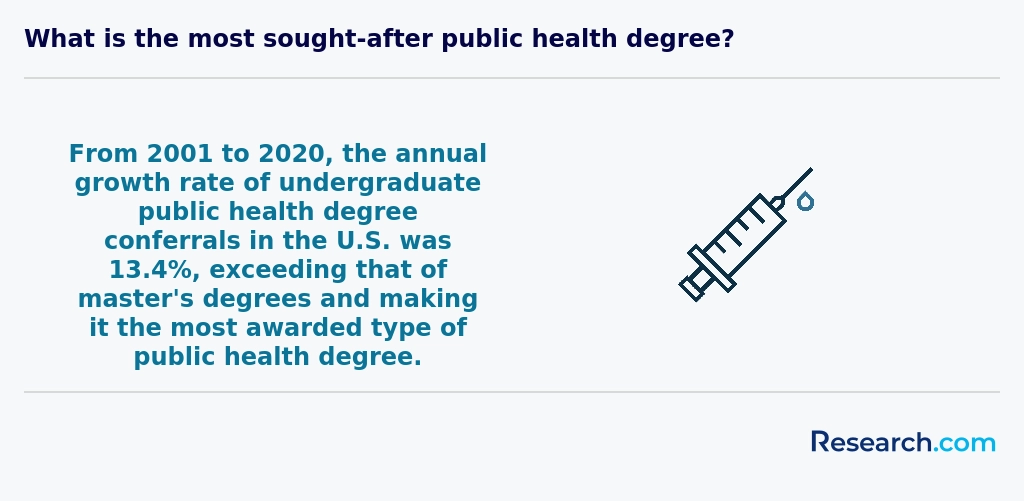
Graduates of online public health degree programs in Massachusetts often find diverse career paths reflecting the state's dynamic health landscape. Many pursue roles as community health educators or health promotion specialists, designing impactful programs that address local concerns like nutrition and immunization. For instance, graduates from highly regarded institutions like the University of Massachusetts Amherst describe a rewarding sense of contributing directly to improved community well-being through such positions. This reflects growing public interest in online public health career opportunities Massachusetts offers.
Other graduates focus on epidemiology or biostatistics, leveraging Massachusetts' extensive healthcare infrastructure and research centers. These careers appeal to those who enjoy analyzing data to uncover trends and manage health crises. Biostatisticians from schools such as Boston University report strong demand and competitive salaries, which can validate the investment in an online degree. This connects logically to public health degree job prospects in Massachusetts that require a blend of analytical expertise and practical problem-solving skills.
Leadership roles in health services management or administration present yet another path. Graduates frequently highlight satisfaction working within nonprofit organizations or policy agencies, navigating the complexities of Massachusetts' healthcare system. Those looking for advancement often consider supplementing their credentials with highest paid certifications to boost competitiveness, suggesting career growth is both achievable and strategic in this sector.
The job market for online public health degree graduates in Massachusetts is notably strong, driven by robust healthcare and biotech industries concentrated in the state. Graduates from popular institutions like Boston University and Harvard extension programs often share experiences of securing roles in public, private, and non-profit sectors that include state health departments and community organizations. These positions commonly focus on areas such as health policy analysis and infectious disease control.
Many who pursued an online public health degree in Massachusetts find the flexible learning structure essential for balancing work and study, preparing them well for real-world challenges. Massachusetts public health career outlook is positive, with wages averaging around $80,000 annually, reflecting the state's demand for skilled professionals.
Job seekers should also consider program costs and career returns carefully; some reduce initial barriers by exploring easiest two year degree options before advancing. With ongoing growth in community health roles, the market favors graduates equipped with applied skills and local public health knowledge.
2027 Most Affordable Online Master's in Public Health Degree Programs Ranking in Massachusetts
Investing in your education is a significant decision that can shape your future, and the Research.com team understands the importance of making informed choices. To assist prospective students in Massachusetts, we have meticulously crafted the "2027 Most Affordable Online Master's in Public Health Degree Programs Ranking." Our commitment to quality, credibility, and accuracy is reflected in the extensive research and analysis conducted to compile this ranking.
We utilized the following reputable data sources to ensure a comprehensive evaluation of public health programs:
By exploring this ranking, readers will gain valuable insights into affordable and credible online master's programs in public health, empowering them to make well-informed educational decisions. For more details on our methodology, please visit our Research.com methodology page.


# 3 position
UMassOnline
Master of Public Health Practice
Frequently Asked Questions About public health
Online public health degree students in Massachusetts can maximize their learning by actively engaging with virtual resources and creating a structured study schedule. Utilizing tools like discussion boards and video conferencing enhances interaction with peers and instructors, benefiting comprehension and networking.
Massachusetts offers access to numerous public health datasets and local health department reports, which students should incorporate into their research and projects to gain practical insights. According to the Massachusetts Department of Public Health, understanding regional health trends, such as statewide chronic disease rates, strengthens applied knowledge.
Additionally, seeking internships or practicum opportunities with Massachusetts-based organizations, even remotely, can provide real-world experience critical for career growth.
The public health field is rapidly evolving, with several emerging niches gaining prominence. One key area is epidemiology informatics, which combines data science with disease tracking to improve responses to outbreaks. Massachusetts, home to top research institutions, supports this growth through advanced public health data initiatives.
Another emerging niche is environmental health, with a focus on climate change impacts. The state's Department of Public Health highlights rising concerns about air quality and heat-related illnesses. Online programs increasingly offer specialized training in these topics.
Global health security also attracts attention, addressing cross-border health threats underscored by the COVID-19 pandemic. These niches represent promising career paths in Massachusetts and beyond.
Completing an online public health degree in Massachusetts opens many career opportunities in a state known for its health innovation. To prepare for the job market, students should focus on gaining relevant experience through internships or practicum placements offered by their programs. These opportunities help build professional networks and practical skills.
Massachusetts has a strong public health sector with employers like the Department of Public Health and numerous nonprofits. According to the Massachusetts Executive Office of Labor and Workforce Development, employment in healthcare occupations is projected to grow faster than average through 2030. This growth increases demand for trained public health professionals.
Additionally, obtaining certifications such as Certified in Public Health (CPH) can enhance employability. Engaging with local public health organizations and attending statewide conferences also supports networking and career development.
Employers in Massachusetts highly value public health graduates who demonstrate strong data analysis skills. Proficiency in software like SAS, R, or Python is essential for interpreting health trends and supporting policy decisions. Communication skills are also critical, as professionals must convey complex information clearly to diverse audiences.
Knowledge of epidemiology and biostatistics allows graduates to assess disease patterns and design interventions effectively. Additionally, familiarity with Massachusetts public health laws, including regulations by the Department of Public Health, is often required.
Leadership and project management skills help graduates coordinate community programs, crucial in a state with varied urban and rural health challenges. According to the Massachusetts Public Health Association, these competencies strongly impact hiring decisions at local health departments and nonprofits.
Finding internships in Massachusetts relevant to a public health degree involves leveraging multiple local resources. Many students start by exploring Massachusetts-based public health organizations, such as the Massachusetts Department of Public Health, which regularly offers internships to help students gain practical experience. Additionally, universities often maintain partnerships with healthcare providers and community agencies, facilitating placements.
Online internship portals like Handshake and Internships.com list opportunities tailored for Massachusetts students. Networking through professional associations like the Massachusetts Public Health Association can also be valuable.
The state's strong focus on public health, with over 100,000 health-related jobs as reported by the Massachusetts Executive Office of Labor and Workforce Development (2023), ensures a variety of internship possibilities.
Obtaining an online public health degree in Massachusetts can significantly enhance career mobility and advancement. The state's growing public health sector employs over 30,000 professionals, according to the Massachusetts Department of Public Health. Graduates with a master's degree are often preferred for leadership roles in government agencies, hospitals, and non-profits.
Online programs offer flexibility, allowing working professionals to gain advanced skills without sacrificing current employment. The Council on Education for Public Health (CEPH) accredits many Massachusetts programs, ensuring quality education that employers recognize.
Data from the U.S. Bureau of Labor Statistics indicates that public health graduates in Massachusetts can expect a 10-15% higher salary compared to those with only a bachelor's degree, aiding advancement opportunities.
Studying for a public health degree in Massachusetts equips students with skills to work across multiple disciplines, a crucial advantage given the state's complex health landscape. Programs emphasize collaboration among fields like epidemiology, social sciences, health policy, and environmental health. This interdisciplinary focus is supported by Massachusetts' leading healthcare institutions and research centers offering real-world case studies and experiential learning.
According to the Massachusetts Department of Public Health, the state faces diverse health challenges-from chronic disease management to urban health disparities-requiring broad expertise. Online public health degrees reflect this by integrating courses that develop communication, data analysis, and policy-making skills. Graduates are thus prepared to engage in versatile roles in government, nonprofits, and healthcare systems.
When choosing between a thesis and a non-thesis public health degree program in Massachusetts, consider your career goals. Thesis programs typically emphasize research and prepare students for doctoral studies or research-based roles in epidemiology or biostatistics.
Non-thesis options focus more on practical skills and applied public health practice, suitable for those pursuing leadership or administrative roles in healthcare organizations or government agencies.
According to the Massachusetts Department of Public Health, professionals with research experience are in demand for addressing regional health issues like opioid addiction and chronic diseases.
Review program requirements and alignment with local public health needs before deciding.
Students based in Massachusetts who wish to study public health abroad have several options, including enrollment in exchange or dual-degree programs offered by Massachusetts universities. Institutions such as the University of Massachusetts and Boston University often maintain partnerships with global schools, allowing students to gain international experience while earning credits. Many programs emphasize global health issues, preparing students for careers in diverse settings.
Online public health degree students can also explore study-abroad opportunities during summer sessions or specialized internships. Massachusetts ranks highly in public health research and practice, with local health departments often collaborating on global initiatives, providing additional avenues for international exposure.
Massachusetts offers a variety of part-time job opportunities that complement public health degree education. Roles such as community health workers, health educators, and research assistants allow students to apply classroom knowledge in real-world settings. According to the Massachusetts Department of Public Health, community health workers play a key role in addressing local health disparities across the state.
Positions in local hospitals and non-profit organizations focusing on health promotion or disease prevention can provide valuable experience. Many organizations seek part-time staff for data collection and program outreach, which aligns well with skills gained in public health programs.
The state's strong healthcare sector also offers internships or consulting opportunities in epidemiology and health policy analysis. According to the Bureau of Labor Statistics, employment in healthcare support roles in Massachusetts is projected to grow by 12% through 2030, indicating growing availability of relevant part-time work for students.
Online public health students in Massachusetts have access to a range of networking opportunities despite studying remotely. Many universities offer virtual events, career fairs, and guest lectures featuring public health professionals active in the state's robust healthcare system. For example, institutions like the University of Massachusetts provide online students with connections to the Massachusetts Public Health Association, which hosts conferences and workshops focused on state-specific health challenges.
Additionally, students can join nationwide organizations such as the American Public Health Association, often partnering with Massachusetts chapters to facilitate local networking. Massachusetts reports one of the highest concentrations of public health jobs in the US, fostering a vibrant community for internships and mentorships accessible remotely. These networks support career advancement and collaboration in the state's dynamic public health sector.
Alumni networks offer significant benefits for students pursuing online public health degrees in Massachusetts. These networks provide valuable connections to professionals working in diverse areas of public health, from policy to community outreach.
By engaging with alumni, students gain access to mentorship opportunities and career advice, which can be crucial for navigating the competitive Massachusetts public health job market. According to the Massachusetts Department of Public Health, the state's health sector continues to grow, increasing demand for skilled graduates.
Furthermore, alumni networks often share exclusive job postings and internships, helping students secure positions in respected organizations across Massachusetts.
Participation in these networks fosters collaboration and knowledge sharing, enhancing both academic and professional outcomes.
Many online public health programs in Massachusetts offer customizable curricula allowing students to tailor their studies to specific career objectives. Options often include choosing elective courses focused on epidemiology, health policy, community health, or biostatistics. Some universities provide practicum or capstone projects related to local public health issues, which can align with your professional interests.
Students can also select part-time or full-time enrollment, balancing work, and study schedules. According to the Massachusetts Department of Public Health, professionals with specialized skills in chronic disease prevention or health equity see greater opportunities in the state's growing public health sector.
Networking through local partnerships and virtual seminars further enriches this customization process.
Online public health students in Massachusetts often encounter several key challenges related to maintaining engagement and balancing commitments. Many students report difficulties with limited interaction, which can affect networking opportunities essential in public health careers.
Time management poses another significant hurdle, especially for working professionals who juggle jobs, family, and studies. According to the Massachusetts Department of Higher Education, nearly 60% of public health graduate students are part-time, increasing the pressure to stay motivated over extended periods.
Another challenge involves access to local practicum placements, as in-person experiences are crucial but sometimes limited in virtual formats. Additionally, students must navigate varying technology requirements and the occasional instability of internet connections, which can disrupt learning.
Graduates with an online public health degree in Massachusetts can pursue several recognized professional certifications to enhance their career opportunities. The Certified in Public Health (CPH) credential, offered by the National Board of Public Health Examiners, is widely respected and often sought after. It validates knowledge across key public health domains and is applicable nationwide, including Massachusetts.
Additionally, individuals may pursue specialized certifications such as the Certified Health Education Specialist (CHES) or the Registered Environmental Health Specialist (REHS). These credentials align with roles in health education and environmental health, fields actively supported by Massachusetts health agencies.
These certifications require meeting educational prerequisites and passing exams, providing formal recognition of expertise and commitment to the profession.
To write a winning application for an online public health program in Massachusetts, start with a clear statement of purpose. Explain why public health matters to you, referencing local issues like Massachusetts's emphasis on addressing chronic disease and health inequities (Massachusetts Department of Public Health, 2023).
Highlight your educational background and relevant experience, such as internships or work in local health departments. Emphasize skills in data analysis or community health, which are highly valued in the state's public health workforce.
Strong letters of recommendation from professionals familiar with Massachusetts's health challenges can boost your application. Finally, tailor each application to the specific school's focus and mission to show your commitment and fit.
Public health careers have a strong global significance, with professionals playing key roles in addressing worldwide health challenges like pandemics, chronic diseases, and health inequities. In the US, including Massachusetts, public health education often includes international health perspectives, reflecting the interconnected nature of today's health issues.
Massachusetts, known for its robust healthcare system and research institutions, provides online public health programs emphasizing global health competencies. According to the Massachusetts Department of Public Health, more than 10% of the state's public health workforce engages in global health initiatives, highlighting local demand for professionals with worldwide expertise.
For students, this means a degree from a Massachusetts online program can prepare them for careers both domestically and abroad, addressing complex health problems through policy, education, and research.
Gaining practical experience while studying for an online public health degree in Massachusetts is crucial for career readiness. Many programs encourage internships with local health departments, hospitals, and community organizations. The Massachusetts Department of Public Health offers internship opportunities that provide exposure to real-world public health challenges.
Students can also engage in service-learning projects or research collaborations with institutions like the Harvard T.H. Chan School of Public Health or Boston University. These experiences deepen understanding of health policies and community interventions.
Additionally, some programs incorporate practicum requirements, allowing students to apply classroom knowledge directly in professional settings within Massachusetts.
Choosing the right concentration within an online public health degree in Massachusetts depends on your career goals and the region's health priorities. Massachusetts faces challenges such as chronic diseases and health disparities among diverse populations, making specializations like epidemiology or community health particularly relevant (Massachusetts Department of Public Health, 2023).
Consider concentrations aligned with local workforce needs; for example, biostatistics is valuable in research institutions like the Boston Public Health Commission. Also, review each program's curriculum and faculty expertise to ensure they support your interests.
Lastly, think about your background and desired impact to select a focus that fits both your skills and the state's public health landscape.
- 2027 Most Affordable Online Master's in Public Health Degree Programs Ranking in New York
- 2027 Most Affordable Online Master's in Public Health Degree Programs Ranking in Pennsylvania
- 2027 Most Affordable Online Master's in Public Health Degree Programs Ranking in Maryland
- 2027 Most Affordable Online Master's in Public Health Degree Programs Ranking in Virginia
- 2027 Most Affordable Online Master's in Public Health Degree Programs Ranking in North Carolina
- 2027 Most Affordable Online Master's in Public Health Degree Programs Ranking in Michigan
- 2027 Most Affordable Online Master's in Public Health Degree Programs Ranking in Illinois
- 2027 Most Affordable Online Master's in Public Health Degree Programs Ranking in Florida
- 2027 Most Affordable Online Master's in Public Health Degree Programs Ranking in Missouri
- 2027 Most Affordable Online Master's in Public Health Degree Programs Ranking in North Dakota
- How to carve a niche in your public health career | PH SPOT https://phspot.org/carvinganiche/
- Public Health: A Global Perspective https://www.routledge.com/Public-Health-A-Global-Perspective/Singh/p/book/9781032644226
- Students and Alumni associations - Europubhealth https://www.europubhealth.org/students-alumni-associations/
- Is an Online MPH Right for You? | University of Bridgeport https://www.bridgeport.edu/news/is-an-online-mph-right-for-you/
- Engaging students through service-learning opportunities in public health https://sneb.org/engaging-students-through-service-learning-opportunities-in-public-health/
- Letter of Intent for Admissions to Masters of Public Health - how this program fits to my goals? https://essayforum.com/graduate/intent-admissions-masters-public-health-64817/
- Areas in Public Health https://www.publichealthcareers.org/areas-in-public-health.html
- What Can You Do With a Public Health Degree? https://www.publichealthdegrees.org/careers/what-can-you-do-with-public-health-degree/
- How to Get Your First Public Health Job - PHERN https://phern.communitycommons.org/early-career-professional-learning-series/how-to-get-your-first-public-health-job/
- 5 Internships for a Master’s in Public Health Student - Healthcare Administration Degree Programs https://www.healthcare-administration-degree.net/lists/5-internships-for-a-masters-in-public-health-student/











