
2027 Most Affordable Online Master's in Public Health Degree Programs Ranking in North Dakota

Co-Founder and Chief Data Scientist
For students in North Dakota exploring career growth in public health, finding an affordable online master's program is a smart way to advance your goals without breaking the bank. This article features the 2027 Most Affordable Online Master's in Public Health Degree Programs Ranking in North Dakota, developed by the Research.com team of data scientists.
With this ranking, you can confidently compare programs that balance quality and cost, making your education decision easier. Earning your degree in public health opens doors to impactful work and meaningful community contributions, all while fitting your busy lifestyle.
Key benefits of getting online public health degree in North Dakota
- Graduates with a public health degree in North Dakota can earn strong salaries, such as $134,440 annually as a Healthcare Administrator or Public Health Program Manager, making the investment in education worthwhile.
- Career paths are diverse, with options including Epidemiologist roles paying around $90,430 annually or Health Informatics Specialist positions with an average of $70,260, offering many opportunities to find a fulfilling job.
- Online degrees from local universities offer flexibility for working students, allowing them to balance family or jobs while earning a respected qualification, often leading to similar career outcomes as traditional on-campus programs.
- 2027 Most Affordable Online Master's in Public Health Degree Programs Ranking in North Dakota
- What can I expect from online public health degree in North Dakota?
- Where can I work with online public health degree in North Dakota?
What can I expect from online public health degree in North Dakota?
The average cost of an online public health degree in North Dakota generally ranges between $10,000 and $25,000 for the entire program. Many students find this affordable, especially since residents can often access in-state tuition rates, which significantly lower expenses compared to out-of-state or private institution fees. For example, graduates from North Dakota State University's online public health program report manageable tuition costs paired with valuable access to financial aid and scholarships.
This affordability means you can focus more on the learning experience without overwhelming financial stress. Envision balancing coursework on epidemiology and community health directly from your home, while knowing the tuition aligns with your budget. Many students appreciate how the practical, flexible format allows them to work part-time or maintain family commitments.
Programs typically break down tuition into per-credit costs, so planning your course load strategically can help manage expenses. Plus, online study means you avoid relocation and commuting costs, making North Dakota's public health degrees a smart and practical investment.
Where can I work with online public health degree in North Dakota?
Graduates with an online public health degree in North Dakota often find rewarding work with the North Dakota Department of Health, where they contribute to disease prevention and emergency preparedness programs. These roles provide practical experience and a clear pathway to steady government employment. Many graduates from North Dakota State University report successfully entering such positions, where their work directly impacts community health outcomes.
Hospitals like Sanford Health and CHI St. Alexius Health also hire graduates for roles in data analysis and health education. Working here means engaging with real patient data and helping develop community-focused health programs, which many University of North Dakota alumni find both challenging and fulfilling.
Another practical route is tribal health organizations, where graduates help tackle chronic diseases and behavioral health in tribal nations such as the Mandan, Hidatsa, and Arikara. This deeply impactful work connects professionals to culturally significant public health efforts.
Nonprofits focusing on rural health and substance abuse prevention offer graduates the chance to implement outreach programs, while universities and colleges often seek instructors and coordinators, allowing ongoing academic involvement.
Emergency preparedness agencies also rely on public health professionals to manage disaster response plans, a vital area highlighted during recent global health challenges.
Graduates with an online public health degree in North Dakota can expect varied earnings depending on their chosen career path. For example, public health program managers and healthcare administrators both earn a mean annual wage of around $134,440 according to the latest U.S. Bureau of Labor Statistics data. This level of salary often aligns with leadership roles at local agencies or large health systems in urban centers like Fargo or Bismarck.
Epidemiologists in North Dakota report mean earnings closer to $90,430 annually, offering a solid income for those focused on disease tracking and health data analysis. Health informatics specialists, increasingly in demand for managing health information technology, earn approximately $70,260 per year. These figures reflect both regional demand and the expanding role of data in public health decision-making.
Graduates from reputable institutions such as the University of North Dakota find these salary ranges achievable with the right combination of experience and credentials. Their ability to pursue advanced certifications like CHES further enhances job prospects and income potential. Planning for growth in your career by targeting roles with higher responsibility pays off practically, turning educational investment into rewarding and well-compensated opportunities.
- Online public health degrees in North Dakota are offered by regionally accredited institutions and provide flexible remote learning options.
- The cost for an online MPH typically ranges from $20,000 to $35,000 for in-state students, varying by school and program length.
- Entry-level public health professionals earn about $50,000 to $60,000 annually, with experienced specialists making $70,000 to $90,000.
- There is a growing demand for public health workers in rural health, epidemiology, and health education, supported by state and local employers.
- Graduates benefit from internship opportunities in many programs, which help improve job prospects in fields like environmental health and health policy.
Completing an online public health degree in North Dakota typically depends on your study pace and program level. For full-time students pursuing a master's in public health (MPH), expect about 18 to 24 months, which aligns with many graduates from the University of North Dakota's flexible online MPH program. These students often share how tailoring their course load helped balance work and family, making their progress manageable and rewarding.
Part-time students, especially those working full-time, usually take between 2 to 4 years. This approach suits those who want steady progress without overwhelming their schedules. Graduates appreciate this flexibility, noting it helped them stay motivated without burnout.
For bachelor's degrees, full-time study generally lasts around four years, similar to traditional programs. However, students with prior credits or associates degrees sometimes finish in two to three years. This makes the timeline realistic and adaptable based on your background.
Keep in mind that while some states offer accelerated MPH paths in 12 to 15 months, North Dakota's programs focus on measured pacing that respects professional and personal commitments.
Online public health degrees in North Dakota, such as those offered by North Dakota State University, provide flexibility that suits busy schedules, especially for working professionals or parents. Graduates often mention how asynchronous classes allowed them to complete coursework during evenings or weekends without sacrificing job responsibilities. This contrasts with on-campus programs requiring set class times and regular attendance, which some students appreciate for the structured environment and immediate access to professors.
An on-campus experience fosters direct networking and hands-on use of campus resources like libraries and labs. Graduates who chose this path recall lively campus discussions and stronger peer connections. Meanwhile, online students rely on virtual platforms and must proactively find local practicum placements, which can be challenging but rewarding when managed well.
Cost differences are minor at universities like North Dakota State University, where tuition for both formats is similar and typically under $25,000 for residents. However, online students save on commuting and housing expenses, making it a practical choice for those outside major cities or rural areas.
The average cost of an online public health degree in North Dakota centers around $32,760 according to recent data. Graduates from institutions like North Dakota State University (NDSU) and the University of North Dakota (UND) often find this a reasonable investment considering the quality and flexibility of their programs. For in-state residents, tuition tends to be more affordable, which is a positive factor for many local students balancing work and study.
At these public universities, credit-hour rates commonly fall below national averages, making an affordable online master's in public health North Dakota offers notably accessible. Graduates appreciate how manageable the tuition feels compared to costly programs in other states, often describing their investment as worthwhile given the career opportunities the degree unlocks.
It's wise to factor in additional expenses like textbooks and technology fees, which usually add a few hundred extra dollars per semester. Many students find financial relief by exploring scholarships and state programs geared explicitly toward public health professionals. To maximize savings, prospective students should thoroughly research each school's options, including checking for financial aid for medical assistant programs Colorado as a resource model, which can sometimes be analogous or guide toward funding opportunities.
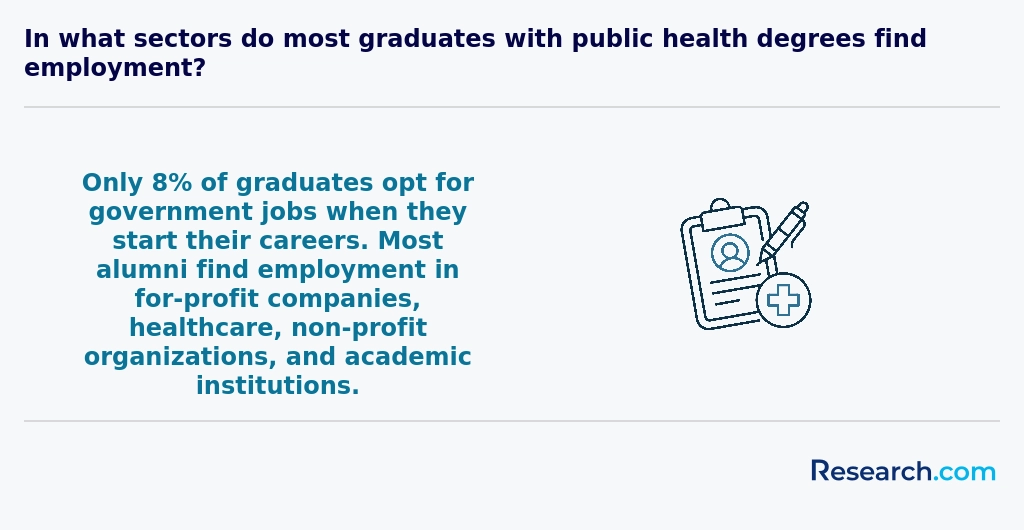
Accreditation is the cornerstone of any reputable online Master’s in Public Health program, ensuring academic rigor, faculty expertise, and professional recognition. In North Dakota, prospective students should verify that their chosen institution holds Council on Education for Public Health (CEPH) accreditation, the gold standard for public health education. CEPH-accredited programs meet strict criteria in curriculum design, student outcomes assessment, and field experience requirements-all critical for career advancement and eligibility for federal funding. Key accreditation considerations:
- Institutional vs. programmatic accreditation: regional institutional accreditation confirms overall quality, while CEPH accreditation specifically validates public health curricula.
- Impact on licensure and certification: graduates from CEPH-accredited programs often qualify for government and non-profit roles, epidemiology fellowships, and advanced certifications without additional coursework.
- Continuous improvement: look for programs with publicly available annual reports on graduation rates, job placement statistics, and employer satisfaction surveys. Beyond accreditation, quality assurance extends to technology platforms, student support services, and field practicum networks. North Dakota institutions typically partner with state health departments and community organizations to secure diverse practicum placements, enhancing hands-on learning and professional networking. For students comparing affordability and accreditation across regions, exploring the Cheapest Public Health Degree Programs Ranking in Michigan can reveal additional CEPH-accredited options with competitive tuition and robust support structures. By prioritizing accreditation and proven outcomes, you’ll choose an online MPH program that not only fits your budget but also elevates your credentials in the public health workforce.
Students pursuing an online public health degree in North Dakota can tap into several financial aid options to manage costs effectively. Many graduates from institutions like the University of North Dakota recall completing the FAFSA early, unlocking access to Pell Grants that cover up to $7,395 annually without needing repayment. This immediate relief made it easier for them to focus on their studies without overwhelming debt.
Next, explore state-specific scholarships such as the North Dakota Academic or Career and Technical Scholarships. While these aren't always exclusive to public health, many students at North Dakota State University combined these awards with federal aid to afford tuition more comfortably. Institutional aid is also a key resource-scholarships, assistantships, and stipends offered by public health departments can considerably lower expenses, especially when you contribute to research or teaching projects.
For working professionals, employer tuition reimbursement programs can be a game-changer. Those already employed in healthcare shared how this support made advancing their education feasible without sacrificing income. Finally, professional bodies like the American Public Health Association provide scholarships that ambitious students should not overlook, adding another layer of financial support.
Investing in an affordable online Master’s in Public Health in North Dakota can yield a strong return, with graduates entering roles that offer competitive compensation relative to program costs. According to the U.S. Bureau of Labor Statistics, health educators earn a median annual wage of $48,140, while epidemiologists command around $78,830. Environmental health specialists and biostatisticians report average salaries between $60,000 and $85,000, reflecting the specialized skills acquired through an MPH curriculum. When calculating return on investment, consider that the average total tuition for an online MPH in North Dakota ranges from $15,000 to $30,000. With entry-level salaries starting near $50,000, many graduates recoup tuition expenses within two to three years. Mid-career professionals often see salaries climb above $70,000, enhancing long-term ROI and making these programs financially attractive compared to other advanced degrees. For context, professionals holding a medical bachelor’s degree often see starting salaries near the $70,000 mark-learn more about typical salary with medical bachelors degree. While public health roles may begin at a slightly lower base, opportunities for rapid advancement and leadership positions in government, healthcare systems, and non-profits can quickly bridge the gap, driving average public health master’s salaries toward or beyond those benchmarks. By weighing program costs against median wages and career growth trajectories, prospective students can confidently assess the true value of an online MPH in North Dakota and select an affordable program that maximizes professional and financial returns.
To enroll in an online public health degree in North Dakota, start by ensuring you hold a bachelor's degree from an accredited institution. Many graduates from local universities like the University of North Dakota share that having any undergraduate degree is sufficient, though backgrounds in health sciences or social sciences can make coursework feel more manageable. Maintaining a minimum GPA around 3.0 helps meet most programs' standards.
Next, check if the GRE is required; many programs in North Dakota have waived this, making the process less stressful for working professionals balancing jobs and family. Graduates often recount relief at not needing to prepare for additional tests.
Professional experience in health-related roles is a strong asset. Volunteers or employees in community health centers or state health departments enriching their applications with real-world exposure have found their commitment confidently recognized.
Finally, prepare a complete application packet: official transcripts, academic or professional recommendation letters, a personal statement outlining your public health goals, and a resume highlighting relevant experience. These documents bring your story to life, connecting your unique journey with North Dakota's public health needs.
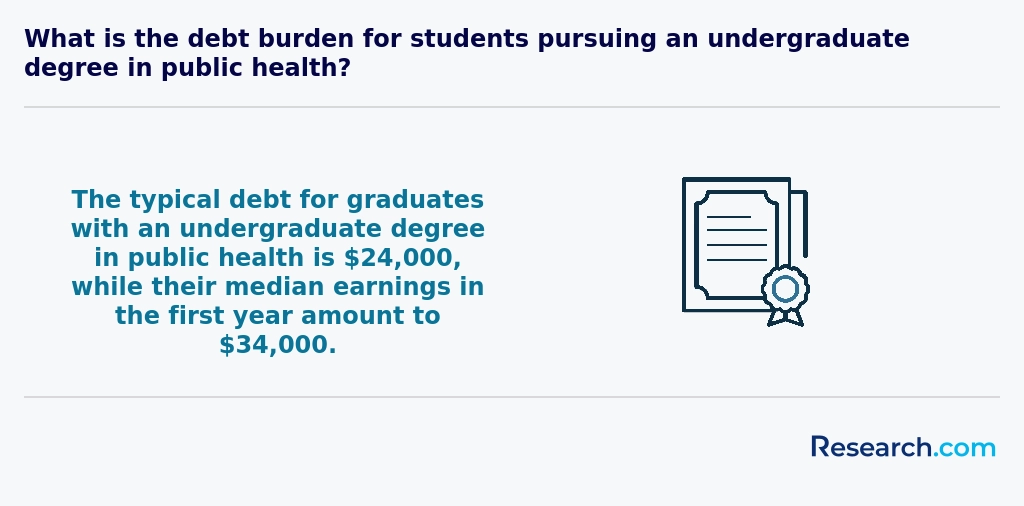
Online public health degrees in North Dakota commonly include courses like epidemiology, biostatistics, environmental health, health policy, and social and behavioral sciences. Graduates from institutions such as the University of North Dakota often describe epidemiology as key for understanding how diseases affect local communities, especially in rural areas. This course helps students analyze real data on chronic diseases like diabetes that impact many families across the state.
Biostatistics equips students with essential skills to interpret health data and conduct research confidently. Environmental health courses resonate especially well with students familiar with North Dakota's agricultural environment, enabling them to examine how soil, water, and air quality influence community health.
Courses in health policy and management provide practical insights about organizing and financing health services, something graduates find invaluable if they want leadership roles in local clinics or health departments. Social and behavioral sciences reveal how lifestyle and cultural factors impact health, which students often relate to their personal experiences within North Dakota's communities.
Fieldwork or capstone projects give students the chance to apply their knowledge to real health challenges, often focusing on chronic disease prevention-an area many North Dakota graduates feel passionate about.

Online public health specializations North Dakota programs typically include focused tracks like Epidemiology, Health Policy and Management, Environmental Health, Community Health Education, and Global Health. Graduates from North Dakota State University and the University of North Dakota often share how choosing a specialization shapes their career path practically-whether tracking disease outbreaks or managing healthcare policies tailored to rural communities.
For instance, students concentrating in Community Health Education find purpose in designing health programs that address local needs, reflecting North Dakota's unique rural health access challenges. Those pursuing Health Policy and Management gain leadership skills relevant to navigating state healthcare systems, making a tangible difference in public health outcomes.
Graduates regularly highlight how these specializations prepare them for real-world roles with strong job prospects and stable salaries. Many feel empowered knowing their skills meet workforce demands, especially in top medical field occupations. When deciding on a North Dakota MPH degree concentration options, consider areas that connect with your personal goals and the state's public health priorities.
Start by confirming the program's accreditation, ideally from the Council on Education for Public Health (CEPH), to ensure it meets national quality standards. Graduates from popular institutions in North Dakota often praise the rigorous curriculum and recognized degrees that help them secure meaningful jobs locally. Consider cost carefully; affordable MPH degrees North Dakota online tend to offer competitive tuition compared to national averages, which is especially helpful when balancing finances. Many students find that comparing scholarship options and financial aid makes a significant difference.
Match program flexibility with your schedule. Online programs at colleges known in North Dakota often provide asynchronous courses, so working professionals can study around job and family demands. Graduates frequently highlight how this flexibility helped them juggle real-life obligations without sacrificing their education. Look for practical components like internships or capstone projects offered in partnership with local health departments, as hands-on experience is crucial for career readiness.
Specialization is another key factor. Popular public health programs in North Dakota align with workforce needs such as rural health and healthcare access. Graduates sharing their experiences often recommend choosing concentrations that directly relate to these community priorities to enhance job prospects. Finally, assess programs by reviewing graduation rates and alumni success stories, which often signal solid programs with strong support networks.
For example, if you're also interested in health-related fields nearby, consider exploring nursing schools in Miami admission requirements for complementary options that broaden your skills. This cross-disciplinary awareness can help you build a versatile public health career.

Graduates with an online public health degree in North Dakota have clear career options that align well with the state's healthcare needs. Many find roles as health educators or community health workers, designing programs to promote wellness in rural areas-a practical choice given North Dakota's dispersed population. Others become public health analysts, using data to shape policies that effectively reduce health disparities statewide. Those seeking investigative and data-driven roles often pursue work as epidemiologists, tracking disease trends for the North Dakota Department of Health.
Environmental health specialists are also in demand, ensuring air and water quality standards are met, especially important in communities near agricultural or industrial sites. Health policy advisors develop strategies to improve local healthcare access, a growing focus as healthcare systems expand. Graduates from universities like the University of North Dakota frequently share how these career paths provide meaningful work that fits real community needs, showing that practical, state-specific experience enhances job prospects.
For students evaluating their options, combining an online public health degree with insights into North Dakota's healthcare landscape improves readiness for these roles. Those interested can also explore related fields like nursing, noting that understanding nursing program lengthdiscussion can complement a public health career path.

The job market for online public health degree graduates in North Dakota is steadily growing, driven by the state's expanding healthcare and social assistance sectors. Graduates from local institutions often find work with state and local health departments, hospitals, and nonprofit organizations focused on health. This practical path reflects real-world needs to manage and promote community health initiatives effectively, which resonates well with students who have studied online from North Dakota universities.
Many graduates report positive experiences securing roles that allow them to respond to community health challenges, a demand heightened by the COVID-19 pandemic. Salaries in North Dakota tend to be competitive, often close to or slightly above the national median of $50,000 for health educators, with holders of advanced degrees earning between $60,000 and $75,000. This makes the online public health job outlook in North Dakota promising for those seeking local opportunities.
Students looking to maximize their earnings and career potential can research programs that support this growth by visiting highest salary potential colleges. Leveraging this information can help tailor your educational path to meet both career goals and regional market demands.
2027 Most Affordable Online Master's in Public Health Degree Programs Ranking in North Dakota
Investing in your education is a significant decision that can shape your future, and the Research.com team understands the importance of making informed choices. To assist prospective students in North Dakota, we have carefully developed the "2027 Most Affordable Online Master's in Public Health Degree Programs Ranking." Our dedication to quality, credibility, and accuracy is evident through the rigorous research and analysis involved in creating this ranking.
We utilized the following reputable data sources to ensure a comprehensive evaluation of public health programs:
By exploring this ranking, readers will gain valuable insights into affordable and quality online public health master's programs available in North Dakota, enabling informed decisions about their educational investments. For more information about how the ranking was created, please visit our Research.com methodology page.


Frequently Asked Questions About public health
To maximize their learning experience, online public health students in North Dakota should take advantage of local and statewide public health resources. The North Dakota Department of Health offers valuable data and reports that can enhance understanding of regional health challenges, such as rural access to care and chronic disease trends. Engaging with virtual internships or community projects coordinated through North Dakota universities can provide practical experience essential for career advancement.
Students should also actively participate in online discussions and networking opportunities offered by their programs. According to the CDC, North Dakota faces specific public health issues that students can explore, including opioid use and Native American health disparities, adding relevance to their studies.
Maintaining regular communication with faculty and utilizing academic support services helps ensure they stay on track and deepen their knowledge effectively.
Emerging niches within the public health field reflect shifts in health challenges and technology. Precision public health, using data to tailor interventions to specific populations, is rapidly growing. In North Dakota, where rural health disparities persist, such approaches offer promise. Mental health and substance abuse prevention remain critical due to opioid issues documented by the North Dakota Department of Health.
Another expanding area is environmental health, focusing on farm and industrial impacts relevant to the state's agricultural economy. Additionally, telehealth and digital public health have surged, accelerated by the COVID-19 pandemic. These niches showcase how online public health degrees can prepare students for evolving demands in North Dakota's health landscape.
Preparing for the job market after completing an online public health degree in North Dakota involves several strategic steps. First, leverage internships and practicum opportunities offered through your program to gain hands-on experience in local healthcare settings. North Dakota's public health sector is growing, with a projected increase of 9% in health services jobs by 2030, according to the U.S. Bureau of Labor Statistics.
Networking with professionals through state organizations like the North Dakota Public Health Association can open doors to job leads and mentorship. Also, consider acquiring certifications such as Certified Health Education Specialist (CHES) to enhance your qualifications. Staying informed about regional health challenges, like rural health disparities, can better prepare you for relevant roles.
Employers in North Dakota seek public health graduates with strong data analysis skills. The ability to interpret health statistics helps address local issues such as high rates of chronic disease reported by the North Dakota Department of Health. Graduates must also demonstrate proficiency in community engagement and communication to effectively promote health initiatives in diverse populations.
Additionally, leadership and program management skills are valued for coordinating public health campaigns. Familiarity with policy development is important, given North Dakota's emphasis on shaping rural health programs. Critical thinking and cultural competence round out the top skills employers look for in public health graduates across the state.
Finding internships in North Dakota related to a public health degree involves leveraging local healthcare providers, government agencies, and community organizations. The North Dakota Department of Health offers internship opportunities that focus on epidemiology, health promotion, and emergency preparedness. Many universities with public health programs maintain partnerships with local hospitals, tribal health departments, and nonprofit organizations, facilitating hands-on experiences.
North Dakota's focus on rural health means interns often engage with underserved populations, offering valuable fieldwork. The U.S. Bureau of Labor Statistics projects a steady demand for public health workers in the region, making internships a critical stepping stone.
Networking through LinkedIn and contacting program advisors can also uncover less advertised openings.
Obtaining an online public health degree can significantly enhance career mobility and advancement opportunities for professionals in North Dakota. The state's growing demand for public health experts, driven by rural health challenges and an aging population, positions graduates well for leadership roles. According to the North Dakota Department of Health, jobs in public health are expected to grow by 8% through 2030, faster than the average for all occupations.
Online degrees offer flexibility for working adults while providing credentials recognized by employers statewide. Graduates are often qualified for roles in community health, epidemiology, and health education, which offer higher salaries and promotion potential.
The North Dakota Public Health Association notes that advanced degrees can lead to supervisory positions and increased responsibilities, further aiding career growth. Additionally, earning a master's degree online can open doors in both government agencies and private organizations focused on health policy and program management.
Studying for an online public health degree in North Dakota offers strong preparation for interdisciplinary roles by integrating diverse fields such as epidemiology, health policy, and environmental health. Programs emphasize collaboration across sectors like medicine, social services, and community planning, essential to addressing complex health challenges.
North Dakota's public health initiatives often involve working with rural populations, requiring skills in cross-disciplinary communication and resource coordination. The North Dakota Department of Health highlights a growing need for professionals who can navigate multiple fields to improve statewide health outcomes.
This approach aligns with the core competencies defined by the Council on Education for Public Health (CEPH), ensuring graduates are equipped for versatile roles in public health systems.
Choosing between a thesis and a non-thesis public health degree program in North Dakota depends on your career goals and learning preferences. A thesis option usually requires original research, appealing to students planning to pursue doctoral studies or research-focused roles.
Non-thesis programs emphasize practical skills and coursework, targeting those aiming for immediate workforce entry, particularly in public health administration or policy.
According to the North Dakota Department of Health, employment in public health-related jobs is expected to grow 8% by 2030, favoring professionals with hands-on experience.
Consider also if you prefer closer faculty mentorship for a thesis or more flexibility in a non-thesis program. Accreditation and program format matter too.
Students based in North Dakota looking to study public health abroad face limited direct options due to the state's rural setting and fewer formal exchange agreements with foreign universities in this field. However, many accredited online public health programs offer global perspectives through international case studies and faculty expertise.
Several US universities with strong public health departments provide online courses that incorporate global health topics, making international exposure accessible without physical travel. This is important as North Dakota's public health workforce frequently addresses global health challenges such as infectious disease control, as reported by the North Dakota Department of Health.
While no specific abroad study programs are widely available for North Dakota residents, institutions often allow short-term study abroad opportunities that can complement online coursework. Consult your preferred school's study abroad office for updated options and partnerships.
Part-time job opportunities in North Dakota that complement public health degree education include roles such as health educators, community outreach coordinators, and data collection assistants. These positions provide practical experience in programs aimed at improving local health outcomes. According to the North Dakota Department of Health, the state emphasizes rural health initiatives, making community health positions valuable for students seeking hands-on involvement.
Many local health departments and non-profits offer flexible, part-time roles that align well with online studies. Students may also find opportunities in healthcare facilities assisting with COVID-19 response or vaccination efforts. These jobs develop skills in communication, data analysis, and public health policy implementation.
Online public health students in North Dakota have access to a variety of networking opportunities designed to enhance their educational and professional experiences. Many accredited programs encourage virtual participation in statewide public health organizations such as the North Dakota Public Health Association (NDPHA), which hosts regular conferences and webinars. These events connect students with public health professionals across sectors.
The North Dakota Department of Health also offers internships and collaborative projects where online students can gain practical experience and meet local experts. Additionally, North Dakota's growing healthcare and public health workforce creates job fairs and networking events frequently promoted through university career centers.
These resources support students in building vital relationships for future employment and collaboration.
Alumni networks offer valuable support to students pursuing online public health degrees in North Dakota. These networks connect current students with graduates who have practical experience in the state's public health sector, including agencies like the North Dakota Department of Health.
Through mentorship and job referrals, alumni help students navigate career opportunities in areas such as epidemiology and health policy. North Dakota's public health employment grew by 8% from 2018 to 2023, highlighting strong demand for professionals-alumni connections can be critical in securing these roles.
Additionally, alumni often share insights on local health challenges, enhancing students' understanding of region-specific issues, which is essential for effective public health practice.
Customizing an online public health degree in North Dakota involves selecting electives and specializations that align with your career goals. Many North Dakota universities offer concentrations such as epidemiology, health policy, or community health, allowing students to tailor their studies.
Students can also benefit from practicum opportunities with local health agencies, gaining hands-on experience relevant to the state's public health challenges. According to the North Dakota Department of Health, the state faces issues like rural healthcare access, which students can address through focused coursework or applied projects.
Flexible course schedules and part-time options help working professionals balance education with career demands. Accreditation by CEPH ensures that programs meet national standards, important for career advancement.
Online public health students in North Dakota often face challenges related to limited local resources and professional networking opportunities. While digital platforms allow flexibility, the state's rural landscape can restrict access to in-person internships or practicum placements critical for hands-on experience.
Additionally, internet connectivity remains a concern in some rural areas. According to the Federal Communications Commission (FCC), about 15% of North Dakota households lack reliable broadband, which can affect smooth participation in online coursework.
Financial strain is another issue; although some state programs offer assistance, the cost of graduate education remains a barrier for many prospective students.
With an online public health degree, professionals in North Dakota can pursue several recognized certifications to enhance their careers. One of the most common is the Certified Public Health (CPH) credential administered by the National Board of Public Health Examiners. This certification demonstrates competency in core public health skills and is valued by employers nationwide.
Graduates may also consider the Certified Health Education Specialist (CHES) credential, which focuses on health promotion and education. Both certifications require passing a comprehensive exam and maintaining continuing education credits.
According to the North Dakota Department of Health, certified public health professionals support state efforts in addressing rural health disparities and chronic disease prevention, critical issues in North Dakota's public health landscape.
To write a winning application for an online public health program in North Dakota, start by clearly articulating your career goals and how the degree aligns with them. Highlight relevant experience, such as work in healthcare, community service, or research, emphasizing any public health-related roles.
Demonstrate your understanding of North Dakota's public health challenges, like rural healthcare access and chronic disease prevention, supported by data from the North Dakota Department of Health. This shows awareness and commitment to local health issues.
Strong recommendation letters and a well-crafted personal statement that explains your motivation and readiness for graduate studies are essential. Finally, ensure all academic records meet program requirements and submit all materials before deadlines to enhance your chances.
The global perspective on a public health career emphasizes the increasing need for professionals who can address health challenges worldwide. Public health experts work to prevent disease, promote wellness, and manage health crises on local, national, and international levels. According to the U.S. Bureau of Labor Statistics, employment for public health professionals is expected to grow 17% from 2021 to 2031, faster than average.
In North Dakota, the demand for public health workers aligns with national trends, especially in rural healthcare and disease prevention. The state's focus on improving community health outcomes highlights the importance of a global understanding of health issues.
Online public health degrees in North Dakota equip students to engage with diverse populations and contribute to global health initiatives. These programs often incorporate global health policies and epidemiology, providing graduates with skills relevant worldwide.
Gaining practical experience while studying for an online public health degree in North Dakota is crucial for career readiness. Many programs encourage internships or fieldwork with local health departments, nonprofit organizations, and hospitals. These placements allow students to apply classroom knowledge to real-world challenges, especially in rural health issues common in North Dakota.
Students can also engage in virtual practicums, collaborating on research projects or community health assessments. According to the North Dakota Department of Health, public health internships often focus on areas like epidemiology and health education, offering valuable hands-on training.
Additionally, professional networking through state health associations supports career growth and learning.
Choosing the right concentration within an online public health degree in North Dakota depends on your career goals and local health needs. North Dakota faces unique public health challenges, including rural healthcare access and chronic disease management, which might guide your focus.
Popular concentrations include Epidemiology, Health Policy, Community Health, and Environmental Health. Reviewing North Dakota Department of Health reports can help identify priority areas in the state.
Consider what skills you want to develop and where you see yourself working-whether in state agencies, hospitals, or nonprofit organizations.
Consult program curricula and faculty expertise to ensure alignment with your interests and regional needs.
- 2027 Most Affordable Online Master's in Public Health Degree Programs Ranking in Illinois
- 2027 Most Affordable Online Master's in Public Health Degree Programs Ranking in Missouri
- 2027 Most Affordable Online Master's in Public Health Degree Programs Ranking in Michigan
- 2027 Most Affordable Online Master's in Public Health Degree Programs Ranking in Texas
- 2027 Most Affordable Online Master's in Public Health Degree Programs Ranking in Florida
- 2027 Most Affordable Online Master's in Public Health Degree Programs Ranking in North Carolina
- 2027 Most Affordable Online Master's in Public Health Degree Programs Ranking in Virginia
- 2027 Most Affordable Online Master's in Public Health Degree Programs Ranking in Pennsylvania
- 2027 Most Affordable Online Master's in Public Health Degree Programs Ranking in Maryland
- 2027 Most Affordable Online Master's in Public Health Degree Programs Ranking in New York
- Public Health Online | Online Public Health Degrees https://www.publichealthonline.org/
- Master of Science (M.S.) Major in Public Health Education and Promotion (Non-thesis Option) https://mycatalog.txstate.edu/graduate/education/health-human-performance/public-healthed-promo-nonthesis-ms/
- Online Degrees https://www.publichealthdegrees.org/online/
- Letter of Intent for Admissions to Masters of Public Health - how this program fits to my goals? https://essayforum.com/graduate/intent-admissions-masters-public-health-64817/
- 5 Internships for a Master’s in Public Health Student - Healthcare Administration Degree Programs https://www.healthcare-administration-degree.net/lists/5-internships-for-a-masters-in-public-health-student/
- ND Healthcare Professional Loan Repayment Program https://www.hhs.nd.gov/health/primary-care-office/north-dakota-health-service-corps/healthcare-professional-loan-repayment
- Best programs to become a health education specialist in North Dakota https://clema.ai/north-dakota/occupations/health-education-specialists
- How to carve a niche in your public health career | PH SPOT https://phspot.org/carvinganiche/
- Public Health Jobs https://publichealthjobs.aspph.org/
- Public Health https://disabroad.org/program/public-health/













