2027 Most Affordable Online Public Health Degree Programs Ranking in Baltimore, MD

Co-Founder and Chief Data Scientist
If you're looking to advance your career in public health without stretching your budget, this article is here to help. We present the 2027 Most Affordable Online Public Health Degree Programs Ranking in Baltimore, MD, carefully crafted by the Research.com team of data scientists. This ranking provides valuable insights to guide you toward degree programs that combine quality with affordability.
Exploring these options can open doors to meaningful opportunities in a growing field. Taking this step can empower you to make a positive impact on community health while investing wisely in your education.
Key benefits of getting online public health degree in Baltimore
- Graduates with a public health degree in Baltimore can pursue careers like Community Health Worker with a mean annual wage of $52,610 or Health Educator earning about $69,790, showing strong salary potential.
- Typical career paths include roles in health education, environmental health, or occupational safety, offering diverse opportunities for making a real difference in local communities.
- Online public health degrees provide flexible scheduling and the ability to balance work and study, making it easier for busy Baltimore students to earn their degree without sacrificing life commitments.
- 2027 Most Affordable Online Public Health Degree Programs Ranking in Baltimore, MD
- What can I expect from online public health degree in Baltimore?
- Where can I work with online public health degree in Baltimore?
What can I expect from online public health degree in Baltimore?
The average cost of an online public health degree in Baltimore typically ranges between $20,000 and $40,000 for full completion, depending on the institution and program length. Graduates from prominent Baltimore schools, such as Johns Hopkins Bloomberg School of Public Health, often report that the investment is justified by access to high-caliber faculty and robust local health partnerships. These programs balance tuition costs with comprehensive training in epidemiology, biostatistics, and health policy tailored to Baltimore's unique health challenges.
Many online students appreciate flexible payment options and financial aid, which help manage expenses while they remain engaged with city-specific issues like diabetes and hypertension prevalent in Baltimore's communities. Graduates frequently highlight feeling well-supported in applying evidence-based solutions to local public health problems, thanks to coursework using real-world Baltimore data and virtual internships.
Overall, the financial commitment aligns with a rewarding career trajectory, as alumni successfully secure roles in city agencies, nonprofits, and healthcare systems focused on improving Baltimore's public health landscape.
Where can I work with online public health degree in Baltimore?
Graduates with an online public health degree in Baltimore typically find employment across diverse sectors including government, healthcare, nonprofits, and federal agencies. Many pursue roles at the Baltimore City Health Department, which employs over 200 full-time public health workers, offering careers as epidemiologists, health educators, and program coordinators. This steady demand reflects Baltimore's commitment to public health initiatives in disease prevention and emergency preparedness.
Graduates from institutions like Johns Hopkins University and University of Maryland, Baltimore report rewarding opportunities within local hospitals and healthcare systems. Job roles here often include data analysts, public health advisors, and environmental health specialists supporting population health and patient outreach programs. These positions offer hands-on experience in a city well-known for pioneering community health interventions.
Nonprofits such as Health Care for the Homeless and the Maryland Center for Health Equity provide career paths focusing on health equity and policy solutions. Baltimore-based graduates value these roles for the direct community impact and engagement they enable.
Federal agencies located nearby, like the CDC and NIH, open additional pathways in research and program management. Graduates appreciate working in Baltimore's vibrant public health environment, where workforce growth averages 5% annually, reflecting expanding opportunities in this field.
Graduates with an online public health degree in Baltimore can expect starting salaries around $52,610 as community health workers, according to recent U.S. Bureau of Labor Statistics data. Health educators, also common entry-level roles, earn a mean annual wage of approximately $69,790, reflecting a positive step up in earnings potential.
For those pursuing specialized fields, environmental health specialists in Maryland earn about $86,710 per year, while occupational health and safety specialists bring in slightly less at $85,570 annually. These roles often appeal to Baltimore graduates looking to apply their skills in local government, healthcare systems, or institutions like the Johns Hopkins Bloomberg School of Public Health.
Many Baltimore graduates report satisfaction working in dynamic community settings where they contribute to impactful health programs. Starting around $50,000 to $70,000 allows new professionals to support themselves while building experience. Advancing into management or specialized areas can push salaries nearer to six figures, rewarding sustained dedication and education with tangible financial growth.
- Baltimore online public health programs are accredited by the Council on Education for Public Health (CEPH), ensuring national recognition.
- Tuition for bachelor's degrees ranges from $10,000 to $25,000 per year for in-state students; graduate programs like MPH cost between $15,000 and $35,000 annually.
- Financial aid and scholarships are widely available to Baltimore residents, helping reduce tuition expenses.
- Early-career public health graduates in Baltimore earn about $50,000 to $60,000 per year, while mid-career professionals can make $70,000 to $90,000 depending on their experience.
- Job opportunities are strong in epidemiology, health education, health policy, and community health due to local healthcare initiatives and urban health efforts.
Completing an online public health degree in Baltimore varies by program level and student circumstances. For example, graduates from well-known Baltimore institutions often report finishing their bachelor's degrees in approximately four years when studying full-time. Many appreciate the flexibility offered by these programs, which allow part-time enrollment or accelerated courses, enabling students to adjust their pace according to work and life demands.
Master's degrees, such as the Master of Public Health (MPH) from local colleges, typically require two years of full-time study. Graduates often highlight that flexible scheduling options help them balance professional commitments, sometimes completing their degree in as little as one year or extending up to three years.
Certificate and associate degree programs usually take between one and two years, ideal for those seeking quick skill updates. Baltimore students value these shorter timelines when aiming to advance careers without long-term commitments.
Factors influencing completion include enrollment status, transfer credits, and availability of accelerated classes. Graduates often describe their experiences as empowering, especially when managing work-study balance in these respected Baltimore public health programs.
Use this step-by-step guide to stay on track for fall and spring intakes:
- Research programs: Verify CEPH accreditation and review GPA or prerequisite requirements.
- Request transcripts: Submit official transcripts 4–6 weeks before application deadlines.
- Prepare materials: Draft your personal statement and gather any standardized test scores.
- Secure recommendations: Obtain 2–3 letters from academic or professional references.
- Apply for aid: Complete the FAFSA and any scholarship applications by March 1.
- Submit application: Meet the July 1 deadline for fall or November 1 for spring enrollment.
- Confirm enrollment: Accept your offer, attend orientation, and finalize your course schedule.
For those interested in broadening healthcare skills through affordable programs, consider the low cost medical coding and billing online program.
Online and on-campus public health degrees in Baltimore differ mainly in delivery, cost, and student experience. Graduates from Johns Hopkins University's Bloomberg School recall the immersive campus life offering direct interaction with professors and peers, which many found motivating. Conversely, online learners from the University of Maryland, Baltimore appreciate the flexibility to balance studies with jobs or family, accessing coursework anytime through digital platforms.
Cost-wise, online programs often offer in-state tuition irrespective of location, potentially saving Baltimore students thousands compared to the $9,000 average annual tuition for in-state on-campus enrollment. This affordability plus avoided commuting expenses appeal to working adults pursuing public health careers.
Networking also varies: on-campus students leverage face-to-face events and local internships, often with Baltimore's Maryland Department of Health, enriching career connections. Online students engage in virtual forums and arrange practicums locally, providing practical exposure within the city's health agencies.
Both paths maintain rigorous, CEPH-accredited curricula ensuring graduates meet industry standards, but online success demands strong self-discipline and reliable internet-factors Baltimore students weigh carefully when choosing their format.
Online public health students in Baltimore benefit from a robust support network designed to enhance learning and career readiness.
- Academic advisors guide course selection, program pacing, and professional development.
- 24/7 technical support ensures seamless access to lectures, assignments, and virtual classrooms.
- Virtual libraries and research databases offer comprehensive journals, e-books, and data sources.
- Peer forums and study groups foster collaboration, networking, and real-time feedback.
- Career services include resume reviews, interview coaching, and job placement resources.
For students seeking to deepen their healthcare expertise, consider exploring a pharmd degree.
The average cost of an online public health degree in Baltimore centers around $29,130, according to recent median total cost data. This figure provides a reliable reference point for prospective students budgeting for their education in the city. While exact in-state and out-of-state breakdowns are unavailable, local graduates frequently report tuition rates reflecting this median, especially when attending well-known institutions such as the University of Maryland, Baltimore.
Many students pursuing affordable public health degree programs Baltimore MD appreciate that these costs reflect a comprehensive educational experience. Programs typically require 42 to 48 credit hours, with tuition often charged per credit hour. Graduates have described the value of balancing tuition expenses with flexible online scheduling and access to reputable public health faculty, which has enhanced their academic journey despite the investment.
In addition to tuition, fees such as technology and program-specific costs can add several hundred dollars annually, so it's important to consider these when estimating total expenses. Financial aid opportunities, scholarships, and employer tuition reimbursement are vital resources that help students mitigate these costs and pursue their career goals with confidence.
For those exploring pathways into public health, community colleges and smaller colleges in Baltimore offer less expensive associate or bachelor's programs, usually priced between $5,000 to $12,000 per year for full-time online study. Interested candidates can learn more about options available by checking here.
Overall, weighing tuition against program quality and flexibility is key for students seeking the average cost of online public health degree Baltimore options that fit their personal and professional needs.
Students pursuing an online public health degree in Baltimore can access a diverse range of financial aid opportunities that help manage tuition, which typically ranges from $7,000 to $35,000 annually. Federal aid through the Free Application for Federal Student Aid (FAFSA) remains a cornerstone; many undergraduates at institutions like Johns Hopkins University secure the Pell Grant, offering up to $7,395 annually when demonstrating financial need.
Graduate students, who do not qualify for Pell Grants, often rely on federal loans such as the Direct Unsubsidized Loan and Direct PLUS Loan, prized for competitive interest rates compared to private alternatives. Maryland residents attending programs at universities such as the University of Maryland benefit from state grants like the Educational Assistance Grant and Guaranteed Access Grants, which reduce costs based on residency and income.
Institutional scholarships targeting public health students are common, with some Baltimore schools partnering with local health agencies to provide stipends. Graduates recall how these awards eased financial pressures, enabling focus on academics and community impact.
Additional private scholarships from organizations like the American Public Health Association (APHA) support students committed to underserved populations.
Working professionals, particularly those employed in healthcare or government sectors, often tap into employer tuition assistance programs, enhancing affordability while advancing their careers.
Understanding the financial payoff of an online public health degree is crucial for prospective students balancing cost and career outcomes. ROI measures the time it takes to recoup your educational investment through enhanced earnings and career advancement. Calculating ROI • Total Cost of Attendance: Average online public health degree cost in Baltimore is $34,980. • Estimated Annual Salary Increase: Graduates report starting salaries between $49,900 (Community Health Worker) and $83,820 (Environmental Health Specialist). • Payback Period: Dividing total cost by annual salary gain (e.g., $34,980 ÷ $20,000 incremental income) yields a payback period of approximately 1.75 years. Key Factors Influencing ROI • Specialization Choice: Degrees focusing on epidemiology or biostatistics often command higher salaries, reducing payback time. • Program Length: Accelerated master’s programs can deliver credentials faster, increasing lifetime earning potential. • Part-Time vs. Full-Time Enrollment: Balancing work and study minimizes lost wages and lowers net cost. Comparative Insights High-cost programs may offer robust networking and brand recognition, but mid-range options often deliver similar career outcomes at a fraction of the price. For a broader perspective on cost-effective public health programs, see Inexpensive Public Health Degree Programs Ranking in Arizona. Maximizing Your ROI • Seek scholarships, employer tuition assistance, or federal aid to lower out-of-pocket expenses. • Leverage internships and practicum placements to secure higher-paying roles post-graduation. • Continually develop in-demand skills (e.g., data analysis, health informatics) to boost employability and salary growth.
Enrolling in an online public health degree program in Baltimore typically requires a completed bachelor's degree from an accredited institution, often favoring backgrounds in health sciences, biology, or social sciences. Graduates recall submitting official transcripts that demonstrate a minimum GPA between 2.75 and 3.0, a common threshold set by universities like the University of Maryland, Baltimore. This ensures applicants have a strong academic foundation to handle graduate-level coursework.
While some programs may request GRE scores, many online public health degrees in Baltimore do not, easing the admission process. Applicants often strengthen their profiles by presenting professional experience in health-related fields or submitting compelling letters of recommendation, statements of purpose, and detailed resumes. These materials help admissions committees assess motivation and career goals.
Students appreciate how these prerequisites balance academic rigor with accessibility, fostering a supportive environment. The University of Maryland, Baltimore, stands out for combining affordability with quality education, creating pathways for local students committed to addressing Baltimore's public health challenges.
Aspiring public health professionals often aim for leadership positions that shape community health outcomes, and the role of a health department director represents one of the most impactful careers in the field. Health department directors oversee policy development, manage multi‐million dollar budgets, and coordinate cross‐sector partnerships-from local clinics to non-profits-to tackle public health challenges in cities like Baltimore, MD. On average, health department directors earn salaries ranging from $85,000 to over $130,000 annually, depending on jurisdiction size and years of experience. For a comprehensive breakdown of compensation trends, growth projections, and regional variations, explore our detailed analysis of health department director salary. Veterans of online public health programs cite robust training in epidemiology, policy analysis, and organizational leadership as key differentiators when competing for these executive roles. To position yourself for advancement, consider pursuing certifications such as Certified in Public Health (CPH) or Project Management Professional (PMP), accumulate hands-on experience through internships in state and local health agencies, and engage in professional networks like the American Public Health Association. By aligning your online public health degree in Baltimore with these strategic steps, you’ll be well-prepared to lead health initiatives and drive community impact at the director level.
Online public health degree programs in Baltimore typically feature core courses such as epidemiology, biostatistics, environmental health, and health policy. Epidemiology courses teach students to analyze disease trends and causes, skills graduates have used to contribute to community health initiatives addressing Baltimore's urban health disparities. Biostatistics equips learners to interpret complex health data, essential in a city focused on data-driven responses to issues like asthma and lead exposure.
Environmental health coursework is critical, reflecting Baltimore's industrial legacy and ongoing concerns about air and water quality. Students in programs at well-known institutions gain hands-on experience assessing local environmental risks. Health policy and management classes prepare students to design effective programs, with recent graduates playing active roles in developing policies aligned with the Baltimore City Health Department's priorities.
Many students also pursue social and behavioral health sciences, connecting socioeconomic factors to public health outcomes in Baltimore neighborhoods. Elective options include global and maternal health, allowing learners to customize their studies while rooting their understanding in local public health challenges.
Online public health specializations Baltimore students frequently select are designed to address the city's unique health challenges. Graduates from prominent Baltimore colleges often highlight specializations such as Epidemiology, which offers critical skills to analyze disease patterns and implement interventions amid urban health disparities. Health Policy and Management is another popular concentration, preparing students for leadership roles in managing health systems and tackling issues like hypertension and diabetes prevalent in the region.
Environmental Health attracts attention due to Baltimore's industrial legacy and its impact on community well-being. Community Health Promotion enables students to design programs fostering healthier behaviors across diverse Baltimore populations. Additionally, Global Health specialization equips students at local institutions with knowledge to address cross-border health threats and equity, a perspective increasingly relevant to Baltimore's diverse demographics. Students pursuing a public health degree concentration options Baltimore MD have shared how real-world projects integrated with local data cultivated their confidence to contribute meaningfully in public settings.
Many students appreciate how curricula are tailored to local priorities, which aligns with the city's public health demands. A graduate noted that through this focus, their understanding of Baltimore's specific needs deepened, motivating their career goals in community health leadership. This integration of theory and practice is key for those balancing studies while contributing to the nursing workforce in Pennsylvania, as seen in linked interdisciplinary programs.
Choosing the best online public health degree in Baltimore begins with verifying program accreditation. Schools like the University of Maryland School of Public Health offer CEPH-accredited programs, ensuring nationally recognized curricula that enhance career prospects. Graduates often cite feeling confident about their credentials when applying for roles in local health departments.
Cost is a significant factor. Baltimore students find affordable online public health degree Baltimore options like the University of Maryland Global Campus, where tuition is about $11,000 annually-below the national average of $15,000 to $35,000. Graduates appreciate the balance of quality education and manageable expenses. Considering ancillary costs such as textbooks and tech fees completes the financial picture.
Relevant curriculum and specializations provide practical value. Online students benefit from connections with institutions like the Baltimore City Health Department for internships. Flexibility in program length, typically 18 months to three years, helps working professionals maintain life balance. Several Baltimore-based graduates stress how these factors made completing their degrees rewarding and manageable.
For those exploring additional certifications, it's helpful to review options such as lpn certification Missouri, which can complement public health careers in certain contexts.
An online public health degree in Baltimore opens diverse career paths due to the city's active healthcare landscape. Graduates often find roles as community health educators who engage directly with neighborhoods to promote wellness, or as epidemiologists, tracking disease trends crucial for Baltimore's public health surveillance. Healthcare administrator positions within Baltimore's significant hospital networks offer stable opportunities managing critical programs. Environmental health specialists are also in demand, addressing urban challenges like pollution and sanitation. Additionally, many graduates pursue roles as policy analysts or advocates, shaping health equity initiatives through government or nonprofit organizations. These paths reflect local needs and Baltimore's emphasis on reducing health disparities through data-driven solutions.
Students from well-known Baltimore institutions frequently report rewarding experiences balancing coursework with hands-on projects in community outreach or research. This aligns with the city's focus on social determinants of health, making public health careers in Baltimore MD both impactful and sustainable. For those considering transferable skills, exploring opportunities related to Michigan medical assistant program accreditation might provide additional pathways within healthcare.
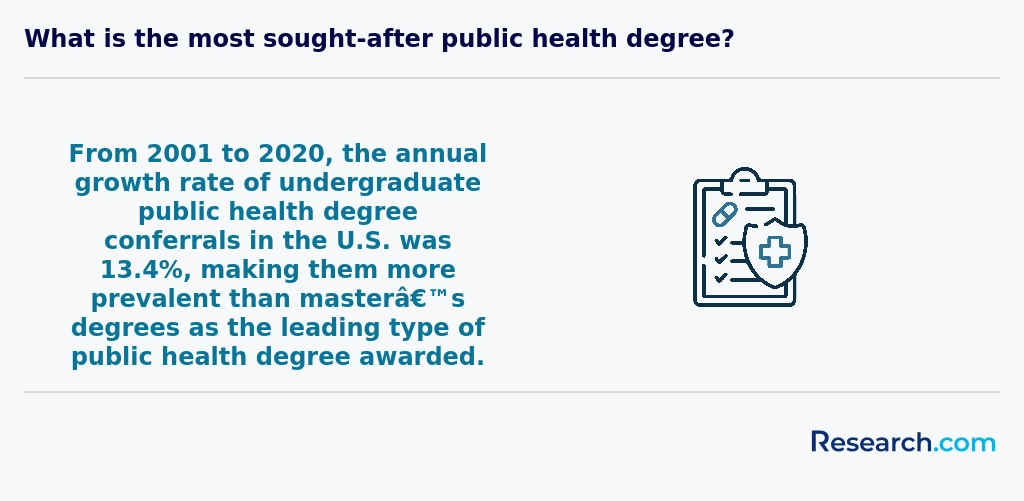
The online public health jobs in Baltimore show strong potential, with a projected employment growth of around 15% from 2022 to 2032, surpassing the average for most occupations. Graduates from public health programs at popular local universities often find positions in diverse settings such as hospitals, government agencies, and community organizations. Many appreciate the flexibility of remote roles in research and program coordination, which align well with online degree formats.
Job seekers with a public health degree employment Baltimore MD recognize skills in epidemiology, health policy, and data analysis are especially valued by local employers. Graduates report that degree affordability-ranging from $15,000 to $30,000 annually-and alignment with local health priorities enhance their confidence in building meaningful careers without excessive debt.
Additionally, students looking to complement their public health education often explore related healthcare fields. For example, some may compare options with nursing degrees louisiana rankings to identify pathways that best fit their goals and local job markets.
2027 Most Affordable Online Public Health Degree Programs Ranking in Baltimore, MD
Investing in your education is a significant decision that requires careful consideration, and the Research.com team recognizes the importance of providing trustworthy guidance. To support students seeking affordable and high-quality public health degree programs in Baltimore, MD, we have developed the "2027 Most Affordable Online Public Health Degree Programs Ranking in Baltimore, MD." Our commitment to quality, credibility, and accuracy is reflected in the thorough analysis behind this ranking.
We utilized the following reputable data sources to ensure a comprehensive evaluation of public health programs:
By exploring this ranking, readers will gain valuable insights to help them identify affordable, credible programs that match their goals and budget. For further details on how we crafted this ranking, please visit our Research.com methodology page.
# 1 position
University of Maryland, Baltimore
Master of Health Science


Frequently Asked Questions About public health
Students pursuing online public health degrees in Baltimore can enhance their experience by actively engaging with local health initiatives. Baltimore faces significant public health challenges, including a high rate of asthma and chronic diseases, as reported by the Baltimore City Health Department. Participating in virtual seminars or local community projects helps connect theory with practice.
Utilizing resources from Baltimore-based institutions like Johns Hopkins University and the University of Maryland can provide access to expert research and relevant data. Networking through online student groups or professional associations focused on Maryland's public health concerns also strengthens learning.
Finally, managing time effectively for coursework and practical assignments ensures steady progress toward degree completion while balancing personal and professional commitments.
The public health field is rapidly evolving, with several emerging niches gaining attention nationwide, including in Baltimore. One growing area is health informatics, which applies data technology to improve healthcare outcomes. This niche is vital as Baltimore hospitals and health departments increasingly use electronic health records and data analytics.
Another focus is environmental health, addressing urban challenges in Baltimore such as pollution and lead exposure. Professionals in this niche work to create safer living conditions through policy and community programs.
Behavioral health also remains a priority, with a growing need for experts in mental health and addiction prevention in Maryland.
After completing an online public health degree in Baltimore, preparing for the job market involves several key steps. Start by gaining practical experience through internships or volunteering with local health departments such as the Baltimore City Health Department, which often offers opportunities. Networking is vital; join organizations like the Maryland Public Health Association to connect with professionals. Maryland's public health sector is growing, with a projected 10% increase in jobs by 2030 according to the U.S. Bureau of Labor Statistics. Consider obtaining certifications like Certified Health Education Specialist (CHES) to improve employability. Stay informed about Baltimore's specific health challenges to tailor your skills effectively.
Employers in Baltimore seeking graduates with public health degrees emphasize a combination of technical and interpersonal skills. Strong data analysis and biostatistics abilities are crucial, given Baltimore's focus on evidence-based public health interventions, as noted by the Maryland Department of Health. Employers also value proficiency in health communication, which supports local community engagement and education initiatives. Knowledge of epidemiology and program management is essential to address Baltimore's urban health challenges effectively. Additionally, cultural competence and collaboration skills are highly regarded, as the city's diverse population requires adaptable and inclusive public health strategies. These competencies increase job readiness in Baltimore's competitive public health sector.
Finding internships in Baltimore relevant to a public health degree involves exploring opportunities with local health departments, hospitals, and nonprofit organizations. The Baltimore City Health Department offers internship programs focusing on epidemiology, community outreach, and health education. Additionally, Johns Hopkins Bloomberg School of Public Health provides connections to research internships accessible to online students.
Baltimore's public health sector is robust due to ongoing efforts against chronic diseases and infectious outbreaks. According to the Maryland Department of Health, internships linked to opioid epidemic response and maternal health are in demand. Students can also use platforms like Handshake or the Maryland Workforce Exchange to find openings specifically tailored to Baltimore public health roles.
Building relationships through networking events and professional associations such as the Maryland Public Health Association can increase chances for hands-on experience. Early application and clear articulation of career goals will improve placement success.
Obtaining an online public health degree can significantly enhance career mobility and advancement for professionals in Baltimore. The city's growing public health sector, driven by local agencies like the Baltimore City Health Department, increasingly values advanced credentials. According to the U.S. Bureau of Labor Statistics, public health-related jobs in Maryland are projected to grow by around 14% from 2021 to 2031, outpacing many other fields.
Online degrees offer flexibility for working professionals to gain specialized knowledge in areas like epidemiology and health policy, which are critical in Baltimore's urban health environment. Employers often prefer candidates with a graduate-level degree for leadership roles and salary increases, making online programs a practical route to career growth. Additionally, Maryland's active public health networks provide strong opportunities for internships and partnerships, supporting job placement after graduation.
Studying for an online public health degree in Baltimore equips students with skills necessary for interdisciplinary roles by integrating knowledge from fields such as epidemiology, health policy, and community health. Baltimore's diverse population and complex health challenges provide a practical context for applying theoretical knowledge. Coursework often emphasizes collaboration across sectors including healthcare, social services, and environmental science, fostering teamwork and communication skills critical in public health work.
According to the Maryland Department of Health, Baltimore faces significant health disparities, pushing programs to focus on equity and social determinants of health. This prepares graduates to work effectively in varied settings, from government agencies to nonprofit organizations.
Choosing between a thesis and a non-thesis public health degree program in Baltimore depends on your career goals and learning preferences. A thesis option usually requires conducting original research and writing a detailed paper. This path suits students aiming for research roles or doctoral studies. A non-thesis program focuses more on practical knowledge, often including a capstone project or comprehensive exams. It's ideal for those seeking immediate workforce skills or public health positions in Baltimore's diverse healthcare sector.
According to the Maryland Department of Health, Baltimore faces ongoing public health challenges, such as high rates of chronic diseases, making applied skills valuable.
Understanding your future plans and preferred learning styles can help you decide which program fits best.
Students in Baltimore interested in studying public health abroad through online programs have several options within the U.S. higher education system. Many U.S. universities offer fully online public health degrees recognized nationwide, allowing Baltimore-based learners to access global perspectives without relocating.
Some institutions provide study-abroad opportunities or international practicum components that can be integrated into their online curriculum. These options enable students to gain practical global public health experience while completing their degree remotely.
The Johns Hopkins Bloomberg School of Public Health, located in Baltimore, is a world leader but primarily offers online programs focused on global health issues, facilitating international study virtually. Statistics from the Maryland Department of Health highlight the importance of global health knowledge to address local challenges in Baltimore's diverse communities.
Overall, Baltimore students can leverage online programs with international components or global emphases, combining the convenience of remote learning with enriched global public health understanding.
Students pursuing an online public health degree in Baltimore can find part-time jobs that enhance both their education and career prospects. Positions such as community health worker, health educator, or research assistant are common and valuable. These roles provide hands-on experience with Baltimore's unique public health challenges, including chronic disease management and infectious disease prevention. According to the Maryland Department of Health, Baltimore's focus on reducing health disparities offers ample opportunities for practical learning. Moreover, nonprofit organizations and local health departments frequently seek part-time staff to assist with outreach and education programs, allowing students to apply classroom knowledge directly in the field.
Online public health students in Baltimore benefit from numerous networking opportunities despite studying remotely. Baltimore is home to leading public health institutions such as Johns Hopkins Bloomberg School of Public Health, which regularly hosts webinars, workshops, and virtual networking events accessible to local students. These events connect students with seasoned professionals, researchers, and local health department officials.
Additionally, the Maryland Public Health Association offers memberships for students, providing access to regional conferences and community projects. According to the Maryland Department of Health, Baltimore's public health sector employs over 10,000 professionals, creating a vibrant network for students aiming to build careers.
Alumni networks provide vital support for online public health degree students in Baltimore by offering connections to experienced professionals in the field. These networks often facilitate job opportunities in local health departments and nonprofit organizations, which are key employers in the Baltimore area. According to the Maryland Department of Health, Baltimore has a growing demand for public health workers, making alumni contacts especially valuable for career advancement. Networking events, mentorship programs, and online forums enable students to exchange knowledge and receive guidance during and after their studies. For online learners, this creates a sense of community and enhances practical career outcomes.
Customizing an online public health degree in Baltimore allows students to align their studies with specific career goals. Many programs offer concentrations such as epidemiology, health policy, or community health, enabling focused expertise. Students can often choose electives based on local public health needs, reflecting Baltimore's challenges like chronic disease and urban health disparities, as highlighted by the Maryland Department of Health.
Practical options, including internships and capstone projects, may be completed remotely or with Baltimore-based organizations, providing valuable real-world experience. This flexibility helps students build relevant skills to address public health concerns specific to their communities.
Advisors typically assist in tailoring coursework and practical experiences to fit diverse career paths in nonprofit, governmental, or healthcare sectors.
Online public health students in Baltimore often face challenges balancing coursework with work and family responsibilities. Many students report difficulty managing time effectively due to the rigorous demands of online programs combined with personal commitments. Connectivity issues and access to reliable high-speed internet can also be a barrier, particularly in areas of Baltimore where broadband availability remains uneven, according to the Federal Communications Commission.
Another common challenge is limited hands-on experience, as public health degrees typically involve practical skills that are harder to develop through virtual formats. Students must often seek local internships or practicum opportunities, which can be scarce or competitive.
Finally, some learners struggle with limited access to campus resources, such as advising and peer networking, impacting their academic progress and professional development.
With an online public health degree, Baltimore students can pursue various respected certifications to enhance their credentials. The most common certification is the Certified in Public Health (CPH) credential, offered by the National Board of Public Health Examiners. This certification validates your foundational knowledge in public health practice.
Other popular certifications include the Certified Health Education Specialist (CHES) and the Registered Health Information Technician (RHIT). These credentials are recognized nationwide and often lead to higher employability and salary potential in public health roles.
Since Baltimore's public health needs focus on urban and community health issues, certifications in epidemiology or healthcare management may also be valuable. Local data from the Maryland Department of Health show a growing demand for professionals with such expertise.
Applying for an online public health program in Baltimore requires a clear demonstration of your passion and understanding of local health challenges. Baltimore faces significant public health issues, including high rates of asthma and HIV, so showcasing relevant experience or research connected to these topics can strengthen your application. According to the Baltimore City Health Department, nearly 12% of adults suffer from asthma, highlighting the need for targeted public health interventions.
Highlight your academic achievements, especially in sciences and social sciences, with a strong GPA. Include clear goals showing how the program aligns with your career plans to impact Baltimore's communities.
Finally, request thoughtful recommendation letters from professionals familiar with your dedication to public health. An engaging personal statement reflecting your commitment and understanding of Baltimore's public health climate will make your application stand out.
Public health careers are gaining recognition worldwide for their critical role in improving community well-being. In the United States, and particularly Baltimore, public health professionals address local and global health challenges such as infectious diseases, chronic conditions, and health disparities.
The global perspective emphasizes collaboration across countries to control pandemics, mitigate environmental risks, and promote health equity. According to the Centers for Disease Control and Prevention (CDC), public health jobs in Maryland are projected to grow by 13% between 2020 and 2030, reflecting strong demand.
Online public health degrees provide flexible access for Baltimore students to join this expanding field, preparing them to work in diverse environments both locally and internationally.
While pursuing an online public health degree in Baltimore, students can gain practical experience through internships and field placements. Many programs partner with local health departments, such as the Baltimore City Health Department, which handles community health initiatives and disease control. These opportunities allow students to apply classroom knowledge to real-world challenges.
The city's focus on issues like infectious diseases, substance abuse, and maternal health creates varied internship options. Additionally, virtual practicums and research projects provide flexible ways to gain hands-on experience.
According to the Maryland Department of Health, internships improve job prospects by offering essential skills and networking connections in the public health sector.
Choosing the right concentration within an online public health degree program in Baltimore depends on your career goals and local health priorities. Baltimore faces significant challenges in chronic disease and substance abuse, making concentrations like epidemiology or health policy highly relevant. According to the Maryland Department of Health, focusing on community health or substance use prevention can position graduates to address these pressing issues.
Consider your background and desired job role. For example, a concentration in biostatistics suits those interested in data analysis, while environmental health focuses on reducing urban pollution risks, a concern in Baltimore. Research faculty expertise and local partnerships to maximize your program's impact on the city's health landscape.
- 2027 Most Affordable Online Public Health Degree Programs Ranking in Norfolk, VA
- 2027 Most Affordable Online Master's in Public Health Degree Programs Ranking in Boston, MA
- 2027 Most Affordable Public Health Degree Programs Ranking in College Park
- 2027 Most Affordable Public Health Degree Programs Ranking in Washington
- 2027 Most Affordable Public Health Degree Programs Ranking in Philadelphia
- 2027 Most Affordable Public Health Degree Programs Ranking in New Brunswick
- 2027 Most Affordable Public Health Degree Programs Ranking in New York
- 2027 Most Affordable Public Health Degree Programs Ranking in Bronx
- 2027 Most Affordable Public Health Degree Programs Ranking in Lynchburg
- 2027 Most Affordable Public Health Degree Programs Ranking in Pittsburgh
- How to carve a niche in your public health career | PH SPOT https://phspot.org/carvinganiche/
- Areas in Public Health https://www.publichealthcareers.org/areas-in-public-health.html
- What Can You Do With a Public Health Degree? https://www.publichealthdegrees.org/careers/what-can-you-do-with-public-health-degree/
- 2025 Most Affordable Online MPH Programs https://www.onlineu.com/most-affordable-colleges/public-health-masters-degrees
- Master of Science (M.S.) Major in Public Health Education and Promotion (Non-thesis Option) https://mycatalog.txstate.edu/graduate/education/health-human-performance/public-healthed-promo-nonthesis-ms/
- Public Health, Humanities and Social Sciences Area of Concentration https://www.ccbcmd.edu/Programs-and-Courses-Finder/Program/public-health-humanities-and-social-sciences-area-of-concentration.html
- Students and Alumni associations - Europubhealth https://www.europubhealth.org/students-alumni-associations/
- School of Health and Human Services https://www.ubalt.edu/schools-and-colleges/college-of-public-affairs/cpa-schools-and-centers/schools/school-of-health-and-human-services/index.cfm
- How to Get Your First Public Health Job - PHERN https://phern.communitycommons.org/early-career-professional-learning-series/how-to-get-your-first-public-health-job/
- Know more about thesis vs non- thesis: what is the difference? https://studyfans.com/en/blogs/816