
2027 Best Psychology Degree Programs Ranking in College Park

Co-Founder and Chief Data Scientist
If you're considering pursuing a psychology degree in College Park, this article is here to guide you. It presents the 2027 Best Psychology Degree Programs Ranking in College Park, created by the Research.com team of data scientists to help students make informed decisions.
Discover programs that align with your goals and passions while gaining insight into various options. Earning a psychology degree offers rewarding opportunities to understand human behavior and contribute positively to society.
Explore the ranking to find the right fit for your academic journey and future success.
Key benefits of getting psychology degree in College Park
- Salary: Psychology degree graduates in College Park can expect competitive salaries such as Human Resources Specialists earning an average of $76,060 annually and Marketing Research Analysts making around $83,190 each year. These figures show great financial potential in diverse psychology-related fields.
- Career Paths: Graduates from popular colleges in College Park pursue roles like Clinical Research Associates or Survey Researchers, blending science and human behavior, which opens doors to meaningful and rewarding career options. This variety ensures students find a path that truly fits their passion.
- Online Degree Benefits: Earning a psychology degree online from a College Park institution offers flexibility for busy lifestyles, allowing students to balance work and study efficiently. Many online graduates report feeling empowered by the convenience without compromising education quality.
- 2027 Best Psychology Degree Programs Ranking in College Park
- What can I expect from psychology degree in College Park?
- Where can I work with psychology degree in College Park?
What can I expect from psychology degree in College Park?
Discovering the cost of a psychology degree in College Park reveals a blend of investment and opportunity. At the University of Maryland, College Park, tuition and fees for in-state students typically average around $10,000 per year, while out-of-state students might expect approximately $38,000 annually. Graduates often reflect on this expense as a worthwhile step toward engaging in hands-on research and contributing to groundbreaking psychological studies alongside passionate faculty.
Imagine delving into labs that explore cognitive behaviors or participating in internships within Washington, D.C.'s bustling mental health field-all fueled by that investment in education. Covering roughly 120 credit hours, most students find that combining scholarships, part-time work, and carefully chosen electives helps manage costs while keeping their academic journey vibrant and enriching.
Many alumni emphasize how the financial commitment opens doors to career growth, especially given the region's expanding psychology job market. The payback isn't just monetary-it's the thrill of applying what you learn in dynamic, real-world environments right after graduation.
Where can I work with psychology degree in College Park?
Graduates with a psychology degree in College Park discover exciting doors opening all around them, from bustling hospitals to thriving government agencies. Imagine working as a behavioral health specialist at a community clinic just minutes from the University of Maryland's vibrant campus, where real-world impact meets academic excellence. Many find joy in supporting mental health initiatives right in Prince George's County, knowing their efforts help shape healthier neighborhoods.
Others dive into educational roles, perhaps as school counselors or research assistants on inspiring projects led by faculty at College Park's renowned psychology departments. These roles offer the perfect blend of challenge and fulfillment, letting graduates explore human behavior while contributing to meaningful discoveries.
Federal agencies like the NIH, located nearby, attract some graduates eager to influence public health from the inside, while local private companies welcome psychology majors to decode consumer behavior or refine organizational culture. The sense of adventure continues, fueled by a steadily growing job market and a community that embraces new ideas and bright minds.
If you earn a psychology degree in College Park, especially from the University of Maryland, you can step into roles that not only challenge your mind but also provide solid financial rewards. Graduates often find themselves exploring careers like human resources specialists, where the mean annual wage is around $76,060, or marketing research analysts, who earn approximately $83,190 on average. Imagine starting your day analyzing trends or helping companies understand their workforce - exciting and well-paid!
Some graduates dive into research, becoming clinical research associates or survey researchers. These roles average about $62,370 per year, offering a mix of hands-on study and problem-solving that keeps the work refreshing and impactful. For those passionate about providing care, positions like childcare workers earn roughly $32,070 annually, a stepping stone filled with rewarding experiences.
These figures reflect the vibrant job landscape near College Park, where psychology degree holders are discovering opportunities that match their ambitions and curiosity. With dedication and the unique local network, your career path can be as varied and fulfilling as your interests in psychology itself.
- The University of Maryland in College Park offers bachelor's, master's, and doctoral degrees in psychology covering theory, research, and applied skills.
- The estimated cost for a bachelor's degree for in-state students ranges from $30,000 to $40,000, while out-of-state tuition can exceed $60,000 for four years.
- Graduate psychology programs vary in cost from $20,000 to over $50,000 depending on program length and type.
- Entry-level psychology salaries in the College Park area average between $45,000 and $55,000 per year, with experienced psychologists earning $80,000 or more annually.
- The job market in psychology is expected to grow about 8% nationally through 2030, reflecting steady demand in mental health, education, social services, and research.
- Licensure in Maryland requires an advanced degree and supervised clinical hours, supported by practicum and internship opportunities in the region.
If you're diving into a psychology degree in College Park, expect an exciting journey of about four years for your bachelor's at the University of Maryland, College Park. Many students start with eye-opening intro courses that spark their curiosity, then immerse themselves in specialized topics and hands-on research by their junior and senior years. Imagine the thrill of uncovering what drives human behavior, guided by passionate professors in campus labs.
Some graduates recall balancing double majors or minors, which sometimes stretched their timeline, but also enriched their college adventure. Others sped through combined bachelor's and master's programs, shaving precious time off their academic path.
For those craving deeper expertise, a master's is typically a two-year leap beyond the bachelor's. Doctorates can extend from 4 to 7 years, filled with challenging yet rewarding research that shapes future careers in psychology.
This flexible pacing lets students embrace their unique educational journeys-full-time, part-time, or even online-making psychology in College Park an exciting quest tailored just for you.
When considering a psychology degree in College Park, MD, one of the crucial factors to think about is the cost and how to manage expenses. Understanding that the average annual tuition for in-state students is around $7,070, while out-of-state students can expect to pay significantly more, highlights the importance of financial planning. For those looking to minimize costs, exploring the cheapest psychology schools in Maryland can be a strategic move. Additionally, students should factor in other expenses such as textbooks, living costs, and fees, which can add up quickly. By doing thorough research and planning, prospective students can make informed decisions about their education, ensuring that they select a program that not only aligns with their career aspirations but also fits their budget. This proactive approach to financial planning can significantly reduce stress and allow students to focus on their Studies, ultimately leading to a more successful and fulfilling academic journey.
Choosing between an online and an on-campus psychology degree in College Park feels like stepping into two distinct worlds, each with its own rhythm. Imagine attending the University of Maryland, College Park, where on-campus students dive into lively class discussions and collaborate hands-on in psychology labs. These moments spark immediate connections, creating a sense of community and real-time discovery that many graduates cherish.
On the flip side, online psychology students often juggle their studies amid life's hustle-whether working a job or managing family. Their coursework flexes around busy schedules, thanks to asynchronous classes and virtual chats, offering a freedom that many find empowering. Some programs even blend this flexibility with occasional in-person residencies, mixing solitude with social spark.
Both paths demand dedication, but the on-campus journey often feels immersive and tactile, while online studies offer adaptability and self-paced exploration-each shaping a unique learning adventure right in the heart of College Park's vibrant academic scene.
As you transition from academic settings to the professional world, continuous development and targeted networking become critical for career growth in the psychology field. Engaging in industry conferences, pursuing certifications, and joining professional organizations are key strategies that not only broaden your understanding of emerging trends but also connect you with mentors and peers who can influence your professional journey. For instance, students and graduates with an interest in sports psychology can explore roles that highlight the best salary for sports psychologist, while also benefiting from specialized workshops and networking events tailored to athletic performance and mental health. Additionally, many programs offer career services that include internship placements, alumni mentoring, and skills development sessions, providing essential support in navigating competitive job markets. Leveraging these resources ensures that your education not only equips you with strong theoretical foundations but also positions you for long-term success in your chosen psychology career path.
The average cost of a psychology degree in College Park offers an intriguing balance between investment and opportunity. At the University of Maryland, many graduates recall the experience of managing around $11,800 for in-state students, covering tuition and fees. This figure might spark surprise and excitement for those eager to dive into the vibrant psychology community nearby, knowing it fits within a practical budget for a prominent public university.
Out-of-state students might feel the weight of a higher cost, around $58,808 for the entire degree path, yet many find the immersive academic environment and research opportunities worth every dollar. These costs shape the overall journey, enriching the student's sense of commitment and determination. Students often describe their campus life-balancing studies and social moments-as a transformative adventure, powered by the value of their College Park psychology degree tuition and fees.
Beyond tuition, additional expenses like books, housing, and personal costs invite students to plan wisely. Many embraced scholarships and assistantships, which can lighten this financial trail significantly. For those inspired by a thriving career, exploring substance abuse counseling job outlook is a natural extension of their degree's promise. The average cost of psychology degree in College Park represents more than numbers-it's an investment in a rich academic journey filled with discovery and growth.

After earning a psychology degree in College Park, MD, aspiring professionals must meet specific state licensure and certification standards to practice legally. In Maryland, the Board of Examiners of Psychologists and the Board of Social Work Examiners oversee credentialing for various roles, including clinical psychologists, licensed clinical professional counselors (LCPCs), and licensed clinical social workers (LCSWs). Key steps include:
- Educational Credentials: A doctoral degree (PhD or PsyD) is required for a psychologist license, while a master’s degree in counseling or social work suffices for LCPC or LCSW certification.
- Supervised Experience: Doctoral candidates complete at least 1,500 hours of supervised post-doctoral practice; master’s-level applicants accrue 3,000 hours under an approved supervisor.
- Examination Requirements: Psychologists must pass the Examination for Professional Practice in Psychology (EPPP); counselors and social workers take the National Clinical Mental Health Counseling Exam (NCMHCE) or the Association of Social Work Boards (ASWB) exam, respectively.
- Application and Fees: Submit official transcripts, supervisor evaluations, and application fees (varying by license type) to the Maryland Department of Labor Licensing and Regulation. Before applying, many graduates explore salary projections-see our guide on how much does a therapist make-to align their career goals with financial expectations. Finally, all licensees must complete 40 hours of continuing education every two years to maintain their credentials and stay current with best practices in the field.
Imagine stepping onto the University of Maryland's campus in College Park, energized by the promise of a psychology degree yet curious about how to make the journey affordable. Many students here unlock federal aid through FAFSA, tapping into grants like the Pell Grant that can cover thousands of dollars without adding debt. Others share stories of how low-interest Federal Direct Loans eased the pressure of pricey textbooks and living expenses.
Merit and need-based scholarships add an exciting layer of support, awarded for both academic achievements and financial circumstances. Psychology students often find relief through departmental scholarships funded by alumni passionate about mental health. Graduate students speak highly of teaching and research assistantships that not only waive tuition but offer stipends, turning their academic ambitions into paid endeavors.
Local treasures, such as Maryland state grants and community scholarships around College Park, open additional doors. Work-study programs provide valuable campus jobs aligned with the psychology path, blending income with meaningful experience. Many graduates reflect on these opportunities as essential stepping stones that fueled their academic adventure with confidence and hope.
- University of Maryland, College Park
Renowned R1 institution offering BA and BS tracks, extensive lab facilities, and faculty-led research partnerships with local clinics.
- Bowie State University
HBCU with small class sizes, strong community outreach projects, and emphasis on social justice in counseling psychology.
- Prince George’s Community College
Affordable associate degree pathway with seamless transfer agreements to four-year programs and hands-on internships at campus clinics.
- University of Maryland Global Campus
Fully online BA in Psychology with flexible pacing and one of the most affordable accredited online psychology degrees.
To dive into a psychology degree in College Park, you'll need a solid academic foundation-think of it as packing the right gear for an insightful expedition into the mind. At the University of Maryland, College Park, many undergrads start their journey with strong high school credentials, including coursework in English, math, and sciences like biology, which build critical thinking muscles essential for understanding human behavior.
Picture a recent graduate who credits their success to those early biology classes that sparked curiosity about neuroscience. Admission here is competitive, with freshmen often boasting a GPA above 3.7 and SAT scores between 1290 and 1480, showcasing their readiness to embrace the challenge.
For those venturing into graduate studies, it's like leveling up-the path requires a relevant bachelor's degree and strong grades in courses such as statistics and research methods. Many grads recall how crafting personal statements and gathering glowing recommendations felt like assembling a personalized map guiding them through admissions.
Some programs ask for GRE scores, though this is evolving, offering hopefuls flexibility. This blend of academic rigor and personal passion shapes a fulfilling journey into psychology in College Park.
Regional and programmatic accreditation validate academic rigor and ensure eligibility for licensure examinations.
- Regional Accreditation: Verifies institutional standards and access to federal financial aid.
- APA Accreditation: Required for certain clinical and counseling psychology paths.
- State Licensure: Most states mandate supervised hours and the EPPP exam after graduation.
Key Steps to Licensure
- Graduate from an accredited psychology program.
- Complete required supervised experience.
- Pass the Examination for Professional Practice in Psychology (EPPP).
- Apply for licensure in your practicing state.
For an expedited curriculum meeting accreditation standards, explore accelerated psychology programs online.
At the University of Maryland in College Park, diving into a psychology degree means embarking on a journey through fascinating courses that open your mind. Imagine sitting in an Introduction to Psychology class, discovering how thoughts, emotions, and behaviors connect, just like many graduates recall feeling that "aha" moment when theory clicks with real life.
Students eagerly engage with Research Methods and Statistics, learning not only to crunch numbers but to design experiments that reveal the secrets of the mind. Many alumni treasure these skills as the tools that shape their ability to understand human behavior deeply.
Courses in Biopsychology or Neuroscience take curious minds inside the brain's wiring, sparking excitement as students connect biology with everyday experiences, like recalling how memory works in Cognitive Psychology sections.
Developmental and Social Psychology classes bring stories to life-whether it's tracking the changes from childhood to adulthood or unraveling how social environments influence decisions. Electives like Abnormal Psychology add thrilling layers, preparing students for careers that change lives.
Exploring a psychology degree in College Park unlocks a vibrant array of specializations tailored to ignite your curiosity. At the University of Maryland, students dive into engaging concentrations like Clinical Psychology, where graduates recall immersive internships treating real mental health challenges, fostering both empathy and clinical skills. Other adventurous learners gravitate toward Cognitive Psychology, fascinated by the inner workings of memory and decision-making-perfect for those drawn to research or innovative human-computer interactions.
In the world of College Park psychology program concentrations, Developmental Psychology offers a heartfelt journey through human growth stages, inspiring graduates who now work passionately in education and social services. Meanwhile, Social Psychology captivates those intrigued by how people influence each other, channeling their insights into dynamic fields like marketing or public policy.
Health Psychology also beckons, focusing on wellness and chronic disease management. Many alumni emphasize how understanding the doctorate degree meaning expanded their research horizons, enriching their hands-on experiences in this diverse landscape.
Choosing the best psychology degree in College Park means diving into a world where your passions meet expert guidance. Imagine being part of the vibrant University of Maryland's psychology community, where graduates rave about the personalized mentorship and hands-on research that shape real-life skills. It's not just about theory; it's about engaging in projects that spark curiosity and open doors to exciting internships. When exploring the affordable psychology colleges in College Park, consider programs that offer distinct specializations, from clinical to social psychology, so you can tailor your journey to what excites you most.
Think about classmates who juggled evening classes or online coursework, balancing studies with life's other adventures. Their success stories highlight the value of flexibility without compromising quality. Financially, weighing tuition alongside scholarships or assistantships makes a huge difference.
Many alumni emphasize how the university's career services propelled them forward, connecting them with networks that lead to rewarding jobs and solid salaries. For a glimpse of promising futures, check out this list of top colleges for career success that includes schools in Maryland.

Graduates with a psychology degree in College Park embark on exciting career paths that tap into the heart of human behavior. Some choose clinical psychology, pursuing advanced doctorates and licensing to help people overcome mental health challenges, a rewarding journey many find deeply fulfilling. Others dive into industrial-organizational psychology, blending insights from workplace dynamics and human resources-a natural fit in Maryland's business hubs and government agencies.
Research opportunities thrive around popular universities like the University of Maryland, where students engage hands-on with captivating projects in cognitive or social psychology, turning curiosity into impact. For those drawn to education, careers in school and educational psychology offer meaningful roles supporting student well-being, supported by state certifications unique to Maryland's system.
With psychology careers in College Park spanning forensic, neuropsychology, and health psychology, graduates feel the electric potential of the region's proximity to Washington, D.C. One can't explore psychology here without discovering opportunities that mirror personal passion and professional growth. Those curious to learn more about pathways might explore the best psychology degrees in Washington, uncovering programs that open doors to vibrant job opportunities with psychology degree College Park.
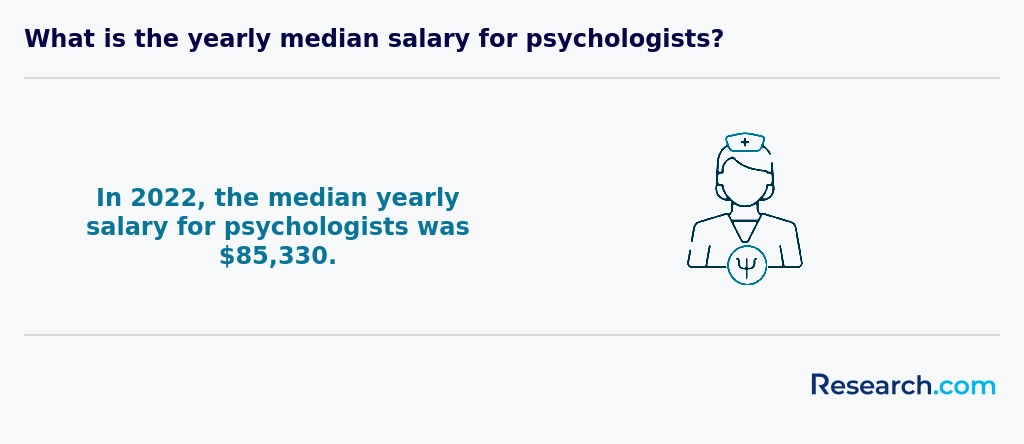
The job market for psychology degree jobs in College Park is as dynamic as the city itself, fueled by its close ties to federal agencies and top research institutions. Graduates from the University of Maryland often dive into roles ranging from research assistants at NIH to clinical positions in local healthcare, experiencing firsthand how their skills translate into meaningful contributions. Many find excitement in internships offered by nearby organizations like the FDA or community programs with NAMI Maryland, which create doors to career growth and real-world impact.
Those pursuing College Park psychology career opportunities enjoy strong support from the University's vibrant academic network, offering access to assistantships and extensive local connections. Practical experience in cognitive or behavioral research can quickly turn into lucrative roles exceeding $70,000 a year, keeping pace with national trends. For students weighing costs, exploring the cheapest psychology schools in Maryland helps balance quality with affordability, encouraging many to embark on this rewarding path.
2027 Best Psychology Degree Programs Ranking in College Park
Investing in your education is a significant decision that can shape your future, and the Research.com team understands the importance of making informed choices. To assist prospective students in College Park, we have meticulously crafted the "2027 Best Psychology Degree Programs Ranking in College Park." Our commitment to quality, credibility, and accuracy is reflected in the extensive research and analysis conducted to compile this ranking.
We utilized the following reputable data sources to ensure a comprehensive evaluation of psychology programs:
By exploring this ranking, readers will gain valuable insights into the best psychology degree programs available in College Park, helping them make informed decisions about their educational paths. For more details on our methodology, please visit our Research.com methodology page.

Frequently Asked Questions About psychology
Psychology degree students in College Park can maximize their learning by actively engaging in research opportunities offered by the University of Maryland, which hosts one of the top psychology departments nationally. Participating in faculty-led projects provides practical experience and strengthens critical thinking skills. According to the American Psychological Association, hands-on research improves retention of knowledge and job readiness.
Students should also take advantage of internships in local mental health facilities and organizations, gaining real-world exposure. Joining psychology-focused student groups further enhances peer learning and networking. Utilizing campus resources like tutoring centers and workshops caters to diverse learning styles and academic success.
Emerging niches within the psychology field reflect growing societal needs and technological advances. One key area is neuropsychology, focusing on how brain injuries and disorders affect behavior. This niche is expanding with advances in brain imaging technologies.
Another growing specialization is health psychology, which studies how psychological factors impact physical health and illness management. According to the American Psychological Association, this field is expected to grow by 14% over the next decade.
Industrial-organizational psychology is also gaining prominence, especially in places like College Park with its proximity to large employers and government agencies. Professionals in this niche help improve workplace productivity and employee wellbeing.
Finally, digital and cyber psychology, studying human interaction with technology, is an innovative emerging field driven by rapid digital transformation across the U.S.
After earning a psychology degree in College Park, graduates should focus on gaining practical experience to strengthen their job market prospects. Internships and research assistant positions at local institutions, such as the University of Maryland's psychology department, offer valuable hands-on skills. Networking through university career services and psychology-related events helps connect with employers in clinical, counseling, or research fields.
Additionally, pursuing certifications or graduate education can improve employability. According to the U.S. Bureau of Labor Statistics, jobs for psychologists are projected to grow 8% through 2031. Preparing by developing both academic knowledge and applied experience is essential for success.
Employers seeking psychology degree graduates in College Park prioritize strong analytical and critical thinking skills. Graduates must effectively interpret research data and apply psychological theories to real-world situations.
Communication skills are essential, as psychologists often work with diverse populations and must convey complex ideas clearly. Both written and verbal communication abilities are highly valued.
Additionally, proficiency in research methods and familiarity with statistical software like SPSS or R are frequently requested by local employers, reflecting the emphasis on evidence-based practice.
Interpersonal skills, including empathy and cultural competence, are vital for success in clinical and counseling roles common in the College Park area.
Finding internships in College Park relevant to a psychology degree involves several key strategies. Many students begin by consulting their university's career center; at the University of Maryland, College Park, the Career Center provides internship listings and workshops specifically for psychology students. Additionally, reaching out to faculty members can open doors to research assistantships or clinical internships often available in psychology departments.
Local hospitals, mental health clinics, and nonprofit organizations frequently offer internship opportunities. According to the UMD Psychology Department, about 70% of students secure internships through these community connections before graduation. Online platforms like Handshake and the UMD internship database also list psychology-specific internships in the College Park area.
Obtaining a psychology degree in College Park significantly enhances career mobility and advancement opportunities. Graduates benefit from the University of Maryland's strong local reputation, which is influential in the Mid-Atlantic job market. According to the U.S. Bureau of Labor Statistics, employment for psychologists is projected to grow 8% from 2021 to 2031, faster than many other fields.
A psychology degree develops critical skills in research, communication, and data analysis, valued in diverse sectors such as healthcare, education, and business. In College Park, close proximity to government agencies and private firms offers extensive internship and networking prospects, boosting career advancement.
Furthermore, higher education credentials, including master's or doctoral degrees earned locally, correlate with increased earnings and leadership roles within organizations, as reported by the National Center for Education Statistics.
Studying for a psychology degree in College Park equips students with a strong foundation in understanding human behavior, which is essential for interdisciplinary roles. Many programs in College Park emphasize collaboration with fields such as neuroscience, education, and social work, reflecting the integrated nature of modern psychology careers. According to the University of Maryland, students have access to research centers that promote cross-disciplinary projects involving psychology and public health or computer science. This exposure helps graduates apply psychological principles in varied contexts, including healthcare, technology, and policy-making.
Courses often include training in data analysis, critical thinking, and communication, skills highly valued across industries. This preparation aligns with labor market trends showing growing demand for professionals who can bridge psychology with other sectors. For example, the Bureau of Labor Statistics notes an increase in jobs requiring interdisciplinary expertise within mental health and human services around Maryland. Hence, College Park's psychology degrees offer a versatile education suited to diverse career paths.
Choosing between a thesis and a non-thesis psychology degree program in College Park depends largely on your career goals and interests. Thesis programs typically involve conducting original research, which can be a strong advantage if you plan to pursue a PhD or research-based roles.
Non-thesis options often focus more on coursework and practical experience, appealing to students aiming for clinical work, counseling, or industry jobs without intensive research demands. In College Park, data from the National Center for Education Statistics shows that about 35% of psychology graduates opt for thesis tracks linked to research universities.
Consider your time availability as thesis programs can take longer. Discussing your plans with academic advisors in College Park can provide guidance based on current local opportunities and faculty expertise.
Students based in College Park interested in studying psychology abroad have several options through partnerships and exchange programs facilitated by universities such as the University of Maryland. These programs often collaborate with institutions in Europe, Asia, and Australia, allowing psychology majors to gain international experience. The Psychology Department at the University of Maryland maintains a strong reputation, ranking among the top 25 nationwide according to U.S. News & World Report (2023), which supports students in pursuing global academic opportunities.
Many study abroad programs offer psychology-related coursework tailored to global mental health, cognitive neuroscience, and cultural psychology, enhancing students' perspectives. Additionally, financial aid and scholarships specifically for study abroad are often available, helping to offset costs. Students should consult their academic advisors early to align these experiences with degree requirements and professional goals.
Students pursuing psychology degrees in College Park can benefit from various part-time job opportunities that enhance their academic experience. Positions such as research assistants at the University of Maryland's Department of Psychology provide direct exposure to experimental methods and data analysis.
Local mental health clinics often seek interns or aides, offering practical experience in counseling and psychological assessment. These roles help students develop client interaction skills important for future careers.
Additionally, tutoring psychology or related subjects can reinforce knowledge while improving communication. According to the U.S. Bureau of Labor Statistics, gaining relevant work experience significantly boosts employability after graduation, particularly in competitive fields like psychology.
Psychology students in College Park benefit from diverse networking opportunities through the University of Maryland's robust academic community. The university hosts multiple psychology-focused student organizations, such as Psi Chi, the international honor society in psychology, which connects students with local professionals and peers. Additionally, annual events like research symposiums and guest lectures foster direct interaction with faculty and industry experts. According to the university's 2023 career services report, over 70% of psychology undergraduates engage in internships facilitated by the campus network, enhancing practical experience and future job prospects. Local psychology conferences also provide regional networking platforms for students seeking connections beyond campus.
Alumni networks in College Park offer significant advantages for psychology degree students. Graduates from local universities like the University of Maryland often join these networks, which connect students with experienced professionals in psychology-related fields. This access helps students find internships and job opportunities through referrals, increasing employment prospects after graduation.
Research from the National Association of Colleges and Employers (NACE) highlights that 70% of jobs are filled through networking. For psychology students, these networks provide mentorship, guidance on graduate programs, and insight into specialized careers such as clinical or counseling psychology.
Networking events, both online and in-person, foster collaboration and peer support, essential for academic and professional growth in College Park's competitive environment.
Customizing a psychology degree program in College Park allows students to align their education with specific career goals. Many programs offer various specializations such as clinical psychology, cognitive neuroscience, or developmental psychology. Choosing electives and research projects that match your interests can deepen expertise in those areas.
Internships and lab opportunities available in and around College Park provide practical experience tailored to career ambitions. For example, engaging with local mental health organizations or university research centers enhances applied skills and networking.
Advisors in College Park psychology programs typically assist students in selecting courses and experiences that support goals like counseling, research, or education fields. According to the American Psychological Association, focused undergraduate programs improve job prospects in psychology-related careers.
Psychology students in College Park often face several common challenges throughout their studies. A major hurdle is managing the rigorous coursework, which typically includes complex subjects like research methods, statistics, and cognitive psychology. Many students find balancing these demanding classes with internships and part-time jobs difficult.
Access to adequate mental health resources can also be a challenge, despite increased awareness. According to recent data from the University of Maryland's counseling services, nearly 40% of students report high levels of stress during their studies in psychology. This can affect academic performance and personal well-being.
Competition for research opportunities is another concern. With numerous students vying for limited lab positions, securing hands-on experience may be difficult but is essential for graduate school applications.
With a psychology degree in College Park, graduates can pursue various professional certifications to enhance their careers. Common certifications include becoming a Licensed Clinical Psychologist, which requires completing a doctoral degree, supervised hours, and passing the Examination for Professional Practice in Psychology (EPPP).
Other options include certification as a Certified Alcohol and Drug Counselor (CADC) or a Board Certified Behavior Analyst (BCBA), both requiring additional specialized training and exams. The Maryland Board of Examiners of Psychologists provides guidelines specific to the state, helpful for College Park students. According to the Maryland Department of Labor, professionals with these certifications have higher employment opportunities and salary prospects in the region.
To write a winning application for a psychology program in College Park, start by thoroughly researching the specific program requirements. The University of Maryland, College Park, offers highly competitive psychology degrees, so emphasize your academic achievements, especially in science and math courses. Highlight any research experience or relevant internships, as these are valued in psychology admissions. According to the university's Office of Undergraduate Admissions, a strong personal statement explaining your passion for psychology and career goals can set you apart.
Additionally, secure strong recommendation letters from professors or professionals who know your dedication and skills in psychology. Maintain a GPA above 3.5, as top psychology programs in College Park typically admit students with high academic standing. Finally, prepare for and submit standardized test scores if required, and ensure all documents are complete and submitted before deadlines.
Psychology careers in College Park reflect broader global trends emphasizing mental health and interdisciplinary research. Graduates often explore opportunities in clinical practice, research, and counseling, with growing demand due to increased awareness of psychological well-being. According to the U.S. Bureau of Labor Statistics, employment of psychologists is projected to grow 8% from 2022 to 2032, faster than the average for all occupations.
Globally, psychology integrates diverse cultural perspectives, which is crucial in College Park's diverse community. Students trained here gain skills applicable in international settings, especially in areas like multicultural counseling and global mental health initiatives. The University of Maryland, College Park, for instance, offers research programs focusing on cognitive neuroscience and social psychology, attracting global collaboration.
Students pursuing a psychology degree in College Park can gain practical experience through several valuable opportunities. Many universities, including the University of Maryland, offer research assistant positions where students participate in ongoing psychology studies. This hands-on involvement is crucial for understanding experimental design and data analysis. Additionally, internships at local clinics, hospitals, or community organizations provide direct exposure to mental health services and patient interaction.
Volunteer roles are also common, enabling students to develop skills in counseling and support, often required for graduate school applications. According to the National Center for Education Statistics, over 60% of psychology undergraduates engage in internships or research before graduation.
When selecting a concentration within a psychology degree program in College Park, start by exploring your interests and career goals. Common concentrations include clinical, cognitive, developmental, and social psychology. Each focuses on different aspects of human behavior and research methods.
Consider the faculty expertise and research opportunities available at local institutions, such as the University of Maryland's College Park campus, which is known for its strong cognitive and neuroscience programs. According to the university's 2023 data, about 35% of psychology undergraduates pursue concentrations linked to research and experimental psychology.
Also, evaluate how each concentration aligns with job prospects post-graduation. For instance, clinical psychology often leads to licensure and therapy positions, while cognitive psychology may prepare students for roles in research or technology sectors.
Connecting with academic advisors and current students can provide valuable insights into program specifics and outcomes. This approach ensures your choice matches both your passions and the practical demands of the psychology field in College Park.
- 2027 Best Psychology Degree Programs Ranking in Washington
- 2027 Best Psychology Degree Programs Ranking in Baltimore
- 2027 Best Psychology Degree Programs Ranking in New York
- 2027 Best Psychology Degree Programs Ranking in New Haven
- 2027 Best Psychology Degree Programs Ranking in Albany
- 2027 Best Psychology Degree Programs Ranking in Springfield
- 2027 Best Psychology Degree Programs Ranking in Amherst
- 2027 Best Psychology Degree Programs Ranking in Worcester
- 2027 Best Psychology Degree Programs Ranking in Cambridge
- 2027 Best Psychology Degree Programs Ranking in Boston
See What Experts Have To Say About Studying Psychology
Read our interview with Psychology experts

Joann Farrell Quinn, Ph.D., MBA
Psychology Expert
Director at the College of Medicine Department of Medical Education
Morsani College of Medicine

Robin M. Kowalski. Ph.D.
Psychology Expert
Professor of Psychology
Clemson University

Elizabeth L. Jeglic Ph.D.
Psychology Expert
Professor of Psychology
City University of New York

- Mental Health Challenges Faced by Psychology Students | The Healthcare Guys https://healthcareguys.com/2023/11/23/mental-health-challenges-faced-by-psychology-students/
- Study Psychology Abroad https://astarfuture.co.uk/study_psychology_abroad.html
- A Guide to Psychology Internships | Psychology Degree Guide https://psychologydegreeguide.org/resources/internships/
- Know more about thesis vs non- thesis: what is the difference? https://studyfans.com/en/blogs/816
- Society for the Teaching of Psychology https://teachpsych.org/page-1784686/8675326
- Psychology https://www.pointpark.edu/academics/schools/schoolofartsandsciences/departments/psychology/ba-psychology
- Have You Found a Niche? https://www.apaservices.org/practice/business/marketing/building/niche
- How To Find Psychology Internships https://www.psychology.org/resources/how-to-find-an-internship/
- Psychology Degree Requirements | University of Bridgeport https://www.bridgeport.edu/news/psychology-education-requirements/
- 2026 University of Maryland-College Park Psychology Degree Programs https://psychologyonlinedegrees.org/programs/maryland/university-of-maryland-college-park/


